
How to Choose Irrigation Solutions for Arid Regions Based on Water Source and Crop Needs




How to Choose Irrigation Solutions for Arid Regions Based on Water Source and Crop Needs
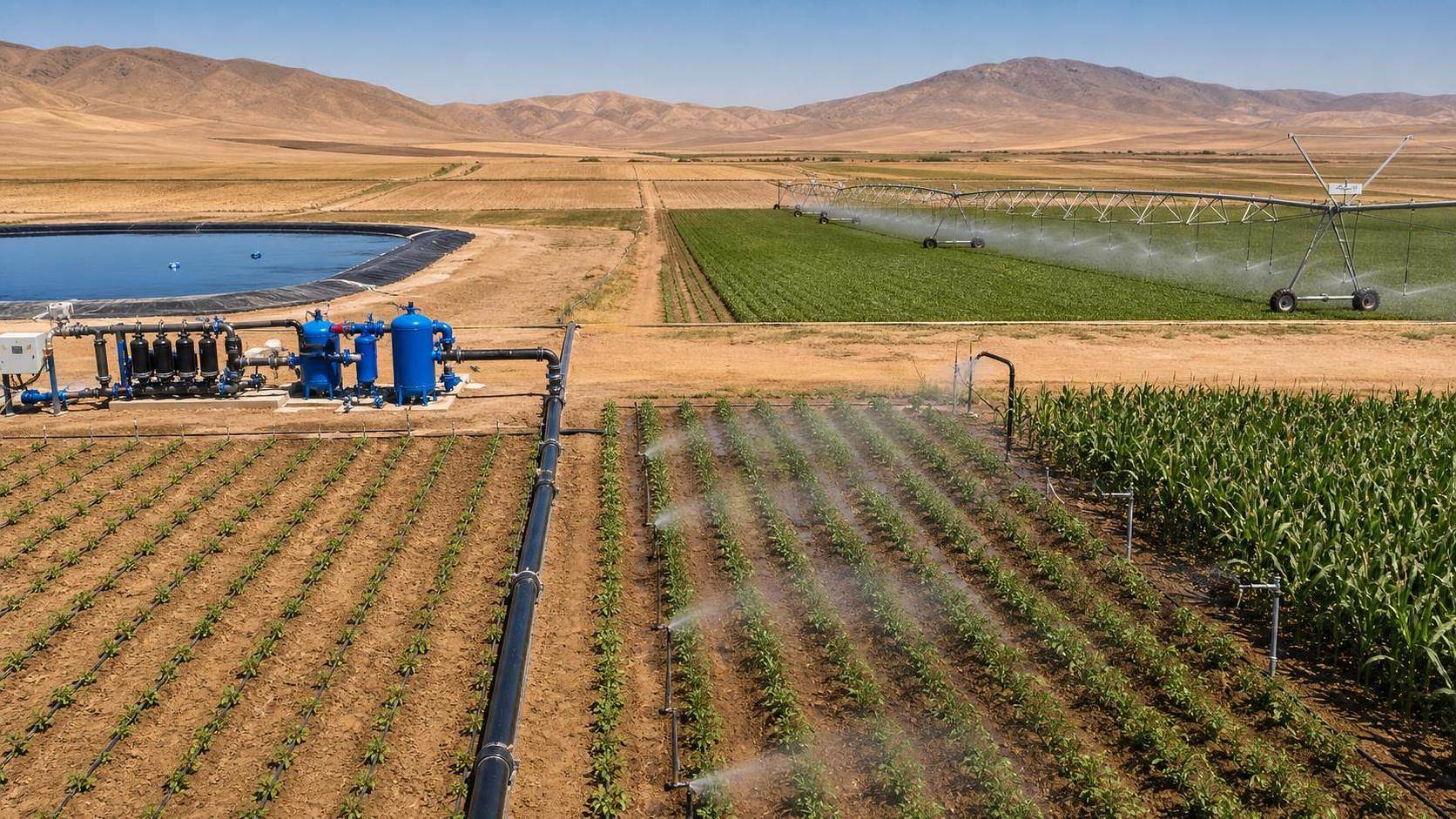
Choosing agricultural irrigation solutions for arid regions is rarely just a question of “which system saves the most water.” In practice, the harder question is whether the system matches the water you actually have, the crop you are trying to protect, and the operating discipline your project can sustain over the next five to ten years.
That distinction matters. A design that looks efficient on paper can become expensive very quickly if the water source is unstable, sediment levels are high, pressure control is poor, or the crop calendar demands precise irrigation timing that the field team cannot reliably execute. For project managers, the decision sits at the intersection of agronomy, hydraulics, energy, maintenance, and return on capital.
In dry climates, the margin for error is small. If irrigation is delayed at the wrong growth stage, yield losses can be difficult to recover. If the system is overbuilt, the project carries unnecessary capital cost and operational complexity. The best decisions usually come from evaluating two things together: water source behavior and crop response.
Start with the water source, not the equipment catalog
A common mistake in arid-region planning is to begin with a preferred irrigation technology—drip, pivot, sprinkler, subsurface drip—and then try to fit the site to it. The sequence should be reversed.
Before comparing systems, clarify how reliable the source is across the season. Surface water from canals or reservoirs may offer lower pumping depth, but delivery timing can be variable. Groundwater may be more controllable, yet pumping cost, drawdown risk, and salinity often become the real design constraints. Reclaimed or blended water adds another layer: technically usable in many situations, but only if filtration, emitter compatibility, and local regulatory requirements are fully understood.
From an engineering standpoint, four source characteristics shape the shortlist more than anything else:
- Availability pattern: continuous supply, rotational delivery, or intermittent access
- Water quality: sediment load, organic matter, salinity, and possible chemical incompatibilities
- Energy requirement: lift height, pressure demand, and tariff exposure
- Source security: seasonal decline, allocation risk, and infrastructure vulnerability
If the source is intermittent, storage and buffering may be more valuable than chasing the highest theoretical application efficiency. If the source carries fine sediment or biological load, a drip system may still be viable, but the filtration train, flushing design, and maintenance routine need to be treated as core system components rather than accessories.
Then match irrigation method to crop behavior, not just crop type
Saying a project grows “orchards,” “vegetables,” or “field crops” is not enough for good selection. What matters is how the crop responds to moisture stress, how concentrated the root zone is, how valuable each irrigation event is at key growth stages, and how uniform the application must be across the field.
High-value crops with tighter moisture sensitivity usually justify more precise application methods. Drip and micro-irrigation are often favored where root-zone control, fertigation, and evaporation reduction matter. But that does not automatically make them the right answer. If the farm lacks reliable filtration management, spare parts access, or disciplined flushing procedures, the expected efficiency advantage can erode over time.
For broadacre crops, center pivots or linear systems may offer a better balance between area coverage, labor efficiency, and controllability, especially when field geometry supports them. They can also integrate more naturally into larger mechanized operations, which is a serious consideration for projects already investing in large-scale machinery, precision implements, and digital field coordination.
The crop’s rooting depth also changes the decision. Shallow-rooted crops often need smaller, more frequent applications. Deep-rooted crops can tolerate a different irrigation rhythm, provided the soil profile allows effective storage. In other words, irrigation method and scheduling logic have to be designed together.
A practical comparison of main options in arid projects
None of these systems is universally superior. In arid regions, a “better” solution is the one that remains technically stable under local water quality, operator skill level, and crop timing pressure.
Water quality can quietly decide the project
Projects often spend time debating application efficiency while underestimating water quality. Yet salinity, suspended solids, iron, biological activity, and seasonal variation in source quality can determine whether a system remains serviceable after a few seasons.
This is especially true for drip-based systems. If emitters are selected without a realistic maintenance plan, the conversation about precision becomes academic. In many arid environments, water chemistry also affects crop tolerance and leaching strategy. That means irrigation design cannot be separated from drainage thinking and soil monitoring. A highly efficient application system is not enough if salts accumulate in the active root zone.
For this reason, many experienced teams insist on reviewing source water tests, seasonal variability, and filtration architecture before locking in field layout. It is not glamorous work, but it prevents expensive redesigns.
Operational reality matters more than brochure efficiency
Some irrigation systems deliver excellent performance only when the operation is disciplined enough to support them. Others are more forgiving. That difference should influence capital decisions.
Ask uncomfortable questions early. Who will monitor pressure differentials across filters? How quickly can a damaged lateral be repaired during peak season? Is there on-site capability for fertigation calibration? Are replacement parts available locally, or will downtime depend on international lead times? Can the project handle sensor integration and data interpretation, or is a simpler control logic more realistic?
This is where the broader Agriculture 4.0 perspective becomes useful. Platforms such as AP-Strategy have highlighted that intelligent irrigation should not be treated as an isolated purchase. It works best when tied to field-level decision systems, equipment planning, and agronomic timing. Precision algorithms, sensor feedback, and mechanized operations can reinforce each other—but only if the project architecture is coherent. Smart irrigation without reliable execution is just expensive complexity.
Do not separate irrigation selection from field layout and mechanization
In large projects, irrigation selection affects more than water delivery. It changes traffic patterns, machinery access, service roads, power routing, and even harvest logistics. A pivot may simplify large-field irrigation but constrain certain field operations at corners or irregular boundaries. A dense drip layout may improve precision while complicating deep cultivation, replanting, or line maintenance.
That is why experienced project leads review irrigation together with land shaping, crop block design, pump station placement, and machinery movement. Teams focused only on hydraulic performance can miss downstream friction with tractors, sprayers, harvesters, or field tool access. AP-Strategy’s cross-sector intelligence approach is useful precisely because irrigation decisions in modern farming rarely stand alone; they sit inside a larger asset and operations system.
A workable decision sequence for project teams
When the site is still at evaluation stage, a practical sequence usually looks like this:
- Confirm source type, seasonal reliability, and quality profile.
- Map crop water demand by growth stage rather than annual average alone.
- Check soil intake behavior, root-zone depth, and salinity management implications.
- Shortlist systems that fit both agronomic need and water quality reality.
- Stress-test energy cost, spare parts access, labor skill, and maintenance burden.
- Review how the irrigation layout interacts with machinery, roads, and field expansion plans.
- Only then compare capital cost and projected operating economics.
Notice that cost comes late in the sequence, not first. That is not because budget is unimportant. It is because a lower-cost system that misses crop timing, struggles with source quality, or repeatedly fails under field conditions often becomes the more expensive option.
What experienced buyers usually avoid
They avoid sizing a system around average-year assumptions if the water source is volatile. They avoid overestimating automation benefits when staffing and service support are thin. They avoid copying a neighboring project without checking whether the source chemistry, crop mix, and operating model are actually comparable.
Most of all, they avoid treating irrigation as a standalone procurement line. In arid agriculture, irrigation is part infrastructure, part agronomy tool, part risk-control system. Good selection reflects all three.
If you are evaluating agricultural irrigation solutions for arid regions, the strongest starting point is simple: understand your water source in operational terms, define where the crop can and cannot tolerate stress, and be honest about maintenance capacity. Once those three are clear, the technology choice usually becomes much less confusing—and far less vulnerable to expensive surprises after commissioning.
Related News
How to Select Smart Irrigation Valves for Multi-Zone Water Management?
Intelligent irrigation systems valves: learn how to match smart valves with multi-zone flow, pressure, control, feedback, and communication needs for reliable water management.
Climate-Smart Farming for Drought: A Practical Plan for Protecting Yields
Climate-smart farming for drought: build smarter water budgets, protect critical crop stages, improve irrigation uniformity, and safeguard yields with practical field-proven strategies.
How Digital Agriculture Platforms Turn Field Data Into Better Input Decisions
Digital agriculture platforms turn field data into smarter fertilizer, water, seed, and equipment decisions—helping farms cut risk, improve margins, and scale sustainability.
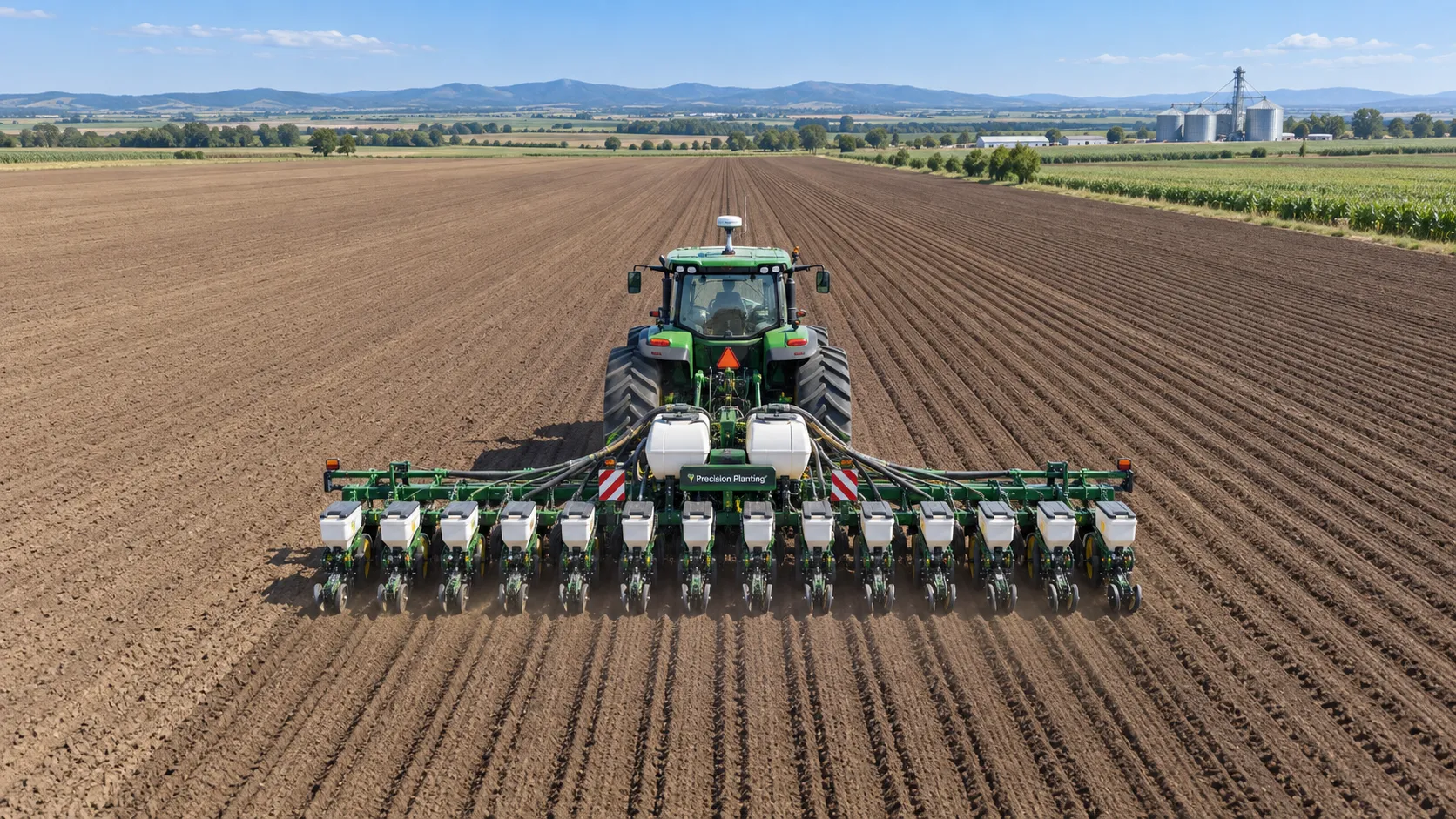
GPS-Guided Farm Machinery: Where It Delivers Measurable Field Efficiency Gains
Agri-mechanization GPS guided systems deliver measurable field efficiency gains through reduced overlap, precise planting, smarter inputs, and reliable farm data.
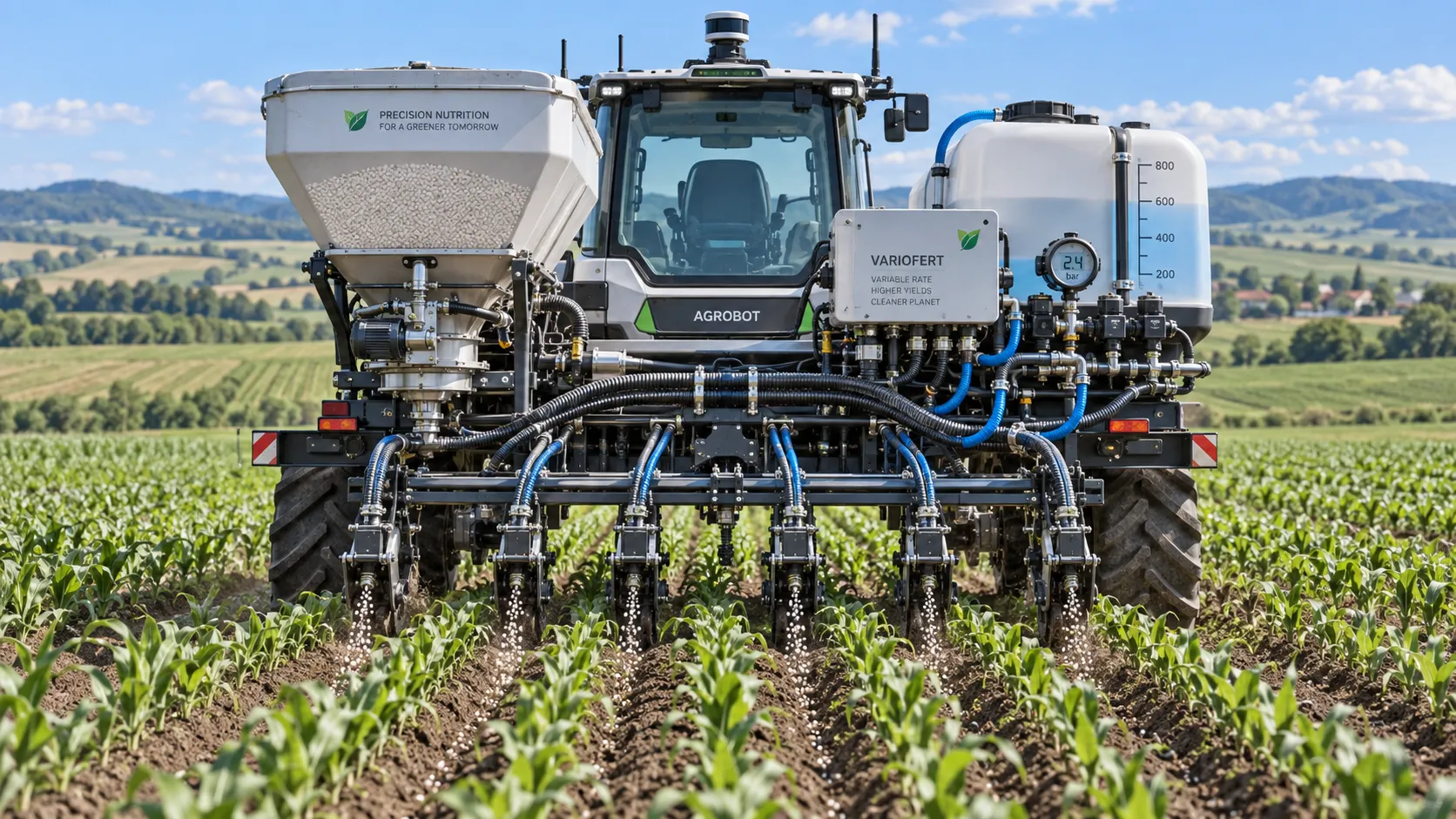
How Sensor Feedback Enables Accurate Variable-Rate Fertilization in Field Conditions
Precision fertilization systems with sensor feedback improve variable-rate accuracy by verifying flow, managing latency, and ensuring reliable field application.
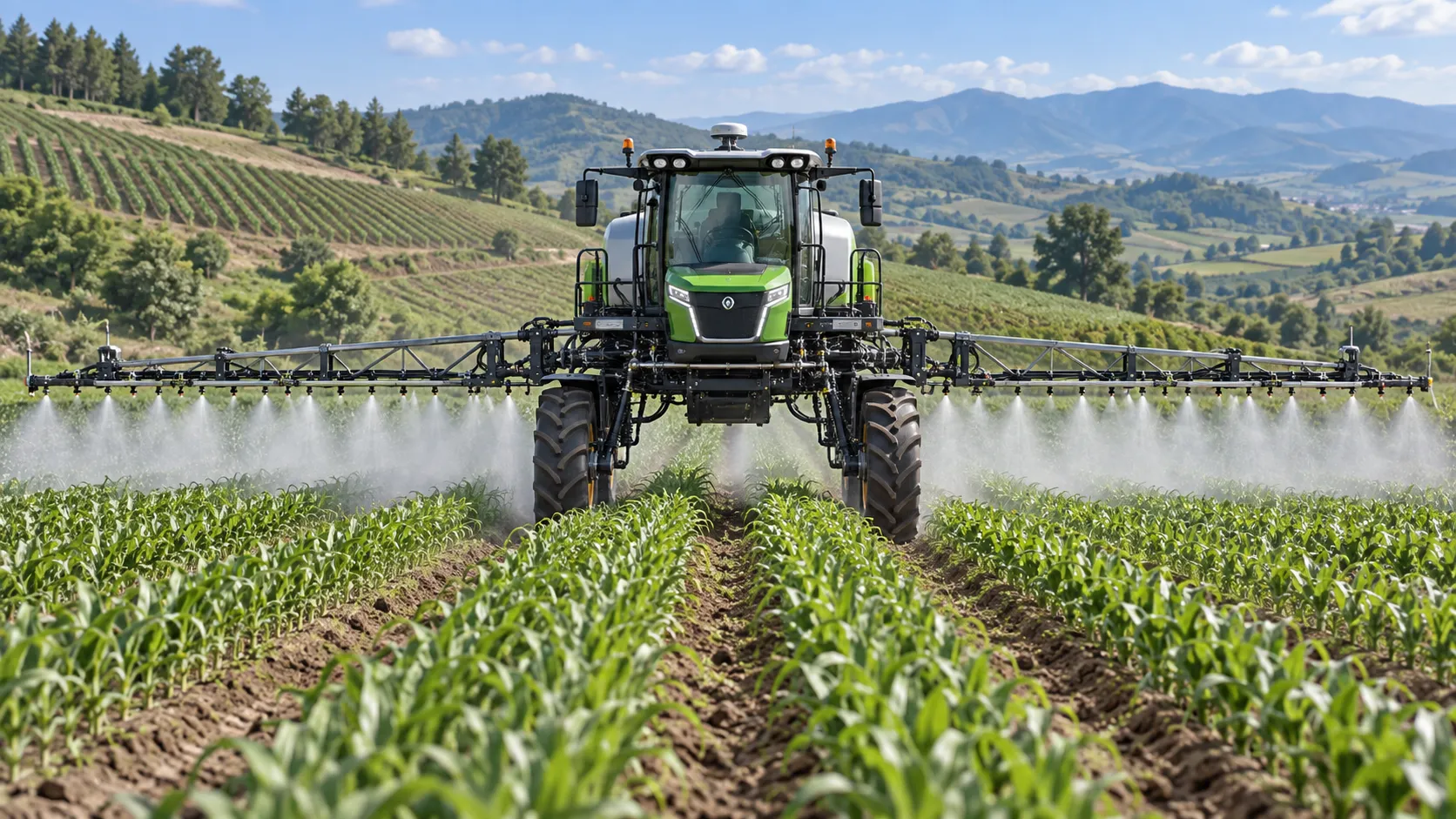
How to Select Precision Crop Protection Equipment for Variable Field Conditions
Precision crop protection equipment selection made simple: compare terrain, canopy, weather, control accuracy, and data workflows for reliable applications.

When Does Agricultural Machinery Leasing Cost Less Than Owning Equipment?
Agricultural machinery leasing can lower farm costs when use is seasonal or uncertain. Compare utilization, maintenance, cash flow, and risk to make a smarter equipment decision.

How to Evaluate Precision Fertilization System Suppliers for Farm-Scale Deployment
Precision fertilization systems suppliers: learn how to compare accuracy, integration, uptime, service, and total cost for confident farm-scale deployment.
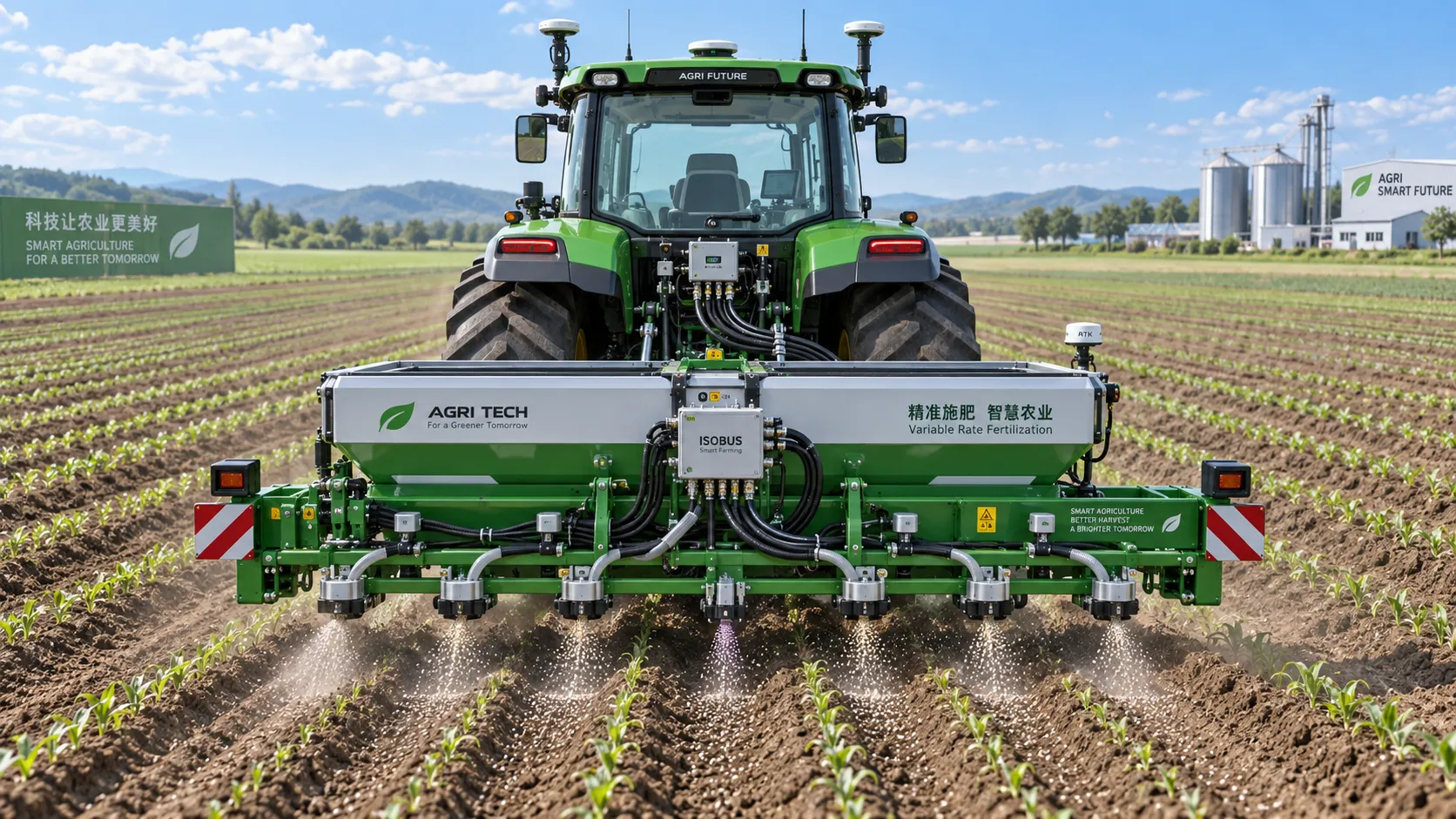
ISOBUS for Smart Agriculture: How It Connects Tractors, Implements, and Farm Data
ISOBUS for smart agriculture connects tractors, implements, terminals, and farm data—helping growers improve precision, documentation, and smarter field decisions.
Related News
- 00
0000-00
How to Select Smart Irrigation Valves for Multi-Zone Water Management? - 00
0000-00
Automated Water-Saving Irrigation: How to Cut Water Use Without Reducing Crop Yields - 00
0000-00
How to Evaluate Drip Irrigation System Manufacturers for Large Farm Projects - 00
0000-00
Wireless Agricultural Automation for Remote Irrigation and Field Monitoring - 00
0000-00
Designing Water-Saving Drip Irrigation Systems for High-Value Orchards
Popular Tags
Hydrological Resource Strategist
Weekly Insights
Stay ahead with our curated technology reports delivered every Monday.