
How to Choose Wireless Smart Irrigation Systems for Better Water Control




What Technical Evaluators Are Really Buying When They Choose a Wireless Smart Irrigation System
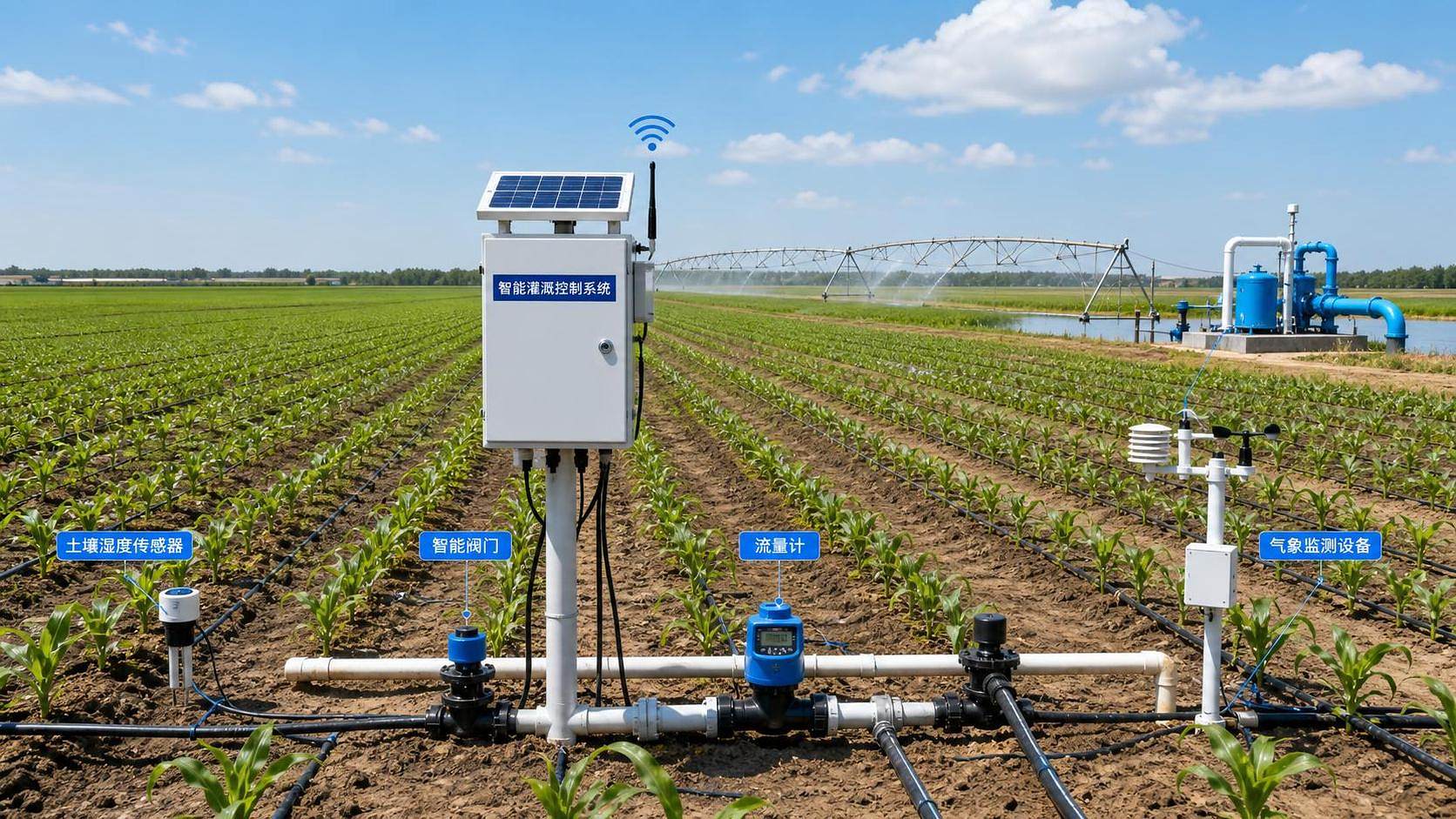
The easy mistake is to treat wireless smart irrigation systems as a convenience upgrade: fewer manual valve checks, remote scheduling, cleaner dashboards. In practice, the buying decision is much more serious. You are selecting a control architecture for water application, a field communications layer, and a data source that may later feed broader farm decisions. If those three parts do not work together under real operating conditions, the system may look advanced on paper and still perform poorly in the field.
That is why system selection should begin with water control, not with app features. A credible platform must answer a straightforward technical question: can it place the right volume of water, in the right zone, at the right time, with a decision logic that remains dependable when weather shifts, pumps fluctuate, or connectivity becomes unstable? Everything else is secondary.
In agricultural use, “wireless” does not simply mean cable-free hardware. It means field devices such as soil moisture sensors, weather nodes, flow meters, valve controllers, and pump interfaces are communicating over a network that has to tolerate distance, interference, topography, and power limits. “Smart” does not just mean automated scheduling either. It usually implies that irrigation timing or run duration is adjusted using sensor feedback, environmental inputs, thresholds, or model-based rules rather than fixed manual routines.
Start with the Irrigation Method, Not the Electronics
A system that works well in a drip-irrigated orchard may be the wrong fit for pivot irrigation, open-field vegetables, greenhouse production, or mixed-zone farms. Before comparing wireless protocols or software interfaces, define the hydraulic reality of the site. Drip and micro-irrigation usually demand tighter zone-level control and more attention to pressure consistency, emitter performance, and leak detection. Center pivots and larger sprinkler systems often shift the focus toward machine coordination, wider communication coverage, and reliable remote status feedback. Greenhouses bring another layer, where irrigation may need to align with fertigation, climate control, and short-cycle sensor updates.
This matters because some vendors are strong in telemetry but light on actual irrigation logic. Others have solid control functions but limited support for distributed field sensing. A technical evaluation should separate these capabilities instead of assuming they arrive together.
Sensor Quality Matters More Than Dashboard Sophistication
Many poor irrigation decisions are traceable to bad inputs, not bad software. Soil moisture probes, rain sensors, pressure sensors, and flow meters are often discussed as accessories, but they define whether the control engine is acting on reality or noise. A polished interface cannot compensate for sensors that drift, are poorly positioned, or are not suited to the soil profile.
When assessing a system, look beyond whether it supports sensors and ask how those sensors are meant to be used. Can the platform handle multiple depths in the root zone? Does it distinguish between field-average moisture and localized readings? Can it combine flow anomalies with pressure changes to flag leaks, clogging, or valve failure? These are practical questions, because irrigation waste often comes from hidden distribution problems rather than from an obviously wrong schedule.
Sensor placement strategy also belongs in the evaluation. If a system appears accurate only under ideal probe placement and highly uniform soil conditions, that limitation should be made explicit. On heterogeneous fields, the architecture for sampling can be as important as the sensor specification itself.
The Wireless Layer Is a Field Reliability Question
Wireless smart irrigation systems are often compared through protocol names, but protocol labels alone do not tell you whether the network will survive daily use. What matters is coverage, latency tolerance, battery demand, resistance to obstruction, and recovery behavior after communication loss.
On large farms, low-power wide-area approaches may be attractive because they can support longer distances and lower energy consumption. In denser or more infrastructure-rich environments, other network options may be sufficient. But the right question is not “Which wireless standard is best?” It is “Which network design still works across this site’s distance, terrain, metal structures, crop canopy, and power constraints?”
A sound evaluation should include failure behavior. If communication drops, do valves stay in their last state, move to a safe state, or continue based on local control rules? Is there edge logic at the controller level, or does every decision depend on cloud connectivity? In irrigation, that distinction is not cosmetic. A cloud-dependent design may be acceptable in some controlled environments, but it can create operational risk where field links are inconsistent.
Control Resolution Is Often Overlooked
Not all smart systems control water with the same granularity. Some platforms effectively manage irrigation in broad blocks. Others can operate at a much finer zone level, coordinating valves, pump timing, and feedback loops with more precision. The required resolution depends on crop value, soil variability, irrigation method, and labor model.
This is one of the points where buyers can overpay for capability they will never use, or underbuy and lock themselves into coarse control that limits agronomic gains. If a field has relatively uniform conditions and simple scheduling needs, extreme segmentation may add complexity without much return. In contrast, high-value crops or operations dealing with uneven infiltration, topography, or differential evapotranspiration may need much tighter zoning.
Integration Is Not a Bonus Feature
For farms operating within Agriculture 4.0 workflows, irrigation data should not remain trapped inside a single vendor portal. Water application records, soil readings, and pump events often need to connect with agronomic planning, weather analysis, energy management, or compliance reporting. In some operations, they may also inform variable-rate decisions or support post-season performance review.
This is where many platforms look stronger in demonstrations than in deployment. “Integration” can mean anything from a CSV export to a well-documented API. Those are not equivalent. If the operation already uses farm management software, telemetry systems, or centralized equipment dashboards, the evaluation should test practical interoperability early. A system that cannot share structured data cleanly may create more manual work than it removes.
Do Not Confuse Alerts with Decision Support
Another common misunderstanding is to assume that alarms, mobile notifications, and remote start-stop functions make a system “intelligent.” They do not. Those features are useful, but they sit closer to remote supervision than to water optimization.
A better test is to inspect the decision model behind the software. Does it rely on fixed thresholds only? Can it combine soil moisture trends with weather inputs? Does it account for irrigation windows, pump constraints, or sequential zone dependencies? Some farms need simple rule-based automation, and that may be entirely appropriate. Others need a system capable of adapting to changing field conditions without constant manual intervention. The right answer depends on operational complexity, not on marketing language.
Maintenance Burden Should Be Priced Into the Selection
Wireless systems are often purchased to reduce labor, yet some introduce a hidden maintenance burden through battery replacement cycles, sensor recalibration, firmware updates, fragile enclosures, or difficult field servicing. Technical evaluators should treat maintainability as part of system performance.
Questions worth pressing include enclosure ratings for field exposure, battery life under actual transmission intervals, ease of replacing failed nodes, and how the platform handles device commissioning at scale. A pilot with ten devices can look smooth; a rollout with hundreds of endpoints across a dispersed farm is where weak operational design starts to show.
Security, Access Control, and Auditability Are No Longer Optional
As irrigation systems become connected infrastructure, access control matters. Remote valve operation, pump control, and cloud-based scheduling introduce an attack surface that older manual systems did not have. Not every farm requires the same cybersecurity posture, but technical evaluators should at least examine user permissions, credential management, update practices, and event logging.
Audit trails are also operationally useful even outside security concerns. When a zone is overwatered or a pump cycle conflicts with the intended plan, the ability to trace whether that came from a manual override, sensor trigger, or software schedule can save time and reduce finger-pointing.
A Practical Selection Frame
When comparing wireless smart irrigation systems, it helps to rank requirements in this order: hydraulic fit, sensing quality, network reliability, control logic, interoperability, and serviceability. That sequence keeps the evaluation grounded in field performance rather than user-interface impressions.
A strong candidate is not necessarily the one with the most features. It is the one whose control model matches the crop and irrigation method, whose field data is trustworthy, whose communications layer is resilient, and whose outputs can be used across the wider farm system. In other words, the best platform is the one that remains technically coherent after the sales presentation is over.
For evaluators working across large-scale agricultural operations, that coherence is the real marker of better water control. Wireless connectivity may enable the system, and software may visualize it, but the value comes from disciplined irrigation decisions that hold up under real field constraints.
Related News
How to Evaluate Drip Irrigation System Manufacturers for Large Farm Projects
Drip irrigation systems manufacturer evaluation guide for large farms: compare hydraulic design, filtration, quality control, scalability, delivery, and support.
Specification Planning: A Practical Framework for Defining Equipment Requirements
Application guidance for specification planning: define measurable equipment requirements, prioritize performance, and avoid costly procurement mistakes.

How North American Farms Can Select Crop Monitoring Systems by Acreage and Connectivity
Crop monitoring systems North America: learn how to match acreage, connectivity, sensors, and data workflows for reliable, actionable farm decisions.

Where to Find Reliable Product Information for Comparing Farm Equipment
Product information resources agriculture buyers can trust: compare farm equipment with technical specs, manuals, field data, dealer support, and lifecycle insights.
Selecting Real-Time Soil Moisture Sensors for Irrigation Zone Control
Soil moisture sensors real time: learn how to select reliable probes, optimize zone control, improve irrigation decisions, and scale precision water management.
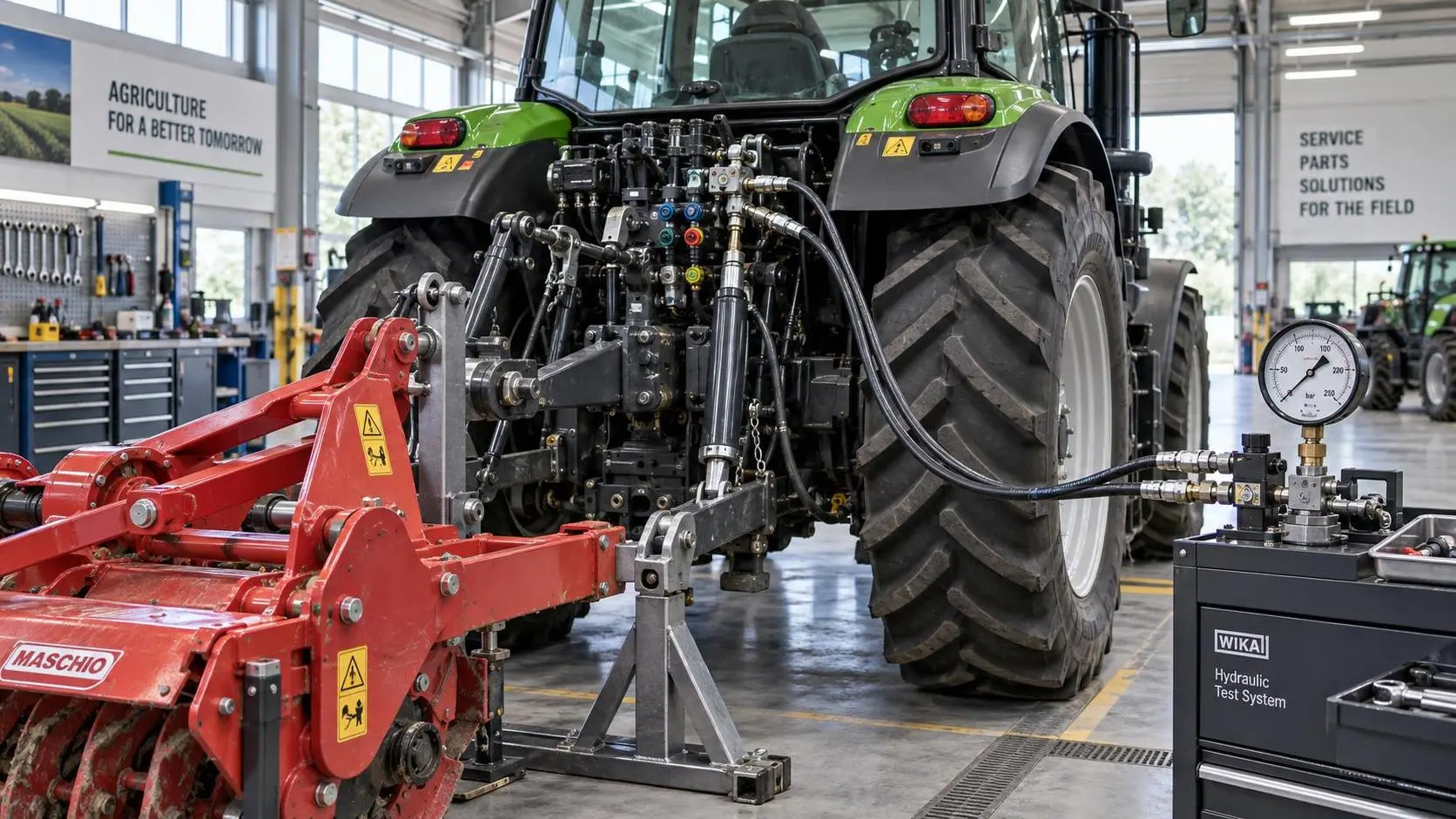
Tractor Hydraulic Systems Troubleshooting: Diagnosing Weak Lift and Slow Implements
Tractor hydraulic systems troubleshooting made practical: diagnose weak lifts and slow implements with proven pressure, flow, valve, and oil-supply checks.
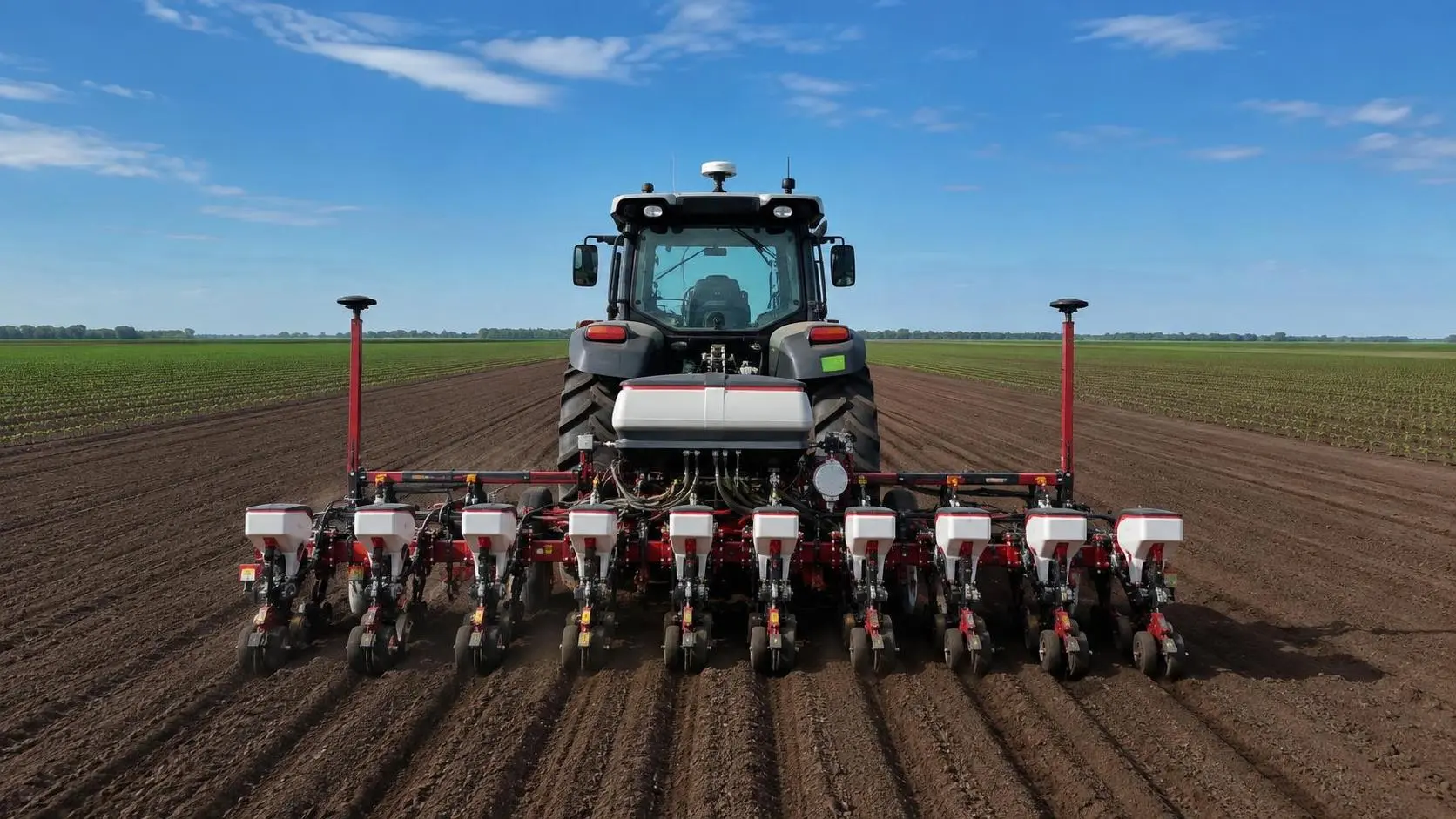
How Tractor Intelligence Systems Improve Field Efficiency and Input Accuracy
Agricultural machinery intelligence for tractors improves field efficiency, input accuracy, data traceability, and implement control. Explore smarter evaluation strategies.
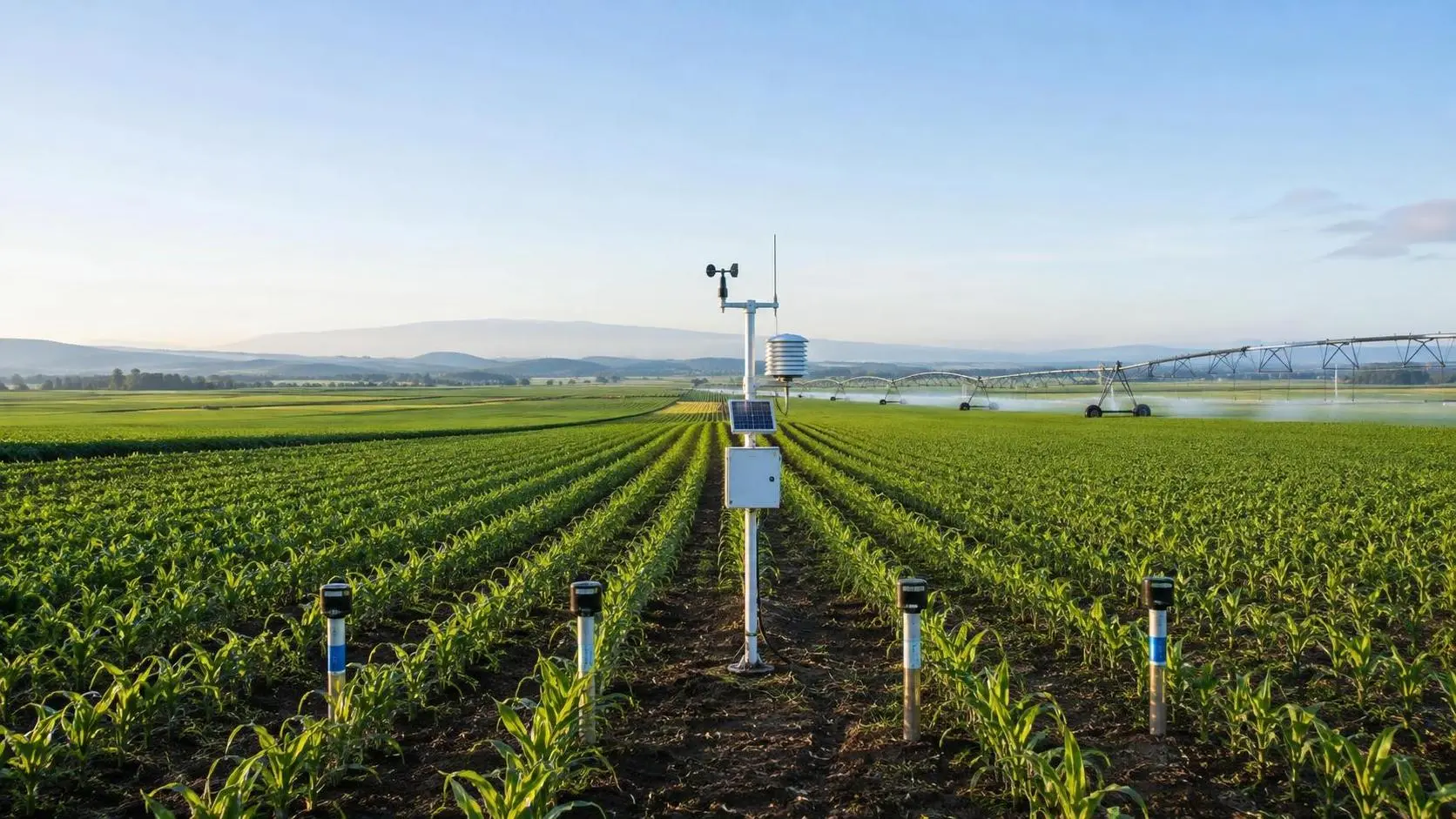
How to Evaluate Crop Monitoring System Manufacturers for Large-Scale Farms
Compare crop monitoring systems manufacturers for large-scale farms. Evaluate data quality, integration, durability, lifecycle costs, support, and pilots for smarter decisions.
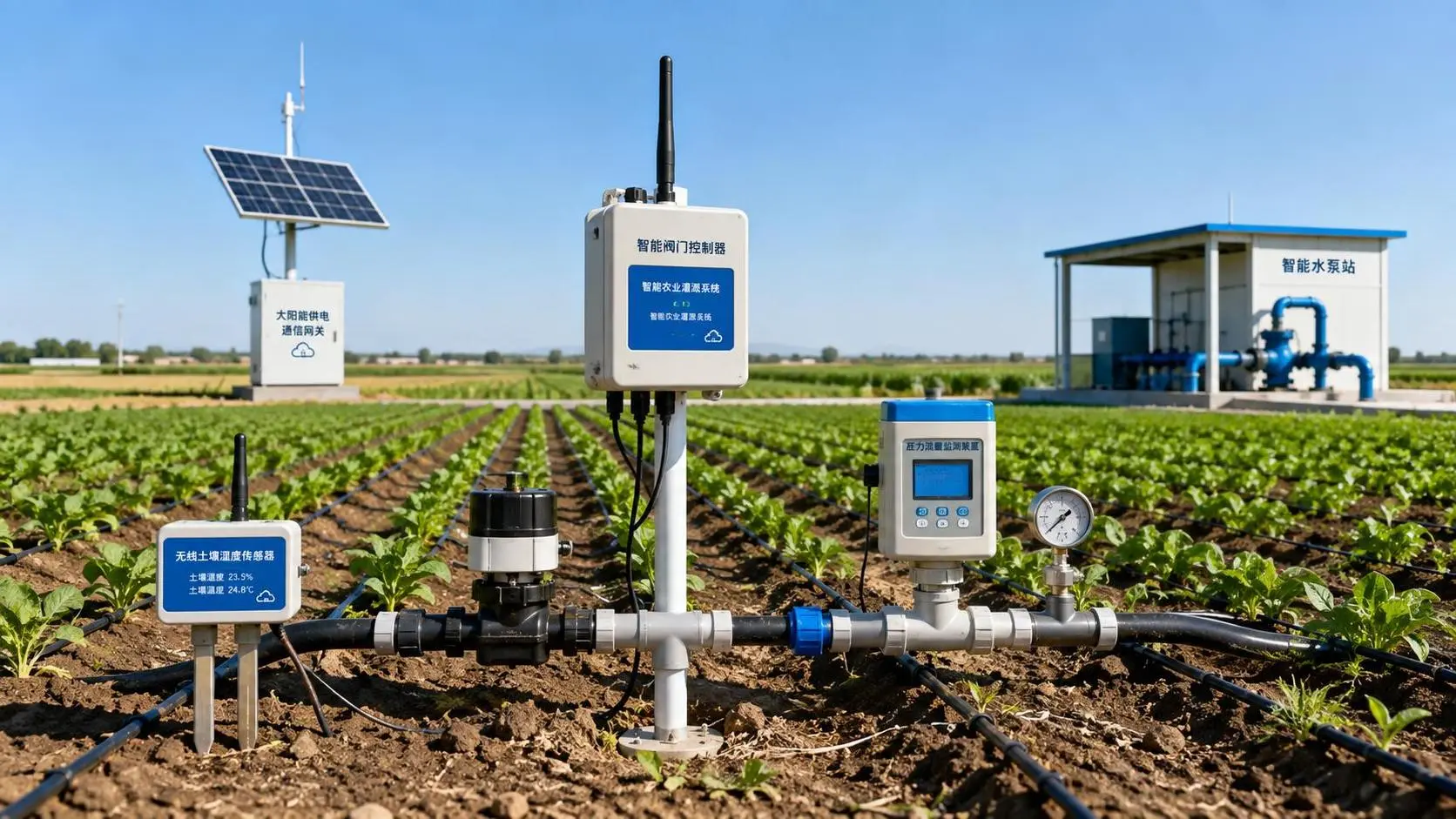
Wireless Agricultural Automation for Remote Irrigation and Field Monitoring
Agricultural automation wireless solutions improve remote irrigation with reliable field data, local control, flow verification, and smarter monitoring. Explore resilient deployment strategies.
Related News
- 00
0000-00
Selecting Real-Time Soil Moisture Sensors for Irrigation Zone Control - 00
0000-00
How Does Climate-Smart Farming Reduce Water Use in Semi-Arid Areas? - 00
0000-00
USDA Rule Takes Effect: Dual FCC and NRCS Approval for Soil Moisture Sensors - 00
0000-00
EU Rule Takes Effect: Soil Moisture Sensors Need Revised CE-EMC Certification - 00
0000-00
How to Choose Wireless Smart Irrigation Systems for Better Water Control
Popular Tags
Hydrological Resource Strategist
Weekly Insights
Stay ahead with our curated technology reports delivered every Monday.