
EU Rule Takes Effect: Soil Moisture Sensors Need Revised CE-EMC Certification
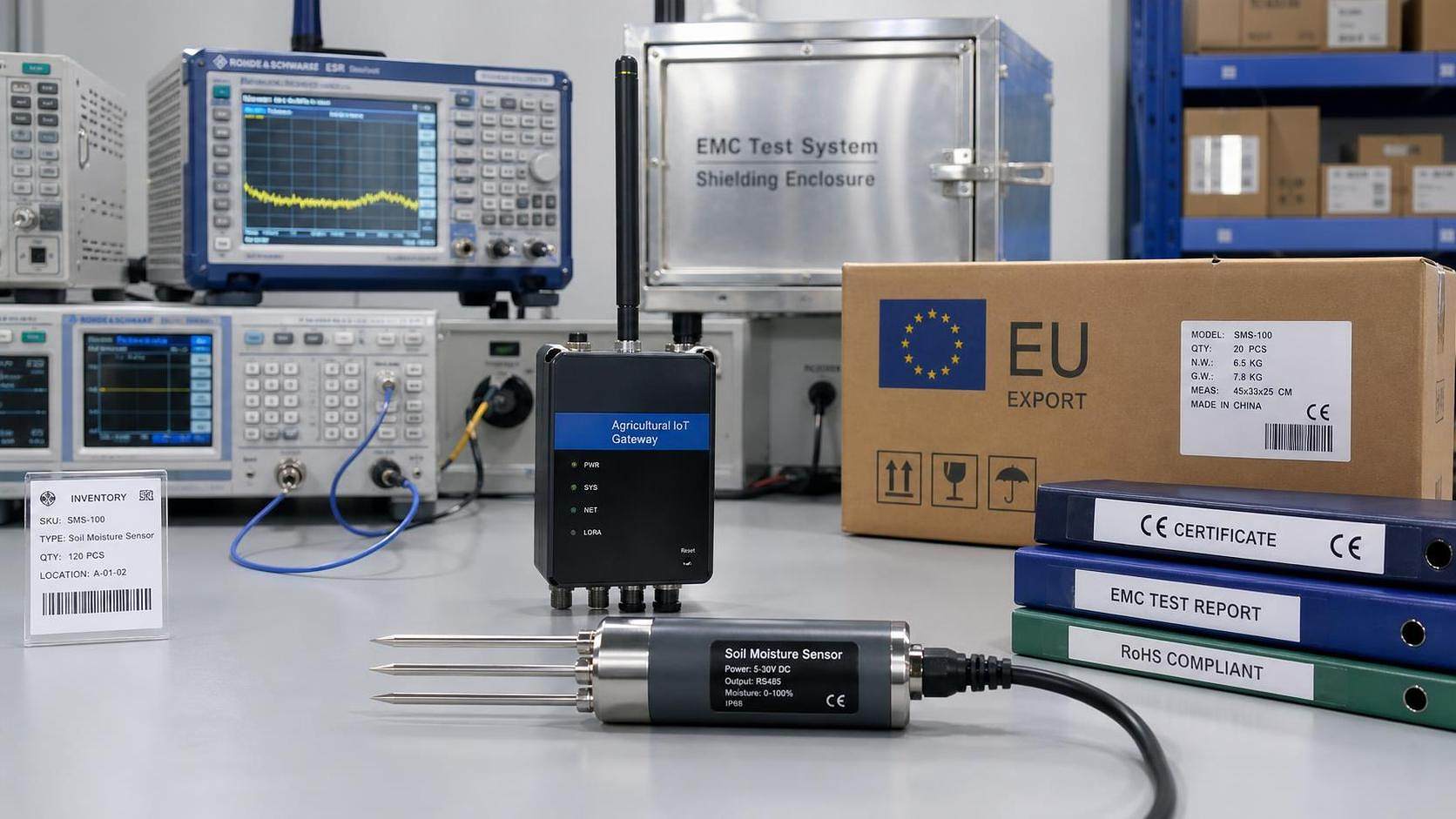




On August 1, 2026, a compliance change formally took effect for Soil Moisture Sensors sold into the EU market: products now need certification under the revised EN IEC 61000-6-4:2026 CE-EMC standard. For exporters, manufacturers, distributors, and compliance-related service providers, this is not just a technical update. It directly affects whether goods can clear customs, remain on the market, and align with inventory and delivery requirements, making it a practical issue for both trade execution and channel compliance.
What Has Entered Into Force
According to the provided event information, the EU began formally implementing the revised EN IEC 61000-6-4:2026 electromagnetic compatibility standard on August 1, 2026. Under this change, all Soil Moisture Sensors sold to the EU are required to pass the updated CE-EMC certification. The revision significantly tightens radio-frequency emission limits and adds a coordinated testing item involving agricultural IoT gateways. Products without the required certification may be refused customs clearance or removed from sale. The event summary also states that this directly affects export delivery by Chinese manufacturers and the compliance status of distributor inventory.
Where The Pressure Will Be Felt First
Export shipments face a more immediate compliance gate
For companies shipping Soil Moisture Sensors to the EU, the rule change matters because certification is now tied directly to market access. The main business impact is on export release, customs handling, and delivery execution. What deserves closer attention is whether existing product files, test records, and certification materials match the revised CE-EMC requirements rather than earlier versions used for prior shipments.
Manufacturing and product teams need to reassess test readiness
Manufacturers are affected because the revision does not only restate existing obligations; it raises the radio-frequency emission threshold requirements and introduces coordinated testing with agricultural IoT gateways. From an industry perspective, this means technical compliance preparation may now extend beyond the standalone sensor and into how the product is assessed in a connected use scenario. That can affect test preparation, document readiness, and shipment scheduling.
Distributors and channel operators face inventory exposure
For distributors and downstream channel participants, the issue is inventory compliance. If products in stock or in transit do not meet the revised certification requirement, the risk is no longer limited to future orders. Observably, the event should also be read as a warning for products already positioned for sale, because uncertified items may be taken down from the market. This places more weight on SKU-level compliance checks, supporting documents, and communication with upstream suppliers.
Testing and certification support functions become more operationally critical
Certification-related service providers and testing support functions may also see immediate pressure, because companies will need to confirm whether existing assessments remain usable under the revised standard. The practical focus is likely to move toward updated test scope, document consistency, and timing risks around export and restocking decisions. This is an operational consequence inferred from the rule change, not a confirmed market outcome.
What Companies Should Review Now
Check whether current certification coverage aligns with the revised standard
Analysis shows the first task is not broad strategy but document-level verification. Companies involved in EU sales of Soil Moisture Sensors should review whether current CE-EMC certification materials correspond to EN IEC 61000-6-4:2026, especially where older testing or legacy technical files are still being used in export or channel transactions.
Revisit products that interact with agricultural IoT gateways
The added coordinated testing item makes connected product configurations a practical review point. Where sensors are sold or deployed with agricultural IoT gateways, businesses should pay closer attention to whether technical documentation, test plans, and bid or procurement materials reflect that interaction. The provided information confirms the new test item exists, but does not provide execution details, so this remains an area that requires ongoing checking rather than assumption.
Adjust delivery and procurement planning around compliance timing
Because uncertified products may be blocked at customs or removed from sale, procurement teams, exporters, and channel managers should review delivery schedules, replenishment plans, and supplier qualification materials with certification timing in mind. It is more appropriate to understand this as a practical trade and fulfillment issue, especially where shipments, inventory turnover, or customer acceptance depend on valid compliance files.
Keep traceability materials ready for channel and after-sales use
Observably, the compliance question does not end at shipment. Companies should also look at whether product records, test reports, technical documentation, and supporting trade documents can support downstream checks by distributors or customers. The event summary does not specify a detailed enforcement process, so firms should treat document readiness as a precautionary response to a live rule change.
How This Development Is Best Understood
From an industry perspective, this update is better understood as a rule that has already moved from notice to implementation, not as a distant policy signal. The confirmed facts point to an effective-date change with direct consequences for customs clearance and on-market availability. At the same time, analysis shows there is still reason to watch how certification interpretation, document review expectations, and market-side enforcement are applied in practice, because those details were not provided in the input.
A Compliance Signal With Trade Consequences
The significance of this event lies in the way a standards revision now affects everyday export and distribution decisions for Soil Moisture Sensors entering the EU. The confirmed change is narrow in product scope but concrete in commercial effect: certification status can influence shipment release, sales continuity, and inventory compliance. At this stage, it is more appropriate to understand the development as an implemented compliance requirement with immediate trade relevance, while still leaving room for further observation on execution details and industry response.
Basis Of This Article
This article is based on the user-provided news title, event date, and event summary. For developments of this type, relevant source categories often include official notices, regulator releases, customs or trade authority information, industry association updates, standards organization documents, and reporting by established industry media. No specific official source link was provided in the input, so the precise official reference still needs to be verified. What also remains worth tracking are any later clarifications on implementation practice, certification interpretation, tender document updates, market feedback, and how affected companies carry out compliance in actual trade and distribution workflows.
Related News

How to Evaluate Agricultural Product Information Sources for Reliable Farm Decisions
Agricultural product information reference guide: evaluate reliable farm data, verify claims, and make smarter machinery, irrigation, and crop decisions.

Farm Machinery Guide: Matching Tractor Horsepower and Implements to Farm Size
Farm machinery guide for tractors: match horsepower, implement width, hydraulics, traction, and fleet capacity to farm size for lower costs and reliable field performance.
How to Evaluate Drip Irrigation System Manufacturers for Large Farm Projects
Drip irrigation systems manufacturer evaluation guide for large farms: compare hydraulic design, filtration, quality control, scalability, delivery, and support.
Specification Planning: A Practical Framework for Defining Equipment Requirements
Application guidance for specification planning: define measurable equipment requirements, prioritize performance, and avoid costly procurement mistakes.

How North American Farms Can Select Crop Monitoring Systems by Acreage and Connectivity
Crop monitoring systems North America: learn how to match acreage, connectivity, sensors, and data workflows for reliable, actionable farm decisions.

Where to Find Reliable Product Information for Comparing Farm Equipment
Product information resources agriculture buyers can trust: compare farm equipment with technical specs, manuals, field data, dealer support, and lifecycle insights.
Selecting Real-Time Soil Moisture Sensors for Irrigation Zone Control
Soil moisture sensors real time: learn how to select reliable probes, optimize zone control, improve irrigation decisions, and scale precision water management.
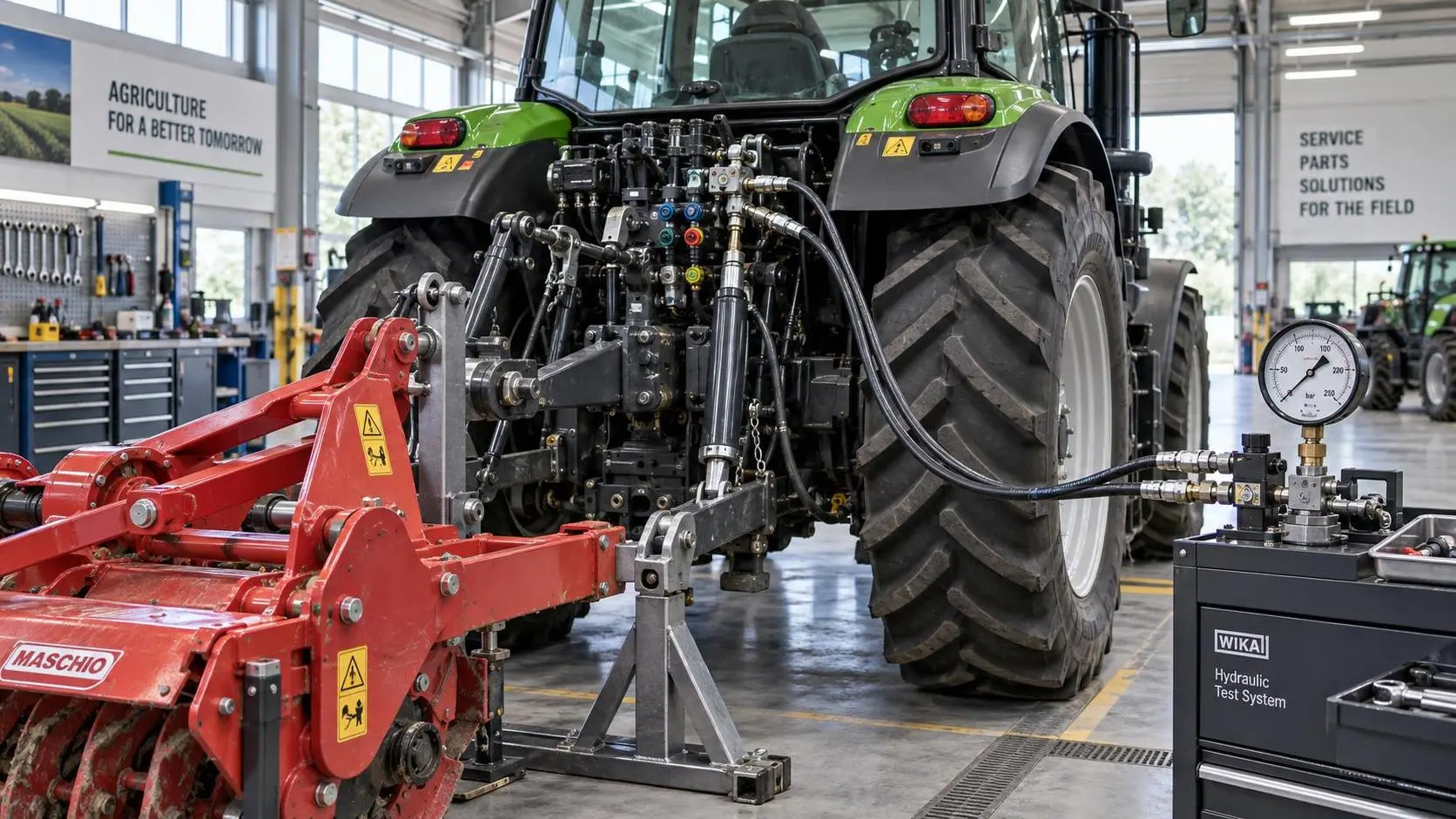
Tractor Hydraulic Systems Troubleshooting: Diagnosing Weak Lift and Slow Implements
Tractor hydraulic systems troubleshooting made practical: diagnose weak lifts and slow implements with proven pressure, flow, valve, and oil-supply checks.
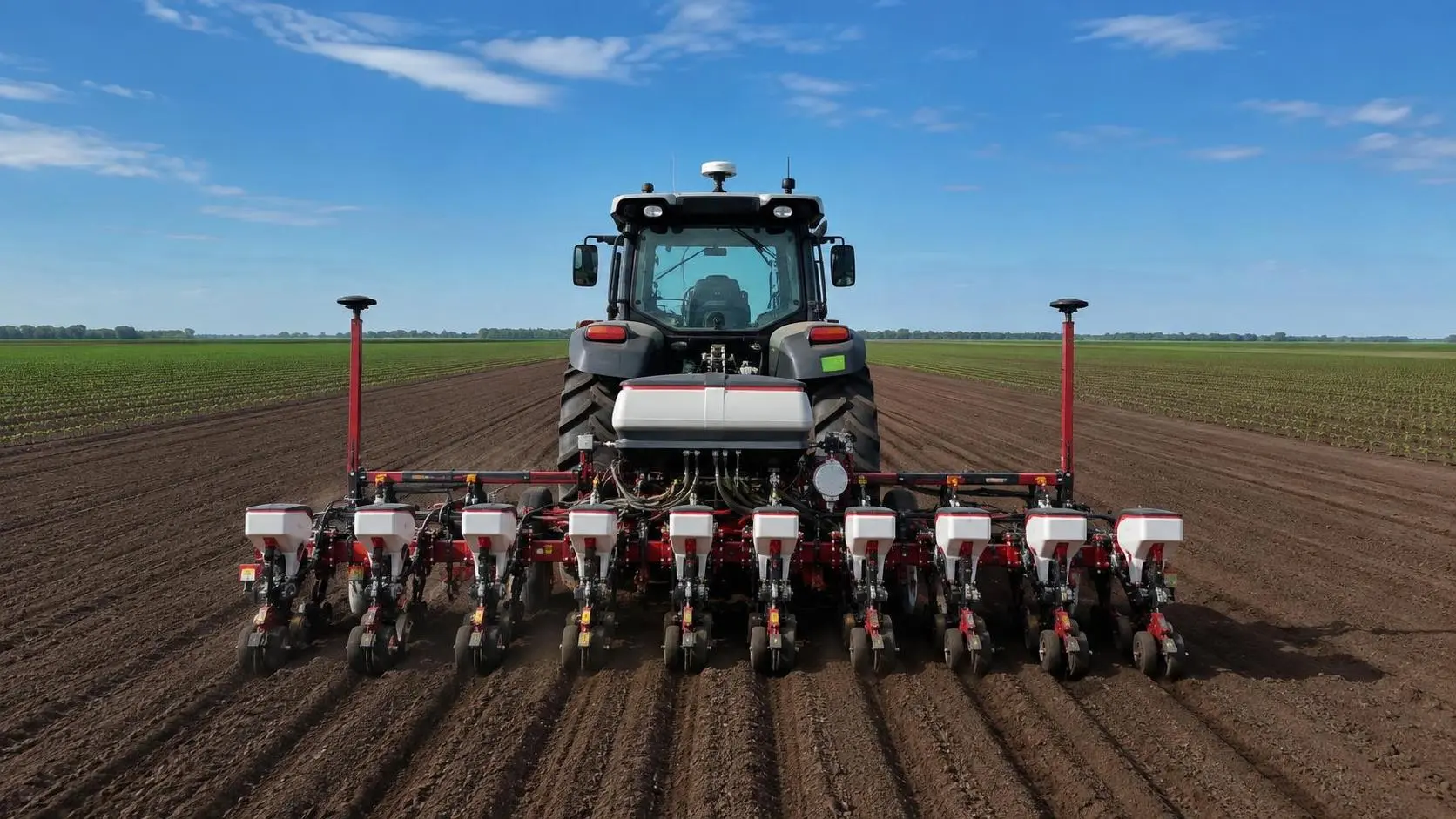
How Tractor Intelligence Systems Improve Field Efficiency and Input Accuracy
Agricultural machinery intelligence for tractors improves field efficiency, input accuracy, data traceability, and implement control. Explore smarter evaluation strategies.
Related News
- 00
0000-00
Selecting Real-Time Soil Moisture Sensors for Irrigation Zone Control - 00
0000-00
How Does Climate-Smart Farming Reduce Water Use in Semi-Arid Areas? - 00
0000-00
USDA Rule Takes Effect: Dual FCC and NRCS Approval for Soil Moisture Sensors - 00
0000-00
EU Rule Takes Effect: Soil Moisture Sensors Need Revised CE-EMC Certification - 00
0000-00
How to Choose Wireless Smart Irrigation Systems for Better Water Control
Popular Tags
Hydrological Resource Strategist
Weekly Insights
Stay ahead with our curated technology reports delivered every Monday.