
Tractor Hydraulic Systems Troubleshooting: Diagnosing Weak Lift and Slow Implements
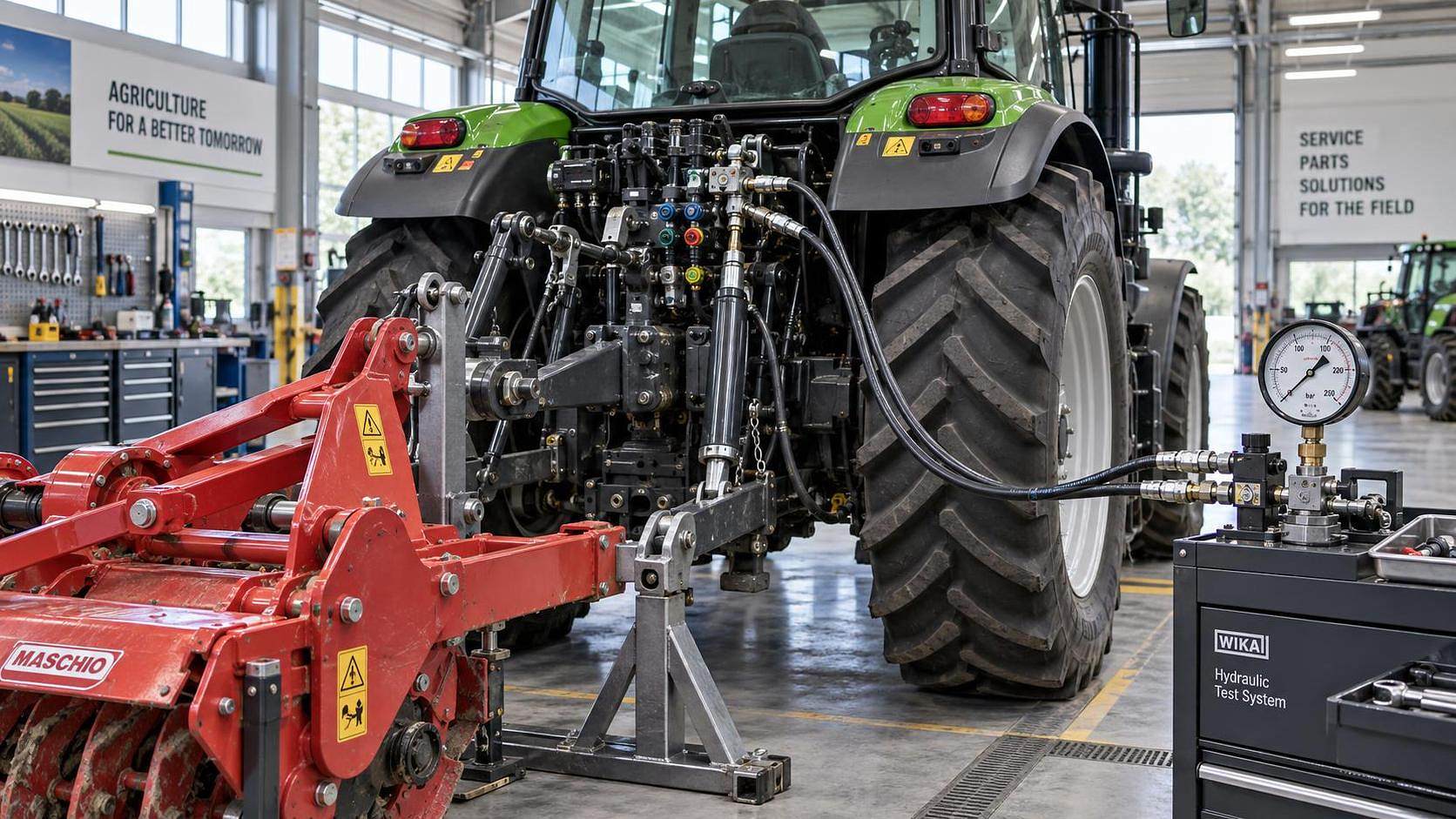




Start by Separating a Power Problem from a Control Problem
Weak three-point lift, a loader that rises slowly, or an implement that hesitates under load should be treated as a hydraulic performance fault until measurements prove otherwise. For after-sales maintenance teams, the most efficient approach is to establish whether the tractor is failing to produce hydraulic flow, failing to build pressure, losing oil internally, or receiving the wrong control command.
These faults can feel similar from the operator's seat. A worn pump, a partially blocked suction screen, a relief valve stuck open, and a bypassing lift cylinder may all produce slow movement. Yet their repair paths are very different. Replacing the pump before checking oil supply, pressure, and leakage is one of the more expensive ways to extend downtime.
Tractor hydraulic systems troubleshooting should therefore follow the oil path: reservoir and suction supply, pump output, pressure regulation, valve control, actuators, and return flow. Check the condition under which the symptom occurs as carefully as the symptom itself. A lift that is weak only when hot points in a different direction from one that is weak immediately after startup.
Define the Symptom Before Connecting Test Equipment
A clear fault description narrows the test sequence and prevents misleading results. Ask whether the concern affects the rear hitch, remote valves, front loader, steering circuit, or every hydraulic function. A single weak remote circuit is often a valve, coupler, hose, or implement-side issue. Slow response across several functions is more likely to involve oil supply, pump output, system pressure, or a shared priority circuit.
Also establish whether the problem is constant or conditional:
- Does the hitch lift normally with no implement attached but fail with a known load?
- Does response improve when engine speed increases?
- Does the fault appear only after the tractor has reached operating temperature?
- Does steering remain normal while the loader or hitch is slow?
- Does an attached implement drift down when the control lever is in neutral?
- Did the issue begin after an oil change, filter service, hose repair, or implement connection?
A cold-only issue can arise from oil that is too viscous, restricted suction flow, or incorrect lubricant. A hot-only weak lift more often suggests excessive internal leakage, a worn pump, pressure leakage across a valve, or oil viscosity that has fallen below what the system can tolerate. A recent service event deserves particular attention because incorrect oil, a poorly seated filter seal, an obstructed suction line, or air entering through a disturbed fitting can recreate pump failure symptoms.
Check Oil Supply Before Condemning the Pump
The hydraulic pump cannot deliver stable flow if it is starved. Low reservoir level is the obvious check, but oil level alone does not confirm a healthy inlet supply. Tractors may show a correct static level while a clogged suction strainer, collapsed hose liner, blocked tank vent, or restricted filter causes the pump inlet to pull into vacuum during operation.
Inspect oil in a clean sample container rather than relying only on its appearance through a dipstick. Milky oil indicates water contamination. Darkened or burnt-smelling oil may reflect overheating or oxidation. Metallic particles, black friction material, or visible debris require investigation beyond the hydraulic circuit because they can signal component wear elsewhere in a shared transmission-hydraulic sump.
Foam and aeration deserve careful interpretation. Fine bubbles in the oil, a growling pump, fluctuating implement movement, or a loader that jerks at the top of its stroke can indicate air ingress on the suction side. Unlike an external pressure leak, a suction leak may not leave a visible oil trace because air is drawn inward while the circuit is operating. Check hose clamps, pump inlet connections, suction pipe seals, filter cover gaskets, and any service points opened shortly before the fault appeared.
Filter condition also matters, but a new filter is not automatic proof that filtration is correct. Confirm the filter part number, bypass valve arrangement, seal placement, and installation torque against the tractor service information. A distorted seal or incorrect filter can cause bypassing, restriction, or an internal leak path that is difficult to see from outside the housing.
Use Pressure and Flow Results Together
Pressure alone does not diagnose the entire system. A tractor may reach specified relief pressure with a deadheaded remote valve and still have inadequate pump flow for normal loader or hitch work. Conversely, a pump may produce sufficient flow at low load but fail to maintain required pressure because of wear or internal leakage. Pressure testing and flow testing answer different questions.
Use approved test ports where available and install a gauge with an appropriate range and secure hose routing. Hydraulic oil under pressure can penetrate skin, and a leaking fitting should never be checked with a hand. Bring oil to a representative working temperature before making a final judgment. A cold reading may hide leakage that becomes significant after the oil thins.
When a flow meter and load valve are available, test pump delivery through the documented procedure for that tractor model. Record engine speed, oil temperature, pressure, and measured flow. Without those conditions, a flow number has limited diagnostic value. Pump output naturally varies with engine speed, and some systems use variable-displacement, load-sensing, priority, or multiple-pump arrangements that require a model-specific sequence.
Do Not Assume a Weak Lift Means a Bad Lift Cylinder
A hitch that will not raise a heavy implement can be caused by a failing lift cylinder, but the cylinder is only one possible leakage point. Internal leakage can occur through the rockshaft control valve, draft-control valve, position-control mechanism, remote valve spool, relief valve, or a shared priority system. The pattern of movement helps identify where to look.
If the hitch raises normally but settles with the engine stopped and the control lever in neutral, the fault may be cylinder seal bypass or leakage through the control valve. If it rises slowly while the engine is running and does not improve with speed, first confirm available system pressure and whether another circuit is stealing flow. If the hitch responds inconsistently according to lever position, inspect linkage adjustment and the control mechanism before disassembling hydraulic components.
For a loader, isolate the tractor from the attachment where the system design permits. Connect a known-good implement or test circuit, and compare performance. A restriction in a quick coupler can mimic pump weakness, particularly when the coupler is not fully seated or when incompatible coupler types have been connected. A damaged hose may look normal externally yet have an internally delaminated liner that acts like a check valve under flow.
Cylinder drift is useful evidence, but it should be tested safely. Support raised equipment with approved mechanical stands before inspection or service. Do not rely on hydraulic pressure to hold a raised loader, hitch-mounted implement, or attachment in place. A cylinder that leaks internally may still hold briefly before dropping, and valve leakage can produce the same apparent drift.
Inspect Relief, Priority, and Control Valves Methodically
Pressure-relief valves are often blamed because they are accessible and associated with weak hydraulic force. They should be checked, but adjustment should not be the first repair action. Raising relief pressure to compensate for a worn pump or severe internal leakage can overload hoses, seals, castings, cylinders, and the pump itself. Confirm the specified setting, test procedure, and engine speed first.
A relief valve held slightly open by contamination may cause low or unstable pressure. Signs can include localized heating around the valve body, a persistent hydraulic whine, or a system that performs better briefly after a control function is released. Remove and inspect components only after confirming that the pressure fault is upstream of the actuator and after following the manufacturer’s depressurization procedure. Small scoring, damaged seats, weak springs, and contamination can all prevent stable pressure control.
Priority valves deserve attention on tractors where steering, brakes, transmission controls, or other essential functions receive hydraulic priority. A malfunctioning priority valve can divert too much flow away from implement circuits, making a loader or hitch appear slow while steering behavior remains acceptable. The opposite condition is more serious: if steering assistance changes during a hydraulic fault, stop using the machine for field work and investigate the priority circuit before further load testing.
Spool valves can stick because of contamination, corrosion, damaged detent parts, or mechanical linkage issues. A valve may also be correctly moving mechanically but leaking internally across worn lands and bores. Comparing inlet pressure, work-port pressure, return temperature, and actuator response under the same command can reveal whether flow is being directed where it should be.
Temperature Is a Diagnostic Tool, Not Just an Operating Condition
Hydraulic heat helps locate wasted energy. Oil becomes hot when power is continuously lost through restriction, relief-valve bypass, internal leakage, or excessive churning. A machine that has weak lift and unusually hot oil should not simply receive heavier oil without identifying why the heat is being generated.
Carefully compare temperatures at the reservoir, pump housing, filter housing, valve sections, return lines, and suspect cylinders using suitable temperature-measuring equipment. A single component running much hotter than adjacent parts can reveal a bypass path or restriction. Interpret these observations alongside pressure and flow readings; temperature identifies an area for investigation, while measurement confirms the fault.
Oil choice must also match the tractor’s combined hydraulic and transmission requirements where a common sump is used. A fluid that appears broadly compatible may still have unsuitable friction, viscosity, additive, or wet-brake characteristics for a specific machine. In these systems, oil selection affects more than lift performance.
Return the Tractor to Service with a Repeatable Verification Check
After repair, refill with the specified fluid, purge air according to the service procedure, inspect for external leaks, and repeat the operating test at normal temperature. Verify lift capacity or cycle response with an appropriate controlled load, not with an unmeasured assumption that the system “feels better.” Recheck oil level after cylinders and hoses have been filled and after the first operating cycle.
Document the original symptoms, oil condition, test ports used, engine speed, oil temperature, pressure readings, flow readings where taken, replaced parts, and final results. This record is especially useful when the same tractor returns with an intermittent complaint or when several units operate with the same implement fleet.
Weak lift and slow implements are rarely solved by one universal part replacement. A disciplined sequence protects both repair time and tractor chassis reliability: confirm the operating condition, secure a clean oil supply, measure pressure and flow, isolate the affected circuit, and only then repair the component that has failed.
Related News
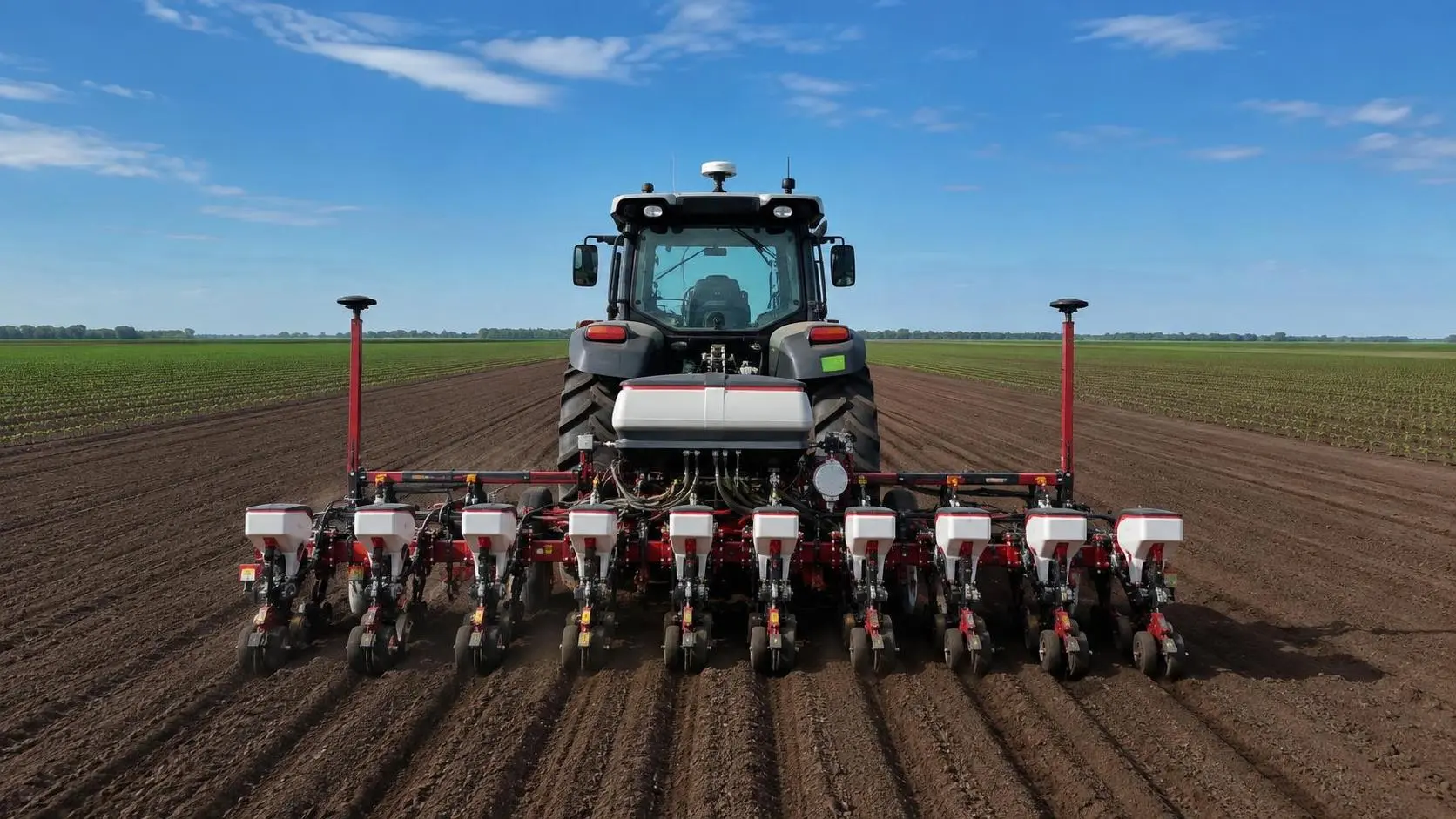
How Tractor Intelligence Systems Improve Field Efficiency and Input Accuracy
Agricultural machinery intelligence for tractors improves field efficiency, input accuracy, data traceability, and implement control. Explore smarter evaluation strategies.
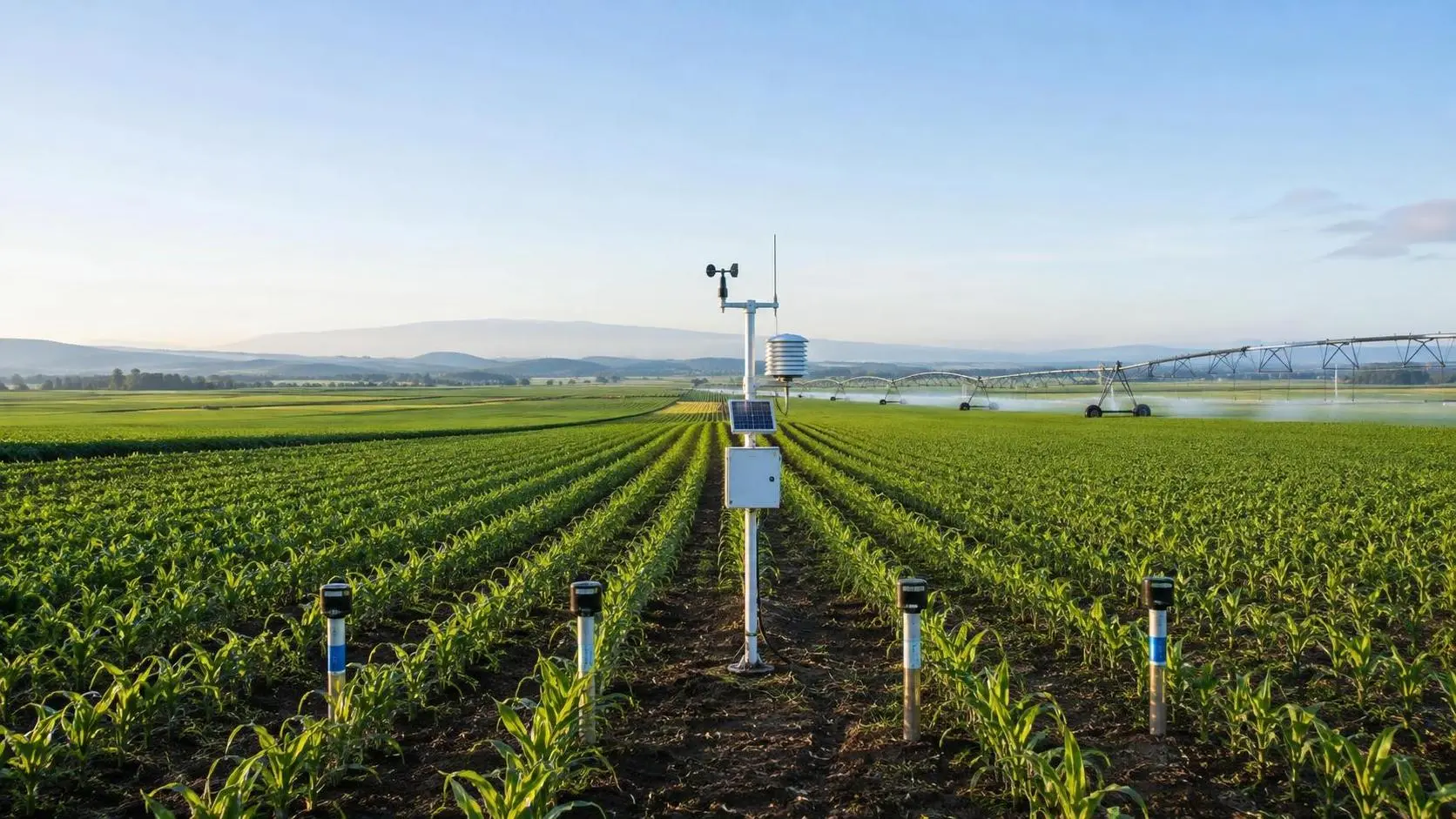
How to Evaluate Crop Monitoring System Manufacturers for Large-Scale Farms
Compare crop monitoring systems manufacturers for large-scale farms. Evaluate data quality, integration, durability, lifecycle costs, support, and pilots for smarter decisions.
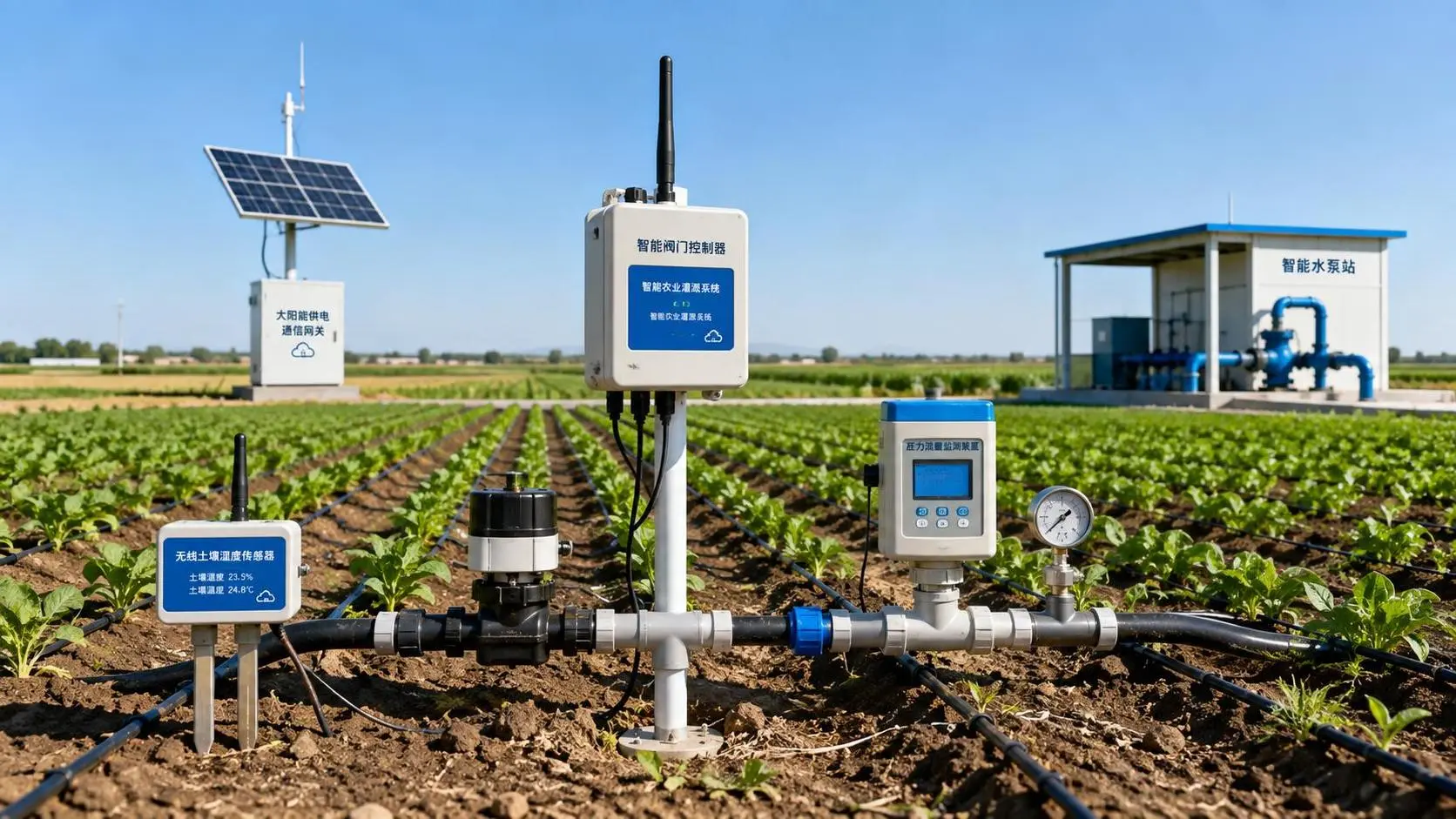
Wireless Agricultural Automation for Remote Irrigation and Field Monitoring
Agricultural automation wireless solutions improve remote irrigation with reliable field data, local control, flow verification, and smarter monitoring. Explore resilient deployment strategies.
Agricultural Product Information Market Guide: Key Data for Sourcing Decisions
Agricultural product information market guide for smarter sourcing—compare machinery, irrigation, precision tools, lifecycle costs, and supplier risk.
Large-Scale Farm Equipment Cost Comparison: Price, Fuel, and Lifecycle Value
Large-scale farm equipment cost comparison: evaluate price, fuel, maintenance, downtime, and lifecycle value to choose tractors, combines, irrigation, and smart tools with confidence.
A Procurement Specification Preparation Example for Buying Farm Equipment
Procurement specification preparation example for farm equipment: learn to define requirements, compare suppliers, control lifecycle costs, and buy with confidence.
What Tractor Horsepower Is Needed for a Three-Bottom Moldboard Plow?
What tractor horsepower is needed for three-bottom moldboard plow? Compare 60–100 hp needs by soil, depth, traction, and plow width for a confident equipment match.
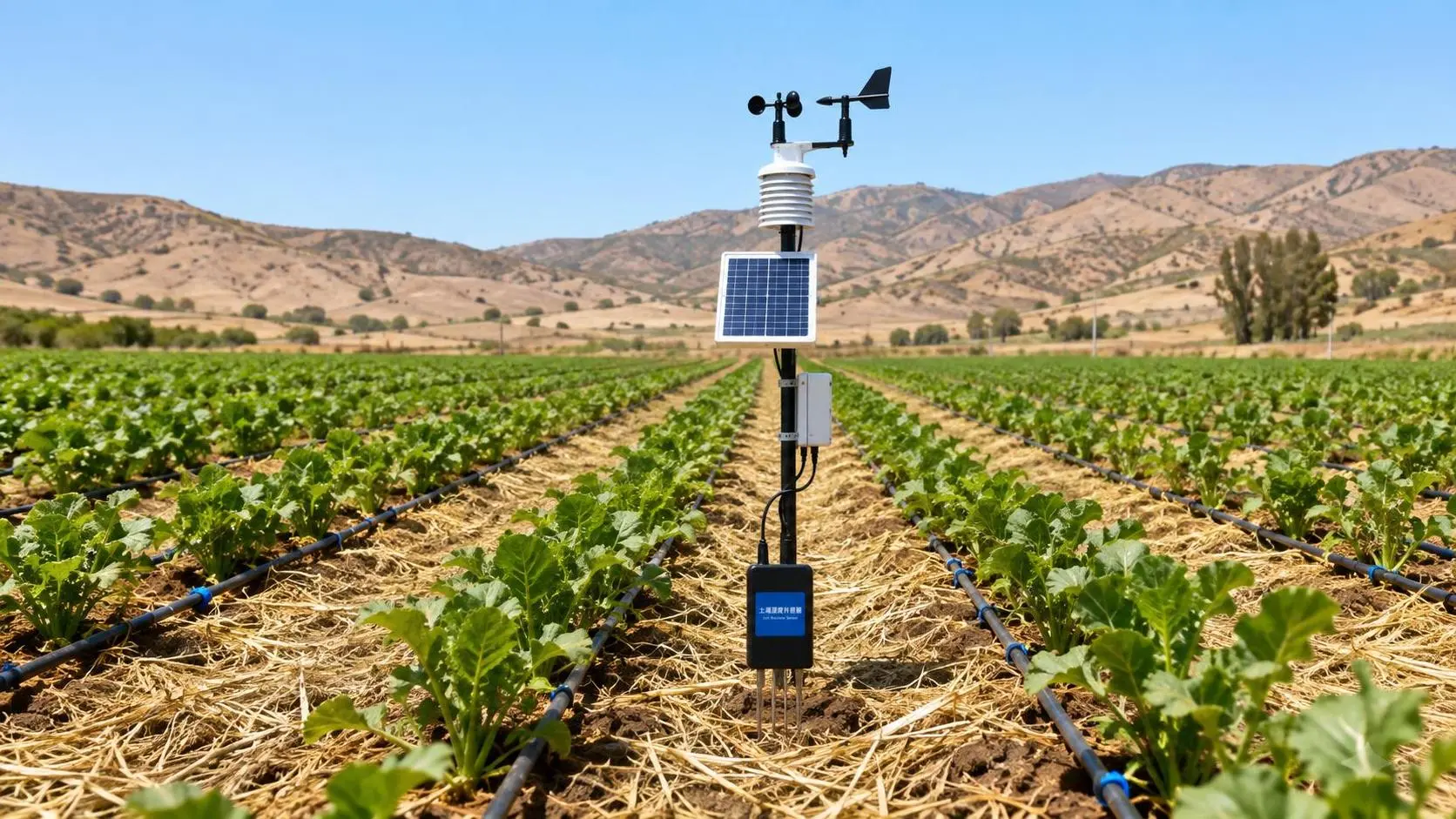
How Does Climate-Smart Farming Reduce Water Use in Semi-Arid Areas?
How does climate-smart farming reduce water use in semi-arid zones? Discover precision irrigation, soil monitoring, and smarter crop planning for resilient yields.
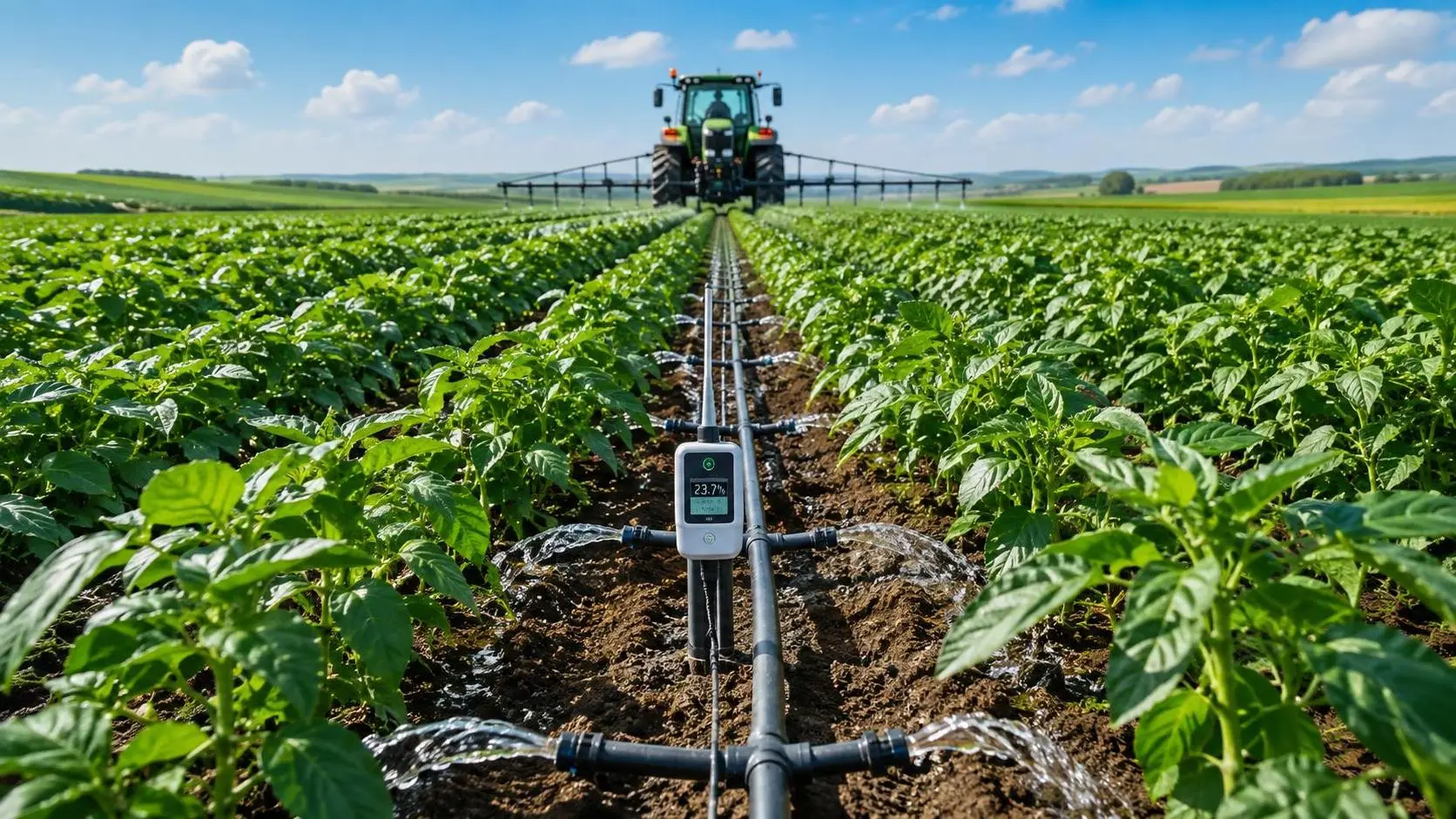
Can Sustainable Farming Be Profitable Without Reducing Yields?
Are sustainable farming practices profitable without yield loss? Discover precision strategies that cut waste, protect yields, and improve farm margins.
Related News
- 00
0000-00
Tractor Hydraulic Systems Troubleshooting: Diagnosing Weak Lift and Slow Implements - 00
0000-00
Which Implements Are Compatible With a 200 HP Tractor for Mixed Cropping? - 00
0000-00
How to Select Agricultural Hydraulic Systems for Sprayers by Flow, Pressure, and Boom Demand - 00
0000-00
Australia Tightens Carbon Rules for Hydraulic Lift System Imports - 00
0000-00
ANATEL Sets New Rules for Wireless Hydraulic Lift Systems
Popular Tags
Tractor Power Architect
Weekly Insights
Stay ahead with our curated technology reports delivered every Monday.