
ANATEL Sets New Rules for Wireless Hydraulic Lift Systems
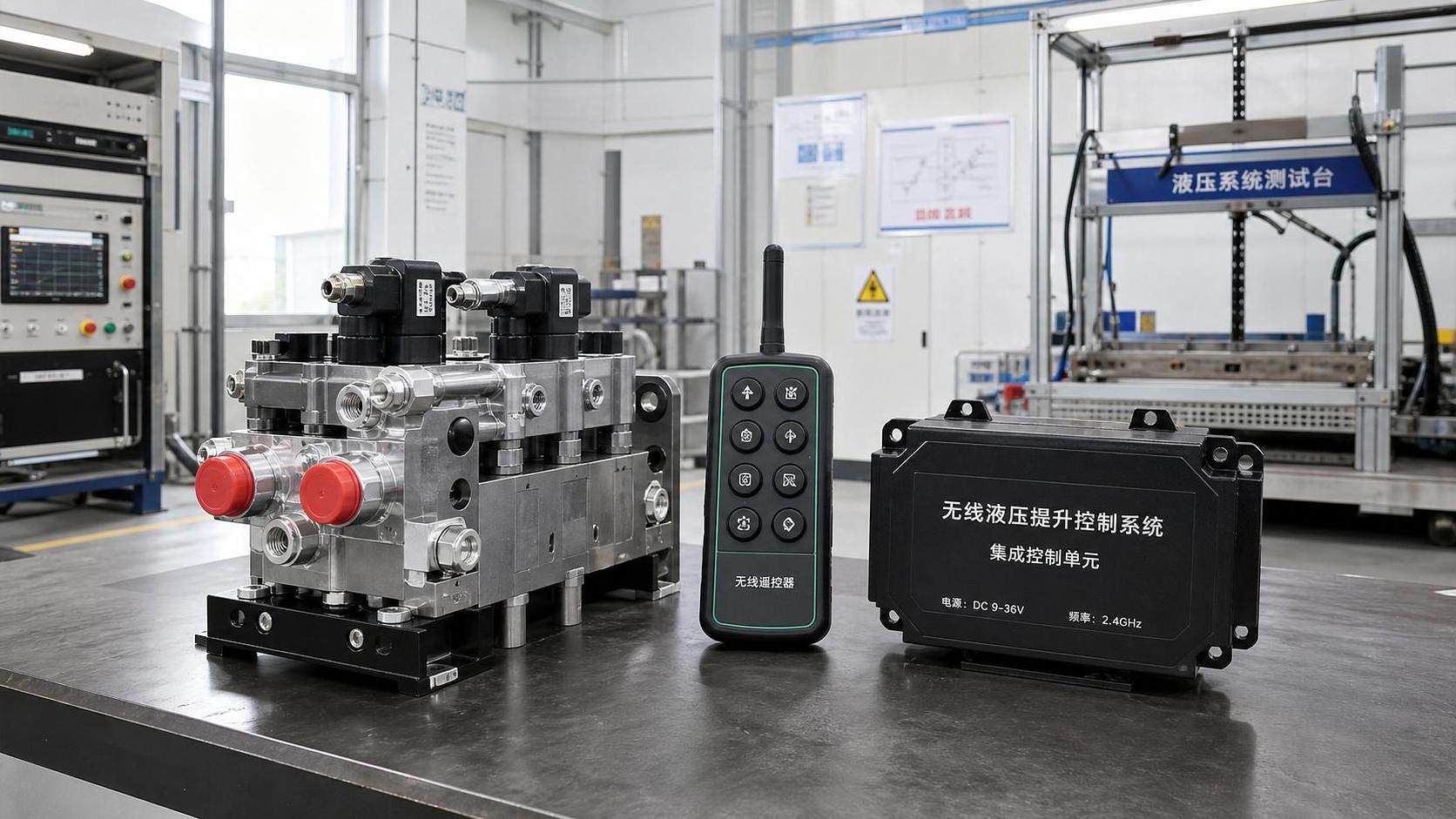




On July 2, 2026, Brazil’s National Telecommunications Agency (ANATEL) issued Portaria No. 192/2026, introducing new requirements for hydraulic lift systems that use 2.4GHz wireless remote control. From an industry perspective, this matters not only to equipment manufacturers but also to importers, integrators, distributors, and agricultural equipment buyers, because the rule links market access to both ANATEL RCM certification and the mandatory use of FHSS to reduce interference with agricultural frequency use.
What the New Measure Formally Requires
According to the information provided, ANATEL released Portaria No. 192/2026 on July 2, 2026. The rule states that, starting on September 1, 2026, all hydraulic lift systems equipped with 2.4GHz wireless remote control must obtain ANATEL RCM certification. The same measure also requires the use of frequency-hopping spread spectrum (FHSS) protocol as a mandatory technical approach intended to avoid interference in agricultural frequency environments.
The scope described in the notice covers integrated hydraulic control units, including tractor rear hitch systems and seeder lifting modules. Based on the provided summary, the requirement applies to integrated hydraulic control equipment within this category when 2.4GHz wireless remote functionality is included.
Where the Immediate Pressure Is Likely to Appear
Product design and manufacturing decisions
Analysis shows that manufacturers of hydraulic lift systems and related integrated control units are the first group likely to feel the impact. The reason is straightforward: certification is now tied not only to radio compliance in general, but also to a specific wireless protocol requirement. In practice, the affected business step is product configuration, especially for systems already using 2.4GHz remote control. What deserves closer attention is whether existing models already align with the FHSS requirement and whether certification preparation can be completed before the September 1, 2026 effective date.
Import and market-entry workflows
For trading companies, importers, and channel operators, the change may affect market-entry timing and product eligibility. Their exposure lies in document review, supplier coordination, and shipment planning for equipment destined for Brazil. From an industry perspective, the key issue is not only whether a product can be sold, but whether the supporting compliance file clearly demonstrates ANATEL RCM certification status and the required wireless approach.
Equipment integration and downstream delivery
Integrators and downstream equipment suppliers may also be affected because the rule covers integrated hydraulic control units used in applications such as tractor rear hitch systems and seeder lifting modules. The likely pressure point is delivery planning for assembled or integrated solutions rather than stand-alone radio components alone. Observably, businesses involved in bundled system delivery should pay close attention to whether the final integrated unit falls within the stated scope of the new measure.
Purchasing and end-use evaluation
For procurement teams and end users in agricultural machinery applications, the immediate impact is less about policy interpretation and more about purchasing risk. The relevant business step is supplier selection and order confirmation. What deserves closer attention is whether suppliers can provide clear evidence that applicable 2.4GHz wireless hydraulic lift systems intended for Brazil will meet the new ANATEL conditions from the effective date onward.
What Companies Should Track Now
Check the exact product scope against current portfolios
Companies should first identify which products in their portfolio combine hydraulic lift functionality with 2.4GHz wireless remote control. This matters because the rule is not framed around all hydraulic systems broadly, but around those with the specified wireless function and within the covered integrated control unit scope.
Separate certification status from technical readiness
Analysis shows that ANATEL RCM certification and FHSS adoption should be treated as related but distinct checkpoints. A business may understand that certification is required, yet still need to confirm whether the wireless architecture in the product actually matches the mandated FHSS approach. Keeping those two points separate can help avoid weak internal assumptions during compliance review, purchasing decisions, or customer communication.
Review supplier documents and delivery schedules
Importers, distributors, and OEM-facing procurement teams should focus on documentary readiness and timing. In practical terms, that includes checking whether suppliers can support certification-related documentation, whether affected models require technical revision, and whether delivery schedules near or after September 1, 2026 need to be reassessed.
Watch for further official clarification
From an operational perspective, companies should also monitor whether ANATEL or related official channels issue further clarification on implementation details. The current information establishes the rule, the effective date, the certification requirement, the FHSS requirement, and the covered equipment examples. It remains important to continue checking for any follow-up wording that could refine how businesses interpret scope, documentation, or implementation timing.
Why This Looks Like More Than a Routine Update
Observably, this is not just a labeling or paperwork adjustment. The information provided indicates a combined regulatory signal: market access is being tied to both formal certification and a specific technical method for wireless operation. Analysis shows that this makes the development noteworthy for businesses whose products sit between industrial hydraulics, radio modules, and agricultural equipment integration.
It is more appropriate to understand this as an actionable near-term compliance change with broader signaling value, rather than as a distant policy direction. The September 1, 2026 start date gives the measure immediate operational relevance, while the mandatory FHSS element suggests regulators are paying attention to interference management in real-use agricultural environments. At the same time, any broader market interpretation should remain cautious unless additional official detail emerges.
How the Market Should Read the Development
In practical terms, this update means affected hydraulic lift systems using 2.4GHz wireless remote control face a clearer compliance threshold in Brazil. The direct significance lies in product eligibility, certification preparation, and coordination across manufacturing, import, and delivery functions. From an industry perspective, the development is best understood as a concrete regulatory requirement with immediate business implications, while its longer-term effects on product strategy and supplier selection still warrant continued observation rather than firm conclusions.
Basis of This Article and Ongoing Verification
This article is based on the user-provided news title, event date, and event summary regarding ANATEL’s new rules for wireless hydraulic lift systems in Brazil. For this type of industry update, commonly relevant source categories may include official regulatory notices, company disclosures, industry association information, authoritative media coverage, and standards-related documents. The specific official source link was not provided in the input, so continued verification remains necessary. Follow-up attention should focus on any later official clarification concerning scope, implementation details, and compliance interpretation.
Related News

Climate-Smart Farming for Drought: A Practical Plan for Protecting Yields
Climate-smart farming for drought: build smarter water budgets, protect critical crop stages, improve irrigation uniformity, and safeguard yields with practical field-proven strategies.

How Digital Agriculture Platforms Turn Field Data Into Better Input Decisions
Digital agriculture platforms turn field data into smarter fertilizer, water, seed, and equipment decisions—helping farms cut risk, improve margins, and scale sustainability.

GPS-Guided Farm Machinery: Where It Delivers Measurable Field Efficiency Gains
Agri-mechanization GPS guided systems deliver measurable field efficiency gains through reduced overlap, precise planting, smarter inputs, and reliable farm data.

How Sensor Feedback Enables Accurate Variable-Rate Fertilization in Field Conditions
Precision fertilization systems with sensor feedback improve variable-rate accuracy by verifying flow, managing latency, and ensuring reliable field application.

How to Select Precision Crop Protection Equipment for Variable Field Conditions
Precision crop protection equipment selection made simple: compare terrain, canopy, weather, control accuracy, and data workflows for reliable applications.

When Does Agricultural Machinery Leasing Cost Less Than Owning Equipment?
Agricultural machinery leasing can lower farm costs when use is seasonal or uncertain. Compare utilization, maintenance, cash flow, and risk to make a smarter equipment decision.

How to Evaluate Precision Fertilization System Suppliers for Farm-Scale Deployment
Precision fertilization systems suppliers: learn how to compare accuracy, integration, uptime, service, and total cost for confident farm-scale deployment.
ISOBUS for Smart Agriculture: How It Connects Tractors, Implements, and Farm Data
ISOBUS for smart agriculture connects tractors, implements, terminals, and farm data—helping growers improve precision, documentation, and smarter field decisions.

Automated Water-Saving Irrigation: How to Cut Water Use Without Reducing Crop Yields
Automated water-saving irrigation helps farms cut water use, protect crop yields, improve scheduling, and gain reliable control with sensors, flow monitoring, and smart zones.
Related News
- 00
0000-00
Tractor Hydraulic Systems Troubleshooting: Diagnosing Weak Lift and Slow Implements - 00
0000-00
Which Implements Are Compatible With a 200 HP Tractor for Mixed Cropping? - 00
0000-00
How to Select Agricultural Hydraulic Systems for Sprayers by Flow, Pressure, and Boom Demand - 00
0000-00
Australia Tightens Carbon Rules for Hydraulic Lift System Imports - 00
0000-00
ANATEL Sets New Rules for Wireless Hydraulic Lift Systems
Popular Tags
Tractor Power Architect
Weekly Insights
Stay ahead with our curated technology reports delivered every Monday.