
How Tractor Hydraulic Systems Work: Key Components, Pressure Ratings, and Lift Control
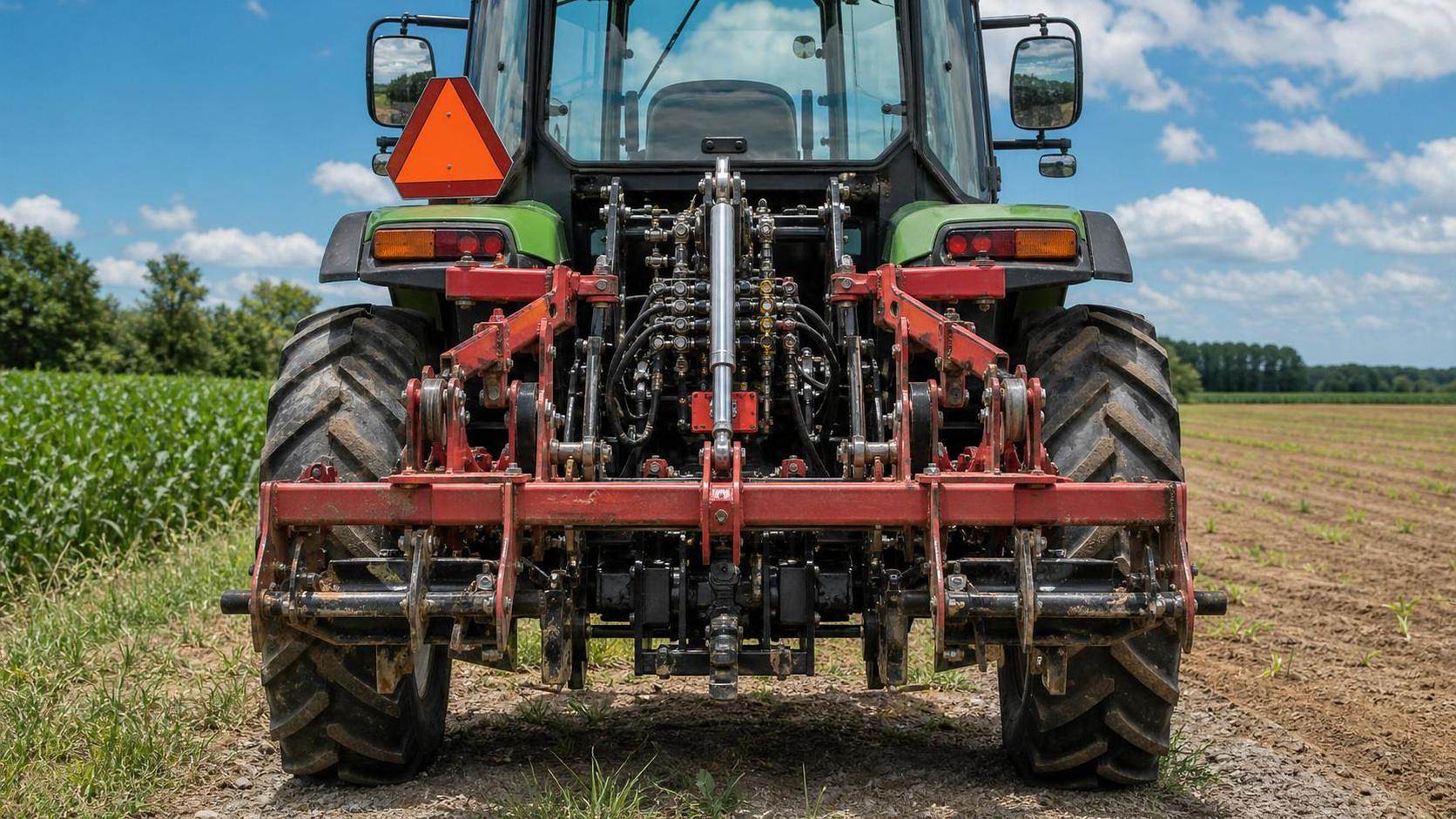




How tractor hydraulic systems work matters far beyond a technical diagram. In daily field use, hydraulic response shapes lift accuracy, attachment stability, fuel efficiency, and operator confidence. For tractors supporting tillage, planting, spraying, transport, or irrigation tasks, hydraulic performance often decides whether work stays smooth or turns into delay, drift, or overload.
That is why tractor hydraulic systems remain a central topic across the broader agri-equipment sector. At AP-Strategy, where tractor chassis, intelligent tools, and resource-saving field systems are studied together, hydraulics sit at the intersection of mechanical force, precision control, and practical uptime. Understanding the system helps turn specifications into better decisions in real operating conditions.
What a tractor hydraulic system actually does
In simple terms, tractor hydraulic systems convert engine power into fluid power. That fluid power then moves, lifts, holds, or controls implements and machine functions that would be difficult to manage mechanically.
The system is not only about raising a three-point hitch. It also supports loader arms, steering functions, remote cylinders, folding implements, draft response, and in many machines, transmission-related control tasks.
Hydraulic oil carries force through sealed passages. When pressure builds and flow is directed correctly, cylinders and motors respond with controlled movement. If either pressure or flow is poorly matched, performance quickly becomes inconsistent.
The core components behind lift and control
Most tractor hydraulic systems rely on a few essential parts, but each one affects field behavior differently. Looking at them separately makes troubleshooting and equipment matching much easier.
Pump
The pump creates hydraulic flow. It does not create pressure by itself. Pressure appears when flowing oil meets resistance from a load, a valve setting, or a cylinder already under force.
Gear pumps are common in straightforward systems. Piston pumps are often used where higher efficiency, variable displacement, or faster response is needed.
Reservoir and filters
Hydraulic oil must stay clean and stable. The reservoir stores fluid, releases heat, and helps remove trapped air. Filters protect the pump, valves, and cylinders from wear caused by contamination.
In practice, many hydraulic problems begin with dirty oil, restricted filters, or water contamination rather than with a major component failure.
Control valves
Valves direct oil where it needs to go. They decide whether an implement rises, lowers, floats, holds, or extends. Some valves are manually operated, while others are electro-hydraulic and tied to digital controls.
A well-tuned valve block helps avoid jerky lifting, drifting attachments, and uneven cylinder motion under changing field loads.
Cylinders and hydraulic motors
Cylinders convert hydraulic pressure into straight-line movement. Hydraulic motors turn fluid energy into rotation. In many tractor applications, cylinders handle hitch lifting, loader movement, and implement folding.
Cylinder condition strongly affects holding ability. Internal leakage can make a hitch settle slowly even when the rest of the system appears normal.
Pressure ratings are important, but not the whole story
Pressure ratings are among the first numbers people check, and for good reason. Pressure determines how much force a cylinder can apply. Higher pressure can support heavier loads when the rest of the system is designed for it.
Still, pressure alone does not guarantee strong hydraulic performance. Flow rate matters just as much because flow determines how quickly oil moves through the system and how fast a function responds.
A tractor may show a solid pressure figure on paper, yet still feel slow with a loader or remote cylinder if available flow is limited. That is why evaluating tractor hydraulic systems requires both force and speed in the same conversation.
This distinction becomes more important as implements become wider, heavier, and more dependent on precision control. In the Agriculture 4.0 environment tracked by AP-Strategy, hydraulic compatibility increasingly affects the value of smart attachments, not just basic lifting capacity.
Why lift control deserves closer attention
Lift control is where tractor hydraulic systems become visible in actual work. A system may seem powerful, but if lift response is abrupt, delayed, or unstable, field quality and operator comfort both suffer.
Position control allows the hitch to return to a selected height. Draft control adjusts hitch movement according to soil resistance. Mixed control strategies balance depth consistency with traction protection.
For tillage, this can prevent excessive wheel slip and uneven working depth. For mower, sprayer, or seeder support frames, stable lift control helps avoid oscillation, frame stress, and missed target settings.
Electro-hydraulic control adds more precision, especially when repeated headland turns or transport transitions are involved. Even so, the quality of the underlying hydraulic circuit still determines whether electronic commands produce smooth physical motion.
Where hydraulic performance shows up in daily operations
The value of tractor hydraulic systems changes with the task. The same tractor may feel adequate in one job and clearly undersized in another, depending on oil demand, lift frequency, and control sensitivity.
Three-point hitch work
Plows, cultivators, seed drills, and mounted spreaders depend on reliable hitch lift. Here, pressure capacity and position accuracy matter more than raw cycle speed.
Front loader tasks
Loader work highlights flow rate, modulation, and stability under repeated cycles. Slow boom raise, bucket rollback hesitation, or overheating often signal a mismatch in system output or oil condition.
Remote hydraulic implements
Folding planters, balers, trailers, and precision tools can place complex demands on remotes. Some need short bursts of pressure. Others need continuous flow with steady temperature control.
Integrated precision equipment
As implements use more sensors, section control, and automated positioning, hydraulic smoothness becomes part of precision farming performance. Sudden movement can reduce placement accuracy or disrupt calibrated field routines.
Common warning signs and what they often mean
Many hydraulic issues develop gradually. Spotting small changes early reduces downtime and protects more expensive components.
- Slow lift after warm-up often points to internal leakage or pump wear.
- Jerky movement can suggest air entry, sticky valves, or contaminated oil.
- A hitch that drifts down may indicate cylinder seal leakage or valve sealing problems.
- Excessive heat usually means oil restriction, bypass loss, or prolonged high-load operation.
- Unusual noise near the pump may signal cavitation, low oil level, or suction blockage.
These symptoms should be read together, not in isolation. Good diagnosis depends on load condition, oil temperature, and the specific hydraulic function being tested.
A practical way to judge hydraulic suitability
When comparing tractor hydraulic systems, the better question is not simply whether the machine has enough hydraulics. The better question is whether the hydraulic package fits the intended implement mix and duty cycle.
A useful review usually includes these points:
- Check operating pressure and available flow together, not separately.
- Match remote valve quantity and type to current and future implements.
- Review hitch lift capacity at realistic link-point conditions.
- Consider oil cooling, duty duration, and ambient temperature.
- Pay attention to control smoothness, not only peak force.
- Include maintenance access, filter intervals, and fluid compatibility.
This broader view reflects how AP-Strategy approaches machinery intelligence. Mechanical performance, digital tool integration, and field sustainability are no longer separate decisions. Hydraulics influence all three.
What matters next in the wider equipment landscape
Hydraulic design is evolving alongside autonomous functions, electrification, and smarter implements. Even where electric actuation grows, tractor hydraulic systems remain critical because they still deliver dense, durable power in harsh field conditions.
The next step is usually not chasing the highest specification number. It is building a clear map of implement demand, lift expectations, control precision, and maintenance discipline. Once those are defined, pressure ratings, valve layouts, and lift control features become much easier to judge.
For anyone assessing tractors, attachments, or fleet upgrades, it makes sense to compare hydraulic capability against real tasks, seasonal peaks, and future tool integration. That approach turns tractor hydraulic systems from a catalog line into a reliable operating advantage.
Related News
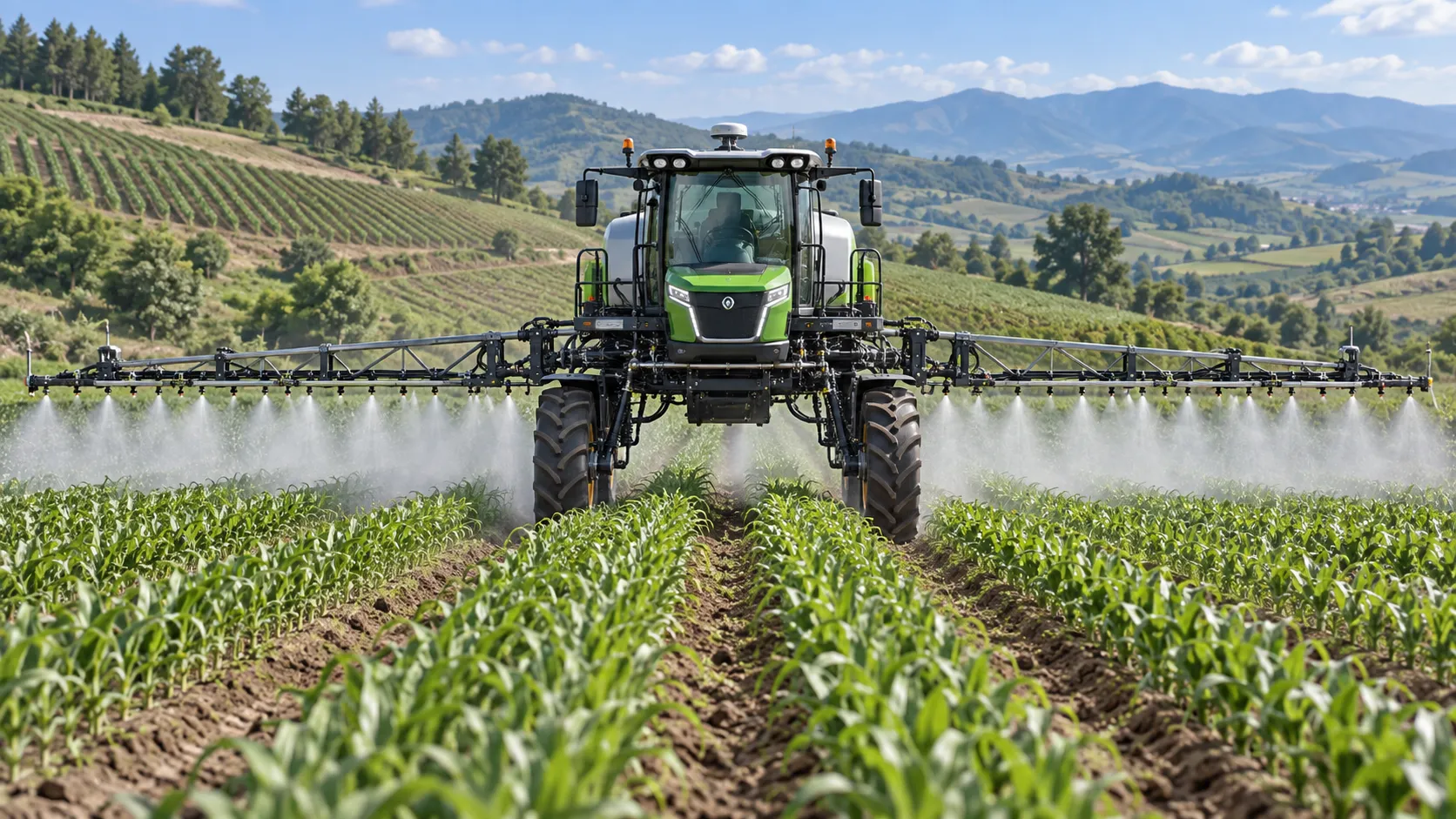
How to Select Precision Crop Protection Equipment for Variable Field Conditions
Precision crop protection equipment selection made simple: compare terrain, canopy, weather, control accuracy, and data workflows for reliable applications.
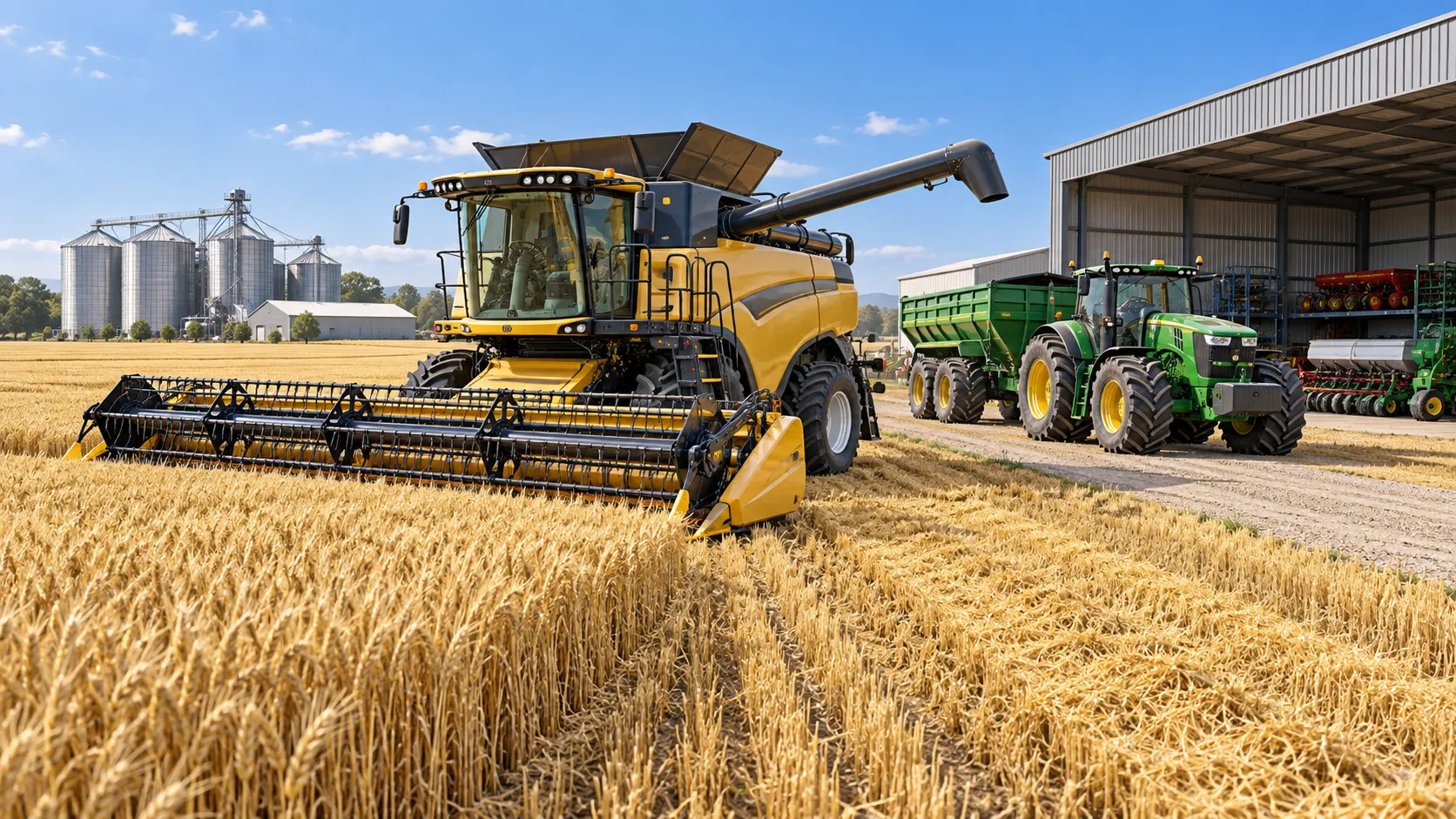
When Does Agricultural Machinery Leasing Cost Less Than Owning Equipment?
Agricultural machinery leasing can lower farm costs when use is seasonal or uncertain. Compare utilization, maintenance, cash flow, and risk to make a smarter equipment decision.
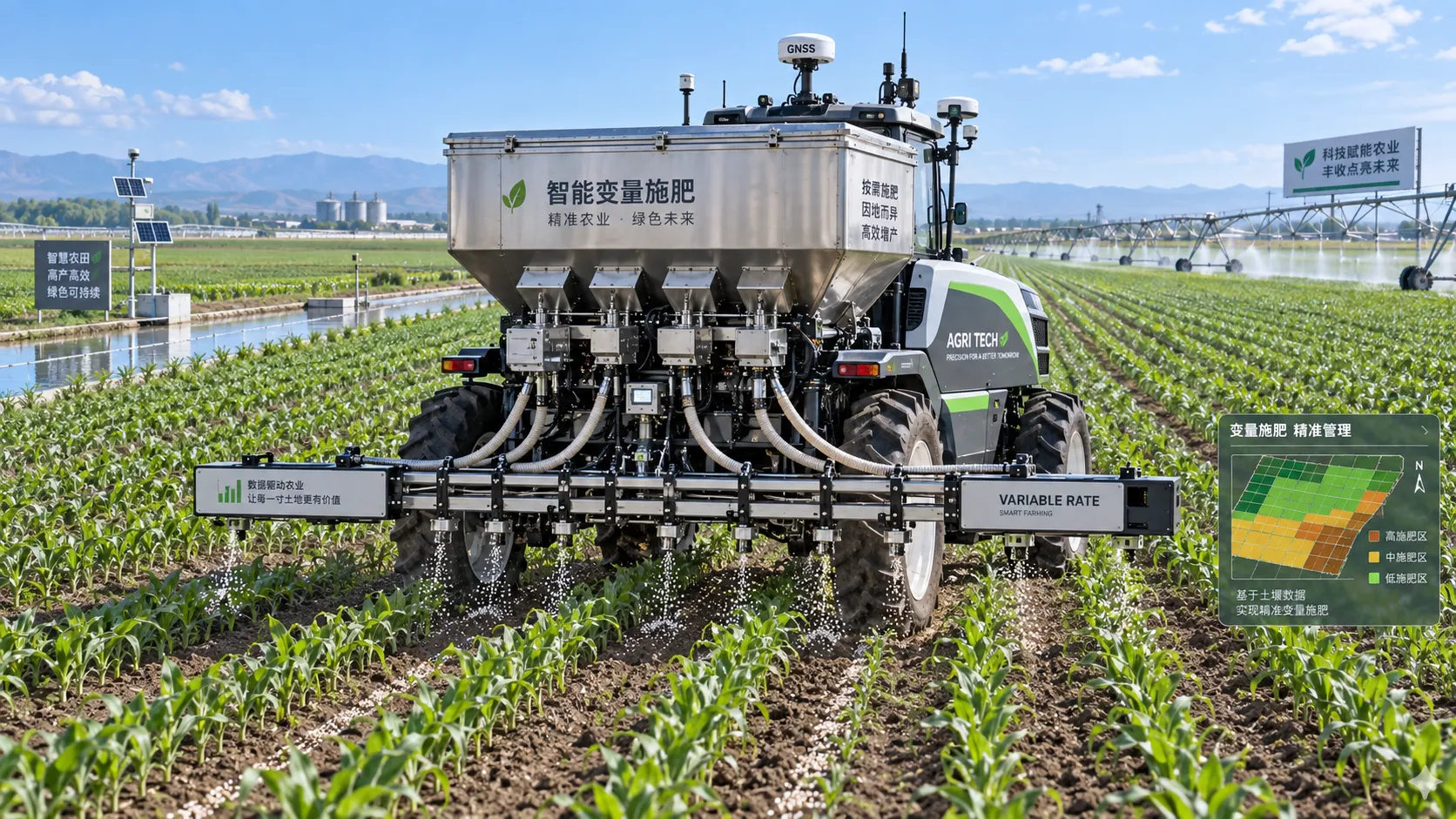
How to Evaluate Precision Fertilization System Suppliers for Farm-Scale Deployment
Precision fertilization systems suppliers: learn how to compare accuracy, integration, uptime, service, and total cost for confident farm-scale deployment.
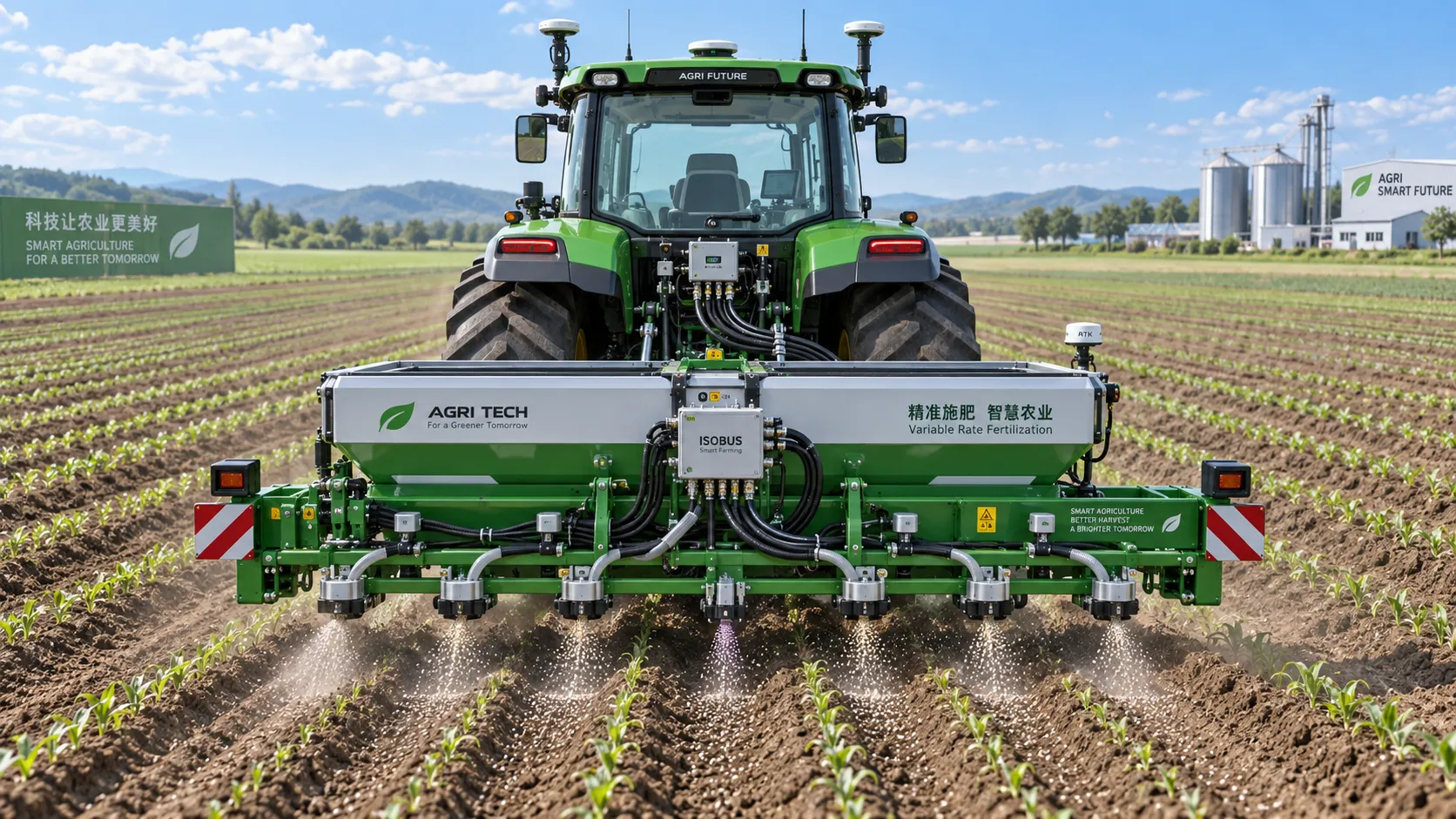
ISOBUS for Smart Agriculture: How It Connects Tractors, Implements, and Farm Data
ISOBUS for smart agriculture connects tractors, implements, terminals, and farm data—helping growers improve precision, documentation, and smarter field decisions.
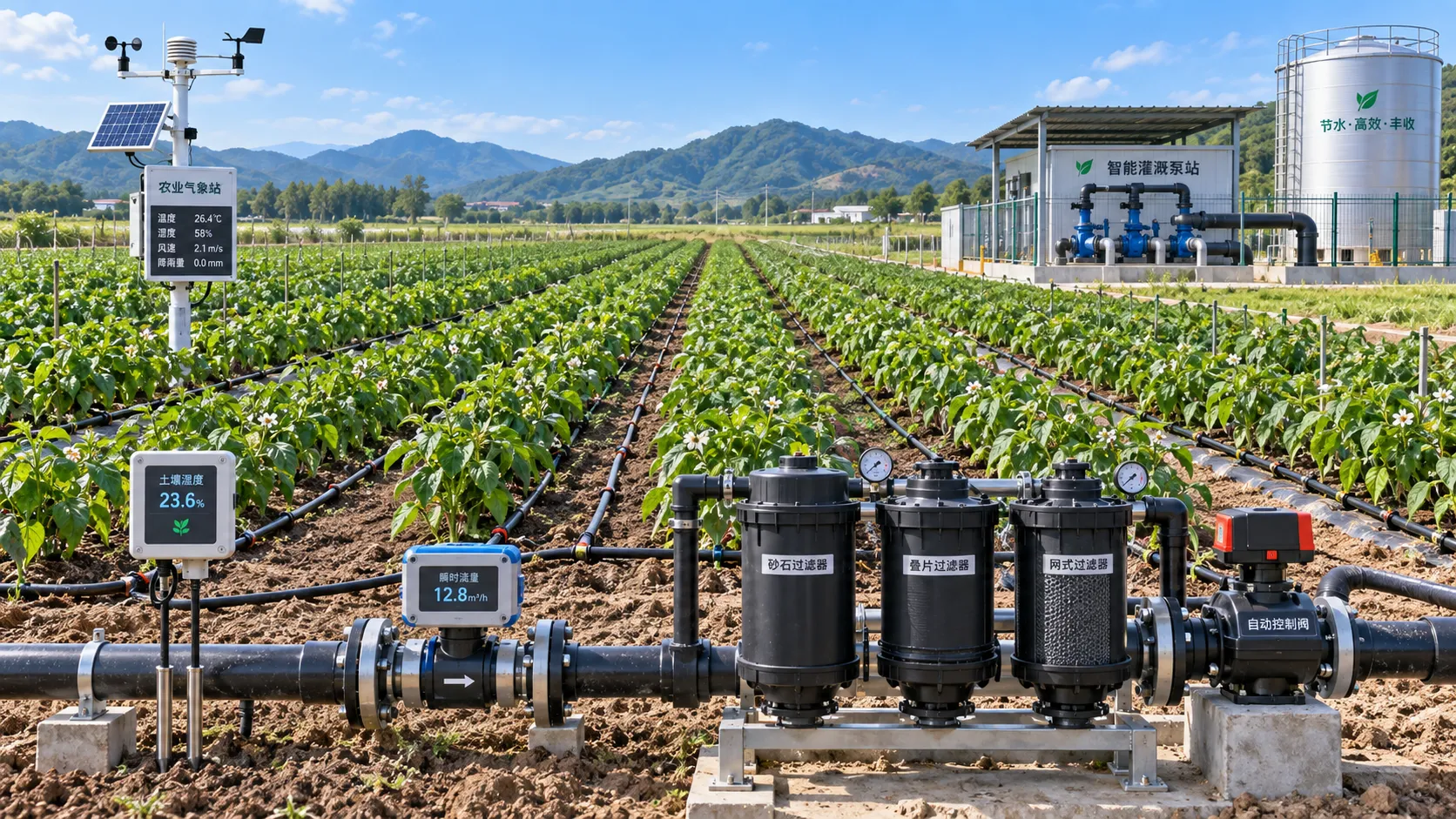
Automated Water-Saving Irrigation: How to Cut Water Use Without Reducing Crop Yields
Automated water-saving irrigation helps farms cut water use, protect crop yields, improve scheduling, and gain reliable control with sensors, flow monitoring, and smart zones.
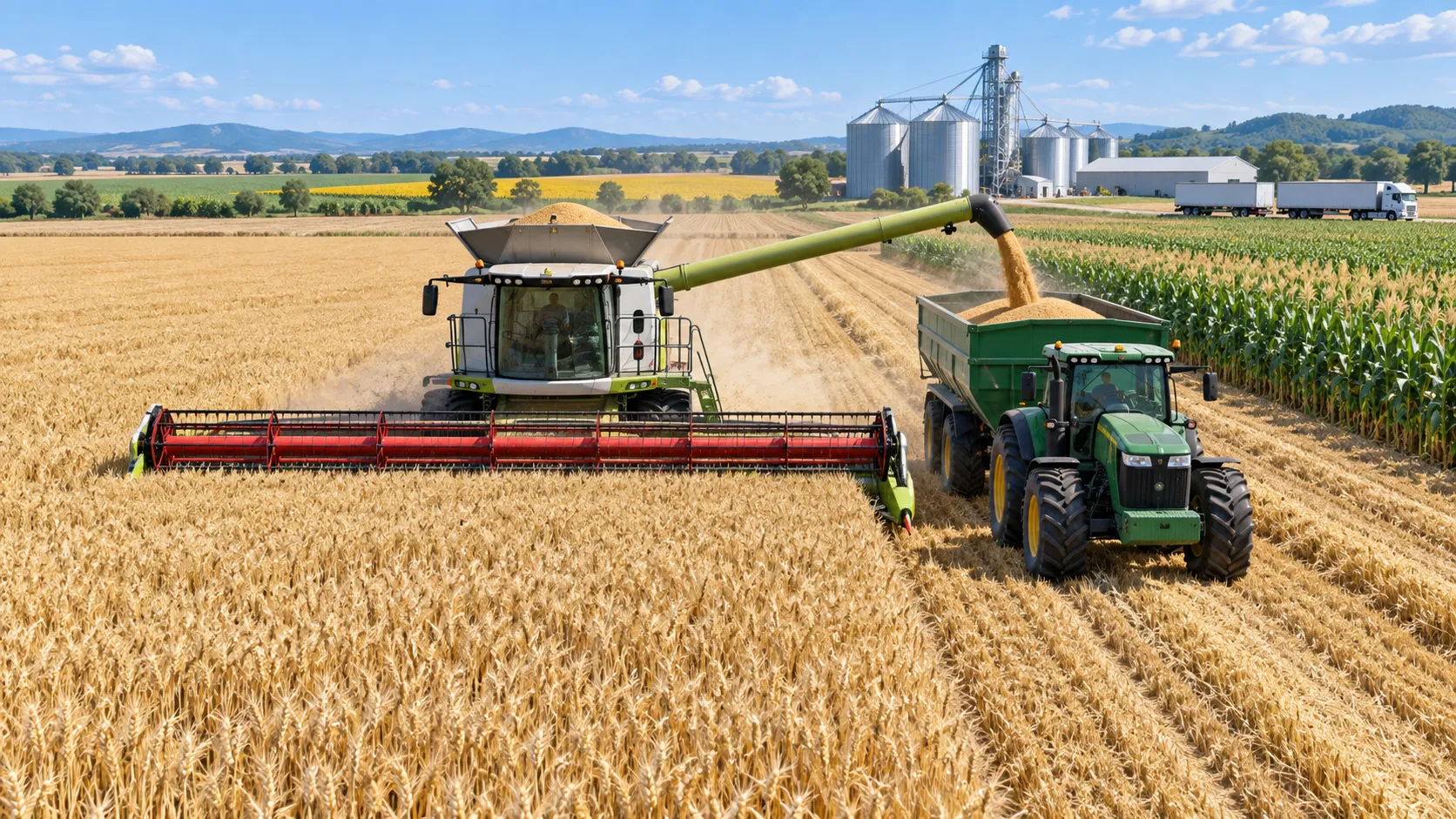
Selecting Grain Farm Equipment by Acreage, Crop Mix, and Harvest Window
Agricultural equipment selection for grain farming: match machinery to acreage, crop mix, and harvest windows to improve uptime, efficiency, and returns.
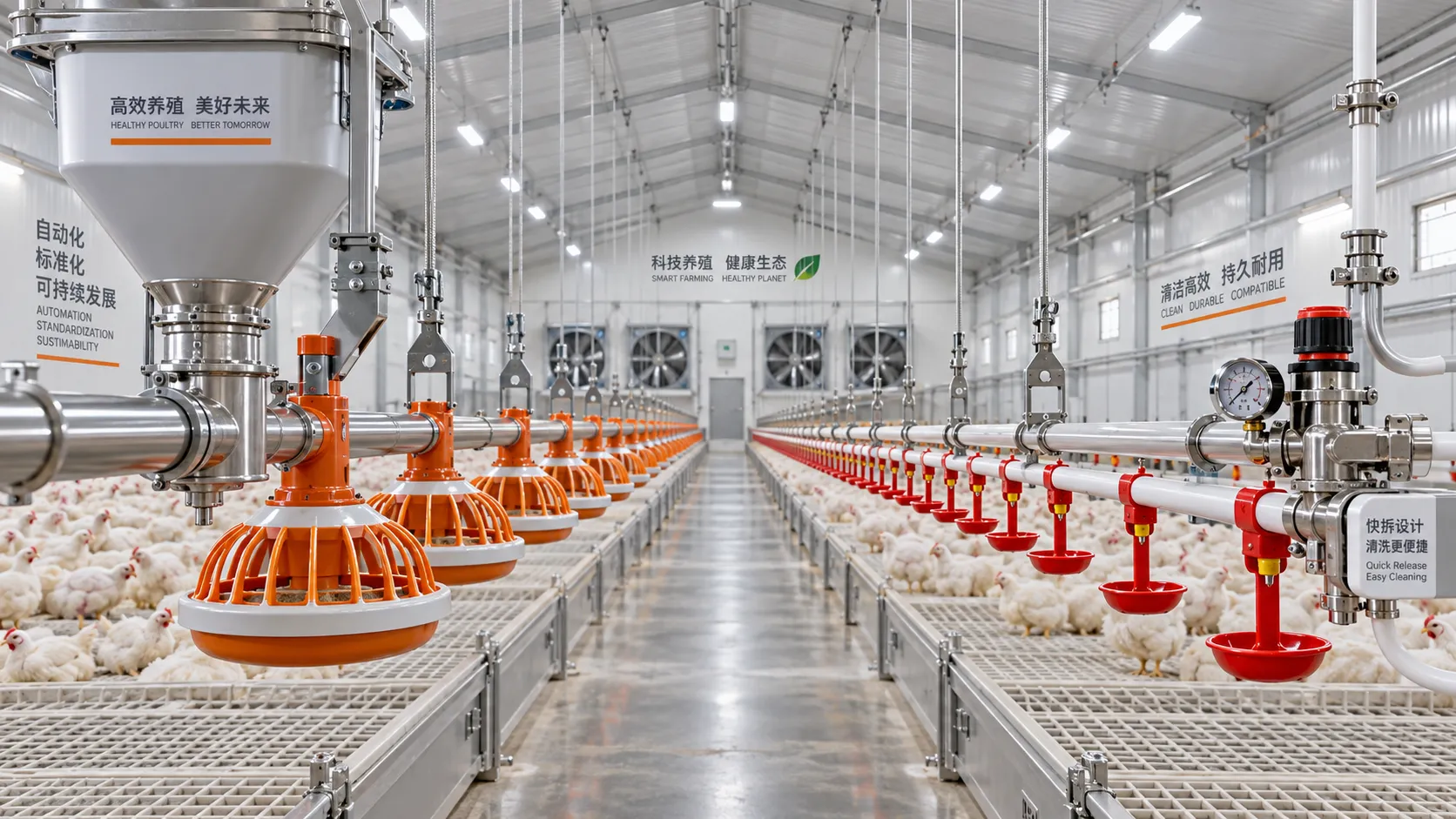
Poultry Equipment Selection: Evaluating Durability, Cleaning, and Compatibility
Poultry equipments selection guide: evaluate durability, cleaning access, and system compatibility to improve hygiene, reduce downtime, and support efficient flock management.
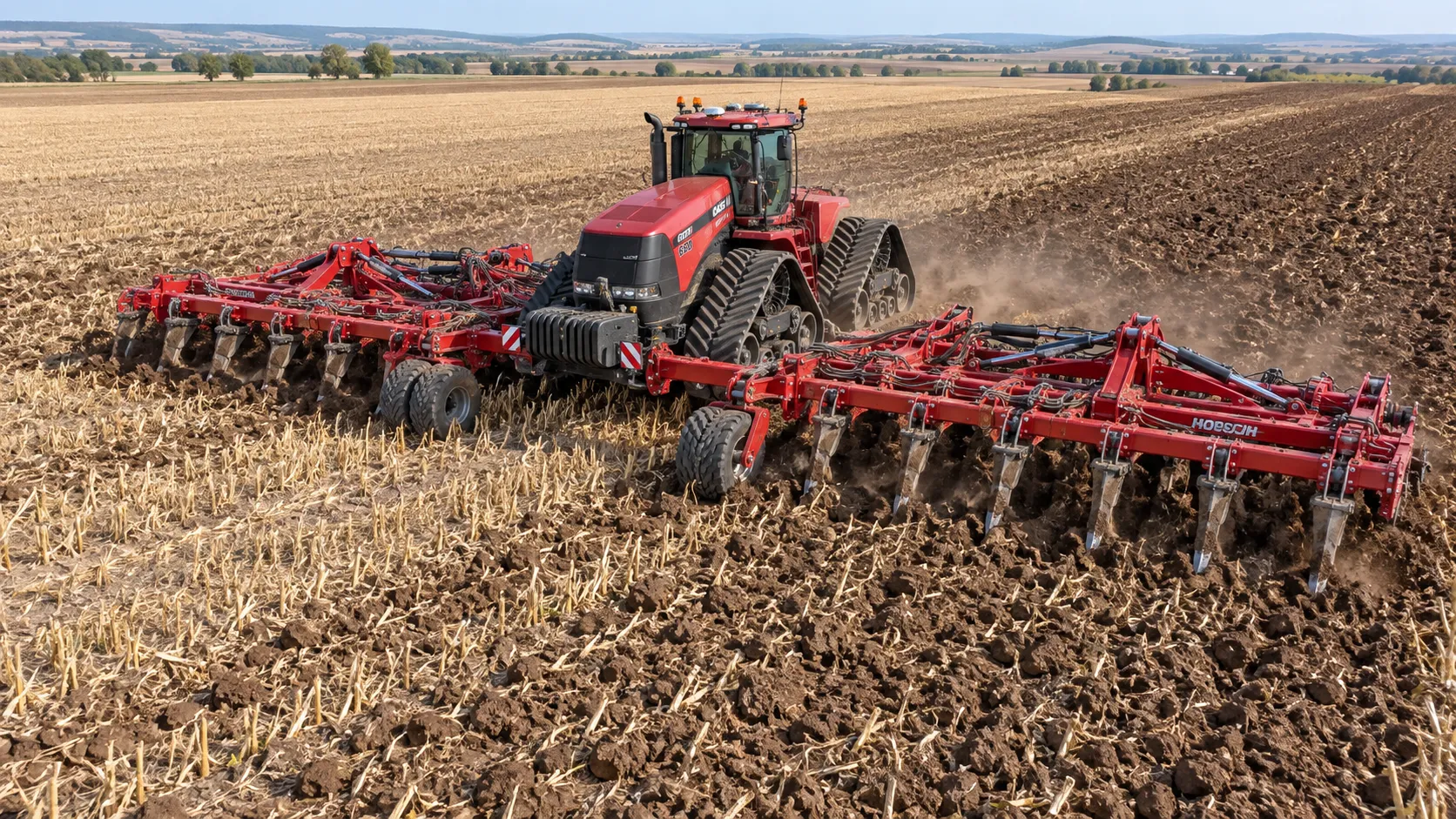
How to Select Heavy-Duty Farm Implements for High-Acreage, High-Horsepower Operations
Heavy duty farm implements: learn how to match draft, hydraulics, hitch capacity, frame strength, and field conditions for reliable high-acreage performance.
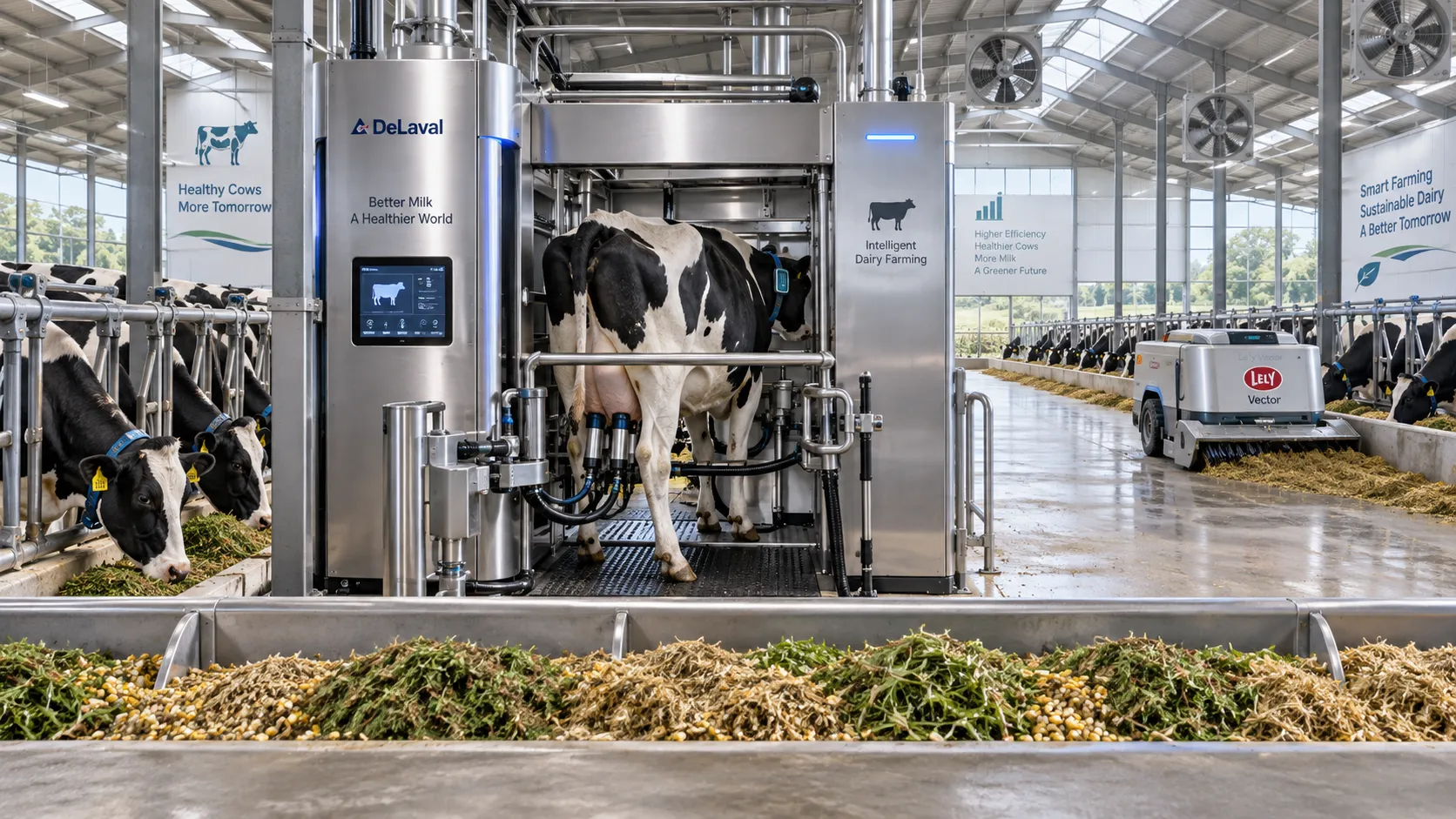
Smart Farming Technology for Dairy Farms: Where Automation Delivers Measurable ROI
Smart farming technology for dairy farms delivers measurable ROI through automation, precision feeding, health monitoring, and data-driven cost control.
Related News
- 00
0000-00
Tractor Hydraulic Systems Troubleshooting: Diagnosing Weak Lift and Slow Implements - 00
0000-00
Which Implements Are Compatible With a 200 HP Tractor for Mixed Cropping? - 00
0000-00
How to Select Agricultural Hydraulic Systems for Sprayers by Flow, Pressure, and Boom Demand - 00
0000-00
Australia Tightens Carbon Rules for Hydraulic Lift System Imports - 00
0000-00
ANATEL Sets New Rules for Wireless Hydraulic Lift Systems
Popular Tags
Tractor Power Architect
Weekly Insights
Stay ahead with our curated technology reports delivered every Monday.