
EU Tightens CE Testing for GPS Guidance Systems
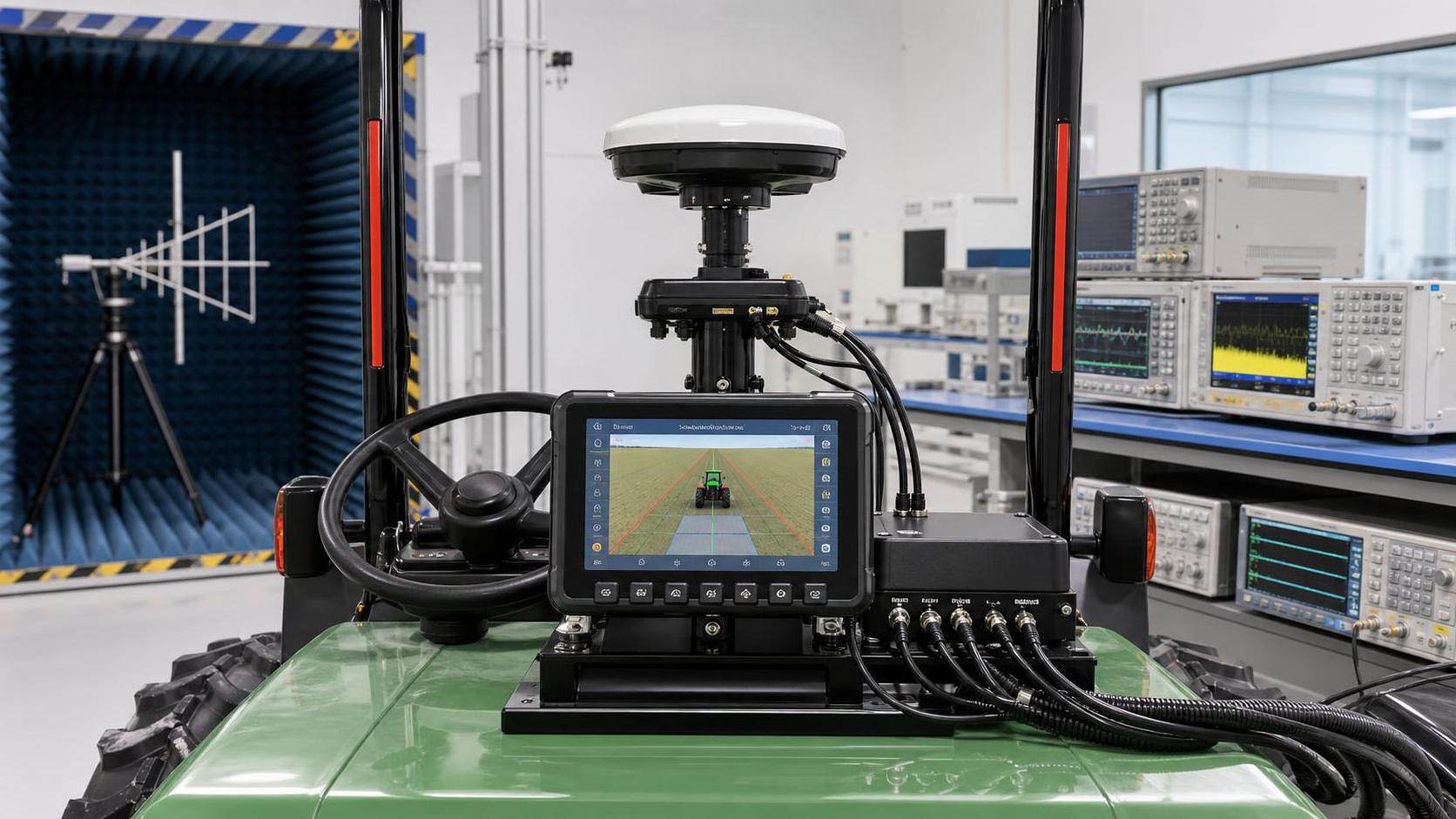




On August 8, 2026, the European Commission brought into force a revised agricultural machinery CE directive, 2026/1734/EU, that newly places GPS Guidance Systems within mandatory type certification. From November 1, 2026, newly exported systems entering the EU must pass added EN ISO 19848:2026 tests covering multi-band RTK signal interference resistance, a positioning drift limit of no more than 2.5 cm RMS, and a cybersecurity firmware audit. For manufacturers, importers, certification-related service providers, and procurement teams, this is not just a technical update; it directly affects compliance timing, export readiness, and delivery planning.
What the rule now requires
The confirmed change is that the revised agricultural machinery CE directive, 2026/1734/EU, took effect on August 8, 2026, and explicitly includes GPS Guidance Systems within the scope of mandatory type certification. The rule further states that, starting on November 1, 2026, all new systems exported to the EU must pass three newly added tests under EN ISO 19848:2026: multi-band RTK signal anti-interference performance, a positioning drift threshold of no more than 2.5 cm RMS, and a cybersecurity firmware audit. The provided information also confirms that this change will directly affect export lead times and compliance costs for Chinese manufacturers, while importers are expected to verify supplier certification status in advance.
Where the pressure is likely to appear first
Export manufacturers face a narrower compliance window
From an industry perspective, manufacturers shipping GPS Guidance Systems to the EU are the first group exposed to the rule change because certification is now tied directly to market access for new exports after November 1, 2026. The main impact is likely to appear in product testing schedules, certification preparation, technical file review, and shipment release planning. What deserves closer attention is whether existing export programs, especially those already close to delivery, have completed the required testing under EN ISO 19848:2026.
Importers need earlier supplier verification
Importers are affected because certification status becomes a practical gate for procurement and customs-facing delivery arrangements. Analysis shows that supplier qualification review may need to move earlier in the purchasing cycle, with more attention on whether the supplier has already passed the newly added anti-interference, drift, and firmware audit requirements. In practical terms, importer risk is less about the text of the rule itself and more about ordering products that cannot be placed on the EU market on schedule.
Certification and testing service providers may see workflow changes
Certification-related companies and testing service providers are also likely to be affected because the mandatory scope has expanded and the test content has become more specific. The business impact is likely to concentrate in test planning, technical documentation alignment, and review of firmware-related compliance materials. Observably, companies relying on external testing or certification support may need to confirm lead times and documentation requirements earlier than before.
Procurement and supply chain teams may need to adjust delivery assumptions
For procurement teams and supply chain coordinators, the issue is not only whether a product is technically compliant, but whether certification status is clear enough to support delivery commitments. Analysis shows that purchasing schedules, supplier approval checks, and delivery sequencing may need to be adjusted where products are intended for EU export after the November 1 deadline. This is especially relevant where orders are already in process and certification evidence has not yet been fully aligned with the new rule.
What companies should review now
Check whether product scope and shipment timing now trigger mandatory certification
The immediate practical question is whether a company’s GPS Guidance Systems fall within the newly defined mandatory type certification scope and whether planned exports qualify as new systems shipped to the EU from November 1, 2026 onward. Where shipment timing overlaps with the implementation date, companies should review order status and compliance documentation carefully.
Re-examine test readiness against the three added requirements
Companies should focus specifically on the three newly named EN ISO 19848:2026 test areas: multi-band RTK signal anti-interference performance, positioning drift not exceeding 2.5 cm RMS, and cybersecurity firmware audit readiness. The input does not provide execution detail beyond these requirements, so it is more appropriate to understand this as a prompt for targeted compliance review rather than as proof that market practice has fully stabilized.
Confirm whether supplier files and certification status are complete
For importers and procurement teams, supplier qualification now needs to include a more direct check of certification status. This includes reviewing whether supporting technical documents, test reports, and certification-related materials are available and current for the relevant products. Where documents are incomplete or still in process, delivery planning may need revision.
Watch for changes in commercial documents and customer requirements
Observably, this rule change can affect more than certification alone. It may also influence purchase specifications, contract conditions, delivery confirmations, and after-sales traceability expectations where EU-bound systems are involved. Since the provided information does not include detailed enforcement guidance, companies should keep monitoring how the new requirements are reflected in transactional and technical documentation.
How this development is best understood at this stage
Analysis shows that this update is best read as an already effective regulatory change with a clear compliance deadline, rather than a preliminary policy signal. At the same time, it would be premature to treat every downstream practice as settled, because the provided information does not include detailed enforcement interpretation, documentary format expectations, or market-level implementation feedback. What deserves closer attention is how certification practice, procurement language, and supplier review standards begin to align with the November 1, 2026 threshold.
The practical meaning for the market
The significance of this development lies in the fact that CE access for GPS Guidance Systems is now tied to a more explicit and test-based compliance pathway. For affected businesses, the issue is less about broad policy interpretation and more about whether certification readiness, supplier status, and delivery planning can keep pace with the new requirement. It is more appropriate to understand this event as a concrete compliance change that has already landed, while still requiring continued observation of execution details and market response.
Basis of this article and what still needs verification
This article is based on the user-provided news title, event date, and event summary. For developments of this kind, commonly relevant source categories may include official notices, regulatory authority releases, customs or trade administration updates, industry association communications, standard-setting documents, and reporting from established professional media. No specific official source link was provided in the input, so the exact official link still needs to be verified on an ongoing basis. Further observation is also needed regarding detailed implementation guidance, certification interpretation, procurement document changes, market feedback, and how affected companies carry out compliance in practice.
Related News
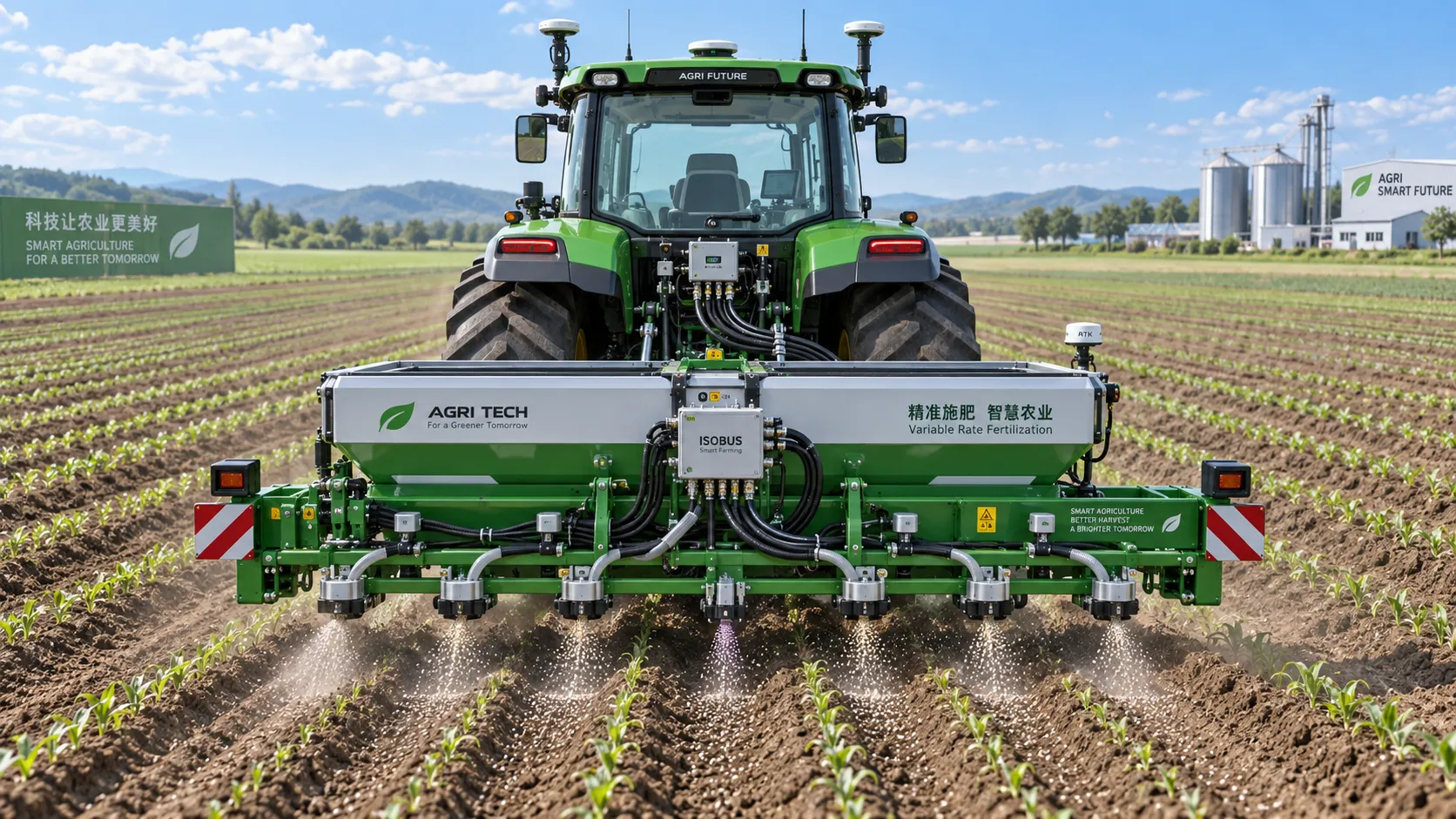
ISOBUS for Smart Agriculture: How It Connects Tractors, Implements, and Farm Data
ISOBUS for smart agriculture connects tractors, implements, terminals, and farm data—helping growers improve precision, documentation, and smarter field decisions.
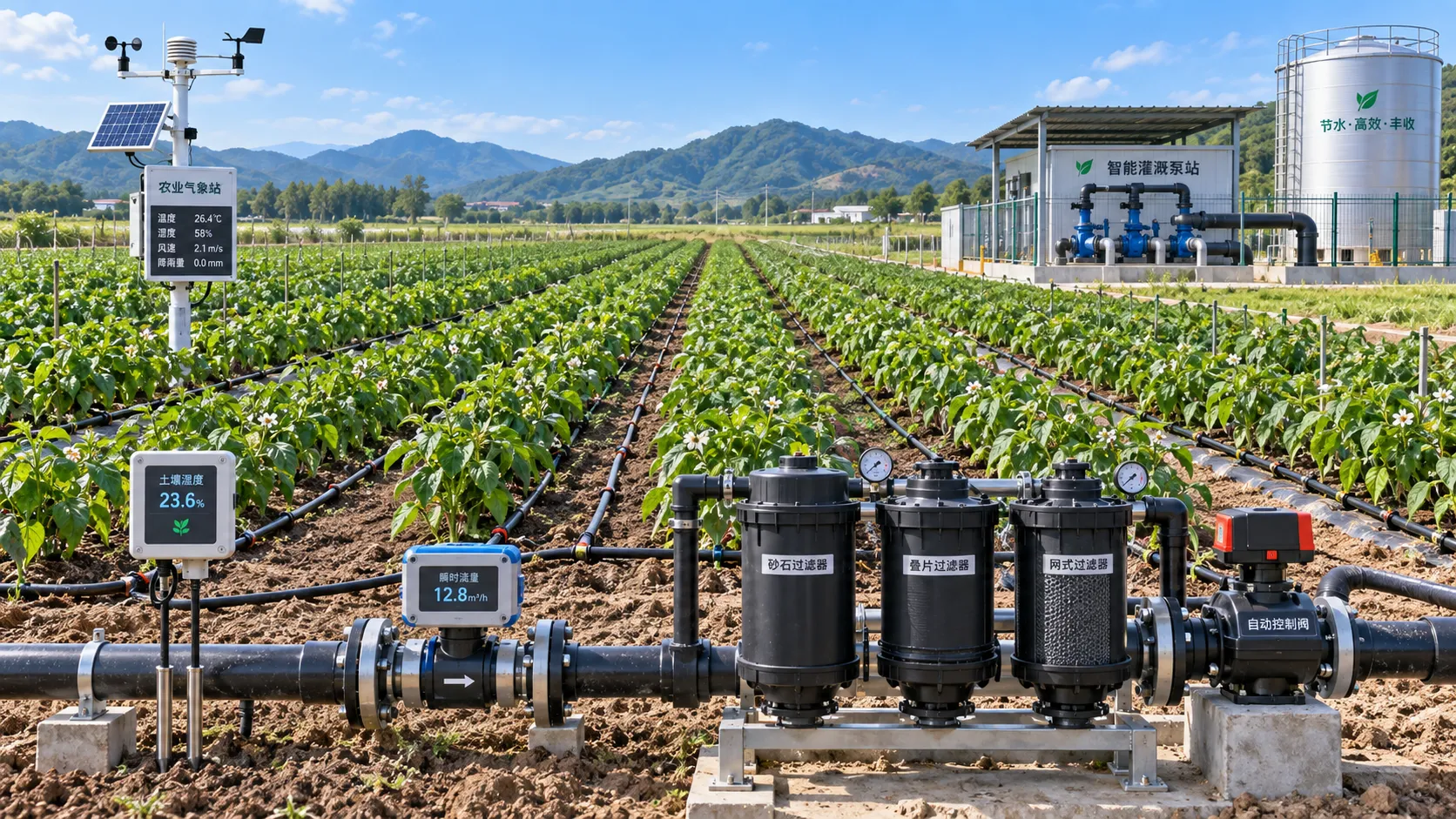
Automated Water-Saving Irrigation: How to Cut Water Use Without Reducing Crop Yields
Automated water-saving irrigation helps farms cut water use, protect crop yields, improve scheduling, and gain reliable control with sensors, flow monitoring, and smart zones.

Selecting Grain Farm Equipment by Acreage, Crop Mix, and Harvest Window
Agricultural equipment selection for grain farming: match machinery to acreage, crop mix, and harvest windows to improve uptime, efficiency, and returns.

How to Select Heavy-Duty Farm Implements for High-Acreage, High-Horsepower Operations
Heavy duty farm implements: learn how to match draft, hydraulics, hitch capacity, frame strength, and field conditions for reliable high-acreage performance.
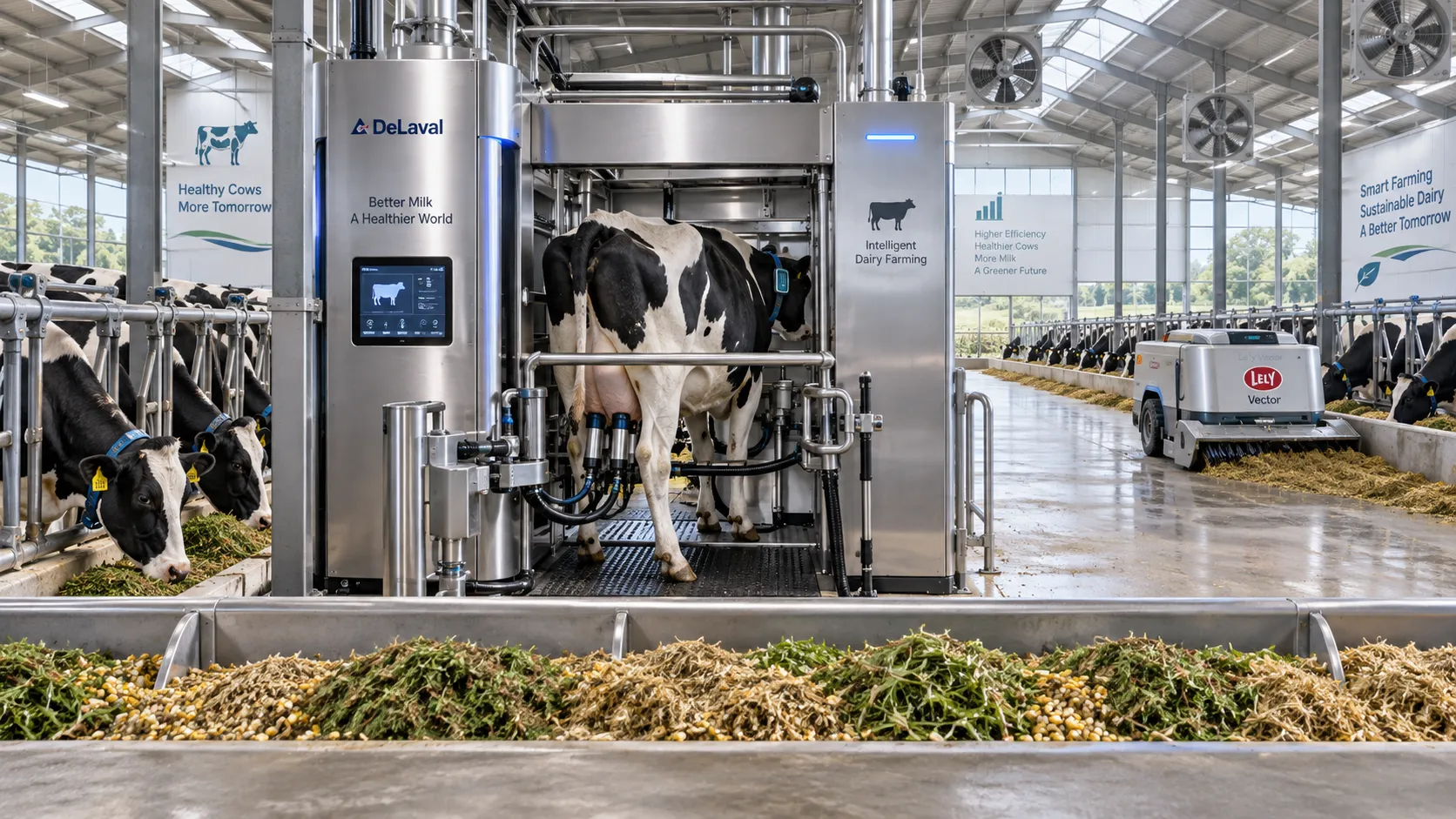
Smart Farming Technology for Dairy Farms: Where Automation Delivers Measurable ROI
Smart farming technology for dairy farms delivers measurable ROI through automation, precision feeding, health monitoring, and data-driven cost control.

How to Select a Heavy-Duty Seeder for Large Acreage and High-Residue Fields
Heavy duty seeders for large acreage: compare residue handling, depth control, downforce, metering accuracy, and precision features to select the right model.

How to Select a Precision Fertilization System for Variable Corn Field Conditions
Precision fertilization systems for corn farming: learn how to match data, placement, control accuracy, and ROI to variable field conditions for better results.

Selecting Precision Farming Products by Application: Field Conditions, Crops, and ROI
Application-based product selection for precision farming: match technology to field conditions, crops, machinery, and ROI for smarter, reliable farm investments.
How to Evaluate Agricultural Product Information Sources for Reliable Farm Decisions
Agricultural product information reference guide: evaluate reliable farm data, verify claims, and make smarter machinery, irrigation, and crop decisions.
Related News
- 00
0000-00
ISOBUS for Smart Agriculture: How It Connects Tractors, Implements, and Farm Data - 00
0000-00
How North American Farms Can Select Crop Monitoring Systems by Acreage and Connectivity - 00
0000-00
How Tractor Intelligence Systems Improve Field Efficiency and Input Accuracy - 00
0000-00
Which equipment for larger fields maintains accuracy at higher speeds? - 00
0000-00
What should a digital ag platform integrate before a farm-wide rollout?
Popular Tags
Tractor Power Architect
Weekly Insights
Stay ahead with our curated technology reports delivered every Monday.