
EU Rule Takes Effect for GPS Guidance System Imports
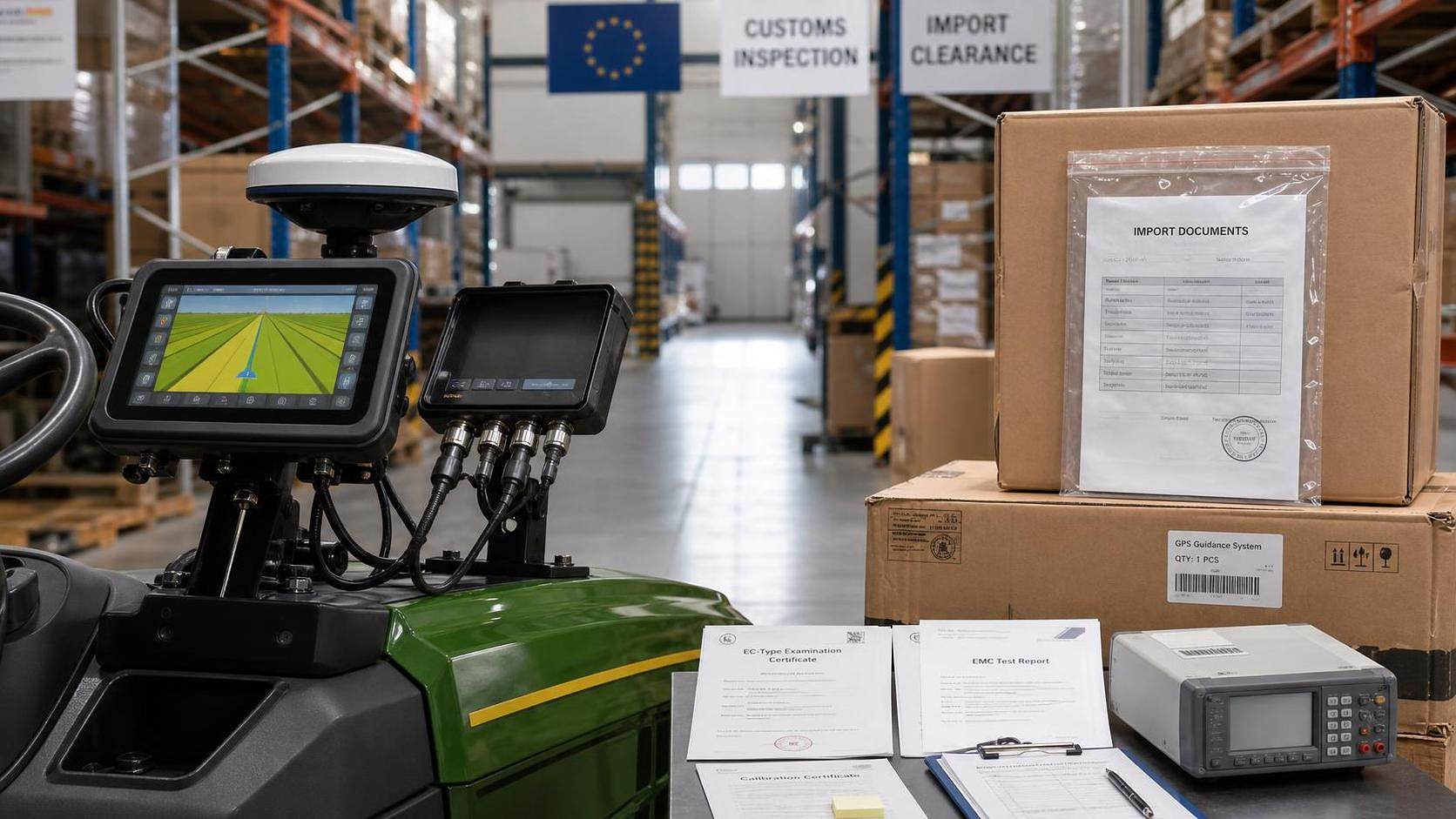




On August 10, 2026, the EU began enforcing EN 1459-3:2026 for agricultural machinery navigation systems, making third-party type certification a mandatory condition for imported GPS Guidance Systems. For exporters, importers, compliance teams, and delivery planners serving the EU market, this matters because the rule now links product access not only to technical performance requirements but also to customs clearance and the practical validity of CE marking in shipment execution.
What the New Requirement Now Demands
The confirmed change is that, from August 10, 2026, the EU has made the updated safety standard EN 1459-3:2026 mandatory for GPS Guidance Systems imported for this application area. Under the information provided, covered products must obtain third-party type certification. The compliance scope specifically includes positioning accuracy redundancy, EMC resistance to interference, and compatibility with agricultural machinery CAN bus protocols. Products that do not obtain the required certification will be refused customs clearance.
Where the Pressure Is Likely to Appear Across the Supply Chain
Export transactions facing a tighter compliance gate
From an industry perspective, direct trading companies and export-oriented suppliers are likely to feel the impact first because market access now depends on third-party certification rather than internal technical claims alone. The main pressure points are likely to appear in shipment scheduling, document readiness, and customer-side acceptance before goods are dispatched to the EU.
Manufacturing and product integration teams under closer technical scrutiny
For manufacturers and system integrators, the likely impact is concentrated in the product compliance stage. The stated coverage of positioning redundancy, EMC anti-interference performance, and CAN bus protocol compatibility means the review focus is not limited to a single function. What deserves closer attention is whether existing product configurations, validation records, and integration assumptions are sufficient for a third-party type certification process tied to EU import access.
Importers and channel operators exposed to delivery and clearance risk
Importers, distributors, and channel-side operators in the EU market may be affected through customs risk and delivery reliability. The confirmed consequence for uncertified products is refusal of customs clearance, so the commercial issue is not only regulatory interpretation but whether goods can physically enter the market on time. This makes certification status and supporting documents a practical checkpoint in procurement and inbound planning.
Supply chain service providers needing earlier coordination
Supply chain service providers, including those involved in logistics coordination and trade documentation, may need to adjust their process attention points. Analysis shows that when certification becomes a hard import condition, coordination on lead times, paperwork completeness, and shipment release conditions becomes more sensitive, especially for exporters shipping into the EU from China.
What Companies Should Watch in Practical Terms
Certification status before shipment commitments
Companies involved in EU-bound orders should pay close attention to whether the relevant GPS Guidance Systems have already passed the required third-party type certification before confirming delivery schedules. In practical terms, this is no longer a back-end compliance issue if customs clearance depends on it.
Whether CE-related documentation still aligns with the new rule
The provided information indicates that the standard directly affects the effectiveness of CE marking for Chinese exporters. What deserves closer attention is the relationship between existing CE-related documentation and the new mandatory certification condition, particularly where products were previously prepared under earlier assumptions.
Technical files tied to the stated review areas
Manufacturers and compliance teams should focus on the product evidence connected to the three areas explicitly mentioned in the rule: positioning accuracy redundancy, EMC resistance to interference, and agricultural machinery CAN bus protocol compatibility. Observably, the business issue is not only whether the product is designed to meet these points, but whether the supporting technical material is adequate for third-party review.
Customer communication and delivery contingency planning
For exporters and account teams, customer communication may need to become more specific around certification progress, document availability, and shipment timing. Analysis shows that once non-certified products can be rejected at customs, delivery commitments to EU customers may require more cautious scheduling and clearer contingency arrangements.
Why This Looks More Than a Routine Compliance Update
As an analytical observation, this development is better understood as an operational market-access change rather than a minor documentation adjustment. The reason is straightforward: the rule combines a defined technical standard with mandatory third-party type certification and a direct customs consequence for non-compliant goods. At the same time, it should not be overstated beyond the confirmed facts. The current information supports a clear compliance shift, but further market interpretation still depends on how companies, certification workflows, and transaction timelines adapt in practice.
How the Market May Best Read This Development Now
It is more appropriate to understand this as an immediate compliance threshold with longer-term implications for export execution into the EU. In the short term, the most visible effect is likely to be on certification readiness, customs clearance risk, and delivery timing. In the longer view, the signal for the industry is that technical conformity, documentation quality, and third-party verification are becoming more tightly linked in actual market entry. That makes this a development worth tracking closely, but still one that should be judged through confirmed implementation details rather than broad assumptions.
Basis of This Article and What Still Needs Verification
This article is based on the user-provided news title, event date, and event summary. For this type of industry development, relevant source categories would typically include official notices, company announcements, industry association updates, authoritative media reporting, and standard organization documents. A specific official source link was not provided in the input, so the exact source path still requires ongoing verification. Follow-up attention should remain on any further official wording, implementation clarifications, and market-side interpretation affecting certification handling, delivery timing, and customs execution.
Related News
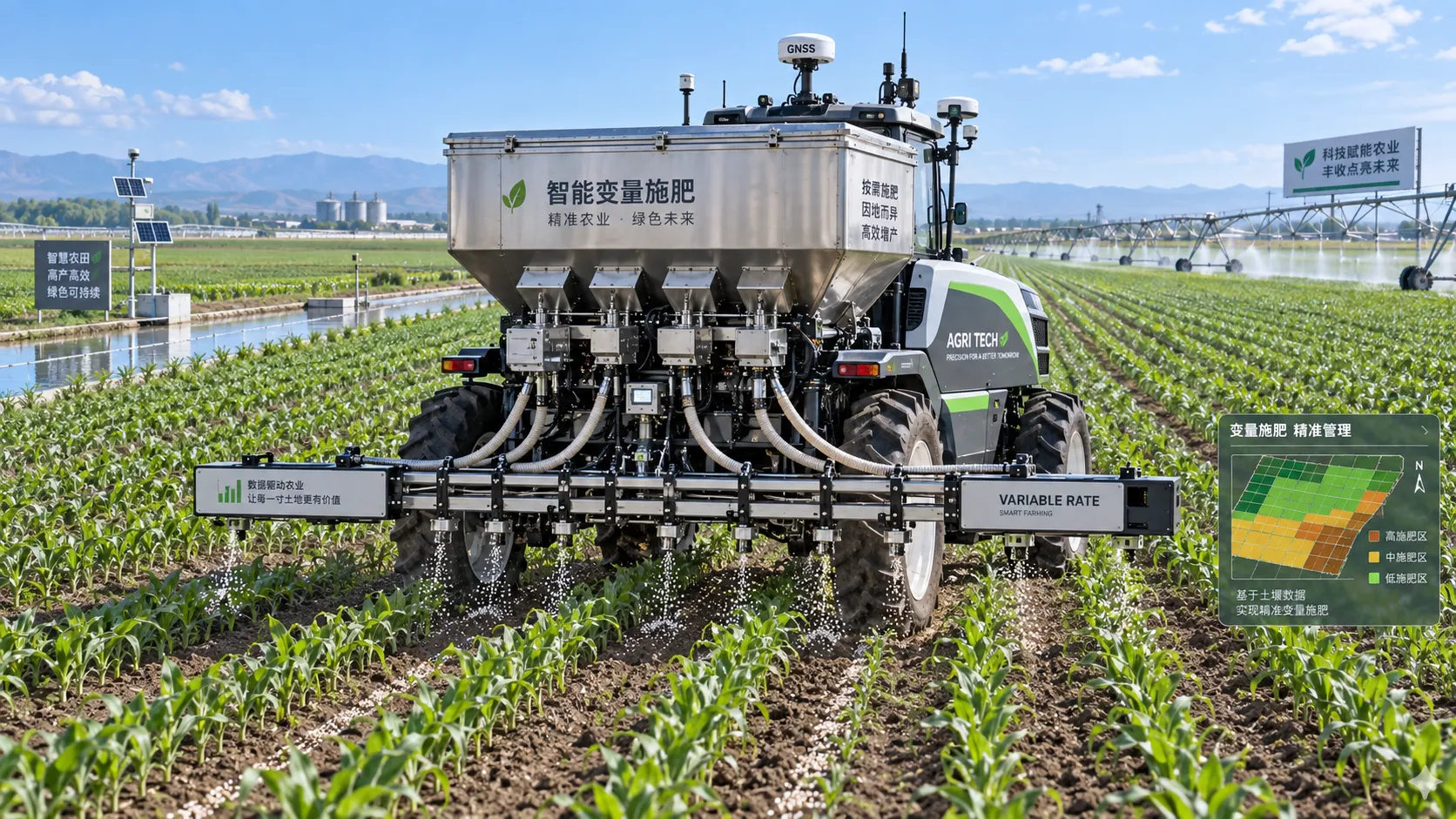
How to Evaluate Precision Fertilization System Suppliers for Farm-Scale Deployment
Precision fertilization systems suppliers: learn how to compare accuracy, integration, uptime, service, and total cost for confident farm-scale deployment.
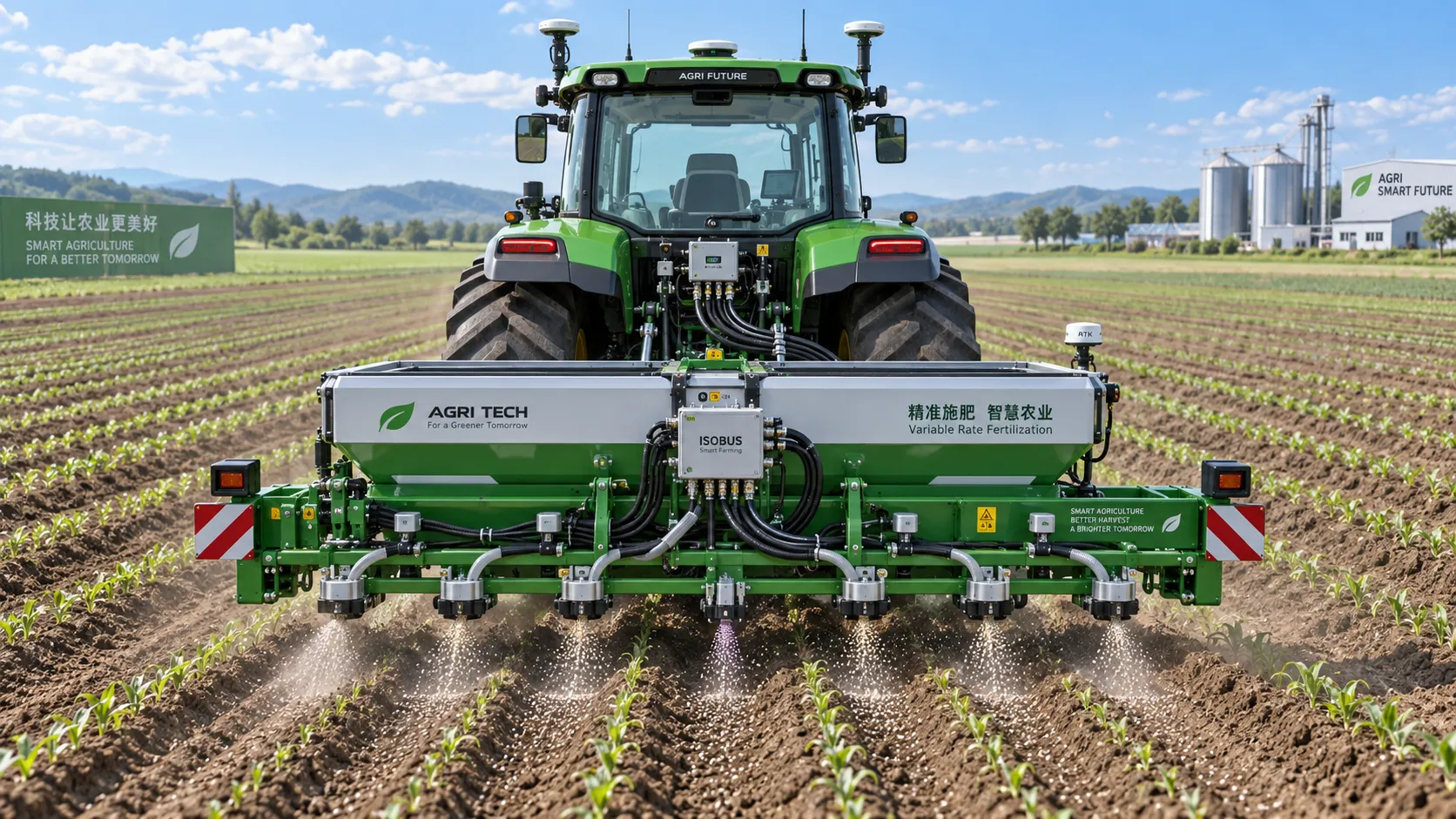
ISOBUS for Smart Agriculture: How It Connects Tractors, Implements, and Farm Data
ISOBUS for smart agriculture connects tractors, implements, terminals, and farm data—helping growers improve precision, documentation, and smarter field decisions.
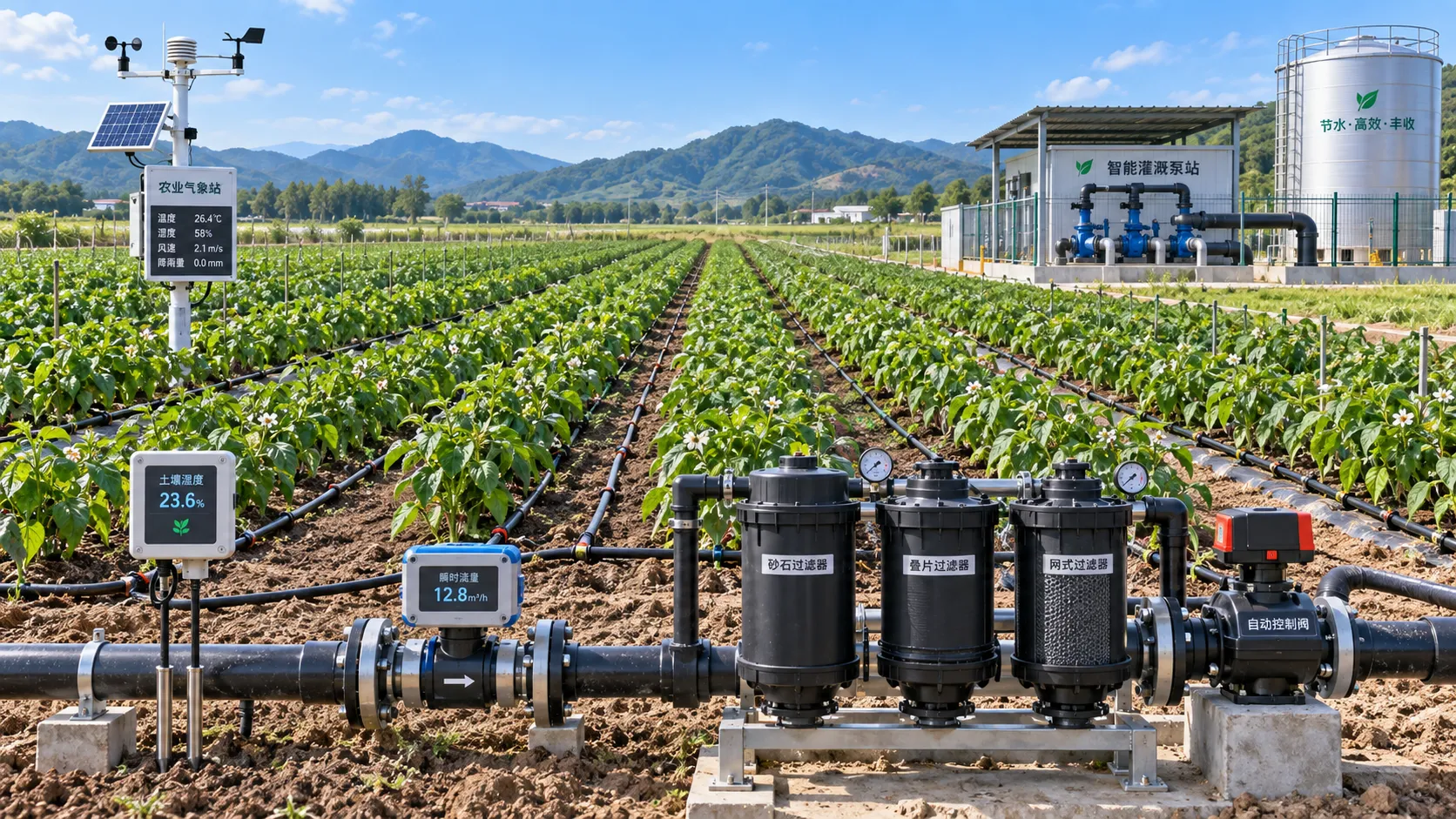
Automated Water-Saving Irrigation: How to Cut Water Use Without Reducing Crop Yields
Automated water-saving irrigation helps farms cut water use, protect crop yields, improve scheduling, and gain reliable control with sensors, flow monitoring, and smart zones.
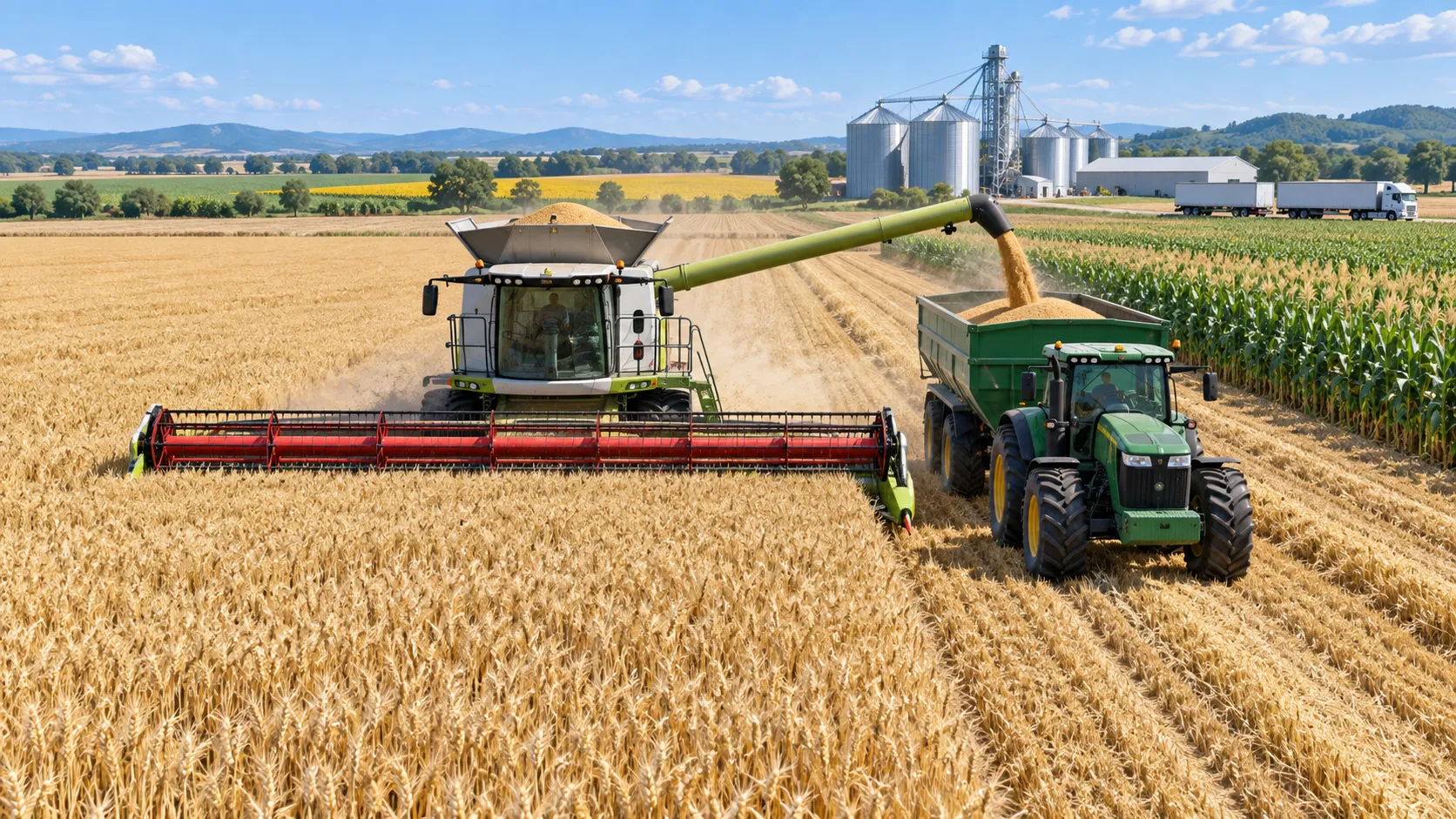
Selecting Grain Farm Equipment by Acreage, Crop Mix, and Harvest Window
Agricultural equipment selection for grain farming: match machinery to acreage, crop mix, and harvest windows to improve uptime, efficiency, and returns.
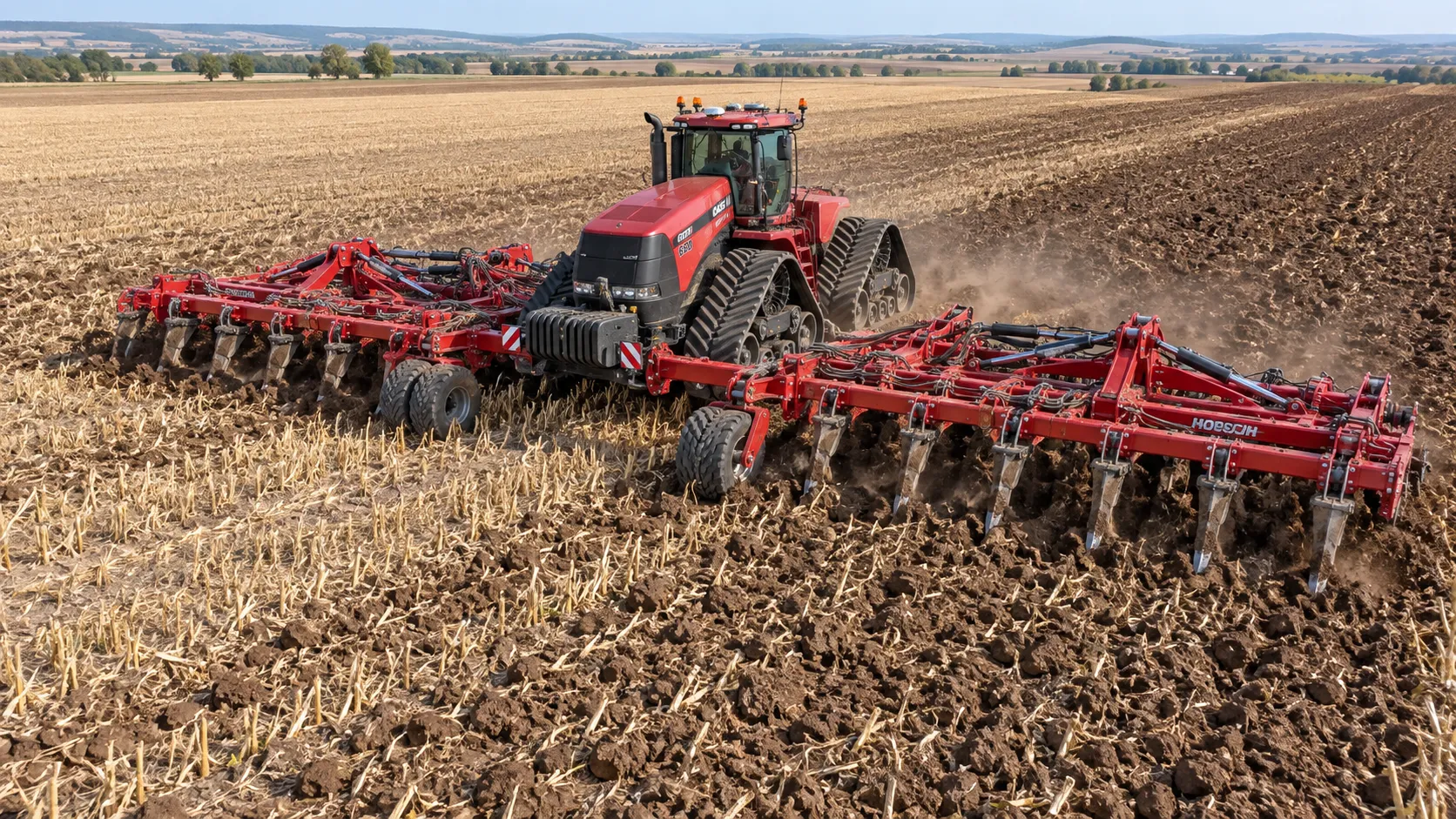
How to Select Heavy-Duty Farm Implements for High-Acreage, High-Horsepower Operations
Heavy duty farm implements: learn how to match draft, hydraulics, hitch capacity, frame strength, and field conditions for reliable high-acreage performance.
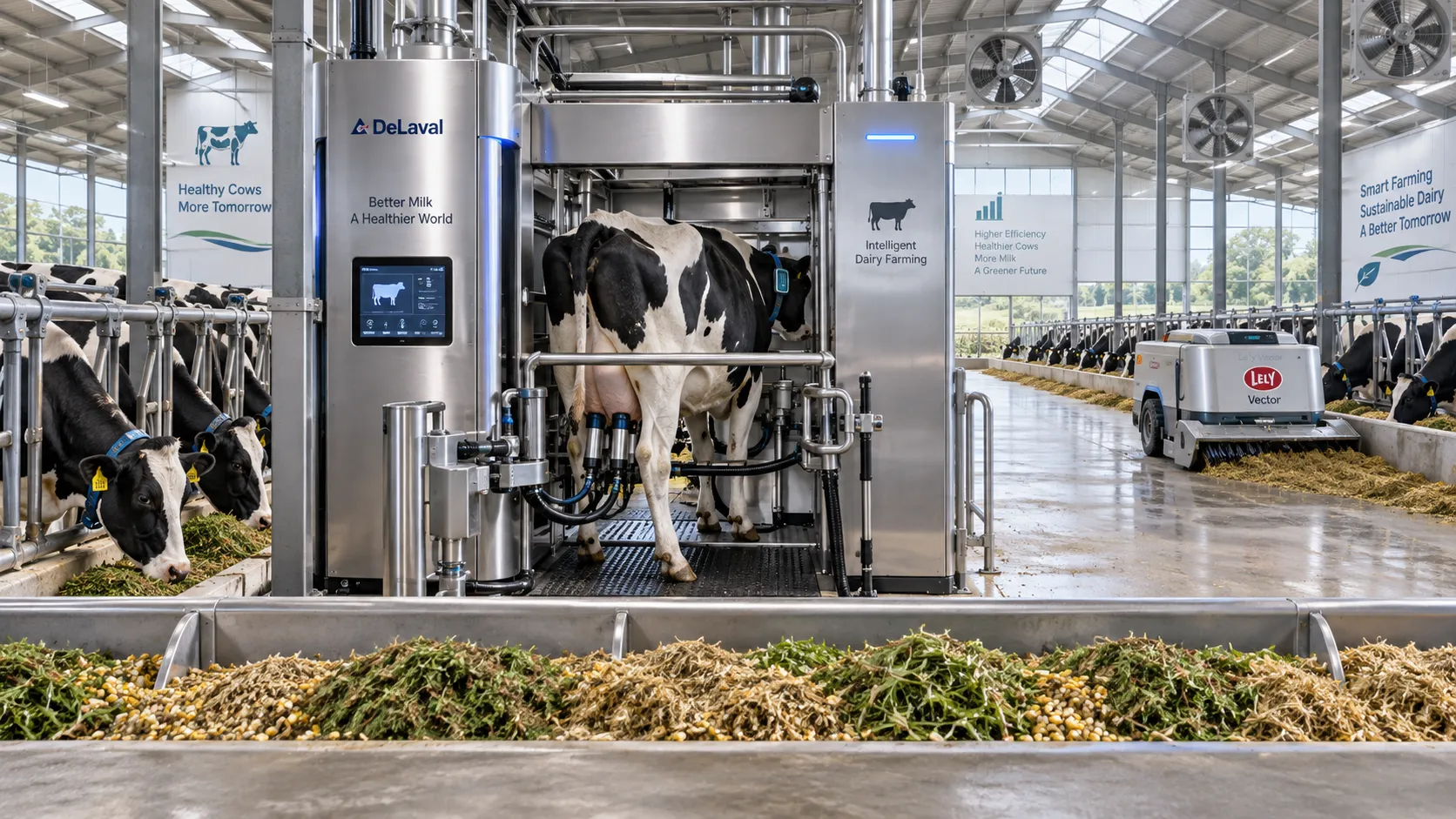
Smart Farming Technology for Dairy Farms: Where Automation Delivers Measurable ROI
Smart farming technology for dairy farms delivers measurable ROI through automation, precision feeding, health monitoring, and data-driven cost control.
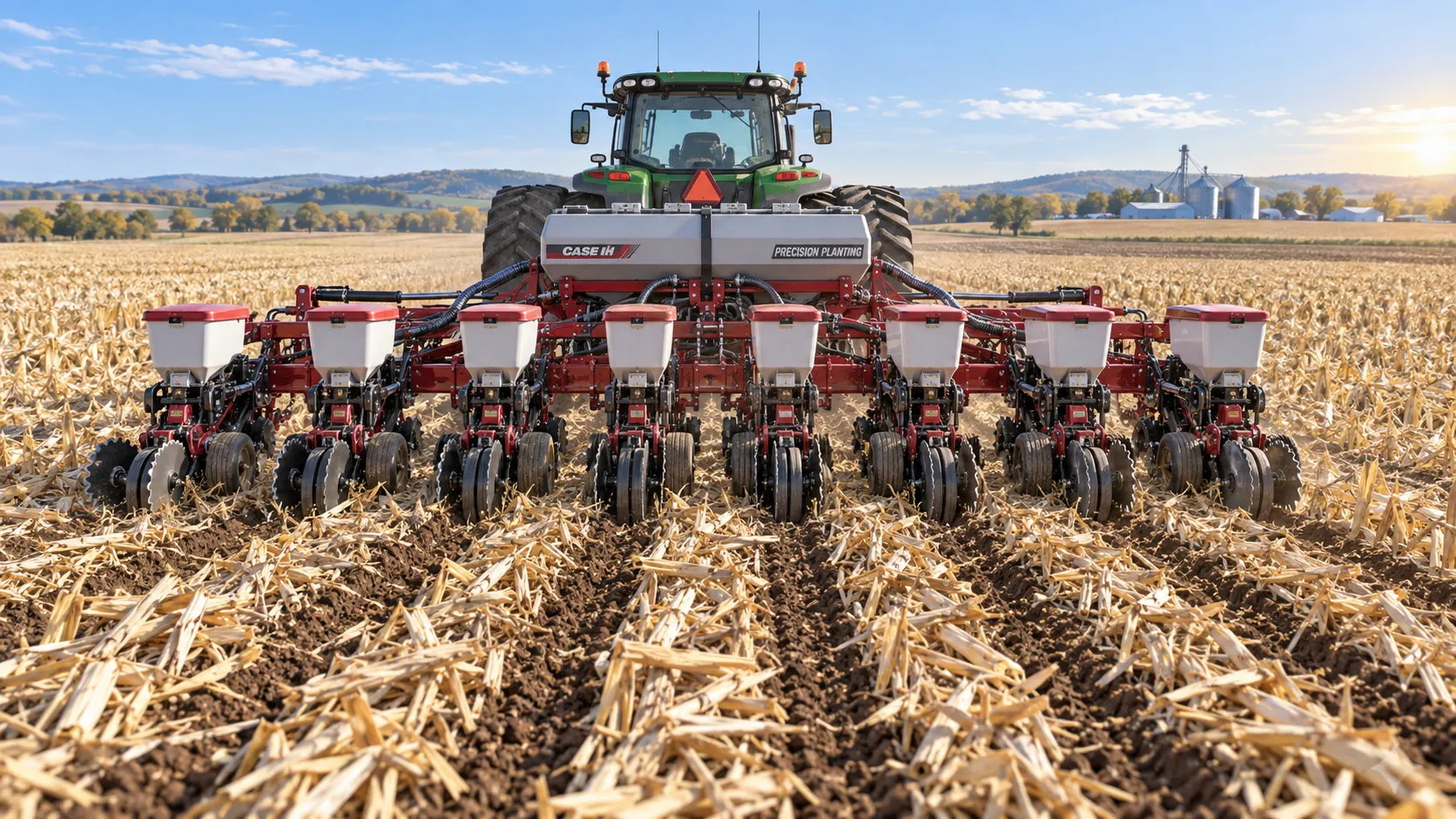
How to Select a Heavy-Duty Seeder for Large Acreage and High-Residue Fields
Heavy duty seeders for large acreage: compare residue handling, depth control, downforce, metering accuracy, and precision features to select the right model.
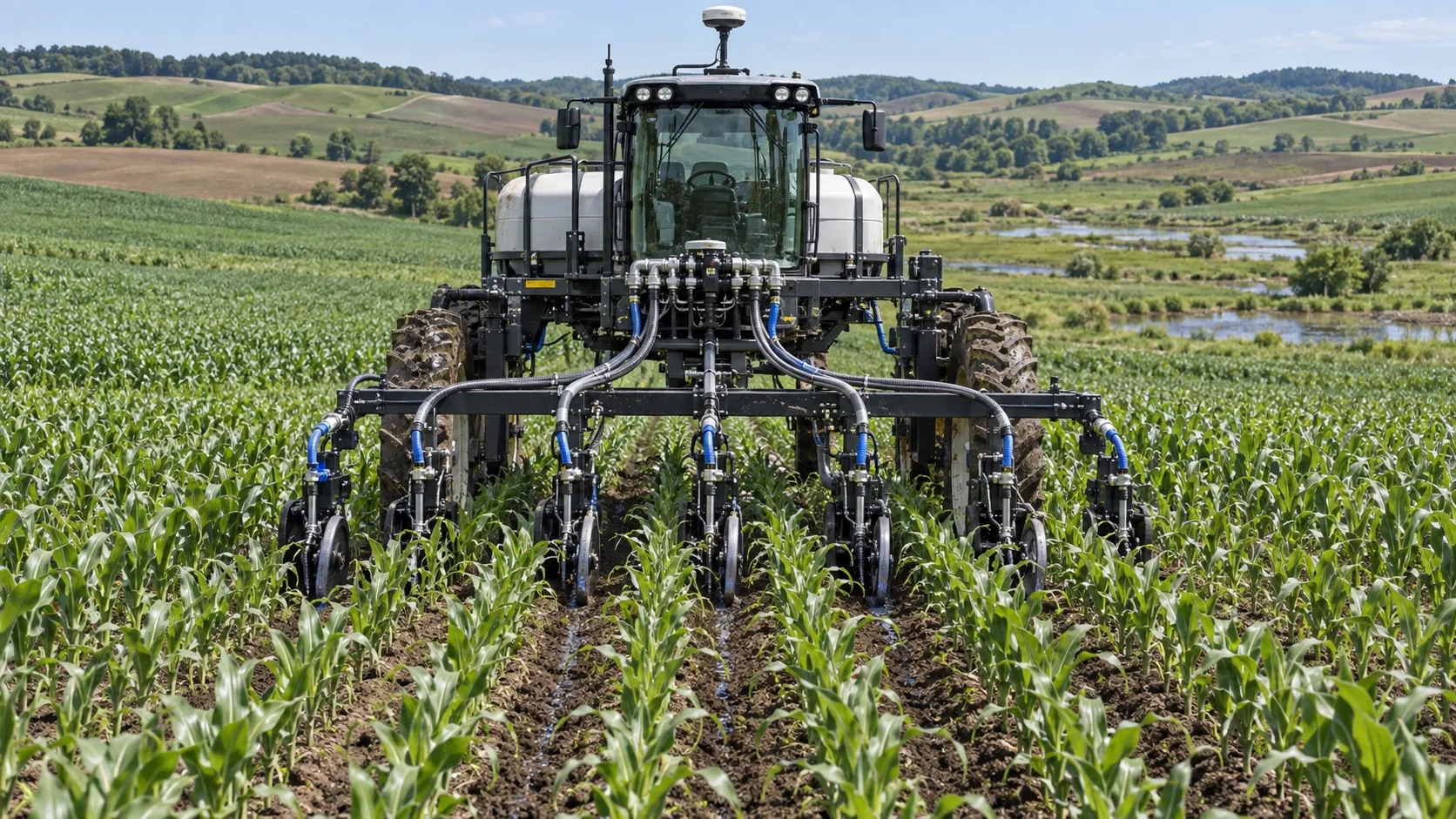
How to Select a Precision Fertilization System for Variable Corn Field Conditions
Precision fertilization systems for corn farming: learn how to match data, placement, control accuracy, and ROI to variable field conditions for better results.

Selecting Precision Farming Products by Application: Field Conditions, Crops, and ROI
Application-based product selection for precision farming: match technology to field conditions, crops, machinery, and ROI for smarter, reliable farm investments.
Related News
- 00
0000-00
ISOBUS for Smart Agriculture: How It Connects Tractors, Implements, and Farm Data - 00
0000-00
How North American Farms Can Select Crop Monitoring Systems by Acreage and Connectivity - 00
0000-00
How Tractor Intelligence Systems Improve Field Efficiency and Input Accuracy - 00
0000-00
Which equipment for larger fields maintains accuracy at higher speeds? - 00
0000-00
What should a digital ag platform integrate before a farm-wide rollout?
Popular Tags
Tractor Power Architect
Weekly Insights
Stay ahead with our curated technology reports delivered every Monday.