
How Tractor Intelligence Systems Improve Field Efficiency and Input Accuracy




How Tractor Intelligence Systems Improve Field Efficiency and Input Accuracy
For farm operations running high-horsepower tractors, intelligence is no longer a separate “precision agriculture” add-on. It is increasingly part of the operating system that connects the tractor chassis, implement, operator, agronomic plan, and field record. The practical question is not whether a machine has a display or satellite receiver. It is whether the full system can execute work consistently, exchange reliable data, and keep inputs on target when conditions are uneven.
Agricultural machinery intelligence for tractors combines positioning, machine automation, implement control, sensors, connectivity, and decision-support software. Properly configured, these components reduce pass-to-pass overlap, maintain more stable application rates, document completed work, and help managers identify deviations before they become expensive. Poorly integrated, however, they can create a false sense of precision: a tractor may follow a line accurately while the implement applies inconsistently, the prescription file is misinterpreted, or field data cannot be traced back to the task.
That distinction matters when evaluating a tractor platform. Field efficiency is not simply hectares per hour. It is the usable work accomplished per shift after turning, overlap, refilling, adjustment, stoppages, fuel use, operator workload, and rework are considered. Input accuracy is equally broader than a displayed rate. It depends on whether seed, fertilizer, crop-protection products, fuel, and water-related operations are delivered at the intended location, rate, timing, and depth.
From Straight Guidance to Closed-Loop Field Control
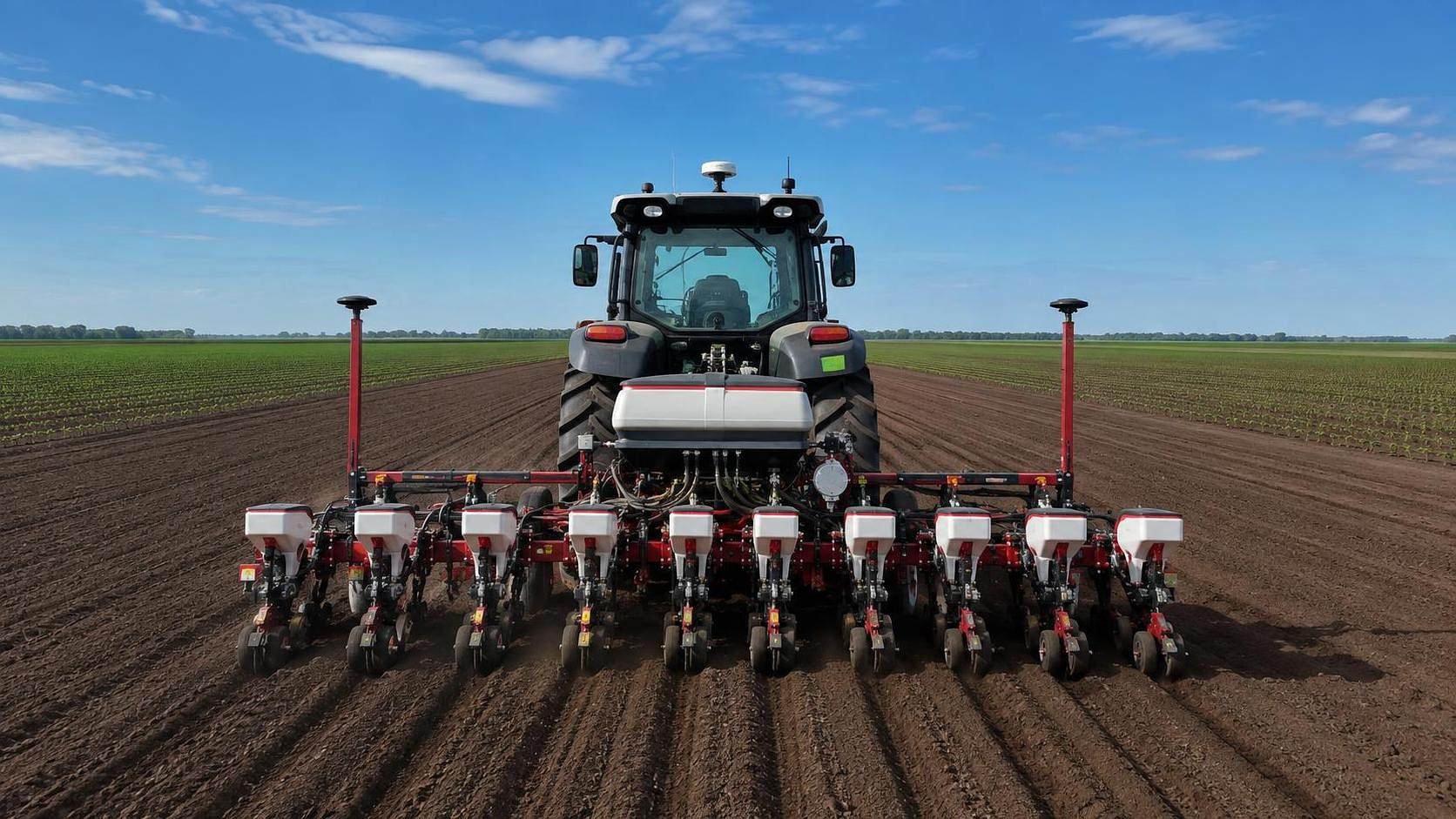
Guidance was the entry point for many tractor intelligence systems. A GNSS receiver determines tractor position, while steering control keeps the machine on planned paths. This can reduce visible overlap and missed strips during tillage, drilling, spraying, and spreading. Yet steering accuracy should not be assessed in isolation. The relevant measure is where the implement actually works, especially on slopes, in side-draft conditions, or with wide mounted and trailed equipment.
A tractor can hold a repeatable path while a cultivator, planter, or toolbar drifts away from it. For operations where row placement or inter-row clearance is critical, implement guidance, active lateral control, or suitable hitch-management functions may be more valuable than marginal improvements in tractor path accuracy. The evaluation should therefore include the full tractor-implement combination, expected travel speed, soil conditions, terrain, and working width.
The more capable systems become closed-loop systems. Rather than only displaying a target, they compare a target with machine feedback and make controlled corrections. A variable-rate application workflow, for example, depends on a valid prescription, correct field boundaries, compatible controller commands, calibrated metering hardware, and feedback confirming that the delivered rate remains within an acceptable operating range. The display is only one part of that chain.
The intelligence stack inside a modern tractor operation
A useful assessment separates the system into layers. The positioning layer includes GNSS hardware, correction services, terrain compensation, and signal availability. The vehicle layer covers steering, transmission behavior, engine management, hydraulic control, wheel-slip monitoring, and safety-related electronic functions. The implement layer includes sections, metering, flow control, working-depth feedback, and task execution. Above them sits the information layer: task files, agronomic maps, operator interfaces, fleet connectivity, diagnostics, and data governance.
Failure can occur at any layer. A correction signal may be interrupted near tree lines or terrain obstructions. Wheel slip can affect real ground performance even when the navigation solution remains stable. Hydraulic response may lag behind a command. A controller may accept a task file but interpret units, product names, or rate zones differently from the farm-management system. Technical evaluation needs to test these interfaces rather than treating connectivity as a simple yes-or-no feature.
Where Field Efficiency Is Actually Won or Lost
The clearest gains often come from reducing unproductive movement. Automatic section control can prevent reapplication in headlands, wedges, and irregular field edges when paired with compatible implements. Headland management can sequence engine speed, linkage position, PTO, hydraulic services, and transmission settings, reducing repeated manual actions at every turn. Automated guidance also helps operators maintain more consistent coverage during long shifts or low-visibility conditions.
But automation can slow work if it is badly configured. Aggressive steering settings may cause oscillation. Incorrect implement dimensions can lead to skipped or duplicated coverage. A headland sequence that does not match the actual hydraulic response of the attached tool can force operators to override the system. In these cases, the problem is not that the technology lacks value; it is that commissioning was incomplete.
Tractor intelligence can also protect capacity by making machine behavior more predictable. Transmission automation and engine-transmission coordination may help maintain target speed under changing draft load, while traction-management functions can limit excessive slip and unnecessary fuel consumption. These capabilities should be reviewed alongside ballast strategy, tire or track configuration, axle load limits, hydraulic demand, and soil compaction risk. A control algorithm cannot compensate for a fundamentally mismatched tractor and implement.
Operational resilience deserves equal attention. During planting or time-sensitive application windows, a system that is theoretically sophisticated but difficult to recover after a signal, display, or controller fault may be less useful than a simpler architecture with clear fallback modes. Operators need a defined procedure for working manually, preserving task records, and restoring configuration after an interruption. This is often overlooked during procurement demonstrations conducted under ideal conditions.
Input Accuracy Depends on Calibration, Not Just Automation
The phrase “variable rate” can obscure the engineering work required to make variable-rate application trustworthy. The machine must know where it is, but it must also deliver material consistently across the command range. Seed meters, fertilizer systems, liquid pumps, valves, spreaders, and injection equipment each have their own response characteristics. Product density, granule quality, moisture, temperature, pressure, wear, and flow stability can all affect actual output.
For this reason, a tractor-based control system should be assessed with a calibration discipline. Evaluators should confirm how rate controllers are calibrated, how frequently checks are expected, whether feedback sensors are used, and what alarms appear when actual performance diverges from the command. It is also important to determine whether the system records commanded rate only, actual measured rate where available, or both. Those records have different evidentiary value.
Application accuracy is especially sensitive at transitions: starting a pass, stopping at a headland, entering a previously treated area, changing speed, or switching between rate zones. The control loop must respond quickly enough to match the implement’s physical behavior. A display map that looks clean after the task does not necessarily prove that the material was placed accurately at every transition. Validation may require controller logs, flow or meter checks, and practical field inspection.
Parameters worth verifying before a platform decision
Interoperability Is a Technical Requirement, Not a Convenience
Mixed fleets are common, particularly where tractors, planters, sprayers, and implements are replaced on different cycles. Compatibility therefore needs to be treated as a lifecycle requirement. ISO 11783, commonly associated with ISOBUS, provides a framework for communication between tractors, implements, and control terminals. It can simplify integration, but the presence of an ISOBUS connector alone does not guarantee that every advanced function will work between every combination of equipment.
The relevant question is which functions have been tested in the intended configuration. These may include Universal Terminal operation, Task Controller functions, section control, variable-rate control, auxiliary control, and data transfer. A farm should verify the behavior of its planned implement controllers and software workflow, not rely only on broad compatibility claims. Proprietary features can be useful, yet they may create future limitations if key records, diagnostics, or task functions are difficult to access outside one vendor ecosystem.
Functional safety also belongs in the review. Electronic and programmable control systems on agricultural machinery may fall within the scope of ISO 25119, depending on the function and machine design. Evaluation teams should request clear documentation of safety-related functions, operator override logic, fault messages, and service procedures. Autonomy-adjacent features require particular caution: the boundary between steering assistance, supervised automation, and unattended operation must be understood in relation to local rules, site conditions, and the manufacturer’s stated operating limitations.
Data Quality Is the Weak Link in Prescription Farming
Precision work begins before the tractor enters the field. Field boundaries, exclusion zones, product definitions, target rates, soil or crop layers, and previous operation records all influence the task. If these source layers are outdated, the tractor can execute an inaccurate prescription perfectly. Intelligence should therefore be judged by traceability: can a manager see which map version, task file, product setting, calibration status, operator, and machine configuration produced a specific field record?
There is also a practical data-ownership issue. Connected systems may transmit machine location, fuel use, error codes, work data, and agronomic records. Before deployment, farms and equipment managers should establish who can access the data, how long it is retained, whether it can be exported in usable formats, and what happens if the connectivity subscription changes. Cybersecurity controls, user permissions, remote-access procedures, and software update policies should be considered part of operational reliability.
The same intelligence stream can become more valuable when viewed across the broader farm system. Tractor work records may help explain uneven emergence, irrigation demand, compaction patterns, or harvest variability. This is where the connection between machinery and agronomy becomes meaningful. It is not a promise that data will automatically produce better decisions; it is the ability to investigate cause and effect with a more complete operational record.
A More Disciplined Evaluation Method
A credible assessment starts with priority operations rather than feature lists. Identify the tasks where overlap, inconsistent depth, rate errors, operator fatigue, or downtime create the greatest exposure. Then test the tractor and implement package against realistic field geometry, slopes, speeds, headlands, and connectivity conditions. Demonstrations should include setup time, calibration steps, task-file loading, override behavior, fault recovery, and data export—not only smooth guidance on an open field.
It is useful to define acceptance criteria before the trial. These may cover repeatability appropriate to the operation, acceptable controller response, section-control behavior, record completeness, compatibility with existing implements, and time required for a trained operator to prepare a task. The exact thresholds will vary by crop, implement, risk tolerance, and local operating requirements. What matters is that the criteria are documented and linked to the farm’s real process.
AP-Strategy follows this systems perspective across large-scale agricultural machinery, tractor chassis technology, intelligent farm tools, combine harvesting, and water-saving irrigation networks. Its Strategic Intelligence Center connects mechanical performance with precision-agriculture algorithms and field-resource constraints, because input accuracy cannot be evaluated in isolation from traction, hydraulics, agronomy, and water management. For distributors and technical planners, this broader view is particularly relevant when comparing long-life machinery assets against fast-changing digital capabilities.
The best tractor intelligence system is not necessarily the one with the longest automation menu. It is the one that produces repeatable work, verifiable records, and manageable recovery procedures in the conditions where the farm earns its return. Before committing to a platform, confirm the tractor-implement interface, data path, calibration process, support model, and fallback operation. Those details determine whether intelligence remains a dashboard feature or becomes a dependable field-control system.
Related News
How to Evaluate Crop Monitoring System Manufacturers for Large-Scale Farms
Compare crop monitoring systems manufacturers for large-scale farms. Evaluate data quality, integration, durability, lifecycle costs, support, and pilots for smarter decisions.
Wireless Agricultural Automation for Remote Irrigation and Field Monitoring
Agricultural automation wireless solutions improve remote irrigation with reliable field data, local control, flow verification, and smarter monitoring. Explore resilient deployment strategies.
Agricultural Product Information Market Guide: Key Data for Sourcing Decisions
Agricultural product information market guide for smarter sourcing—compare machinery, irrigation, precision tools, lifecycle costs, and supplier risk.
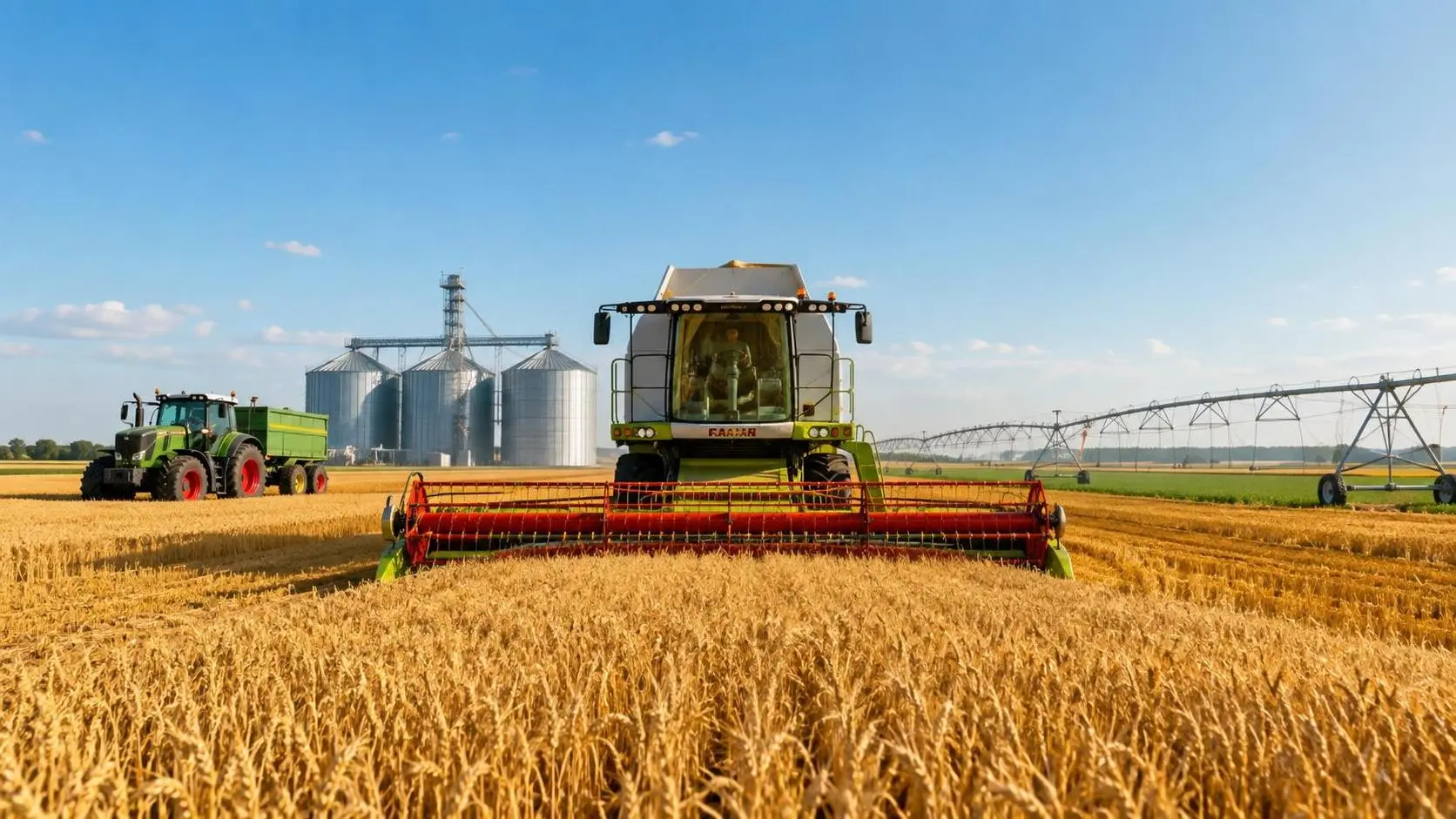
Large-Scale Farm Equipment Cost Comparison: Price, Fuel, and Lifecycle Value
Large-scale farm equipment cost comparison: evaluate price, fuel, maintenance, downtime, and lifecycle value to choose tractors, combines, irrigation, and smart tools with confidence.
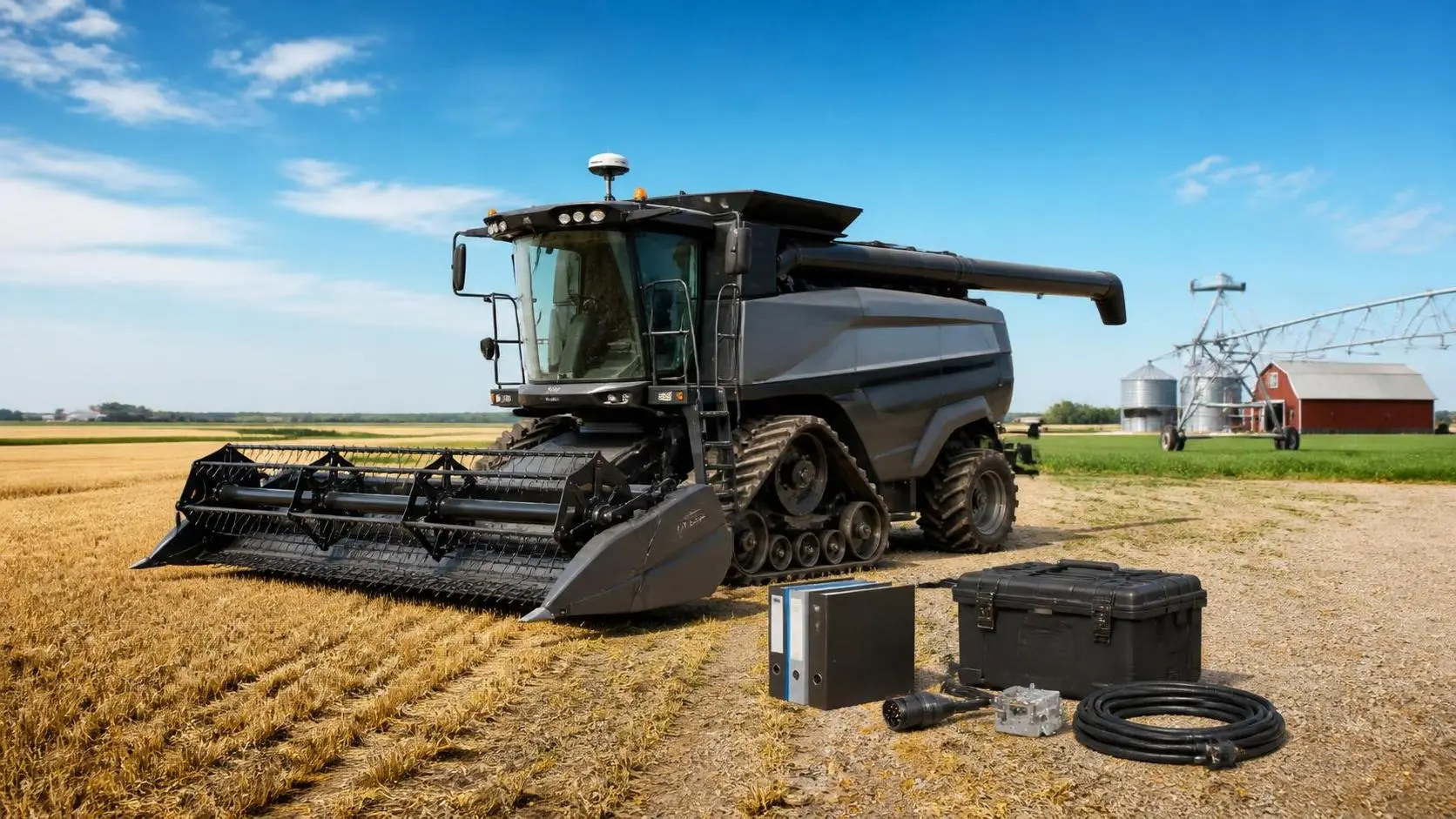
A Procurement Specification Preparation Example for Buying Farm Equipment
Procurement specification preparation example for farm equipment: learn to define requirements, compare suppliers, control lifecycle costs, and buy with confidence.
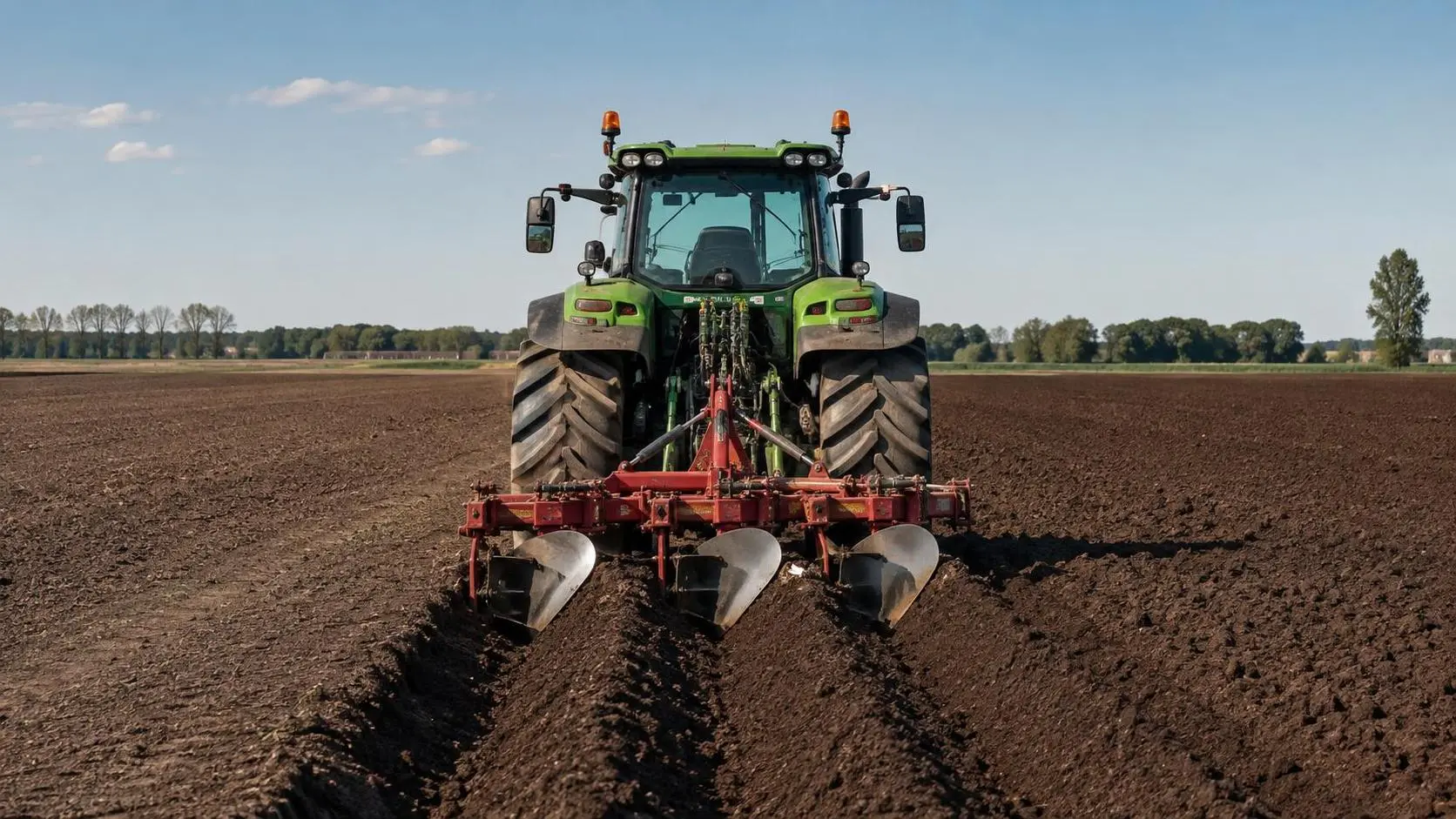
What Tractor Horsepower Is Needed for a Three-Bottom Moldboard Plow?
What tractor horsepower is needed for three-bottom moldboard plow? Compare 60–100 hp needs by soil, depth, traction, and plow width for a confident equipment match.
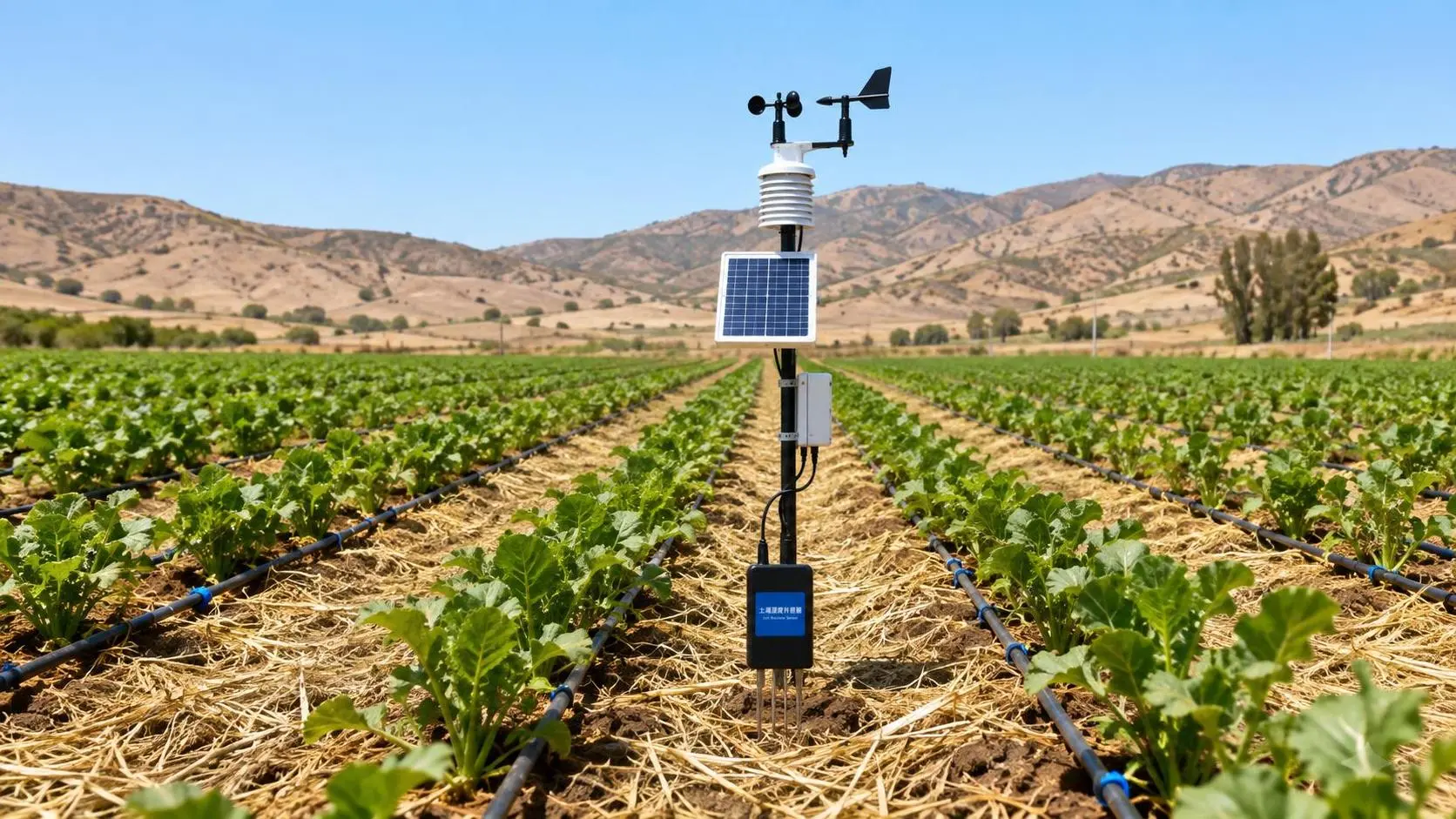
How Does Climate-Smart Farming Reduce Water Use in Semi-Arid Areas?
How does climate-smart farming reduce water use in semi-arid zones? Discover precision irrigation, soil monitoring, and smarter crop planning for resilient yields.
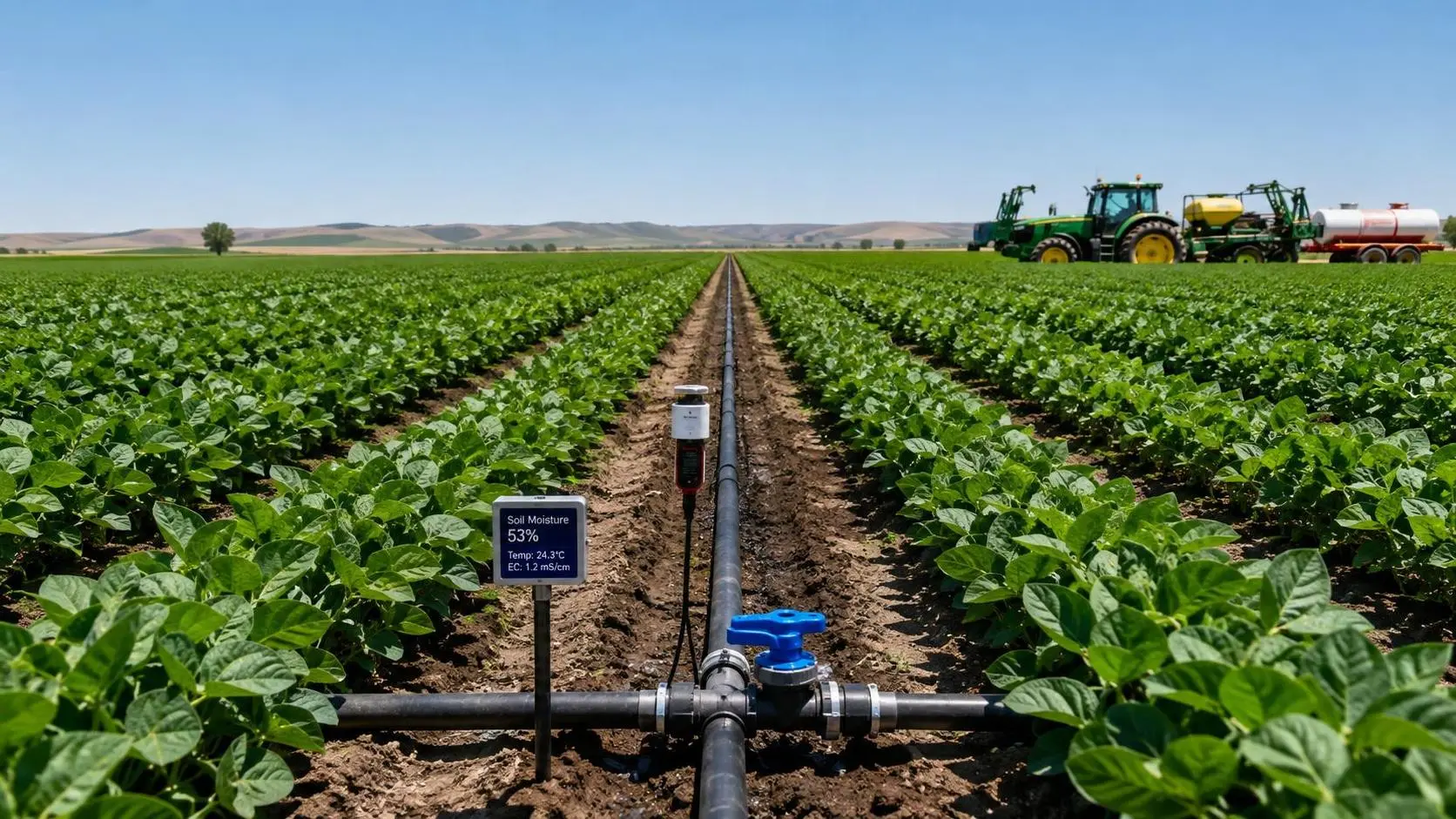
Can Sustainable Farming Be Profitable Without Reducing Yields?
Are sustainable farming practices profitable without yield loss? Discover precision strategies that cut waste, protect yields, and improve farm margins.
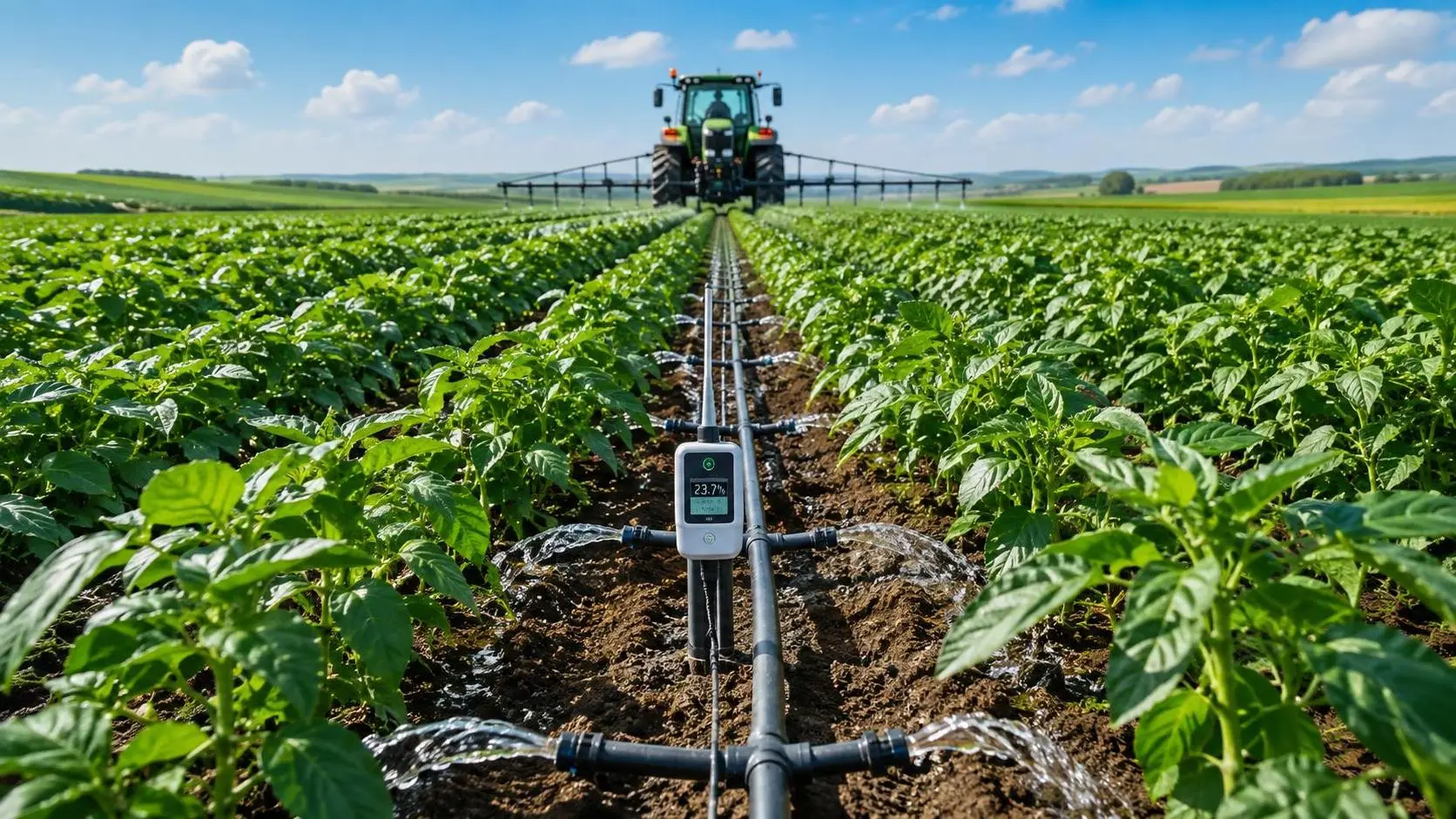
What Are the Risks of Switching to Climate-Smart Farming Mid-Season?
What are the main risks of switching to climate-smart agriculture mid-season? Explore yield, irrigation, equipment, cost, and labor risks with practical steps for safer adoption.
Related News
- 00
0000-00
How Tractor Intelligence Systems Improve Field Efficiency and Input Accuracy - 00
0000-00
China’s Temporary Helium Export Ban Reshapes Irrigation Supply Chains - 00
0000-00
Tianjin to Host 2026 China Farm Machinery Expo - 00
0000-00
Guangxi Subsidy Plan Signals Smarter Farm Machinery Supply Shift - 00
0000-00
EU Rule Takes Effect for GPS Guidance System Imports
Popular Tags
Tractor Power Architect
Weekly Insights
Stay ahead with our curated technology reports delivered every Monday.