
Guangxi Subsidy Plan Signals Smarter Farm Machinery Supply Shift
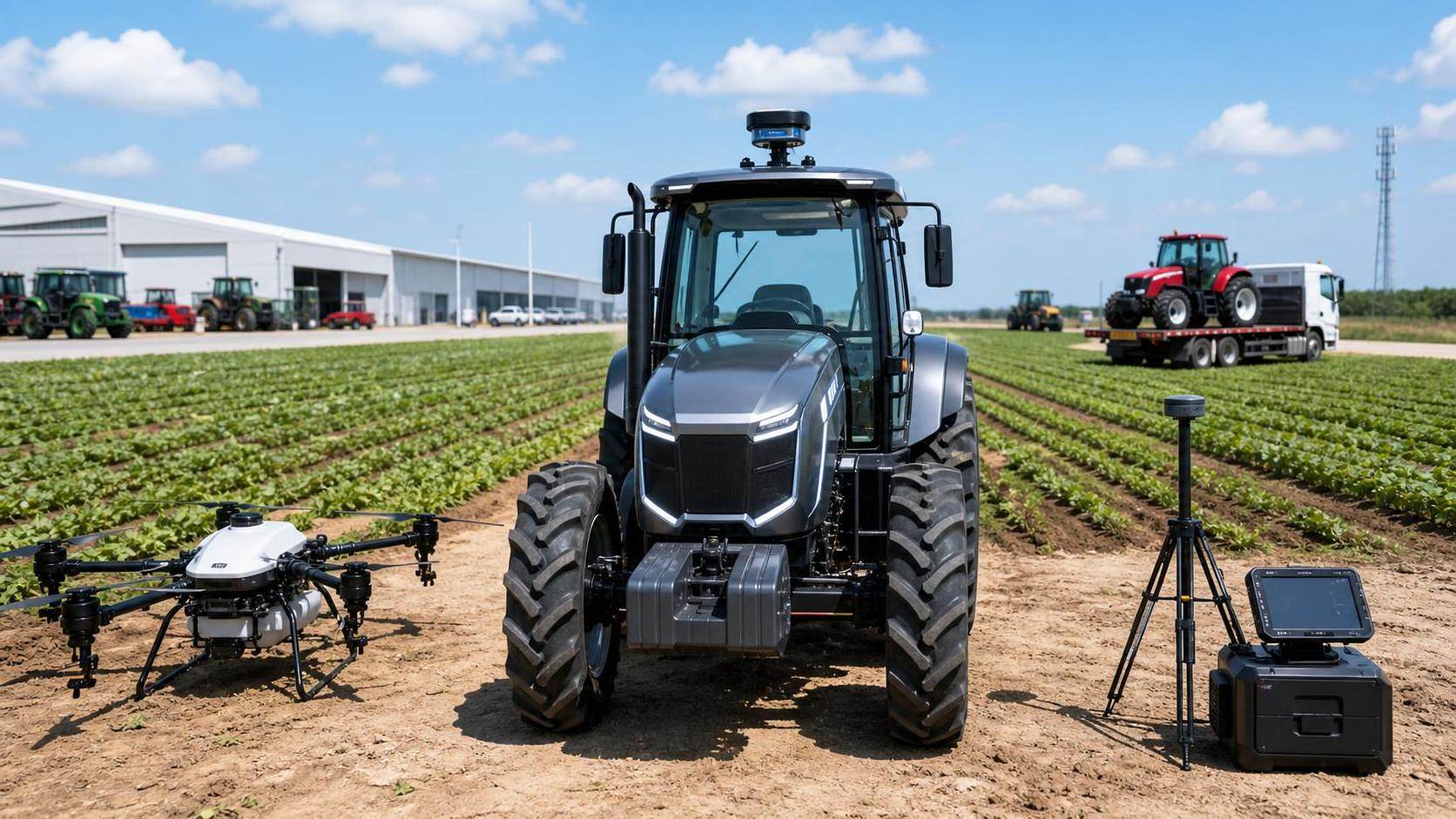




On June 26, 2026, Guangxi's agriculture authorities issued a 2026 farm machinery scrappage and replacement subsidy plan that brings 12 categories of smart equipment into scope, including electric tractors, crop protection drones, and BeiDou-assisted driving systems. For manufacturers, importers, component suppliers, and procurement teams, the significance is not only the subsidy list itself, but also the policy signal that replacement must be closely linked to new-machine purchasing, which can affect product planning, compliance preparation, delivery timing, and sourcing decisions across the agricultural machinery chain.
What the Guangxi plan formally puts in motion
The confirmed facts are limited but clear. The Guangxi Department of Agriculture and Rural Affairs formally released the 2026 implementation plan for agricultural machinery scrappage and replacement subsidies on June 26, 2026. The plan includes 12 categories of intelligent equipment within the subsidy scope, specifically including electric tractors, crop protection drones, and BeiDou-assisted driving systems. It also states that the scrappage of old machinery and the purchase of new machinery should be carried out with a seamless connection. Based on the event summary provided, the policy is understood to accelerate the release and iteration rhythm of domestic new-energy and intelligent agricultural machinery capacity, while creating a more stable and compliance-oriented supply window for overseas importers seeking complete machines and core components such as GPS Guidance Systems, Variable Rate Tech, and Autonomous Robots.
Where the policy signal may reach across the chain
For importers watching Chinese smart machinery supply
Analysis shows that overseas importers may be affected because the policy supports a clearer domestic upgrade cycle for electric and intelligent agricultural equipment. The practical effect is likely to be felt in sourcing strategy, model selection, and supplier screening. What deserves closer attention is whether suppliers can provide complete technical documentation, product specifications, and compliance materials that match the equipment categories now receiving policy support, especially for electric tractors, drones, and navigation-related systems.
For manufacturers and component suppliers tied to subsidy-linked demand
From an industry perspective, producers of complete machines and upstream suppliers of guidance, variable-rate, and autonomous technologies may face changes in order structure and delivery expectations. The requirement for seamless transition between scrappage and replacement suggests closer coordination between production scheduling, channel inventory, and after-sales readiness. Companies involved in these categories should pay attention to whether procurement requests, tender documents, or distributor requirements begin to reflect stronger emphasis on smart functions, replacement timing, and traceable product files.
For distributors and service providers handling delivery and after-sales
Observably, the policy signal may also matter for channel operators, delivery coordinators, and after-sales service providers because a tighter link between old-machine scrappage and new-machine purchase can create more time-sensitive handover requirements. The relevant business impact may appear in delivery sequencing, installation planning, documentation handoff, and service response arrangements. For these participants, attention should be placed on recordkeeping, product matching, and quality traceability rather than assuming demand growth alone is the main issue.
What companies should check now
Review whether product files support subsidy-linked procurement
Analysis shows that companies selling into this supply chain should first check whether technical descriptions, configuration sheets, and product identification materials are organized well enough for buyers operating under a subsidy framework. The event summary does not provide detailed execution rules, so this is not yet a confirmed filing requirement, but it is a reasonable compliance checkpoint for suppliers that expect closer scrutiny in procurement and delivery.
Watch for follow-up wording and execution criteria
What deserves closer attention is the policy language around seamless connection between scrappage and new purchases. Because no detailed operating criteria were provided in the input, companies should treat this as an execution signal rather than a fully defined procedure. Procurement teams, exporters, and supply-chain coordinators should continue monitoring whether later official wording, local implementation notices, or transaction documents narrow the acceptable timing, documentation, or matching conditions.
Prepare for closer alignment between equipment categories and supplier qualifications
From an industry perspective, businesses focused on electric tractors, crop protection drones, BeiDou-assisted systems, and related core components should review how clearly their product scope, supplier qualifications, and testing or compliance records can be presented to customers. The article input does not confirm any new certification threshold, but buyers may become more attentive to proof of product consistency, specification alignment, and post-sale support capability when subsidy-driven procurement becomes more structured.
Factor delivery rhythm into sourcing and service commitments
Observably, the replacement logic described in the policy may compress the time gap between old equipment exit and new equipment entry. That makes delivery planning and service readiness a practical concern. Companies should therefore pay attention to lead times, spare-parts support, and responsibility boundaries in supply agreements, especially where complete machines and intelligent sub-systems are supplied through different parties.
Why this looks more like an execution signal than a finished rule set
Analysis shows that this development is better understood as a concrete implementation signal with immediate market relevance, but not as a complete picture of how every transaction or compliance step will be handled in practice. The confirmed policy move is real and already points to a faster replacement cycle for smart agricultural machinery categories. At the same time, the input does not include detailed operating rules, certification interpretation, tender wording, or market feedback. For that reason, the industry still needs to watch how official implementation language, buyer requirements, and supplier responses evolve around the policy.
How to read the market impact at this stage
At this stage, it is more appropriate to understand the Guangxi measure as an implemented policy change that strengthens the commercial visibility of electric and intelligent agricultural machinery in the Chinese supply chain. It does not by itself confirm specific trade outcomes, pricing shifts, or procurement volumes. The more defensible conclusion is that it creates a clearer policy-backed environment for suppliers and importers connected to these product categories, while leaving the detailed execution path to be verified through subsequent documents, procurement practice, and market response.
Basis of this article and what still needs verification
This article is based on the user-provided news title, event date, and event summary. For events of this type, relevant source categories commonly include official government notices, releases by regulatory authorities, trade or customs-related information, industry association updates, standards documentation, and reporting by authoritative media. A specific official source link was not provided in the input, so that link remains to be verified. Follow-up attention should remain on implementation details, certification or compliance interpretation, changes in tender or procurement documents, industry feedback, and how companies actually execute delivery and after-sales arrangements under the new policy signal.
Related News

When Does Agricultural Machinery Leasing Cost Less Than Owning Equipment?
Agricultural machinery leasing can lower farm costs when use is seasonal or uncertain. Compare utilization, maintenance, cash flow, and risk to make a smarter equipment decision.

How to Evaluate Precision Fertilization System Suppliers for Farm-Scale Deployment
Precision fertilization systems suppliers: learn how to compare accuracy, integration, uptime, service, and total cost for confident farm-scale deployment.
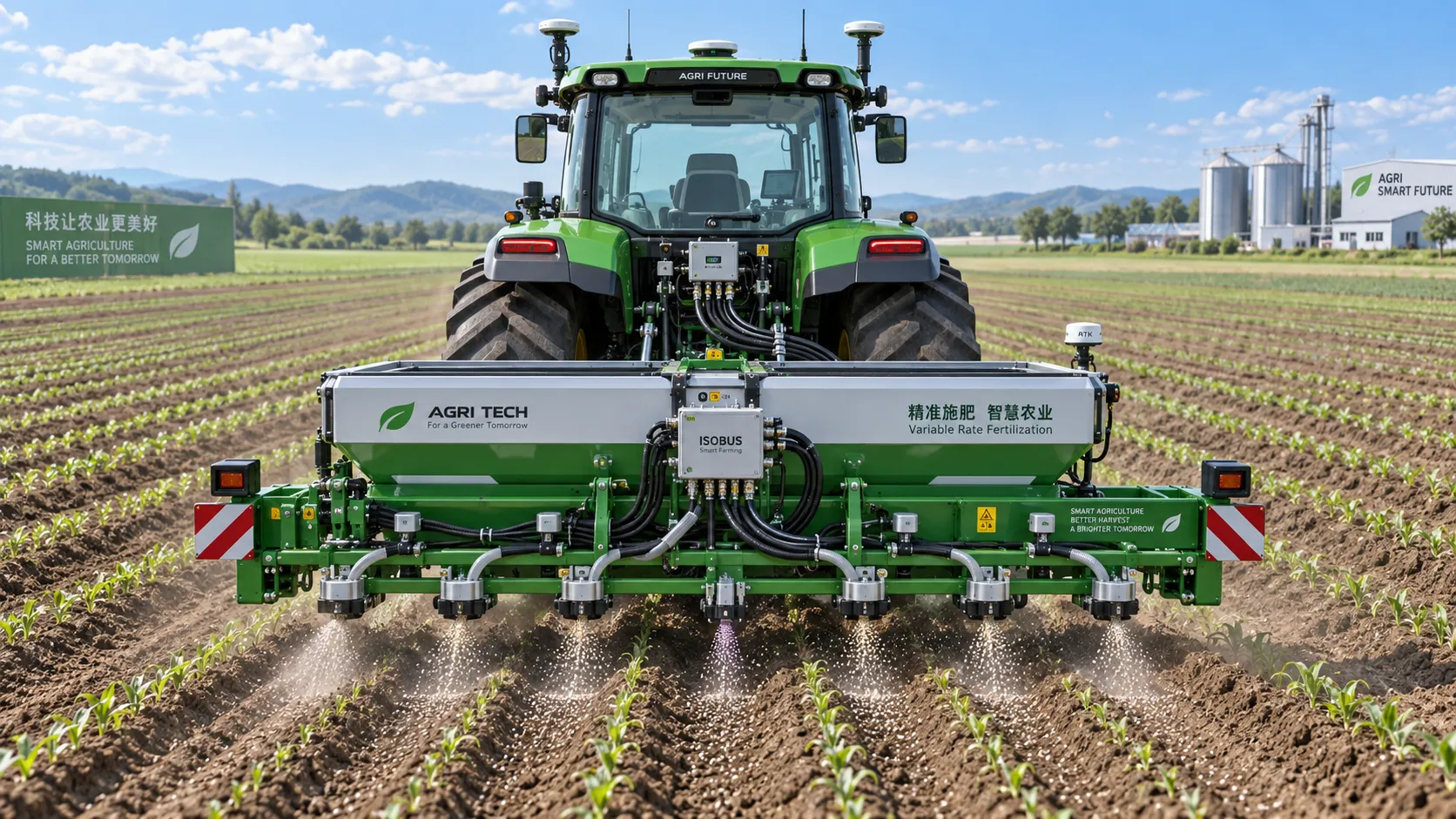
ISOBUS for Smart Agriculture: How It Connects Tractors, Implements, and Farm Data
ISOBUS for smart agriculture connects tractors, implements, terminals, and farm data—helping growers improve precision, documentation, and smarter field decisions.
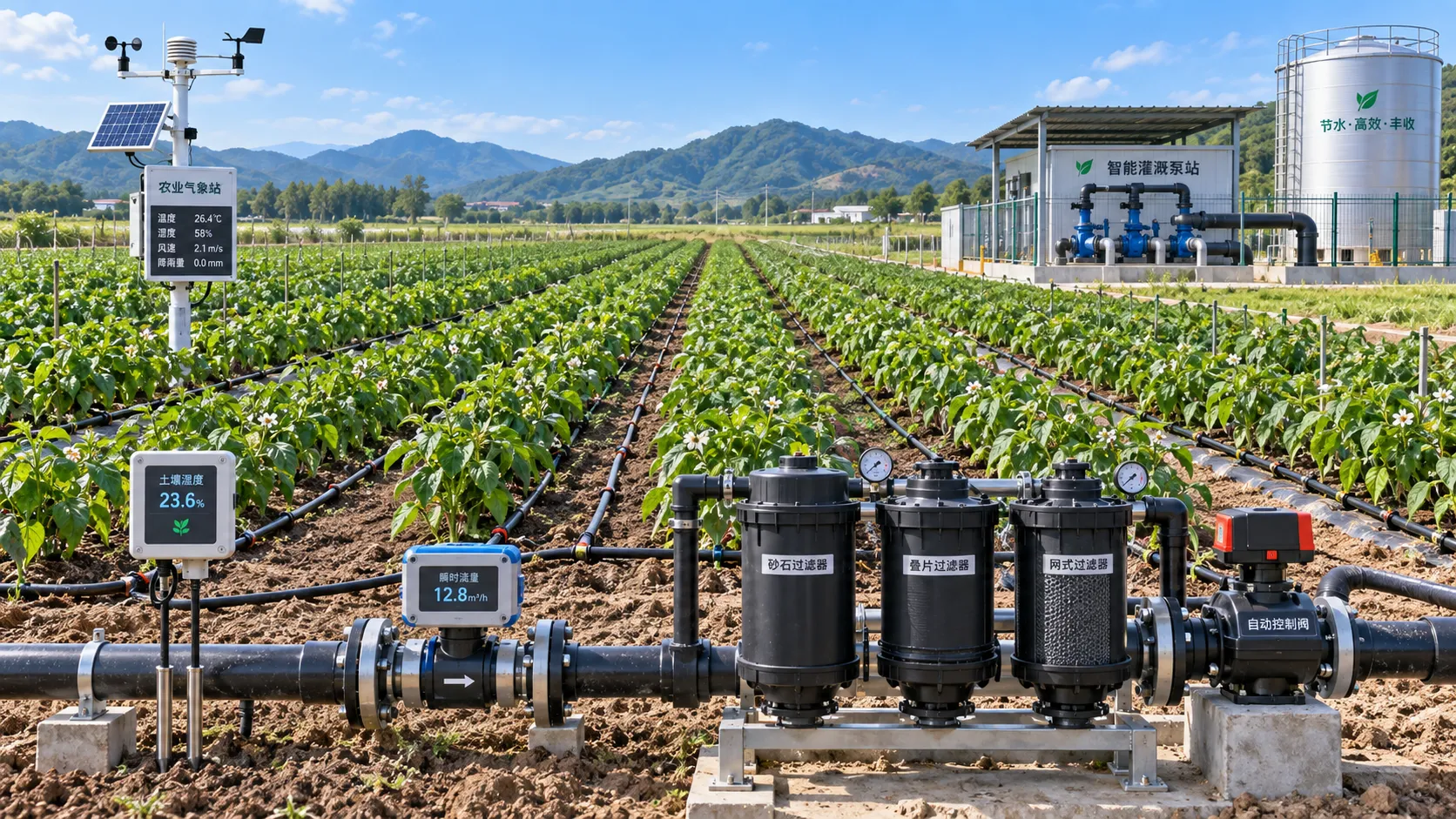
Automated Water-Saving Irrigation: How to Cut Water Use Without Reducing Crop Yields
Automated water-saving irrigation helps farms cut water use, protect crop yields, improve scheduling, and gain reliable control with sensors, flow monitoring, and smart zones.
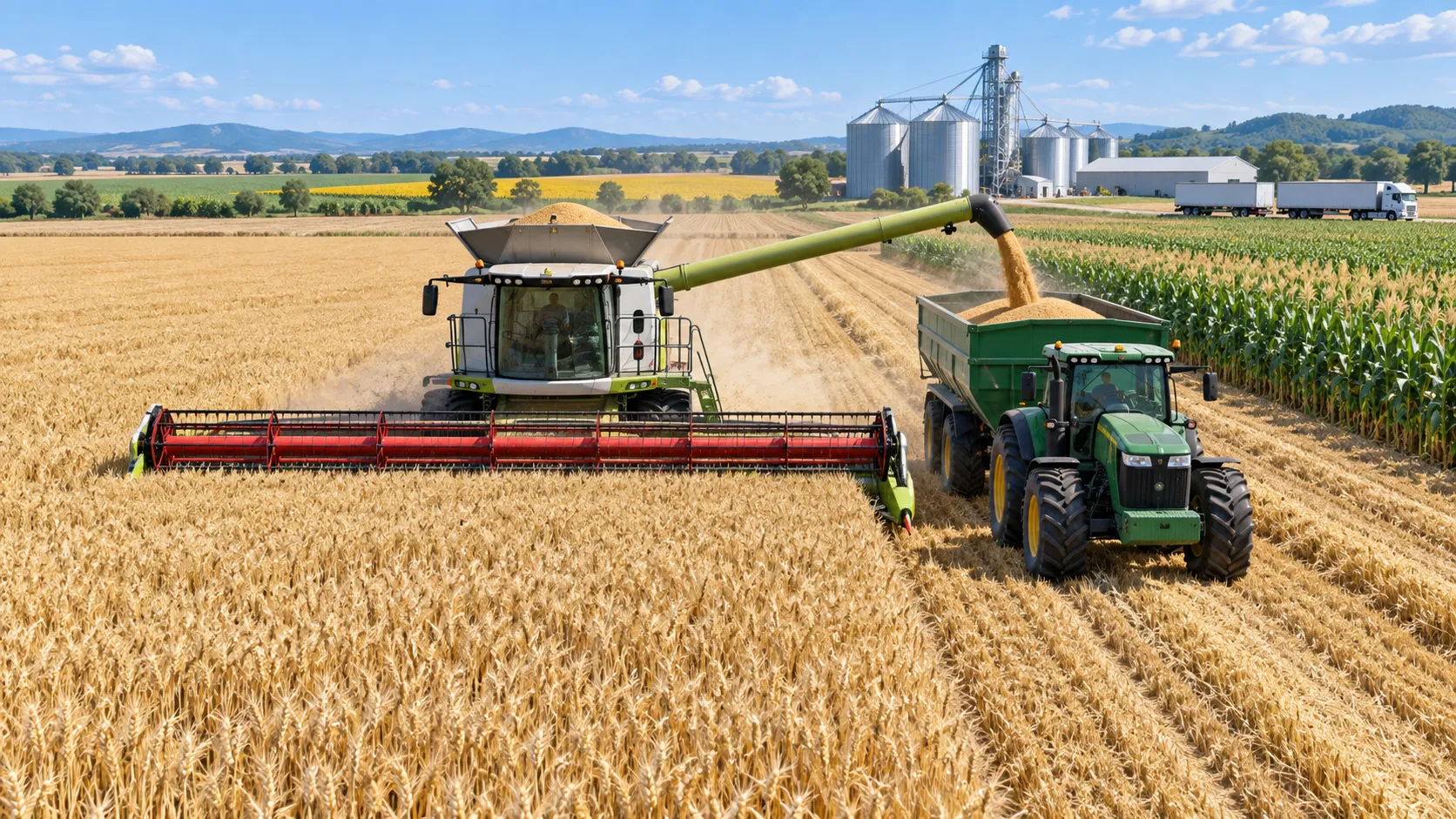
Selecting Grain Farm Equipment by Acreage, Crop Mix, and Harvest Window
Agricultural equipment selection for grain farming: match machinery to acreage, crop mix, and harvest windows to improve uptime, efficiency, and returns.
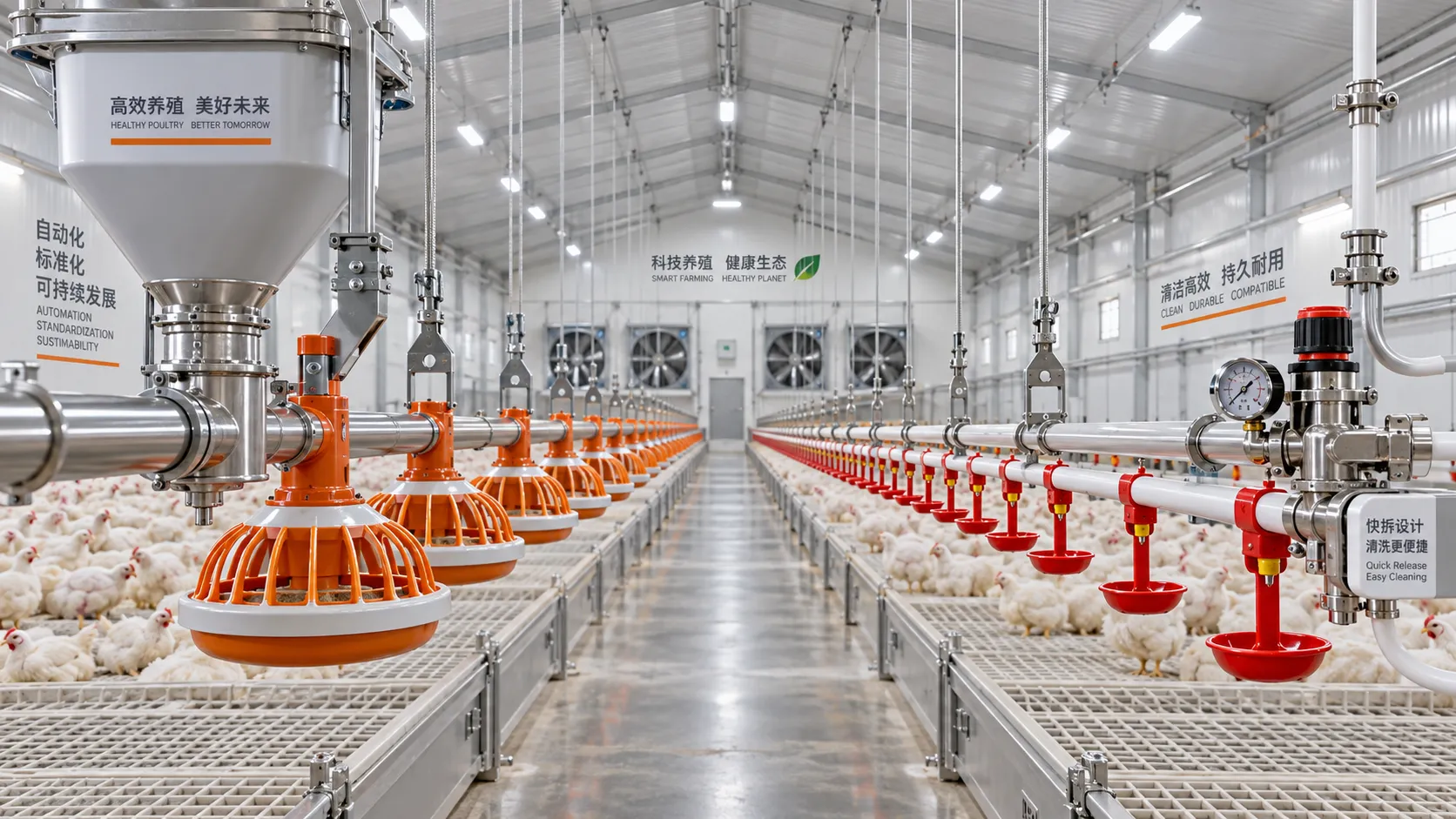
Poultry Equipment Selection: Evaluating Durability, Cleaning, and Compatibility
Poultry equipments selection guide: evaluate durability, cleaning access, and system compatibility to improve hygiene, reduce downtime, and support efficient flock management.
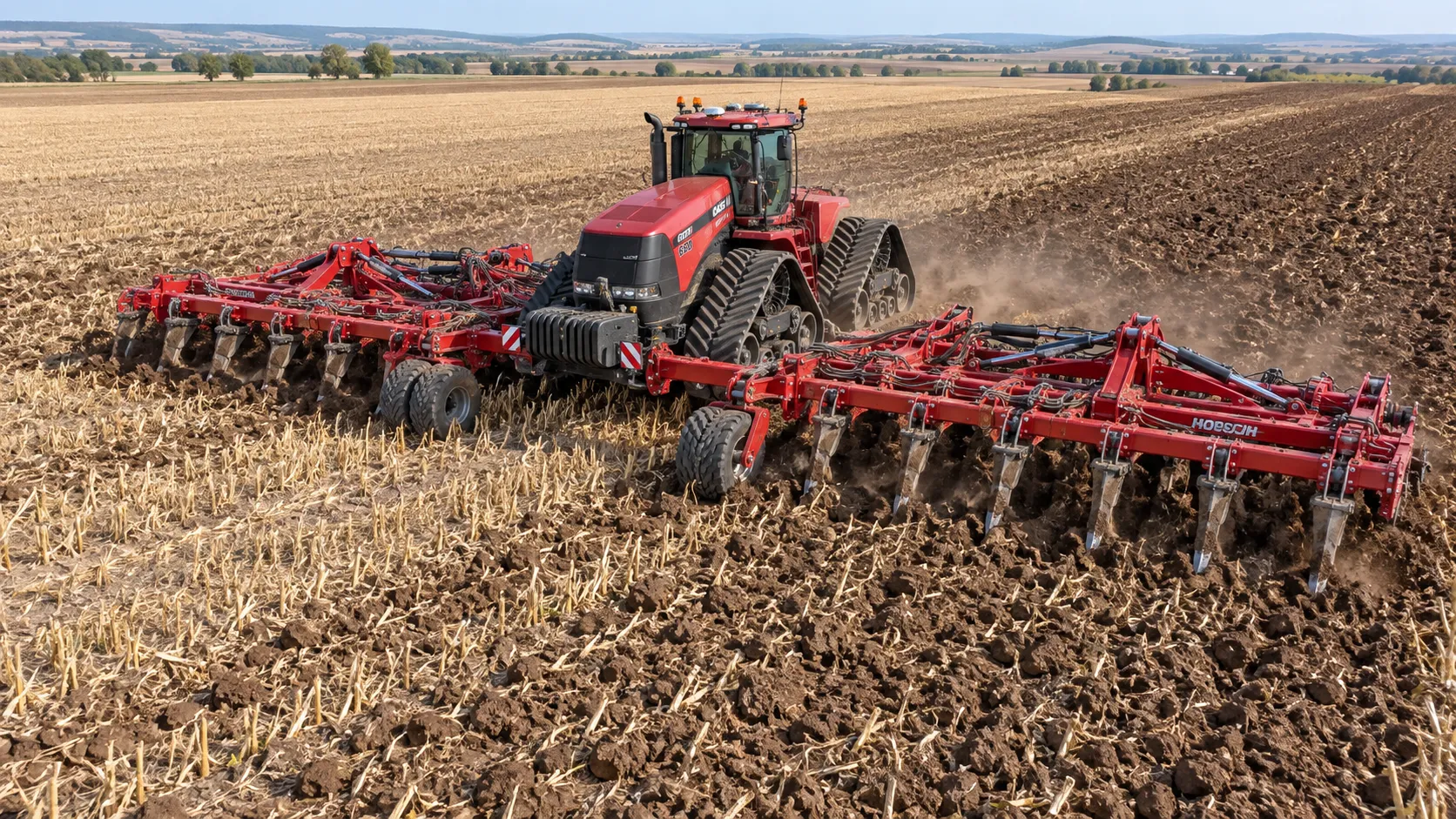
How to Select Heavy-Duty Farm Implements for High-Acreage, High-Horsepower Operations
Heavy duty farm implements: learn how to match draft, hydraulics, hitch capacity, frame strength, and field conditions for reliable high-acreage performance.
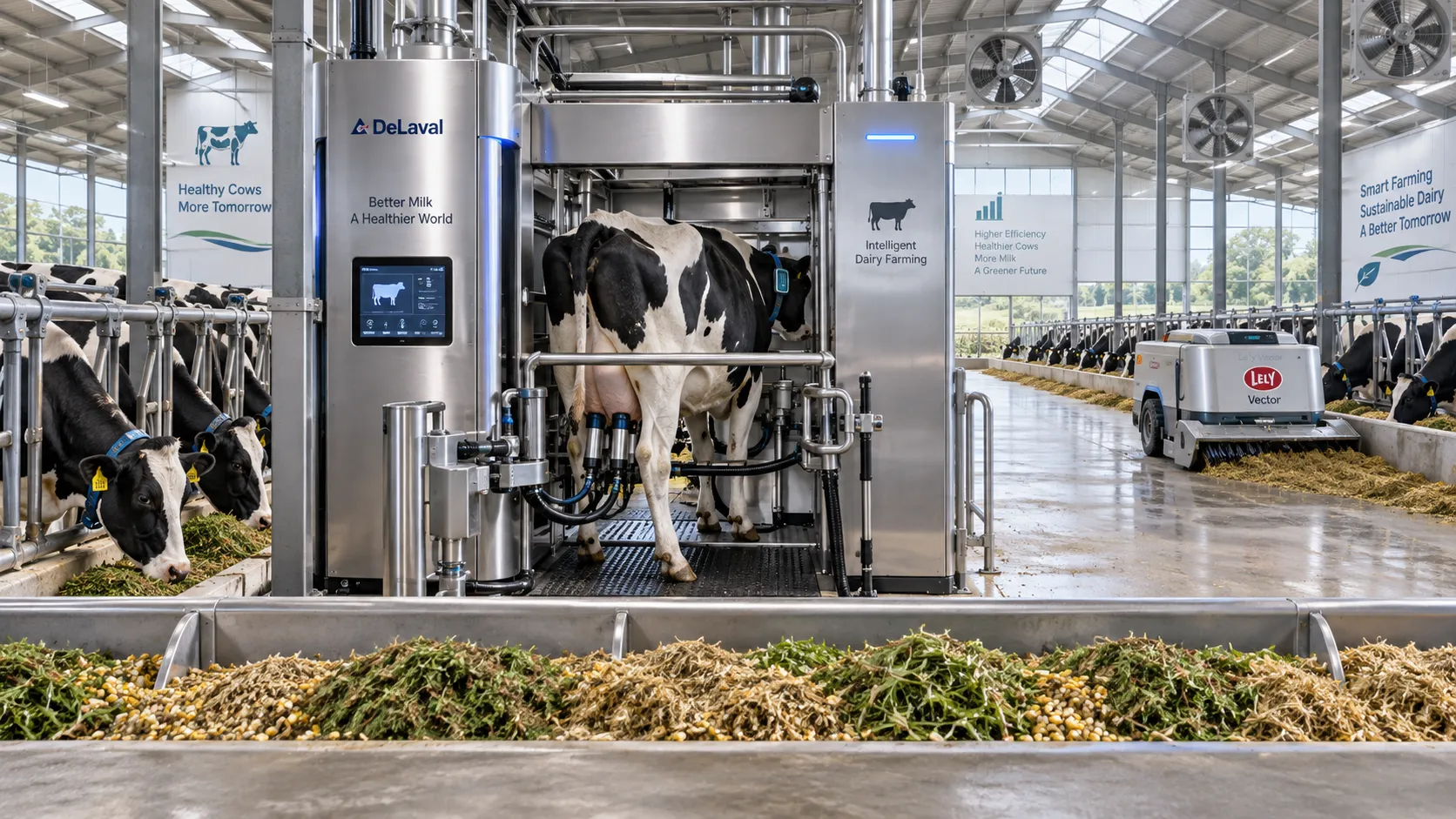
Smart Farming Technology for Dairy Farms: Where Automation Delivers Measurable ROI
Smart farming technology for dairy farms delivers measurable ROI through automation, precision feeding, health monitoring, and data-driven cost control.
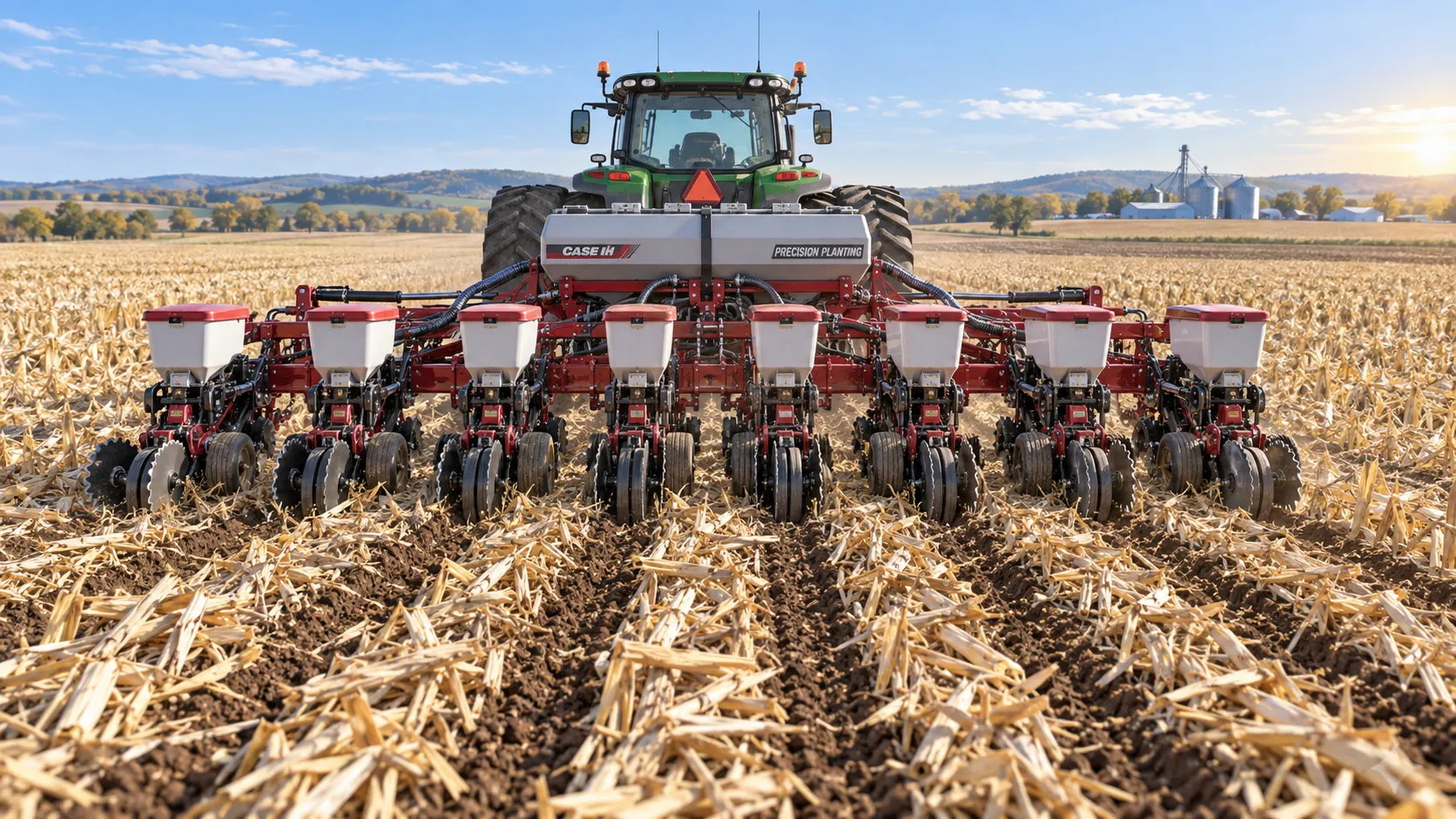
How to Select a Heavy-Duty Seeder for Large Acreage and High-Residue Fields
Heavy duty seeders for large acreage: compare residue handling, depth control, downforce, metering accuracy, and precision features to select the right model.
Related News
- 00
0000-00
ISOBUS for Smart Agriculture: How It Connects Tractors, Implements, and Farm Data - 00
0000-00
How North American Farms Can Select Crop Monitoring Systems by Acreage and Connectivity - 00
0000-00
How Tractor Intelligence Systems Improve Field Efficiency and Input Accuracy - 00
0000-00
Which equipment for larger fields maintains accuracy at higher speeds? - 00
0000-00
What should a digital ag platform integrate before a farm-wide rollout?
Popular Tags
Tractor Power Architect
Weekly Insights
Stay ahead with our curated technology reports delivered every Monday.