
Tianjin to Host 2026 China Farm Machinery Expo
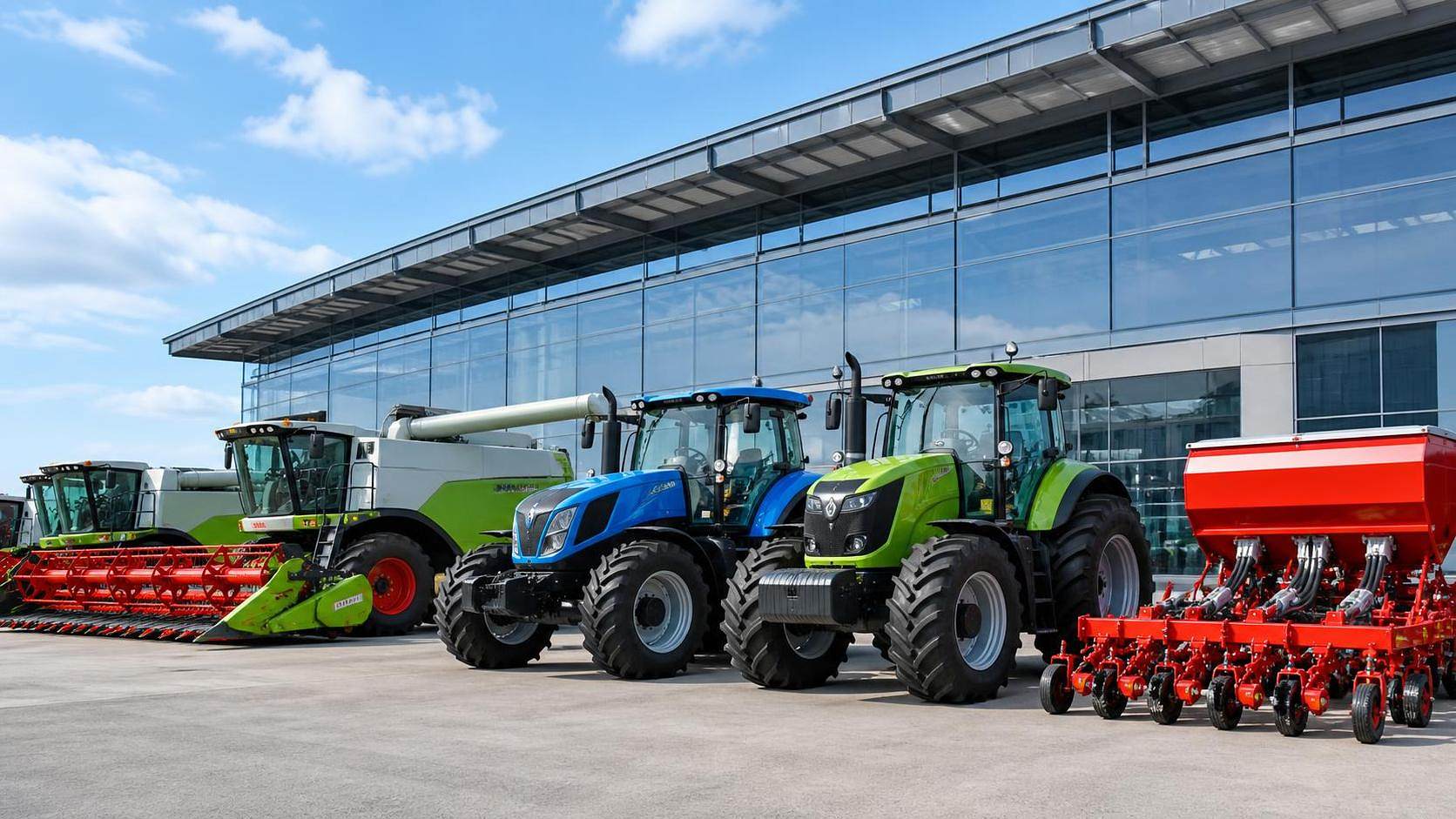




In October 2026, the China International Agricultural Machinery Exhibition will be held in Tianjin for the first time. The organizers are also introducing a new international service model and an end-to-end trade matching system. For exporters, distributors, importers, and farm operators in the agricultural machinery chain, the more relevant issue is not the venue change itself, but how buyer matching, overseas promotion, and transaction conversion may be reshaped around this event.
What Has Been Announced for Tianjin
The 2026 China International Agricultural Machinery Exhibition is scheduled for October 2026, with Tianjin as the new host city. According to the information provided, this edition will adopt a new international service mechanism and a full-process trade matching system.
The organizers have already launched targeted buyer invitations covering more than 60 countries, focusing on importers, core distributors, and farmers. Overseas promotion spending is also being shifted more heavily toward social media campaigns, partnerships with vertical platforms, and on-site reporting by international media.
Where the Market Impact May Appear
Export-oriented manufacturers
For Chinese agricultural machinery exporters, the most direct effect is on customer acquisition efficiency. A more concentrated buyer list means exhibitor outreach may move from broad exposure toward more qualified business conversations, especially with overseas importers and distributors that can carry procurement decisions forward.
Channel partners and overseas distributors
Core distributors may face a more structured matching environment, where product comparisons, pricing discussions, and after-sales expectations are compressed into a clearer trade process. That makes product positioning, delivery terms, and service commitments more visible during the exhibition cycle.
Farm operators and end users
Farmers invited as targeted buyers may influence the type of products and technical communication that gain attention. For suppliers, that means performance claims, operating suitability, and service support may matter as much as the display itself.
What Companies Should Watch Next
Watch for the final rules and matching format
The key variable is how the new international service mechanism and trade matching system will be implemented in practice. Companies should pay attention to whether buyer registration, meeting scheduling, and product matching are formalized into a fixed process.
Prepare market-specific materials early
Because the buyer pool is being directed at importers, distributors, and farmers from more than 60 countries, exhibitor materials should be aligned with actual procurement use cases. Product catalogs, technical sheets, and sales documents need to be ready in advance for overseas communication.
Check compliance, delivery, and communication readiness
For export businesses, the practical issues are often qualification documents, shipment timelines, and follow-up communication after the show. A better matching system only helps if the company can respond quickly with clear terms and reliable execution.
Separate policy signal from operating result
The current information points to a stronger trade-oriented exhibition setup, but it does not yet prove how much conversion will improve. Companies should treat this as an operating signal and continue to observe how buyer quality and transaction flow develop during the exhibition period.
What This Suggests for the Sector
Analysis shows that this move is more than a city change for a major exhibition. It suggests a more targeted approach to international buyer recruitment and trade facilitation in agricultural machinery. What deserves closer attention is whether the new matching system becomes a repeatable model for how Chinese exporters reach overseas customers at large trade events.
At this stage, it is more appropriate to understand this as a directional signal rather than a completed market outcome. The real value will depend on how the buyer network, media outreach, and transaction process work once the exhibition opens in Tianjin.
Why This Matters for Now
For the agricultural machinery industry, the Tianjin edition of the 2026 exhibition is best read as a near-term operational change with possible longer-term implications for exhibition-based trade. It is not yet a final verdict on market demand or export performance, but it does show that buyer precision and trade conversion are becoming central to event design.
Source Basis and Ongoing Checks
This article is based on the user-provided title, event timing, and event summary. Relevant source types for follow-up verification typically include official event announcements, organizer notices, industry association updates, authoritative media reports, and other public statements tied to the exhibition.
No specific official source link was provided in the input, so the details should continue to be verified against later public materials. The main items to watch are the final exhibition rules, the buyer matching process, and how the international promotion plan is actually carried out.
Related News
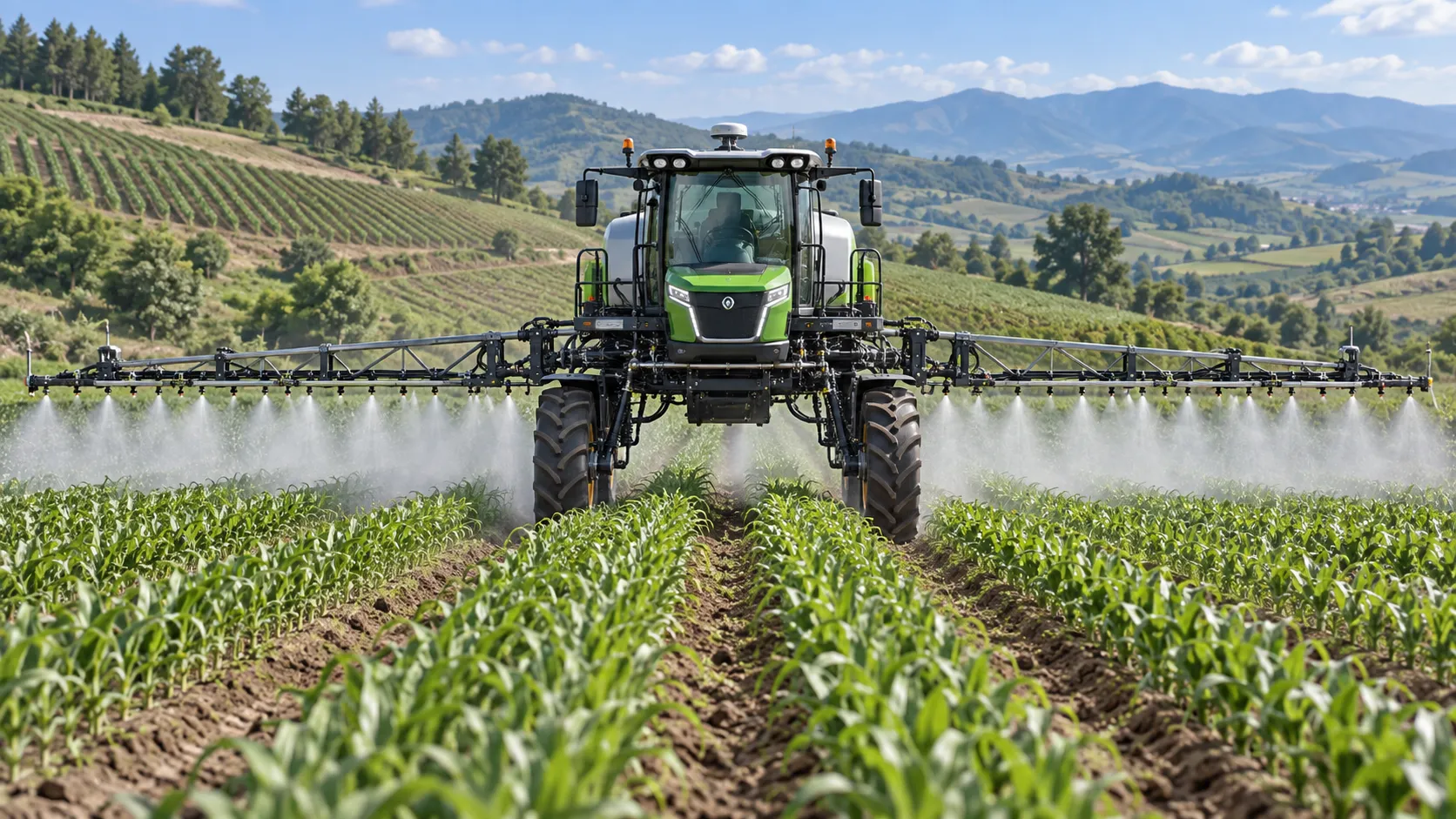
How to Select Precision Crop Protection Equipment for Variable Field Conditions
Precision crop protection equipment selection made simple: compare terrain, canopy, weather, control accuracy, and data workflows for reliable applications.
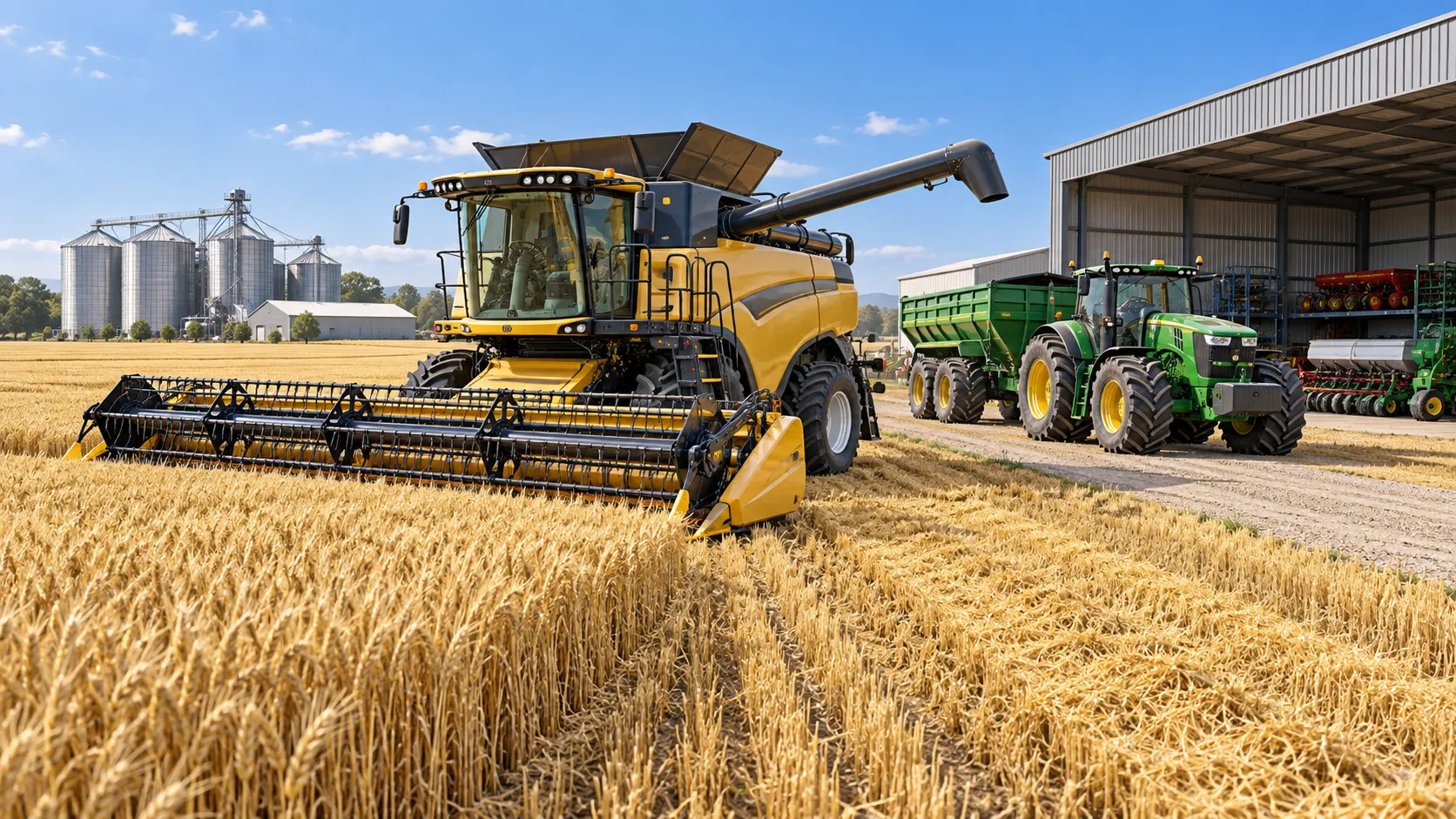
When Does Agricultural Machinery Leasing Cost Less Than Owning Equipment?
Agricultural machinery leasing can lower farm costs when use is seasonal or uncertain. Compare utilization, maintenance, cash flow, and risk to make a smarter equipment decision.
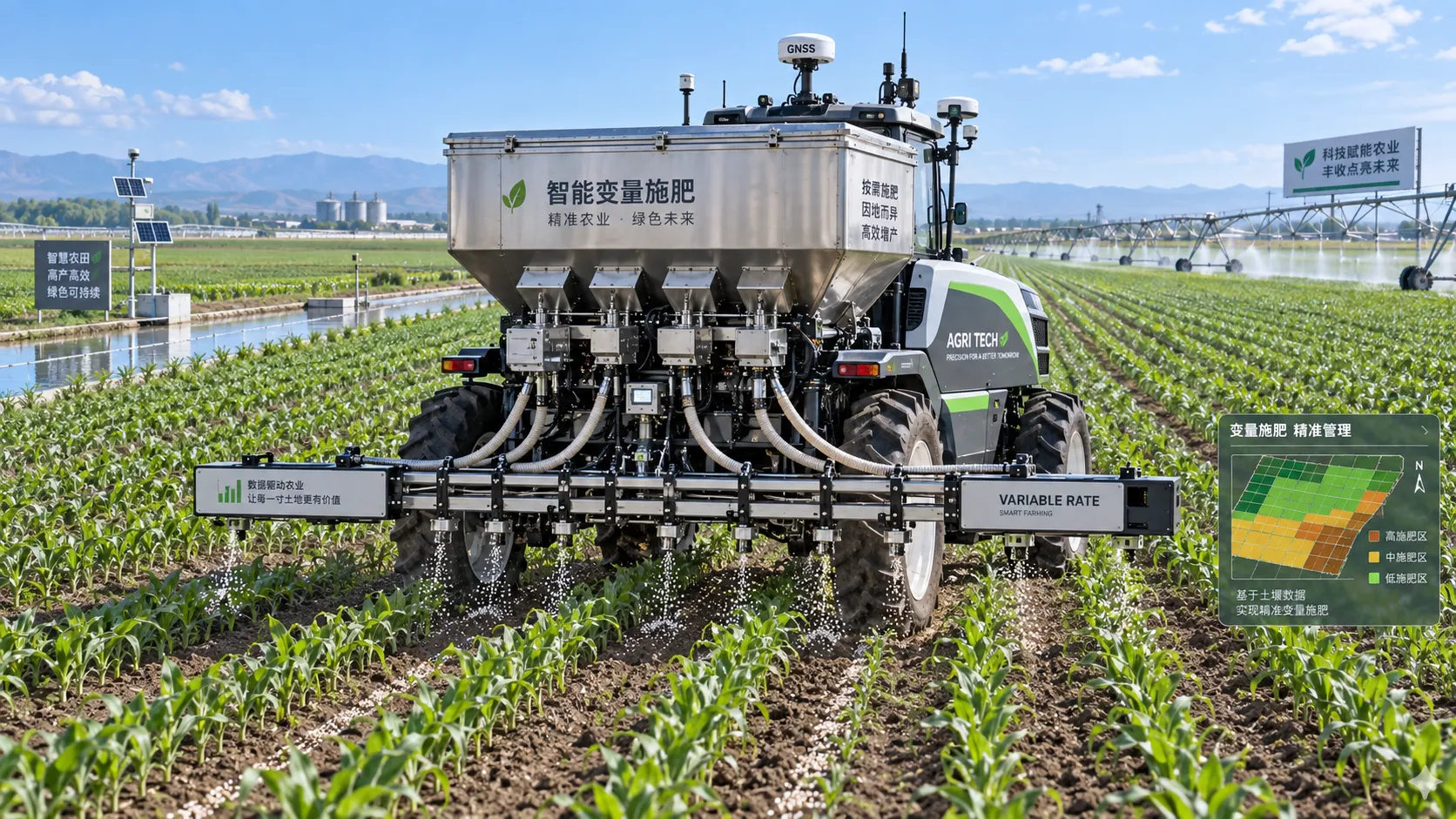
How to Evaluate Precision Fertilization System Suppliers for Farm-Scale Deployment
Precision fertilization systems suppliers: learn how to compare accuracy, integration, uptime, service, and total cost for confident farm-scale deployment.
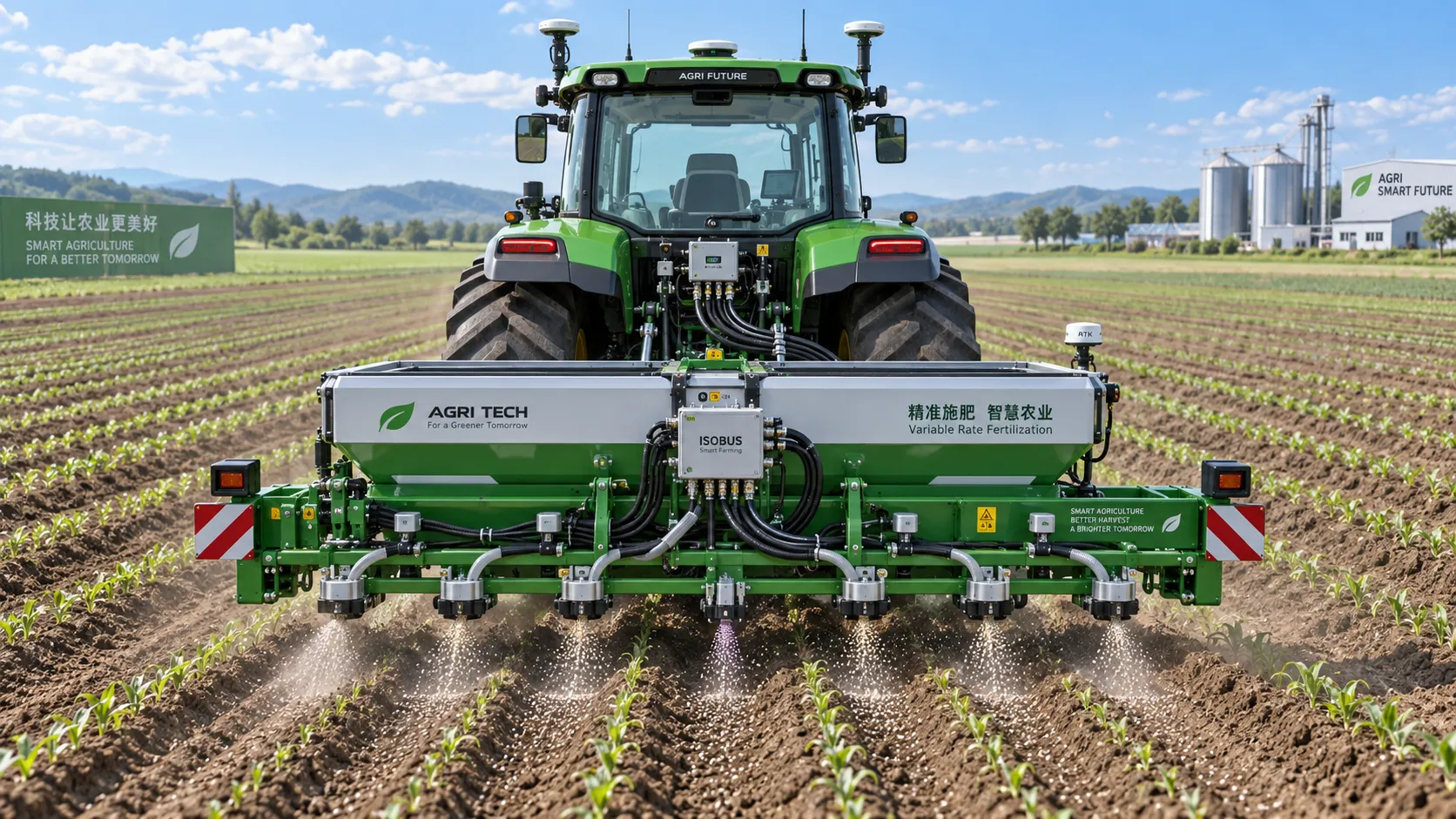
ISOBUS for Smart Agriculture: How It Connects Tractors, Implements, and Farm Data
ISOBUS for smart agriculture connects tractors, implements, terminals, and farm data—helping growers improve precision, documentation, and smarter field decisions.
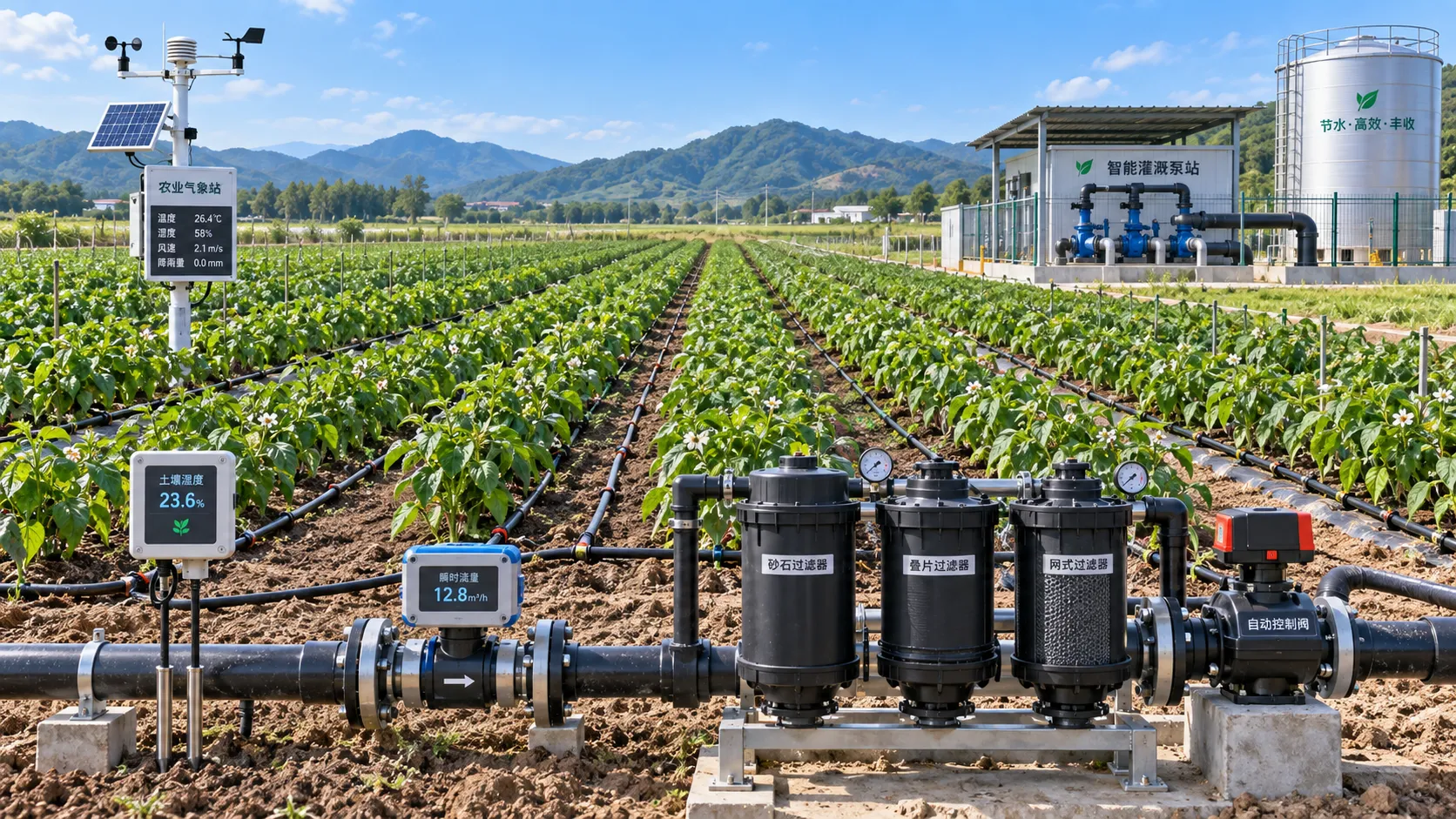
Automated Water-Saving Irrigation: How to Cut Water Use Without Reducing Crop Yields
Automated water-saving irrigation helps farms cut water use, protect crop yields, improve scheduling, and gain reliable control with sensors, flow monitoring, and smart zones.
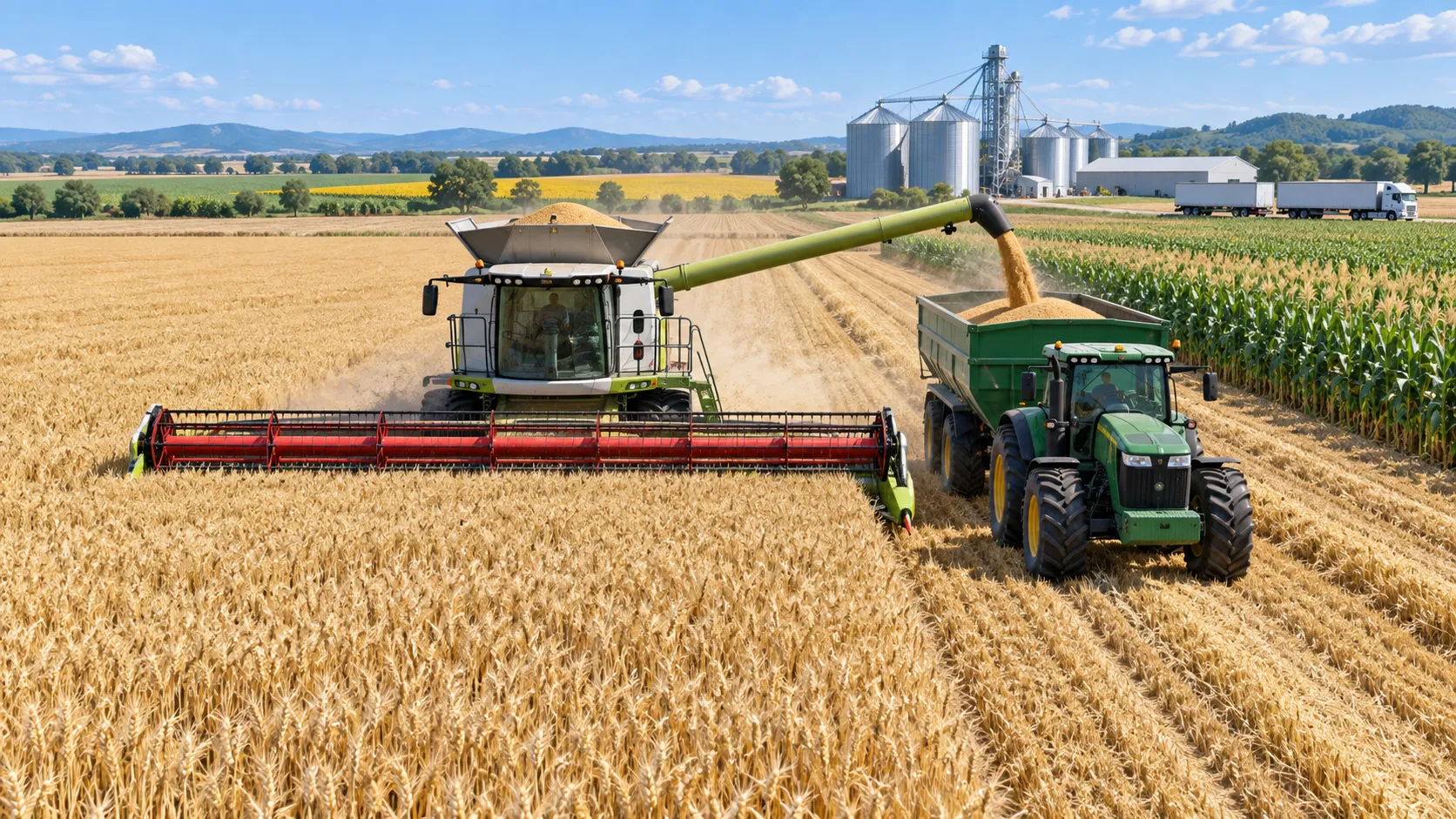
Selecting Grain Farm Equipment by Acreage, Crop Mix, and Harvest Window
Agricultural equipment selection for grain farming: match machinery to acreage, crop mix, and harvest windows to improve uptime, efficiency, and returns.
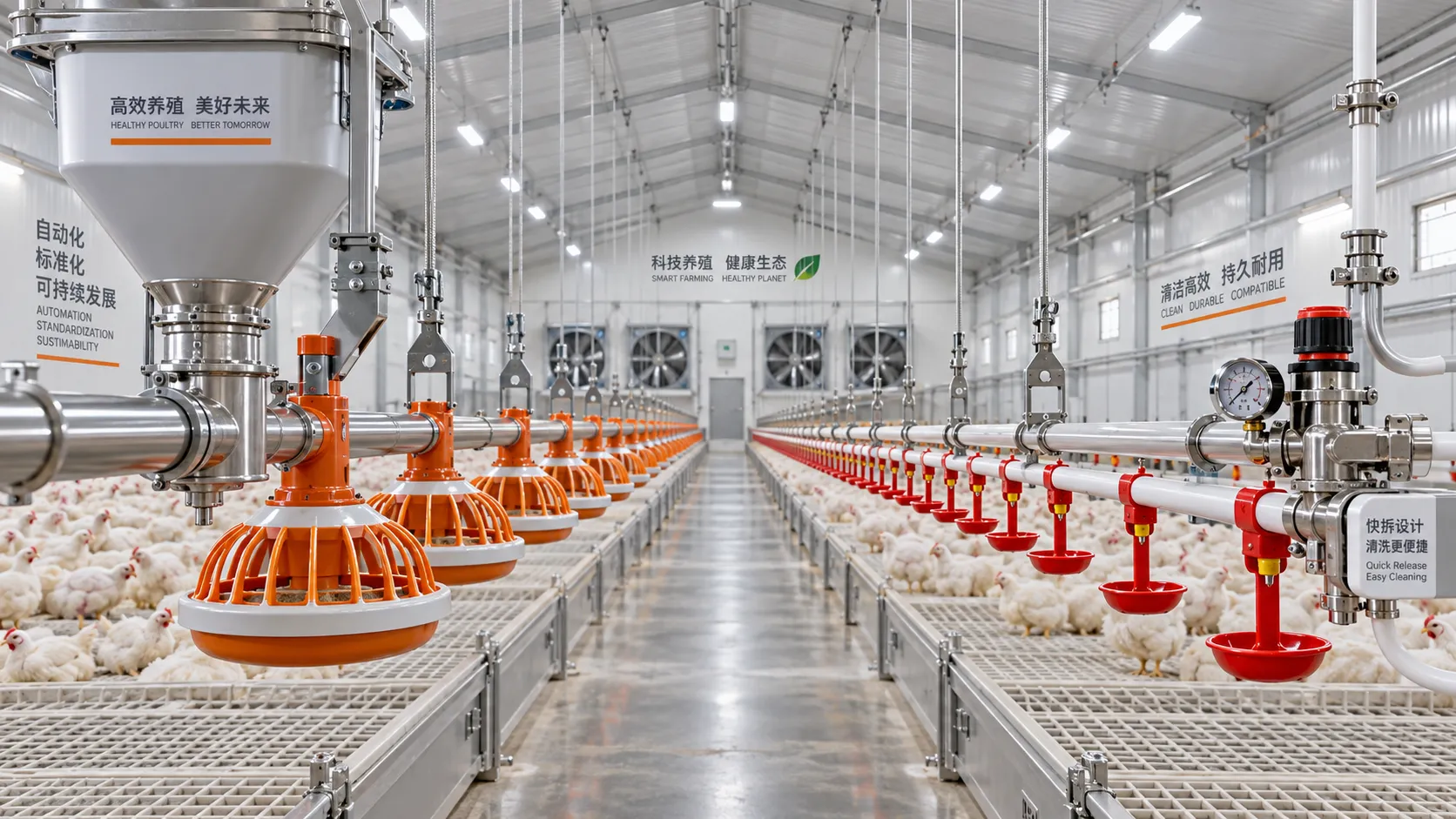
Poultry Equipment Selection: Evaluating Durability, Cleaning, and Compatibility
Poultry equipments selection guide: evaluate durability, cleaning access, and system compatibility to improve hygiene, reduce downtime, and support efficient flock management.
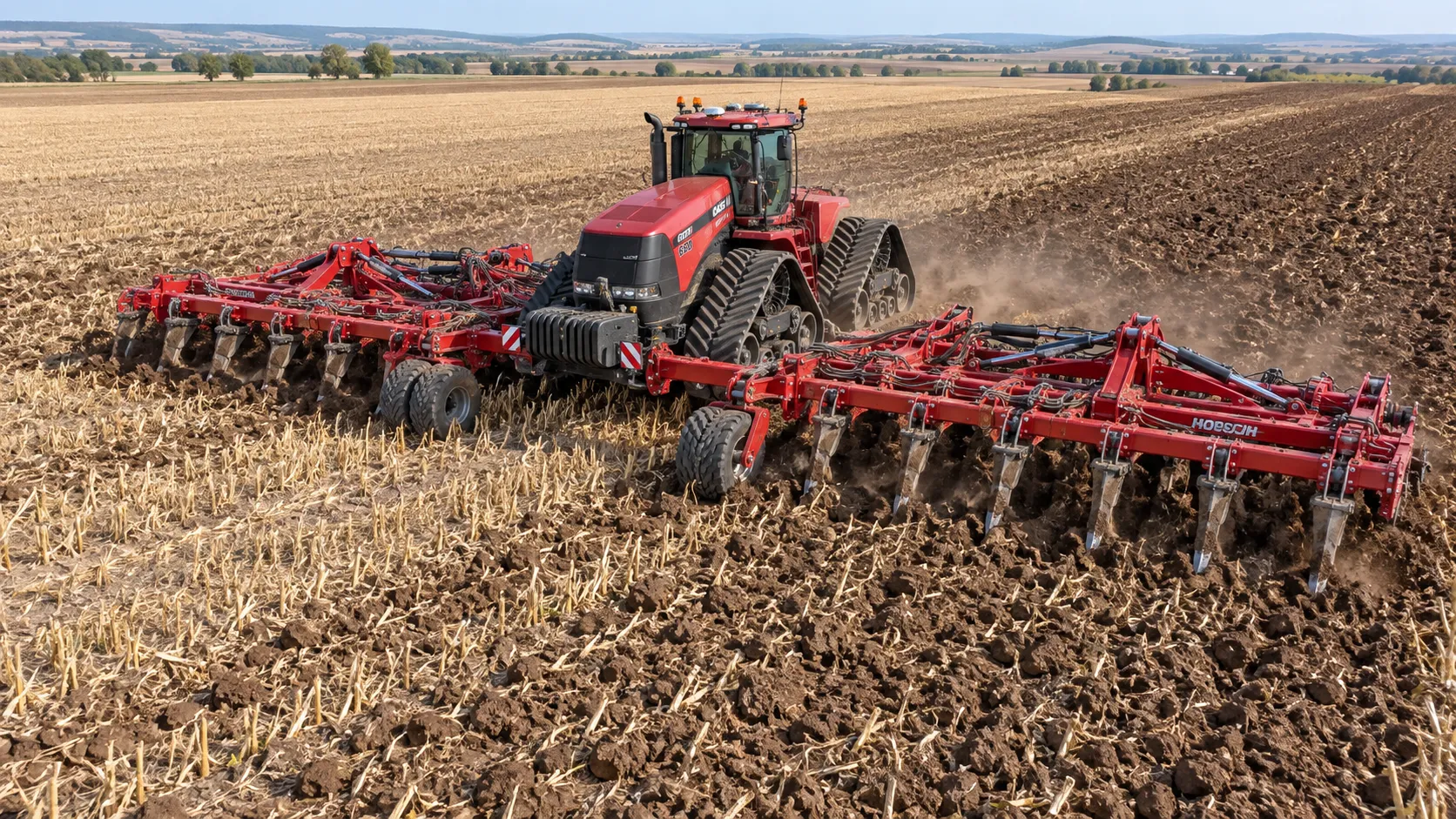
How to Select Heavy-Duty Farm Implements for High-Acreage, High-Horsepower Operations
Heavy duty farm implements: learn how to match draft, hydraulics, hitch capacity, frame strength, and field conditions for reliable high-acreage performance.
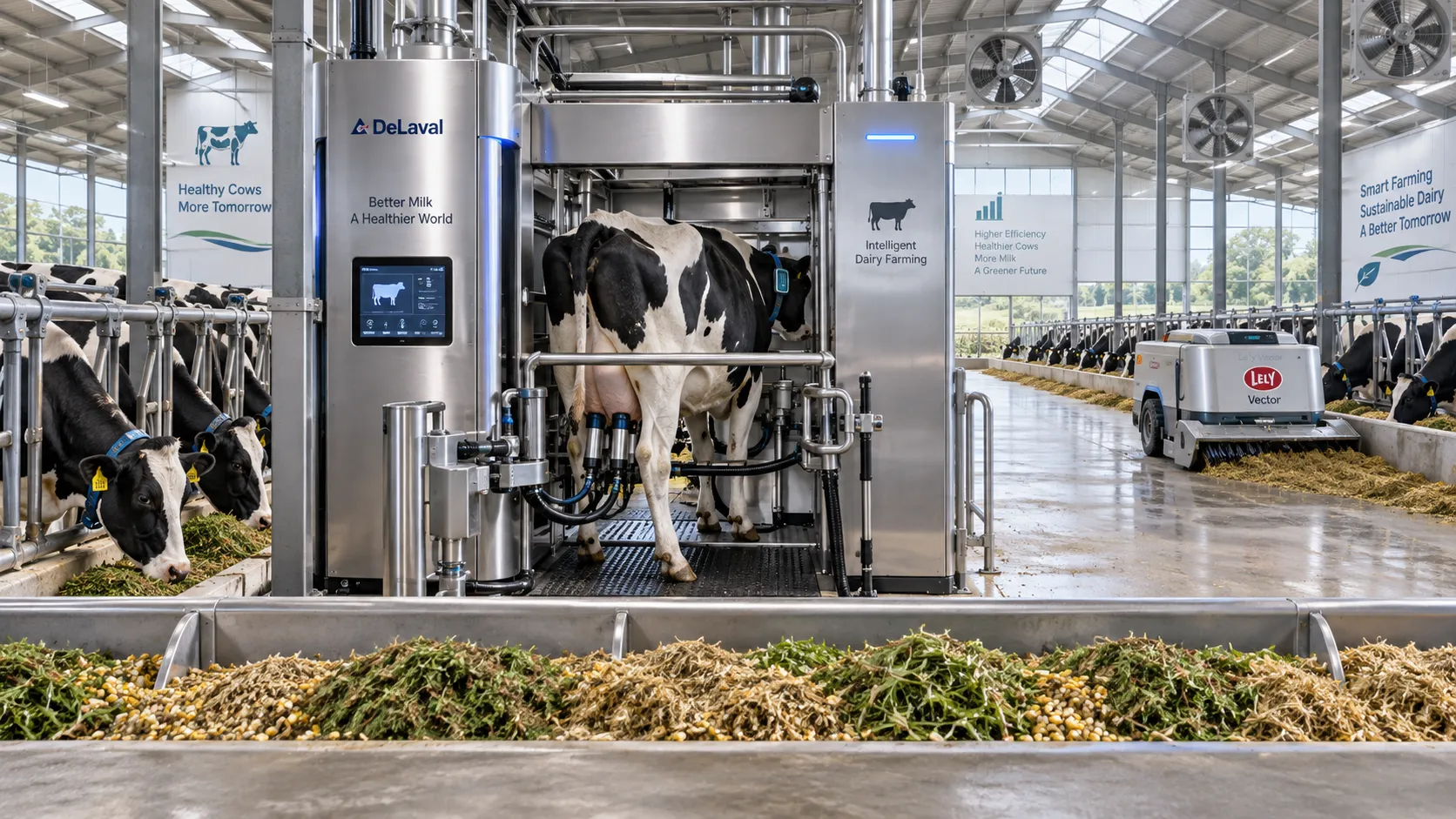
Smart Farming Technology for Dairy Farms: Where Automation Delivers Measurable ROI
Smart farming technology for dairy farms delivers measurable ROI through automation, precision feeding, health monitoring, and data-driven cost control.
Related News
- 00
0000-00
ISOBUS for Smart Agriculture: How It Connects Tractors, Implements, and Farm Data - 00
0000-00
How North American Farms Can Select Crop Monitoring Systems by Acreage and Connectivity - 00
0000-00
How Tractor Intelligence Systems Improve Field Efficiency and Input Accuracy - 00
0000-00
Which equipment for larger fields maintains accuracy at higher speeds? - 00
0000-00
What should a digital ag platform integrate before a farm-wide rollout?
Popular Tags
Tractor Power Architect
Weekly Insights
Stay ahead with our curated technology reports delivered every Monday.