
China’s Temporary Helium Export Ban Reshapes Irrigation Supply Chains
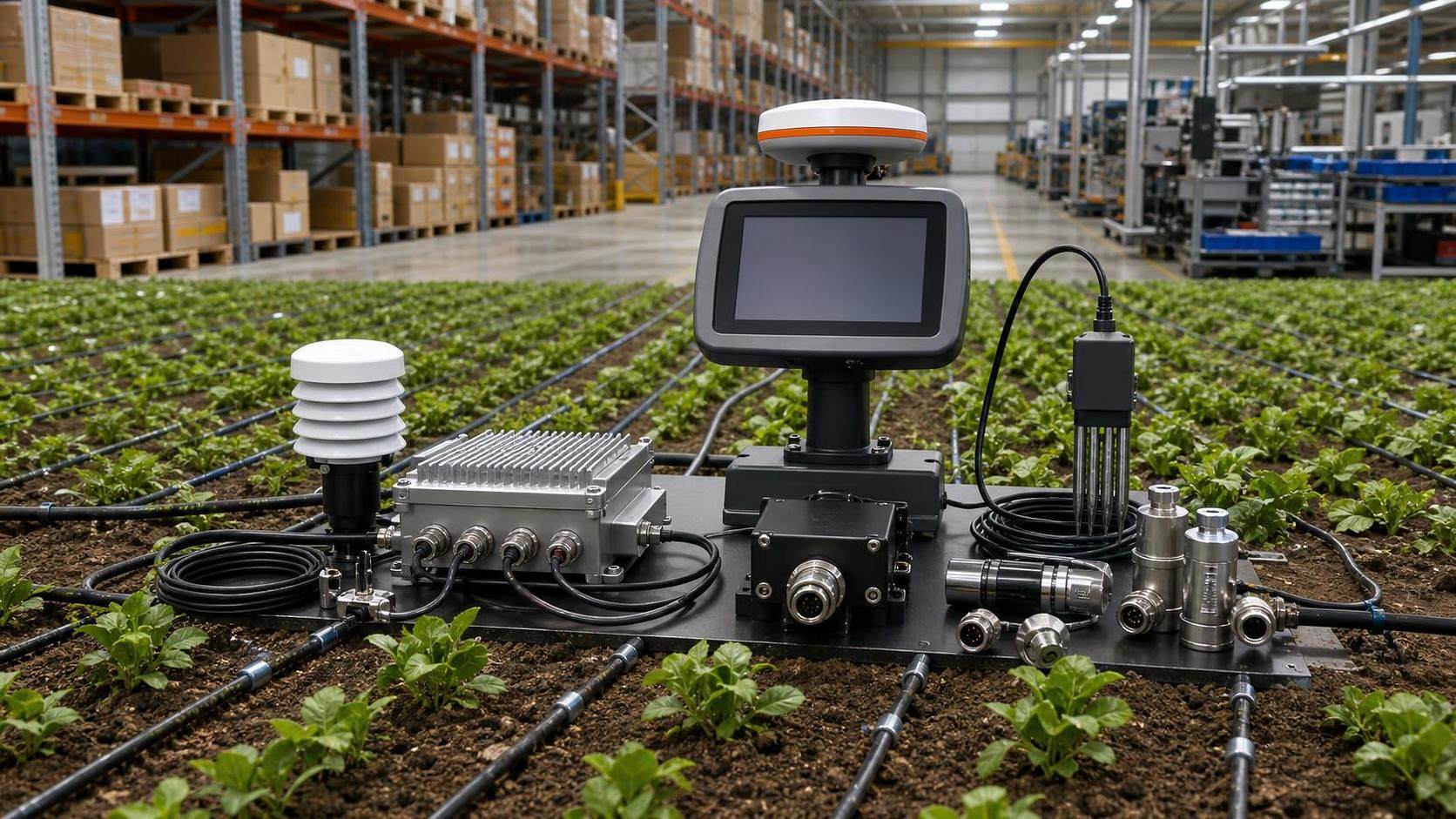




On 10 July 2026, China’s Ministry of Commerce and the General Administration of Customs announced a temporary ban on helium exports under HS code 2804290010. For overseas irrigation equipment integrators, agricultural OEMs, and distributors that depend on Chinese sensor modules and navigation terminals, the change matters because helium is used as a calibration and temperature-control medium in high-precision GPS guidance systems, soil moisture sensors, and autonomous farm machinery cooling systems.
What the export ban confirms
As confirmed in the announcement, helium (HS code 2804290010) is now subject to temporary export prohibition management. The measure took effect immediately on 10 July 2026. The event also states that helium serves as a key calibration and temperature-control medium in high-precision GPS Guidance Systems, Soil Moisture Sensors, and autonomous agricultural machinery hydraulic cooling systems. The stated downstream impact is on overseas irrigation equipment integrators, agricultural OEMs, and distributors that rely on Chinese sensor modules and navigation terminals, particularly in their stocking cycles and compliant sourcing channels.
Where the supply chain feels the pressure
Exporters and trade intermediaries
For direct exporters and trading firms, the first issue is not demand but admissibility. Any shipment path involving helium now needs to be checked against the temporary prohibition before contracts, booking, or customs filings are finalized. The immediate business risk is a mismatch between committed delivery terms and what can still be shipped under the new rule.
Equipment builders and component buyers
Overseas integrators and agricultural OEMs that source Chinese sensor modules or navigation terminals may face longer replenishment timelines and a narrower procurement route. The impact is most visible in parts that depend on helium-linked calibration or temperature-control functions, where substitution is not a simple paperwork exercise and may affect technical conformity in downstream assemblies.
Distributors and service channels
Distributors and after-sales service providers need to watch for inventory gaps, order rescheduling, and possible changes in sourcing documentation. Where products are tied to regulated import documentation, technical files, or warranty support commitments, a temporary export ban can complicate fulfillment even before any physical shortage becomes visible.
What companies should check now
Confirm the compliance route before placing orders
Procurement teams should re-check whether any planned purchase, reshipment, or replacement part order depends on helium-related export flows. The relevant issue is not only product availability but whether the planned sourcing route still fits the current export control status.
Review technical and customs documentation
Companies involved in bidding, compliance review, or customs clearance should verify whether technical documents, product descriptions, or declarations need to be aligned with the updated restriction. Where helium is part of the component function, the supporting file set may need closer internal review before commitments are made.
Watch for further official wording
Because the announcement is described as a temporary prohibition, the practical effect may depend on later official clarifications and enforcement phrasing. What deserves closer attention is whether additional guidance appears on scope, implementation details, or any adjustment to the temporary status.
What this signals for the market
Analysis shows that this should be read primarily as an execution signal rather than a pure background policy note. It is already a live rule change, but the market still needs to observe how strictly the restriction is applied across trade and customs workflows, and how quickly downstream buyers adjust sourcing and delivery plans. From an industry perspective, the key issue is not abstract policy direction; it is whether procurement schedules, compliance files, and shipping commitments can still be matched to the new export condition without disruption.
How to read the event now
The most balanced reading is that the temporary helium export ban has immediate operational relevance for irrigation and agricultural equipment supply chains, but its full business impact will depend on execution details and purchasing responses. It is more appropriate to understand this as a rule-change event with direct compliance consequences and a need for ongoing monitoring, rather than as a fully settled market outcome.
Source basis and follow-up checks
This article is based on the user-provided title, event date, and event summary. For events of this type, the relevant source categories usually include official government announcements, customs and trade authority notices, industry association updates, standard-setting documents, and authoritative media reporting. The specific official source link was not provided in the input, so it should continue to be verified. Follow-up attention should stay on the official execution wording, any clarifying notices, tender and procurement document changes, industry feedback, and the actual implementation experience of affected companies.
Related News

How Sensor Feedback Enables Accurate Variable-Rate Fertilization in Field Conditions
Precision fertilization systems with sensor feedback improve variable-rate accuracy by verifying flow, managing latency, and ensuring reliable field application.
How to Select Precision Crop Protection Equipment for Variable Field Conditions
Precision crop protection equipment selection made simple: compare terrain, canopy, weather, control accuracy, and data workflows for reliable applications.
When Does Agricultural Machinery Leasing Cost Less Than Owning Equipment?
Agricultural machinery leasing can lower farm costs when use is seasonal or uncertain. Compare utilization, maintenance, cash flow, and risk to make a smarter equipment decision.
How to Evaluate Precision Fertilization System Suppliers for Farm-Scale Deployment
Precision fertilization systems suppliers: learn how to compare accuracy, integration, uptime, service, and total cost for confident farm-scale deployment.
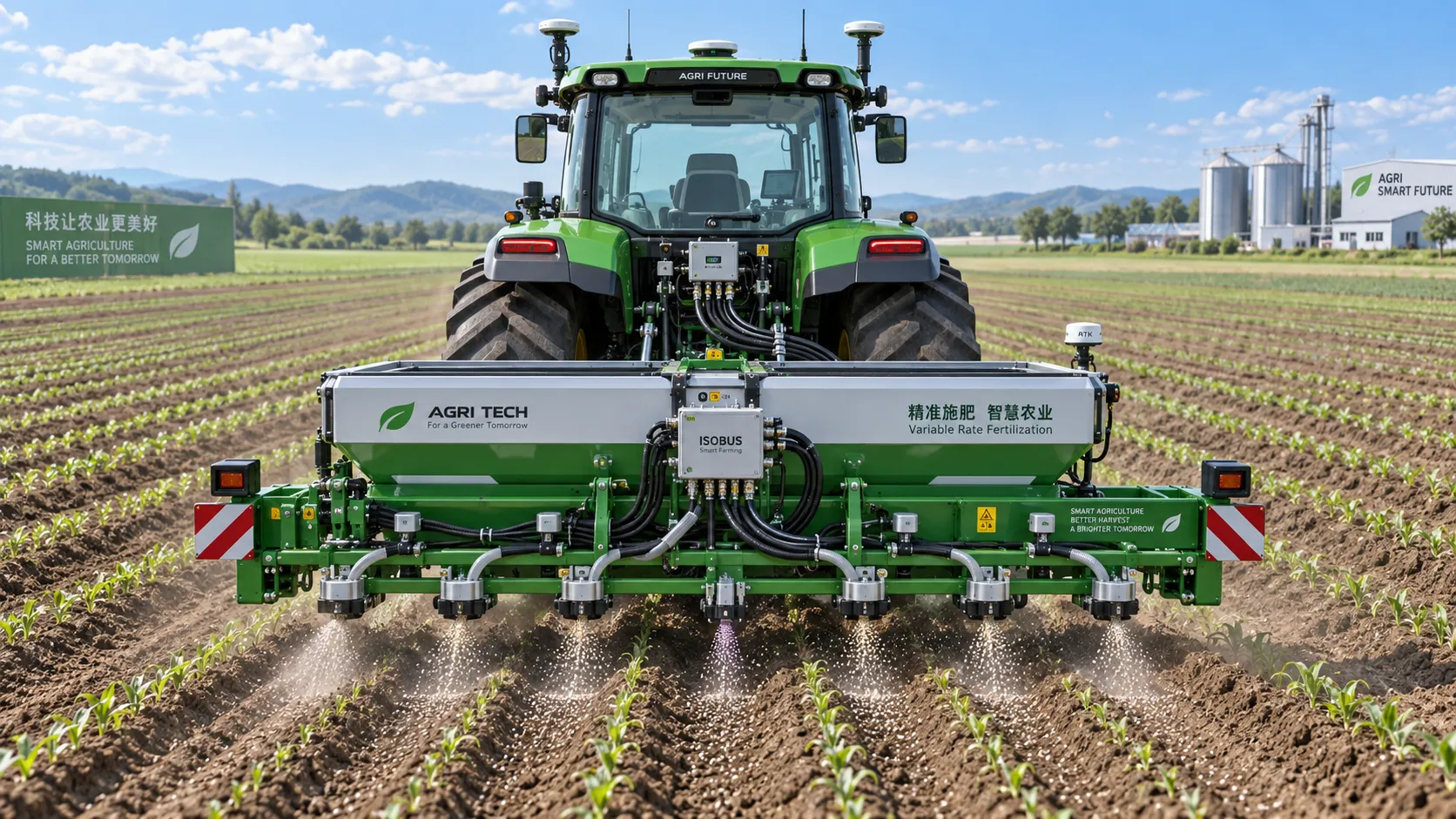
ISOBUS for Smart Agriculture: How It Connects Tractors, Implements, and Farm Data
ISOBUS for smart agriculture connects tractors, implements, terminals, and farm data—helping growers improve precision, documentation, and smarter field decisions.
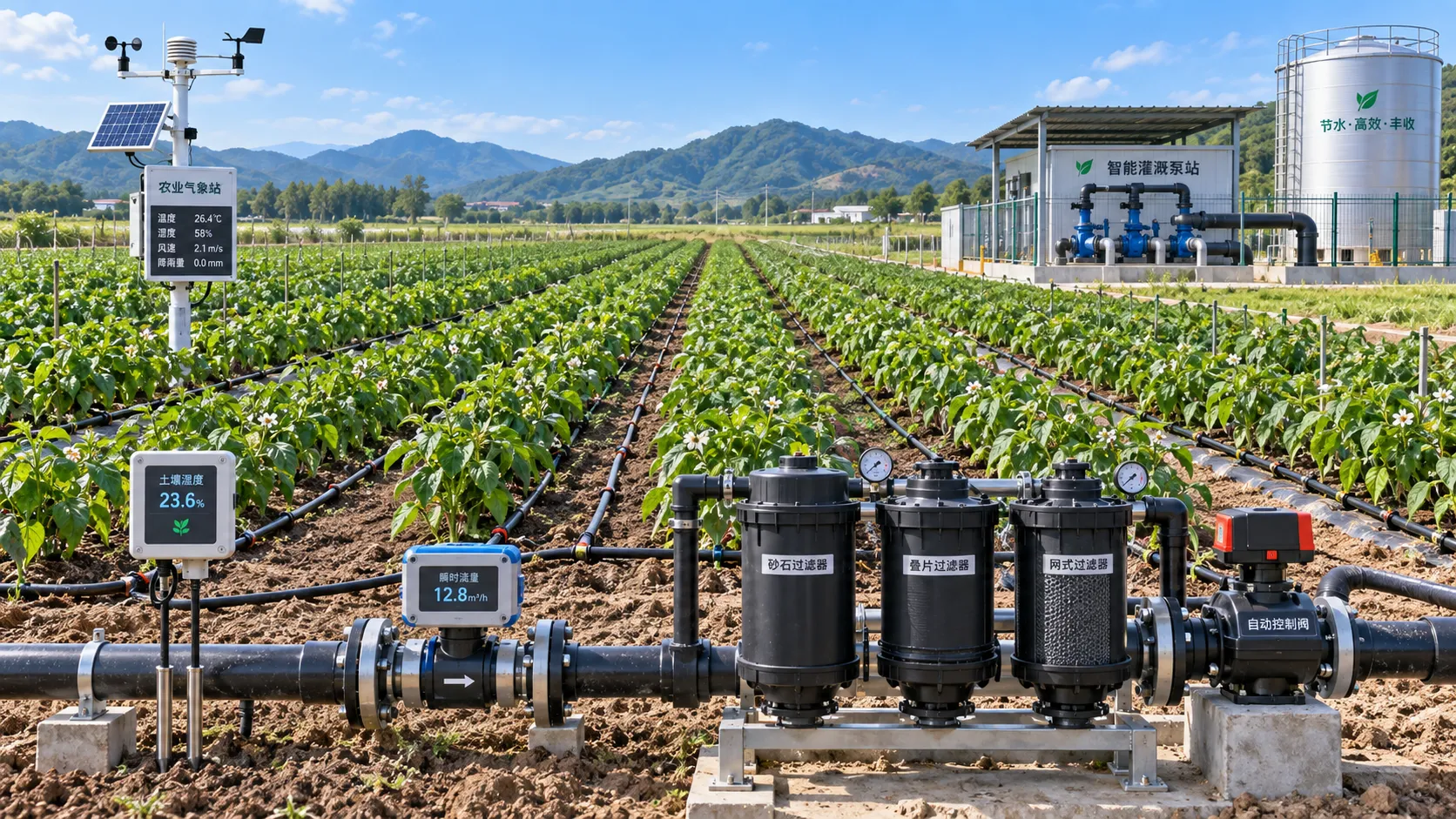
Automated Water-Saving Irrigation: How to Cut Water Use Without Reducing Crop Yields
Automated water-saving irrigation helps farms cut water use, protect crop yields, improve scheduling, and gain reliable control with sensors, flow monitoring, and smart zones.
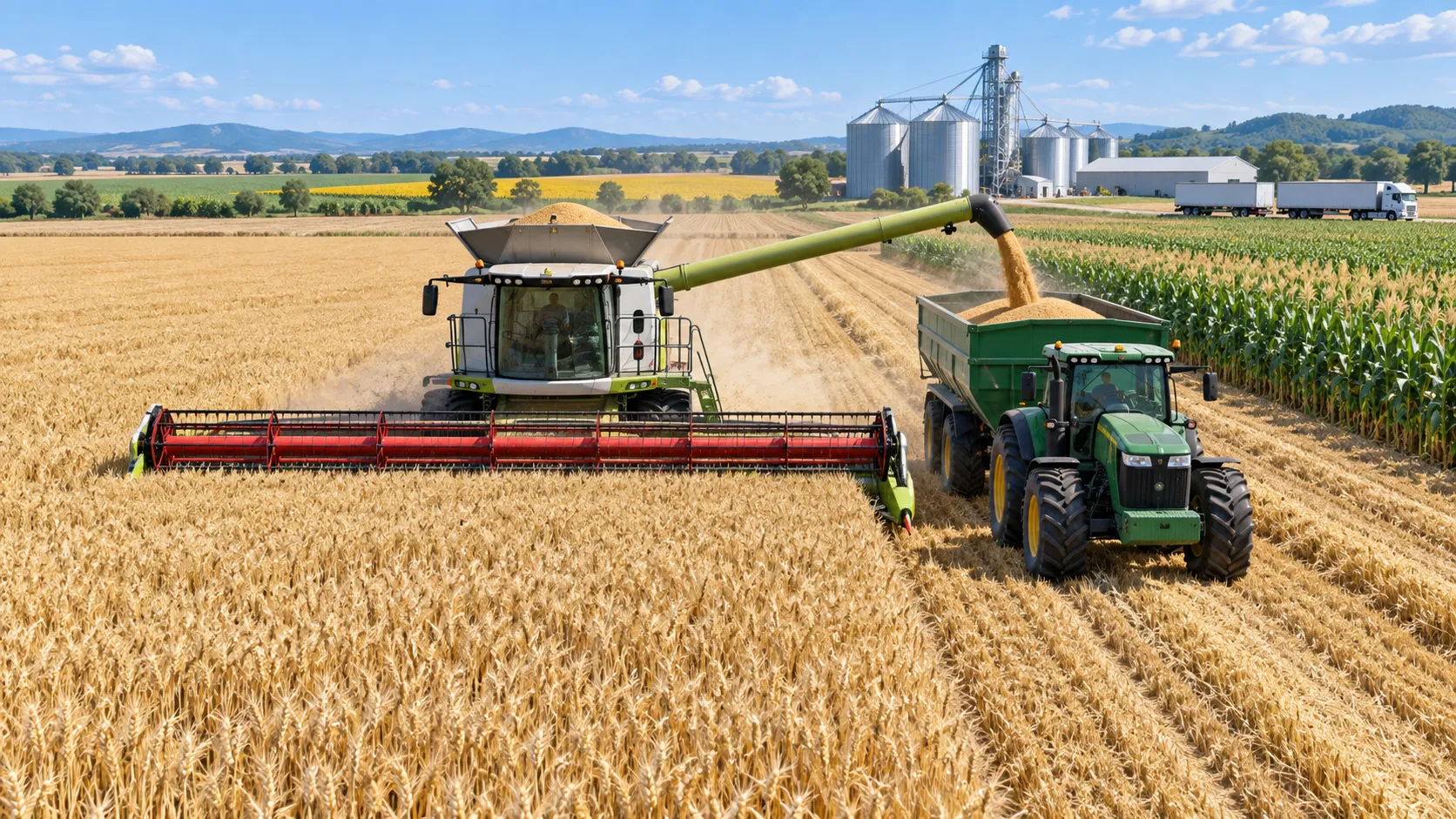
Selecting Grain Farm Equipment by Acreage, Crop Mix, and Harvest Window
Agricultural equipment selection for grain farming: match machinery to acreage, crop mix, and harvest windows to improve uptime, efficiency, and returns.
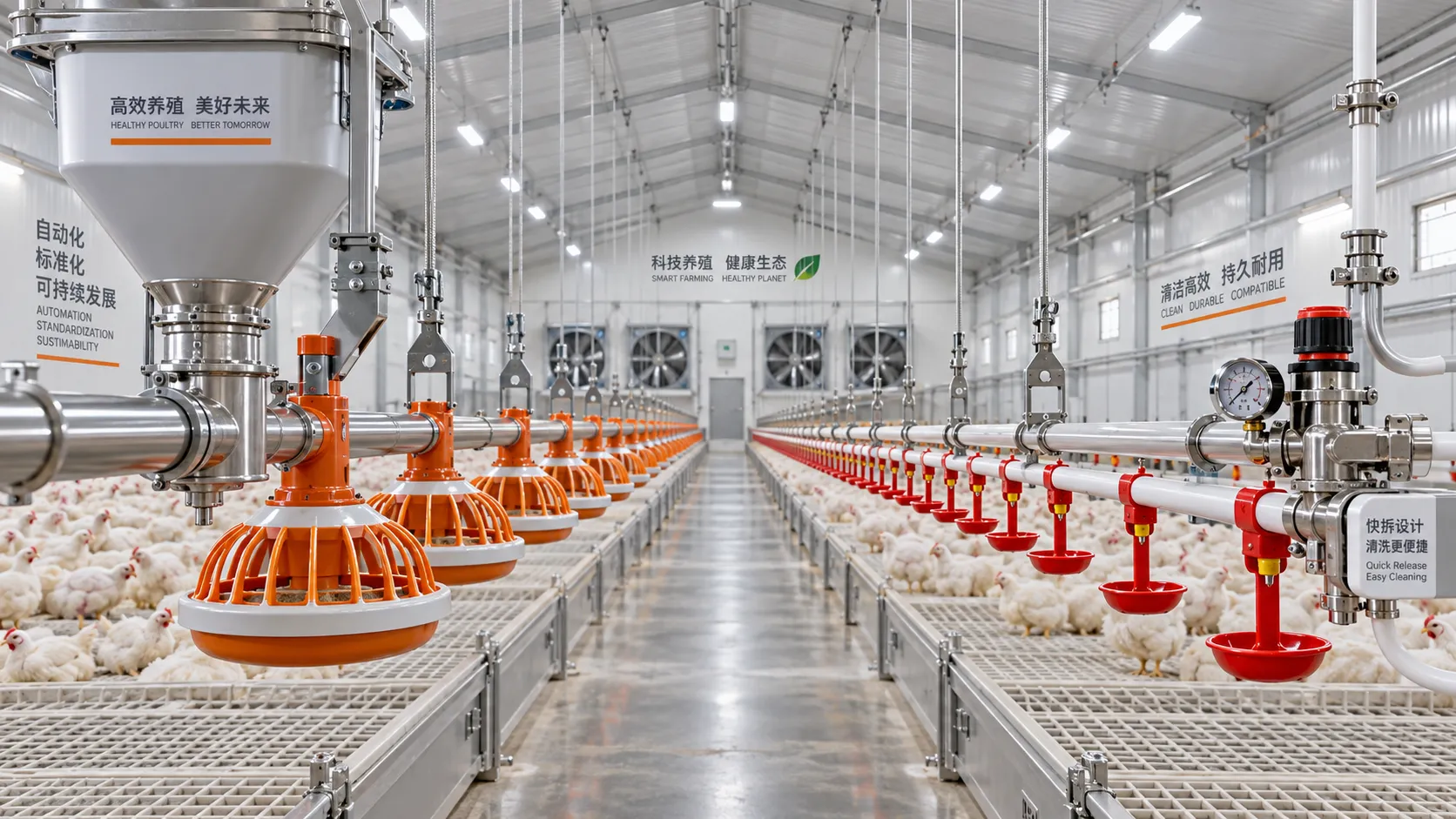
Poultry Equipment Selection: Evaluating Durability, Cleaning, and Compatibility
Poultry equipments selection guide: evaluate durability, cleaning access, and system compatibility to improve hygiene, reduce downtime, and support efficient flock management.
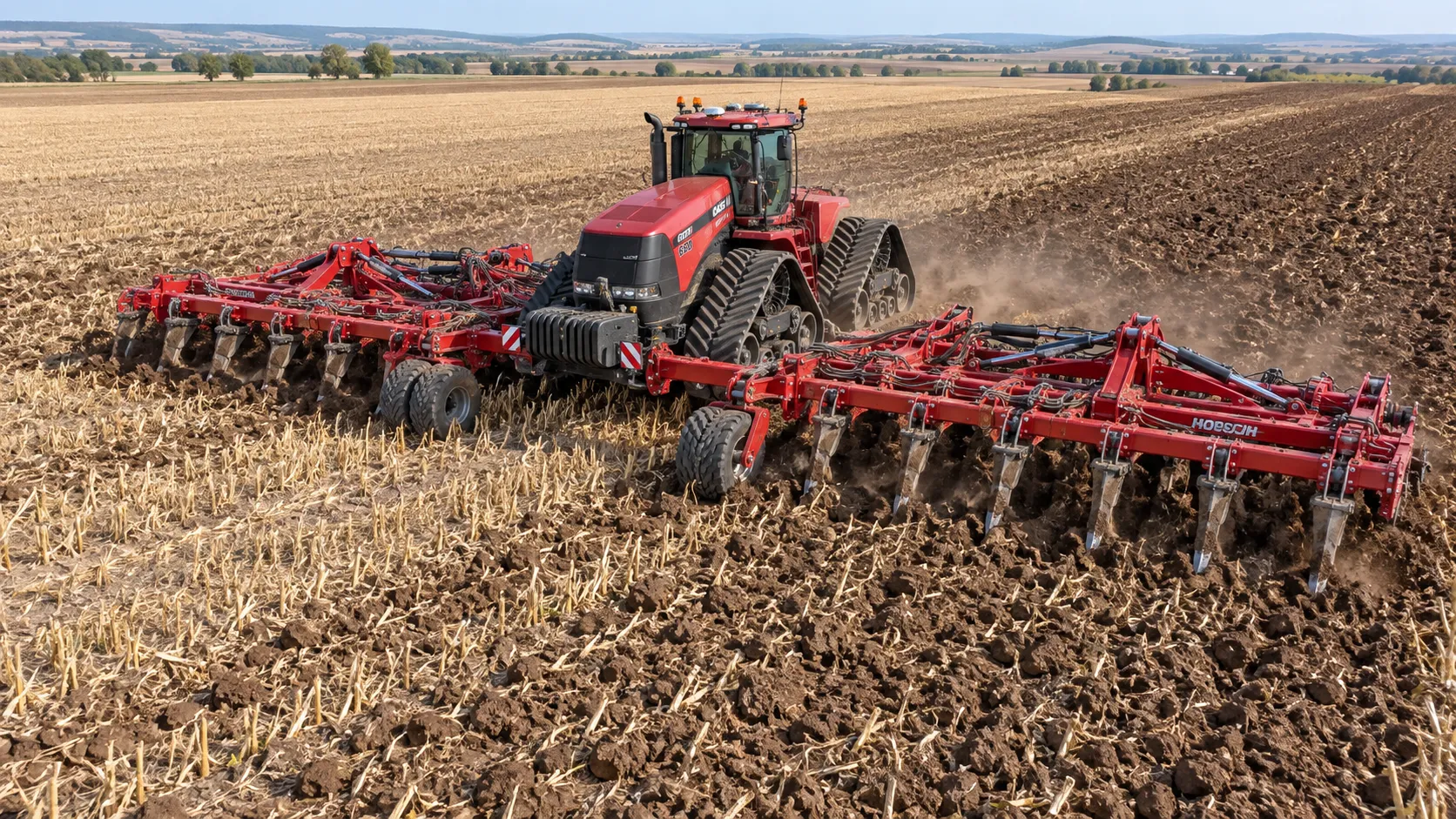
How to Select Heavy-Duty Farm Implements for High-Acreage, High-Horsepower Operations
Heavy duty farm implements: learn how to match draft, hydraulics, hitch capacity, frame strength, and field conditions for reliable high-acreage performance.
Related News
- 00
0000-00
ISOBUS for Smart Agriculture: How It Connects Tractors, Implements, and Farm Data - 00
0000-00
How North American Farms Can Select Crop Monitoring Systems by Acreage and Connectivity - 00
0000-00
How Tractor Intelligence Systems Improve Field Efficiency and Input Accuracy - 00
0000-00
Which equipment for larger fields maintains accuracy at higher speeds? - 00
0000-00
What should a digital ag platform integrate before a farm-wide rollout?
Popular Tags
Tractor Power Architect
Weekly Insights
Stay ahead with our curated technology reports delivered every Monday.