
FDA Tightens Cybersecurity Filing for GPS-Guided Farm Imports





On August 5, 2026, the U.S. Food and Drug Administration released a revised compliance guide for imported agricultural smart equipment that changes how certain farm machinery will need to be documented at entry. The key shift is that, from October 1, 2026, imported agricultural equipment containing GPS Guidance Systems must be accompanied by a cybersecurity verification report aligned with IEC 62443-3-3. This deserves industry attention because it links product cybersecurity evidence directly to customs documentation, with immediate implications for exporters, testing arrangements, certification timelines, and delivery planning.
What the new filing requirement confirms
According to the information provided, the FDA issued the Import Agricultural Smart Equipment Cybersecurity Compliance Guidance (Rev. 2026-08) on August 5, 2026. The guide states that, starting October 1, 2026, all imported agricultural equipment that includes GPS Guidance Systems must submit a cybersecurity verification report consistent with IEC 62443-3-3 together with customs declaration documents. The change directly affects the export process of Chinese manufacturers selling such equipment into the U.S. market, and the stated impacts include longer certification cycles, higher third-party testing costs, and a restructuring of customs clearance documentation.
Where the pressure is likely to appear first
Export documentation moves closer to technical compliance
For exporters of agricultural equipment, the immediate issue is that cybersecurity verification is no longer only a technical or product-side matter. It becomes part of the shipment documentation package. This means the timing and completeness of customs paperwork may depend on whether the required report has been prepared in the expected format and made available alongside declaration materials.
Manufacturing schedules may be affected by testing lead time
For equipment manufacturers, the stated extension of certification cycles suggests that production and shipment planning may need to account for additional review and testing steps before export. From an industry perspective, the practical effect is less about the existence of a new technical standard itself and more about the fact that proof of compliance is tied to shipment readiness.
Testing and certification service providers may become a critical bottleneck
For third-party testing and certification-related service providers, the requirement creates a more direct role in export execution. Analysis shows that where a report aligned with IEC 62443-3-3 is required for customs filing, service capacity, report issuance timing, and document acceptance could become operational concerns for exporters and their customers.
Supply chain and delivery coordination will need tighter control
For supply chain service providers, procurement teams, and delivery coordinators, the restructuring of customs clearance files means document control becomes more sensitive. What deserves closer attention is whether contracts, shipment checklists, and handover procedures clearly identify the need for the cybersecurity verification report so that delivery schedules are not disrupted by missing compliance materials.
What companies should review now
Check whether covered products include GPS Guidance Systems
Companies involved in exports to the U.S. should first verify which products fall within the stated scope, namely imported agricultural equipment containing GPS Guidance Systems. This is the threshold question for determining whether the new documentation requirement is relevant to existing orders, current bids, or near-term shipment plans.
Reassess document packages tied to customs clearance
Because the report must be submitted together with customs declaration documents, companies should review whether current export files, technical dossiers, and shipment documentation workflows can incorporate the required cybersecurity verification report without delaying filing. Observably, this is not only a testing issue but also a document management issue.
Adjust timelines around certification and third-party testing
The provided information states that certification cycles may become longer and third-party testing costs may rise. It is therefore more appropriate to understand the current situation as a planning issue for orders already moving toward shipment. Companies may need to re-examine internal milestones for testing, report issuance, and final dispatch, while avoiding assumptions about execution details that have not been provided.
Monitor how compliance language appears in commercial documents
Where U.S.-bound projects involve tenders, purchase specifications, or delivery commitments, companies should pay attention to whether cybersecurity report requirements begin appearing more explicitly in commercial and technical documents. Since no detailed enforcement wording beyond the provided summary is available here, this remains an area for continued monitoring rather than a confirmed implementation pattern.
Why this reads as an execution signal
Analysis shows that this update is more than a general policy statement because it sets a defined effective date and connects a specific cybersecurity verification standard to import filing materials. At the same time, it would be premature to treat all downstream execution practices as settled, since the input does not provide detailed filing formats, review procedures, or acceptance criteria. It is more appropriate to understand this as a concrete compliance signal with immediate operational relevance, while still leaving room for observation on how consistently the requirement will be interpreted in practice.
How the market is likely to interpret this change
From an industry perspective, the significance of this development lies in the movement of cybersecurity compliance from a background technical topic into a visible trade and customs requirement for certain imported farm equipment. The confirmed facts already point to pressure on certification timing, third-party testing arrangements, and customs document preparation. A neutral reading is that companies should treat the change as a real near-term compliance requirement, while continuing to watch for clarification in execution standards, documentation expectations, and market response.
Basis of this article
This article is based on the user-provided news title, event date, and event summary concerning the FDA compliance guide update issued on August 5, 2026. For events of this type, commonly relevant source categories may include official regulatory notices, releases from supervisory authorities, customs or trade administration information, industry association updates, standards organization documents, and reporting by authoritative trade media. A specific official source link was not provided in the input, so the exact primary publication path still requires follow-up verification. Continued attention should also be given to any later detail on implementation wording, certification interpretation, documentation practice, tender language, industry feedback, and company-level execution experience.
Related News
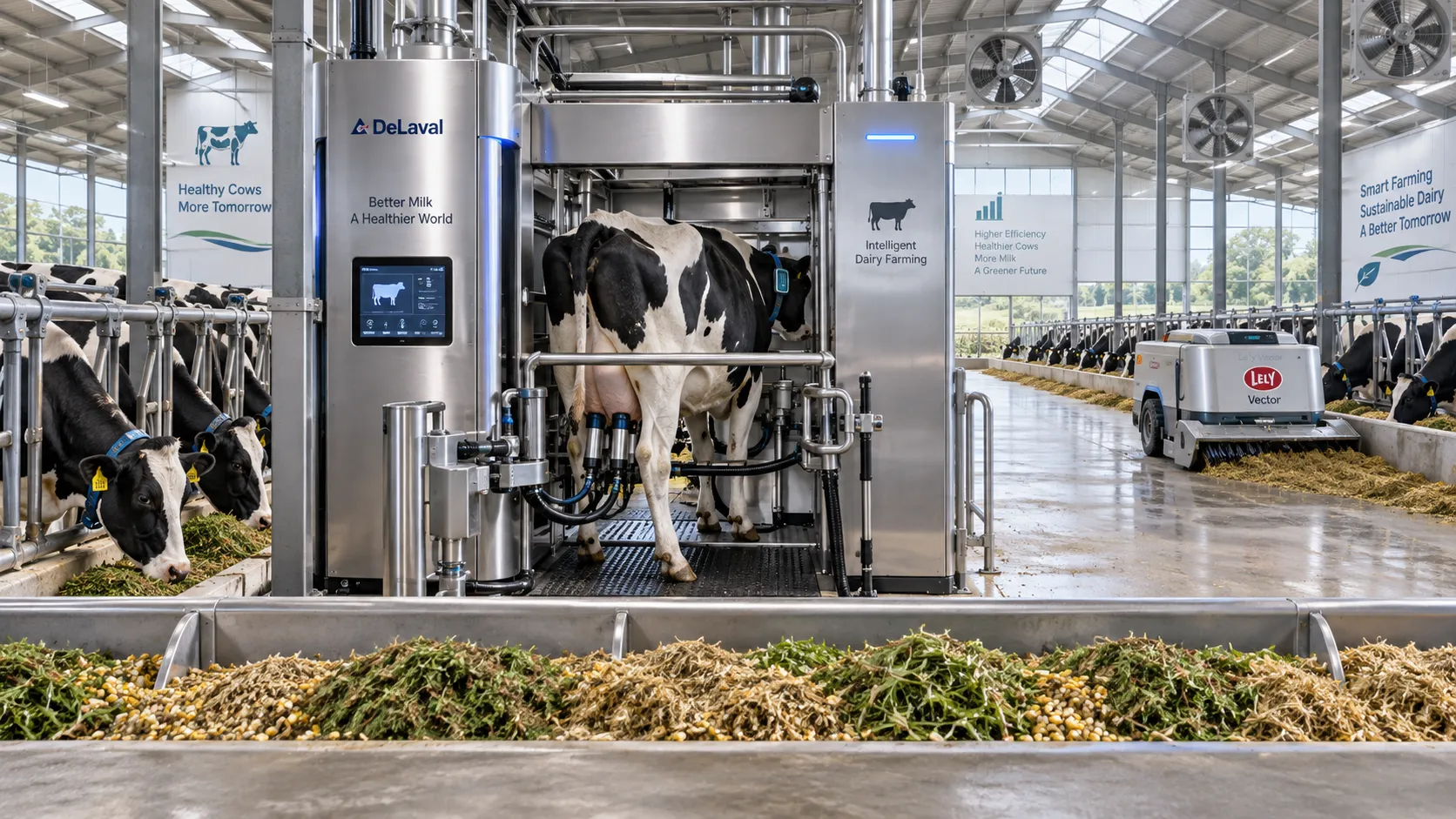
Smart Farming Technology for Dairy Farms: Where Automation Delivers Measurable ROI
Smart farming technology for dairy farms delivers measurable ROI through automation, precision feeding, health monitoring, and data-driven cost control.

How to Select a Heavy-Duty Seeder for Large Acreage and High-Residue Fields
Heavy duty seeders for large acreage: compare residue handling, depth control, downforce, metering accuracy, and precision features to select the right model.

How to Select a Precision Fertilization System for Variable Corn Field Conditions
Precision fertilization systems for corn farming: learn how to match data, placement, control accuracy, and ROI to variable field conditions for better results.
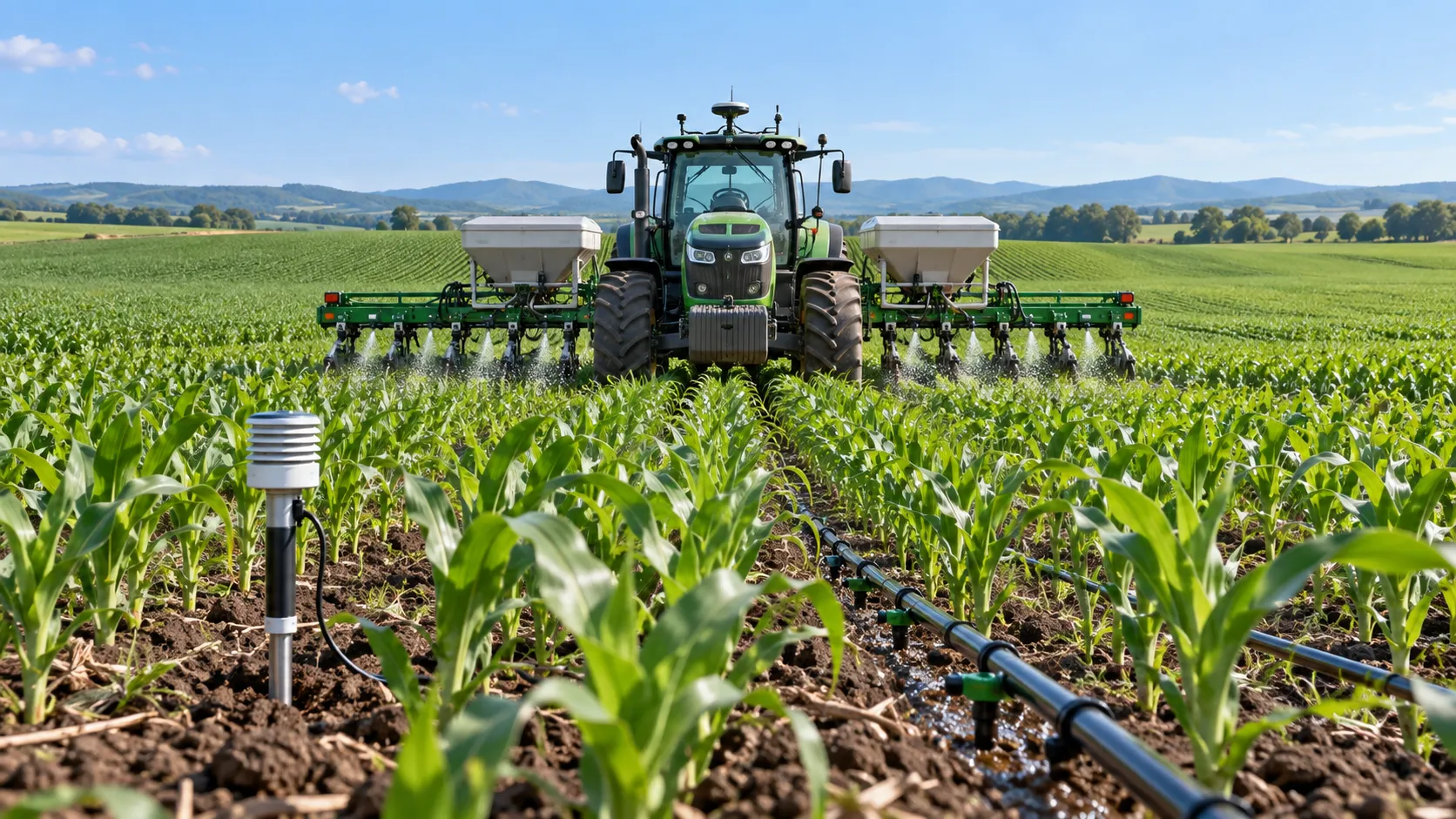
Selecting Precision Farming Products by Application: Field Conditions, Crops, and ROI
Application-based product selection for precision farming: match technology to field conditions, crops, machinery, and ROI for smarter, reliable farm investments.

How to Evaluate Agricultural Product Information Sources for Reliable Farm Decisions
Agricultural product information reference guide: evaluate reliable farm data, verify claims, and make smarter machinery, irrigation, and crop decisions.
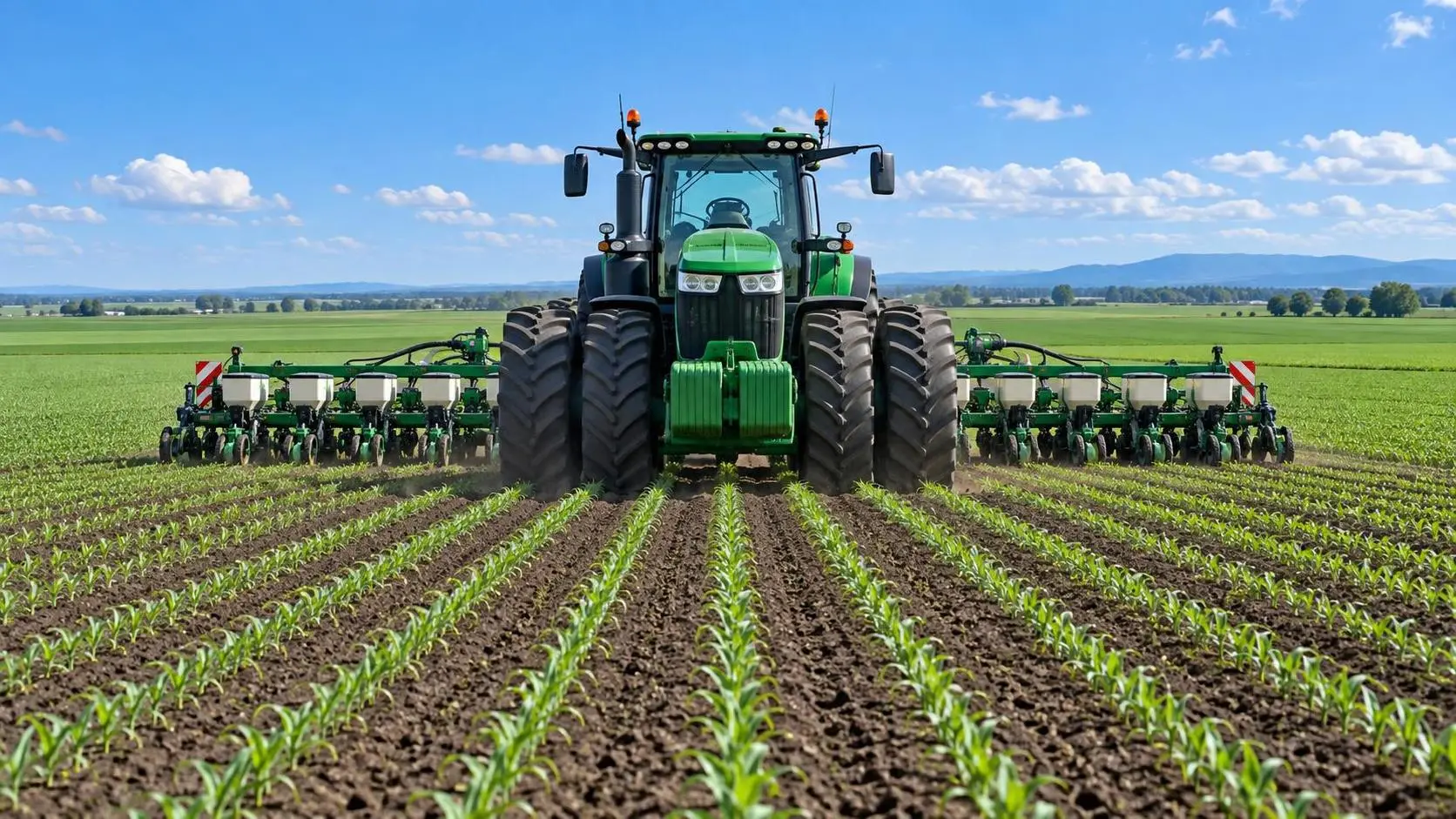
Farm Machinery Guide: Matching Tractor Horsepower and Implements to Farm Size
Farm machinery guide for tractors: match horsepower, implement width, hydraulics, traction, and fleet capacity to farm size for lower costs and reliable field performance.
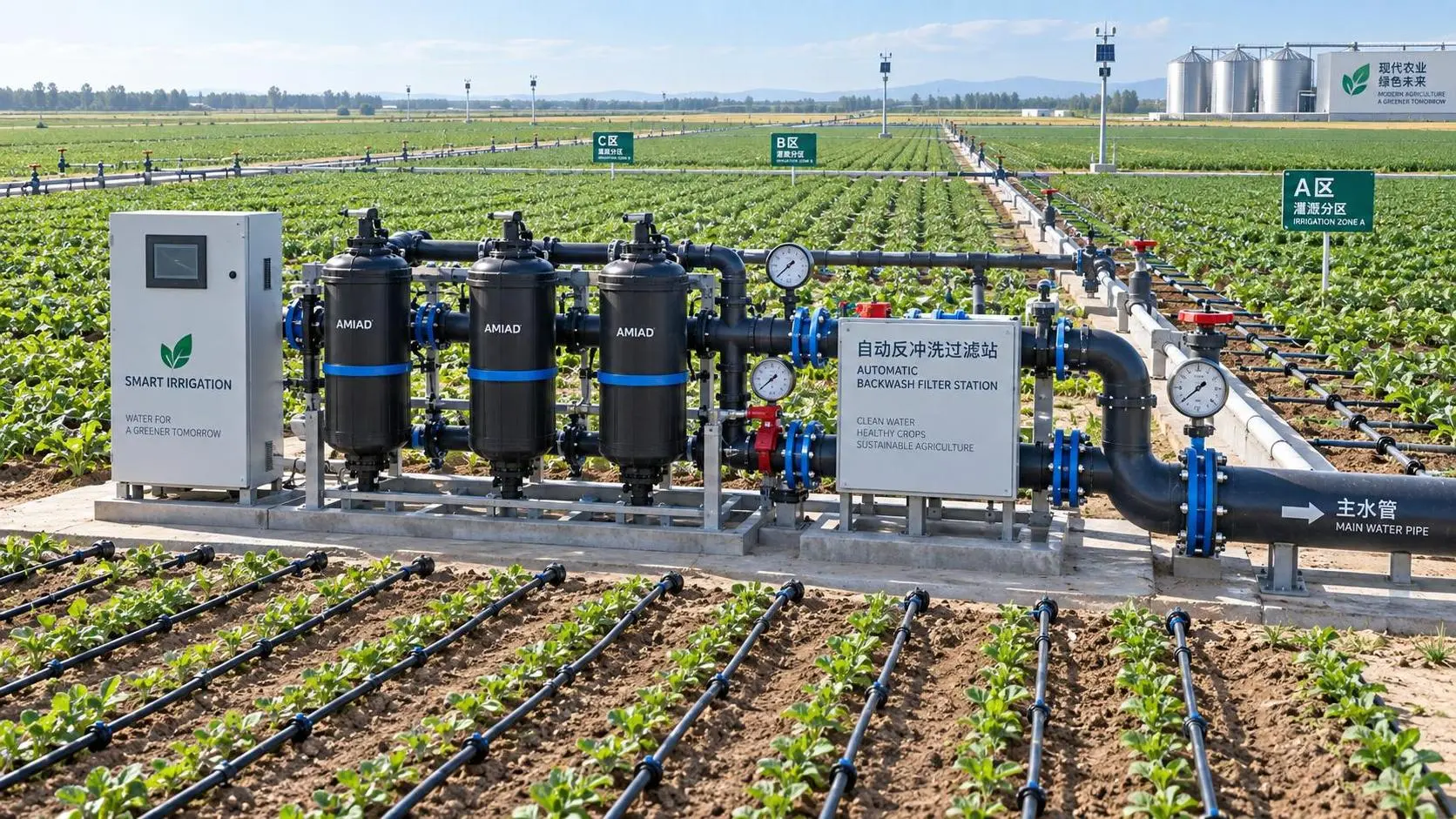
How to Evaluate Drip Irrigation System Manufacturers for Large Farm Projects
Drip irrigation systems manufacturer evaluation guide for large farms: compare hydraulic design, filtration, quality control, scalability, delivery, and support.

Specification Planning: A Practical Framework for Defining Equipment Requirements
Application guidance for specification planning: define measurable equipment requirements, prioritize performance, and avoid costly procurement mistakes.

How North American Farms Can Select Crop Monitoring Systems by Acreage and Connectivity
Crop monitoring systems North America: learn how to match acreage, connectivity, sensors, and data workflows for reliable, actionable farm decisions.
Related News
- 00
0000-00
How North American Farms Can Select Crop Monitoring Systems by Acreage and Connectivity - 00
0000-00
How Tractor Intelligence Systems Improve Field Efficiency and Input Accuracy - 00
0000-00
Which equipment for larger fields maintains accuracy at higher speeds? - 00
0000-00
What should a digital ag platform integrate before a farm-wide rollout? - 00
0000-00
China’s Temporary Helium Export Ban Reshapes Irrigation Supply Chains
Popular Tags
Tractor Power Architect
Weekly Insights
Stay ahead with our curated technology reports delivered every Monday.