
EU CE Rules Tighten for GPS Guidance Systems
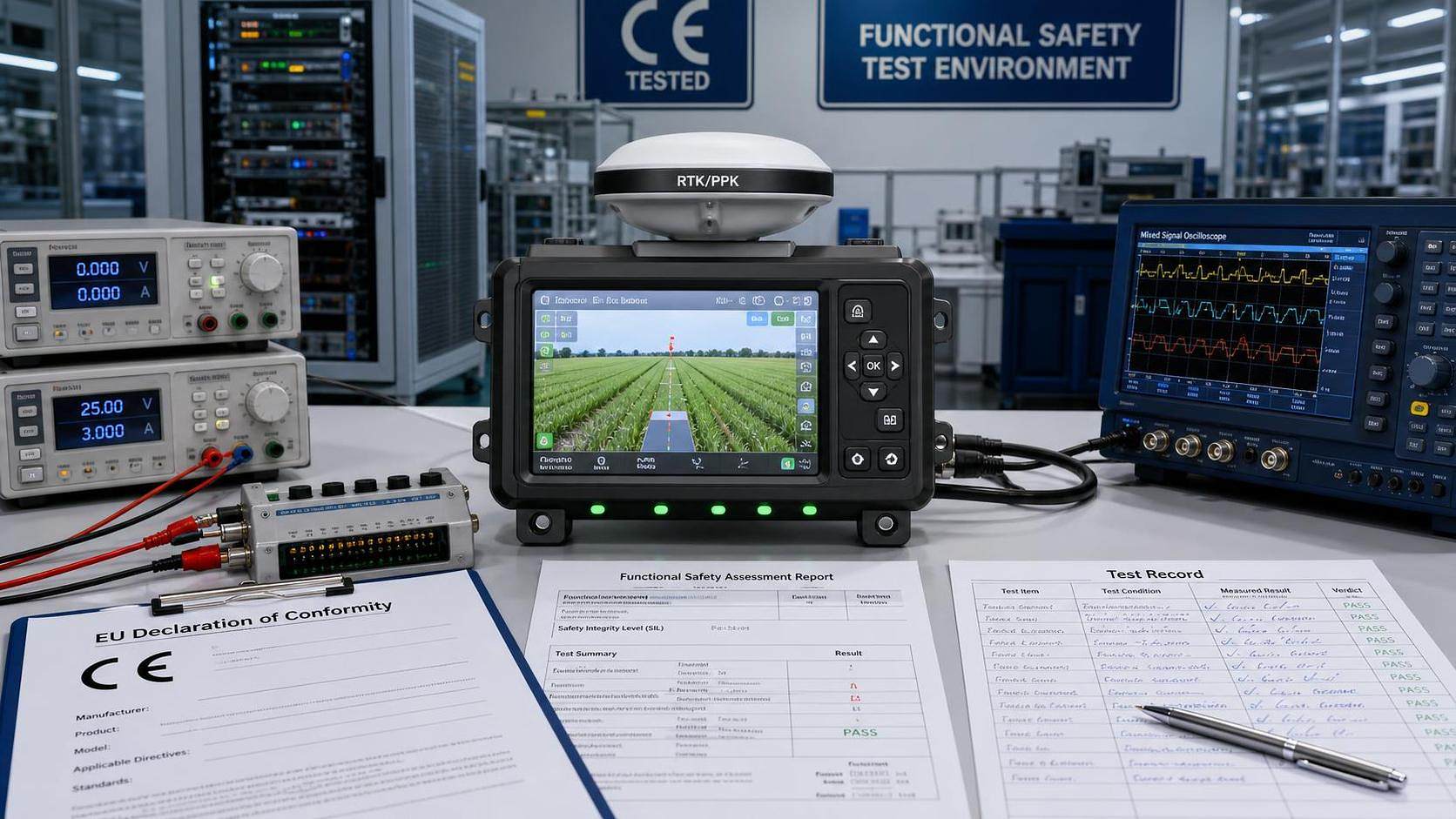




From October 1, 2026, GPS Guidance Systems exported to the EU market, including agricultural navigation systems using RTK/PPK positioning modules, will face a stricter CE compliance threshold. Based on a notice released by TÜV Rheinland on August 4, 2026, these products must complete a functional safety assessment under EN ISO 25119-3:2026 and provide a full ASIL-B failure analysis report. For manufacturers, exporters, and buyers involved in the agricultural machinery supply chain, this is a practical compliance change rather than a routine standards update, because products that do not meet the requirement will not be able to carry the CE mark or enter the EU agricultural machinery supply chain.
What the new requirement explicitly changes
According to the provided information, TÜV Rheinland issued a notice on August 4, 2026 stating that, starting on October 1, 2026, all GPS Guidance Systems exported to the EU market must complete a functional safety assessment in line with EN ISO 25119-3:2026. The requirement also covers agricultural machinery navigation systems equipped with RTK/PPK positioning modules.
The same notice requires a complete ASIL-B level failure analysis report as part of the compliance documentation. The direct consequence described in the source information is that products without the required certification will be unable to apply the CE mark and will not be able to enter the EU agricultural machinery supply chain.
The provided summary also makes clear that the change directly affects the export compliance path of Chinese OEM manufacturers supplying such products to the EU market.
Where the pressure will likely appear first
Export-facing OEM workflows
From an industry perspective, Chinese OEM manufacturers are the most directly exposed group because the requirement is tied to CE market access. The impact is likely to appear first in product certification preparation, technical file readiness, and shipment planning for EU-bound models. What deserves closer attention is whether existing product lines already intended for EU customers can support the new functional safety assessment and the required ASIL-B failure analysis documentation.
EU supply chain entry and customer acceptance
For companies selling into the EU agricultural machinery supply chain, the issue is not only formal certification but also whether products remain acceptable to downstream buyers. If a product cannot carry the CE mark under the updated requirement, the effect reaches beyond testing and into order fulfillment, supplier approval, and customer onboarding processes. Observably, this makes compliance timing a commercial issue as well as a regulatory one.
Component and module integration decisions
Suppliers and integrators working with GPS Guidance Systems that include RTK/PPK positioning modules may also need to pay attention, because the summary explicitly includes those agricultural navigation configurations within scope. The likely business impact is concentrated in product definition, compliance documentation coordination, and evidence collection across system design and failure analysis stages.
What companies should track now
Confirm which exported products fall within scope
Companies should first identify whether their EU-bound GPS Guidance Systems, especially agricultural navigation systems with RTK/PPK positioning modules, fall under the stated requirement. In practice, the key issue is product scope confirmation before certification scheduling or customer commitment decisions are made.
Review documentation readiness against the new assessment path
Analysis shows that the requirement is not limited to a general declaration of conformity. The need for a functional safety assessment under EN ISO 25119-3:2026 and a complete ASIL-B failure analysis report means document readiness becomes a central operational issue. Firms should pay attention to whether current technical records, design evidence, and failure analysis materials are sufficient for the updated review process.
Check delivery commitments tied to CE marking
Where EU orders are already in discussion or under execution, companies should closely review delivery schedules and contract assumptions linked to CE marking. What deserves closer attention is the difference between a policy signal and a shipment gate: once the requirement takes effect, lack of certification is described as a direct barrier to CE marking and supply chain entry.
Keep communication lines open with customers and service partners
For exporters, distributors, and compliance service providers, customer communication will matter because the rule change affects qualification status and market entry timing. A practical near-term focus is how to explain certification status, documentation progress, and possible delivery implications to EU-side customers and procurement teams.
How this should be interpreted at this stage
Observably, this update is best understood as an immediate compliance change with longer-term signaling value. The immediate aspect is clear in the effective date and the stated consequence for CE marking and EU supply chain access. The longer-term signal, as an industry observation rather than a confirmed outcome, is that functional safety expectations for agricultural guidance-related systems are becoming more formalized in market access procedures.
It is more appropriate to understand this as a concrete regulatory threshold already tied to trade execution, while also treating it as a development that still requires ongoing verification in practical application. The current information confirms the requirement and its direct market-access consequence, but further operational interpretation may still depend on how companies, customers, and assessment bodies implement it in specific certification cases.
Why this matters beyond a single notice
At this point, the significance of the update lies in its direct connection to CE marking eligibility for GPS Guidance Systems entering the EU agricultural machinery supply chain. For affected manufacturers and exporters, the issue is less about headline value and more about whether certification, documentation, and delivery arrangements remain aligned with the new requirement from October 1, 2026.
From a neutral industry reading, this should be treated as a confirmed short-term compliance requirement with possible longer-term implications for how agricultural navigation products are prepared for the EU market. It does not yet justify broad conclusions beyond the provided facts, but it clearly warrants close operational attention.
Basis of this article and points for continued verification
This article is based on the user-provided news title, event date, and event summary concerning the EU CE requirement update for GPS Guidance Systems. The confirmed factual basis used here is limited to the stated notice by TÜV Rheinland, the October 1, 2026 effective date, the EN ISO 25119-3:2026 functional safety assessment requirement, the ASIL-B failure analysis report requirement, and the described impact on CE marking and access to the EU agricultural machinery supply chain.
For this type of industry update, source categories typically relevant for follow-up verification include official notices, company announcements, industry association releases, authoritative media reporting, and standard-related documents. A specific official source link was not provided in the input, so continued verification is still necessary. Follow-up attention should focus on any additional official wording, implementation guidance, or related compliance clarifications connected to this requirement.
Related News
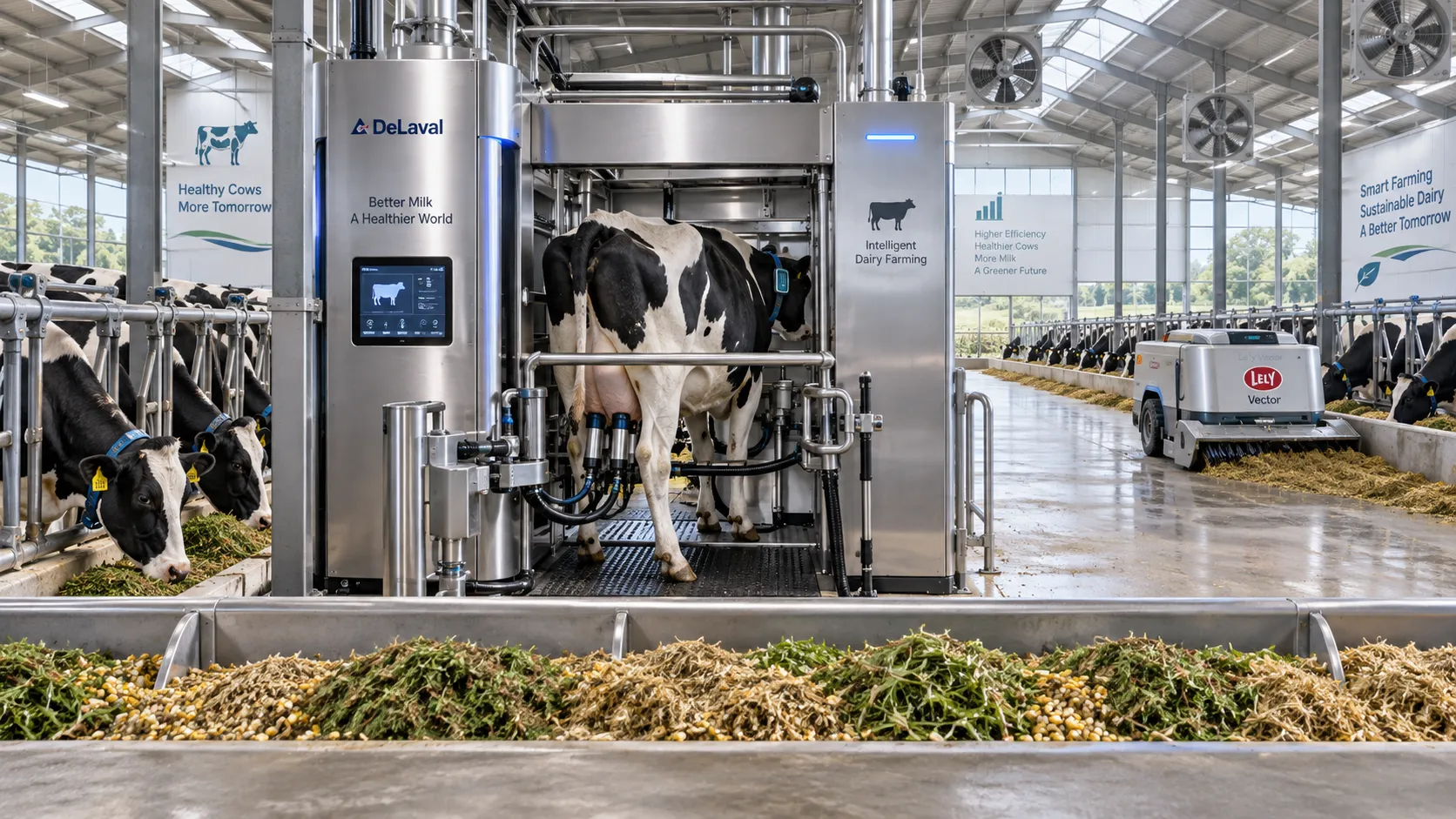
Smart Farming Technology for Dairy Farms: Where Automation Delivers Measurable ROI
Smart farming technology for dairy farms delivers measurable ROI through automation, precision feeding, health monitoring, and data-driven cost control.
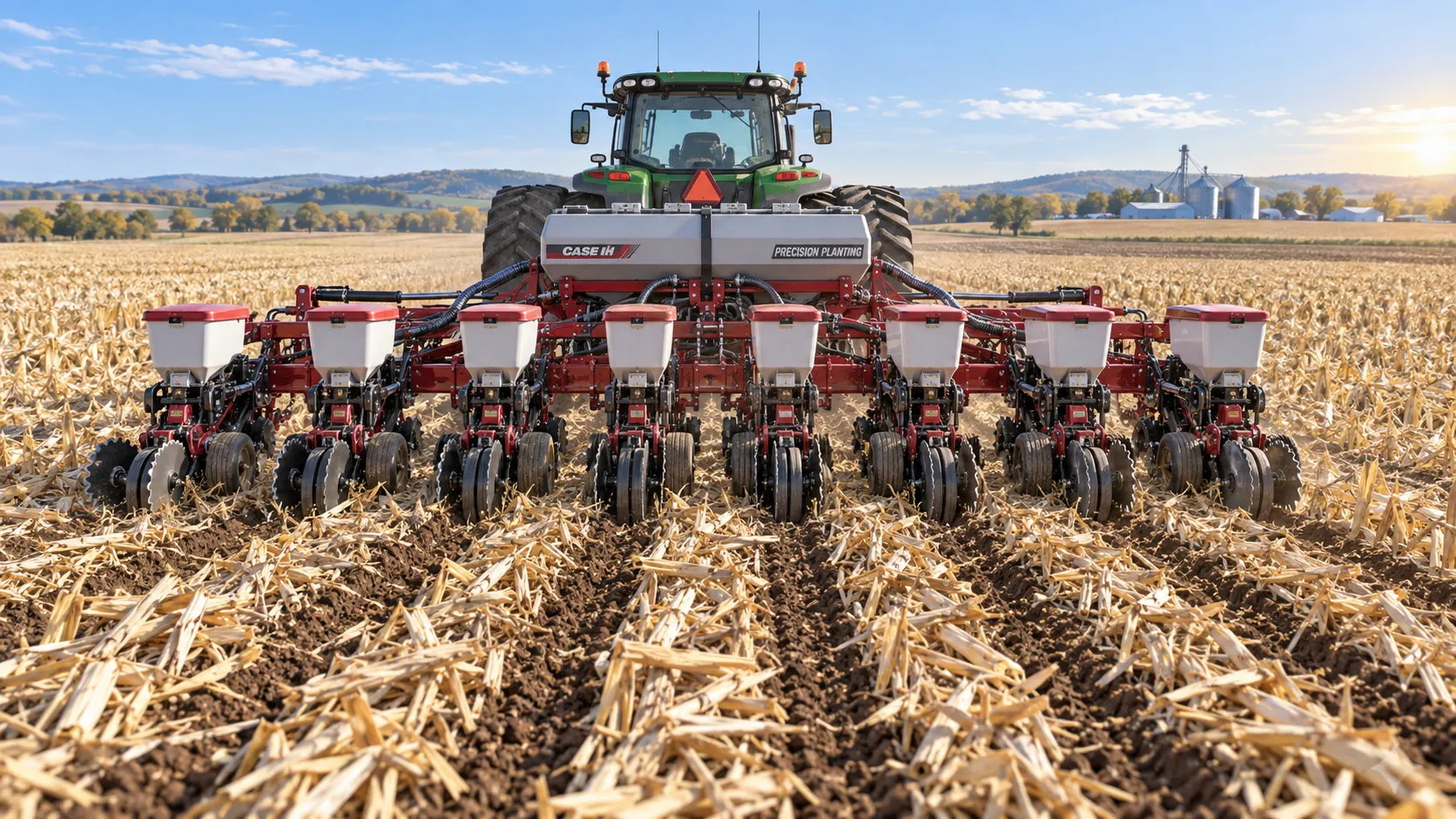
How to Select a Heavy-Duty Seeder for Large Acreage and High-Residue Fields
Heavy duty seeders for large acreage: compare residue handling, depth control, downforce, metering accuracy, and precision features to select the right model.
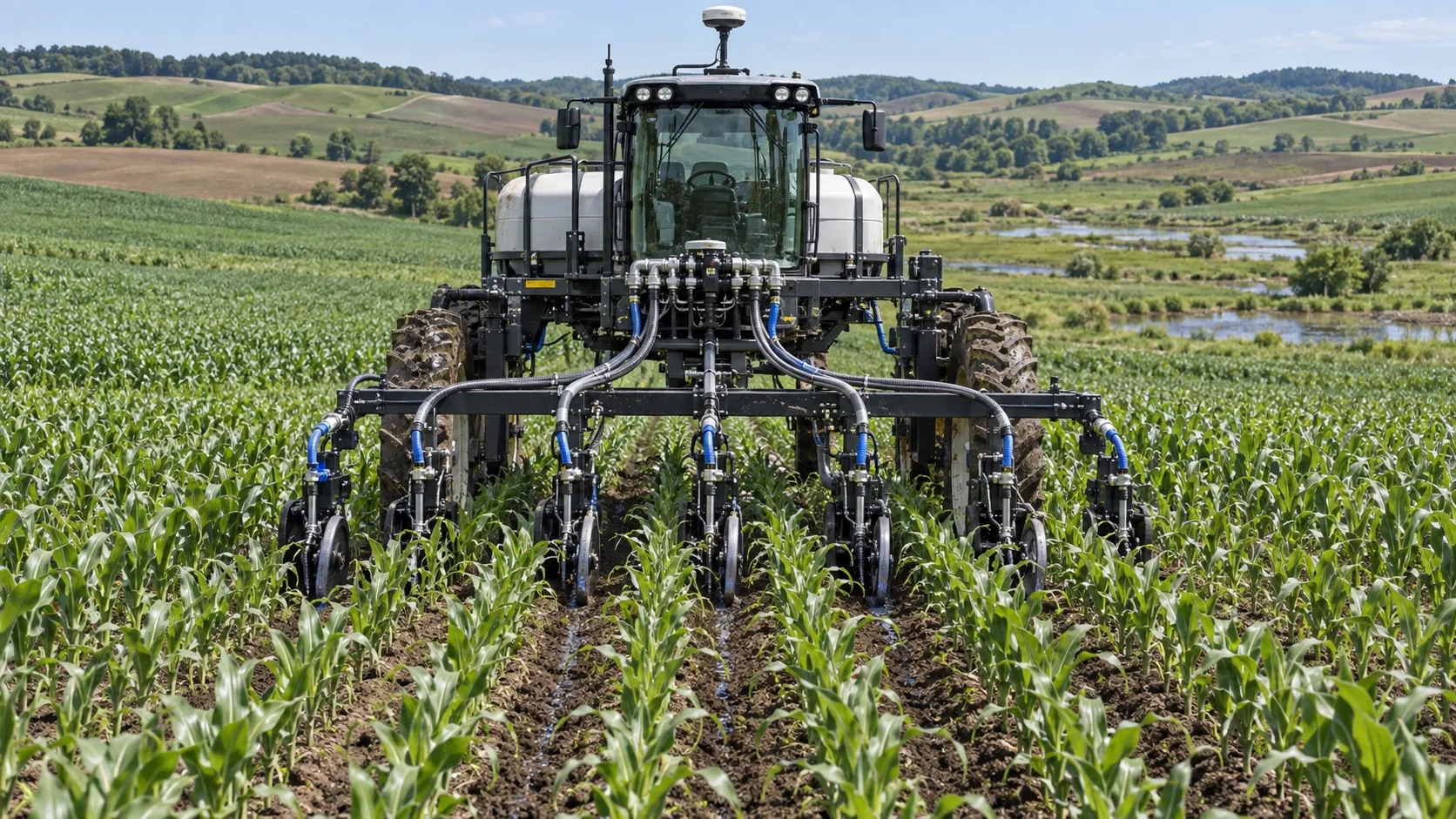
How to Select a Precision Fertilization System for Variable Corn Field Conditions
Precision fertilization systems for corn farming: learn how to match data, placement, control accuracy, and ROI to variable field conditions for better results.
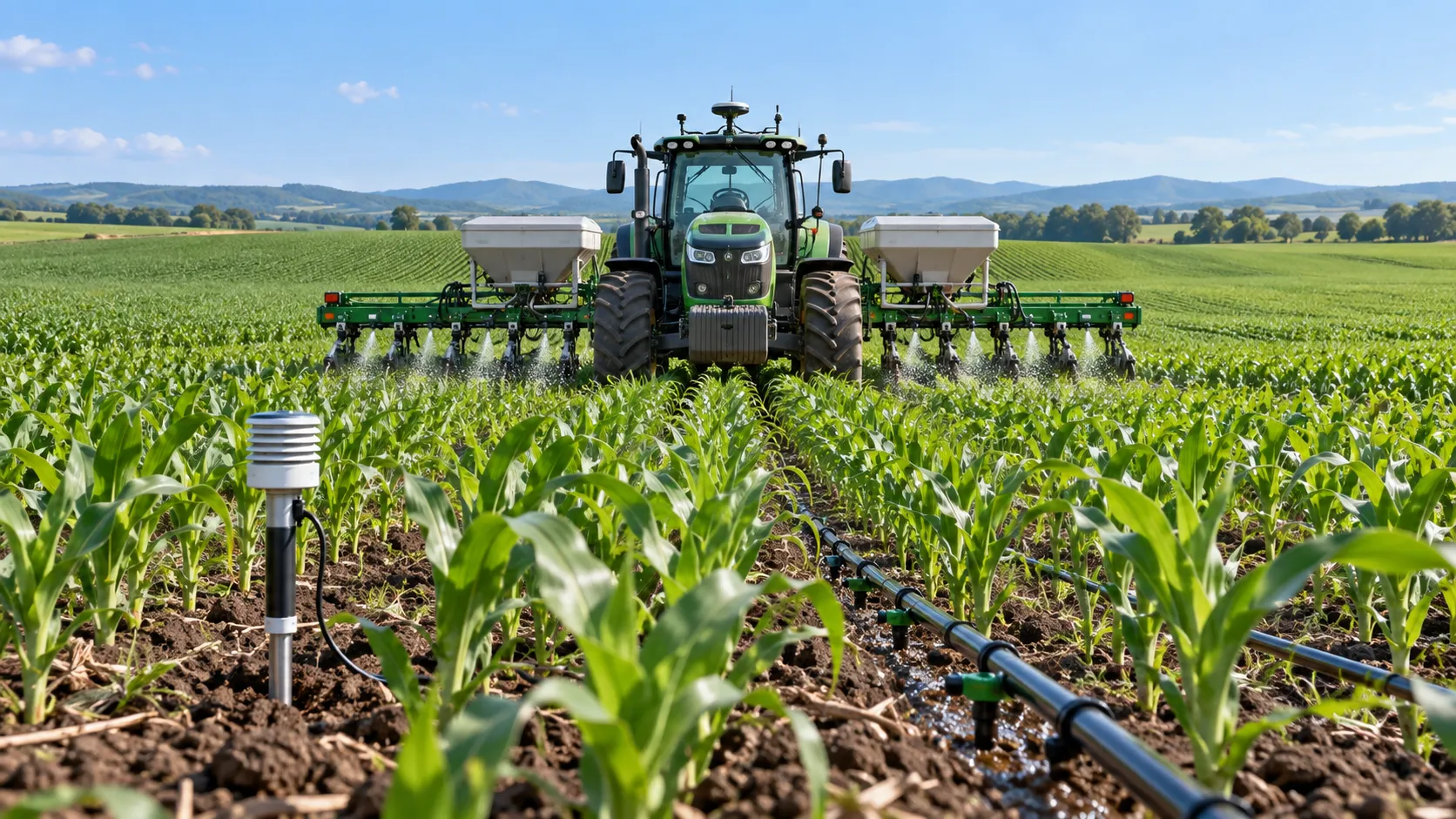
Selecting Precision Farming Products by Application: Field Conditions, Crops, and ROI
Application-based product selection for precision farming: match technology to field conditions, crops, machinery, and ROI for smarter, reliable farm investments.

How to Evaluate Agricultural Product Information Sources for Reliable Farm Decisions
Agricultural product information reference guide: evaluate reliable farm data, verify claims, and make smarter machinery, irrigation, and crop decisions.
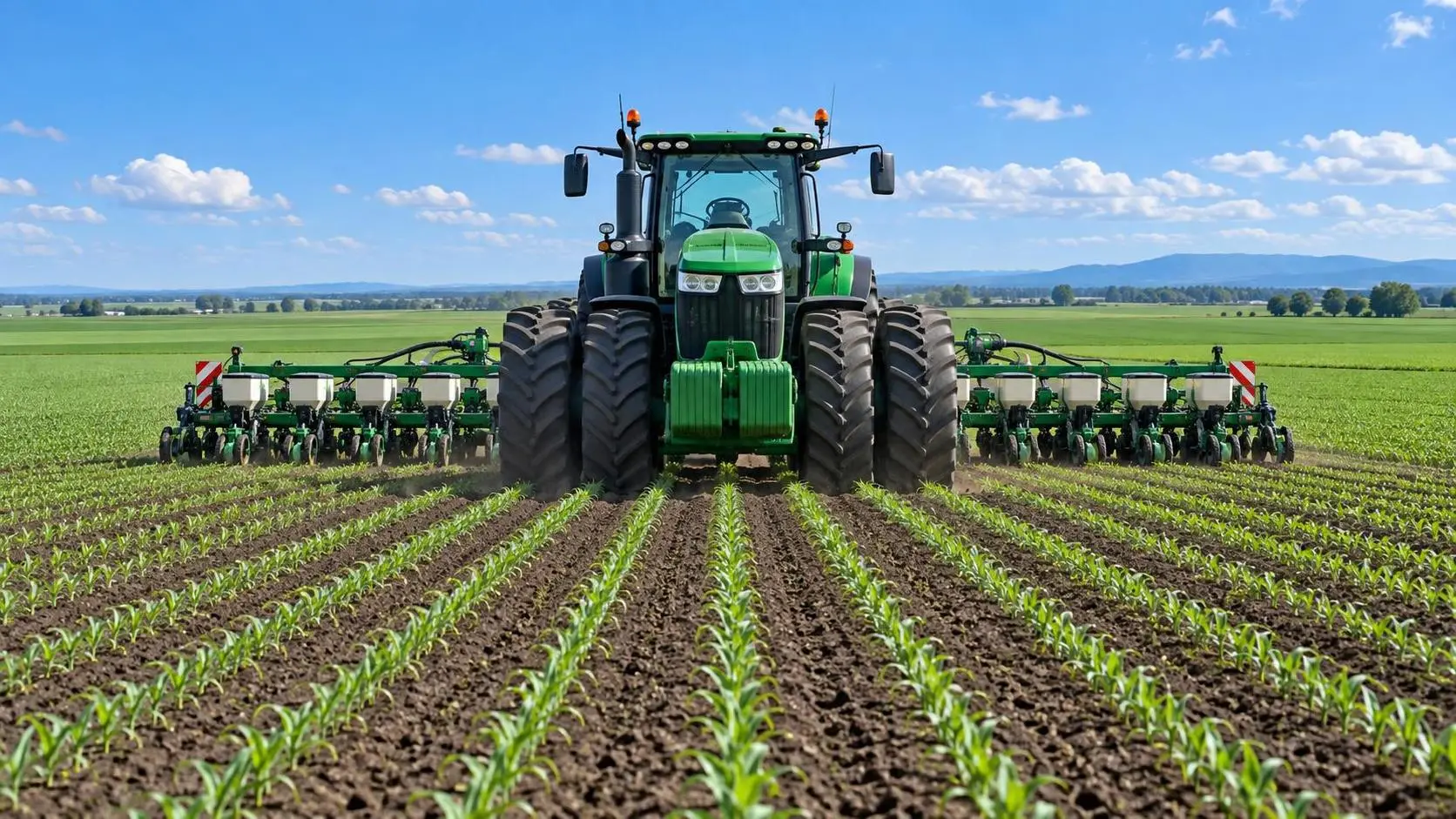
Farm Machinery Guide: Matching Tractor Horsepower and Implements to Farm Size
Farm machinery guide for tractors: match horsepower, implement width, hydraulics, traction, and fleet capacity to farm size for lower costs and reliable field performance.
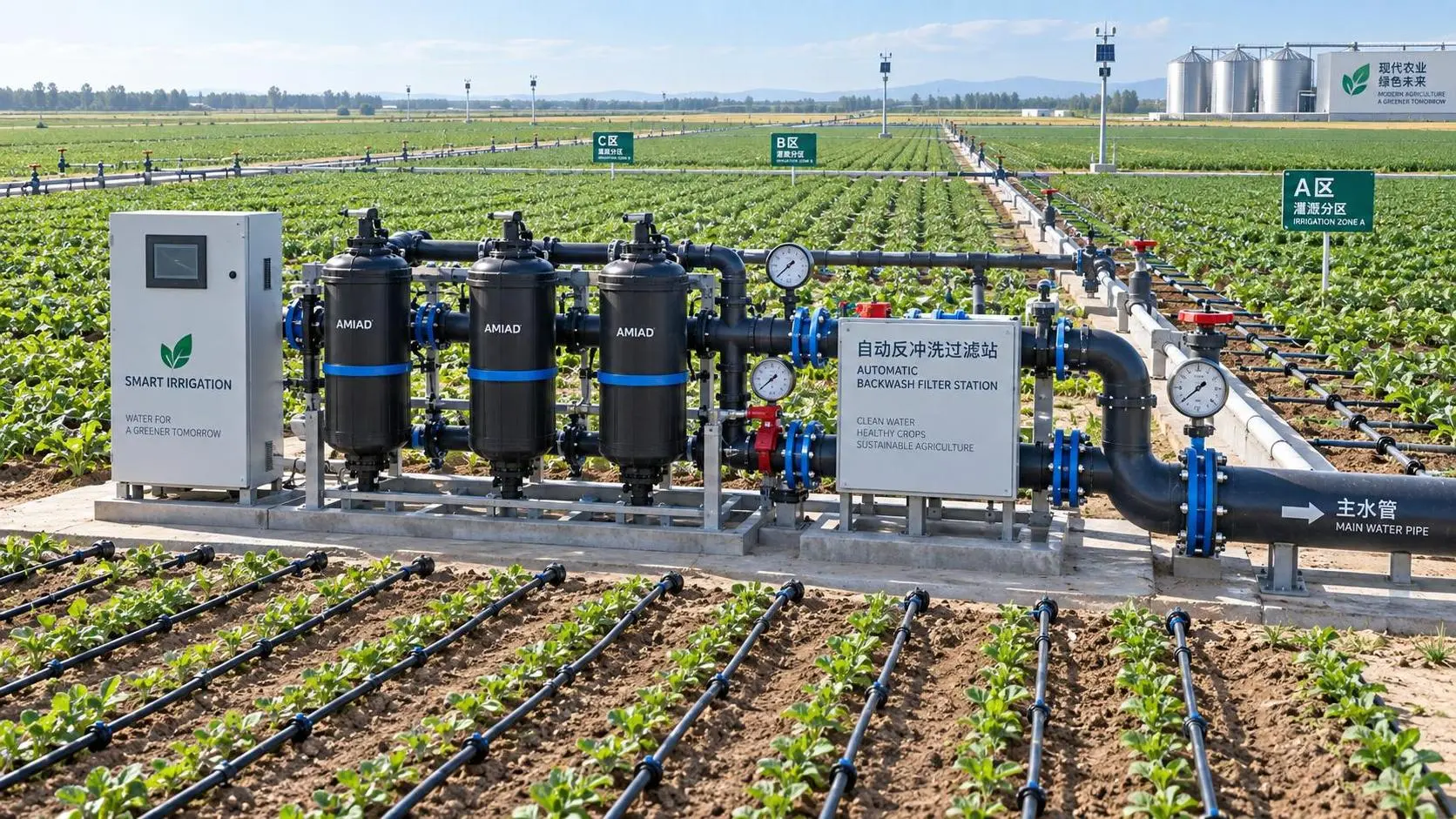
How to Evaluate Drip Irrigation System Manufacturers for Large Farm Projects
Drip irrigation systems manufacturer evaluation guide for large farms: compare hydraulic design, filtration, quality control, scalability, delivery, and support.
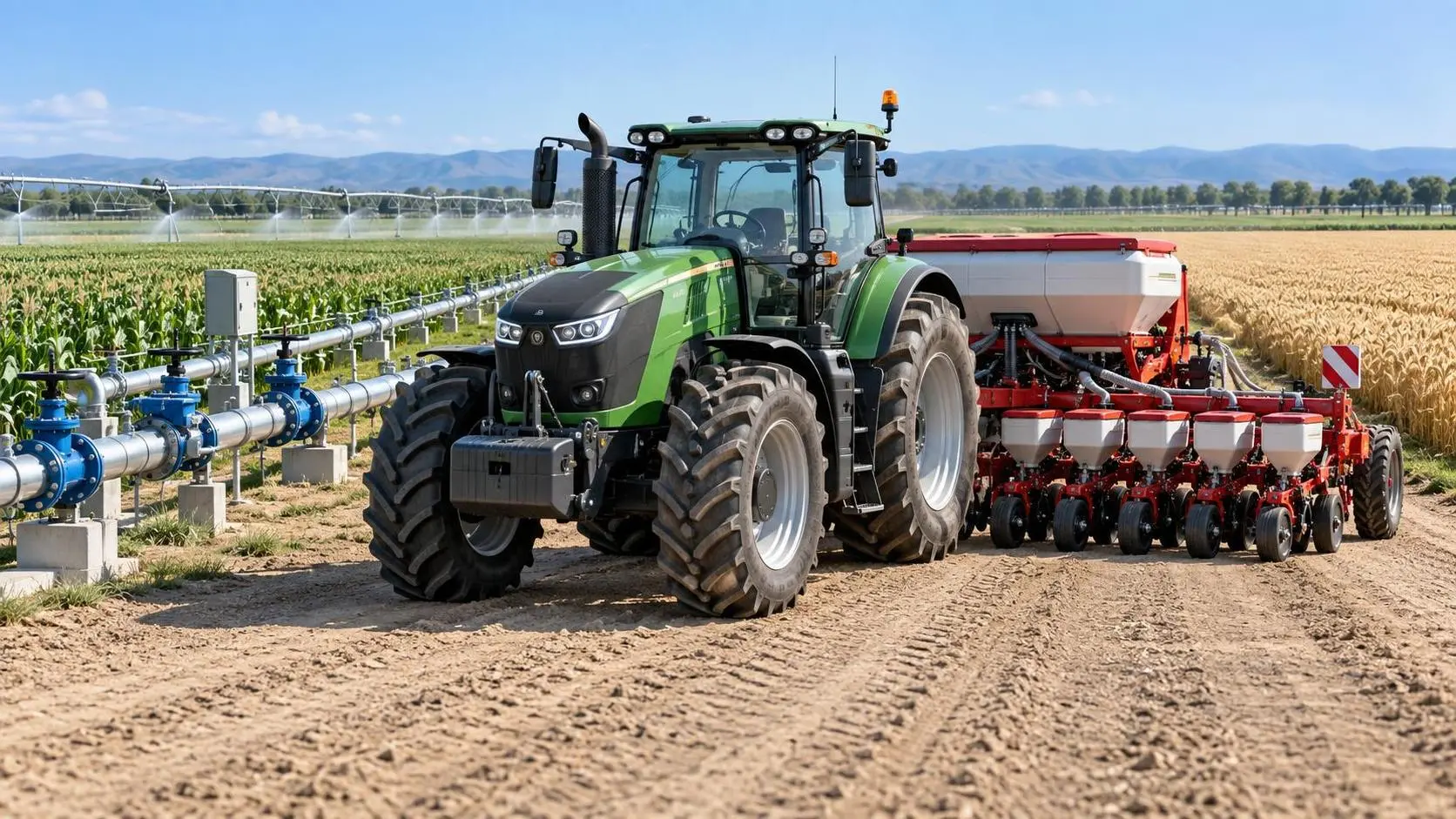
Specification Planning: A Practical Framework for Defining Equipment Requirements
Application guidance for specification planning: define measurable equipment requirements, prioritize performance, and avoid costly procurement mistakes.

How North American Farms Can Select Crop Monitoring Systems by Acreage and Connectivity
Crop monitoring systems North America: learn how to match acreage, connectivity, sensors, and data workflows for reliable, actionable farm decisions.
Related News
- 00
0000-00
How North American Farms Can Select Crop Monitoring Systems by Acreage and Connectivity - 00
0000-00
How Tractor Intelligence Systems Improve Field Efficiency and Input Accuracy - 00
0000-00
Which equipment for larger fields maintains accuracy at higher speeds? - 00
0000-00
What should a digital ag platform integrate before a farm-wide rollout? - 00
0000-00
China’s Temporary Helium Export Ban Reshapes Irrigation Supply Chains
Popular Tags
Tractor Power Architect
Weekly Insights
Stay ahead with our curated technology reports delivered every Monday.