
EU Tightens CE Rules for GPS Guidance Systems





On August 2, 2026, a new EU compliance change took effect for GPS Guidance Systems entering the European market. Under Notice No. 87 of 2026, products in this category, including agricultural navigation systems using RTK or PPP modules, must now pass the upgraded EN IEC 61000-6-4:2026 electromagnetic compatibility interference-resistance test and provide a declaration of conformity issued by an EU notified body (NB). This is worth close industry attention because it affects not only certification, but also customs clearance, export timing, compliance preparation, and delivery planning for companies supplying these products to the EU.
What the rule change now requires
The confirmed change is that EU Notice No. 87 of 2026 became effective on August 2, 2026. It makes the upgraded EN IEC 61000-6-4:2026 EMC anti-interference test mandatory for all GPS Guidance Systems entering the EU market. The scope explicitly includes agricultural navigation systems equipped with RTK or PPP modules. In addition to the upgraded test requirement, these products must be accompanied by a declaration of conformity issued by an EU notified body. The provided event summary also makes clear that products without the updated certificate will not be able to clear customs.
Where the immediate pressure is likely to appear
Export shipments face a stricter entry condition
For exporters, the main impact comes from a changed market-access requirement rather than a routine paperwork update. Because the new rule links product entry to the upgraded EMC test and an NB-issued declaration of conformity, shipment planning, customs documentation, and release schedules may all be affected. Companies sending products to the EU need to pay closer attention to whether existing certification files and shipment documents align with the new requirement before goods are dispatched.
Manufacturers must reassess certification readiness
Manufacturing companies supplying GPS Guidance Systems, especially those offering products with RTK or PPP modules for agricultural use, may be affected at the product qualification stage. The event summary indicates a direct effect on certification pathways, testing cycles, and compliance costs for Chinese exporters. From a practical standpoint, that means technical documentation, test scheduling, and conformity preparation may need to be reviewed before products can continue moving through normal export channels.
Buyers and channel partners may need to revisit delivery assumptions
Importers, distributors, and procurement-side participants may also be affected because the rule change reaches beyond the factory gate. If certification is incomplete under the updated requirement, delivery timing and customs clearance become exposed to compliance risk. What deserves closer attention is whether procurement documents, acceptance conditions, and supply arrangements already reflect the updated CE-related requirements for the covered product scope.
Testing and certification service providers move closer to the transaction timeline
For testing-related and certification-related service providers, the change matters because compliance activity becomes a gating step for market entry. Where products previously moved under earlier certification arrangements, the updated EMC requirement and NB-issued conformity declaration now sit closer to shipment release and customs processing. This may increase the practical importance of documentation completeness, testing coordination, and timing alignment across exporters and service partners.
What companies should review now
Check whether affected product lines fall within the updated scope
Companies should first review whether their GPS Guidance Systems sold into the EU, including agricultural navigation systems with RTK or PPP modules, are covered by the new requirement. This is a basic but necessary compliance screening step, because the rule change is tied to product access to the EU market rather than to a voluntary technical upgrade.
Review certificate status and technical file completeness
Analysis shows that certificate status is now a commercial issue as much as a regulatory one. Businesses should examine whether current certification materials reflect the upgraded EN IEC 61000-6-4:2026 testing requirement and whether the required declaration of conformity from an EU notified body is in place. Where internal files, customer-facing compliance packs, or shipment documents still reflect older versions, that gap could affect export readiness.
Adjust delivery and procurement planning around test and approval timing
Observably, the event summary points to pressure on testing cycles and compliance costs. Companies involved in sales, procurement, and fulfillment should therefore pay attention to whether lead times, order commitments, and dispatch schedules still match the updated certification path. This is not yet a basis for claiming a uniform execution outcome across the market, but it is a clear signal that delivery planning should be checked against compliance timing.
Keep watching for execution language in downstream documents
Because the provided information confirms the rule change but does not provide full operational detail, businesses should continue monitoring how the requirement appears in downstream documents such as customer compliance requests, tender specifications, shipment checklists, and customs-related document reviews. From an industry perspective, the practical burden often becomes visible through how such documents begin to reference updated standards and certification expectations.
Why this looks more like implementation than early policy signaling
This development is more appropriate to understand as an implemented market-entry change rather than a preliminary consultation signal. The effective date is specified, the mandatory test standard is identified, the need for an NB-issued declaration of conformity is stated, and the customs consequence for products lacking the updated certificate is explicit. At the same time, analysis should remain disciplined: the available information does not establish how quickly every participant in the market will align, nor does it define the exact execution approach across all commercial scenarios. That is why continued observation of enforcement wording, certification practice, and transaction-level feedback remains necessary.
How the market should read this change at this stage
At this stage, the clearest takeaway is that the EU requirement has moved from technical expectation into an entry condition for covered GPS Guidance Systems. The event should be read less as a broad policy narrative and more as a concrete compliance trigger affecting certification workflow, customs readiness, and shipment execution. A neutral reading is appropriate: the rule change is already in force, but the full market response will depend on how quickly exporters, buyers, and certification participants adapt their documents, schedules, and approval processes.
Basis of this article and what still needs verification
This article is based on the user-provided news title, event date, and event summary. For events of this kind, commonly relevant source types include official notices, regulator publications, customs or trade administration information, industry association updates, standards documentation, and reporting by authoritative trade media. A specific official source link was not provided in the input, so it still needs to be verified on an ongoing basis. Further observation is also needed regarding implementation detail, certification interpretation, tender document changes, market feedback, and how affected companies carry the requirement into actual export and delivery practice.
Related News

Selecting Precision Farming Products by Application: Field Conditions, Crops, and ROI
Application-based product selection for precision farming: match technology to field conditions, crops, machinery, and ROI for smarter, reliable farm investments.

How to Evaluate Agricultural Product Information Sources for Reliable Farm Decisions
Agricultural product information reference guide: evaluate reliable farm data, verify claims, and make smarter machinery, irrigation, and crop decisions.

Farm Machinery Guide: Matching Tractor Horsepower and Implements to Farm Size
Farm machinery guide for tractors: match horsepower, implement width, hydraulics, traction, and fleet capacity to farm size for lower costs and reliable field performance.
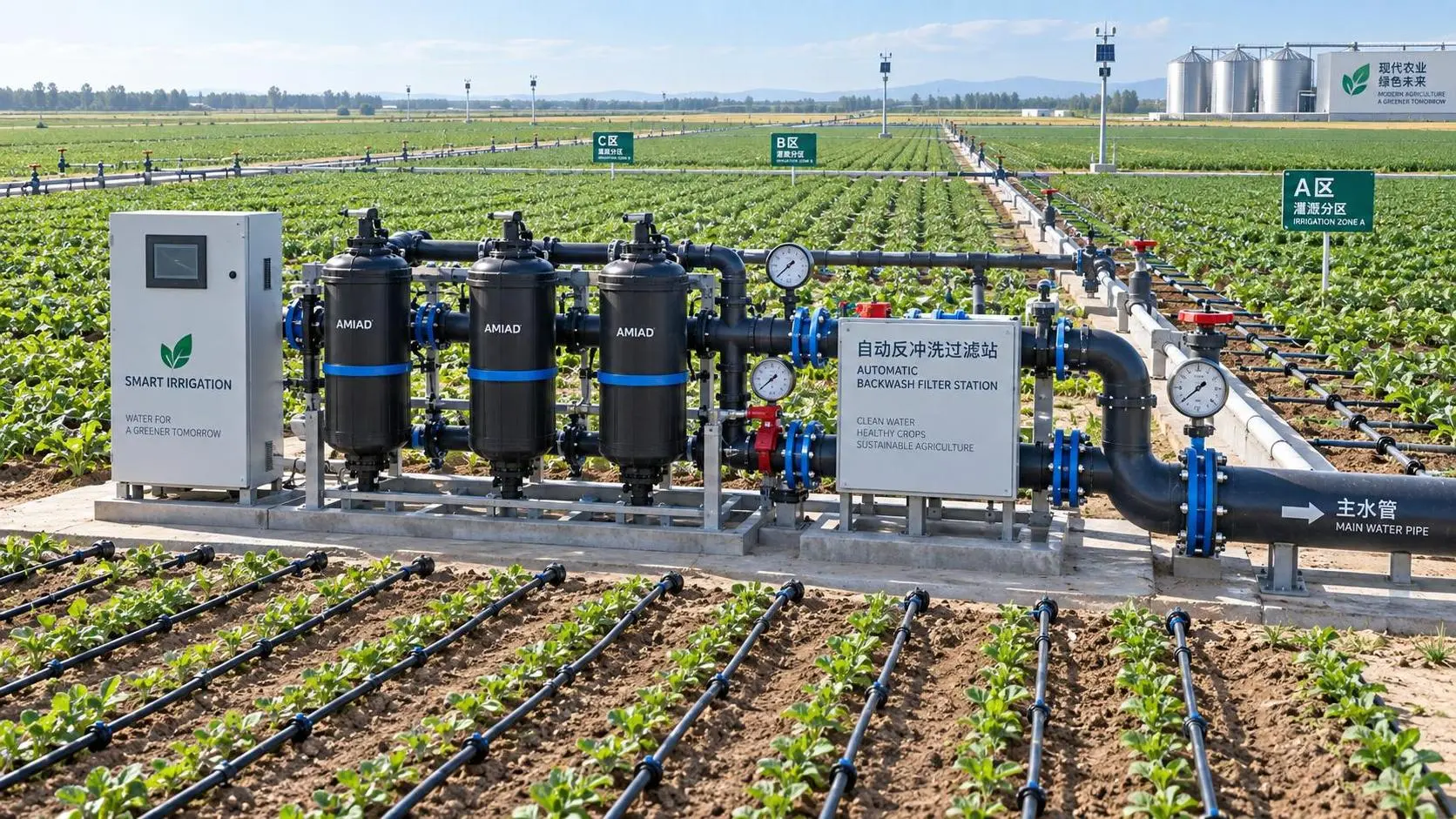
How to Evaluate Drip Irrigation System Manufacturers for Large Farm Projects
Drip irrigation systems manufacturer evaluation guide for large farms: compare hydraulic design, filtration, quality control, scalability, delivery, and support.

Specification Planning: A Practical Framework for Defining Equipment Requirements
Application guidance for specification planning: define measurable equipment requirements, prioritize performance, and avoid costly procurement mistakes.

How North American Farms Can Select Crop Monitoring Systems by Acreage and Connectivity
Crop monitoring systems North America: learn how to match acreage, connectivity, sensors, and data workflows for reliable, actionable farm decisions.

Where to Find Reliable Product Information for Comparing Farm Equipment
Product information resources agriculture buyers can trust: compare farm equipment with technical specs, manuals, field data, dealer support, and lifecycle insights.
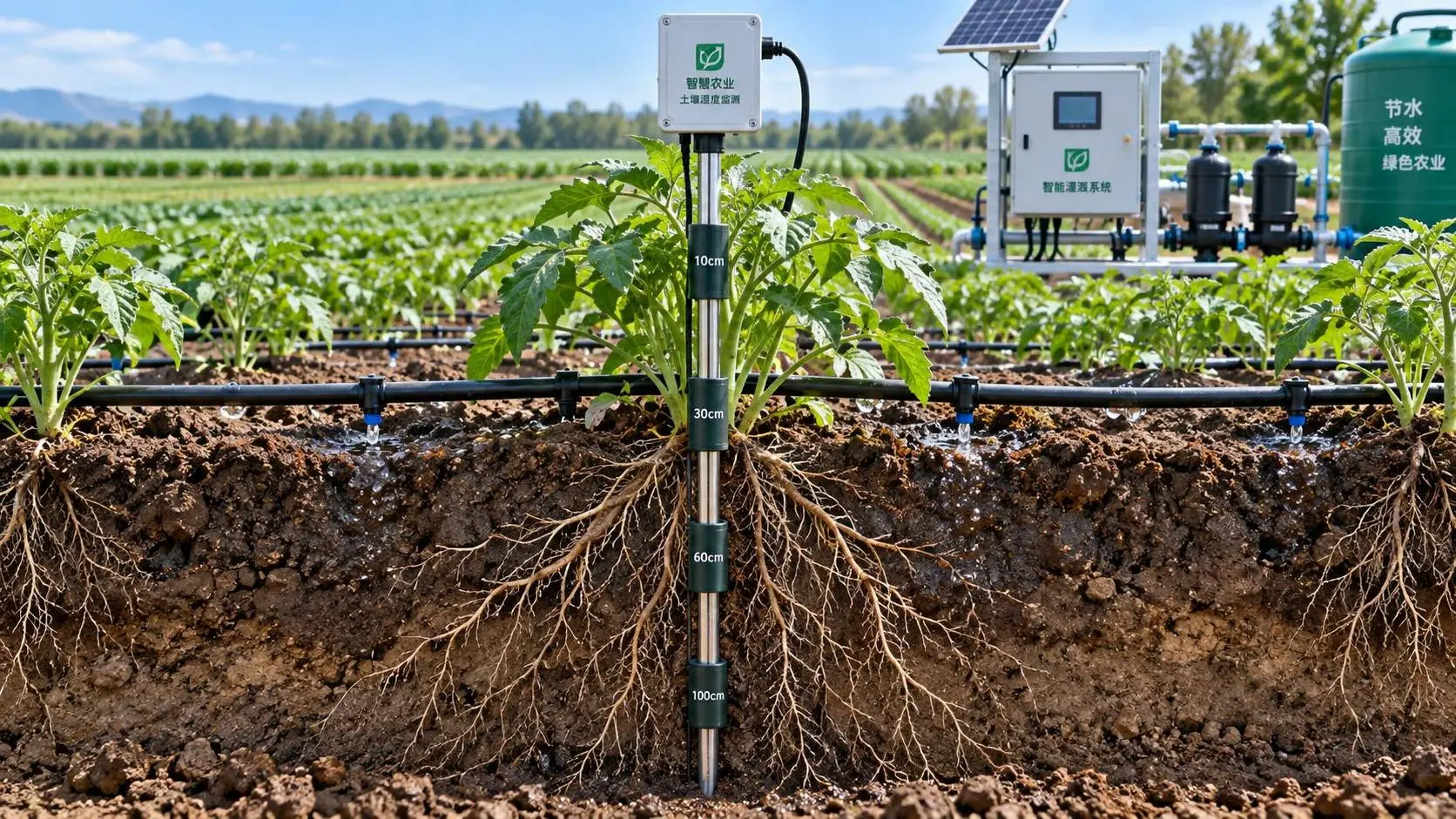
Selecting Real-Time Soil Moisture Sensors for Irrigation Zone Control
Soil moisture sensors real time: learn how to select reliable probes, optimize zone control, improve irrigation decisions, and scale precision water management.
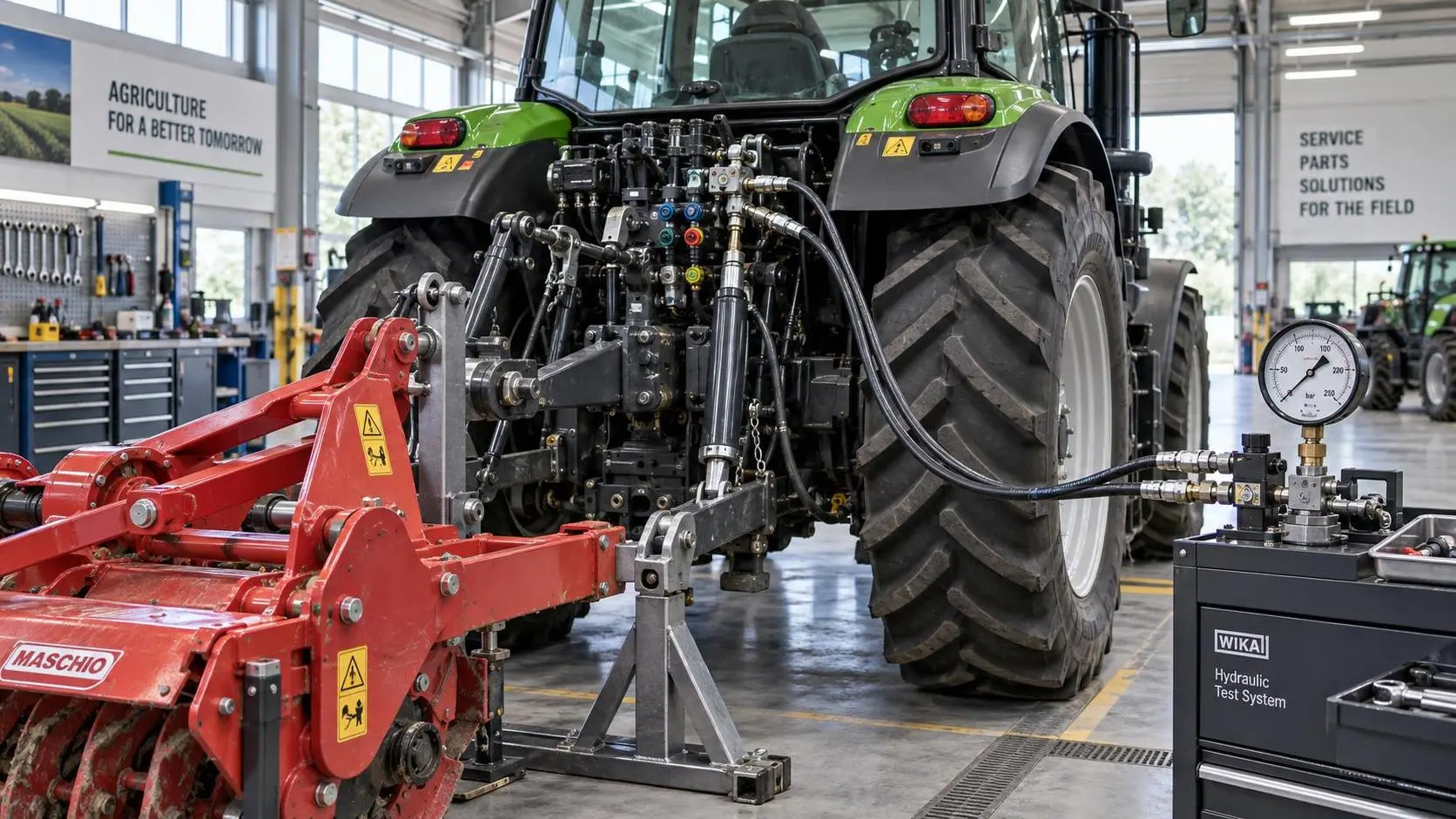
Tractor Hydraulic Systems Troubleshooting: Diagnosing Weak Lift and Slow Implements
Tractor hydraulic systems troubleshooting made practical: diagnose weak lifts and slow implements with proven pressure, flow, valve, and oil-supply checks.
Related News
- 00
0000-00
How North American Farms Can Select Crop Monitoring Systems by Acreage and Connectivity - 00
0000-00
How Tractor Intelligence Systems Improve Field Efficiency and Input Accuracy - 00
0000-00
What should a digital ag platform integrate before a farm-wide rollout? - 00
0000-00
China’s Temporary Helium Export Ban Reshapes Irrigation Supply Chains - 00
0000-00
Tianjin to Host 2026 China Farm Machinery Expo
Popular Tags
Tractor Power Architect
Weekly Insights
Stay ahead with our curated technology reports delivered every Monday.