
EU Updates CE Guide for GPS Guidance Systems





On July 29, 2026, the European Commission updated its implementation guide for CE compliance in smart agricultural equipment and set a new testing threshold for GPS Guidance Systems exported to the EU. From October 1, 2026, products including RTK and PPP correction modules must pass both electromagnetic compatibility and field dynamic positioning accuracy type tests under the revised EN ISO 19880-2:2026 standard. This is worth close attention because it does not only change a technical checklist; it also affects certification timing, component selection, export readiness, and delivery planning for manufacturers and related service providers.
What the revised guide now requires
The confirmed change is that the European Commission updated the Agricultural Smart Equipment CE Compliance Implementation Guide on July 29, 2026. Under that update, all GPS Guidance Systems exported to the EU, including products with RTK or PPP correction modules, must complete mandatory type testing in accordance with the revised EN ISO 19880-2:2026 starting on October 1, 2026.
The required testing covers two items: electromagnetic compatibility (EMC) and field dynamic positioning accuracy. The revised standard also adds explicit requirements for anti-interference capability under multi-band GNSS signals and for position drift in agricultural operating scenarios, with a hard limit of no more than 2 cm within 0.5 seconds.
The event summary further indicates that this change directly affects certification cycle length and bill-of-materials cost for Chinese manufacturers.
Where the pressure is likely to appear first
Export programs facing a narrower compliance window
From an industry perspective, exporters of GPS Guidance Systems are likely to feel the impact first because the new guide ties EU market access more directly to completion of the revised test requirements. The main pressure points are likely to sit in pre-shipment compliance review, certification scheduling, and product release timing. What deserves closer attention is whether existing technical files, declarations, and supporting test materials align with the revised standard before goods move into final delivery planning.
Manufacturing teams may need to revisit component choices
Analysis shows that manufacturers may need to review hardware design and component selection where EMC performance and multi-band GNSS anti-interference capability are relevant to compliance outcomes. The practical impact is not limited to testing alone; it can also extend to BOM decisions, validation sequencing, and engineering sign-off for products intended for the EU market.
Certification and testing service providers will sit closer to delivery risk
Certification-related firms and testing institutions may become a key operational bottleneck because the rule change introduces mandatory type tests tied to a specific implementation date. For companies depending on third-party verification, the immediate concern is not only access to testing capacity, but also the consistency of reports, technical documentation, and compliance evidence used in export and customer review processes.
Buyers and channel partners may tighten document checks
Observably, procurement teams, distributors, and downstream channel partners may place greater weight on proof of conformity, updated test reports, and technical documentation before accepting shipments or finalizing supply arrangements. In practice, this means the compliance effect may flow beyond the factory and into order confirmation, delivery commitments, and after-sales traceability requirements.
What companies should watch now
Check whether current certification files still match the revised standard
Analysis shows that companies shipping affected products to the EU should first examine whether existing CE compliance materials remain usable after the guide update. This includes reviewing the coverage of EMC evidence, positioning performance verification, and technical documentation related to RTK or PPP correction modules where applicable.
Review delivery schedules against the October 1 effective date
What deserves closer attention is the timing gap between the publication date and the mandatory implementation date. Where products are already in export planning, companies may need to reassess certification sequencing, shipment readiness, and customer delivery commitments in light of the new type-test requirement. The input does not provide detailed enforcement procedures, so this should be treated as a compliance planning issue rather than a confirmed execution outcome.
Prepare for specification and procurement adjustments
Observably, the new anti-interference and dynamic drift requirements may push companies to recheck component specifications, validation plans, and supplier materials that support technical claims. For procurement and supply-chain teams, the practical issue is whether sourced modules and related parts can support the revised compliance path without disrupting cost control or planned lead times.
Track how the new requirement appears in customer-facing documents
From an industry perspective, companies should also watch for changes in tender documents, product qualification requirements, customer audit questions, and after-sales documentation requests. The current information confirms the new testing obligation, but it does not define every downstream document practice, so continued monitoring remains necessary.
How this change should be read at this stage
Observably, this is more than a policy signal and less than a fully transparent execution picture. The implementation date is explicit, the affected product scope is identified, and the mandatory tests are named, which makes this closer to a rule landing than a preliminary consultation signal. At the same time, analysis shows that the market still needs to watch how certification interpretation, documentation expectations, and transaction-level checks develop in practice after the effective date.
It is more appropriate to understand this as an actionable compliance change with follow-on execution details still worth monitoring, rather than as a distant standards update with no immediate operational effect.
A practical reading for the market
The core significance of this update is that CE access for GPS Guidance Systems in the EU is now tied more directly to revised testing under EN ISO 19880-2:2026, including stricter requirements on EMC, GNSS anti-interference performance, and field dynamic positioning behavior. For manufacturers, exporters, certification service providers, and buyers, the issue is not only whether the rule exists, but how quickly compliance materials, testing plans, procurement choices, and delivery schedules can be aligned with it.
At this stage, the most balanced reading is that the change should be treated as a concrete market-entry requirement with immediate planning relevance, while some aspects of implementation practice still require continued observation.
Basis of this article and points for further verification
This article is generated on the basis of the user-provided news title, event date, and event summary. For this type of development, commonly relevant source categories may include official notices, releases from regulatory authorities, trade or customs authorities, industry association communications, standard-setting documents, and reporting by authoritative media.
No specific official source link was provided in the input, so the exact official link still needs to be verified on an ongoing basis. Observably, the areas that remain worth tracking include detailed policy wording, certification enforcement interpretation, changes in tender and procurement documents, market feedback, and how affected companies implement the new requirement in practice.
Related News

Specification Planning: A Practical Framework for Defining Equipment Requirements
Application guidance for specification planning: define measurable equipment requirements, prioritize performance, and avoid costly procurement mistakes.

How North American Farms Can Select Crop Monitoring Systems by Acreage and Connectivity
Crop monitoring systems North America: learn how to match acreage, connectivity, sensors, and data workflows for reliable, actionable farm decisions.

Where to Find Reliable Product Information for Comparing Farm Equipment
Product information resources agriculture buyers can trust: compare farm equipment with technical specs, manuals, field data, dealer support, and lifecycle insights.
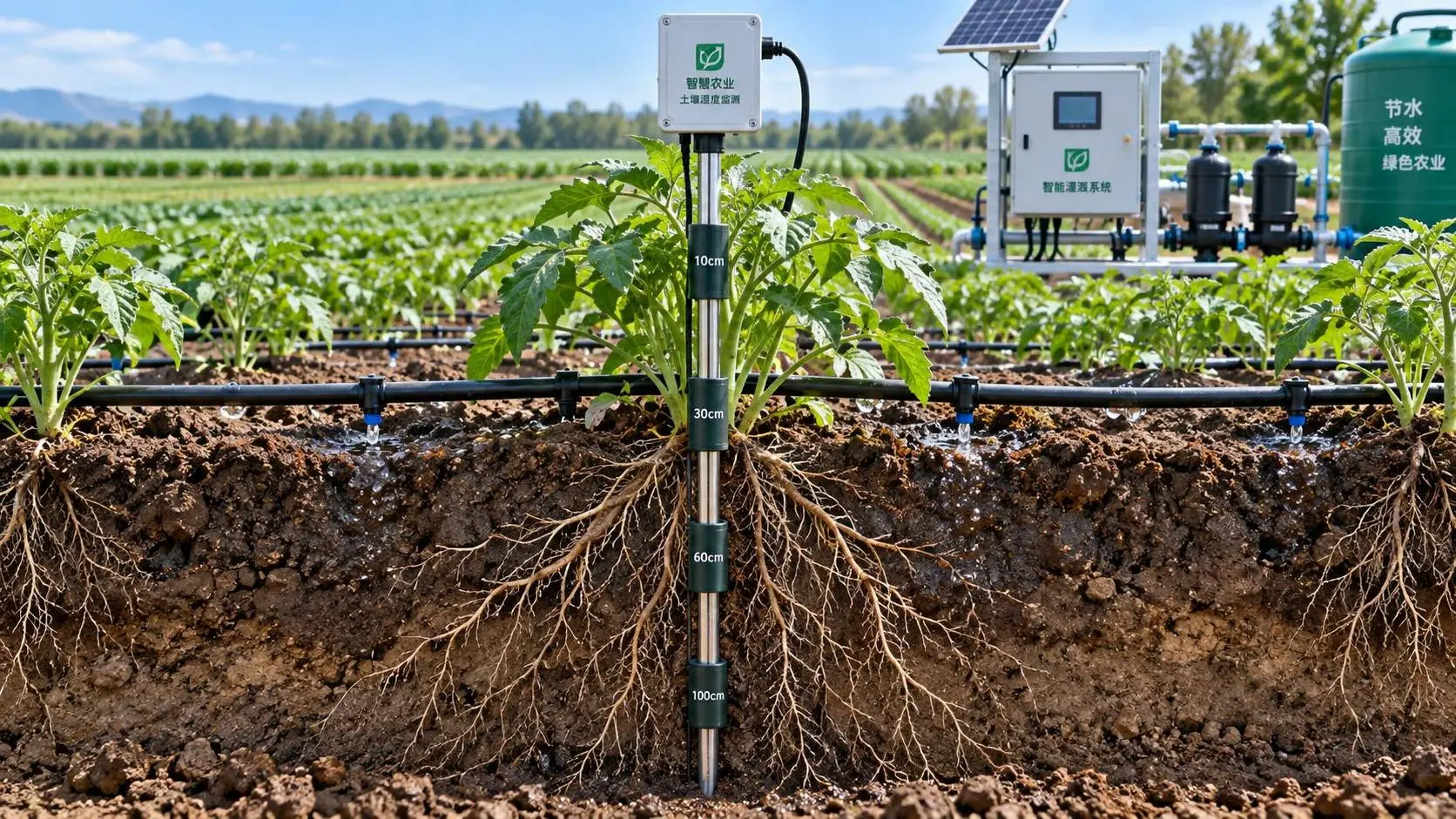
Selecting Real-Time Soil Moisture Sensors for Irrigation Zone Control
Soil moisture sensors real time: learn how to select reliable probes, optimize zone control, improve irrigation decisions, and scale precision water management.

Tractor Hydraulic Systems Troubleshooting: Diagnosing Weak Lift and Slow Implements
Tractor hydraulic systems troubleshooting made practical: diagnose weak lifts and slow implements with proven pressure, flow, valve, and oil-supply checks.

How Tractor Intelligence Systems Improve Field Efficiency and Input Accuracy
Agricultural machinery intelligence for tractors improves field efficiency, input accuracy, data traceability, and implement control. Explore smarter evaluation strategies.

How to Evaluate Crop Monitoring System Manufacturers for Large-Scale Farms
Compare crop monitoring systems manufacturers for large-scale farms. Evaluate data quality, integration, durability, lifecycle costs, support, and pilots for smarter decisions.
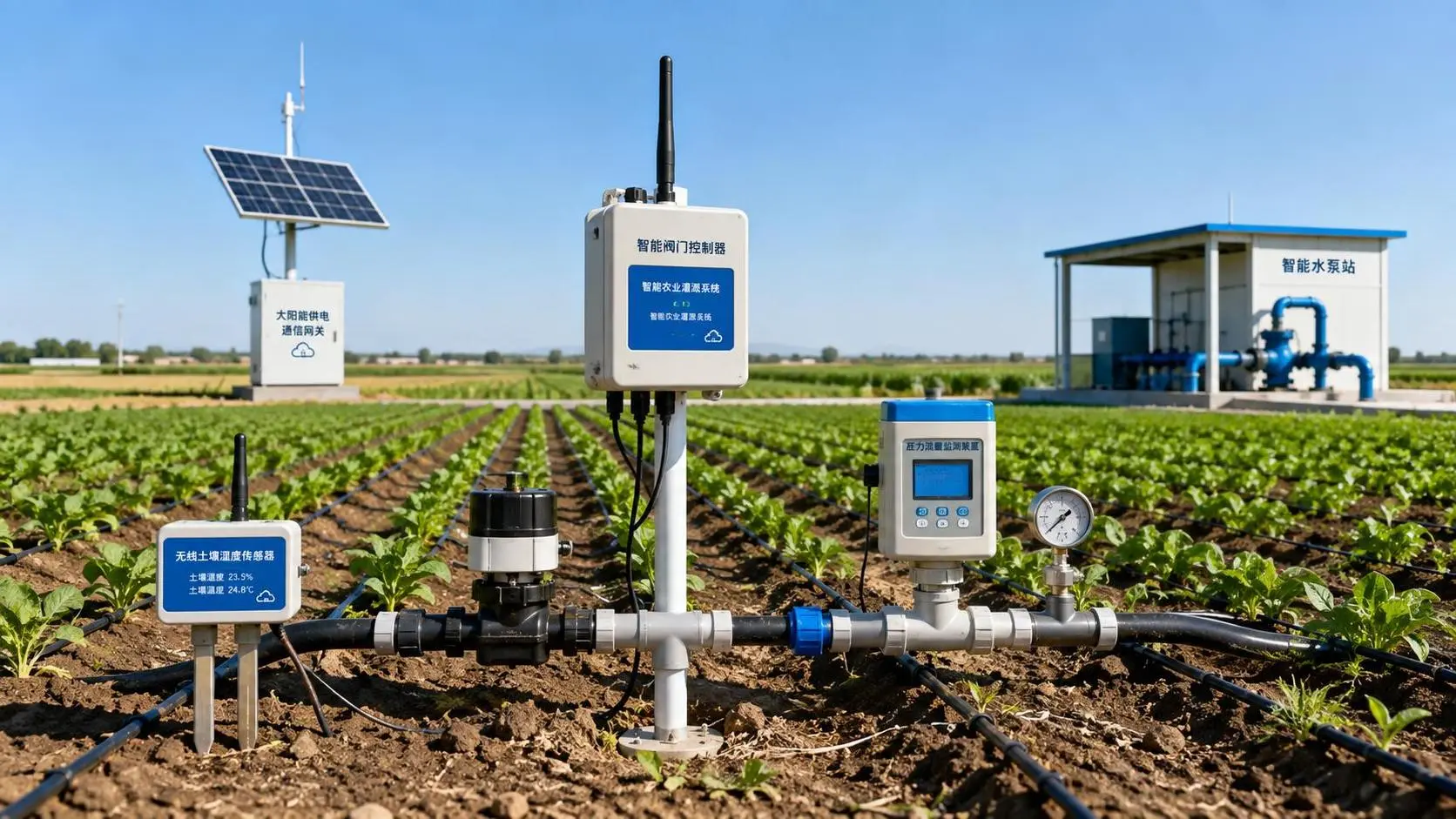
Wireless Agricultural Automation for Remote Irrigation and Field Monitoring
Agricultural automation wireless solutions improve remote irrigation with reliable field data, local control, flow verification, and smarter monitoring. Explore resilient deployment strategies.

Agricultural Product Information Market Guide: Key Data for Sourcing Decisions
Agricultural product information market guide for smarter sourcing—compare machinery, irrigation, precision tools, lifecycle costs, and supplier risk.
Related News
- 00
0000-00
How North American Farms Can Select Crop Monitoring Systems by Acreage and Connectivity - 00
0000-00
How Tractor Intelligence Systems Improve Field Efficiency and Input Accuracy - 00
0000-00
China’s Temporary Helium Export Ban Reshapes Irrigation Supply Chains - 00
0000-00
Tianjin to Host 2026 China Farm Machinery Expo - 00
0000-00
Guangxi Subsidy Plan Signals Smarter Farm Machinery Supply Shift
Popular Tags
Tractor Power Architect
Weekly Insights
Stay ahead with our curated technology reports delivered every Monday.