
USDA Rule Takes Effect for Drip Irrigation Imports
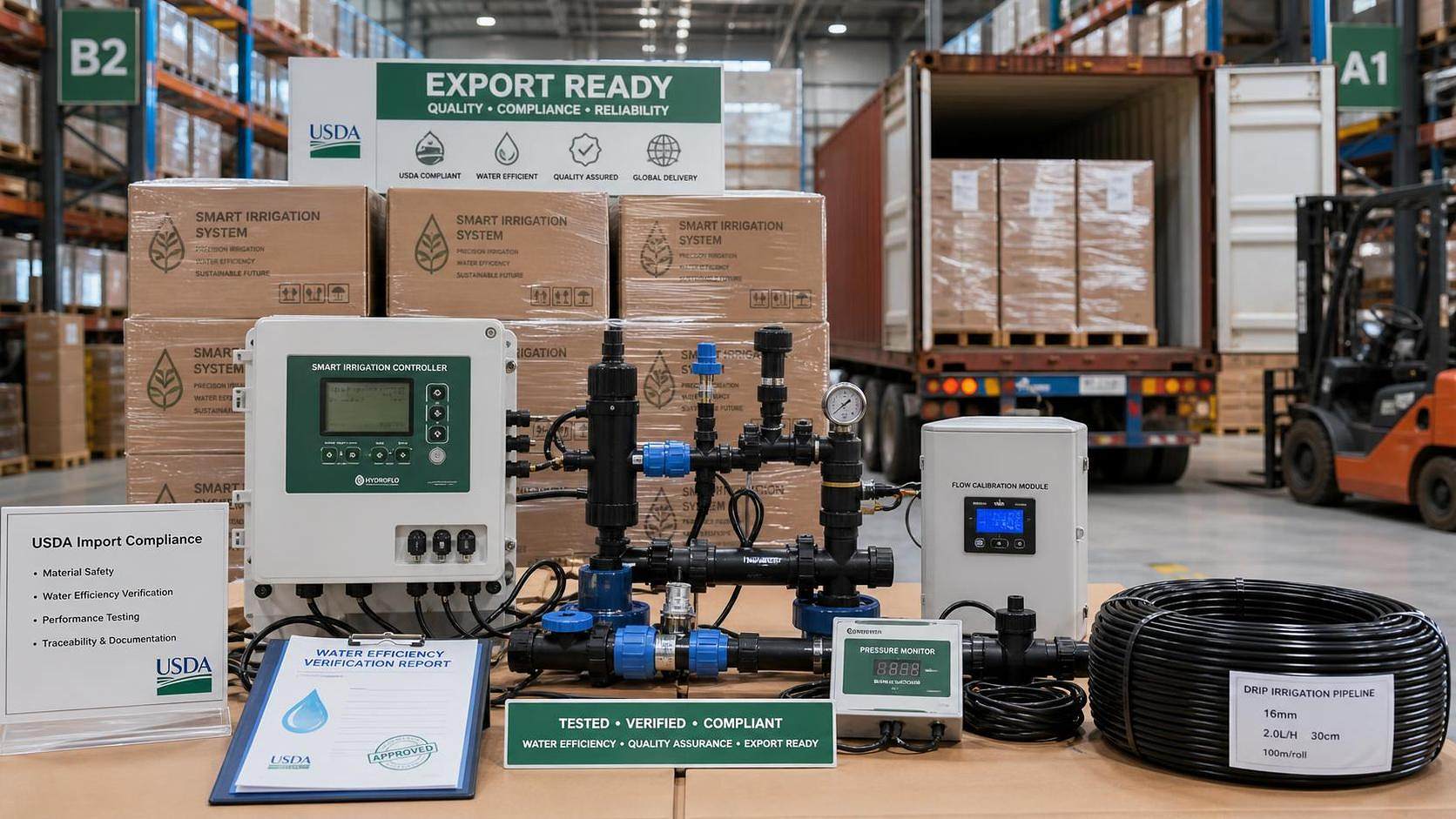




On August 9, 2026, the U.S. Department of Agriculture (USDA) formally put into effect an import compliance amendment for smart irrigation equipment that changes market access conditions for Drip Irrigation Logic systems entering the United States. Under the new rule, these products must pass the USDA-WSA 2026 water-efficiency verification protocol before import, making certification status, technical documentation, and delivery planning immediate concerns for exporters, importers, certification-related service providers, and buyers managing procurement and shipment schedules.
What the rule now requires at the border
The confirmed change is that, from August 9, 2026, all Drip Irrigation Logic systems entering the U.S. market are required to complete the updated USDA-WSA 2026 water-saving performance verification protocol. The verification scope covers adaptive response to water pressure, flow pulse calibration, and remote irrigation event audit log functions.
The event summary also confirms that this certification requirement directly affects delivery timing for Chinese exporters serving the U.S. market and has implications for coordination with CE and UL certification arrangements. Products that do not obtain the required certification may be detained at the port of entry.
Where the pressure is likely to appear across the business chain
Export shipments face a stricter pre-shipment checkpoint
From an industry perspective, exporters of Drip Irrigation Logic equipment are likely to feel the most immediate impact because the rule changes import eligibility rather than only post-entry compliance expectations. The practical effect is that certification status becomes tied more directly to shipment release, so firms need to pay closer attention to whether product files, verification records, and export documentation are aligned before dispatch.
Procurement teams may need to reassess supplier readiness
Buyers and procurement teams involved in U.S.-bound orders may also be affected because supplier qualification can no longer be judged only by existing commercial or technical acceptance criteria. What deserves closer attention is whether suppliers can demonstrate readiness for the USDA-WSA 2026 protocol, especially where purchasing plans depend on fixed delivery windows or staged project execution.
Testing and certification coordination becomes more time-sensitive
For certification-related businesses and compliance support providers, the rule raises the importance of timing and document consistency. The event summary specifically points to the interaction with CE and UL dual-certification strategies, which means companies handling market-access planning may need to review how different certification tracks are sequenced and presented in project and shipment documentation.
Logistics and after-sales planning may also be affected
Supply chain service providers and after-sales teams may need to monitor the rule because port detention risk can disrupt delivery commitments and installation planning. Observably, where remote audit log capability is now part of the verification scope, technical support and traceability preparation may receive greater scrutiny during customer onboarding and post-delivery service discussions.
Operational points companies should review now
Recheck whether current product files match the new verification scope
Analysis shows that the most immediate task is not broad policy interpretation but product-level review. Companies should examine whether their Drip Irrigation Logic equipment documentation and test readiness clearly address adaptive pressure response, flow pulse calibration, and remote irrigation event audit logging, because these are expressly included in the new verification protocol.
Watch how certification timing affects delivery commitments
It is more appropriate to understand this as an execution issue with trade consequences. Where delivery schedules for the U.S. market were built around prior certification assumptions, firms should now watch for possible timing changes in qualification, shipping release, and acceptance planning. The input does not provide detailed implementation timelines beyond the effective date, so any internal schedule adjustments should be treated as risk control rather than a confirmed delay pattern.
Review how CE and UL planning is coordinated for U.S.-bound products
The event summary explicitly notes the effect on CE and UL dual-certification coordination. Analysis shows that companies with multi-market product strategies should pay attention to whether technical files, declarations, and certification sequencing remain workable once USDA-WSA 2026 becomes a mandatory import condition for the relevant products.
Prepare for stricter document checks in trade execution
Because uncertified products may be held at the port, exporters, importers, and supply chain teams should pay closer attention to supporting records tied to compliance review. The available facts do not define the full document checklist or enforcement wording, so this remains an area where companies should continue monitoring official clarification and practical implementation signals.
Why this reads as an execution signal, not just a policy notice
Observably, this development is more than a general policy update because the requirement is already in effect and is linked to import treatment at the border. That makes it closer to an execution signal than to an early-stage consultation or a distant regulatory intention.
At the same time, analysis should remain disciplined. The input confirms the rule, the required verification scope, the effect on Chinese exporters' delivery timing and CE/UL coordination, and the risk of port detention for uncertified goods. It does not provide fuller enforcement detail, testing workflow clarification, or downstream market response. For that reason, the market still needs to watch how certification interpretation, procurement language, and operational handling develop in practice.
How the market should read this change for now
The most reasonable reading at this stage is that USDA has raised the import compliance threshold for Drip Irrigation Logic systems in a way that directly touches certification sequencing and shipment execution. The significance of this event lies less in headline policy language and more in the fact that market access now depends on a specific water-efficiency verification path covering defined technical functions.
From a neutral industry standpoint, this should be understood as a landed rule change with immediate operational relevance, while some aspects of implementation still warrant close observation. Companies exposed to U.S.-bound irrigation equipment trade should focus on certification readiness, document consistency, and delivery planning rather than wait for port-stage problems to reveal gaps.
Basis of this article and what still needs verification
This article is based on the user-provided news title, event date, and event summary. For events of this type, commonly relevant source categories include official notices, regulatory agency releases, customs or trade administration information, industry association updates, standards documentation, and reporting by authoritative trade media.
No specific official source link was provided in the input, so the precise source document and any supplementary implementation text still require ongoing verification. Items that remain worth monitoring include detailed policy wording, certification enforcement interpretation, changes in tender or procurement documents, market feedback, and how affected companies carry out compliance in actual trade execution.
Related News
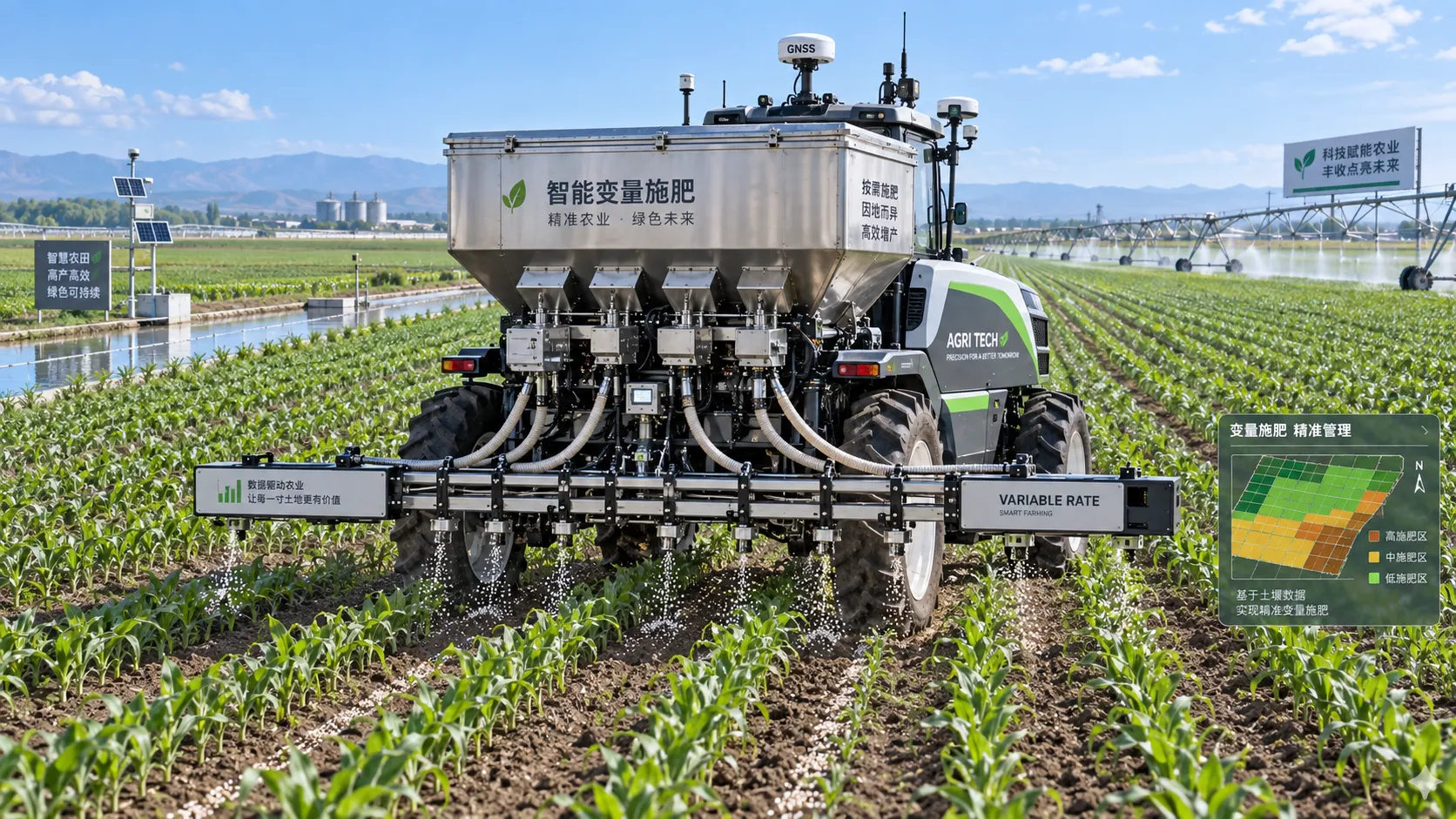
How to Evaluate Precision Fertilization System Suppliers for Farm-Scale Deployment
Precision fertilization systems suppliers: learn how to compare accuracy, integration, uptime, service, and total cost for confident farm-scale deployment.
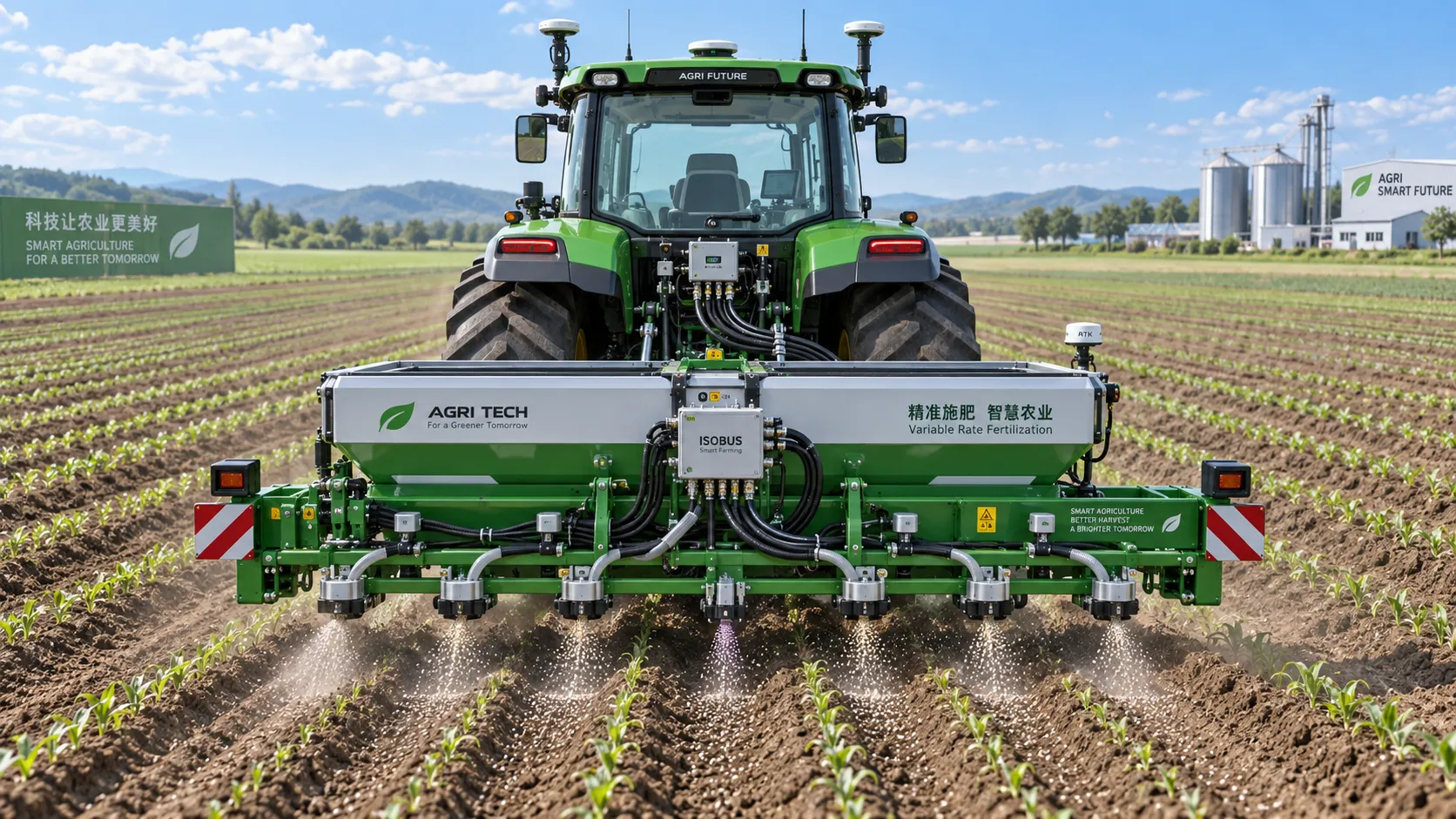
ISOBUS for Smart Agriculture: How It Connects Tractors, Implements, and Farm Data
ISOBUS for smart agriculture connects tractors, implements, terminals, and farm data—helping growers improve precision, documentation, and smarter field decisions.
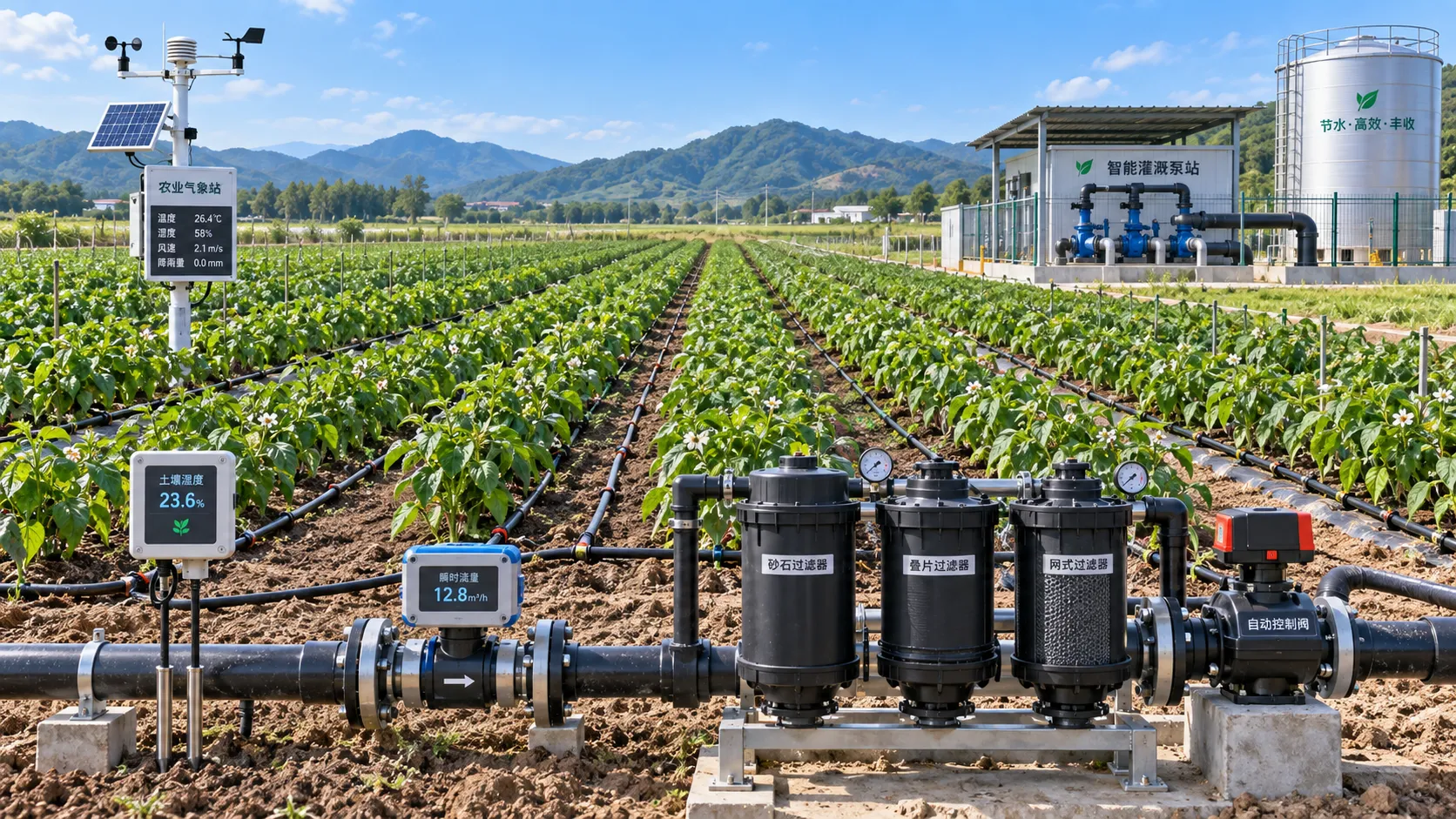
Automated Water-Saving Irrigation: How to Cut Water Use Without Reducing Crop Yields
Automated water-saving irrigation helps farms cut water use, protect crop yields, improve scheduling, and gain reliable control with sensors, flow monitoring, and smart zones.
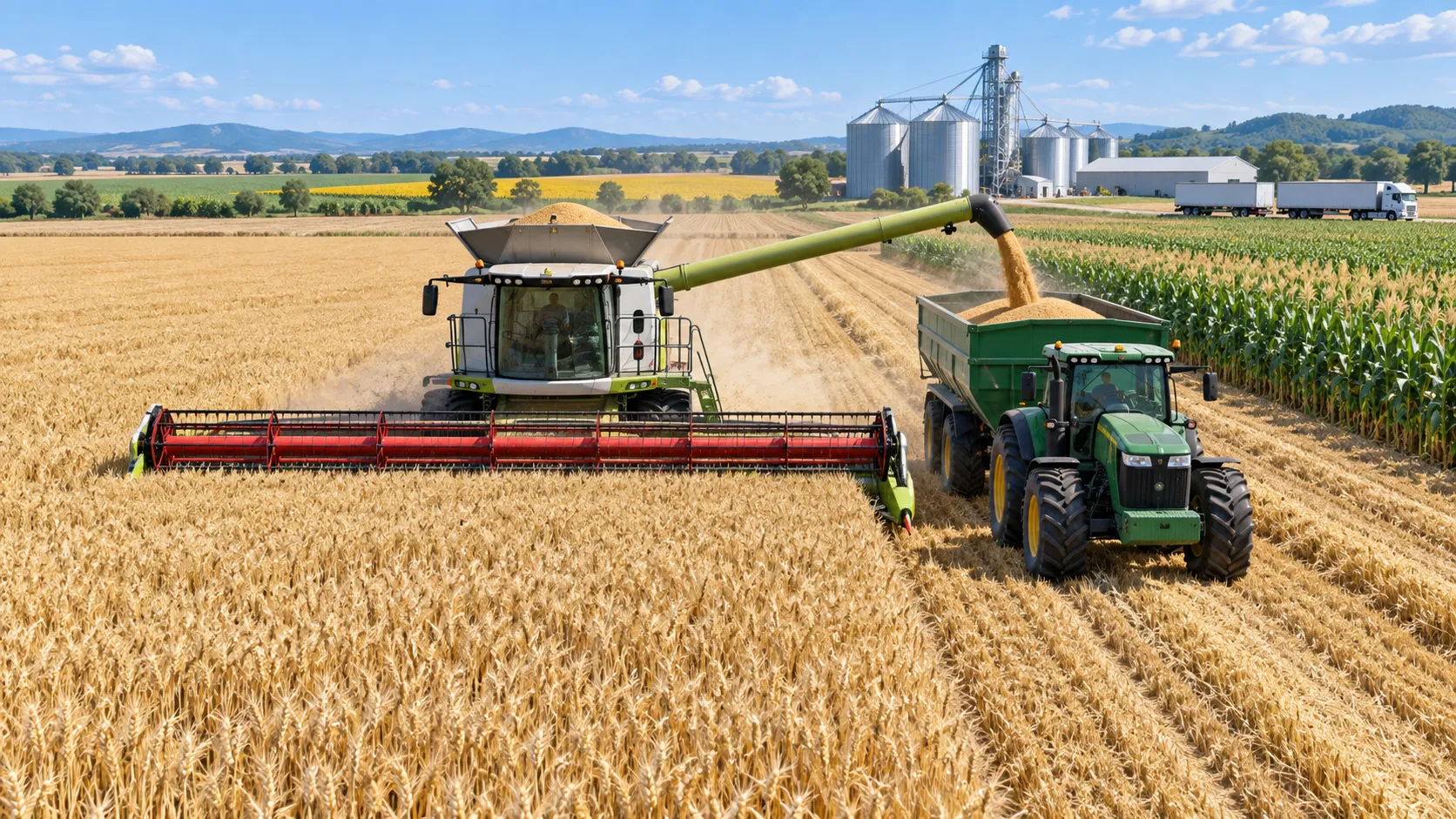
Selecting Grain Farm Equipment by Acreage, Crop Mix, and Harvest Window
Agricultural equipment selection for grain farming: match machinery to acreage, crop mix, and harvest windows to improve uptime, efficiency, and returns.
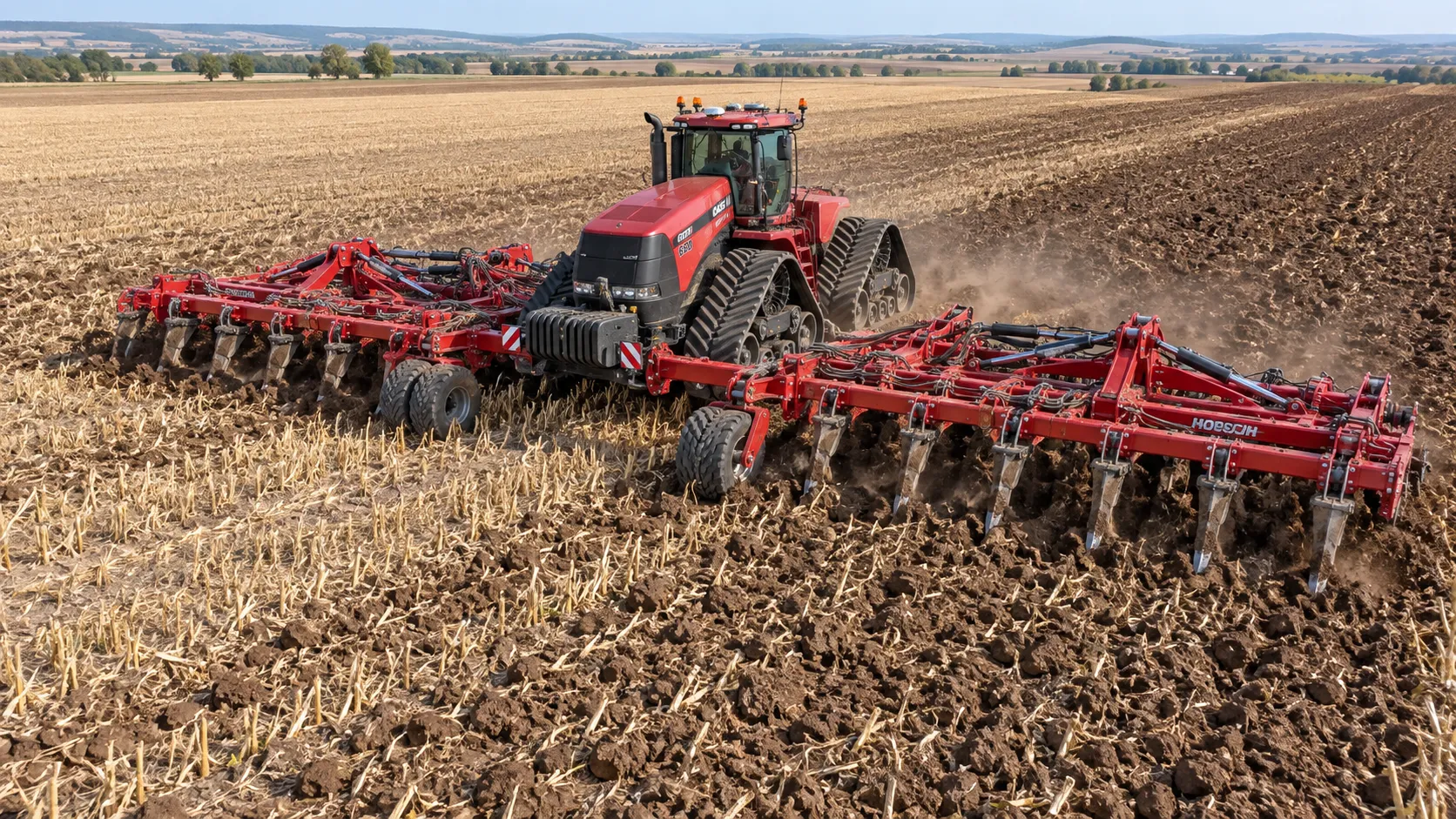
How to Select Heavy-Duty Farm Implements for High-Acreage, High-Horsepower Operations
Heavy duty farm implements: learn how to match draft, hydraulics, hitch capacity, frame strength, and field conditions for reliable high-acreage performance.
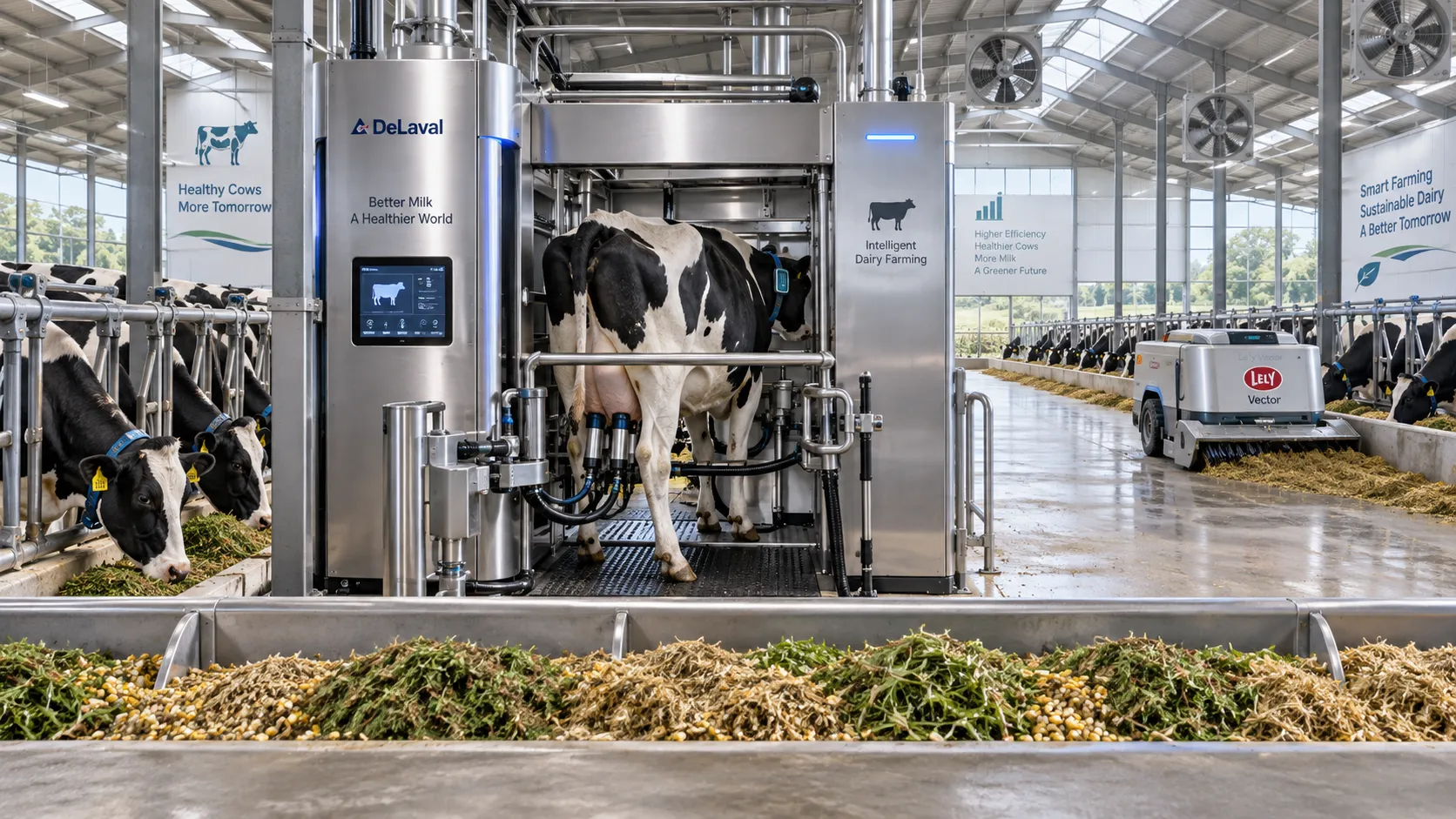
Smart Farming Technology for Dairy Farms: Where Automation Delivers Measurable ROI
Smart farming technology for dairy farms delivers measurable ROI through automation, precision feeding, health monitoring, and data-driven cost control.
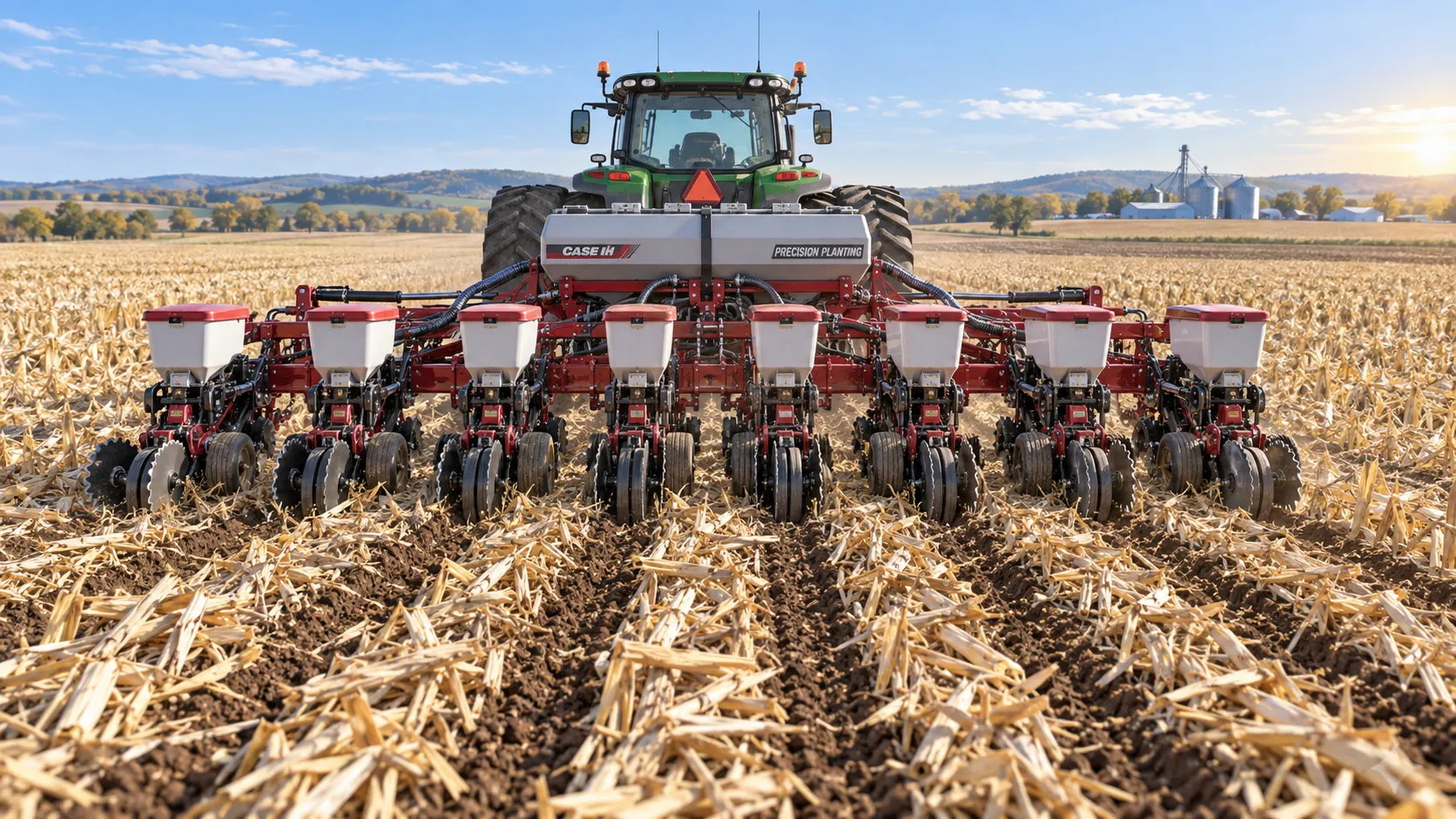
How to Select a Heavy-Duty Seeder for Large Acreage and High-Residue Fields
Heavy duty seeders for large acreage: compare residue handling, depth control, downforce, metering accuracy, and precision features to select the right model.
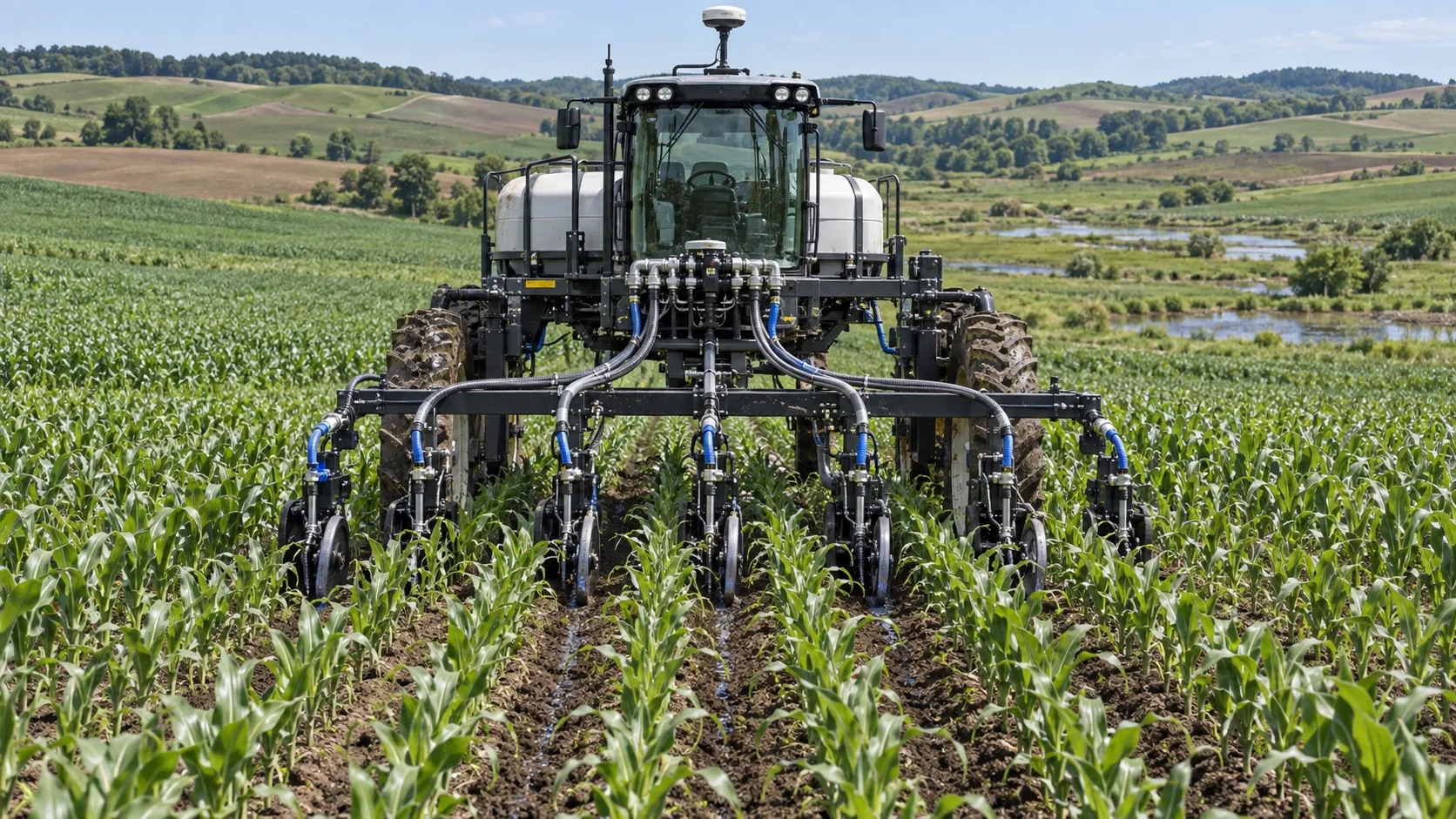
How to Select a Precision Fertilization System for Variable Corn Field Conditions
Precision fertilization systems for corn farming: learn how to match data, placement, control accuracy, and ROI to variable field conditions for better results.
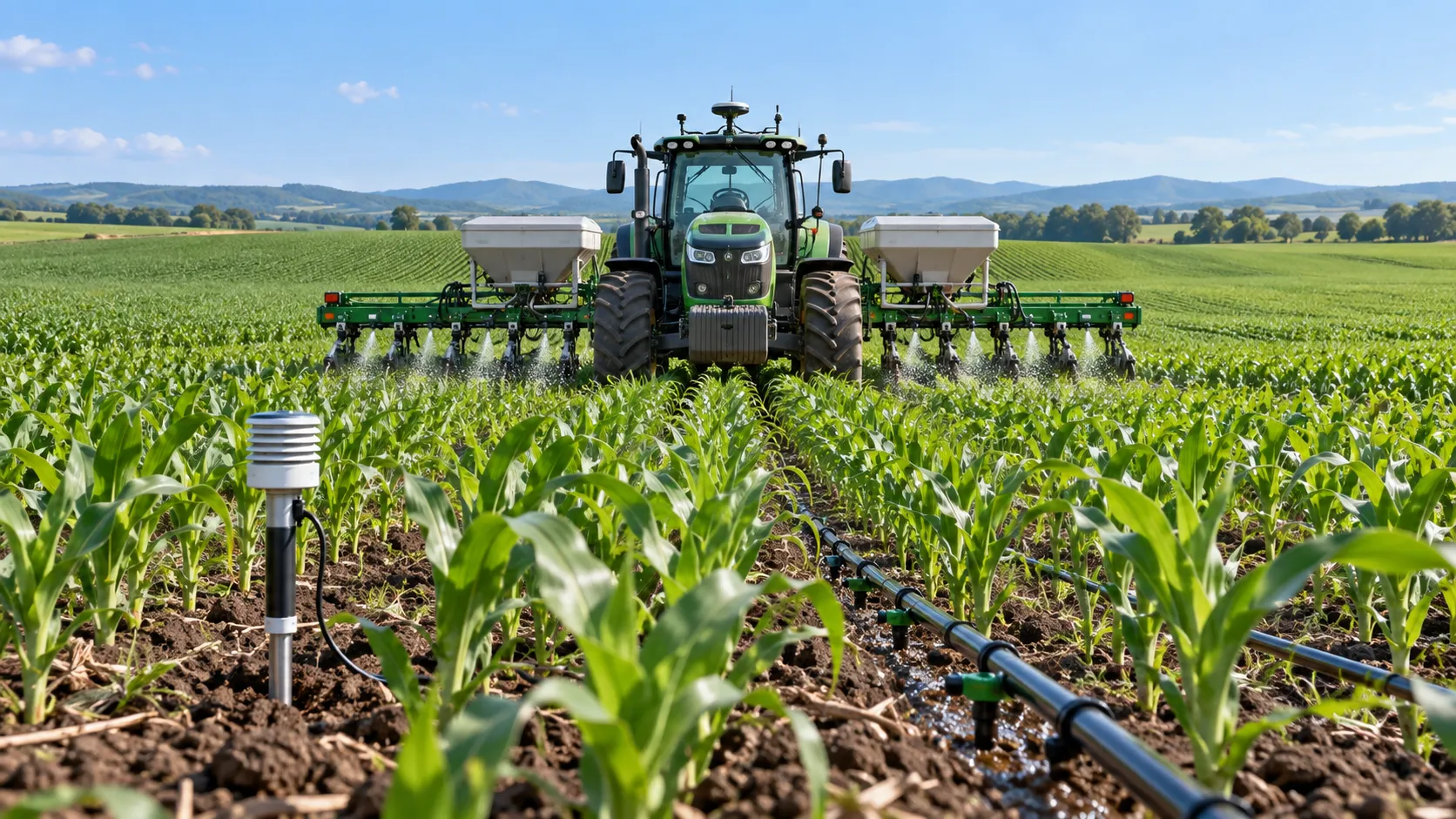
Selecting Precision Farming Products by Application: Field Conditions, Crops, and ROI
Application-based product selection for precision farming: match technology to field conditions, crops, machinery, and ROI for smarter, reliable farm investments.
Related News
- 00
0000-00
Automated Water-Saving Irrigation: How to Cut Water Use Without Reducing Crop Yields - 00
0000-00
How to Evaluate Drip Irrigation System Manufacturers for Large Farm Projects - 00
0000-00
Wireless Agricultural Automation for Remote Irrigation and Field Monitoring - 00
0000-00
Designing Water-Saving Drip Irrigation Systems for High-Value Orchards - 00
0000-00
How to Choose Irrigation Solutions for Arid Regions Based on Water Source and Crop Needs
Popular Tags
Hydrological Resource Strategist
Weekly Insights
Stay ahead with our curated technology reports delivered every Monday.