
EU Rule Takes Effect for Drip Irrigation Logic
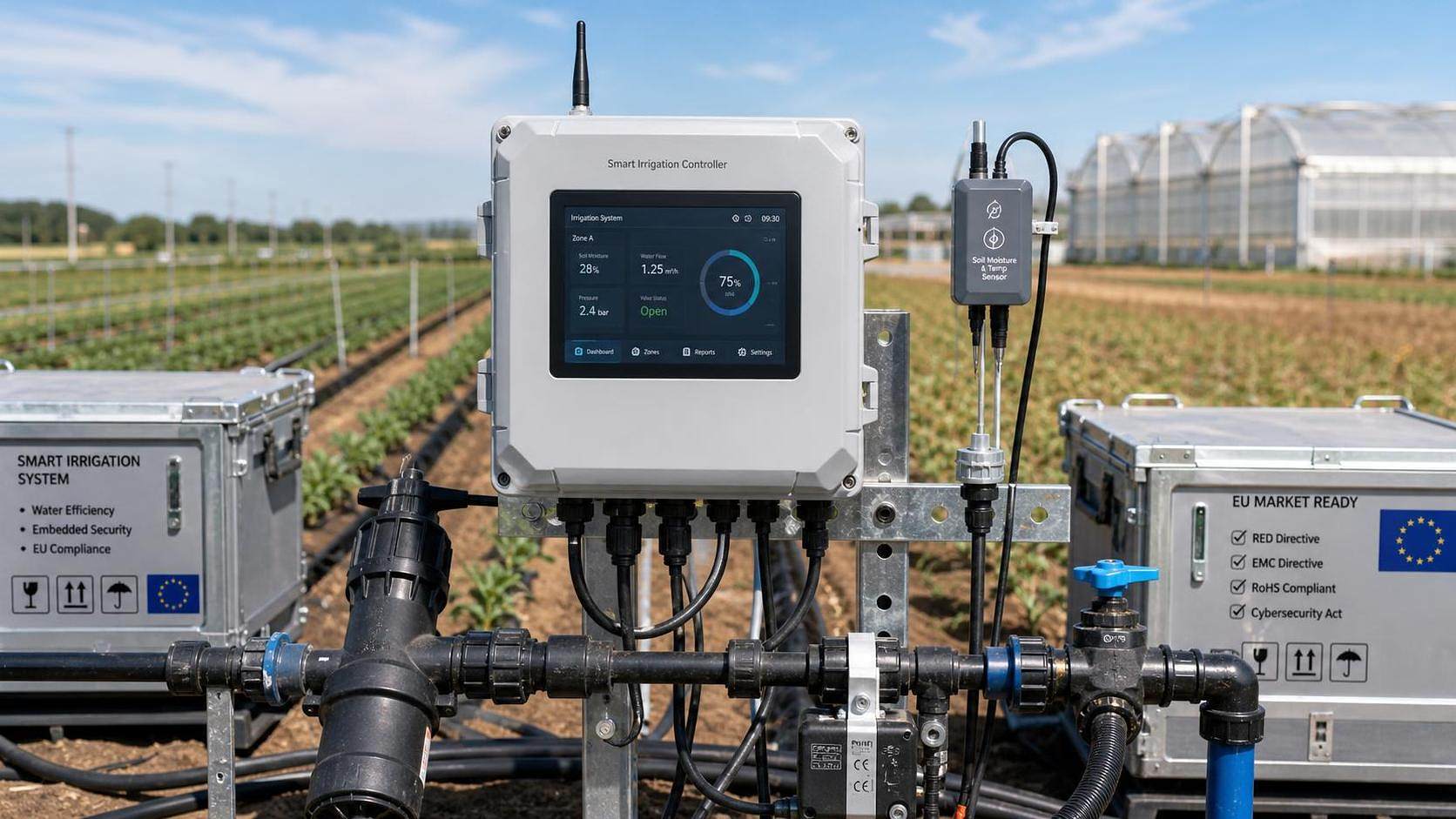




On August 6, 2026, the EU put EN 17439:2026 into effect for imported smart drip irrigation control systems, including Drip Irrigation Logic devices. The immediate point of attention for exporters, distributors, import compliance teams, and procurement-side decision makers is that market access is now tied to two checks at once: water-use efficiency grading and embedded software cybersecurity validation. This matters because the rule is not limited to product positioning or technical preference; it directly affects customs entry, CE marking validity, and whether products can remain eligible for distribution in the EU market.
What the New Standard Now Requires
The confirmed requirement is that, from August 6, 2026, all imported smart drip irrigation control systems covered by this development must comply with EN 17439:2026. According to the provided event summary, the standard requires dual certification: one related to water-use efficiency grading and one related to cybersecurity verification for embedded software.
The same summary also makes clear that the rule applies to products including Drip Irrigation Logic devices. It further states that the standard directly affects customs clearance access for Chinese exporters, the validity of CE marking, and compliance conditions for distributor listings. Products that do not obtain the required certification will be refused entry into the EU market.
Where the Pressure Falls Across the Supply Chain
Export-facing manufacturers and trading companies
From an industry perspective, this group is likely to face the most immediate operational impact because the new requirement is tied directly to EU market entry. The main pressure points are shipment readiness, product compliance documentation, and the ability to support customs clearance. What deserves closer attention is whether existing export models in the drip irrigation control segment already align with both certification tracks, rather than only one of them.
EU importers and distribution channels
Distributors and other channel participants are also exposed because the event summary explicitly links the rule to listing compliance. In practical terms, this means channel-side product selection and onboarding may become more compliance-driven. The issue is not only whether a product is commercially viable, but whether it can legally stay on shelves or in catalogues under the new standard framework.
Compliance, documentation, and delivery support roles
Supply chain service providers, certification support teams, and contract management functions may also feel the impact because customs access and CE marking validity are named in the event summary. Analysis shows that documentation quality, certification status visibility, and timing coordination may become more sensitive in cross-border delivery processes involving covered devices.
What Companies Should Track Right Now
Whether current product files support dual compliance
The practical issue is no longer general regulatory awareness, but whether product files, certification materials, and technical claims can support both water-efficiency grading and embedded software cybersecurity verification. Companies dealing in covered devices should pay close attention to whether their existing compliance preparation addresses both requirements together.
The difference between CE status and actual market access
What deserves closer attention is the connection drawn in the event summary between the new standard and CE marking validity. Analysis shows that companies should avoid treating CE marking as a stand-alone checkpoint if the applicable product now also depends on the dual certification path described under EN 17439:2026.
Distributor communication and listing continuity
Because distributor listing compliance is specifically mentioned, suppliers and channel partners should closely monitor whether listing conditions, onboarding documents, or product retention criteria are being updated around the new standard. This is especially relevant for businesses already shipping or planning to ship covered systems into the EU.
Shipment planning and customs-readiness timing
The event summary directly ties the new rule to customs clearance access. Observably, this makes timing an important business issue, not just a technical one. Companies may need to focus on whether certification completion, document preparation, and order delivery commitments remain aligned under the new compliance threshold.
Why This Looks Like More Than a Short-Term Compliance Notice
This section is analysis rather than confirmed fact. It is more appropriate to understand this development as an immediate market-access requirement with a broader regulatory signal behind it. The key point is that the standard combines resource-efficiency and embedded software cybersecurity in one compliance gate for imported smart irrigation control systems.
From an industry perspective, that combination suggests that product access in this category is being judged not only by physical performance, but also by software-related trust and controllability. At the same time, caution is necessary: the provided information confirms the rule and its direct consequences for entry, CE validity, and distributor compliance, but it does not provide further implementation detail beyond that. For that reason, part of the market impact still needs continued observation in actual trade and channel practice.
How This Development Is Best Understood at Present
At this stage, the clearest takeaway is that EN 17439:2026 should be read as a current compliance threshold for covered imported drip irrigation control systems entering the EU, not as a distant policy signal. The immediate result described in the provided information is straightforward: products without the required certification will not enter the EU market.
Analysis shows that the broader significance lies in how many business functions this touches at once, including export preparation, customs access, CE-related compliance checks, and distributor listing eligibility. It is more appropriate to understand this as both a short-term operational change and a longer-term sign that compliance expectations for smart irrigation equipment are becoming more integrated.
Basis of This Report and What Still Needs Verification
This article is based on the user-provided news title, event date, and event summary regarding the EU implementation of EN 17439:2026 on August 6, 2026, including the stated dual-certification requirement for imported smart drip irrigation control systems and the stated implications for customs access, CE marking validity, distributor listing compliance, and EU market entry.
For this type of industry update, relevant source categories would typically include official regulatory notices, standard-setting organization documents, company compliance statements, industry association releases, and reporting from authoritative trade media. No specific official source link was provided in the input, so the precise official publication path still requires ongoing verification. Continued attention should focus on any further official wording, enforcement clarification, and practical compliance interpretation affecting covered products and related trade activities.
Related News

How to Select Heavy-Duty Farm Implements for High-Acreage, High-Horsepower Operations
Heavy duty farm implements: learn how to match draft, hydraulics, hitch capacity, frame strength, and field conditions for reliable high-acreage performance.
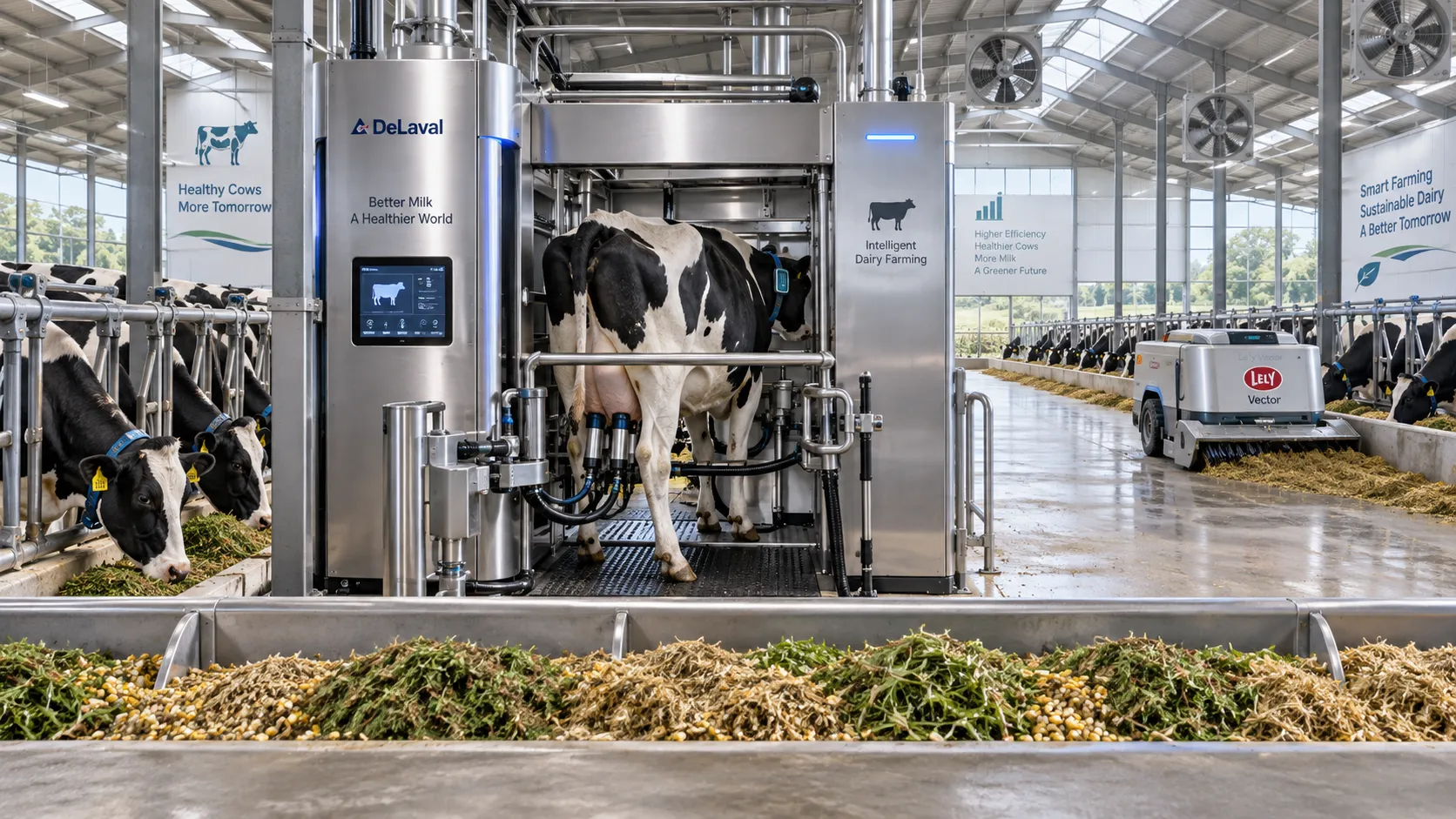
Smart Farming Technology for Dairy Farms: Where Automation Delivers Measurable ROI
Smart farming technology for dairy farms delivers measurable ROI through automation, precision feeding, health monitoring, and data-driven cost control.

How to Select a Heavy-Duty Seeder for Large Acreage and High-Residue Fields
Heavy duty seeders for large acreage: compare residue handling, depth control, downforce, metering accuracy, and precision features to select the right model.
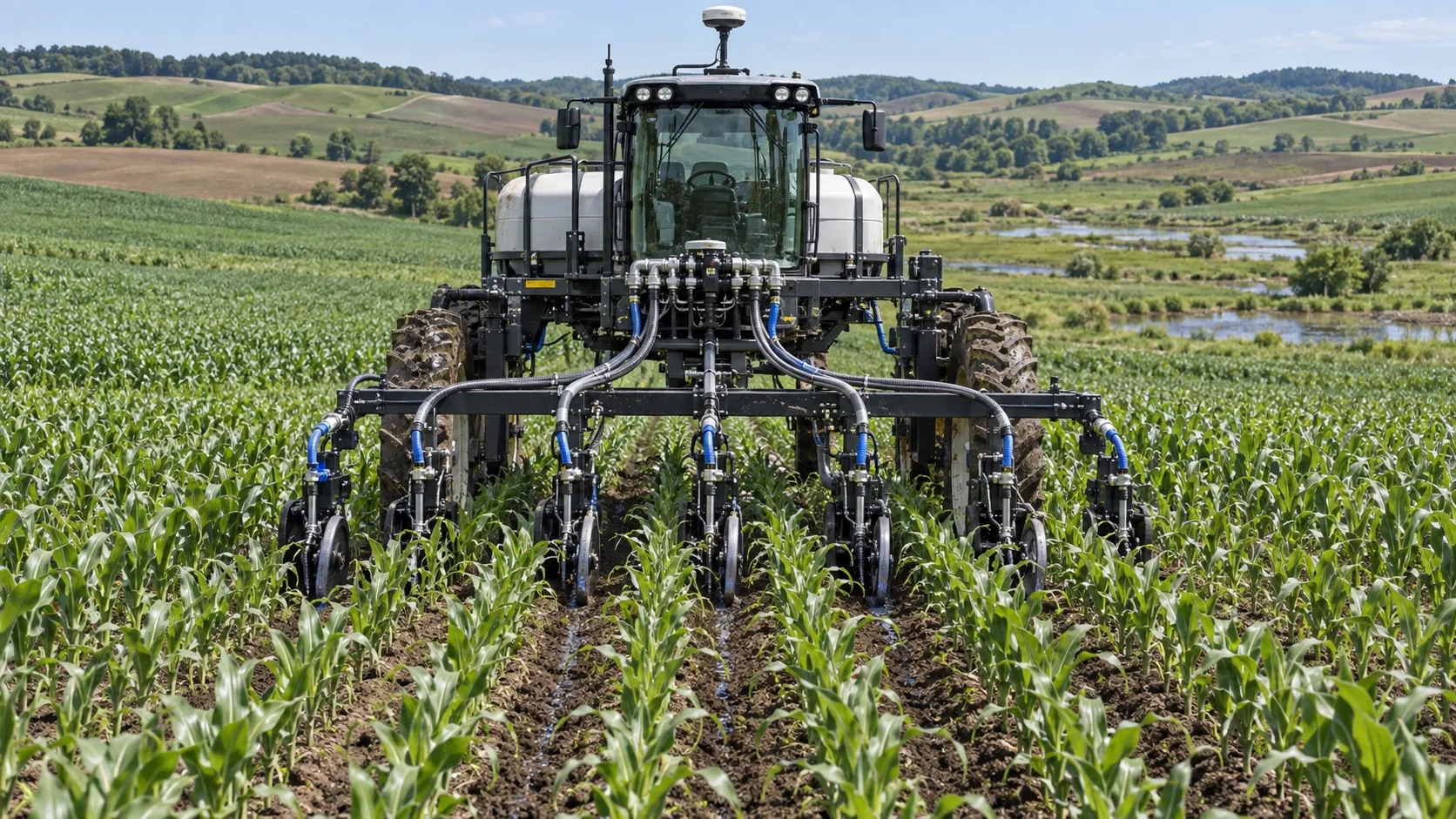
How to Select a Precision Fertilization System for Variable Corn Field Conditions
Precision fertilization systems for corn farming: learn how to match data, placement, control accuracy, and ROI to variable field conditions for better results.
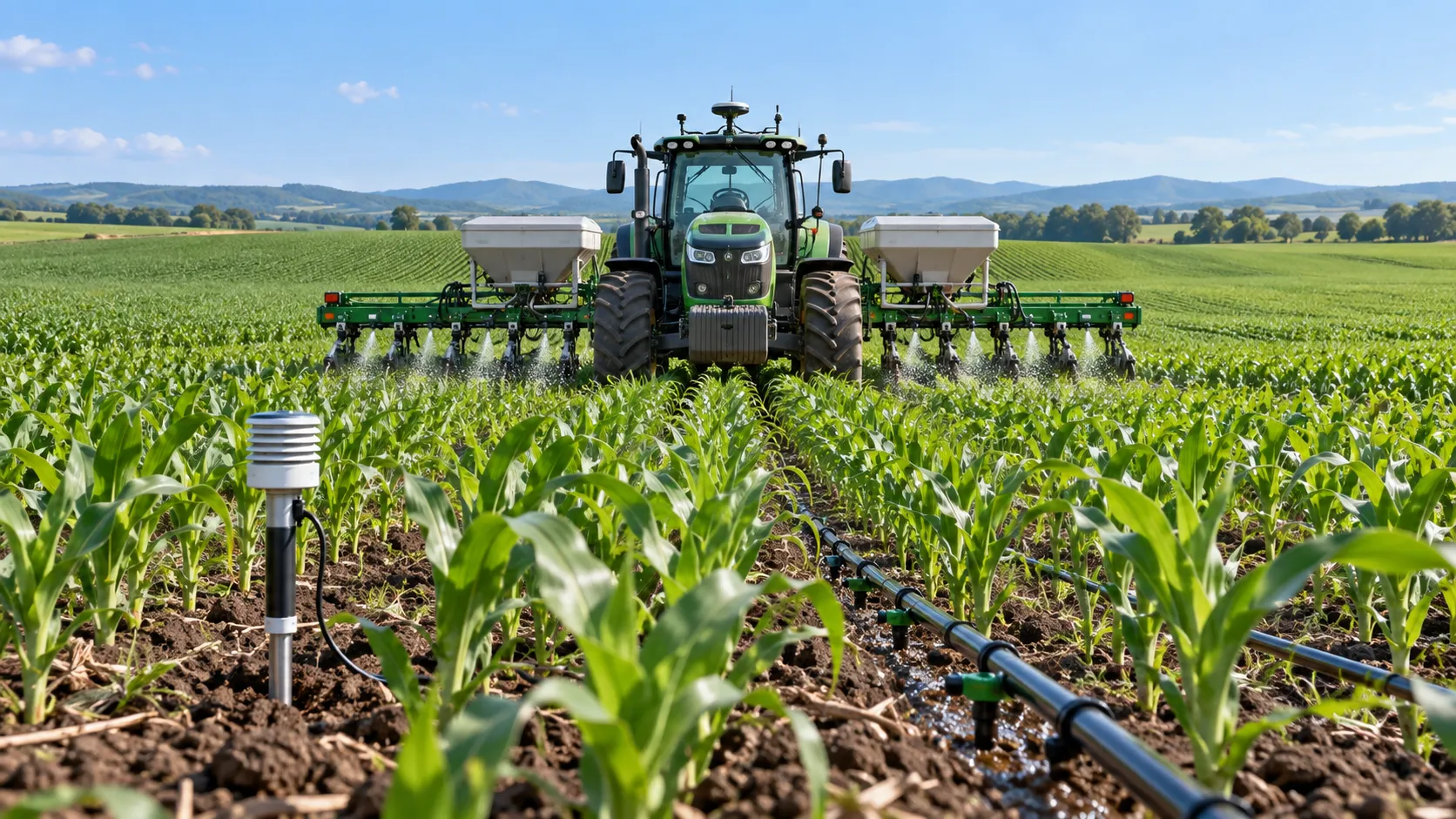
Selecting Precision Farming Products by Application: Field Conditions, Crops, and ROI
Application-based product selection for precision farming: match technology to field conditions, crops, machinery, and ROI for smarter, reliable farm investments.
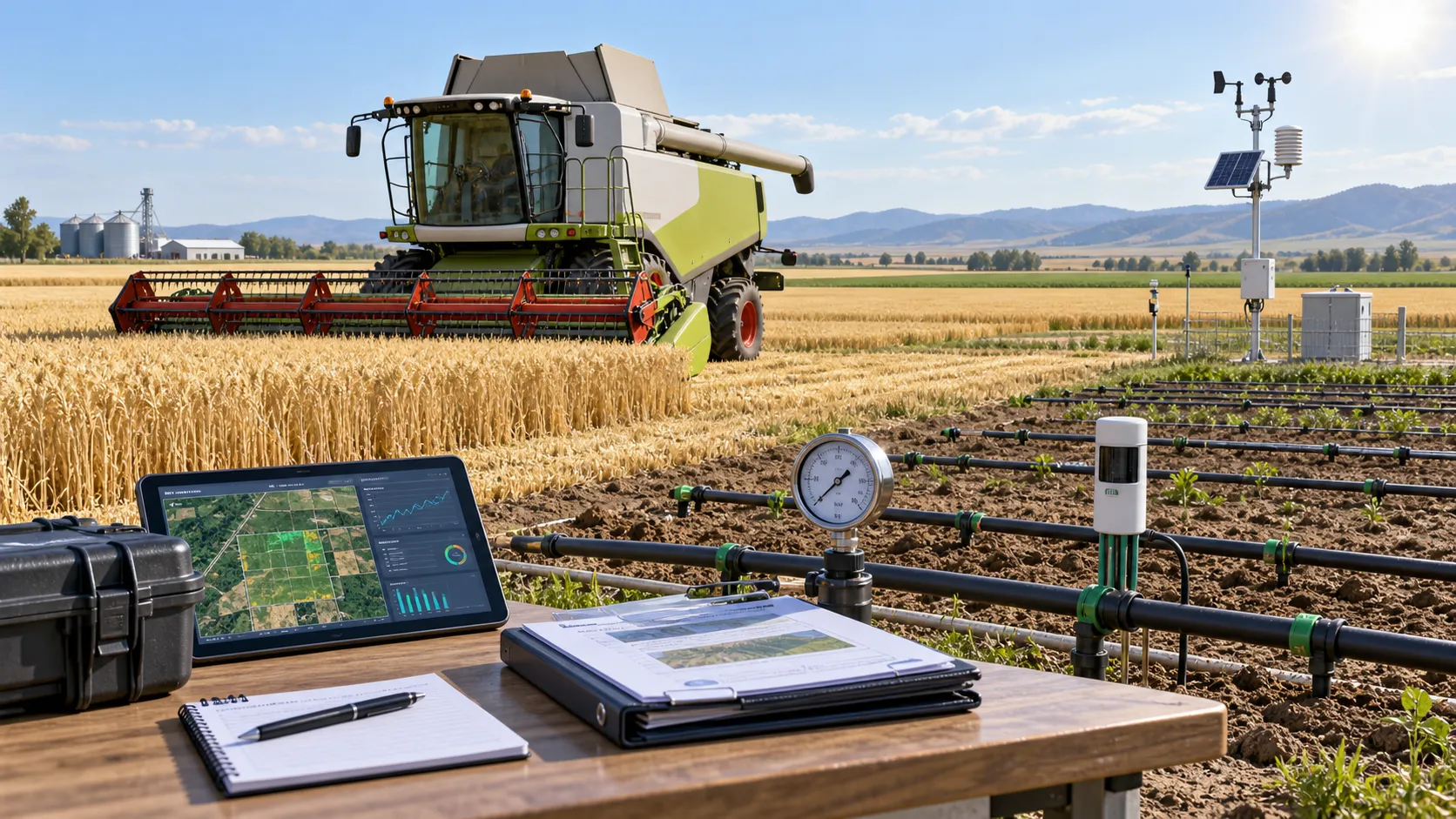
How to Evaluate Agricultural Product Information Sources for Reliable Farm Decisions
Agricultural product information reference guide: evaluate reliable farm data, verify claims, and make smarter machinery, irrigation, and crop decisions.

Farm Machinery Guide: Matching Tractor Horsepower and Implements to Farm Size
Farm machinery guide for tractors: match horsepower, implement width, hydraulics, traction, and fleet capacity to farm size for lower costs and reliable field performance.
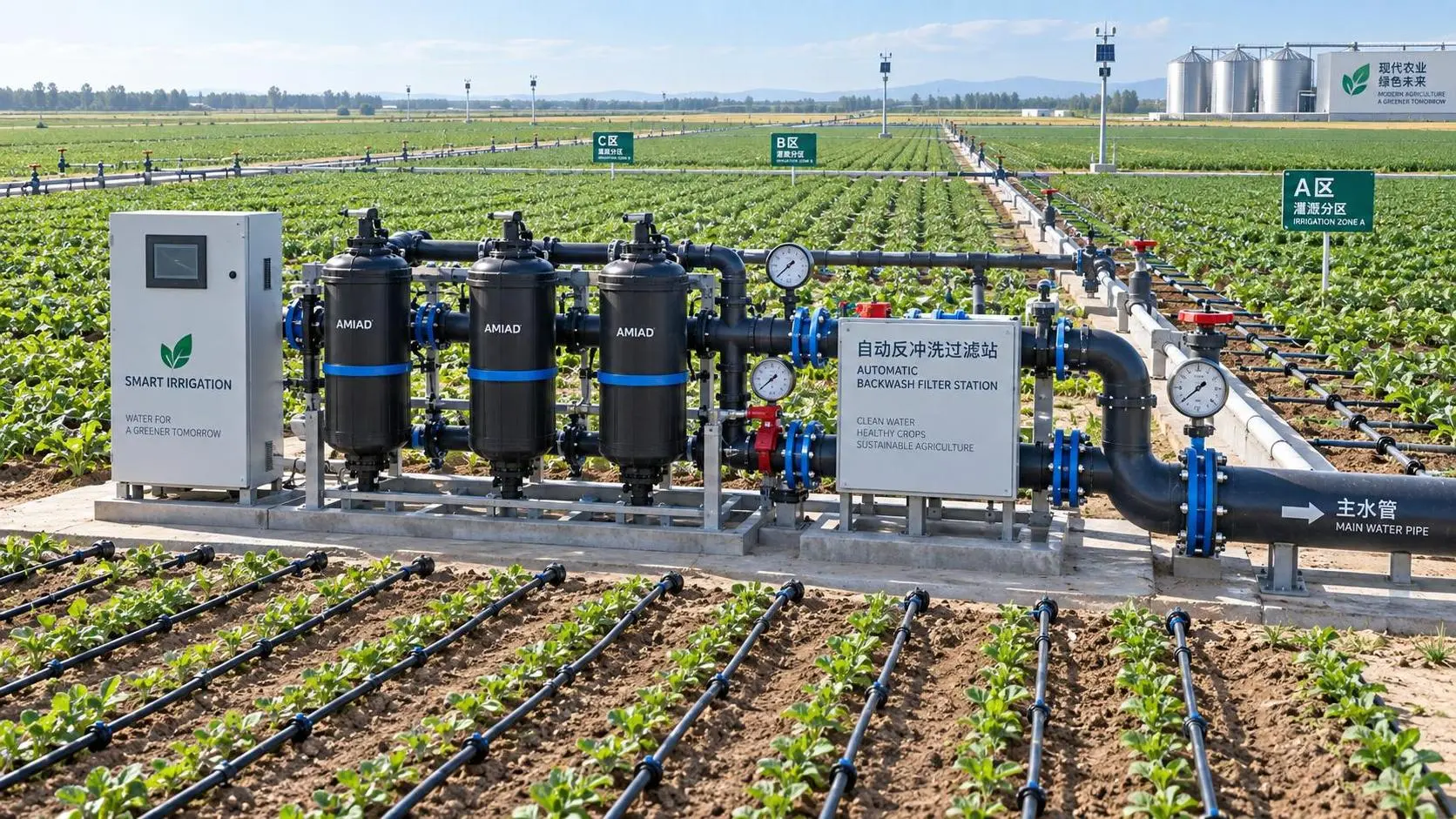
How to Evaluate Drip Irrigation System Manufacturers for Large Farm Projects
Drip irrigation systems manufacturer evaluation guide for large farms: compare hydraulic design, filtration, quality control, scalability, delivery, and support.
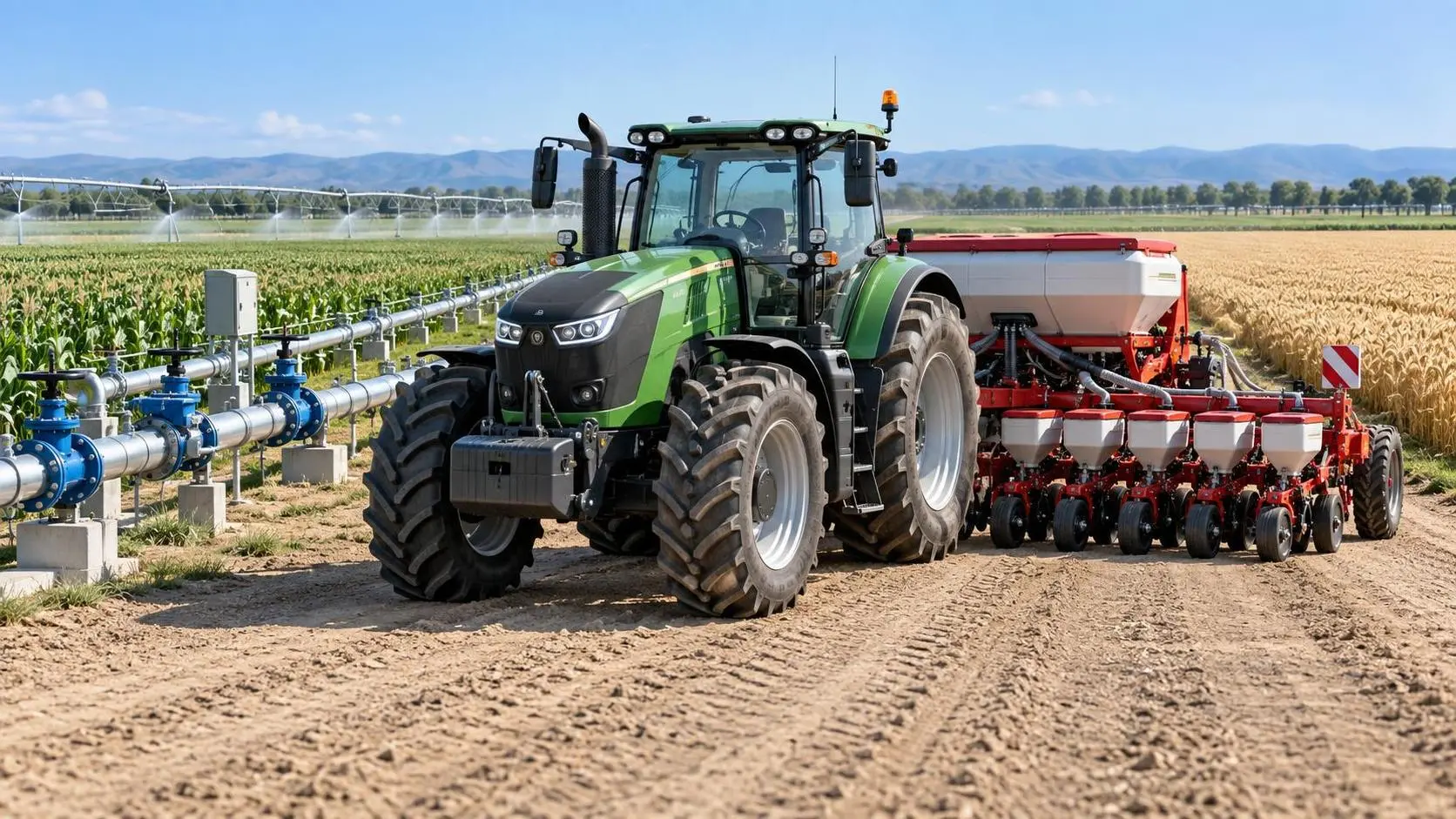
Specification Planning: A Practical Framework for Defining Equipment Requirements
Application guidance for specification planning: define measurable equipment requirements, prioritize performance, and avoid costly procurement mistakes.
Related News
- 00
0000-00
How to Evaluate Drip Irrigation System Manufacturers for Large Farm Projects - 00
0000-00
Wireless Agricultural Automation for Remote Irrigation and Field Monitoring - 00
0000-00
Designing Water-Saving Drip Irrigation Systems for High-Value Orchards - 00
0000-00
How to Choose Irrigation Solutions for Arid Regions Based on Water Source and Crop Needs - 00
0000-00
How IoT Smart Irrigation Networks Help Farms Cut Water Use and Improve Yield
Popular Tags
Hydrological Resource Strategist
Weekly Insights
Stay ahead with our curated technology reports delivered every Monday.