
WaterSense Rule Now Governs Drip Irrigation Imports
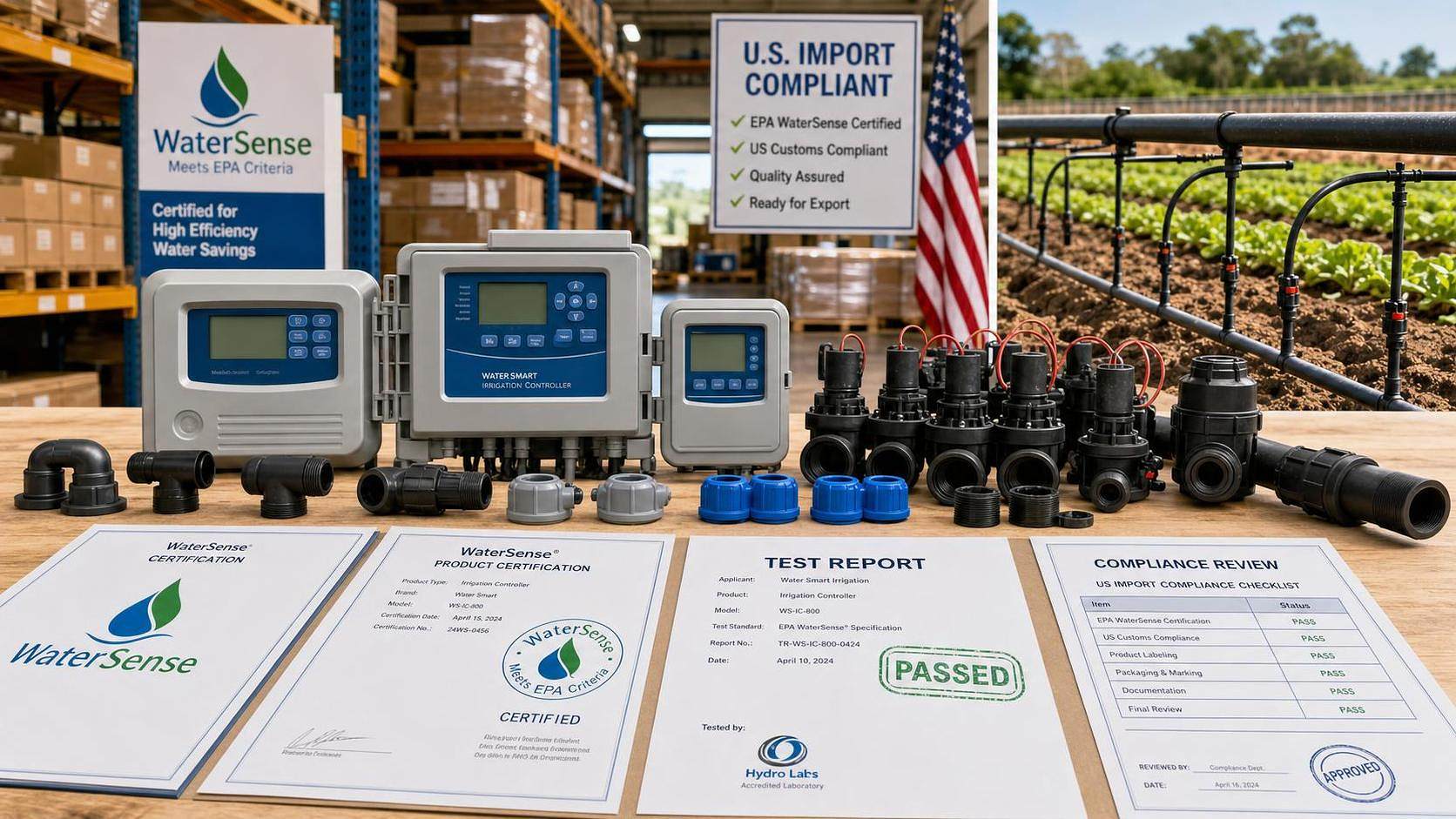




On August 3, 2026, a new U.S. market-access threshold took effect for drip irrigation control systems sold to households and small farms: products in the Drip Irrigation Logic category must now complete EPA WaterSense third-party verification before import clearance. For exporters, OEM manufacturers, importers, and supply chain teams serving the U.S. market, this is not just a labeling issue. It directly affects admissibility at the border, product release timing, compliance preparation, and delivery commitments.
What Has Taken Effect in the U.S. Market
According to the provided event information, the U.S. Environmental Protection Agency (EPA) formally implemented an updated mandatory WaterSense certification requirement on August 3, 2026. From that date, all drip irrigation control systems intended for sale to U.S. households and small-to-medium farms must obtain EPA WaterSense third-party verification. Products that do not meet this requirement will be denied customs clearance by CBP.
The same information indicates that the policy has a direct impact on product access for Chinese exporters, as well as on testing timelines and compliance costs. It also highlights a higher delivery risk for OEM manufacturers that did not prepare in advance for certification tied to water-saving algorithms.
Where the Immediate Pressure Falls
Export-facing manufacturers now face a market-entry filter
For manufacturers and direct exporters supplying the U.S. market, the most immediate impact is on whether a product can enter the market at all. Because the requirement is tied to import clearance, the compliance question moves forward in the sales cycle and becomes a shipment-release issue rather than a downstream commercial matter.
From an industry perspective, what deserves closer attention is the overlap between product development, certification readiness, and shipment planning. If a model has not completed the required verification, the business impact may appear first in delivery schedules rather than in end-market sell-through.
OEM suppliers may see higher delivery risk
The provided information specifically points to OEM manufacturers that did not arrange water-saving algorithm certification in advance. Analysis shows that this group may face greater pressure because certification readiness is now linked not only to hardware configuration but also to the product logic that supports compliance claims.
In practical terms, the affected business links may include model approval, customer handover timing, and production scheduling for U.S.-bound orders. For suppliers operating on customer-defined launch windows, any certification gap may become a contract execution issue.
Importers and channel operators need tighter document control
For importers, distributors, and channel-side operators serving U.S. household and small farm segments, the policy raises the importance of document completeness before cargo movement. Because CBP clearance is explicitly connected to WaterSense verification under the provided summary, the operational focus shifts toward confirming whether shipments are backed by the required certification status before customs processing begins.
Observably, this puts more weight on pre-shipment coordination between overseas factories, U.S. import entities, and commercial channel partners. The main concern is no longer only product availability, but whether the accompanying compliance basis is sufficient for entry.
What Companies Should Watch Now
Separate confirmed rule content from pending interpretation
Companies should first distinguish between what is already clear and what may still require further official clarification. The confirmed point in the provided information is that WaterSense third-party verification is mandatory from August 3, 2026 for the specified product category and sales scope, and that non-compliant products face CBP clearance refusal. Any broader operational interpretation beyond that should be checked continuously against future official wording.
Recheck which product lines are tied to the affected U.S. segments
Businesses with exports to the United States should review whether their drip irrigation control products are positioned for household use or small-to-medium farm use, because those are the market segments explicitly identified in the input. This matters for order screening, quotation validity, and shipment release planning.
Rebuild timelines around testing and verification readiness
The provided information already identifies testing cycles and compliance costs as direct pressure points. That means affected companies should treat certification timing as a delivery variable, not just a regulatory checkbox. Procurement teams, production planners, and account managers may need to align order promises with verification progress more closely than before.
Prepare customer and supplier communication in parallel
Where supply chains involve OEM production, cross-border trade, and U.S. import handling, communication gaps can quickly turn into execution risk. What deserves closer attention is whether suppliers can provide clear certification status, whether contract documents reflect the new requirement, and whether customers have been informed of any lead-time implications tied to verification.
Why This Matters Beyond a Single Compliance Step
Analysis shows that this development should not be read only as a short-term customs hurdle. It also signals that market access for this product category is now more directly tied to verified water-efficiency performance under an established third-party process. That changes the business weight of certification from a supporting advantage to a gatekeeping requirement for relevant U.S.-bound products.
At the same time, it is more appropriate to understand this as a confirmed rule change with continuing implementation questions, rather than as a fully settled industry outcome. The rule itself is already in force based on the provided information, but the practical impact on lead times, supplier selection, and order execution may continue to unfold as companies adjust.
How the Industry May Need to Read This Signal
At this stage, the most balanced reading is that the policy creates an immediate compliance threshold and a longer-running operational test for companies serving the U.S. irrigation market. The immediate issue is admissibility at import. The broader issue is whether exporters and OEM suppliers have built certification readiness deeply enough into product planning, documentation, and delivery control.
For industry participants, this is better understood as both a current execution issue and a longer-term signal about how product qualification standards may shape access to regulated end markets. That does not by itself determine competitive outcomes, but it does raise the cost of late compliance preparation.
Basis of This Article and What Still Needs Verification
This article is based on the user-provided news title, event date, and event summary. The analysis above distinguishes confirmed facts from industry observation and does not rely on additional unverified data, company disclosures, policy numbers, or market estimates.
For this type of development, source categories that are commonly relevant include official notices, company announcements, industry association updates, authoritative media reporting, and standards-related documentation. No specific official source link was provided in the input, so the precise underlying publication should still be continuously verified. Follow-up attention should remain on any subsequent official wording, implementation clarifications, and how verification requirements are reflected in actual trade and delivery processes.
Related News
How to Select a Precision Fertilization System for Variable Corn Field Conditions
Precision fertilization systems for corn farming: learn how to match data, placement, control accuracy, and ROI to variable field conditions for better results.
Selecting Precision Farming Products by Application: Field Conditions, Crops, and ROI
Application-based product selection for precision farming: match technology to field conditions, crops, machinery, and ROI for smarter, reliable farm investments.
How to Evaluate Agricultural Product Information Sources for Reliable Farm Decisions
Agricultural product information reference guide: evaluate reliable farm data, verify claims, and make smarter machinery, irrigation, and crop decisions.
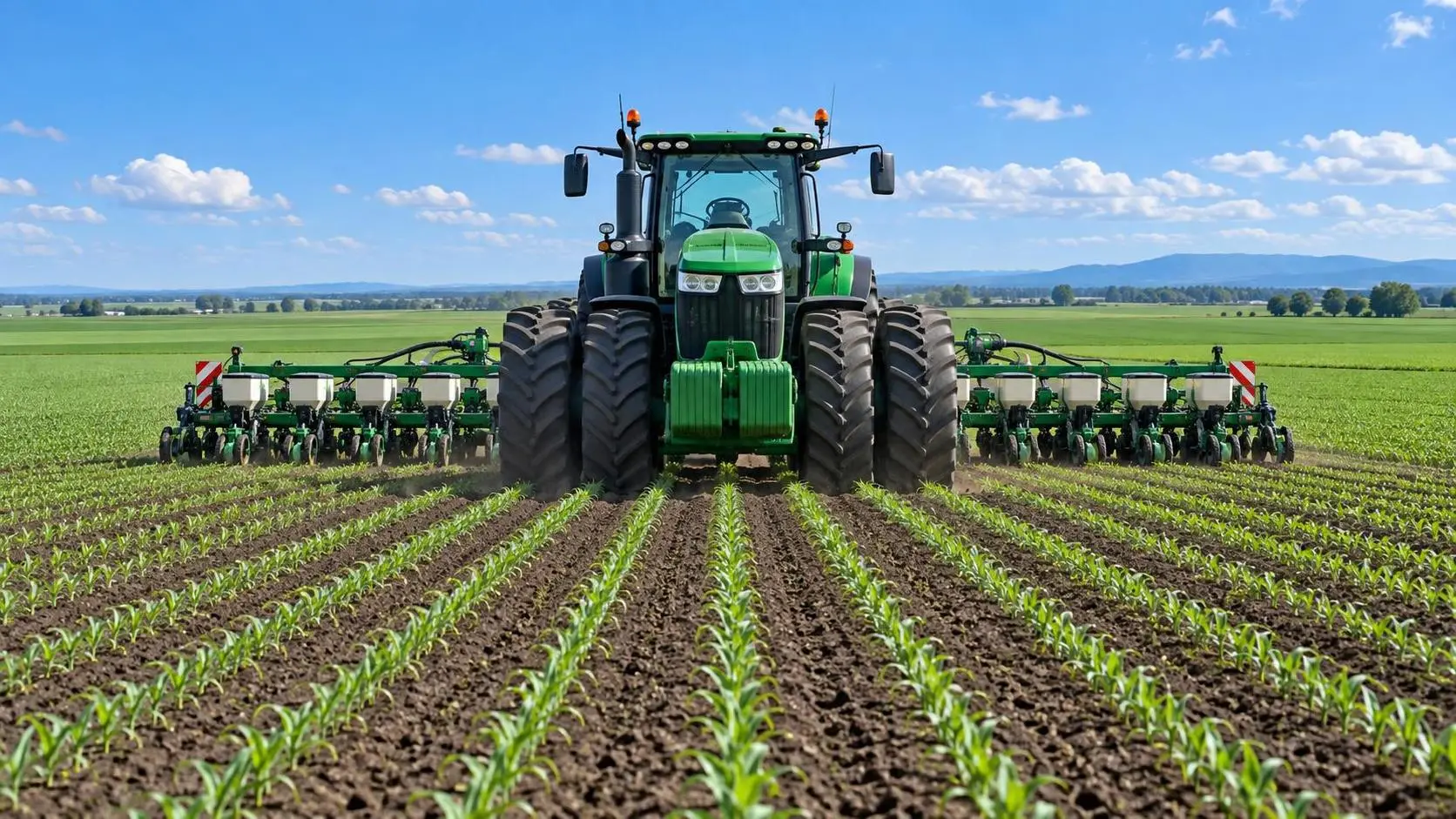
Farm Machinery Guide: Matching Tractor Horsepower and Implements to Farm Size
Farm machinery guide for tractors: match horsepower, implement width, hydraulics, traction, and fleet capacity to farm size for lower costs and reliable field performance.
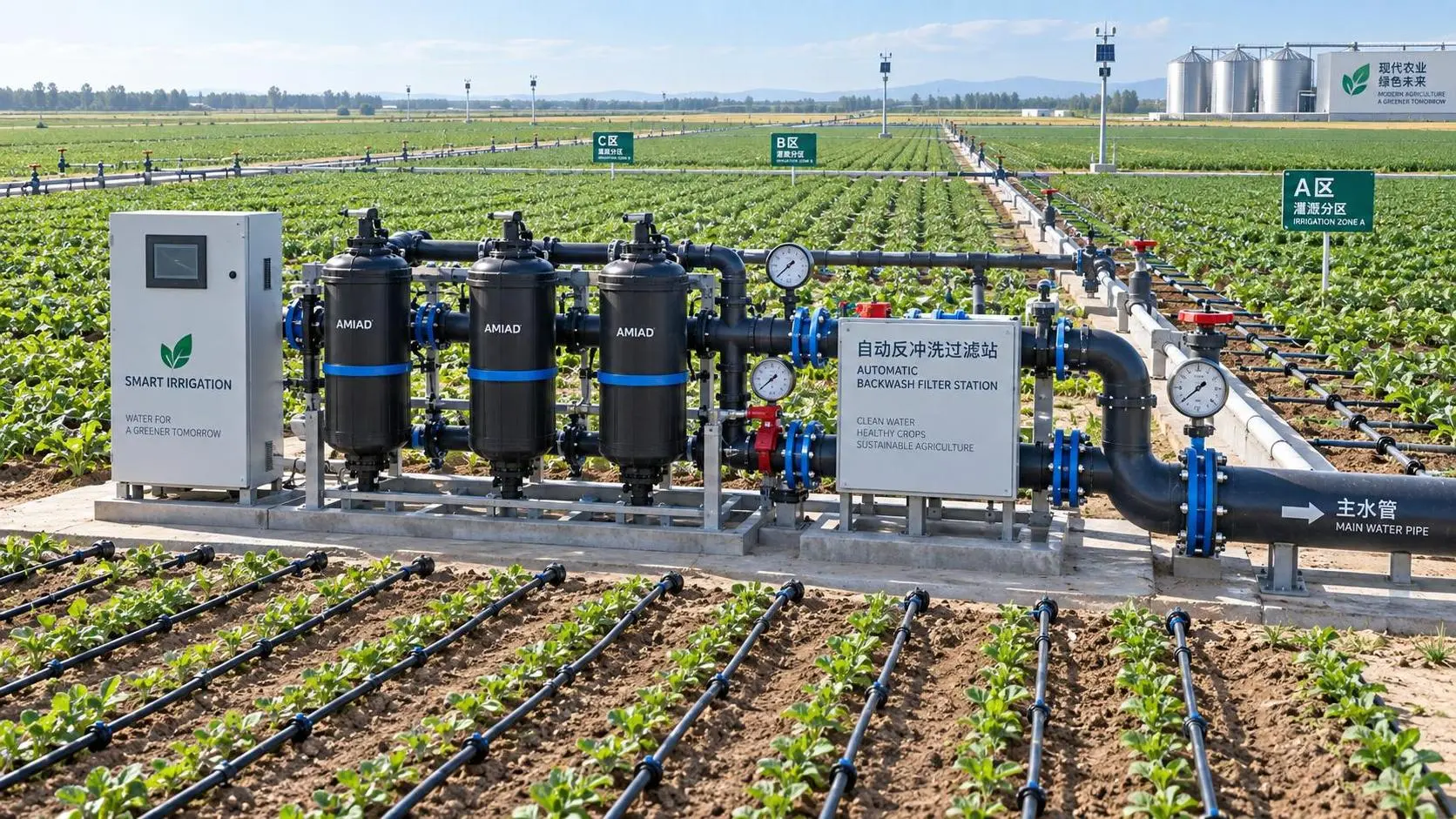
How to Evaluate Drip Irrigation System Manufacturers for Large Farm Projects
Drip irrigation systems manufacturer evaluation guide for large farms: compare hydraulic design, filtration, quality control, scalability, delivery, and support.
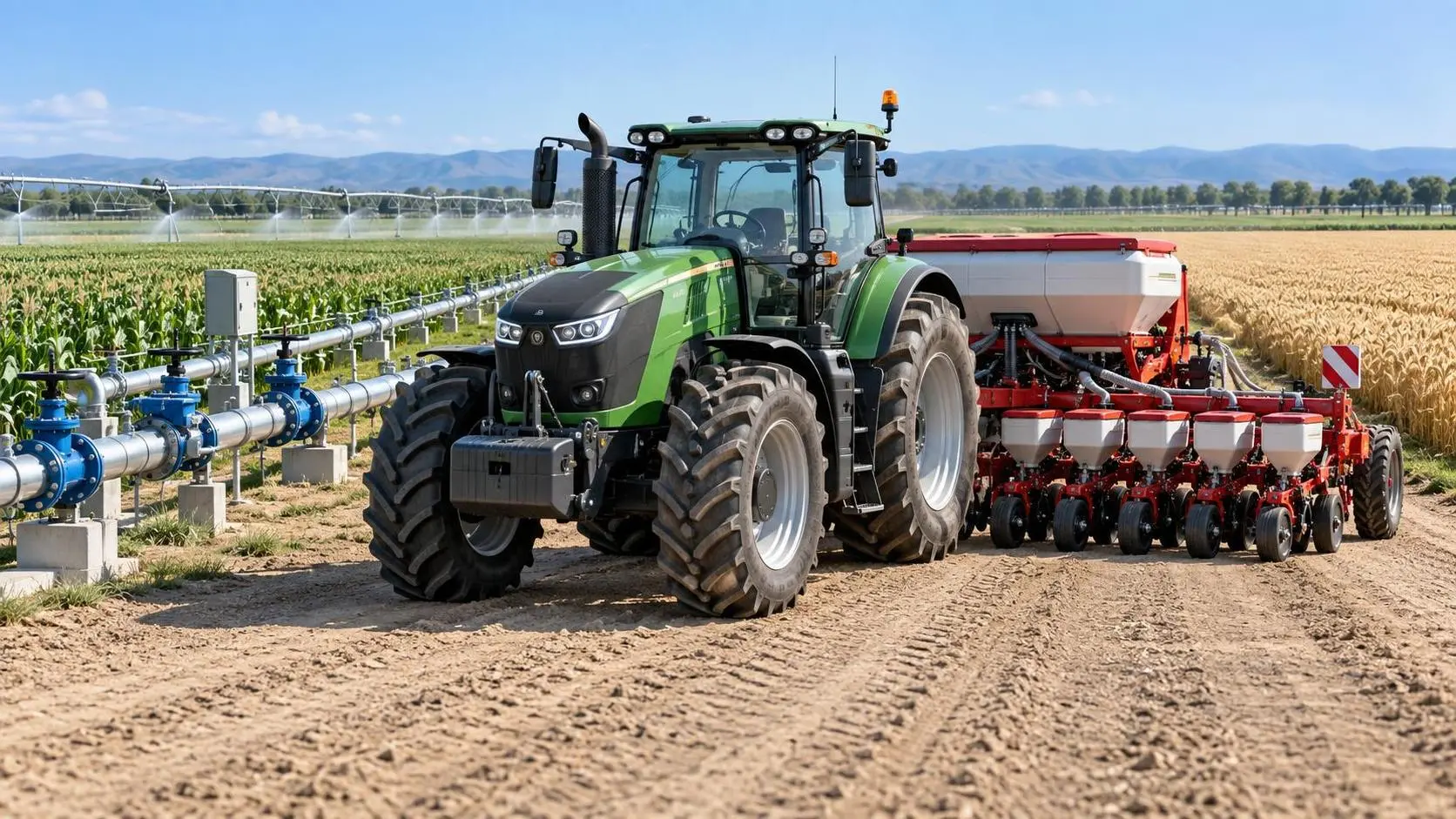
Specification Planning: A Practical Framework for Defining Equipment Requirements
Application guidance for specification planning: define measurable equipment requirements, prioritize performance, and avoid costly procurement mistakes.

How North American Farms Can Select Crop Monitoring Systems by Acreage and Connectivity
Crop monitoring systems North America: learn how to match acreage, connectivity, sensors, and data workflows for reliable, actionable farm decisions.

Where to Find Reliable Product Information for Comparing Farm Equipment
Product information resources agriculture buyers can trust: compare farm equipment with technical specs, manuals, field data, dealer support, and lifecycle insights.
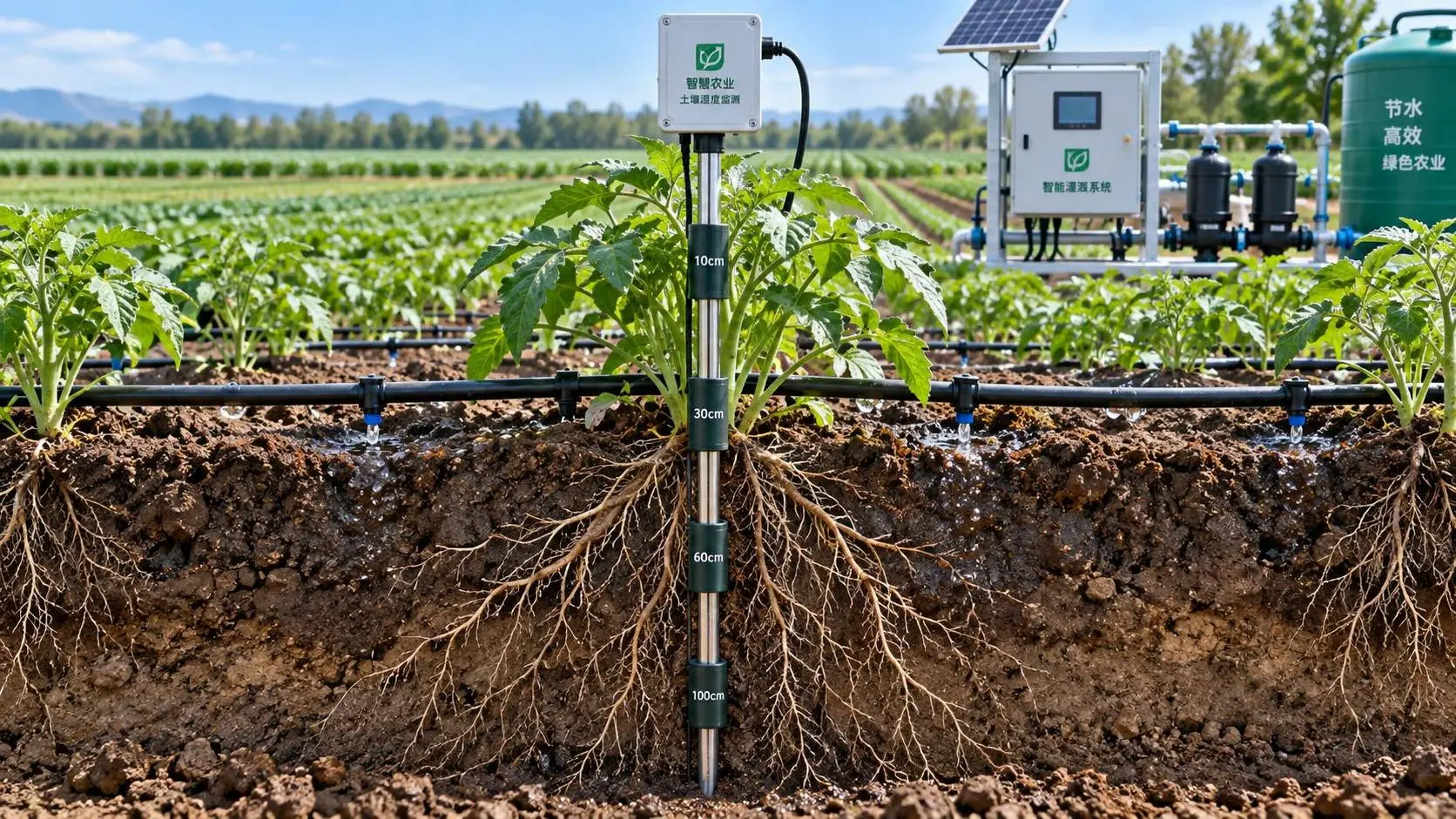
Selecting Real-Time Soil Moisture Sensors for Irrigation Zone Control
Soil moisture sensors real time: learn how to select reliable probes, optimize zone control, improve irrigation decisions, and scale precision water management.
Related News
- 00
0000-00
How to Evaluate Drip Irrigation System Manufacturers for Large Farm Projects - 00
0000-00
Wireless Agricultural Automation for Remote Irrigation and Field Monitoring - 00
0000-00
Designing Water-Saving Drip Irrigation Systems for High-Value Orchards - 00
0000-00
How to Choose Irrigation Solutions for Arid Regions Based on Water Source and Crop Needs - 00
0000-00
How IoT Smart Irrigation Networks Help Farms Cut Water Use and Improve Yield
Popular Tags
Hydrological Resource Strategist
Weekly Insights
Stay ahead with our curated technology reports delivered every Monday.