
USDA Rule Adds Water-Efficiency Certification for Drip Logic
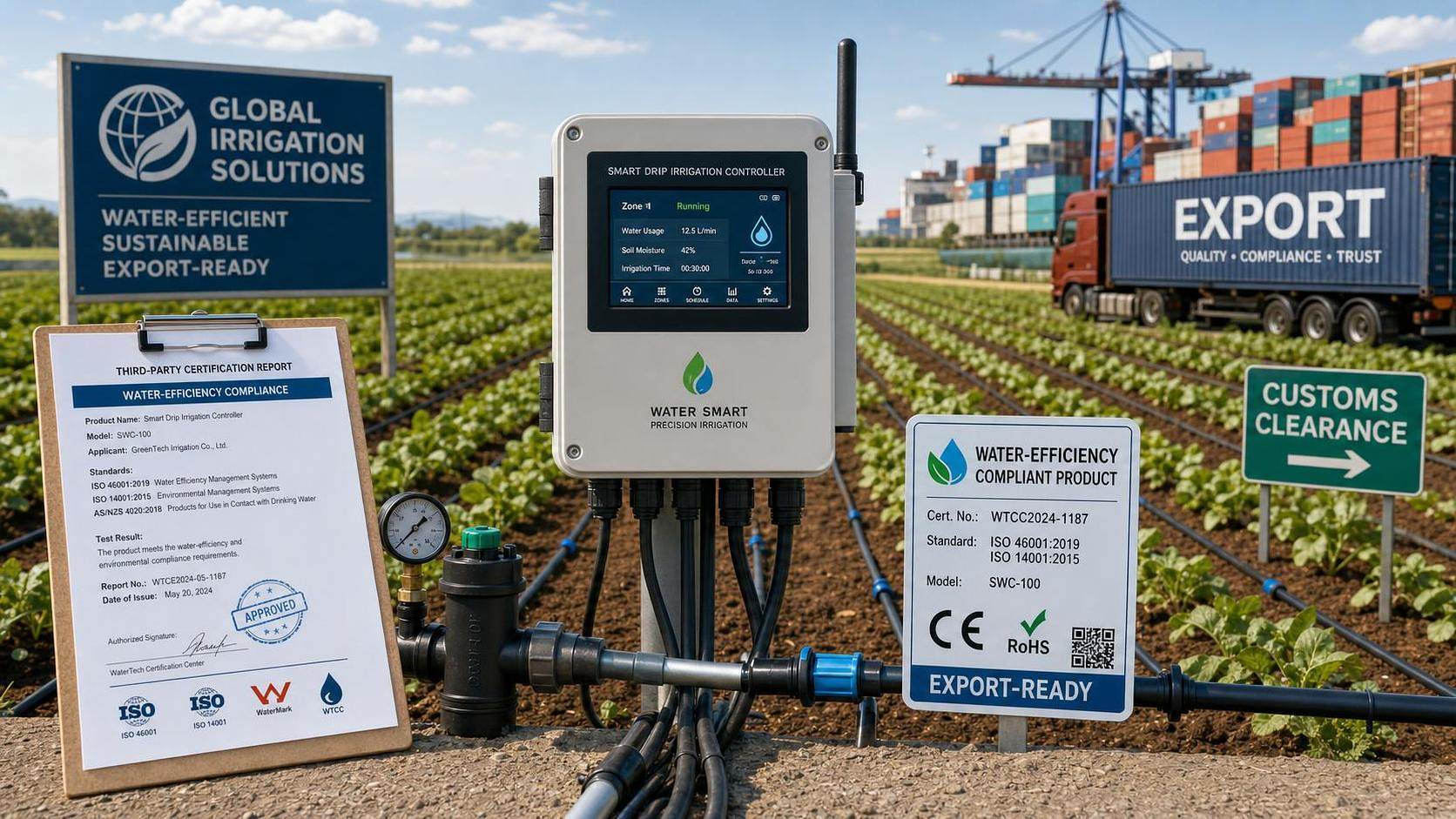




Effective August 1, 2026, the USDA has put a revised import compliance requirement into force for smart irrigation equipment entering the U.S. market. For drip irrigation logic systems, the immediate issue is no longer only product delivery, but whether exporters, importers, and supply-chain partners can provide a third-party verification report showing minimum water-use efficiency of WUE≥92.5% and submit a digital certification code at customs. This is worth close industry attention because it directly affects export procedures to the United States, delivery timing, compliance cost, and the allocation of technical and certification responsibilities in cross-border transactions.
What the New USDA Requirement Confirms
According to the provided information, the U.S. Department of Agriculture (USDA) formally implemented a revised version of the Smart Irrigation Equipment Import Compliance Guide on August 1, 2026. Under that revision, all drip irrigation logic systems entering the U.S. market must obtain a validation report from a third-party certification body confirming a minimum water-use efficiency threshold of WUE≥92.5%.
The same requirement also adds a customs filing element: a digital certification code must be submitted during declaration. The provided information further confirms that this change directly affects export procedures, delivery cycles, and compliance costs for Chinese manufacturers shipping such products to the United States. Importers are also required to define technical parameters and the allocation of certification responsibility in procurement contracts.
Where the Immediate Pressure Will Appear in the Supply Chain
Export transactions will face tighter document control
For companies directly engaged in trade, the main impact is procedural. The new rule links market entry to both a third-party verification report and a digital certification code, which means customs-related documentation becomes a critical execution point rather than a supporting formality. The business areas most likely to be affected are order confirmation, export paperwork preparation, and shipment release timing.
From an industry perspective, what deserves closer attention is whether exporters treat certification as a pre-shipment condition or leave it too late in the delivery process. The rule, as described, suggests that document readiness will directly influence whether goods can move through customs smoothly.
Manufacturers will need to align product parameters with compliance evidence
For Chinese manufacturers, the rule adds a compliance layer to U.S.-bound shipments of drip irrigation logic systems. The impact is not limited to testing itself; it also touches internal product specification control, external certification coordination, and delivery scheduling. If technical parameters presented in sales materials, contracts, and certification records are not fully aligned, execution risk may increase during export and import handling.
Analysis shows that the operational burden is likely to fall on the interface between engineering, documentation, and overseas sales teams. The new requirement makes the consistency of technical claims more important in cross-border transactions tied to the U.S. market.
Importers will need sharper contract language and responsibility mapping
For U.S. importers and procurement-side buyers, the provided information points to a contractual issue as much as a regulatory one. Since procurement contracts must clarify technical parameters and certification responsibility, buyers can no longer rely on broad product descriptions when sourcing drip irrigation logic systems for the U.S. market.
The practical impact is likely to appear in supplier qualification, contract drafting, and dispute prevention. Observably, importers will need to know in advance who is responsible for obtaining the third-party report, who manages the digital certification code, and how these requirements are tied to delivery commitments.
Supply-chain service providers may see added coordination demands
Logistics, customs, and trade-compliance service providers are not identified as the direct regulatory target, but they are likely to be affected through execution complexity. Where documentation timing, certification status, or customs submission details are unclear, these service providers may face a higher coordination burden in shipment preparation and border clearance support.
From an industry perspective, the key point is that this is not only a product compliance issue. It also changes the operational rhythm of export preparation, especially where multiple parties share responsibility for files, declarations, and shipment scheduling.
What Companies Should Watch Now
Track the exact wording used in commercial and technical documents
Companies involved in U.S.-bound sales should pay close attention to how product specifications are described across quotations, contracts, technical sheets, and certification records. Because the rule explicitly ties entry to a minimum WUE threshold, any mismatch between commercial documents and compliance evidence could become a practical problem during order execution.
Clarify who owns certification tasks before shipment is scheduled
The provided information already indicates that importers must define certification responsibility in procurement contracts. In practical terms, this means exporters and buyers should not leave the ownership of testing, certification coordination, digital code submission, or associated timing unresolved. What deserves closer attention is not only whether certification exists, but whether each task has a clearly assigned party before logistics planning begins.
Build more time into U.S.-bound delivery planning
Because the rule directly affects delivery cycles, companies should treat compliance preparation as part of lead-time management rather than as a final-stage document step. Analysis shows that businesses handling U.S. orders may need to review internal sequencing around certification readiness, customs paperwork, and shipment release expectations.
Separate policy text from execution assumptions
Another practical issue is the difference between the formal rule and day-to-day implementation. Observably, companies should focus on how the certification report and digital certification code are incorporated into actual export and import workflows, instead of assuming that broad compliance intent automatically translates into smooth processing.
Why This Looks Like More Than a Short-Term Documentation Change
This section is analysis rather than confirmed fact. It is more appropriate to understand this development as both an immediate compliance change and a broader policy signal around measurable water-use performance in market access. The requirement does not merely ask for a product category label; it links entry to a quantified efficiency threshold and third-party validation.
At the same time, it would be premature to overstate the long-term market outcome based only on the provided information. No broader enforcement data, market response, or follow-up guidance has been supplied here. For that reason, the current industry reading should remain disciplined: the rule has already created a concrete compliance obligation, while its wider commercial impact still needs continued observation.
How the Industry May Best Read the Change at This Stage
At this stage, the most balanced interpretation is that the USDA requirement has created a clear new threshold for exporting drip irrigation logic systems into the United States. The direct effects are procedural and contractual: certification, digital customs submission, delivery timing, and responsibility allocation are now more tightly connected.
From an industry perspective, this is not just a headline about regulation. It is a practical reminder that technical performance claims, third-party verification, and trade execution documents are now more closely linked in this product segment. It is more appropriate to understand this as a rule already in force with immediate operational consequences, while the broader market implications remain something to watch rather than assume.
Basis of This Article and Ongoing Verification Needs
This article is based on the user-provided news title, event date, and event summary concerning the USDA rule that took effect on August 1, 2026 for drip irrigation logic systems entering the U.S. market. The analysis above is limited to that provided information and does not rely on additional unverified data, company disclosures, policy numbering, or external market estimates.
For this type of industry update, source categories commonly worth checking include official government notices, company statements, industry association updates, authoritative media coverage, and standards-related documents. No specific official source link was provided in the input, so the exact official reference still requires ongoing verification. The next areas to monitor are any further official wording, implementation details in customs practice, and whether procurement and certification responsibilities become more explicitly standardized in cross-border contracts.
Related News
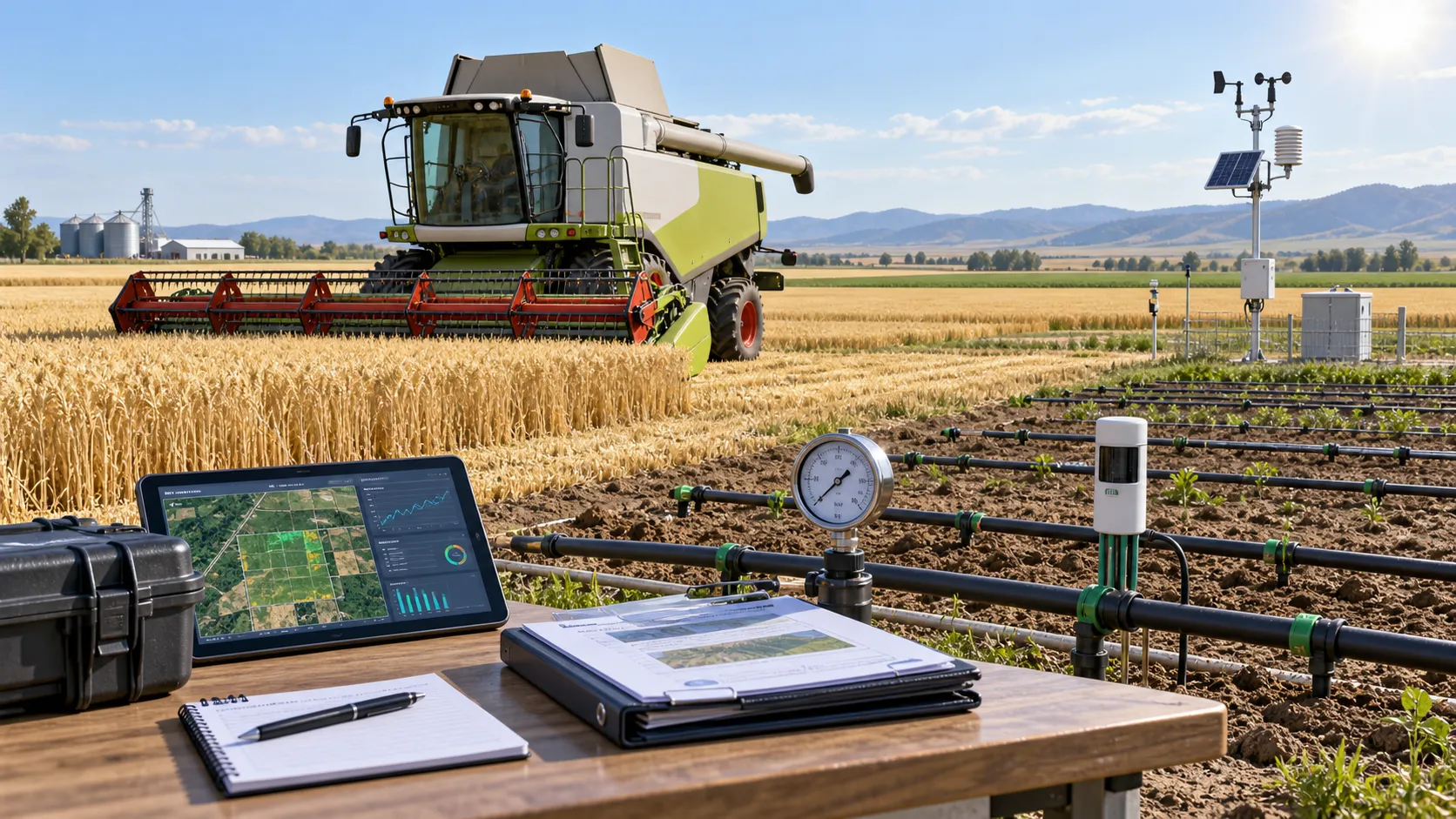
How to Evaluate Agricultural Product Information Sources for Reliable Farm Decisions
Agricultural product information reference guide: evaluate reliable farm data, verify claims, and make smarter machinery, irrigation, and crop decisions.

Farm Machinery Guide: Matching Tractor Horsepower and Implements to Farm Size
Farm machinery guide for tractors: match horsepower, implement width, hydraulics, traction, and fleet capacity to farm size for lower costs and reliable field performance.
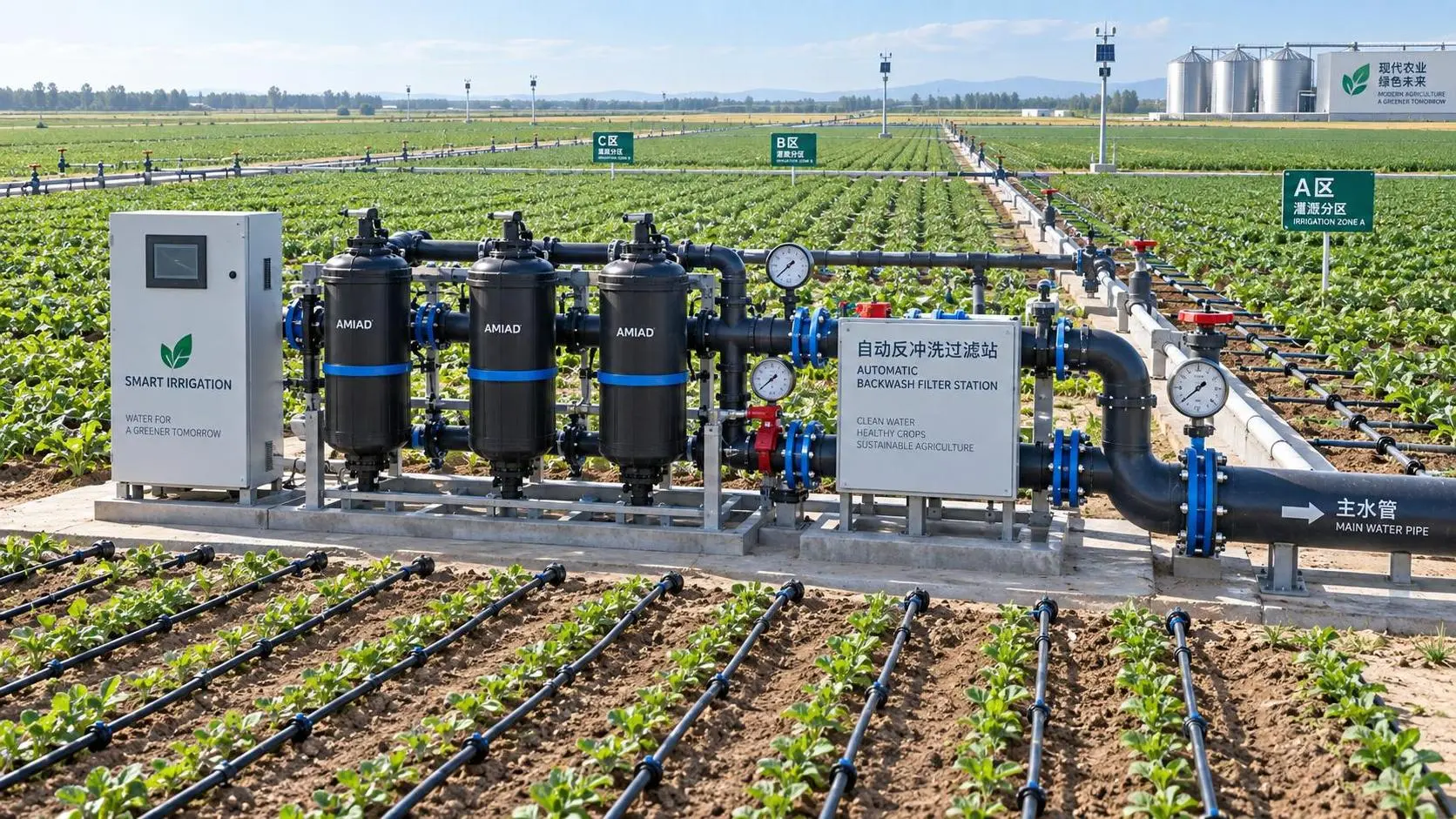
How to Evaluate Drip Irrigation System Manufacturers for Large Farm Projects
Drip irrigation systems manufacturer evaluation guide for large farms: compare hydraulic design, filtration, quality control, scalability, delivery, and support.

Specification Planning: A Practical Framework for Defining Equipment Requirements
Application guidance for specification planning: define measurable equipment requirements, prioritize performance, and avoid costly procurement mistakes.

How North American Farms Can Select Crop Monitoring Systems by Acreage and Connectivity
Crop monitoring systems North America: learn how to match acreage, connectivity, sensors, and data workflows for reliable, actionable farm decisions.

Where to Find Reliable Product Information for Comparing Farm Equipment
Product information resources agriculture buyers can trust: compare farm equipment with technical specs, manuals, field data, dealer support, and lifecycle insights.
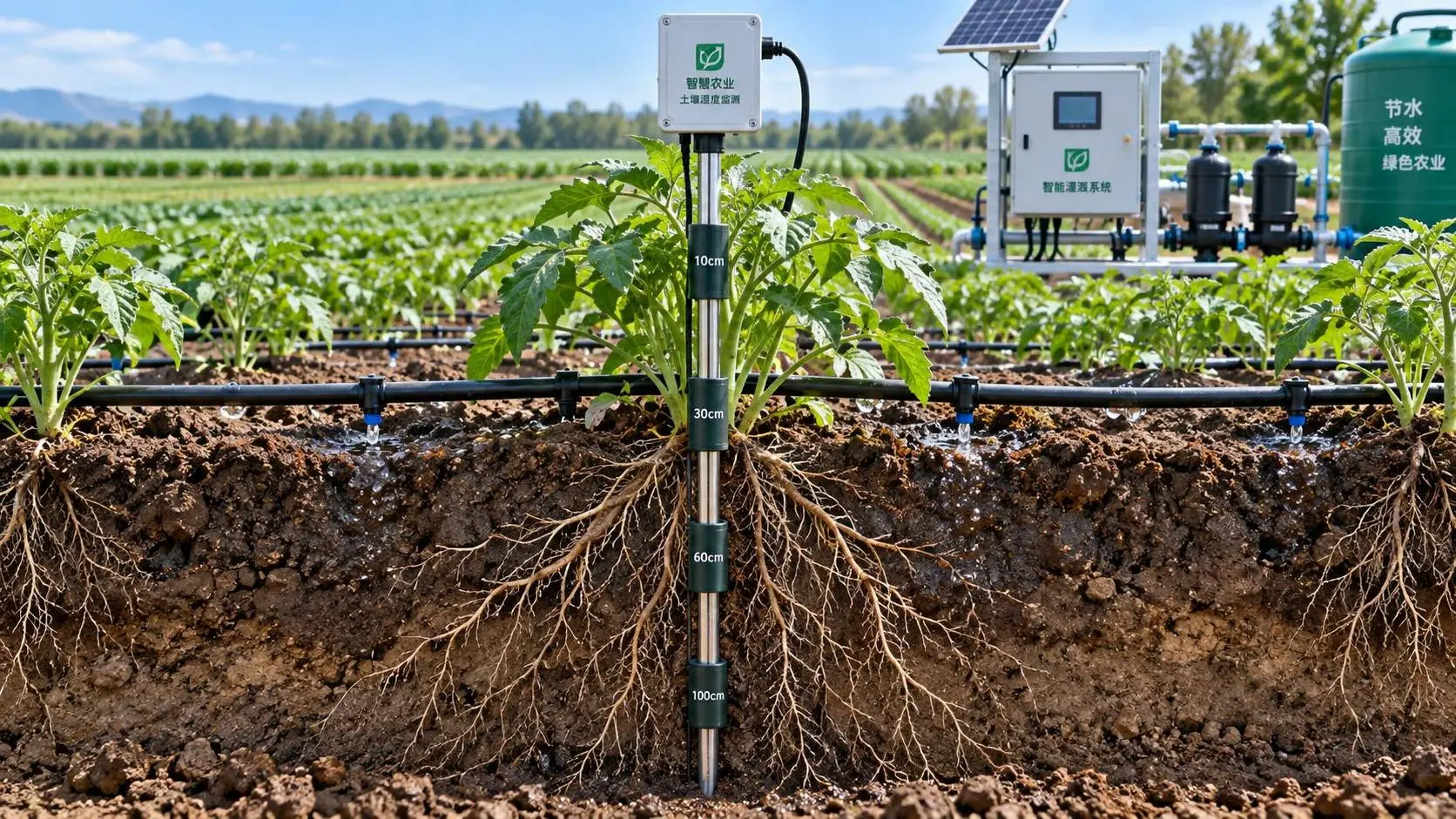
Selecting Real-Time Soil Moisture Sensors for Irrigation Zone Control
Soil moisture sensors real time: learn how to select reliable probes, optimize zone control, improve irrigation decisions, and scale precision water management.
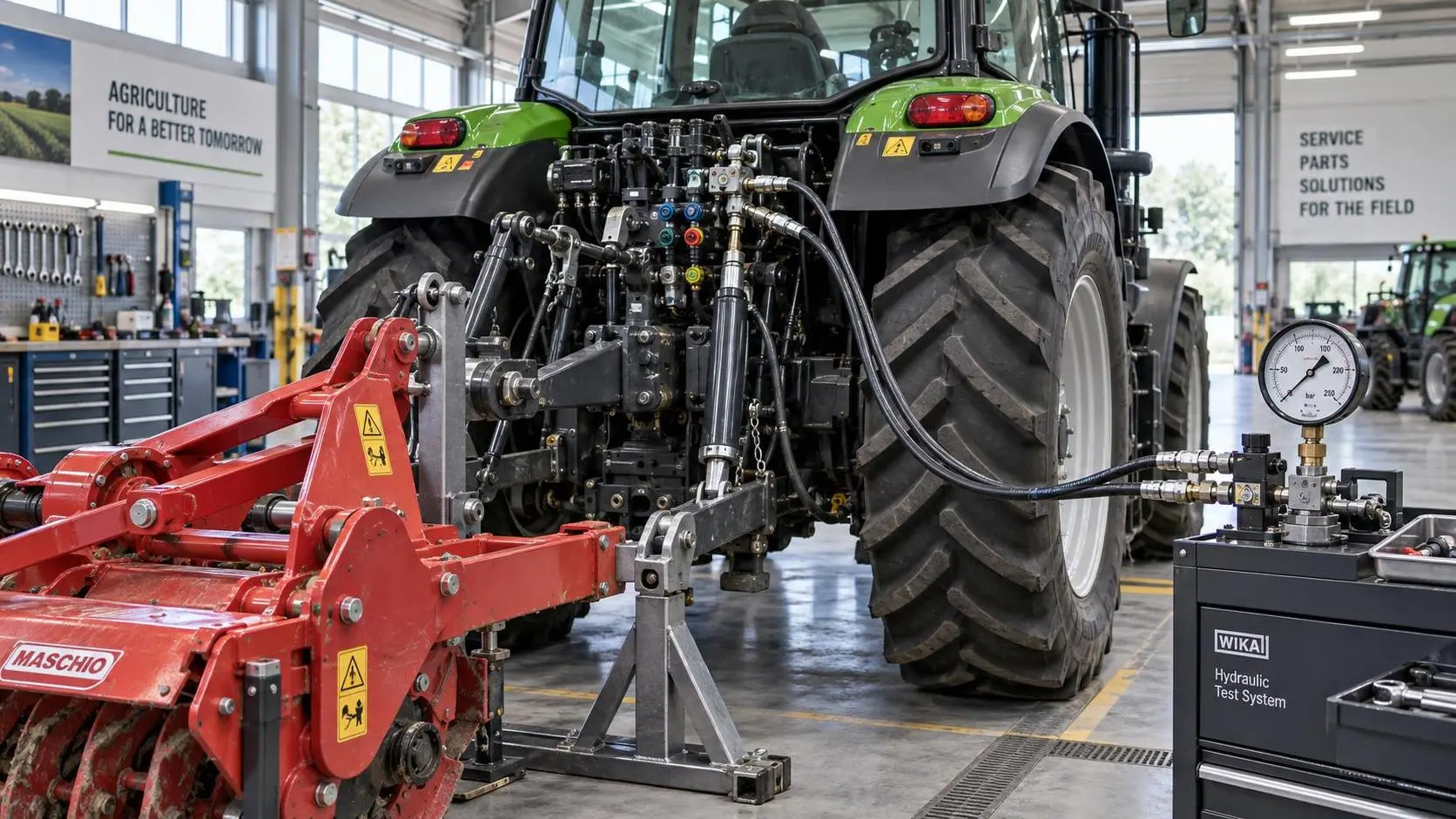
Tractor Hydraulic Systems Troubleshooting: Diagnosing Weak Lift and Slow Implements
Tractor hydraulic systems troubleshooting made practical: diagnose weak lifts and slow implements with proven pressure, flow, valve, and oil-supply checks.
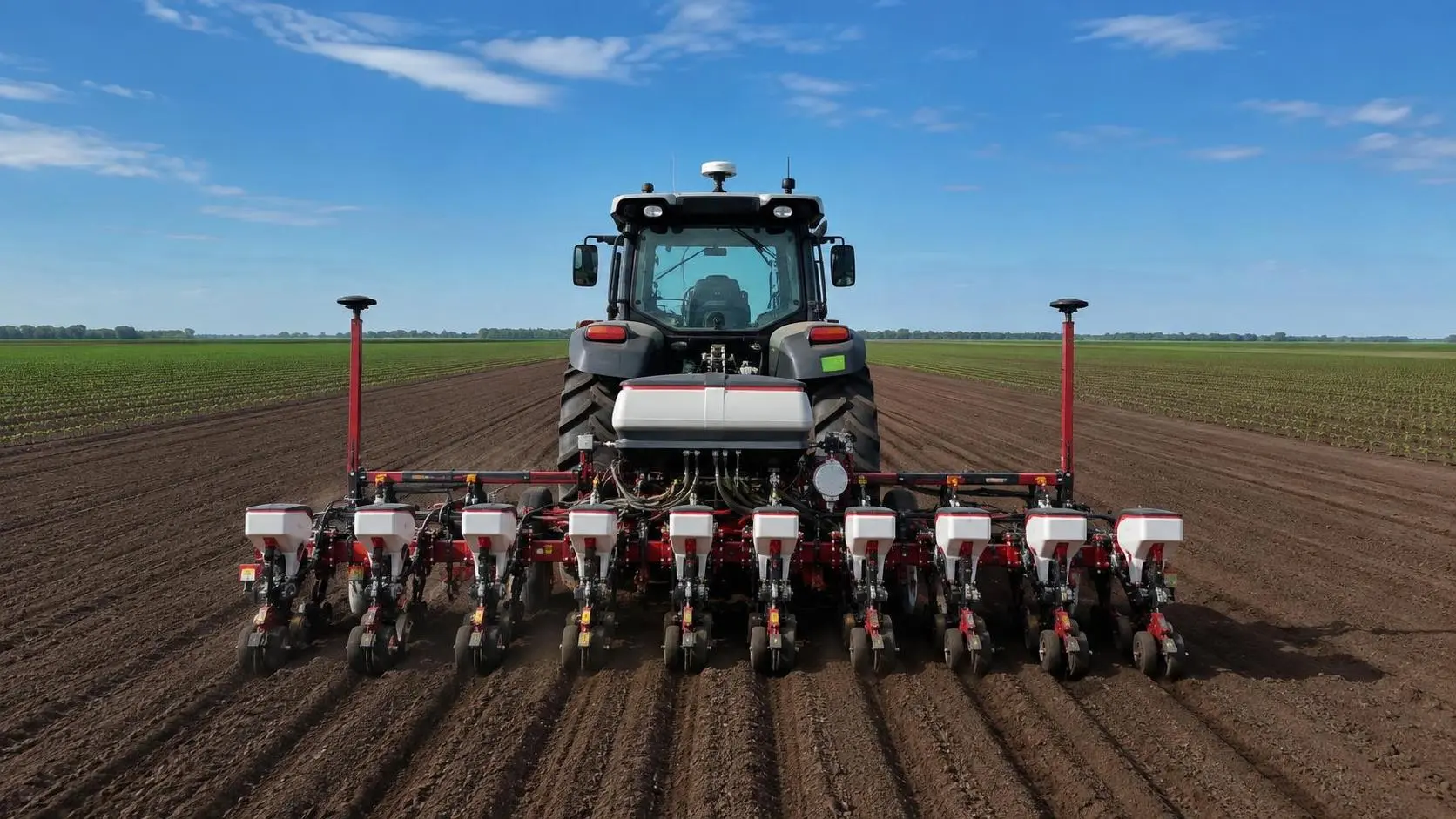
How Tractor Intelligence Systems Improve Field Efficiency and Input Accuracy
Agricultural machinery intelligence for tractors improves field efficiency, input accuracy, data traceability, and implement control. Explore smarter evaluation strategies.
Related News
- 00
0000-00
How to Evaluate Drip Irrigation System Manufacturers for Large Farm Projects - 00
0000-00
Wireless Agricultural Automation for Remote Irrigation and Field Monitoring - 00
0000-00
Designing Water-Saving Drip Irrigation Systems for High-Value Orchards - 00
0000-00
How to Choose Irrigation Solutions for Arid Regions Based on Water Source and Crop Needs - 00
0000-00
How IoT Smart Irrigation Networks Help Farms Cut Water Use and Improve Yield
Popular Tags
Hydrological Resource Strategist
Weekly Insights
Stay ahead with our curated technology reports delivered every Monday.