
USDA Rule Takes Effect: WaterSense Label Now Required
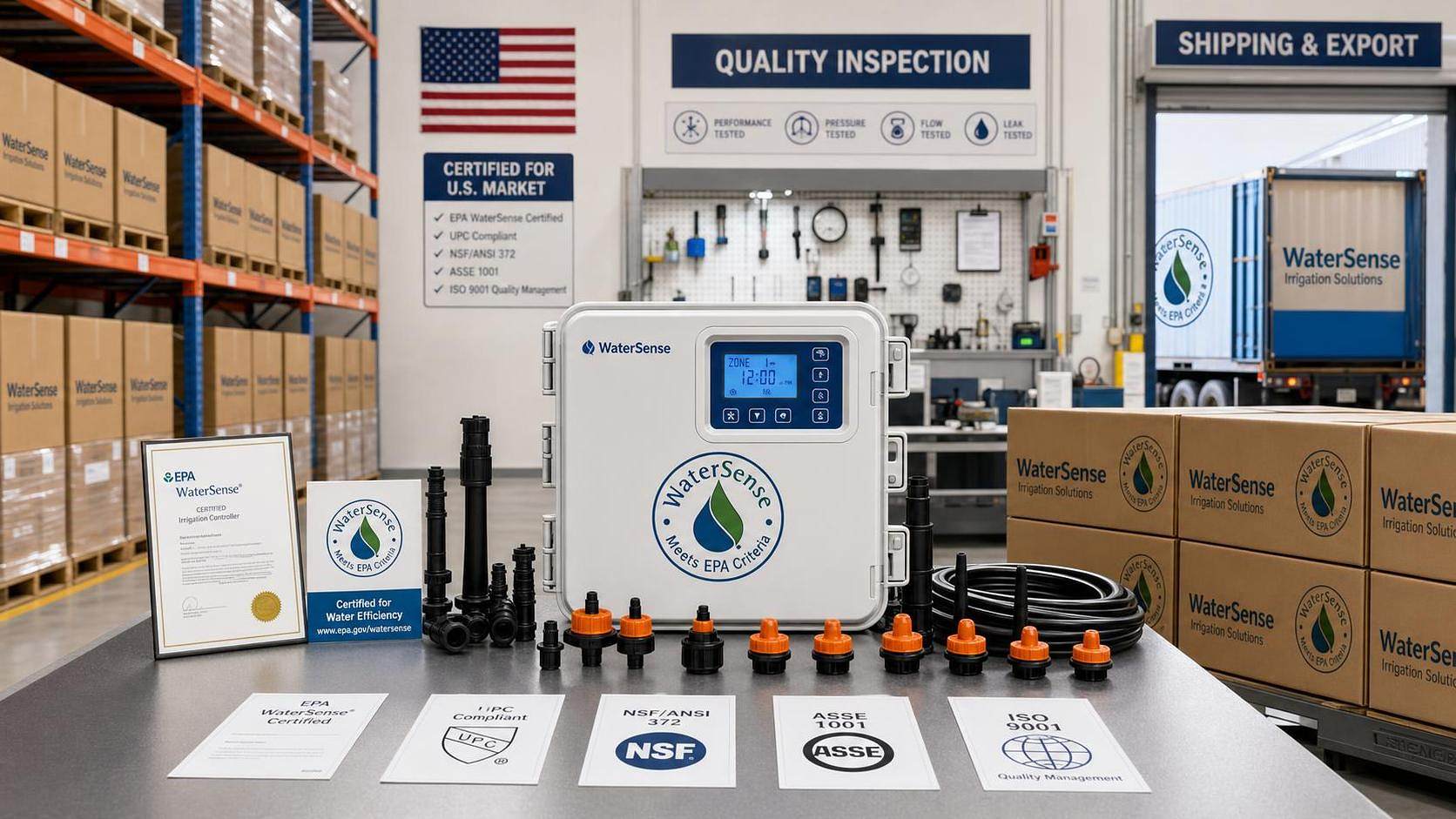




On July 30, 2026, a new U.S. compliance requirement took effect for drip irrigation control systems entering the American market. Under a joint action by the EPA and USDA, exported Drip Irrigation Logic products must now obtain WaterSense certification and carry the official label, or face customs rejection by CBP. For manufacturers, exporters, import-side buyers, and compliance service providers, the development matters because it shifts labeling and certification from a commercial preference to a market-entry condition tied directly to clearance and delivery.
What the new U.S. requirement confirms
The confirmed facts are limited but clear. The EPA and USDA jointly issued the 2026 Irrigation Equipment Compliance Enforcement Order, and from July 30, 2026, all drip irrigation control systems exported to the United States must pass WaterSense certification and bear the official label. Products that do not meet that requirement may be denied entry during customs clearance by CBP. The stated scope covers controllers, pressure-compensating drippers, and intelligent water-distribution algorithm modules. The change directly affects the compliance path and delivery timing of leading Chinese irrigation equipment exporters.
Where the pressure is likely to appear across the supply chain
Export shipments now face a stricter entry checkpoint
From an industry perspective, exporters are the first group likely to feel the change because certification status and label readiness now sit closer to customs clearance risk. The practical effect is not only whether a product can be sold, but whether it can enter the U.S. market at all. What deserves closer attention is the alignment between product scope, certification coverage, and shipment documentation before goods are dispatched.
Manufacturing and product integration may need tighter compliance coordination
Manufacturers involved in controllers, pressure-compensating drippers, and smart distribution modules may need to review whether product configurations, assembled systems, and final labeling are consistent with the new requirement. Analysis shows that where multiple components are combined into one exportable system, compliance review may extend beyond a single part and into how the finished product is presented for trade and delivery.
Procurement and channel participants may need to recheck delivery assumptions
Buyers, distributors, and channel-side procurement teams may also be affected because the rule links certification and labeling to import clearance rather than only to downstream sales readiness. In practice, procurement timing, supplier qualification checks, and acceptance documentation may require closer review, especially where delivery schedules depend on uninterrupted customs entry.
Testing and certification-related service providers may see process bottlenecks
Certification-related companies and testing service institutions are relevant because the rule explicitly ties market access to WaterSense certification. Observably, even without further published execution detail in the input, the immediate concern for affected firms is whether review timelines, technical file preparation, and label application steps can match shipment plans.
What companies should review now
Confirm whether the product falls within the stated scope
Companies should first verify whether their export portfolio includes controllers, pressure-compensating drippers, or intelligent water-distribution algorithm modules covered by the requirement. This is a basic but necessary step because scope uncertainty can quickly turn into shipment and contract risk.
Recheck certification status and label readiness together
Analysis shows that certification and labeling should not be treated as separate administrative tasks. The requirement, as provided, links WaterSense certification and the official label to customs entry, so firms should review whether both conditions are addressed in the same export preparation workflow.
Review trade documents and technical materials before dispatch
What deserves closer attention is the consistency of product descriptions, compliance files, technical materials, and any customer-facing or bid-related documentation. The input does not provide a detailed enforcement format, so this should be understood as a precautionary compliance review rather than a confirmed filing checklist.
Build more time into delivery and supplier coordination
Because the summary states that the rule directly affects compliance pathways and delivery cycles, exporters and buyers should pay close attention to scheduling assumptions. Observably, supplier qualification, certification progress, and shipment planning may need closer coordination until market practice around the rule becomes clearer.
Why this looks like an execution signal, not just a policy headline
Analysis shows that this development is better understood as an already effective market-entry requirement rather than a distant policy proposal, because the input specifies an effective date and a customs consequence for non-compliance. At the same time, it is not yet possible to treat every operational detail as settled fact. It is more appropriate to understand this as a rule that has clearly landed in principle, while its detailed execution rhythm, certification interpretation, and business-side adjustments still warrant close observation.
How the market should read the change at this stage
The immediate significance of the update is that WaterSense labeling has moved into the core compliance path for covered drip irrigation control systems exported to the United States. That does not by itself answer every operational question, but it does establish a clearer threshold for trade readiness. A neutral reading is that affected companies should treat this as a live compliance development with direct implications for certification review, shipment preparation, and delivery planning, while continuing to monitor how implementation is applied in practice.
Basis of this article and points still to verify
This article is generated from the user-provided news title, event date, and event summary. For events of this type, relevant source categories typically include official notices, releases from regulatory authorities, customs or trade-administration information, industry association updates, standards organization materials, and reporting by authoritative trade media. A specific official source link was not provided in the input, so the exact underlying publication should be verified on an ongoing basis. Further observation is still needed on detailed policy language, certification enforcement interpretation, possible changes in tender or procurement documents, industry feedback, and actual company implementation progress.
Related News
How to Evaluate Drip Irrigation System Manufacturers for Large Farm Projects
Drip irrigation systems manufacturer evaluation guide for large farms: compare hydraulic design, filtration, quality control, scalability, delivery, and support.
Specification Planning: A Practical Framework for Defining Equipment Requirements
Application guidance for specification planning: define measurable equipment requirements, prioritize performance, and avoid costly procurement mistakes.

How North American Farms Can Select Crop Monitoring Systems by Acreage and Connectivity
Crop monitoring systems North America: learn how to match acreage, connectivity, sensors, and data workflows for reliable, actionable farm decisions.

Where to Find Reliable Product Information for Comparing Farm Equipment
Product information resources agriculture buyers can trust: compare farm equipment with technical specs, manuals, field data, dealer support, and lifecycle insights.
Selecting Real-Time Soil Moisture Sensors for Irrigation Zone Control
Soil moisture sensors real time: learn how to select reliable probes, optimize zone control, improve irrigation decisions, and scale precision water management.
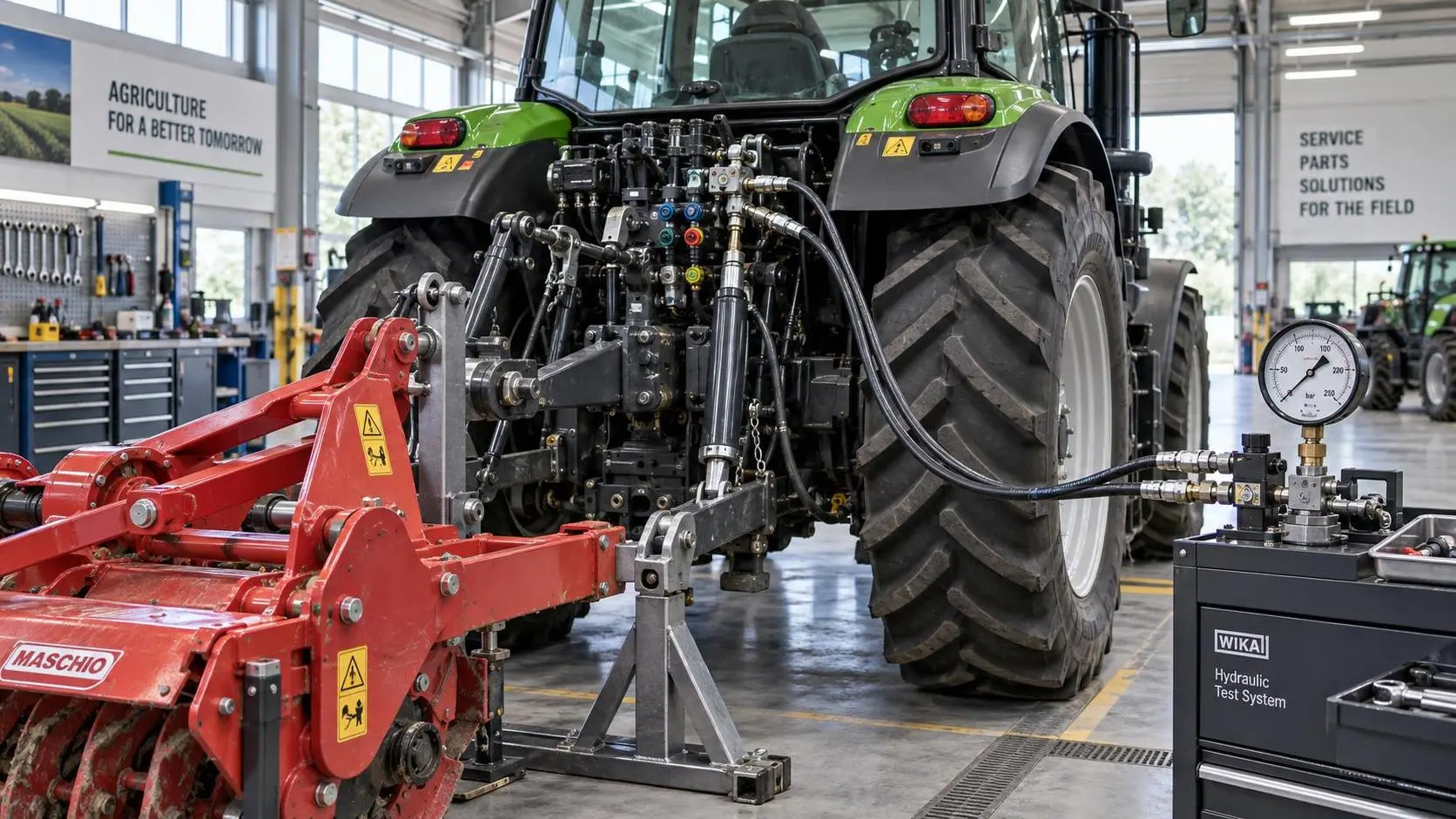
Tractor Hydraulic Systems Troubleshooting: Diagnosing Weak Lift and Slow Implements
Tractor hydraulic systems troubleshooting made practical: diagnose weak lifts and slow implements with proven pressure, flow, valve, and oil-supply checks.
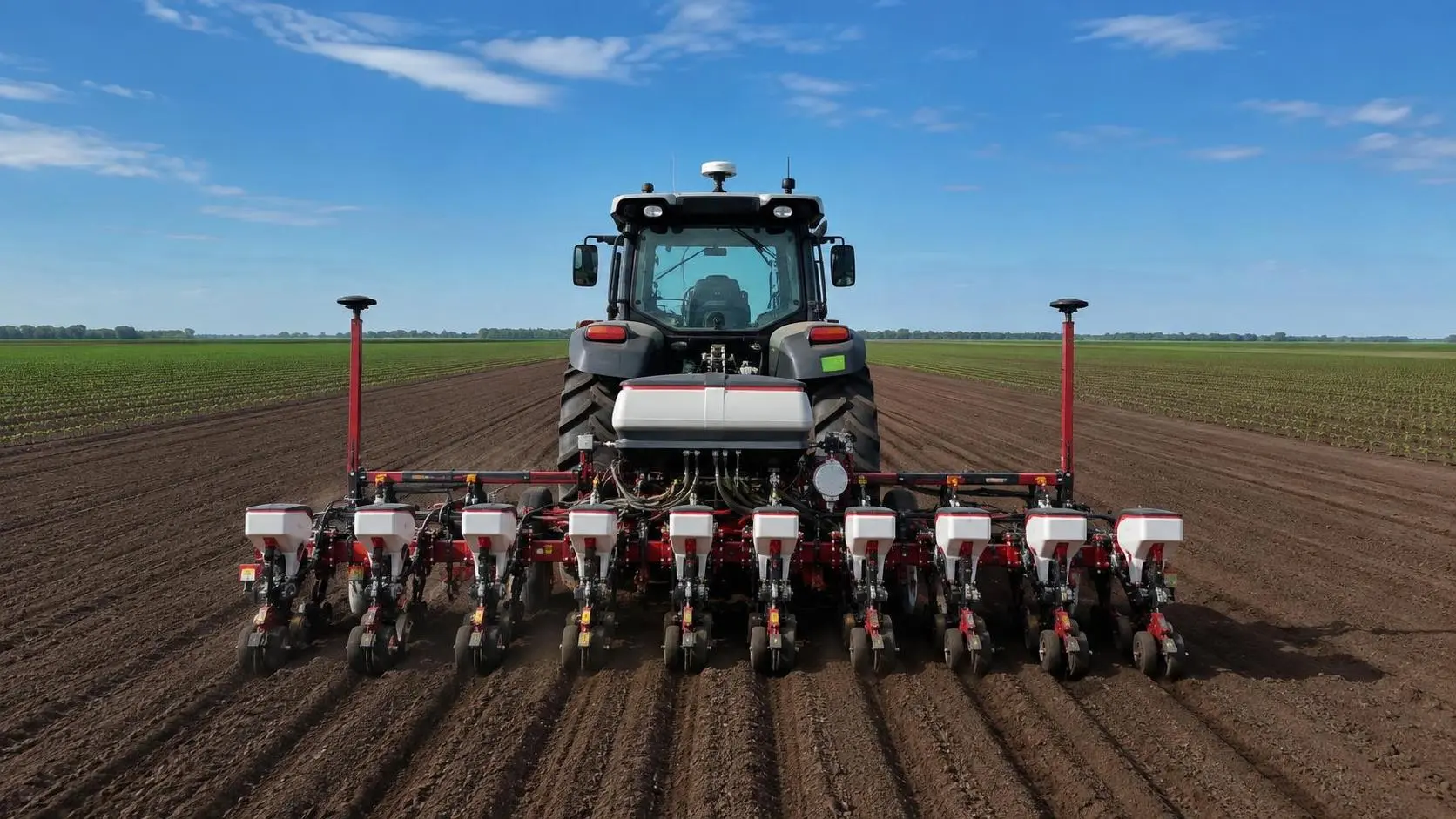
How Tractor Intelligence Systems Improve Field Efficiency and Input Accuracy
Agricultural machinery intelligence for tractors improves field efficiency, input accuracy, data traceability, and implement control. Explore smarter evaluation strategies.
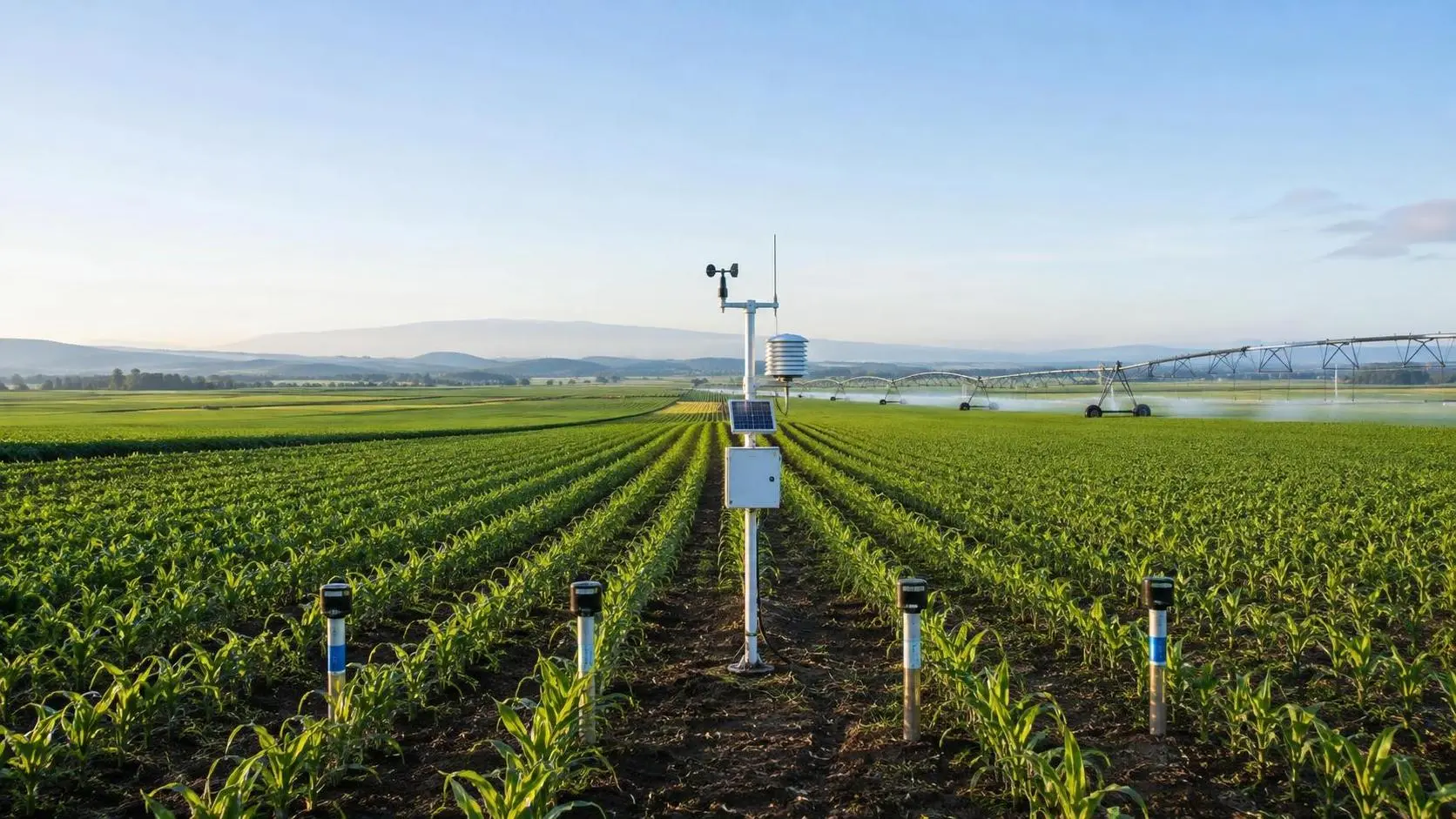
How to Evaluate Crop Monitoring System Manufacturers for Large-Scale Farms
Compare crop monitoring systems manufacturers for large-scale farms. Evaluate data quality, integration, durability, lifecycle costs, support, and pilots for smarter decisions.
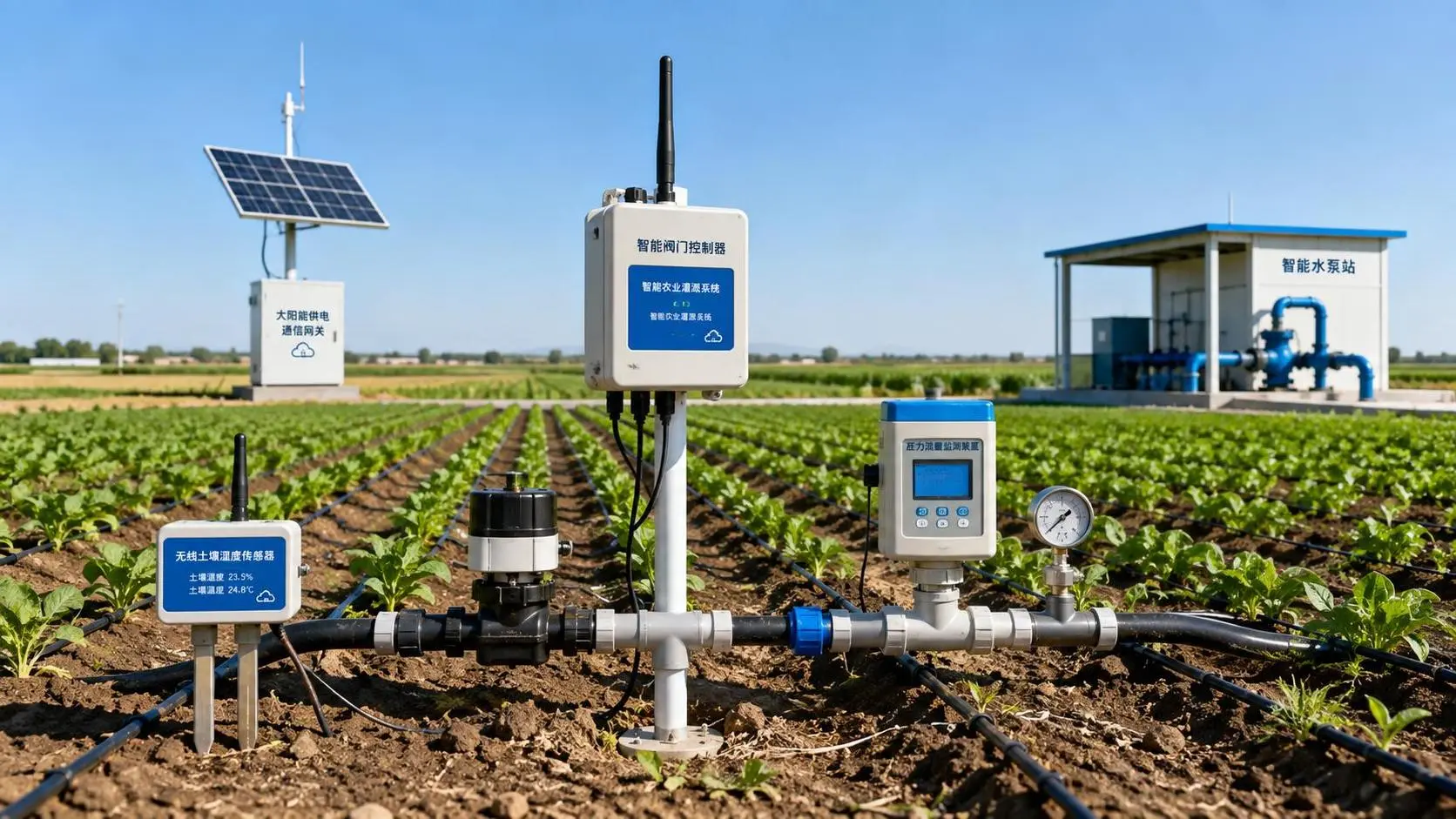
Wireless Agricultural Automation for Remote Irrigation and Field Monitoring
Agricultural automation wireless solutions improve remote irrigation with reliable field data, local control, flow verification, and smarter monitoring. Explore resilient deployment strategies.
Related News
- 00
0000-00
How to Evaluate Drip Irrigation System Manufacturers for Large Farm Projects - 00
0000-00
Wireless Agricultural Automation for Remote Irrigation and Field Monitoring - 00
0000-00
Designing Water-Saving Drip Irrigation Systems for High-Value Orchards - 00
0000-00
How to Choose Irrigation Solutions for Arid Regions Based on Water Source and Crop Needs - 00
0000-00
How IoT Smart Irrigation Networks Help Farms Cut Water Use and Improve Yield
Popular Tags
Hydrological Resource Strategist
Weekly Insights
Stay ahead with our curated technology reports delivered every Monday.