
EU Rule Takes Effect: EN 16924:2026 for Drip Irrigation Logic
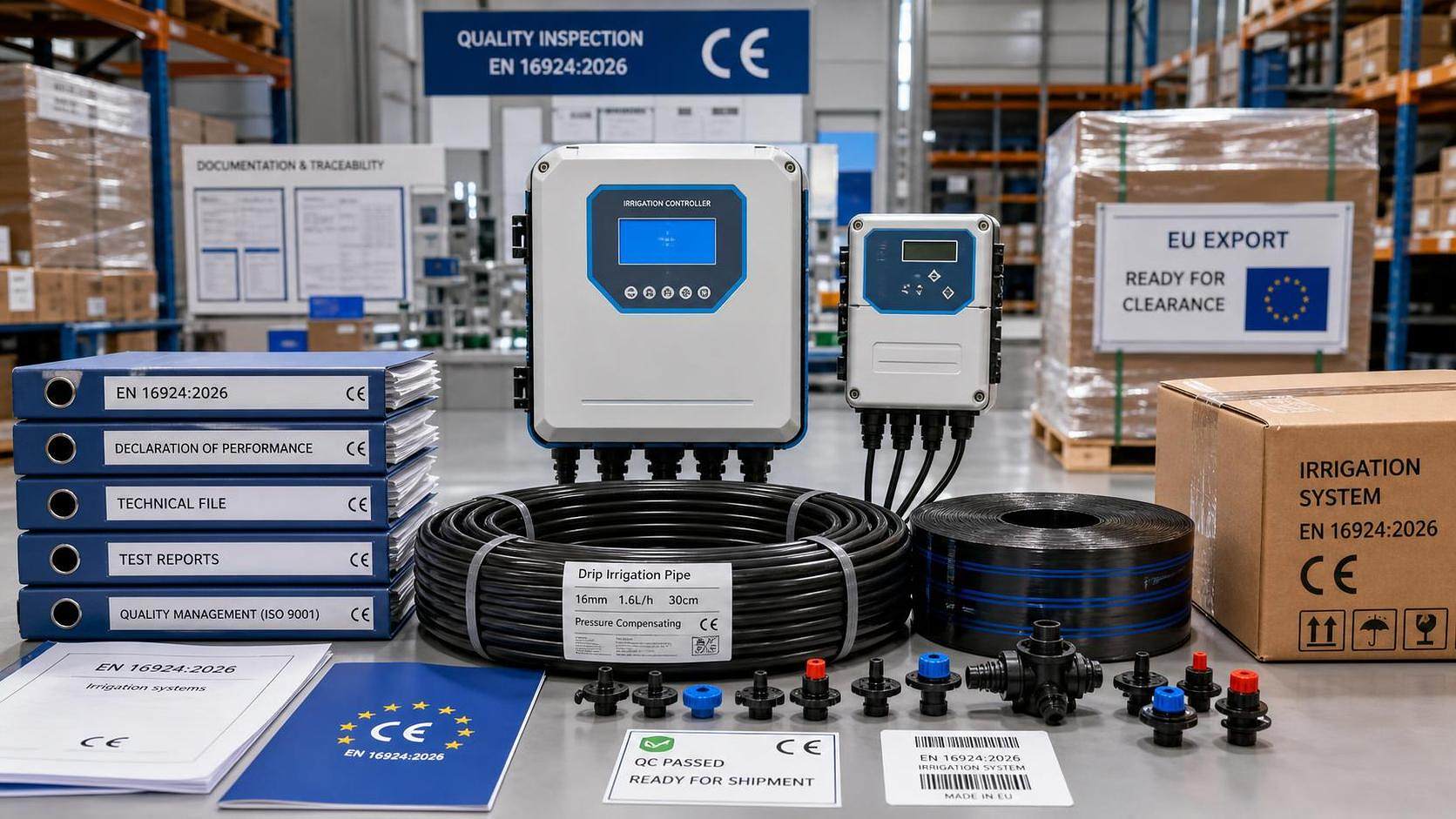




On July 27, 2026, the EU put into effect the revised mandatory irrigation equipment standard EN 16924:2026, making third-party certification for water-saving performance and pressure-compensation consistency a market-entry requirement for Drip Irrigation Logic products sold into the bloc. For exporters, distributors, buyers, and compliance teams connected to EU-bound shipments, this matters because the change reaches beyond product testing and directly affects market access, CE marking validity, customs timing, warehousing acceptance, and return risk.
What the rule change confirms
The confirmed facts are limited but commercially significant. From July 27, 2026, the EU formally applies EN 16924:2026 as a mandatory standard for irrigation equipment in relation to Drip Irrigation Logic products entering the EU market. Under this requirement, such products must pass third-party certification covering water-efficiency performance and pressure-compensation consistency. The event summary also indicates that this change directly affects Chinese exporters in product access to the EU market, the validity of CE marking, and the customs clearance timing faced by distributors. Products without the required certification may be refused warehouse entry or face return risk.
Where the pressure is likely to appear first
Export transactions now hinge more directly on certification status
From an industry perspective, exporters of Drip Irrigation Logic products are likely to feel the impact first because the new requirement is tied to whether goods can enter the EU market at all. The practical focus is no longer limited to product readiness in a general sense; it now extends to whether third-party certification materials are complete, current, and aligned with the product being shipped. What deserves closer attention is the connection between certification status and CE marking validity, since the event summary explicitly links the new standard to that issue.
Distribution and customs handling face tighter document sensitivity
Distributors and channel operators handling EU import flows may also face more immediate operational pressure. The reason is straightforward: if certification is missing or cannot support the shipment, customs timing and warehouse acceptance may be affected. In business terms, this means document review, inbound planning, and inventory scheduling could become more exposed to compliance delays. Companies involved in distribution should pay close attention to whether technical files, certification records, and shipment documentation are consistent before goods are dispatched.
Procurement and supply-chain coordination may need earlier screening
Buyers and supply-chain service providers are also likely to be affected because supplier qualification may now need to include verification of EN 16924:2026-related certification readiness. Analysis shows that where procurement decisions were previously driven mainly by price, specification, and delivery timing, the new rule increases the weight of compliance readiness in supplier selection and order confirmation. This is especially relevant where delivery commitments depend on uninterrupted customs processing and warehouse intake.
Testing and compliance support functions may become more central
Certification-related service providers and internal compliance teams may see a more central role in transaction execution. The rule change does not merely concern technical conformity in isolation; it can influence whether goods move through export, import, and handover stages without disruption. For that reason, businesses connected to EU shipments should watch for changes in required supporting records, test references, and the way technical compliance is presented in commercial documentation.
What companies should review now
Check whether existing certification coverage is still sufficient
Analysis shows that companies shipping Drip Irrigation Logic products into the EU should first review whether current certification arrangements match the new mandatory standard and its stated third-party requirements. The event summary does not provide detailed execution procedures, so this should be treated as a compliance review priority rather than as confirmation of any single accepted documentation path.
Re-examine the CE marking file against the new requirement
Because the summary explicitly connects EN 16924:2026 to CE marking validity, exporters and import-side partners should review whether the technical and compliance file supporting CE marking remains adequate after the rule takes effect. This includes paying attention to consistency between product claims, certification evidence, and shipment documents. At this stage, companies should avoid assuming that older supporting materials will automatically remain acceptable.
Build more time into delivery and customs planning
Observably, the clearest near-term operational risk lies in timing. Since the event summary mentions customs clearance efficiency and the possibility of warehouse rejection or returns for uncertified products, businesses should watch delivery schedules, customer commitments, and inbound planning more closely. This is not proof of a uniform delay across all shipments, but it is a clear signal that compliance readiness may affect delivery reliability.
Watch for changes in buyer documentation and tender language
It is more appropriate to understand this change as one that may gradually feed into procurement files, product specifications, and acceptance conditions. Companies should therefore monitor whether customers, distributors, or project buyers begin asking for updated certification proof, technical documentation, or conformity wording tied to EN 16924:2026. The input does not confirm how quickly such market practice will shift, so continued monitoring is necessary.
How this development should be read
As an editorial observation, this is best read first as a rule now in force rather than as a preliminary policy signal. The immediate point is not that the entire market response is already settled, but that the compliance threshold for EU-bound Drip Irrigation Logic products has moved from a background requirement to a direct transaction issue. At the same time, it would be premature to treat every operational consequence as fully standardized because the input does not provide detailed enforcement language, certification interpretation, or market feedback. Continued attention should therefore focus on how the requirement is applied in documentation checks, customs handling, buyer acceptance, and downstream distribution practice.
A practical reading for the market
In practical terms, this development is less about abstract regulatory change and more about whether products can move smoothly from export preparation to EU entry and warehouse acceptance. The confirmed message is clear: EN 16924:2026 has become a mandatory access condition for Drip Irrigation Logic products entering the EU, and the certification requirement now carries direct commercial implications. The more balanced conclusion is that the market should treat this as an implemented compliance change with real transaction impact, while still continuing to watch how execution standards, document expectations, and industry responses take shape.
Basis of this article and what still needs verification
This article is based on the user-provided news title, event date, and event summary. For developments of this kind, commonly relevant source categories may include official notices, regulatory releases, customs or trade authority information, industry association updates, standards organization documents, and reporting by established trade media. A specific official source link was not provided in the input, so the exact source trail still requires further verification. Observably, the points that still merit ongoing review include detailed implementation language, certification interpretation, document expectations in practice, changes in tender or procurement wording, market feedback from distributors and buyers, and the execution status seen by exporting companies.
Related News

How RTK Satellite Positioning Improves Accuracy in Precision Farming Operations
RTK satellite positioning boosts precision farming with repeatable guidance, lower overlap, and better field data. Learn what to verify before choosing an RTK system.

How Autonomous Machinery for Crop Scouting Helps Growers Detect Field Issues Earlier
Autonomous machinery for crop scouting helps growers spot irrigation gaps, pest pressure, and crop stress earlier, turning field data into faster decisions and smarter action.
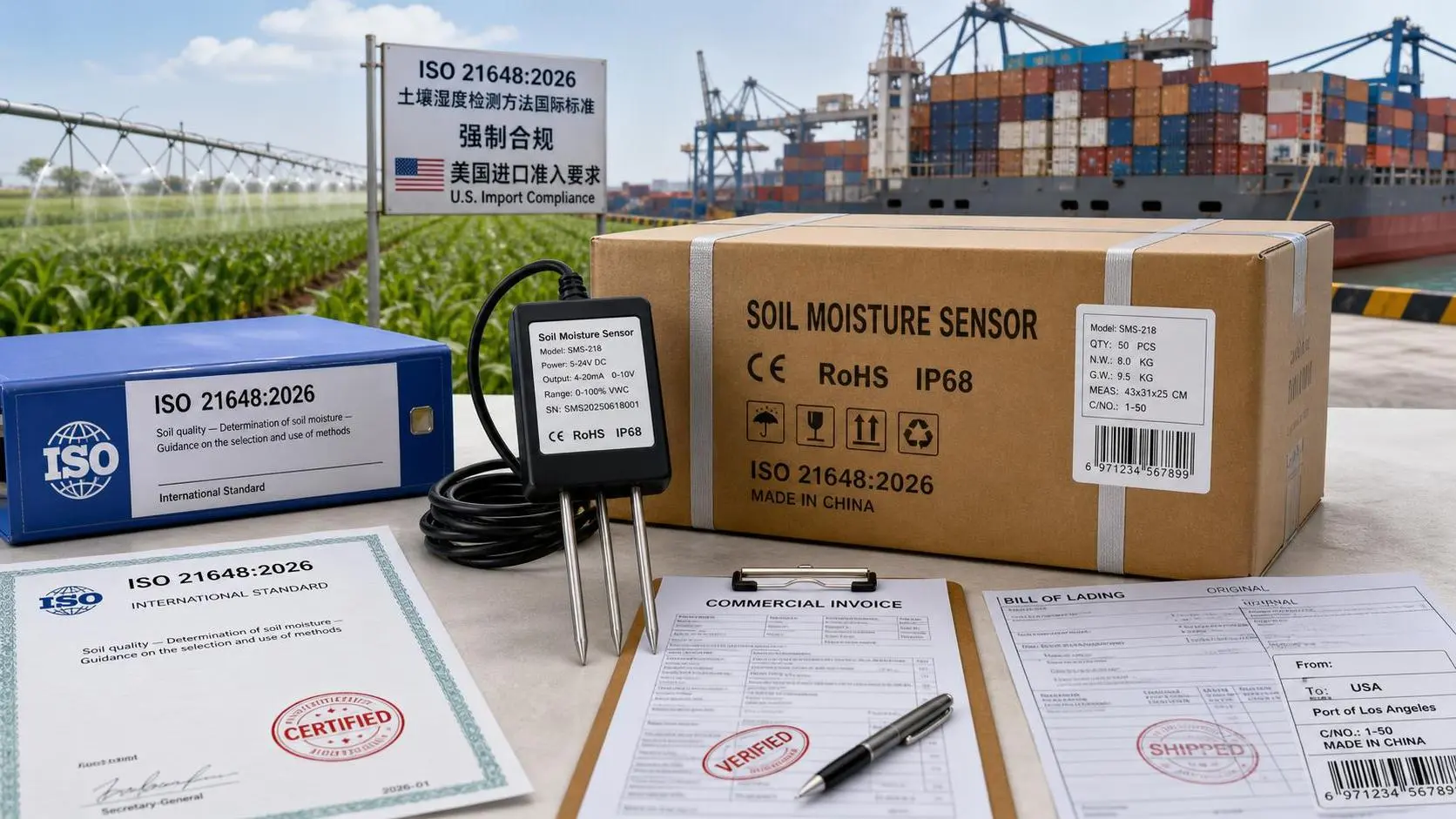
USDA Rule Makes ISO 21648:2026 Mandatory
USDA Rule Makes ISO 21648:2026 Mandatory for soil moisture sensors entering the U.S. Learn how the new USDA import compliance guide impacts certification, CBP entry, suppliers, and delivery plans.

How Digital Farming Improves Irrigation Planning With Soil Data and GPS Mapping
Digital farming for irrigation planning turns soil data and GPS mapping into smarter watering decisions, helping farms reduce waste, improve field precision, and boost operational efficiency.
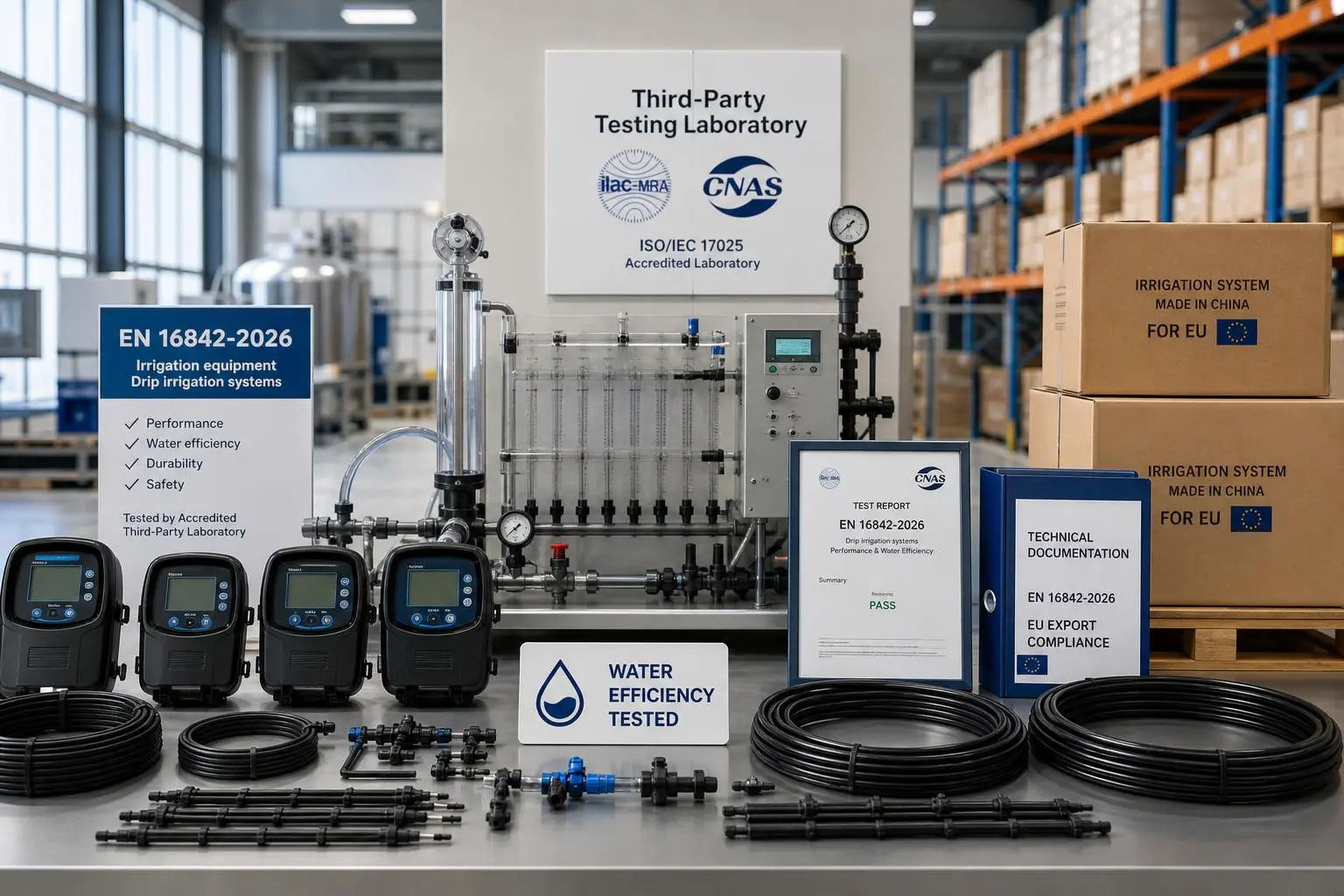
EU Rule Takes Effect: EN 16842-2026 Required for Drip Irrigation Logic Exports
EN 16842-2026 now makes third-party certification mandatory for Drip Irrigation Logic exports to the EU. Learn the compliance risks, customs impact, and supplier checks now.

How to Evaluate Autonomous Machinery for Vineyards by Terrain, Tasks, and ROI
Autonomous machinery for vineyards: learn how to evaluate terrain fit, task suitability, safety, and ROI to choose the right solution and reduce procurement risk.

USDA Tightens Import Rules for Soil Moisture Sensors
Soil Moisture Sensors face new USDA import rules from Oct. 1, 2026. Learn how ISO 11274-3:2026 testing may impact customs clearance, lead times, and supplier planning.

How to Use a Global Agricultural Equipment Directory to Compare Suppliers and Reduce Sourcing Risk
Agricultural equipment directory global sourcing starts with smarter supplier comparison. Learn how to assess fit, compliance, support, and market readiness to reduce sourcing risk.
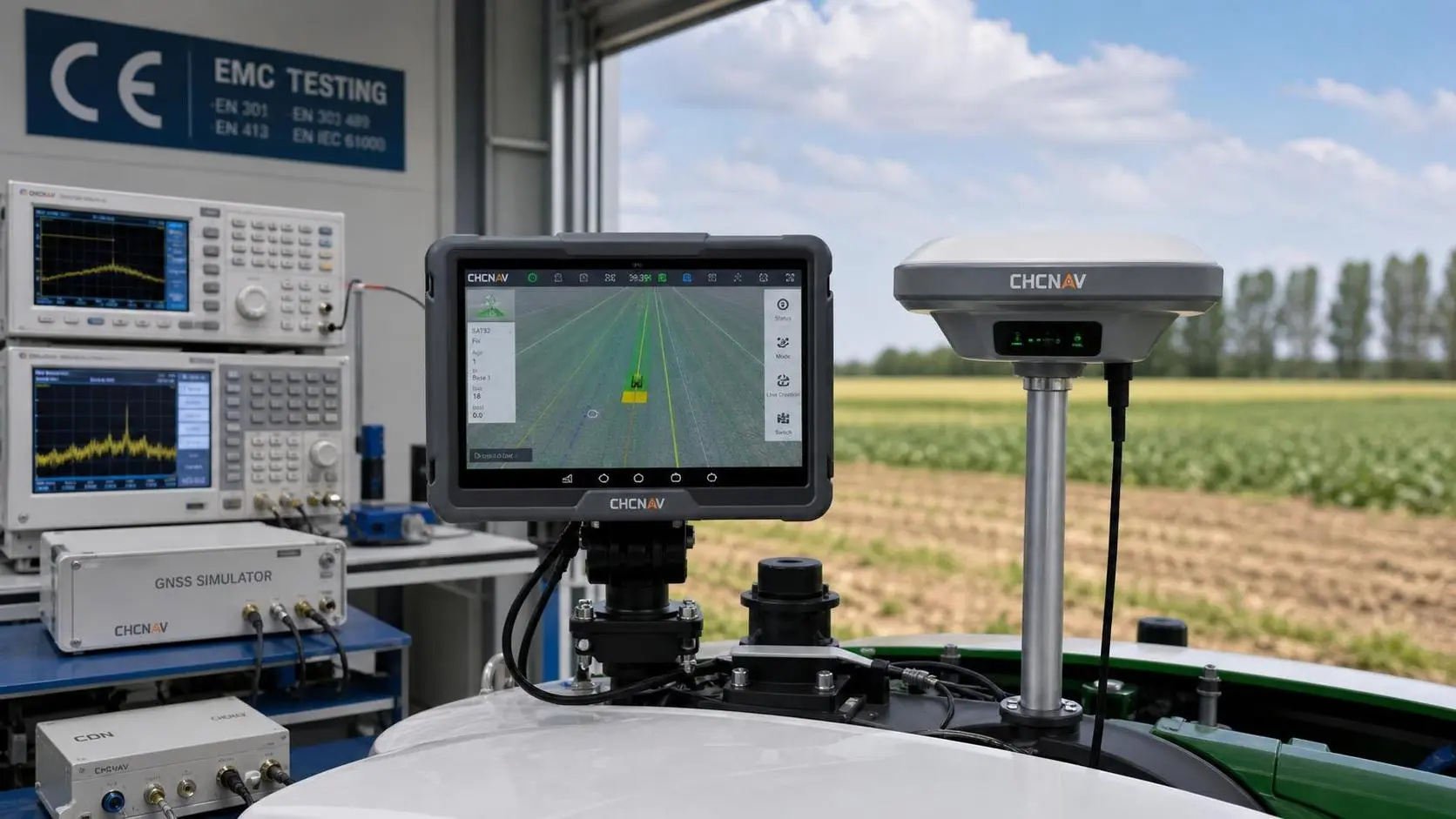
EU CE Guide Adds RTK Interference Tests for GPS Systems
EU CE Guide update adds RTK interference tests for GPS systems from Oct 1, 2026. Learn compliance impacts, CE timing, testing costs, and what exporters must prepare now.
Related News
- 00
0000-00
EU Rule Takes Effect: EN 16924:2026 for Drip Irrigation Logic - 00
0000-00
EU Rule Takes Effect: EN 16842-2026 Required for Drip Irrigation Logic Exports - 00
0000-00
EU Sets EN 17493:2026 Rule for Drip Irrigation Logic Imports - 00
0000-00
EU Rule Brings 2026 CE-EMC Certification for Drip Irrigation Logic - 00
0000-00
EU Rule Takes Effect for Drip Irrigation Logic Certification
Popular Tags
Hydrological Resource Strategist
Weekly Insights
Stay ahead with our curated technology reports delivered every Monday.