
EU Rule Takes Effect: EN 16842-2026 Required for Drip Irrigation Logic Exports
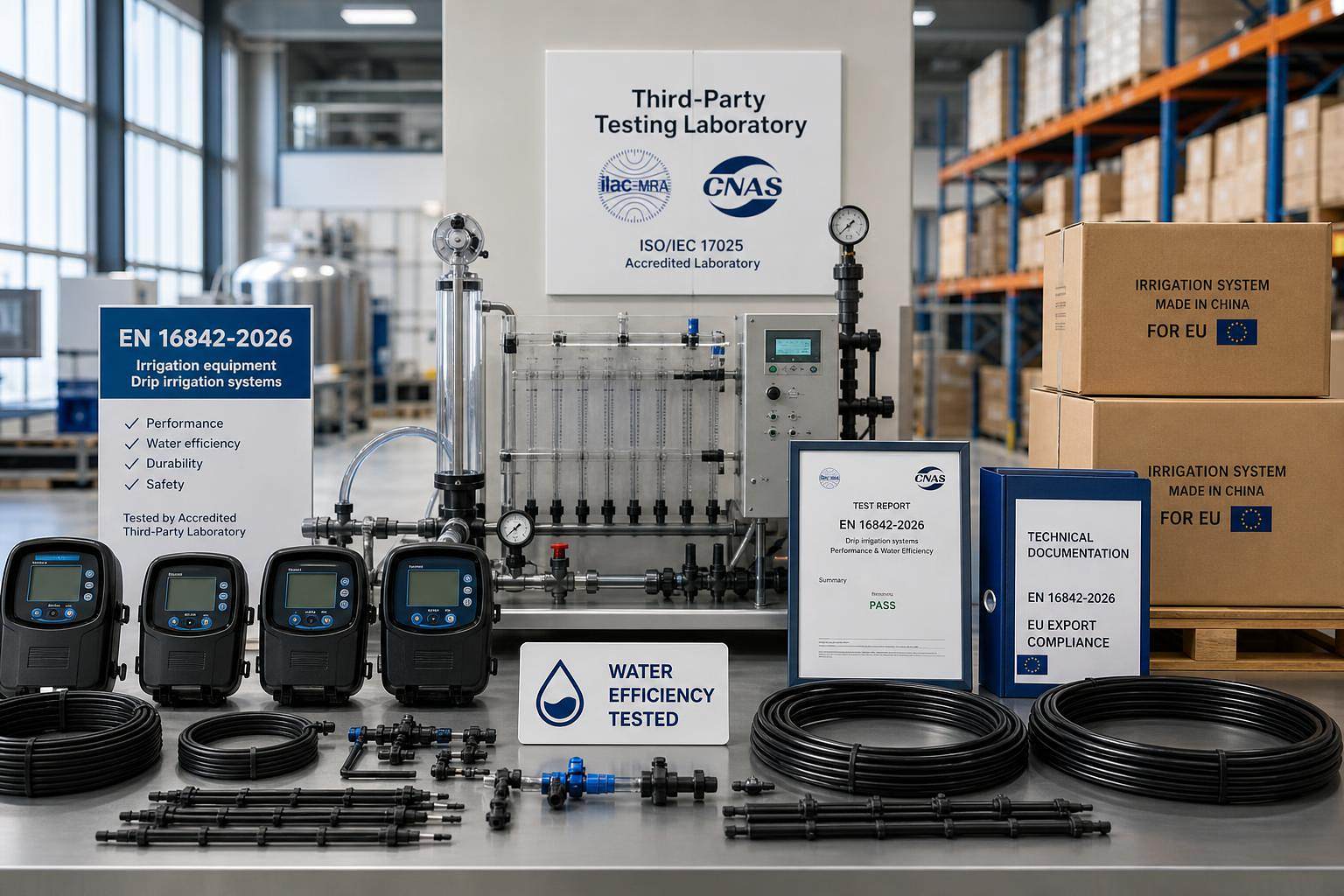




On July 25, 2026, the EU put the revised irrigation equipment market-entry standard EN 16842-2026 into force, making third-party water-efficiency grading certification a mandatory precondition for Drip Irrigation Logic products shipped to EU member states. For manufacturers, exporters, distributors, and procurement teams handling these systems, this is not just a technical update; it directly affects customs clearance, warehouse acceptance, distribution eligibility, and the continuity of delivery into the EU market.
What the rule now requires
The confirmed change is that, from July 25, 2026, all Drip Irrigation Logic products exported to EU member states must pass a third-party-certified water-efficiency grading test under EN 16842-2026 before export. The event summary states that the testing framework includes 12 core indicators, including pressure compensation stability, a flow variation coefficient of no more than 3.5%, and durability in saline environments.
The same summary also confirms the immediate compliance consequence for market access: the standard directly affects customs clearance for Chinese manufacturers exporting to Europe and the admission qualifications required by distributors. Products that do not obtain the certification will be refused warehouse entry or removed from sale.
Where the pressure will show up across the supply chain
Export shipments face a stricter pre-shipment gate
For export-oriented manufacturers and trading companies, the main impact is that certification becomes an access condition before goods move into EU member states. From an industry perspective, this raises the practical importance of checking whether the relevant product model, test status, and supporting compliance documentation are complete before shipment, because the issue is tied directly to customs clearance and downstream market access.
Distributors and channel operators will need to tighten intake controls
Distributors, warehouse operators, and channel partners are also directly exposed because the summary makes clear that uncertified products may be denied warehousing or taken off shelves. Analysis shows that channel-side screening of certificates, technical files, and product eligibility is likely to become a more sensitive operational step, particularly where inventory acceptance and continued listing depend on proof of compliance.
Testing and certification work becomes a commercial bottleneck
For businesses involved in certification preparation, product testing, and compliance support, the rule change shifts water-efficiency verification from a technical reference point to a transaction-critical requirement. What deserves closer attention is that the standard is framed around third-party certification and a defined set of performance indicators, which means technical validation is tied more closely to export readiness and delivery planning.
Procurement and delivery teams may need to revisit supplier qualification
Procurement teams, project buyers, and supply-chain coordinators handling Drip Irrigation Logic products for EU-bound business may also need to reassess supplier qualification checks. Observably, once certification affects both customs entry and distributor acceptance, supplier selection can no longer focus only on price, specification, and lead time; document readiness and certification status become part of delivery risk control.
What companies should review now
Confirm whether current product lines fall within the certification trigger
Companies dealing in Drip Irrigation Logic products should first verify which export models are covered by the EN 16842-2026 requirement and whether those products have already completed the required third-party water-efficiency grading process. This is especially relevant where shipments are already planned for EU member states.
Recheck technical files against the stated test indicators
The event summary identifies 12 core indicators and specifically mentions pressure compensation stability, a flow variation coefficient at or below 3.5%, and saline-environment durability. Analysis shows that exporters and manufacturers should pay closer attention to whether existing technical data, test records, product descriptions, and compliance files align with those requirements before goods are committed for export or distributor onboarding.
Review contracts, delivery schedules, and onboarding documents
Because the confirmed effect includes customs clearance and distributor admission, companies should also review whether sales contracts, delivery schedules, pre-shipment checks, and distributor intake documents adequately account for certification timing and supporting paperwork. The input does not provide detailed enforcement procedures, so this should be treated as a compliance checkpoint rather than as proof of a uniform execution pattern across all transactions.
Keep watching for implementation wording and market-side interpretation
The input confirms that the rule has taken effect, but it does not provide more detailed official wording on implementation practice, document format, or review procedures. It is therefore appropriate for companies to continue monitoring how certification language, procurement specifications, listing conditions, and practical acceptance standards are expressed in subsequent market documents and compliance interactions.
How this development is best understood at this stage
Analysis shows that this development is better understood as a landed compliance change rather than a distant policy signal. The effective date is clear, the standard is identified, the certification requirement is explicit, and the consequence for uncertified products is already framed in operational terms such as denied warehousing and delisting.
At the same time, it is also not yet a basis for broad claims about final market outcomes, because the input does not provide further detail on enforcement rhythm, interpretive guidance, or the response of different market participants. What deserves closer attention is how quickly buyers, distributors, and compliance reviewers incorporate the new requirement into day-to-day transaction controls.
Why the market should continue to treat this as an execution issue
The practical significance of this update lies in the fact that it connects product performance testing with actual market access steps. For companies active in EU-bound irrigation equipment business, the issue is no longer limited to product specification alignment; it now extends to shipment readiness, distributor qualification, and the ability to keep products in circulation after arrival.
It is more appropriate to understand this event as a rule that has already entered the execution stage, while many operational details still need continued observation. That makes ongoing attention to certification status, compliance documents, and downstream acceptance conditions more important than abstract policy discussion.
Basis of this article
This article is based on the user-provided news title, event date, and event summary concerning the entry into force of EN 16842-2026 for Drip Irrigation Logic exports to the EU. For events of this type, relevant source categories would typically include official notices, regulator releases, customs or trade authority information, industry association updates, standards organization documents, and reporting from authoritative trade media.
No specific official source link was provided in the input, so the exact official publication path still requires further verification. Subsequent observation should focus on implementation detail, certification interpretation, changes in procurement and tender documents, market feedback, and how affected companies apply the requirement in export, distribution, and delivery practice.
Related News
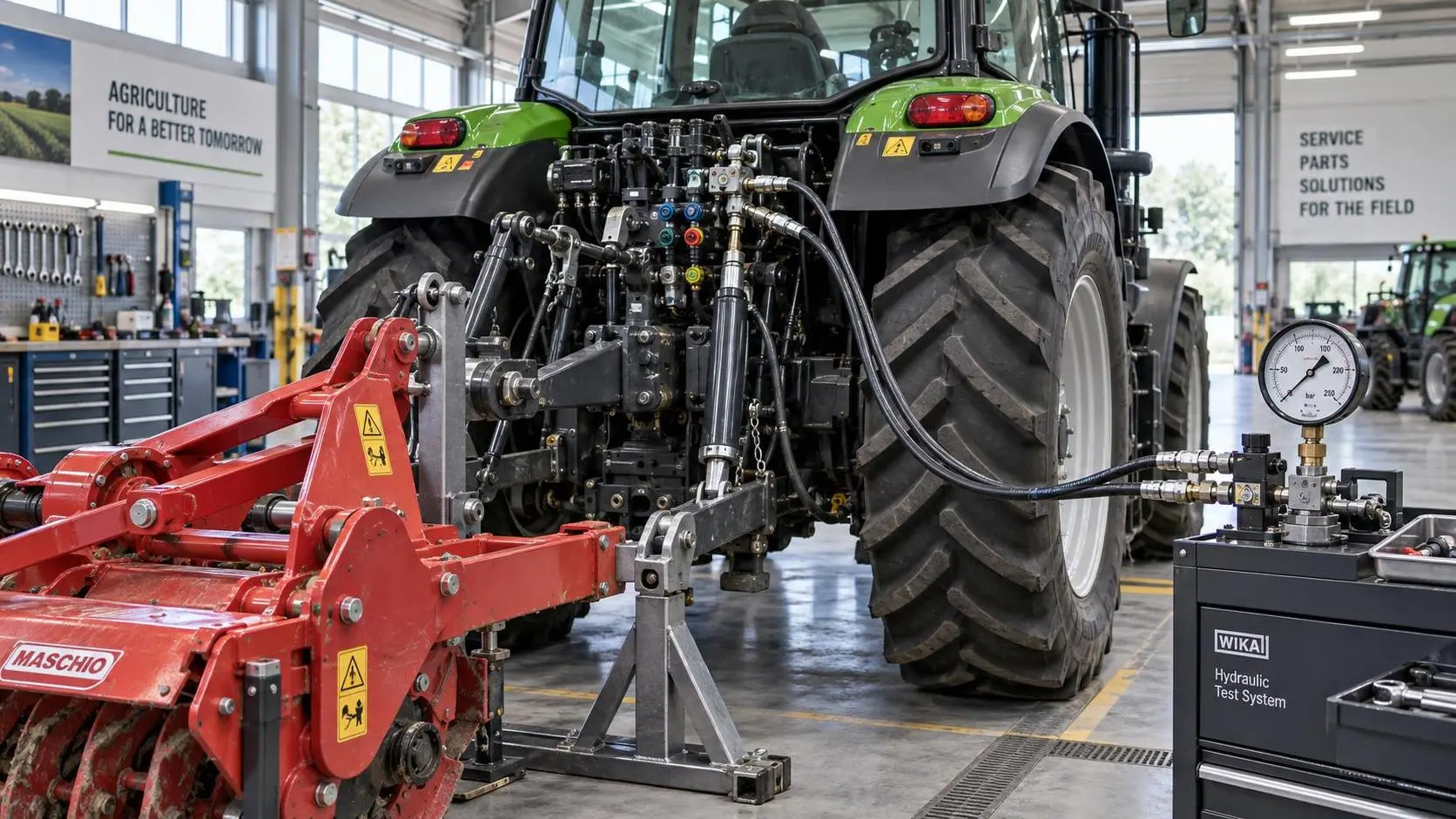
Tractor Hydraulic Systems Troubleshooting: Diagnosing Weak Lift and Slow Implements
Tractor hydraulic systems troubleshooting made practical: diagnose weak lifts and slow implements with proven pressure, flow, valve, and oil-supply checks.
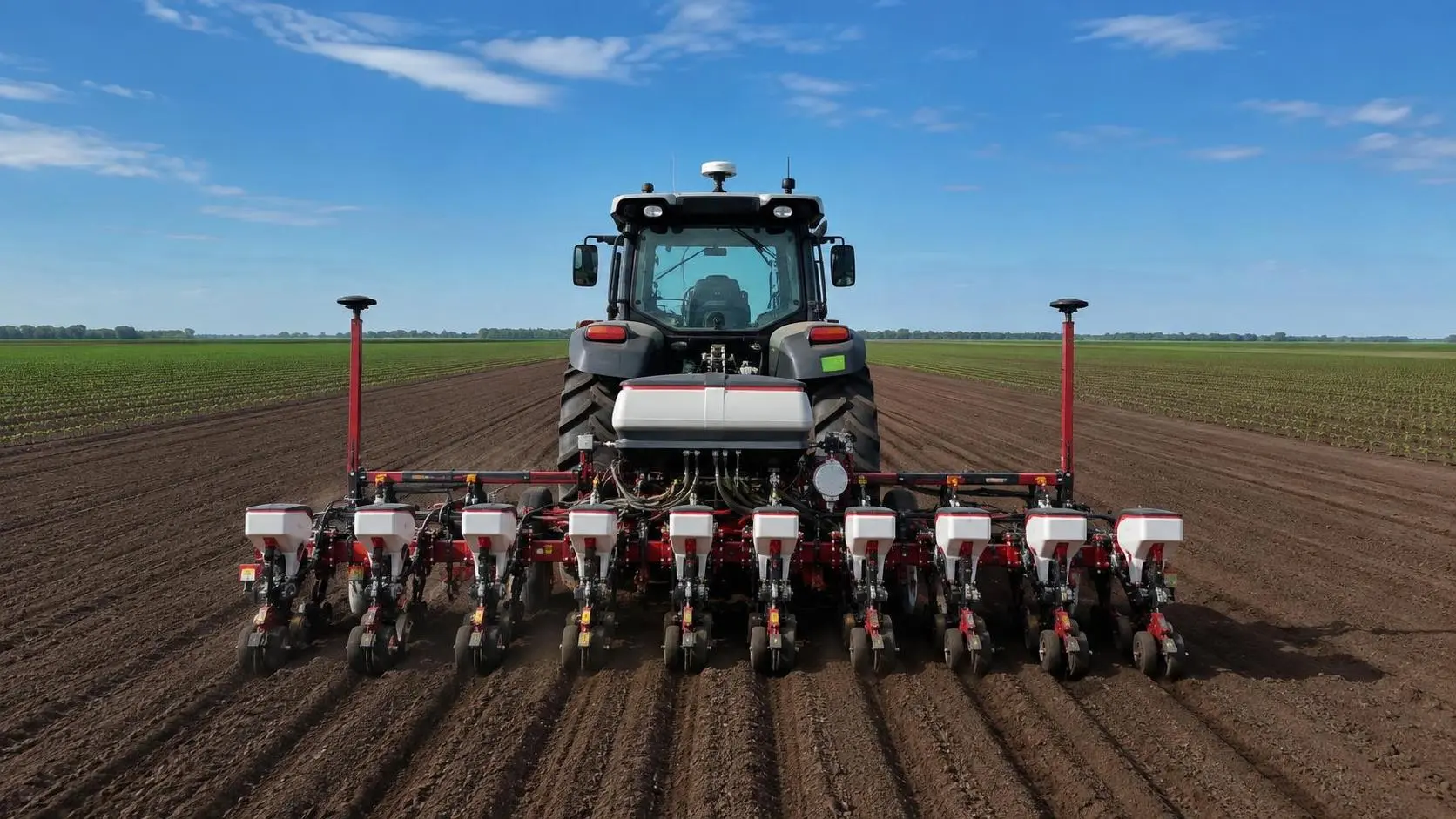
How Tractor Intelligence Systems Improve Field Efficiency and Input Accuracy
Agricultural machinery intelligence for tractors improves field efficiency, input accuracy, data traceability, and implement control. Explore smarter evaluation strategies.
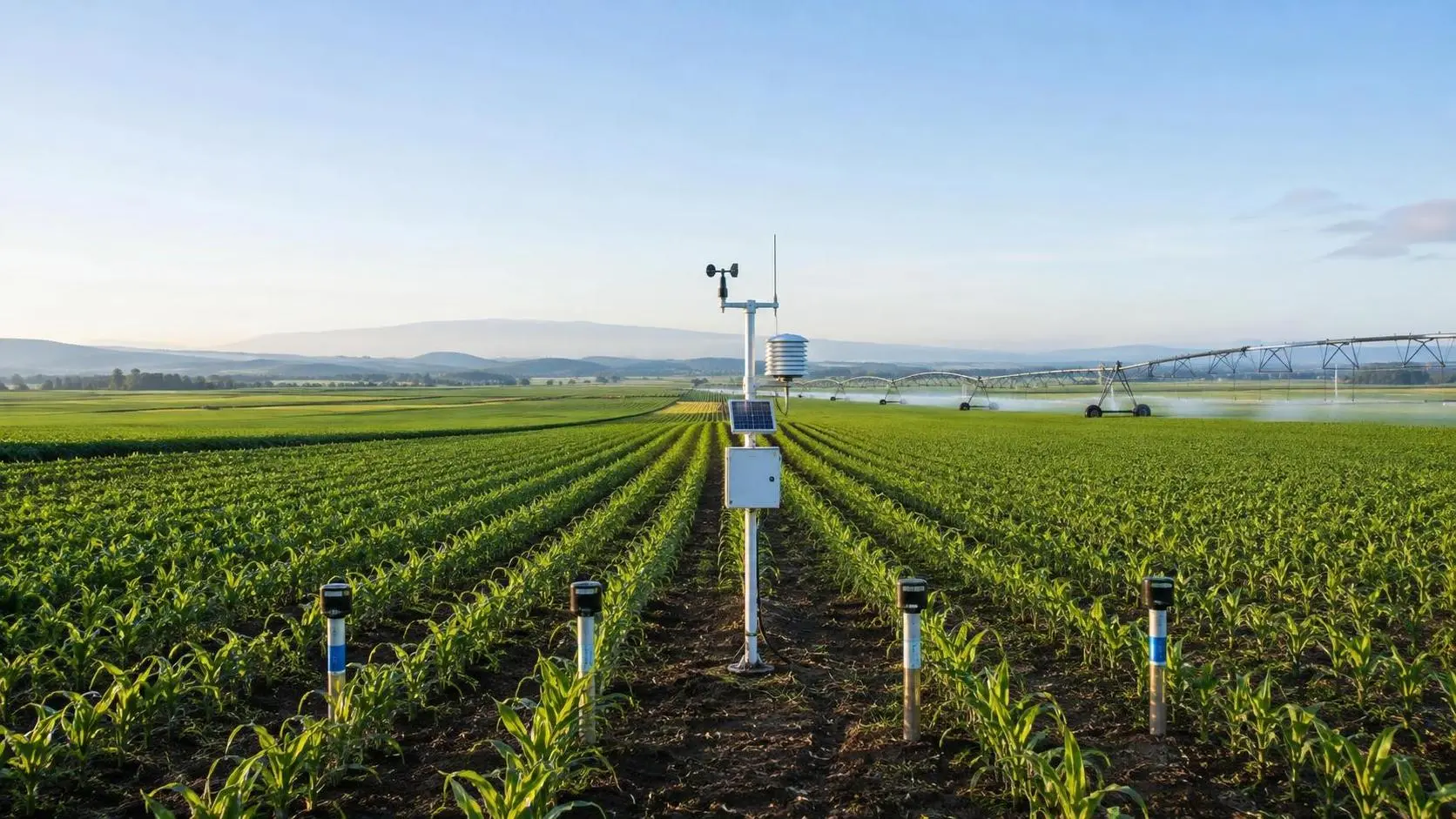
How to Evaluate Crop Monitoring System Manufacturers for Large-Scale Farms
Compare crop monitoring systems manufacturers for large-scale farms. Evaluate data quality, integration, durability, lifecycle costs, support, and pilots for smarter decisions.
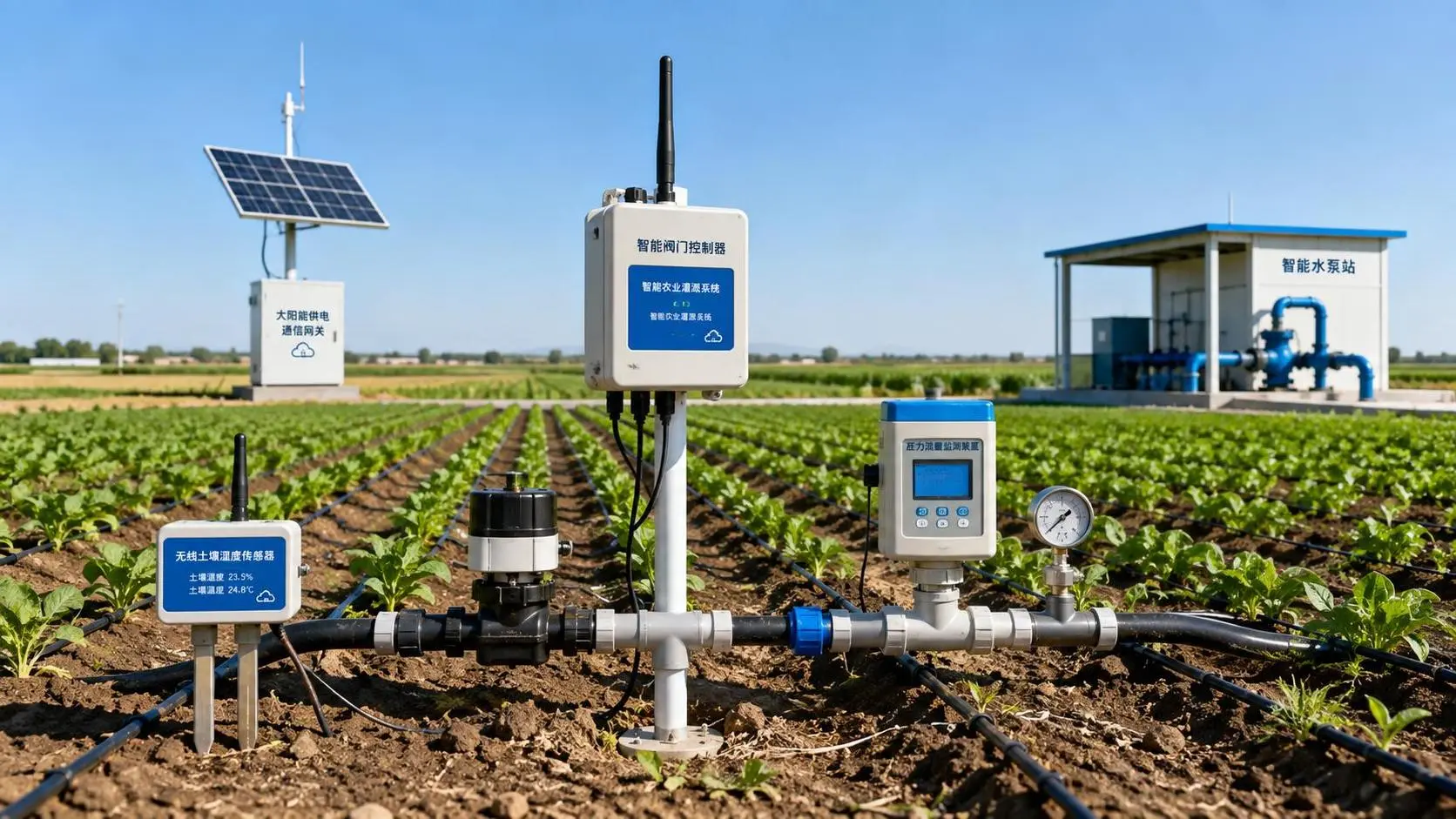
Wireless Agricultural Automation for Remote Irrigation and Field Monitoring
Agricultural automation wireless solutions improve remote irrigation with reliable field data, local control, flow verification, and smarter monitoring. Explore resilient deployment strategies.
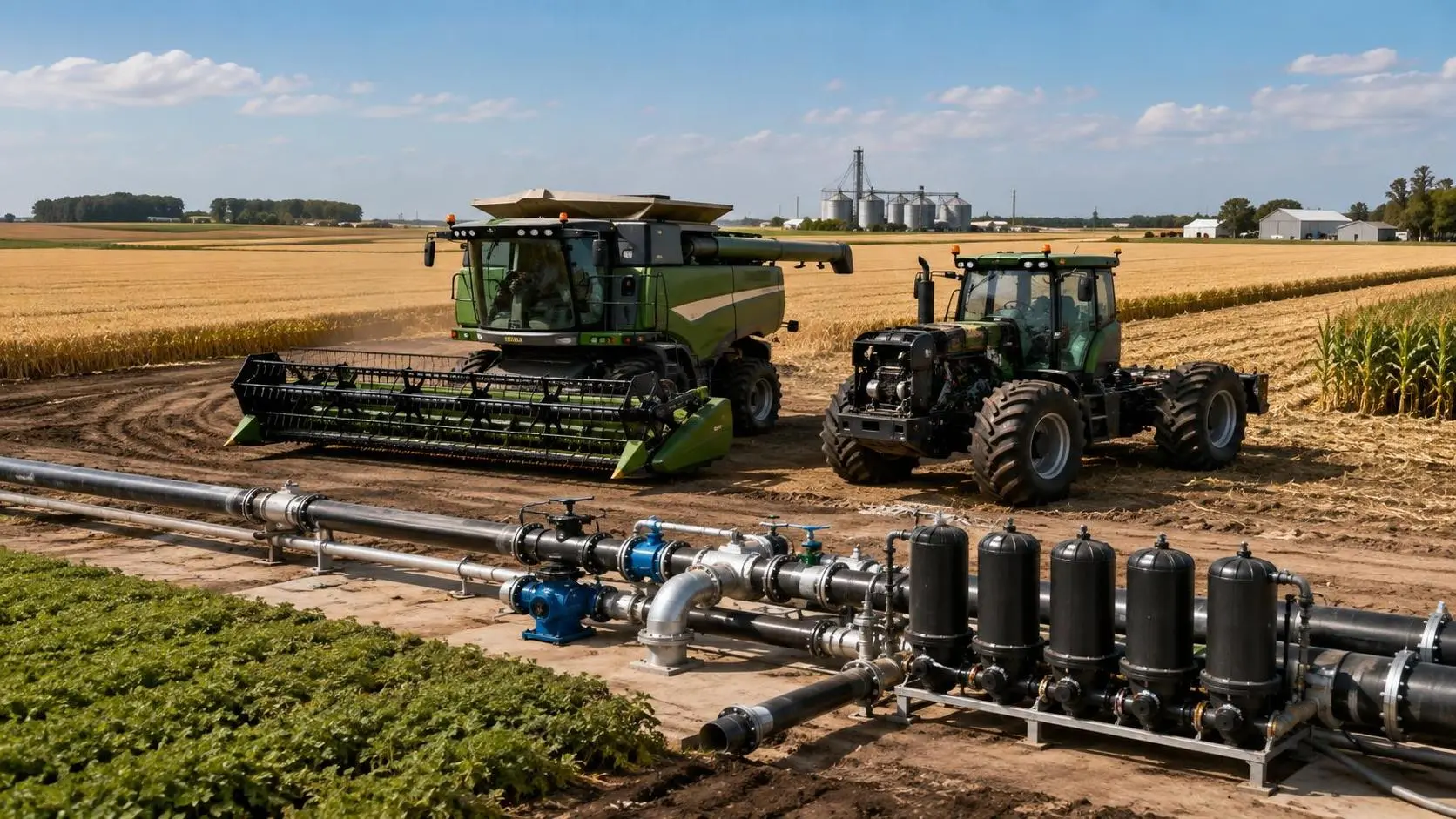
Agricultural Product Information Market Guide: Key Data for Sourcing Decisions
Agricultural product information market guide for smarter sourcing—compare machinery, irrigation, precision tools, lifecycle costs, and supplier risk.
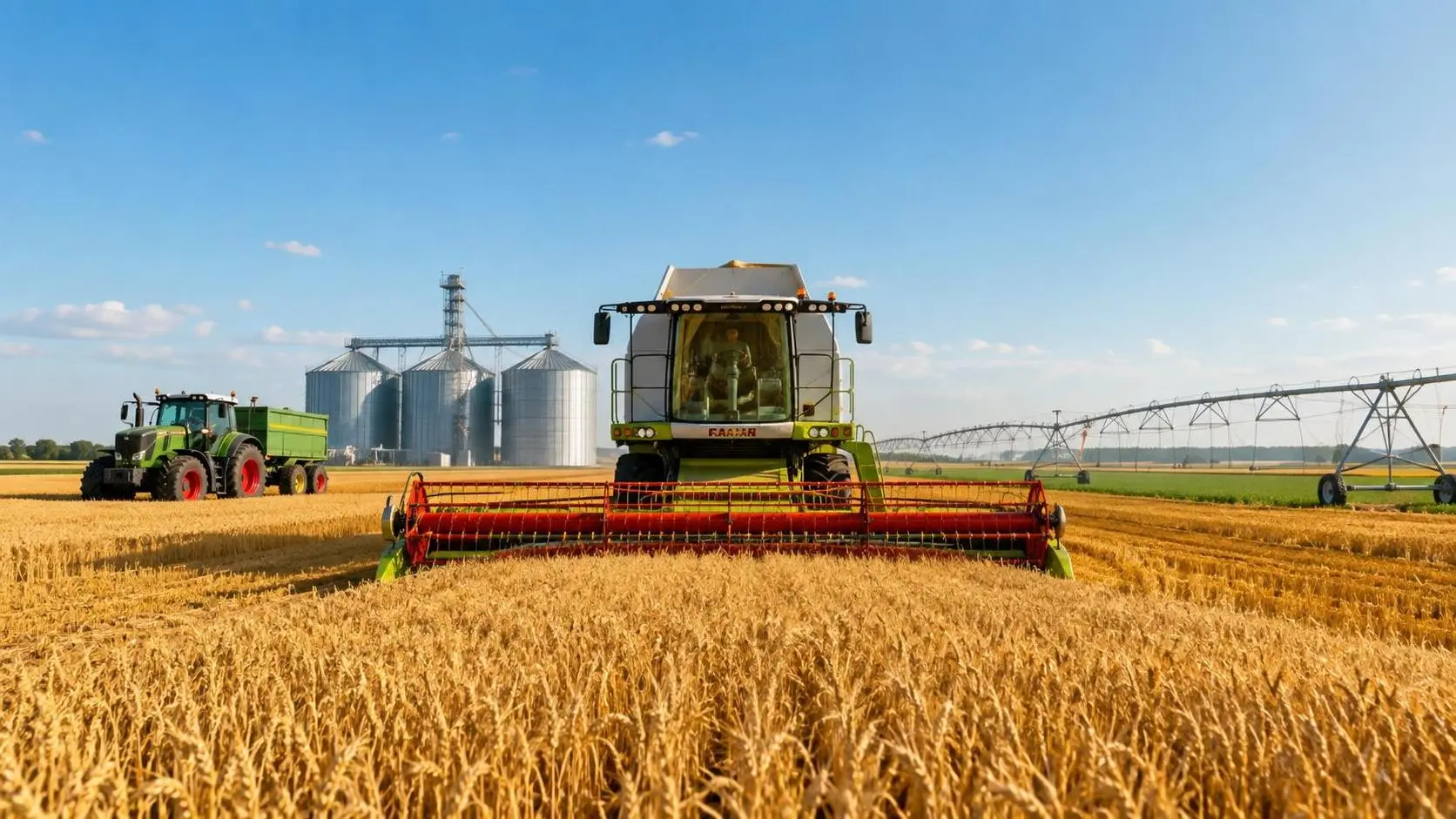
Large-Scale Farm Equipment Cost Comparison: Price, Fuel, and Lifecycle Value
Large-scale farm equipment cost comparison: evaluate price, fuel, maintenance, downtime, and lifecycle value to choose tractors, combines, irrigation, and smart tools with confidence.

A Procurement Specification Preparation Example for Buying Farm Equipment
Procurement specification preparation example for farm equipment: learn to define requirements, compare suppliers, control lifecycle costs, and buy with confidence.

What Tractor Horsepower Is Needed for a Three-Bottom Moldboard Plow?
What tractor horsepower is needed for three-bottom moldboard plow? Compare 60–100 hp needs by soil, depth, traction, and plow width for a confident equipment match.
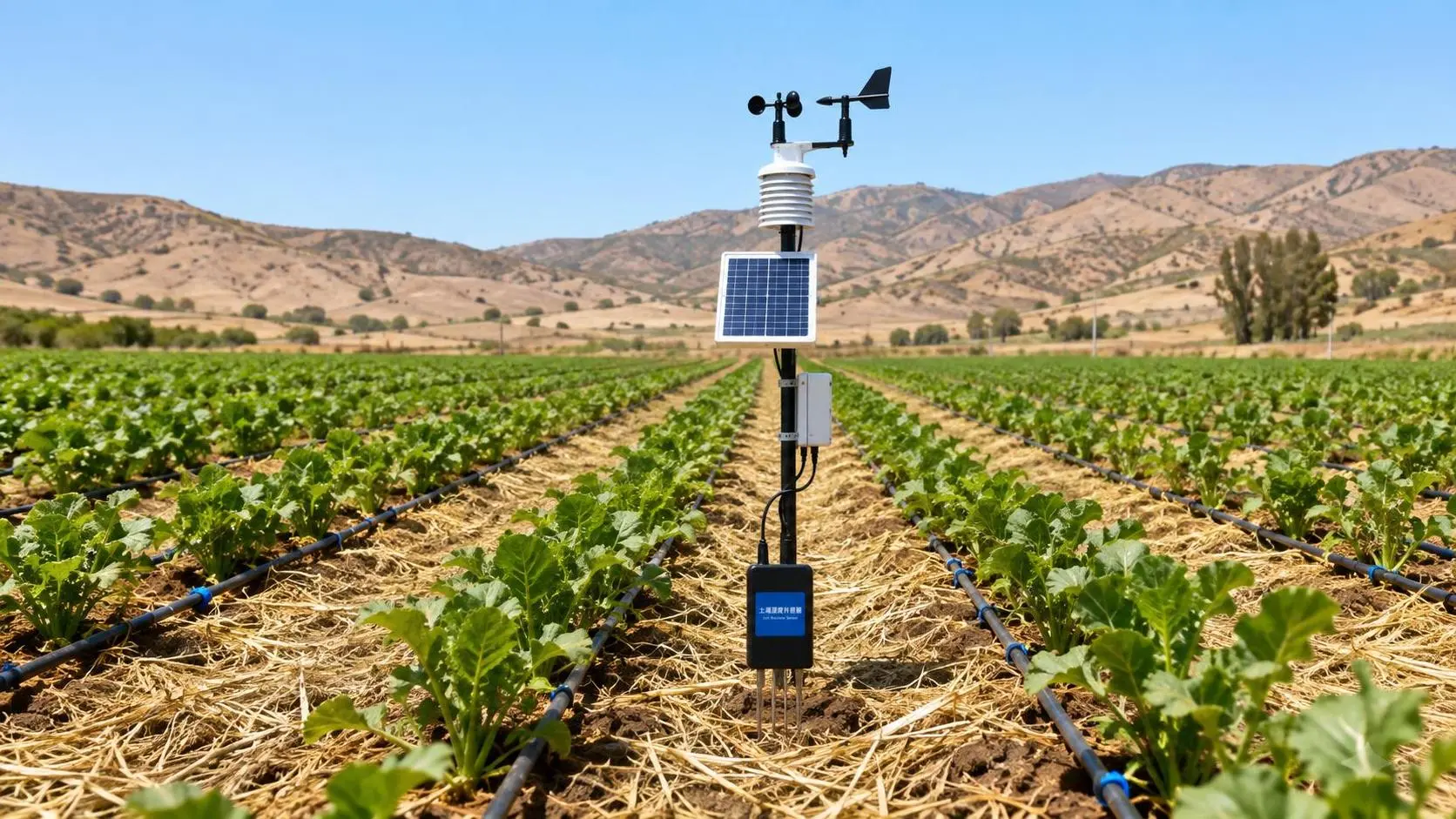
How Does Climate-Smart Farming Reduce Water Use in Semi-Arid Areas?
How does climate-smart farming reduce water use in semi-arid zones? Discover precision irrigation, soil monitoring, and smarter crop planning for resilient yields.
Related News
- 00
0000-00
Wireless Agricultural Automation for Remote Irrigation and Field Monitoring - 00
0000-00
Designing Water-Saving Drip Irrigation Systems for High-Value Orchards - 00
0000-00
How to Choose Irrigation Solutions for Arid Regions Based on Water Source and Crop Needs - 00
0000-00
How IoT Smart Irrigation Networks Help Farms Cut Water Use and Improve Yield - 00
0000-00
USDA Rule Takes Effect for Drip Irrigation Imports
Popular Tags
Hydrological Resource Strategist
Weekly Insights
Stay ahead with our curated technology reports delivered every Monday.