
How to Evaluate Agricultural Automation Integrators for Multi-System Farm Projects
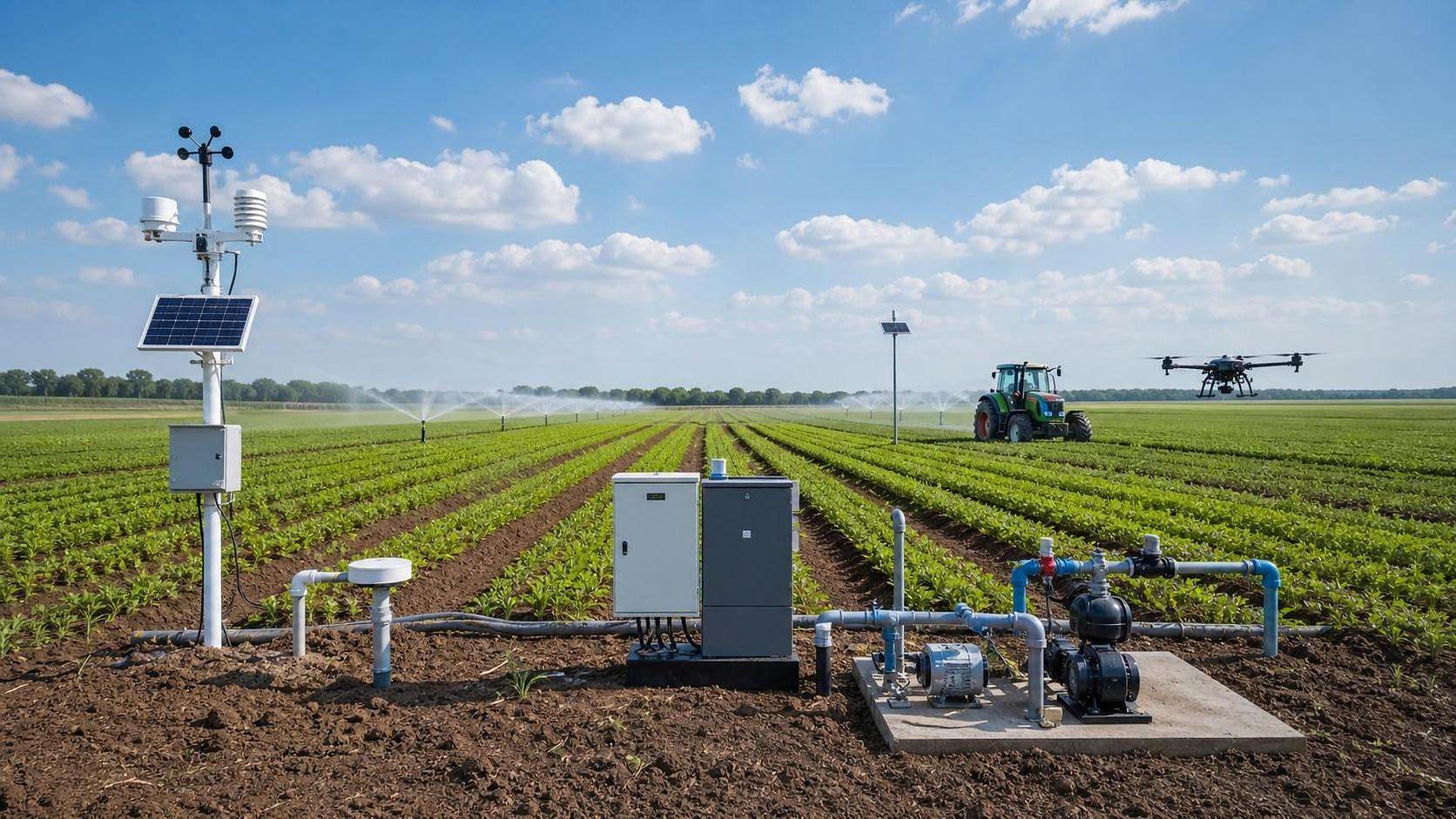




Project managers evaluating agricultural automation integrators are usually trying to answer one practical question: which partner can connect machinery, irrigation, sensing, and control systems into a farm operation that works reliably in the field, not just on a proposal slide.
For multi-system farm projects, the strongest integrator is rarely the one with the broadest marketing language. It is the one that can prove interoperability, define scope clearly, manage risk across vendors, and support long-term performance after commissioning.
Choosing the right agricultural automation integrators can determine whether a multi-system farm project delivers measurable gains or becomes a costly integration headache. For project managers overseeing machinery, irrigation, sensing, and control platforms, the real challenge is not only technical compatibility but also long-term scalability, service depth, and field-level performance. This guide outlines how to evaluate integrators with the precision today’s complex agricultural operations demand.
What Project Managers Are Really Evaluating
When someone searches for guidance on agricultural automation integrators, they are rarely looking for a basic definition. They want a decision framework for selecting a partner that can reduce implementation risk and protect capital investment.
In large or mixed farm environments, integration decisions affect scheduling, water use, machine uptime, labor planning, input accuracy, and reporting quality. A weak integrator can create delays, finger-pointing between vendors, and expensive retrofit work later.
This is why evaluation should move beyond product familiarity. Project leaders need to assess whether the integrator can coordinate multiple systems, translate operational goals into technical architecture, and deliver measurable outcomes across seasons.
Start With the Farm System Map, Not the Vendor Pitch
Before comparing providers, build a system map of what the project actually needs to connect. This includes tractors, harvesters, guidance systems, pump stations, irrigation controllers, weather stations, telemetry, field sensors, farm management software, and data dashboards.
Many procurement teams start by asking integrators what they can do. A better starting point is to define what the farm must achieve, where data needs to flow, and which decisions should be automated or operator-assisted.
For example, a multi-system project may require irrigation automation based on soil moisture thresholds, machine telematics linked to maintenance planning, and field-level application records synchronized into compliance reporting.
Once this map exists, project managers can test whether an integrator understands dependencies between systems, such as how unreliable connectivity, inconsistent sensor calibration, or incompatible control logic can disrupt the whole automation chain.
How to Judge Real Multi-System Integration Capability
Not every firm that installs controls or precision equipment is equipped to act as a true integration partner. The key distinction is whether they can design and manage interactions between systems from different vendors and operating layers.
Ask for examples of projects involving mixed brands, legacy equipment, and phased deployment. Many farms do not start from a clean slate, so the ability to work with existing infrastructure is often more valuable than greenfield design expertise alone.
Strong agricultural automation integrators should be able to explain how they handle communication protocols, controller hierarchies, edge devices, cloud connections, alert logic, and fail-safe behavior during outages or manual overrides.
If the discussion stays at a high level and avoids specific architecture questions, that is a warning sign. Good integrators can describe where each control decision lives, what happens when one subsystem fails, and how the operator regains control safely.
Vendor Neutrality Matters More Than Many Teams Expect
Project managers should examine whether the integrator is primarily pushing a preferred hardware stack or genuinely selecting components based on farm requirements. This does not mean brand partnerships are bad, but they should not drive system design blindly.
A vendor-led recommendation can work well when the farm already standardizes on one ecosystem. However, many large operations need interoperability between irrigation, machinery, remote sensing, and enterprise reporting platforms that come from different suppliers.
An effective integrator should explain where a single-vendor approach improves reliability and where open integration is the better strategic choice. Their answer should reflect operational logic, not only channel incentives.
This is especially important for farms planning future expansion. If every new field block or machine upgrade requires proprietary redevelopment, the project can become more expensive and less flexible over time.
Evaluate Their Approach to Field Reality, Not Only System Design
Farm automation does not operate in laboratory conditions. Dust, vibration, variable power quality, pump wear, uneven terrain, weather exposure, and seasonal labor turnover all affect performance in ways that software diagrams often ignore.
Ask potential integrators how they design for real operating stress. Their answer should cover enclosure standards, cable routing, backup power, communications resilience, maintenance access, spare parts planning, and field service response expectations.
In irrigation-heavy projects, they should also understand hydraulic behavior, pressure variability, valve response times, and water delivery constraints. In machinery-focused projects, they should address guidance accuracy, implement compatibility, and operator workflow.
The best firms bridge digital logic and mechanical reality. They do not treat automation as a software layer floating above field operations. They understand that every automation decision depends on equipment behavior and agronomic timing.
Look Closely at Project Governance and Delivery Discipline
Many integration problems are not caused by bad technology. They come from weak scope control, unclear responsibilities, and poor coordination across suppliers, contractors, and farm operations teams.
That is why project managers should examine delivery discipline as carefully as technical capability. Ask for a sample implementation plan, commissioning sequence, change-order method, acceptance criteria, and escalation structure.
Strong agricultural automation integrators usually have a clear governance model. They define who owns network setup, sensor validation, control testing, operator training, documentation, and post-launch support before deployment begins.
They should also distinguish between what they control directly and what depends on third parties, such as electrical contractors, connectivity providers, OEM software access, or local permitting requirements. That transparency reduces surprises later.
Demand Proof Through Use Cases and Performance Metrics
Case studies are useful only when they contain operational detail. A vague reference to a smart farm deployment does not help a project lead assess fit for a complex multi-system environment.
Ask for examples tied to measurable outcomes: reduced irrigation water use, lower machine downtime, improved application accuracy, faster issue detection, fewer manual interventions, or better reporting visibility across distributed fields.
The right provider should also explain the baseline conditions, implementation constraints, and what changed after integration. Without that context, headline numbers can be misleading or impossible to compare with your project.
Project teams should further ask how performance was verified. Was it measured through telemetry, service records, operator logs, crop response, or utility consumption data? Reliable integrators are comfortable discussing evidence, not just outcomes.
Assess Data Strategy Early, Because It Becomes Expensive Later
In multi-system projects, data architecture is often underestimated during procurement. Yet many long-term problems come from unclear data ownership, inconsistent naming, poor historical storage, or weak integration into management dashboards.
Project managers should ask where operational data is collected, normalized, stored, and accessed. This includes machine status, irrigation events, sensor readings, maintenance flags, and prescription or compliance records.
Good integrators can explain how they handle timestamp consistency, field or asset IDs, alarm priorities, user permissions, and handoff into business systems. They should also address cybersecurity and remote access controls in practical terms.
If a provider treats data only as a byproduct of automation, the operation may later struggle to benchmark performance, compare fields, audit activity, or support future analytics and decision models.
Service Depth Is a Core Selection Criterion, Not a Bonus
For large farm projects, success is determined after go-live as much as during installation. Systems drift, settings require tuning, staff changes, and field conditions expose issues that did not appear during factory or site testing.
That makes service depth a central evaluation factor. Ask what support is available during peak season, how faults are triaged, whether remote diagnostics are built in, and how quickly field technicians can respond when needed.
Also ask who will support the system two years after commissioning. In some firms, the sales engineer disappears, the project engineer moves on, and the farm is handed to a general service queue with limited system knowledge.
The strongest agricultural automation integrators build continuity into support. They document configurations well, maintain service records, and provide an account structure that preserves operational knowledge over time.
Use a Weighted Scorecard Instead of a Generic Comparison
For project managers, a structured scorecard is one of the best tools for avoiding subjective selection. It turns broad impressions into a decision process tied to project risk, business value, and execution confidence.
Typical scoring categories include technical interoperability, legacy system compatibility, governance discipline, field service reach, data architecture, cybersecurity, training quality, total cost of ownership, and scalability for future expansion.
Weight those categories according to the project. A water-scarce operation may prioritize irrigation reliability and sensing accuracy, while a machinery-intensive enterprise may place more weight on telematics, uptime, and fleet coordination.
This method also helps procurement, operations, and engineering stakeholders align. Instead of debating sales presentations, the team can compare providers against the same operating requirements and implementation risks.
Questions Every Shortlisted Integrator Should Answer Clearly
Several questions reveal quickly whether a provider is ready for a complex farm project. First, ask them to describe a similar deployment involving multiple vendors, not just multiple devices from one platform.
Second, ask where integration has failed in past projects and what controls they introduced afterward. Mature firms usually answer this directly and show they have learned through process improvements.
Third, ask how they handle manual override, degraded operation, and recovery after communications loss. Farms need continuity, not brittle automation that stops useful work when one layer disconnects.
Fourth, ask for a clear division of responsibility across design, installation, testing, training, support, and future modifications. If responsibilities are blurred, disputes are likely once the project becomes complex.
Finally, ask how they would phase the project to generate value early while reducing risk. An experienced integrator can usually identify a practical rollout sequence rather than insisting everything must go live at once.
Red Flags That Deserve Immediate Attention
Several warning signs should lower confidence quickly. One is overreliance on brand language without a clear explanation of how systems will interact under actual field conditions and operational constraints.
Another is weak documentation. If an integrator cannot provide sample architecture diagrams, test procedures, or support workflows during evaluation, it is unlikely those controls will appear reliably during execution.
Be cautious when providers dismiss legacy equipment too quickly. In many real projects, selective integration of existing assets is the reason the business case works. Replacing everything may be technically simple but commercially poor.
Unclear support boundaries, vague performance claims, and a reluctance to discuss failure modes are also serious concerns. Strong providers are specific because they have built systems under pressure before.
The Best Choice Balances Technical Fit and Operational Trust
In the end, selecting among agricultural automation integrators is not only a technical procurement exercise. It is a decision about who can translate farm objectives into an automation system that remains usable, maintainable, and scalable.
Project managers should prioritize providers who combine integration depth, delivery discipline, field realism, and long-term service capability. Those qualities matter more than polished terminology or the appearance of being digitally advanced.
A good integrator helps the farm connect machinery, water, sensing, and control into one operating logic. A poor one leaves the operation with fragmented systems, hidden dependencies, and rising support costs.
For multi-system farm projects, the best evaluation approach is straightforward: define the operating outcome, test technical depth, verify field experience, examine governance rigor, and confirm long-term support before signing.
That process gives project leaders a practical basis for selecting an integration partner that can deliver measurable value across seasons, not just a system that appears complete on commissioning day.
Related News
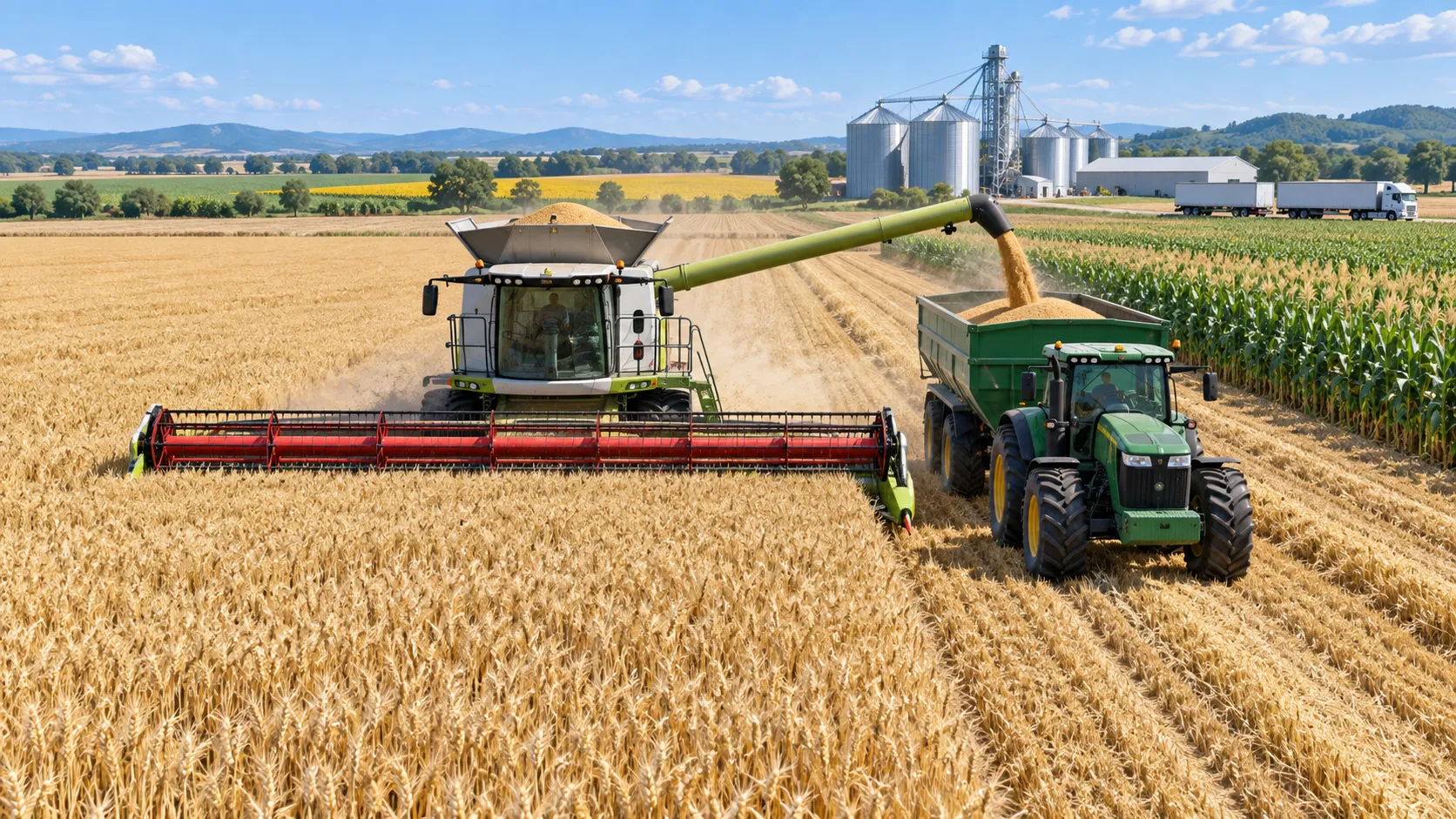
Selecting Grain Farm Equipment by Acreage, Crop Mix, and Harvest Window
Agricultural equipment selection for grain farming: match machinery to acreage, crop mix, and harvest windows to improve uptime, efficiency, and returns.
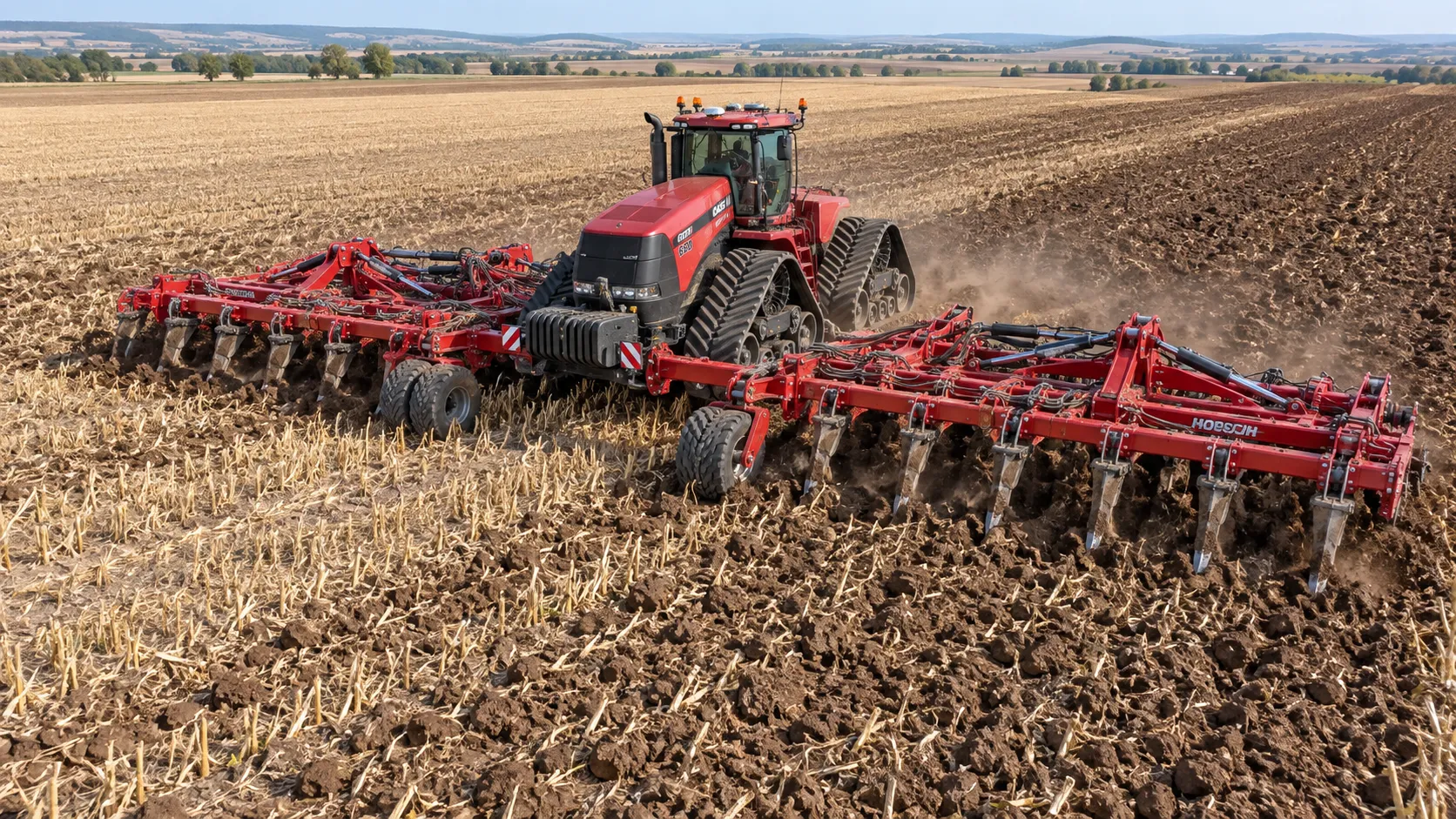
How to Select Heavy-Duty Farm Implements for High-Acreage, High-Horsepower Operations
Heavy duty farm implements: learn how to match draft, hydraulics, hitch capacity, frame strength, and field conditions for reliable high-acreage performance.
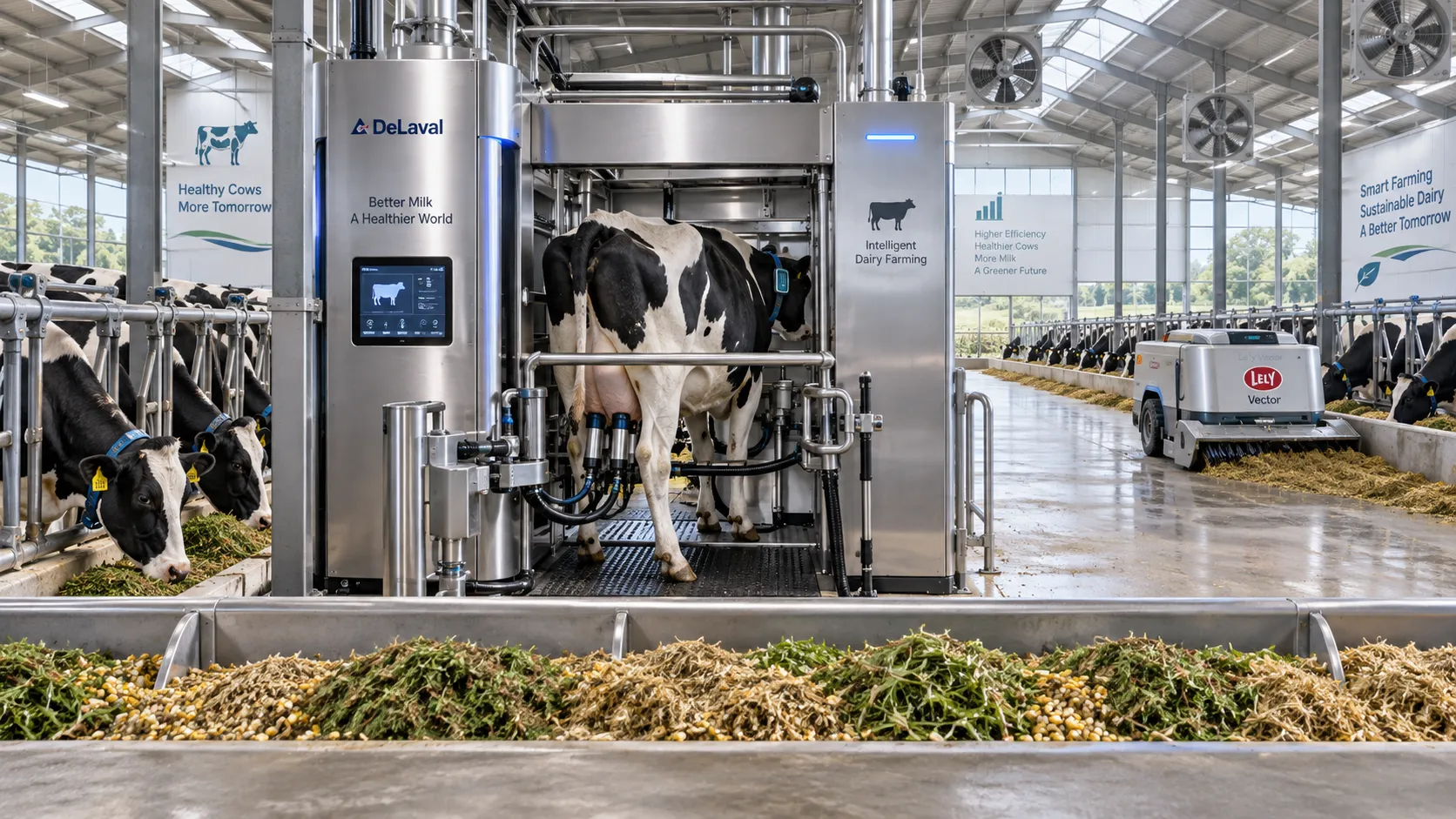
Smart Farming Technology for Dairy Farms: Where Automation Delivers Measurable ROI
Smart farming technology for dairy farms delivers measurable ROI through automation, precision feeding, health monitoring, and data-driven cost control.
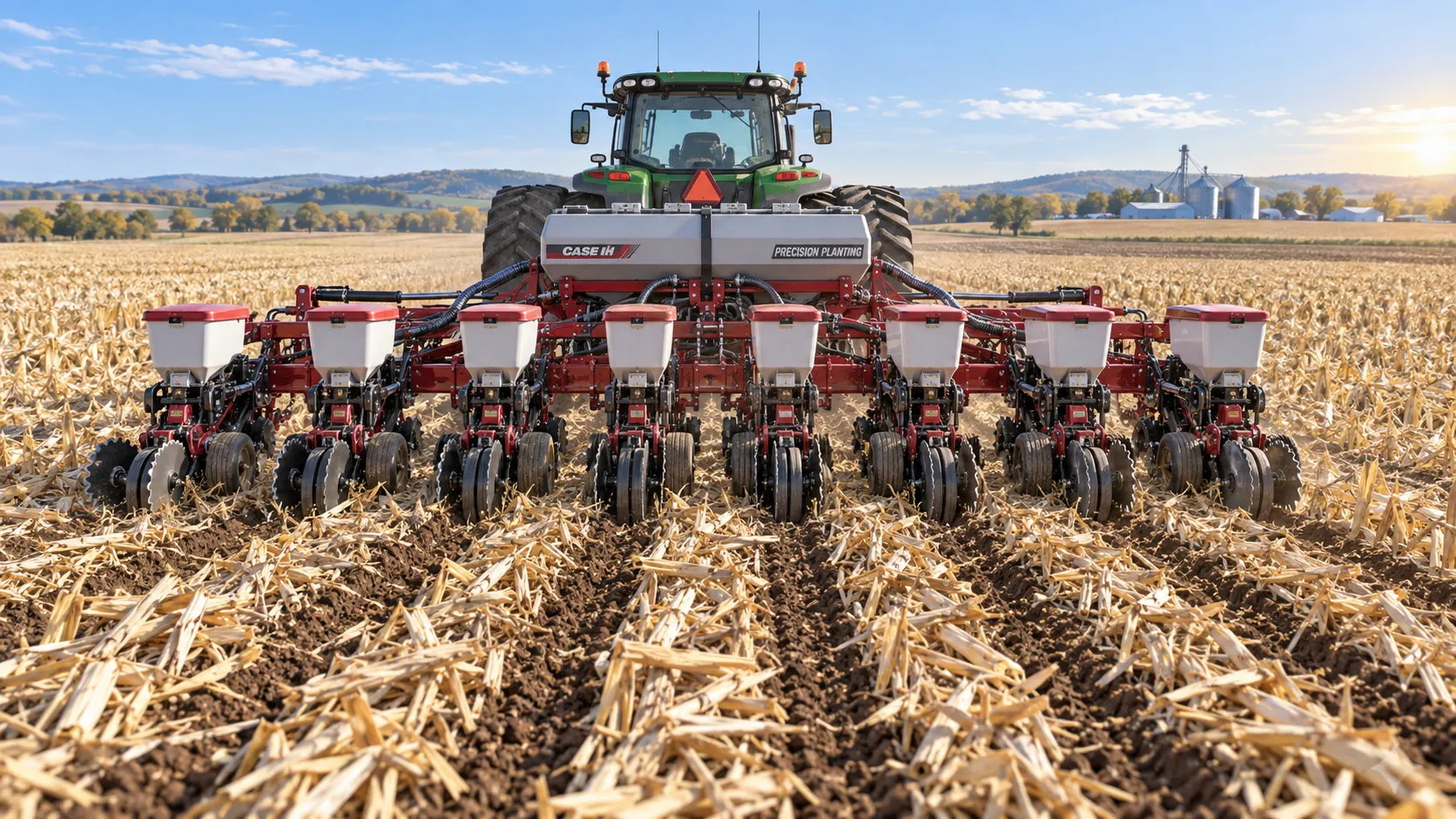
How to Select a Heavy-Duty Seeder for Large Acreage and High-Residue Fields
Heavy duty seeders for large acreage: compare residue handling, depth control, downforce, metering accuracy, and precision features to select the right model.
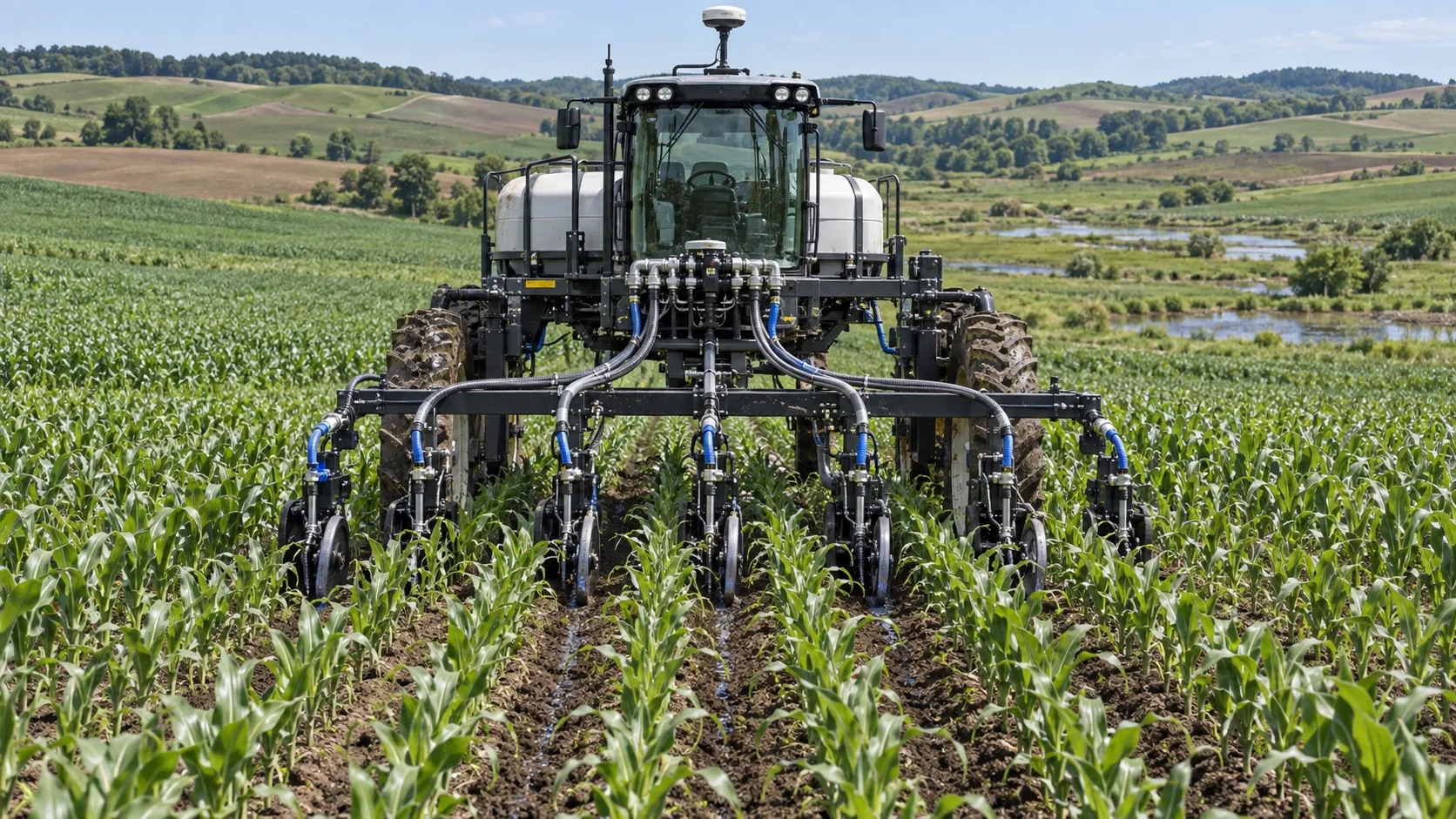
How to Select a Precision Fertilization System for Variable Corn Field Conditions
Precision fertilization systems for corn farming: learn how to match data, placement, control accuracy, and ROI to variable field conditions for better results.
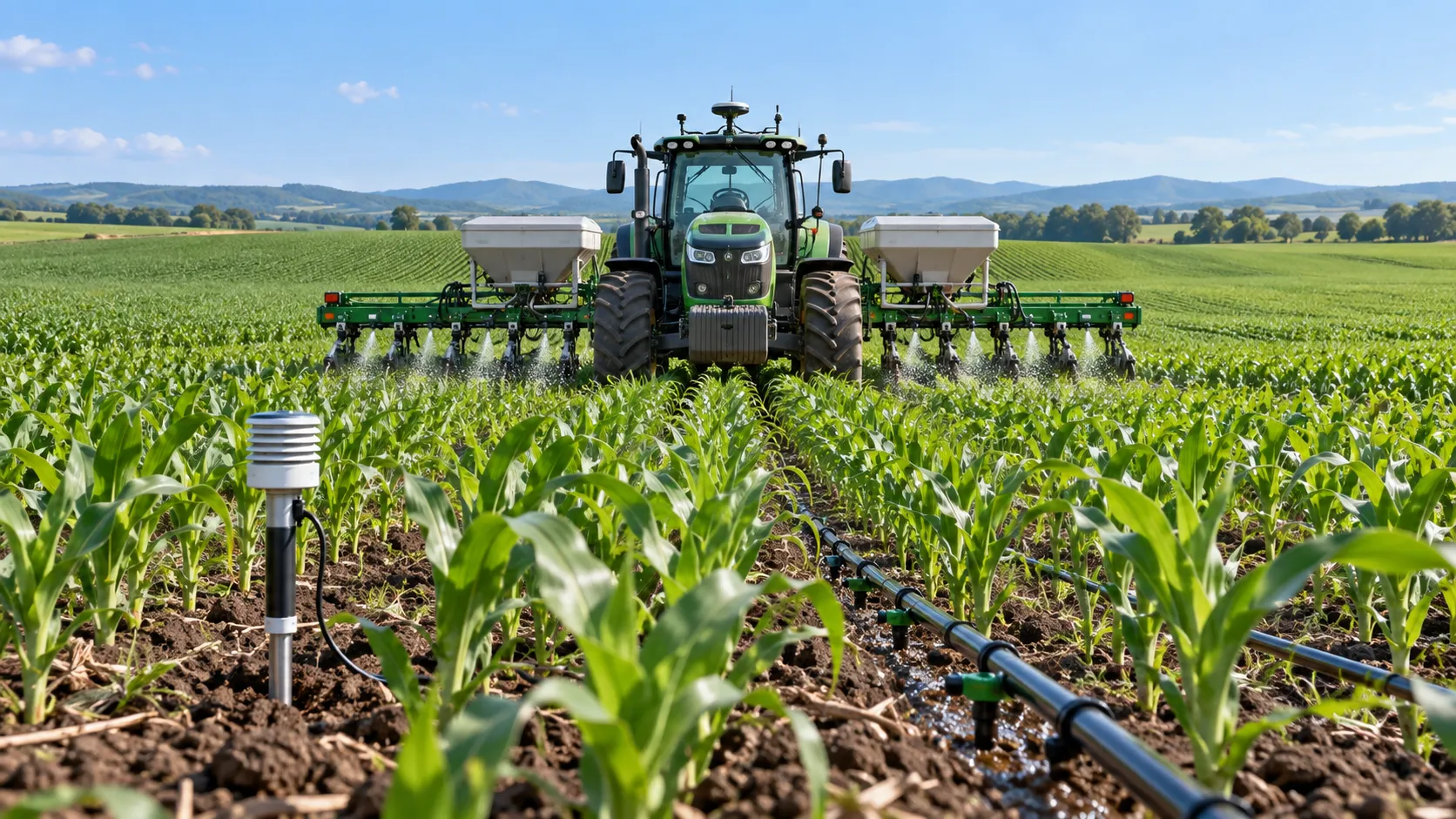
Selecting Precision Farming Products by Application: Field Conditions, Crops, and ROI
Application-based product selection for precision farming: match technology to field conditions, crops, machinery, and ROI for smarter, reliable farm investments.
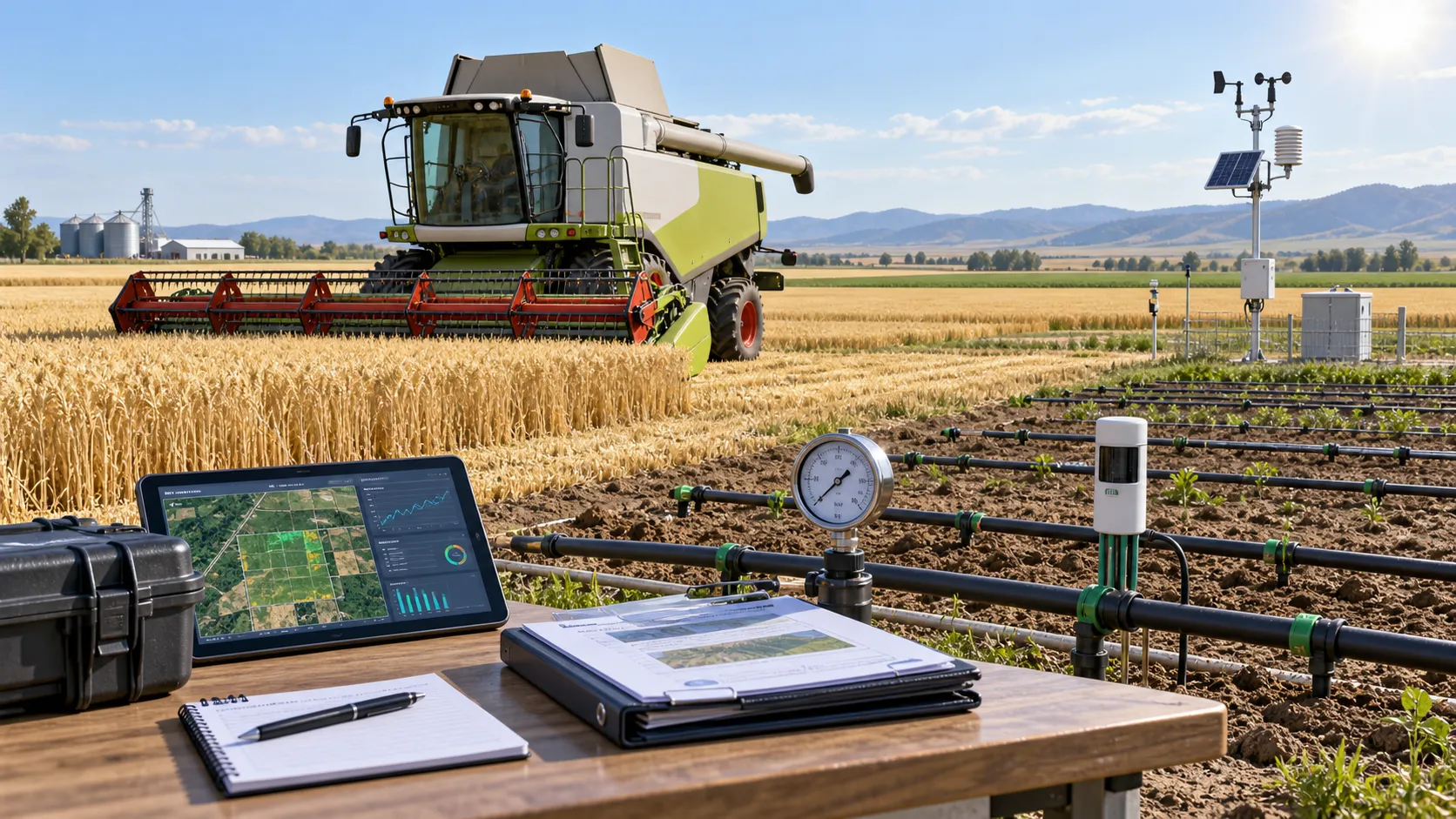
How to Evaluate Agricultural Product Information Sources for Reliable Farm Decisions
Agricultural product information reference guide: evaluate reliable farm data, verify claims, and make smarter machinery, irrigation, and crop decisions.
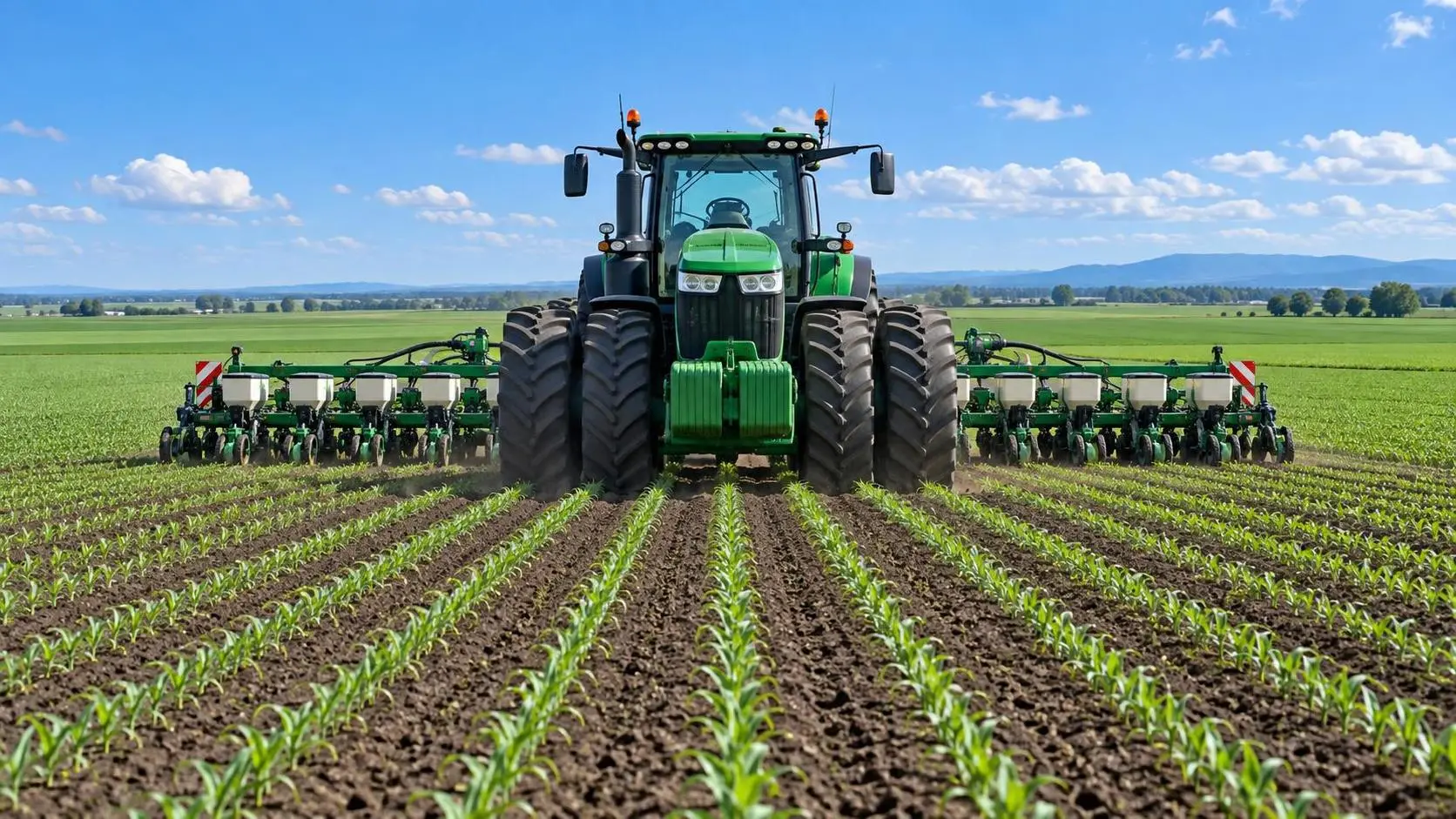
Farm Machinery Guide: Matching Tractor Horsepower and Implements to Farm Size
Farm machinery guide for tractors: match horsepower, implement width, hydraulics, traction, and fleet capacity to farm size for lower costs and reliable field performance.
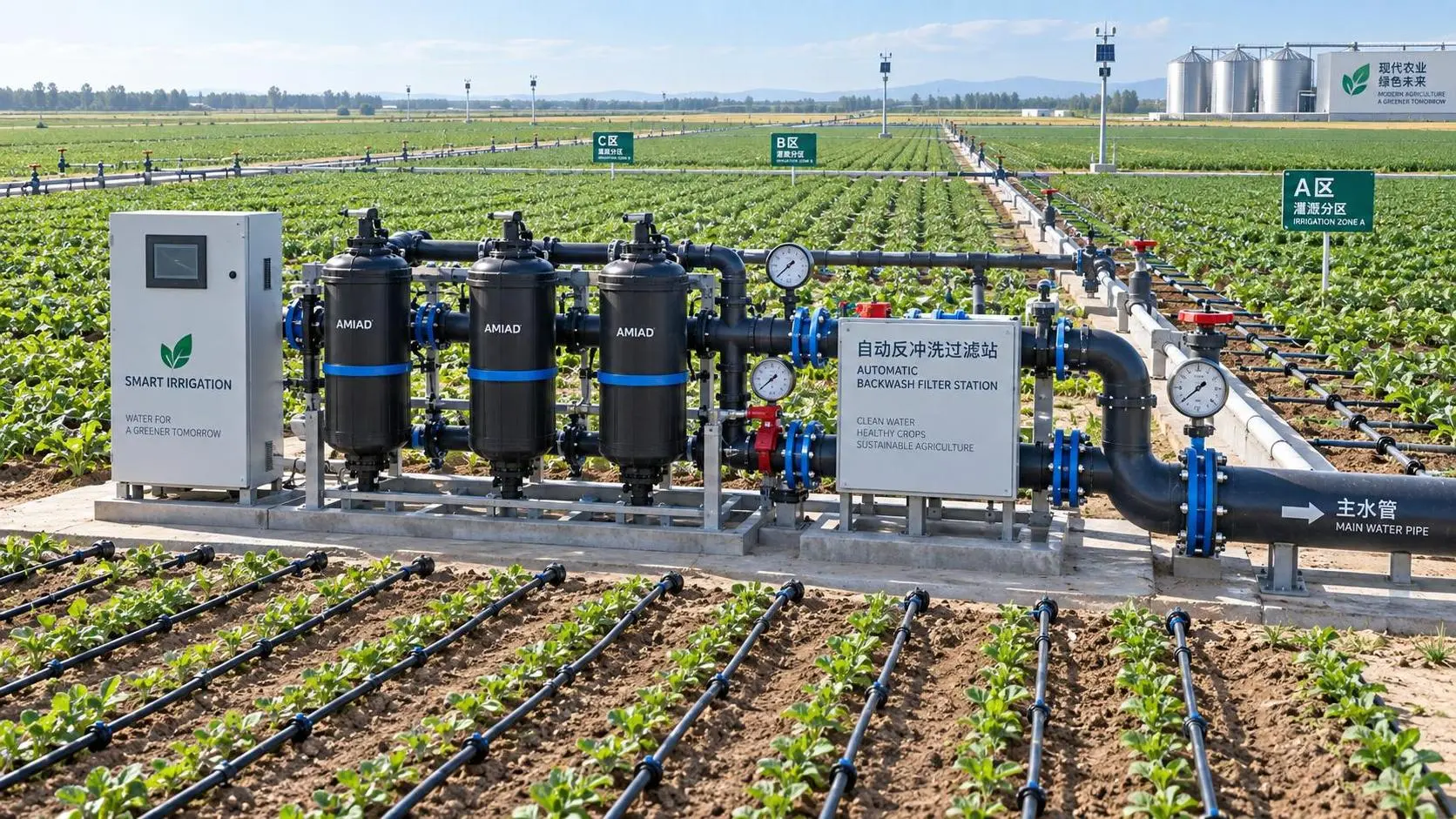
How to Evaluate Drip Irrigation System Manufacturers for Large Farm Projects
Drip irrigation systems manufacturer evaluation guide for large farms: compare hydraulic design, filtration, quality control, scalability, delivery, and support.
Related News
- 00
0000-00
Selecting Grain Farm Equipment by Acreage, Crop Mix, and Harvest Window - 00
0000-00
How to Select Heavy-Duty Farm Implements for High-Acreage, High-Horsepower Operations - 00
0000-00
Smart Farming Technology for Dairy Farms: Where Automation Delivers Measurable ROI - 00
0000-00
Selecting Precision Farming Products by Application: Field Conditions, Crops, and ROI - 00
0000-00
How to Evaluate Agricultural Product Information Sources for Reliable Farm Decisions
Popular Tags
Ms. Elena Rodriguez
Weekly Insights
Stay ahead with our curated technology reports delivered every Monday.