
Agricultural Machinery Guide: How Equipment Categories Match Farm Tasks




Agricultural Machinery Guide: How Equipment Categories Match Farm Tasks
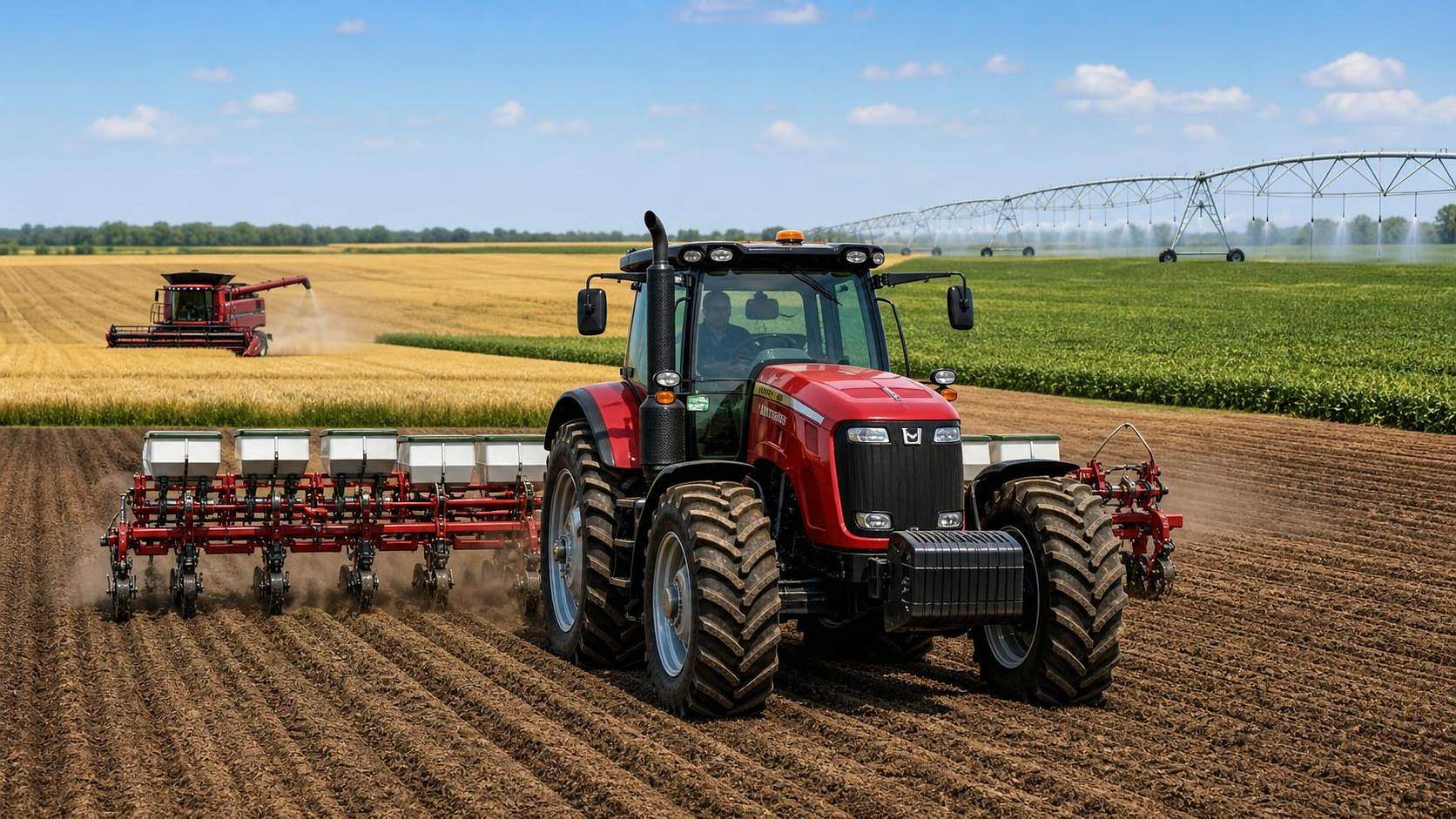
If you are searching for agricultural machinery guide categories, the real question is usually simple: which machines are meant for which farm jobs, and how do those categories connect to actual field work? That matters because “farm equipment” is too broad to be useful on its own. A tractor is not a planter. A sprayer is not an irrigation system. And a machine that performs well in one crop system may be a poor fit in another.
The easiest way to understand modern agricultural machinery is to stop thinking in brand names first and start with tasks. Soil has to be prepared. Seed has to be placed. Nutrients and crop protection have to be applied. Water has to be managed. Harvest has to be done with as little loss as possible. Once you look at machinery through that workflow, the equipment categories make much more sense.
In plain terms, agricultural machinery categories are best understood by matching each type of equipment to a stage of farm work: power and traction, soil preparation, planting, crop care, harvesting, material handling, and water management. That task-based view is a far better starting point than comparing machines by size alone.
Why machinery categories matter more than many first-time researchers expect
A common mistake is to group machines by appearance or horsepower. In practice, farms buy capability, not just equipment. Two machines may look similar in a brochure and still serve very different roles in the field.
For example, tractors are often treated as the center of every mechanized system, and in many farms they are. But the tractor is usually the power platform. The actual farm outcome depends on what is attached to it, how well the hydraulics and transmission match the job, and whether the implement width, draft load, and field conditions are in balance.
This is where many information researchers get stuck. They search for “best farm machinery” when the better question is, “What operation am I trying to complete, under what crop, soil, scale, and labor conditions?”
A practical agricultural machinery guide categories breakdown
Most working farms can be understood through a handful of major equipment groups. These groups are not rigid, and some machines overlap, but they provide a reliable foundation.
1. Power and traction equipment
This category is led by tractors and power units. Their job is to pull, lift, drive, or support other implements. On large farms, tractor chassis design matters more than casual observers often realize. Transmission efficiency, hydraulic flow, axle strength, ballast setup, and compatibility with attached tools all influence performance in tillage, seeding, transport, and planting.
For an information researcher, the key point is this: tractors are rarely evaluated in isolation. Their value depends on the tasks they support. A tractor sized for light transport may struggle with deep tillage. A high-horsepower model may be unnecessary if the real workload is orchard spraying or utility work in confined spaces.
2. Soil preparation machinery
This group includes plows, harrows, cultivators, subsoilers, rotary tillers, and other tillage tools. Their purpose is to manage residue, loosen compacted layers, create seedbeds, and control weeds before planting.
Not every farm needs intensive tillage equipment. That is an important judgment point. In reduced-till or no-till systems, the machinery strategy changes. Instead of more aggressive soil disturbance, the farm may rely on residue management, precise planting equipment, and targeted crop protection tools. So the “right” category is not universal. It depends on the production model.
3. Planting and seeding equipment
Seed drills, precision planters, transplanters, and air seeders sit here. Their job is placement: correct depth, spacing, seed-to-soil contact, and row consistency.
People outside the sector often underestimate how sensitive yields can be to planting accuracy. In row crops, a planter that places seed unevenly can reduce stand uniformity long before the crop emerges. In cereals, drill calibration and distribution matter just as much. So planting machinery is not simply about “getting seed into the ground.” It is about creating an even start.
4. Crop care and plant protection equipment
Sprayers, spreaders, mechanical weeders, precision fertilization tools, and sensor-guided applicators belong in this category. These machines handle in-season crop management: nutrients, herbicides, fungicides, insecticides, and in some systems, mechanical or robotic intervention.
This category has changed quickly under Agriculture 4.0. The equipment itself is still mechanical, but guidance, sensors, variable-rate control, and data integration now shape how effectively those machines work. A sprayer with section control, for instance, can reduce overlap and input waste, but only if field mapping and calibration are handled properly.
That “only if” matters. Precision capability sounds impressive in marketing, but precision without clean data, stable signals, and trained operators often becomes underused capacity.
5. Harvesting machinery
Combine harvesters are the best-known example, though harvesting equipment also includes forage harvesters, root crop harvesters, cotton pickers, and specialized units for fruits and vegetables.
Harvest machines are where timing pressure becomes very real. Field losses, grain damage, moisture variation, labor bottlenecks, and weather risk all show up here. In grain systems, combine performance is not just about speed. It is about balancing throughput, separation quality, cleaning efficiency, and acceptable loss in changing crop conditions.
This is one reason combine harvesting remains such a technical category. A machine that performs well in dry, uniform grain may need different settings or a different header strategy in lodged crops, mixed maturity, or high-moisture conditions.
6. Material handling and transport equipment
Trailers, loaders, telehandlers, grain carts, bale handlers, and conveyors often get less attention in beginner guides, but they affect workflow more than people expect. A high-capacity harvester can be limited by weak transport logistics. A livestock or mixed farm may depend heavily on loaders and handling systems every day, not just seasonally.
In other words, the supporting equipment is not secondary just because it is less visible.
7. Water-saving irrigation systems
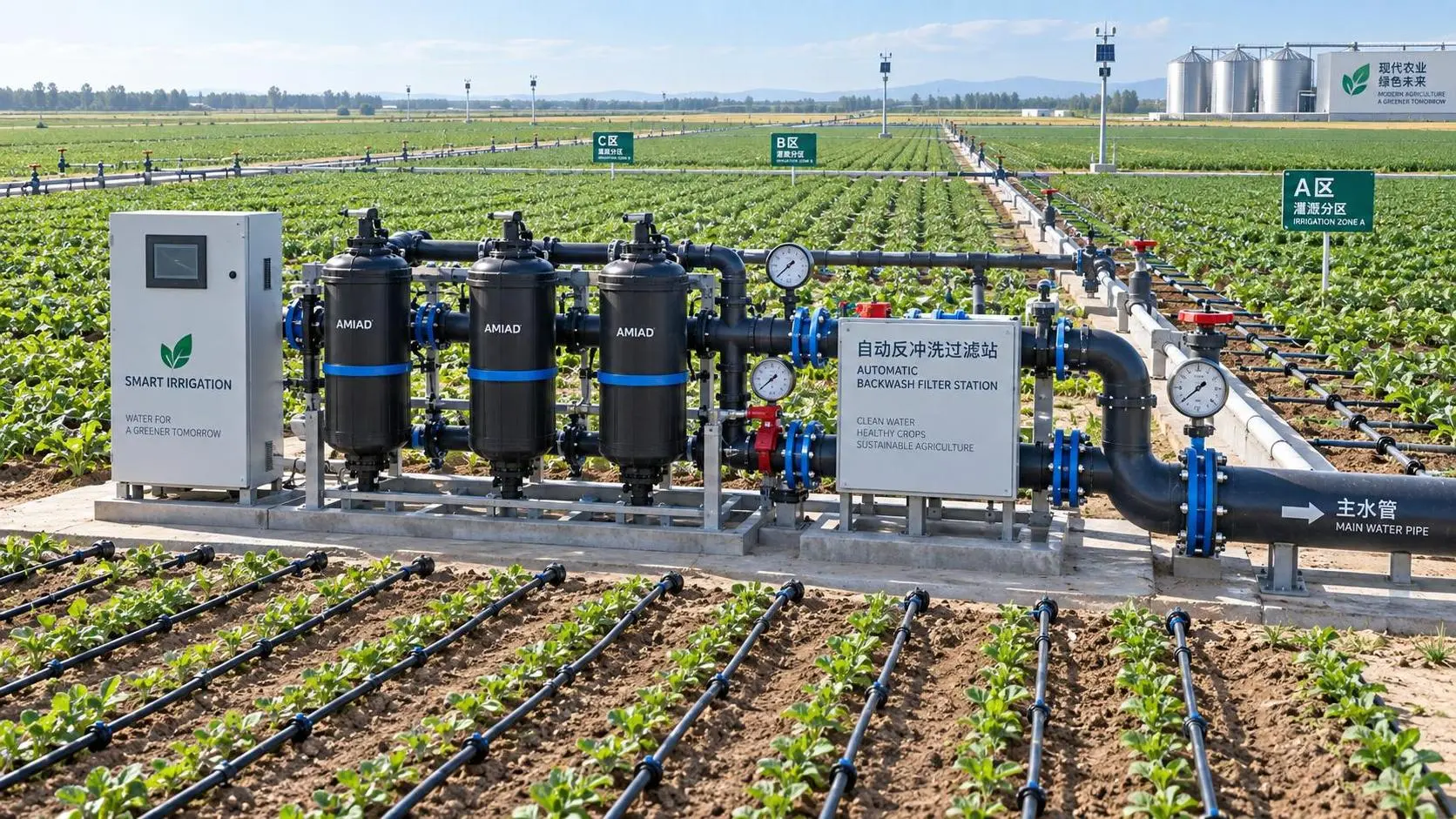
Irrigation equipment deserves to stand as its own category because it is both infrastructure and operational machinery. Drip systems, center pivots, linear systems, pumps, filtration units, fertigation tools, valves, and sensor-based controls all shape how water reaches the crop.
For many researchers, this category is where the old “more water equals more security” assumption breaks down. Efficient irrigation is about timing, distribution uniformity, pressure management, evapotranspiration logic, and local water constraints. In water-stressed regions, the system design can matter as much as the pump capacity.
Matching equipment categories to farm tasks is not the same as choosing specific models
This distinction is worth making clearly. A category tells you what role the machine plays. It does not tell you what machine is right for your farm.
A planter category may fit your task, but you still need to check row spacing, seed type, field size, residue levels, tractor compatibility, maintenance access, and operator skill. The same applies across every equipment group. Category first, specification second.
That order prevents a lot of expensive confusion.
What experienced buyers look at beyond the category label
Once the machinery category is clear, experienced evaluators usually pressure-test the decision against five practical filters.
- Crop system: Grain, forage, orchard, vegetable, and mixed farms have very different machinery logic.
- Field conditions: Soil texture, slope, drainage, compaction risk, and field shape all affect suitability.
- Farm scale and labor: A machine that solves a labor bottleneck on a large operation may be oversized for a smaller one.
- Support ecosystem: Parts access, dealer service, calibration support, and operator training often matter more than brochure specifications.
- Data and control readiness: Intelligent farm tools only pay off when the farm can actually use the data they generate.
That last point is often overlooked. Precision tools are valuable, but they are not automatic value creators. A satellite-guided applicator, sensor-fed irrigation controller, or prescription-based input system works best where digital workflows are already being taken seriously.
Where people misread modern farm equipment
One of the most common misunderstandings is assuming that advanced machinery always means full autonomy or highly complex electronics. In reality, “advanced” can mean something much more practical: lower crop loss, better fuel efficiency, tighter application accuracy, or stronger water control.
Another mistake is treating equipment categories as separate silos. They are connected. Tractor chassis performance affects tillage and planting. Planting quality affects later crop uniformity. Irrigation consistency affects harvest timing. Harvest capacity affects storage and transport needs.
That is why serious agricultural intelligence platforms have moved toward connected analysis rather than isolated product watching. AP-Strategy, for example, frames large-scale agri-machinery, combine harvesting technology, intelligent farm tools, tractor chassis, and water-saving irrigation systems as linked parts of the same operating picture. For readers doing early-stage research, that kind of structured view is more useful than chasing disconnected equipment headlines.
When a category may be right in theory but wrong in practice
There are plenty of cases where the category fit looks good on paper but fails in real use.
A large combine may be technically suitable for the crop, yet inefficient if field sizes are small, transport routes are narrow, or grain handling infrastructure is weak. A precision sprayer may promise input savings, yet underperform where operators cannot maintain calibration discipline. A drip irrigation setup may offer excellent water efficiency, but the economics and maintenance load need to be checked carefully against crop value, water quality, and farm management capacity.
This is where cautious judgment beats enthusiasm. The goal is not to adopt the most advanced category available. The goal is to adopt the category that improves field results under your actual constraints.
How to use this agricultural machinery guide categories view in real research
If you are still at the information-gathering stage, start by mapping your farm tasks across the season. List the operations from pre-plant to post-harvest. Then identify which tasks are labor-heavy, time-sensitive, loss-prone, or inconsistent. Those pressure points usually reveal which machinery categories deserve closer attention.
After that, compare equipment by role, not by marketing language. Ask:
- What exact job does this machine solve?
- What conditions does it handle well?
- What conditions reduce its value?
- What supporting equipment or digital infrastructure does it require?
- What is the likely maintenance and operator burden?
These questions are simple, but they move research in the right direction. They also help you avoid a very common trap: mistaking feature density for operational fit.
The best use of an agricultural machinery guide categories framework is not to memorize machine names. It is to understand how farm work is organized, where mechanization creates measurable value, and where precision tools genuinely improve decisions rather than just adding complexity.
FAQ
Is a tractor its own category or just a support machine?
Both, depending on the context. It is a major machinery category, but in many farms its main role is to power and support other implements rather than perform the final agronomic task by itself.
Are intelligent farm tools only useful for large farms?
No. They can help smaller operations too, especially where input accuracy or water management matters. The real issue is whether the farm can use the data and maintain the system properly.
What category usually has the biggest effect on yield?
There is no universal answer. Planting, crop care, irrigation, and harvesting can all have major yield or loss impacts depending on the crop system and the farm’s weakest point.
Why do harvesting machines get so much attention?
Because harvest concentrates risk. Timing, weather, grain loss, crop damage, and logistics all collide in a short window, so machine performance becomes highly visible.
Should researchers compare categories before comparing brands?
Yes. Category fit comes first. Brand comparison only becomes useful after the farm task, operating conditions, and technical requirements are clear.
Internal Link Anchor Text Suggestions
- Combine harvester efficiency factors: guide page on harvesting performance and grain loss
- Tractor chassis and hydraulic system basics: technical explainer for powertrain evaluation
- Smart irrigation system selection: educational page on water-saving irrigation options
- Precision farming tools and variable-rate application: overview page on intelligent farm tools
- How to assess large-scale agri-machinery for field operations: category comparison or buyer education page
External Authority Source Suggestions
- Government agriculture department or agricultural extension service pages on machinery management and irrigation practices
- Industry association reports covering farm equipment trends, harvesting systems, or mechanization standards
- Brand official technical documentation for tractors, combines, precision implements, and irrigation control systems
- combine harvesting technology
- Agriculture 4.0
- soil preparation
- plant protection
- tractor chassis
- intelligent farm tools
- water-saving irrigation
- precision fertilization tools
- agricultural machinery
- farm equipment
- combine harvesters
- harvesting equipment
- water-saving irrigation systems
- plant protection equipment
- agricultural machinery guide
- harvesting machinery
- irrigation control systems
- soil preparation machinery
- farm machinery
- agricultural machinery guide categories
- tractor chassis design
- large-scale agri-machinery
- combine harvester
- irrigation systems
- irrigation system selection
Related News
How to Select Heavy-Duty Farm Implements for High-Acreage, High-Horsepower Operations
Heavy duty farm implements: learn how to match draft, hydraulics, hitch capacity, frame strength, and field conditions for reliable high-acreage performance.
Smart Farming Technology for Dairy Farms: Where Automation Delivers Measurable ROI
Smart farming technology for dairy farms delivers measurable ROI through automation, precision feeding, health monitoring, and data-driven cost control.
How to Select a Heavy-Duty Seeder for Large Acreage and High-Residue Fields
Heavy duty seeders for large acreage: compare residue handling, depth control, downforce, metering accuracy, and precision features to select the right model.
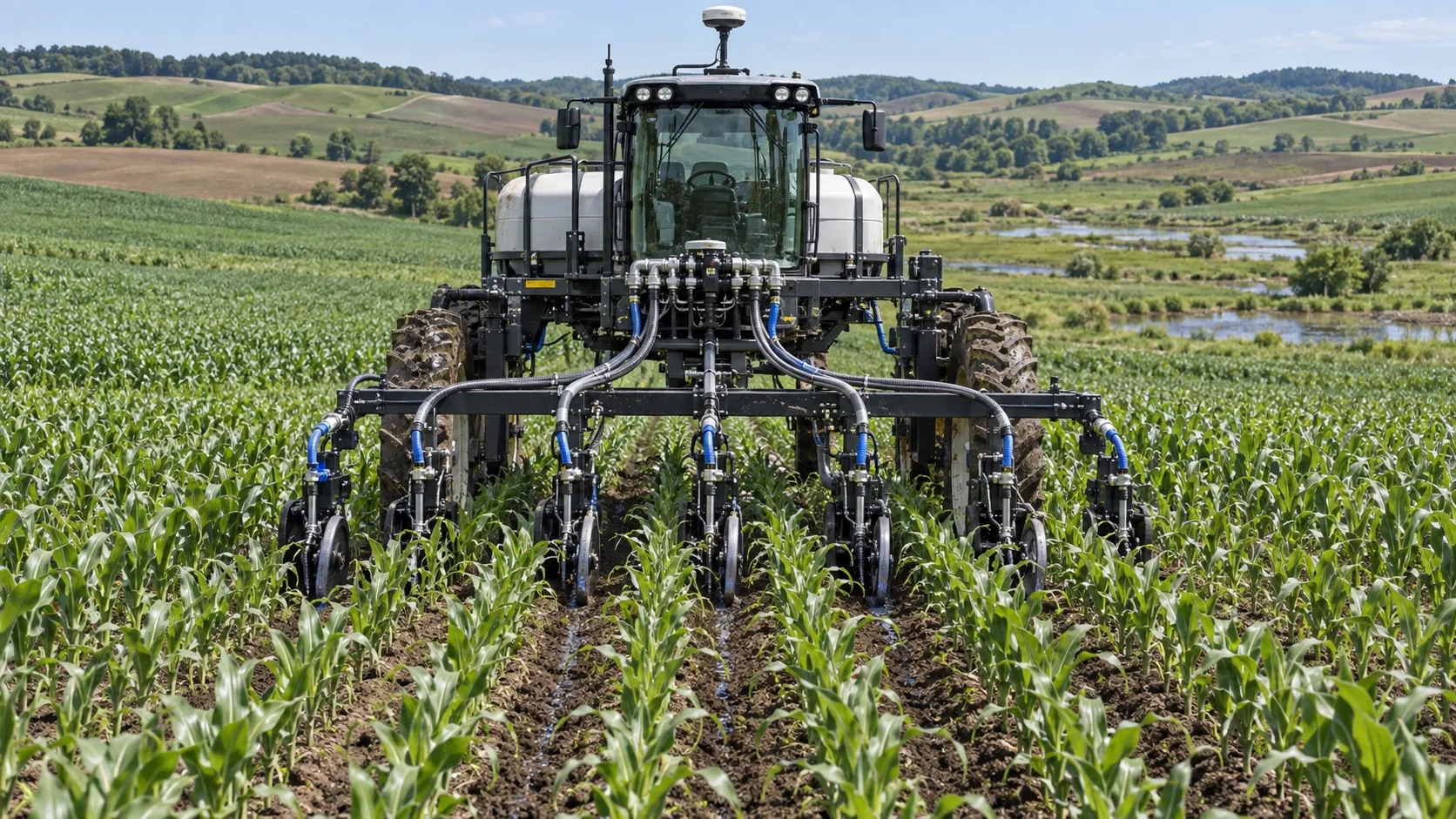
How to Select a Precision Fertilization System for Variable Corn Field Conditions
Precision fertilization systems for corn farming: learn how to match data, placement, control accuracy, and ROI to variable field conditions for better results.
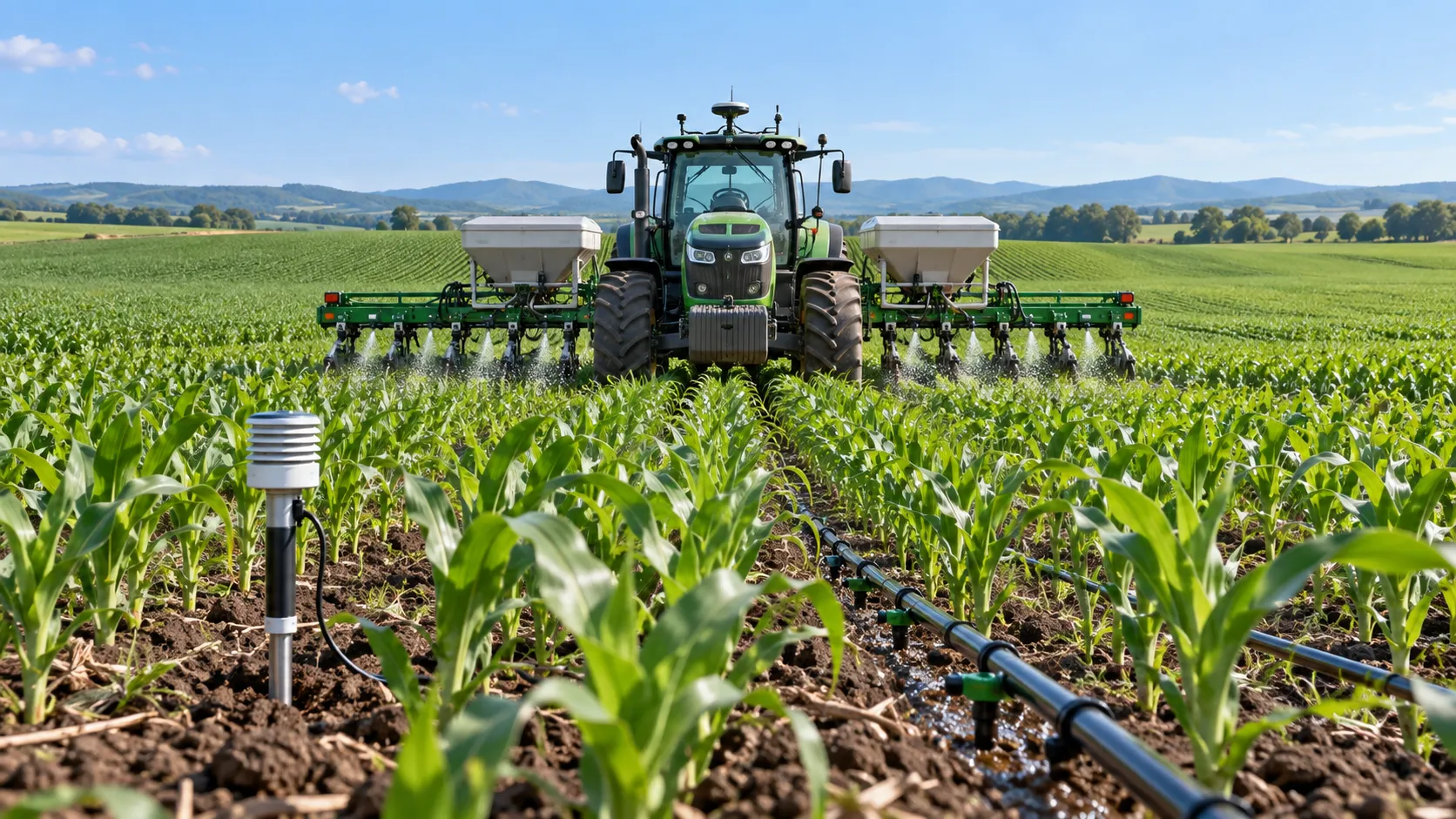
Selecting Precision Farming Products by Application: Field Conditions, Crops, and ROI
Application-based product selection for precision farming: match technology to field conditions, crops, machinery, and ROI for smarter, reliable farm investments.
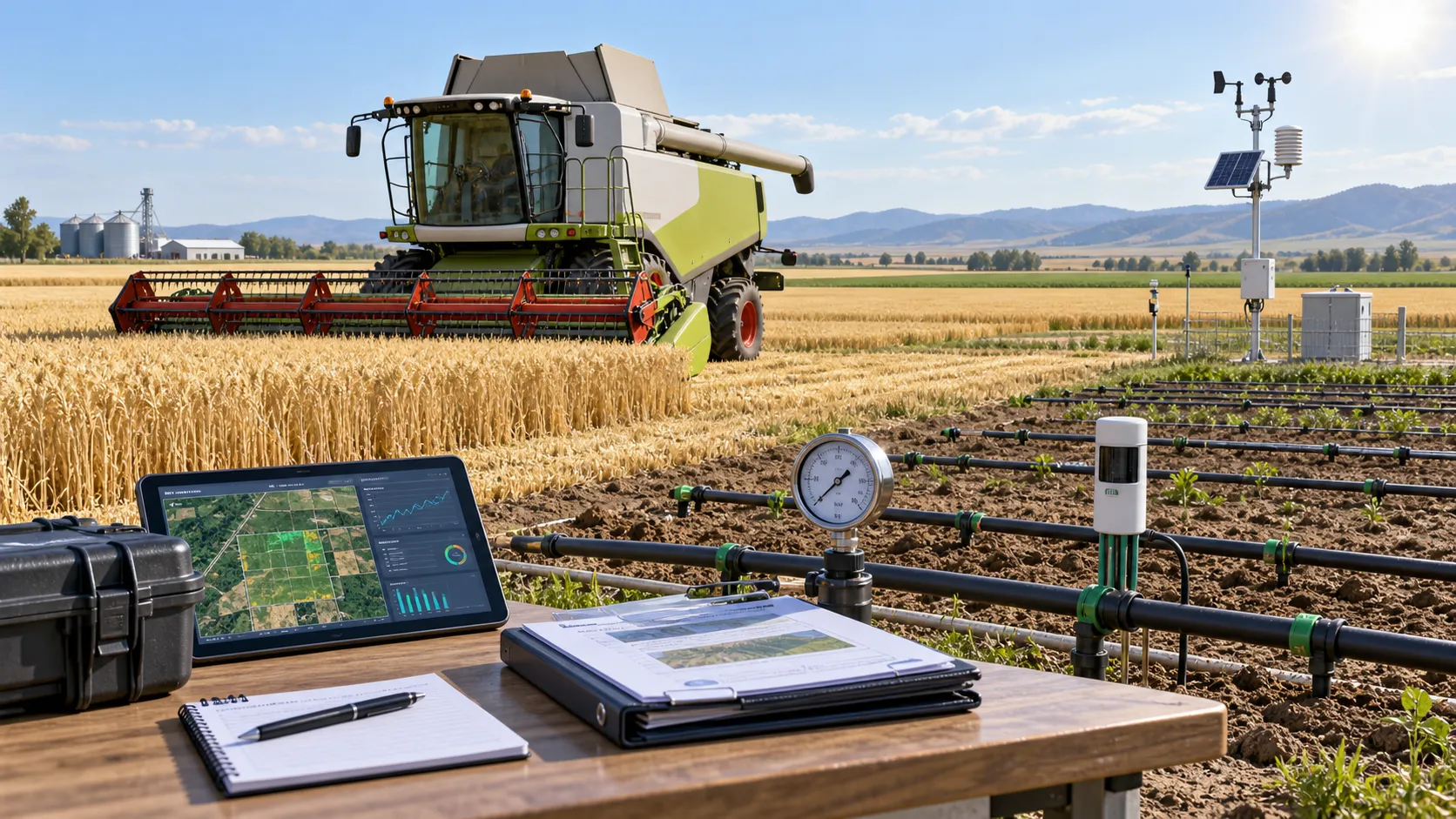
How to Evaluate Agricultural Product Information Sources for Reliable Farm Decisions
Agricultural product information reference guide: evaluate reliable farm data, verify claims, and make smarter machinery, irrigation, and crop decisions.
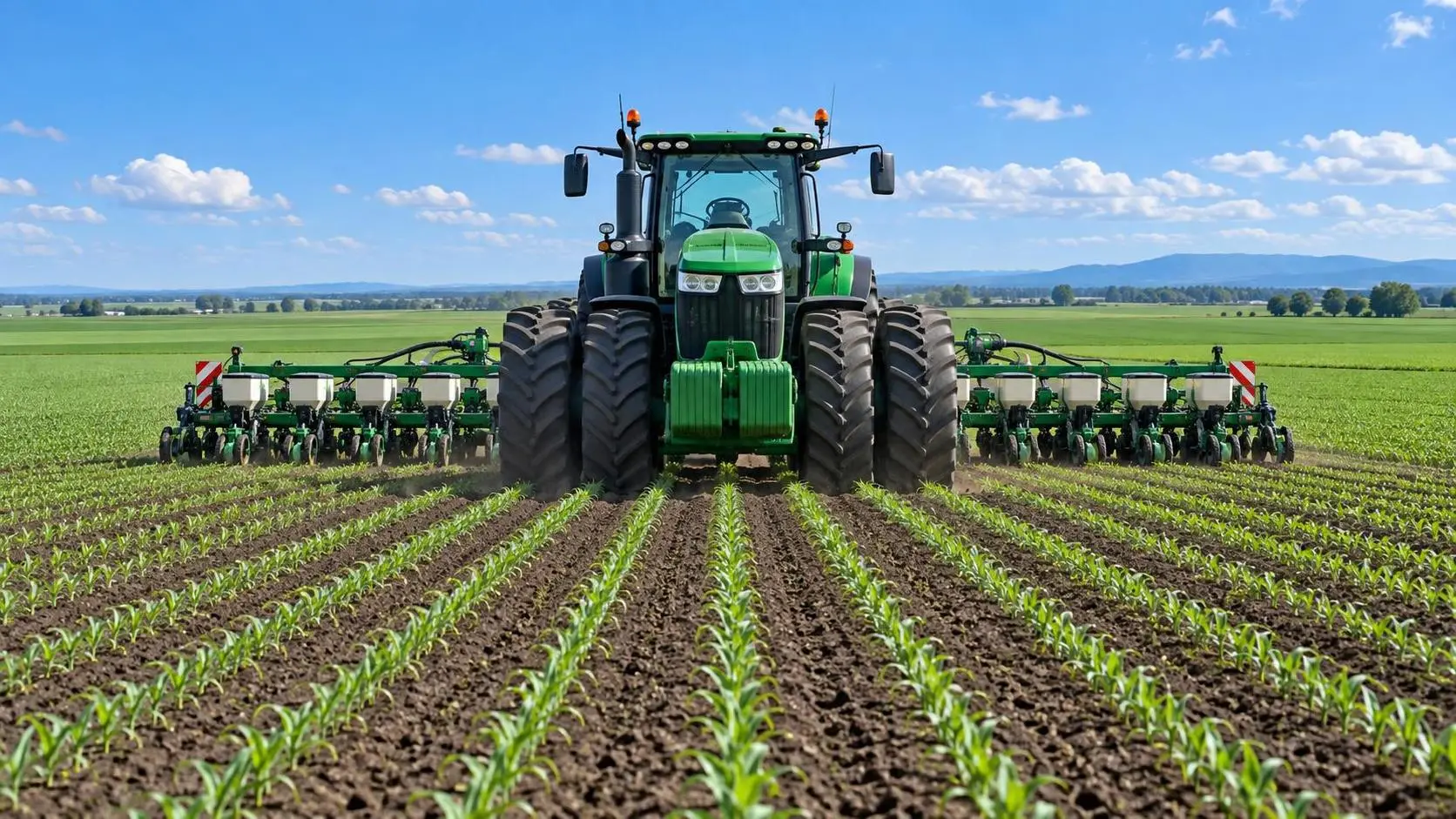
Farm Machinery Guide: Matching Tractor Horsepower and Implements to Farm Size
Farm machinery guide for tractors: match horsepower, implement width, hydraulics, traction, and fleet capacity to farm size for lower costs and reliable field performance.
How to Evaluate Drip Irrigation System Manufacturers for Large Farm Projects
Drip irrigation systems manufacturer evaluation guide for large farms: compare hydraulic design, filtration, quality control, scalability, delivery, and support.
Specification Planning: A Practical Framework for Defining Equipment Requirements
Application guidance for specification planning: define measurable equipment requirements, prioritize performance, and avoid costly procurement mistakes.
Related News
- 00
0000-00
How to Select Heavy-Duty Farm Implements for High-Acreage, High-Horsepower Operations - 00
0000-00
Smart Farming Technology for Dairy Farms: Where Automation Delivers Measurable ROI - 00
0000-00
Selecting Precision Farming Products by Application: Field Conditions, Crops, and ROI - 00
0000-00
How to Evaluate Agricultural Product Information Sources for Reliable Farm Decisions - 00
0000-00
Farm Machinery Guide: Matching Tractor Horsepower and Implements to Farm Size
Popular Tags
Ms. Elena Rodriguez
Weekly Insights
Stay ahead with our curated technology reports delivered every Monday.