
List of Equipment Used in Poultry Farming for Capacity Planning
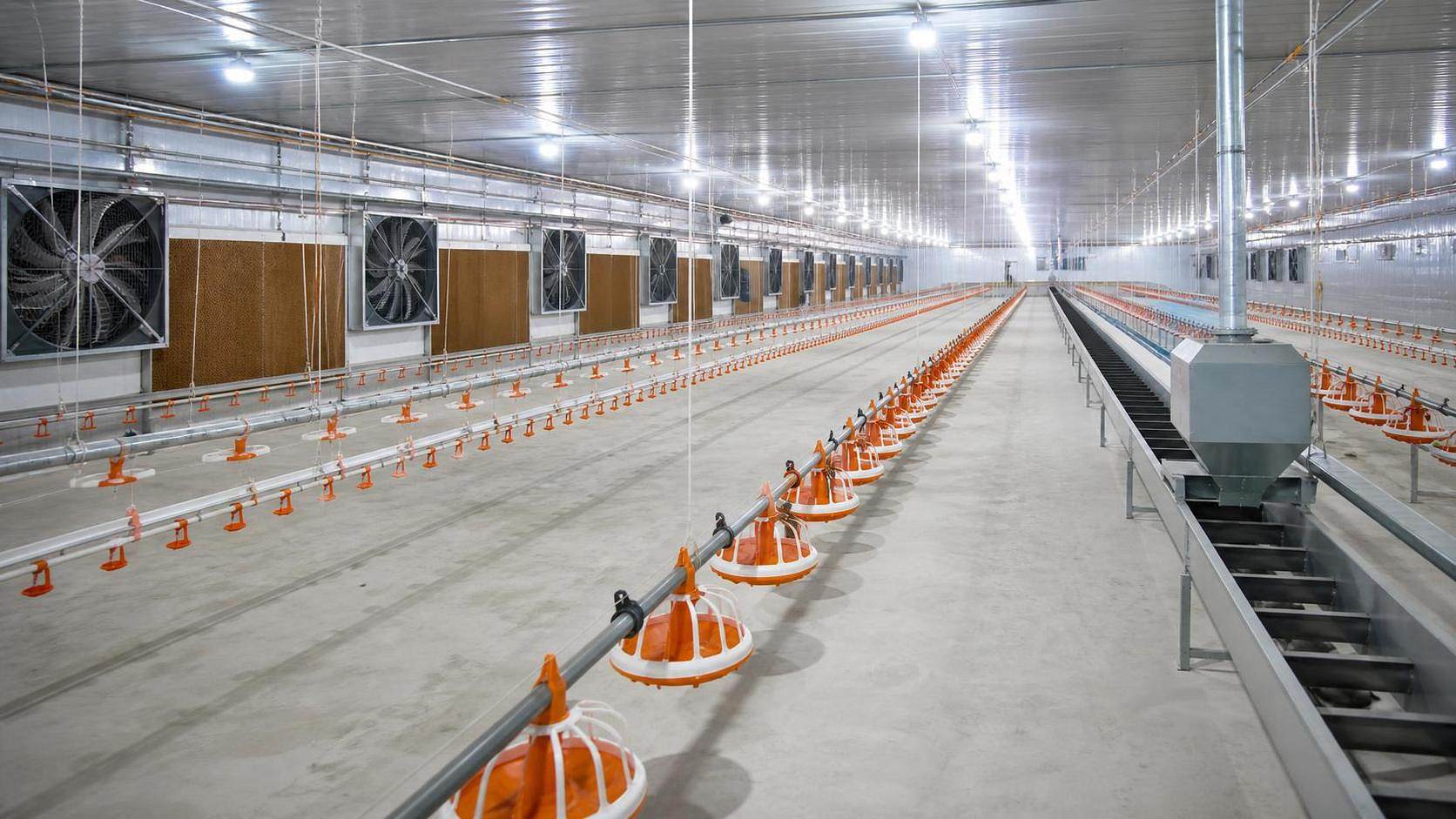




Capacity planning in poultry farming fails most often at the equipment stage, not because managers forget a machine, but because they size the right machine for the wrong production logic. A house designed for 20,000 broilers or a layer unit built for 10,000 hens does not operate as a collection of isolated devices. Feeding, watering, ventilation, manure handling, lighting, egg collection, heating, and backup power all interact. If one system is undersized, the whole farm loses performance through poor growth, lower feed conversion, egg breakage, wet litter, health pressure, or labor bottlenecks.
For project managers and engineering leads, the practical question is not simply what equipment is used on a poultry farm. The more useful question is which equipment categories must be planned together, what their sizing dependencies are, and where early specification mistakes create long-term operating constraints. That is why any serious list should be read as a planning tool rather than a shopping checklist.
Start with the production model, not the equipment catalog
Poultry equipment requirements change materially depending on whether the farm is built for broilers, layers, breeders, pullets, or mixed-age rearing. A broiler project may prioritize fast feed access, litter quality, tunnel ventilation, and rapid turnaround between flocks. A layer house, by contrast, adds cage or aviary configuration, egg handling, manure drying or removal frequency, and more stable lighting control over a longer production cycle.
Capacity planning also depends on whether the project uses:
- open-sided or environmentally controlled housing,
- manual, semi-automatic, or automatic systems,
- deep litter, slatted floor, cage, or multi-tier layouts,
- new-build infrastructure or retrofit of an existing house.
These decisions affect both the equipment list and the relationship between systems. A technically complete specification for one housing model may be unsuitable for another because airflow pattern, stocking density, labor availability, and waste handling paths are different.
Core equipment groups that shape farm capacity
When teams compile a list of equipment used in poultry farming, the most useful structure is to group items by operational function and interdependency. That makes it easier to identify what determines bird capacity, labor requirement, utility load, and maintenance exposure.
1. Housing structure and internal layout
The building itself is often excluded from equipment planning too early, even though wall insulation, roof height, column spacing, floor type, and service corridors determine which systems can be installed later. In environmentally controlled poultry houses, structural details influence fan placement, cooling pad area, air inlet performance, and uniform airflow distribution.
Project teams should verify:
- usable internal width and length after walkways and service zones,
- floor load for cages, feed lines, and manure conveyors,
- corrosion resistance in humid and ammonia-rich conditions,
- access points for maintenance and flock removal.
A layout that maximizes bird count on paper can still reduce practical capacity if technicians cannot service motors, lines, or collection systems safely during operation.
2. Feeding systems
Feed delivery is usually one of the first systems used to estimate capacity, yet it should be assessed beyond nominal line length. The real planning questions are feed storage, transfer rate, distribution uniformity, feeder space per bird, and control reliability. Feed bins, augers, hoppers, pans, chain feeders, and control sensors must match both flock size and feeding behavior.
In broiler houses, line spacing and pan count affect how evenly birds distribute themselves. In layer facilities, feed chain speed and trough consistency influence access during peak feeding periods. A system may appear adequate by output rating, but still create competition if line arrangement leaves dead zones or weak end-of-line performance.
Managers should also check whether the feed system can handle the physical characteristics of the planned ration. Fine mash, pellets, and crumbles do not move through lines in exactly the same way, and bridging in bins or uneven transfer can produce intermittent underfeeding.
3. Drinking systems
Nipple drinker lines, cups, regulators, medicators, filters, and water storage are not minor accessories. Water access affects growth, egg output, litter moisture, and medication accuracy. Capacity planning should include line height adjustment range, nipple density, pressure consistency, flushing access, and water quality treatment.
In many projects, the hidden risk is not the drinker line itself but the farm water infrastructure behind it. If source pressure is unstable, if sediment loading is high, or if storage is too small for peak demand, line performance deteriorates quickly. That can lead to wet litter in one section of the house and restricted intake in another.
For engineering teams, backup water supply deserves the same attention as backup power. Birds tolerate very little interruption in water availability, especially in hot weather.
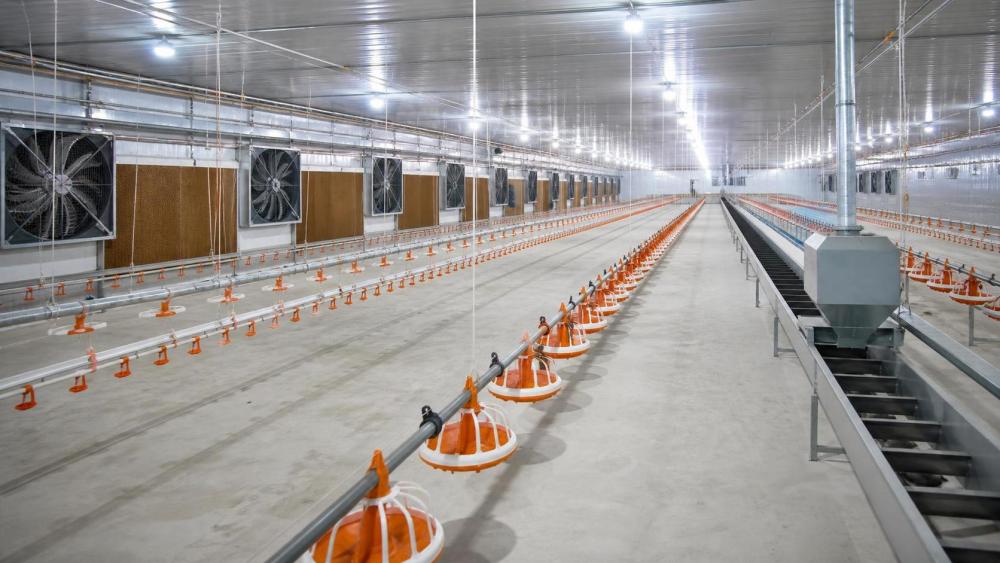
4. Ventilation, cooling, and heating systems
Ventilation equipment usually determines whether the designed bird capacity is realistic. Fans, air inlets, cooling pads, circulation fans, heaters, controllers, and sensors must be sized as a system. Oversimplified fan-count planning often ignores house tightness, local climate, altitude, static pressure losses, and seasonal operating mode.
For broilers, poor ventilation design often shows up as uneven temperature zones, high ammonia, damp litter, and lower weight uniformity. In layers, inadequate air exchange can reduce environmental stability and increase dust and odor management problems.
Heating matters just as much in young-bird phases. Brooding capacity should be checked against the worst-case ambient condition, not only average temperatures. A house that can hold target temperature under normal weather may still fail during cold startup periods, when chicks or pullets are most vulnerable.
Cooling systems also need practical review. Pad area, pump reliability, water quality, and drainage affect actual performance. In regions with high humidity, evaporative cooling may provide less benefit than expected, so fan strategy and stocking assumptions should be reviewed carefully.
5. Lighting and environmental controls
Lighting is often treated as a low-cost item, but poor specification creates long-term production instability. The key planning factors are light intensity range, dimming accuracy, distribution uniformity, durability in dusty environments, and compatibility with flock management schedules.
Environmental controllers connect ventilation, heating, cooling, alarms, and in some cases feed or lighting schedules. Their value is not only automation. They also reduce the risk of conflicting device behavior, such as fans and heaters operating inefficiently against each other because control logic is fragmented. For larger houses or multi-house sites, centralized monitoring can simplify troubleshooting, but only if sensors are positioned and calibrated correctly.
6. Egg handling and collection equipment
For layer and breeder projects, egg handling equipment directly affects salable output. Nests, egg belts, transfer conveyors, collection tables, and packing interfaces should be planned around peak laying periods rather than average hourly movement. Belts that are technically functional but slow to clear can increase egg accumulation, contamination, and cracking.
Engineers should review turning points, belt tracking, cleanability, and operator access. The route from nest or cage to the collection point should minimize drops, sharp transitions, and exposed contamination zones. A well-sized collection system reduces labor demand, but its real value lies in preserving product quality and reducing avoidable losses.
7. Manure removal and waste handling
Manure conveyors, scrapers, belts, drying systems, pits, or composting interfaces are often postponed in early planning because they do not affect bird placement on day one. In practice, they influence air quality, labor scheduling, biosecurity, fly pressure, and regulatory exposure.
The right system depends on housing type and local waste outlet conditions. Frequent manure removal may improve house environment but increases mechanical complexity. Simpler storage-based approaches can lower equipment count, yet they may create odor and moisture risks if ventilation and drainage are not robust.
Project teams should map the full path of waste removal, including transfer outside the house. A well-designed internal conveyor still creates bottlenecks if loading, transport, or storage infrastructure is undersized.
8. Power supply, alarms, and emergency backup
Any capacity plan that omits generator sizing and alarm logic is incomplete. Poultry houses are highly sensitive to power interruptions because feed transfer, water pressure support, ventilation, and control systems may all depend on electricity. The higher the stocking density and automation level, the shorter the acceptable outage window.
Backup planning should address:
- generator capacity under full emergency load,
- automatic transfer switching,
- fuel storage duration,
- alarm redundancy through local siren, phone alert, or remote notification,
- manual override procedures if controllers fail.
In hot climates, even a brief ventilation outage can become critical. This is less a procurement detail than a life-safety and asset-protection issue.
Equipment sizing mistakes that distort real capacity
On paper, two farms with the same bird count may appear identical. In operation, one can run close to design output while the other struggles because of hidden mismatches between equipment and process flow.
Common planning errors include:
- using building area alone to define bird capacity without checking feeder and drinker access,
- sizing ventilation by fan quantity instead of airflow under actual pressure conditions,
- ignoring maintenance access when arranging cage rows or feed lines,
- specifying automation without confirming power quality and backup systems,
- planning manure removal as an afterthought, creating hygiene and labor problems later,
- underestimating startup and commissioning time for integrated controls.
Another recurring issue is over-automation in locations where spare parts, technical support, or operator skill are limited. Full automation can reduce routine labor, but it also increases dependence on sensors, motors, controllers, and trained maintenance response. In some projects, a semi-automatic configuration gives better operational continuity because it fits local service conditions.
What to verify during procurement and technical review
Project managers rarely need every component specification in equal detail, but they do need a review framework that connects performance claims to site reality. During technical comparison, it helps to ask for information that supports installation and operation, not only catalog descriptions.
Check functional compatibility
Feed lines, drinker lines, cages, controllers, and ventilation systems should be assessed as a coordinated package, even if sourced separately. Mechanical fit, electrical load, control interface, and maintenance clearances can become serious problems when equipment categories are selected independently.
Review materials and corrosion exposure
Poultry houses expose equipment to moisture, dust, washdown cycles, and ammonia. Surface finish, galvanization quality, stainless components in critical zones, and motor protection ratings all affect service life. Lower upfront cost may become expensive if corrosion leads to early replacement of supports, fasteners, or moving parts.
Look beyond nominal output ratings
A fan’s stated airflow, a feeder’s transfer speed, or a conveyor’s throughput only matters within defined conditions. Teams should examine test conditions, pressure assumptions, slope limitations, and recommended operating ranges. Practical capacity often differs from nameplate capacity once the system is installed in a real house.
Plan commissioning and spare parts from the start
Even straightforward systems need setup, calibration, and trial operation. Sensor calibration, line leveling, controller programming, and motor testing affect early flock performance. Spare parts planning should cover items with predictable wear or failure exposure, especially where replacement lead times may be long.
Using the equipment list as a planning document
A strong equipment plan is not a long inventory. It is a structured document that links each equipment group to flock target, house layout, utility demand, labor model, and operating risk. For engineering coordination, many teams find it useful to organize the list under five headings: production function, installed quantity, utility requirement, maintenance criticality, and failure consequence.
That approach helps distinguish between equipment that supports convenience and equipment that limits actual farm capacity. A missed extra hopper is inconvenient; an undersized ventilation strategy can cap stocking density, increase mortality risk, and compromise every batch placed in the house.
For that reason, the best use of a poultry equipment list is early-stage alignment across civil, mechanical, electrical, and operations teams. Once the house geometry, production model, and environmental assumptions are clear, the list becomes a decision tool: which systems define throughput, which ones protect animal welfare and product quality, and which ones deserve the most scrutiny before procurement is finalized.
Related News
When Does Agricultural Machinery Leasing Cost Less Than Owning Equipment?
Agricultural machinery leasing can lower farm costs when use is seasonal or uncertain. Compare utilization, maintenance, cash flow, and risk to make a smarter equipment decision.
How to Evaluate Precision Fertilization System Suppliers for Farm-Scale Deployment
Precision fertilization systems suppliers: learn how to compare accuracy, integration, uptime, service, and total cost for confident farm-scale deployment.
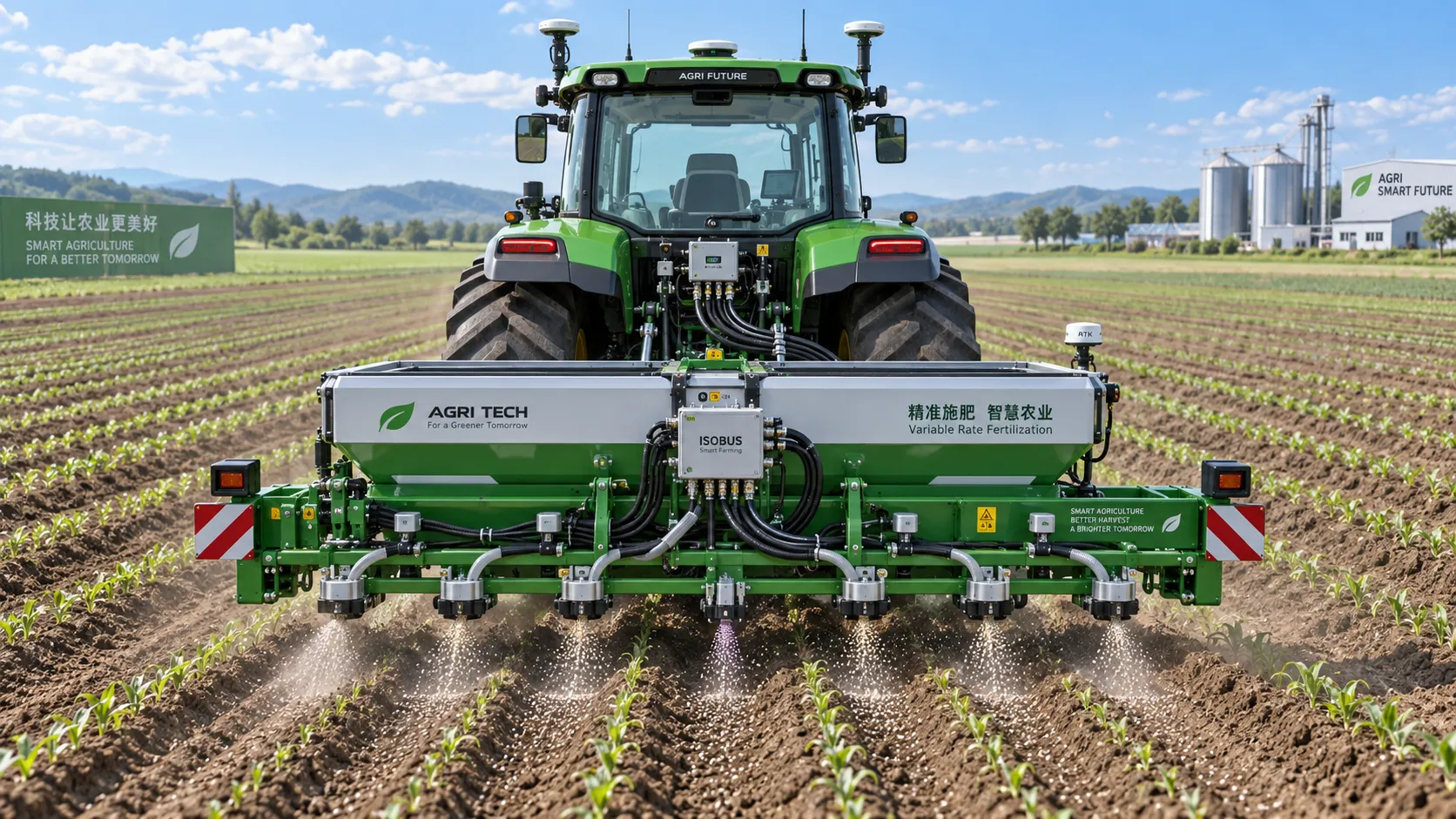
ISOBUS for Smart Agriculture: How It Connects Tractors, Implements, and Farm Data
ISOBUS for smart agriculture connects tractors, implements, terminals, and farm data—helping growers improve precision, documentation, and smarter field decisions.
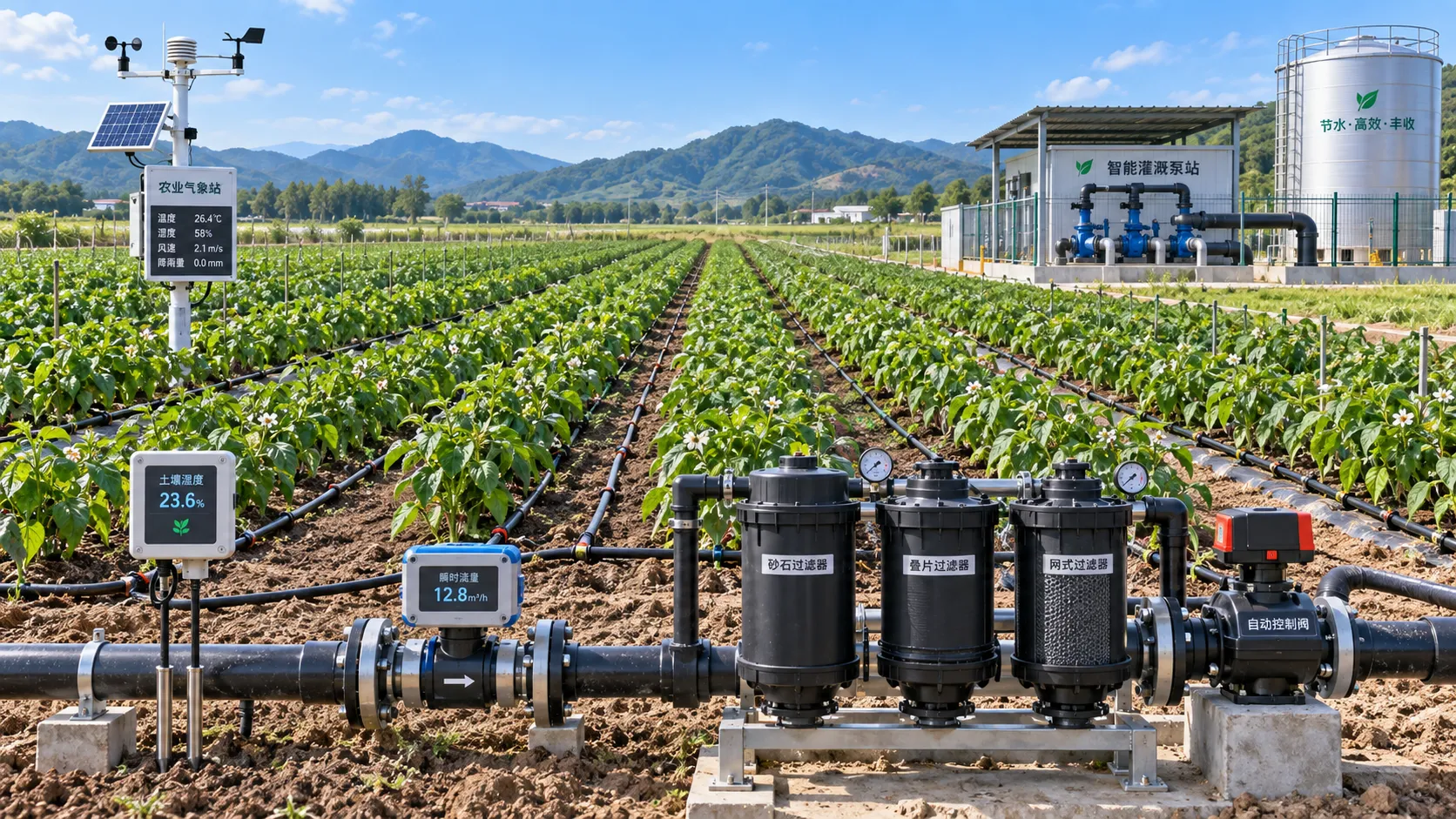
Automated Water-Saving Irrigation: How to Cut Water Use Without Reducing Crop Yields
Automated water-saving irrigation helps farms cut water use, protect crop yields, improve scheduling, and gain reliable control with sensors, flow monitoring, and smart zones.
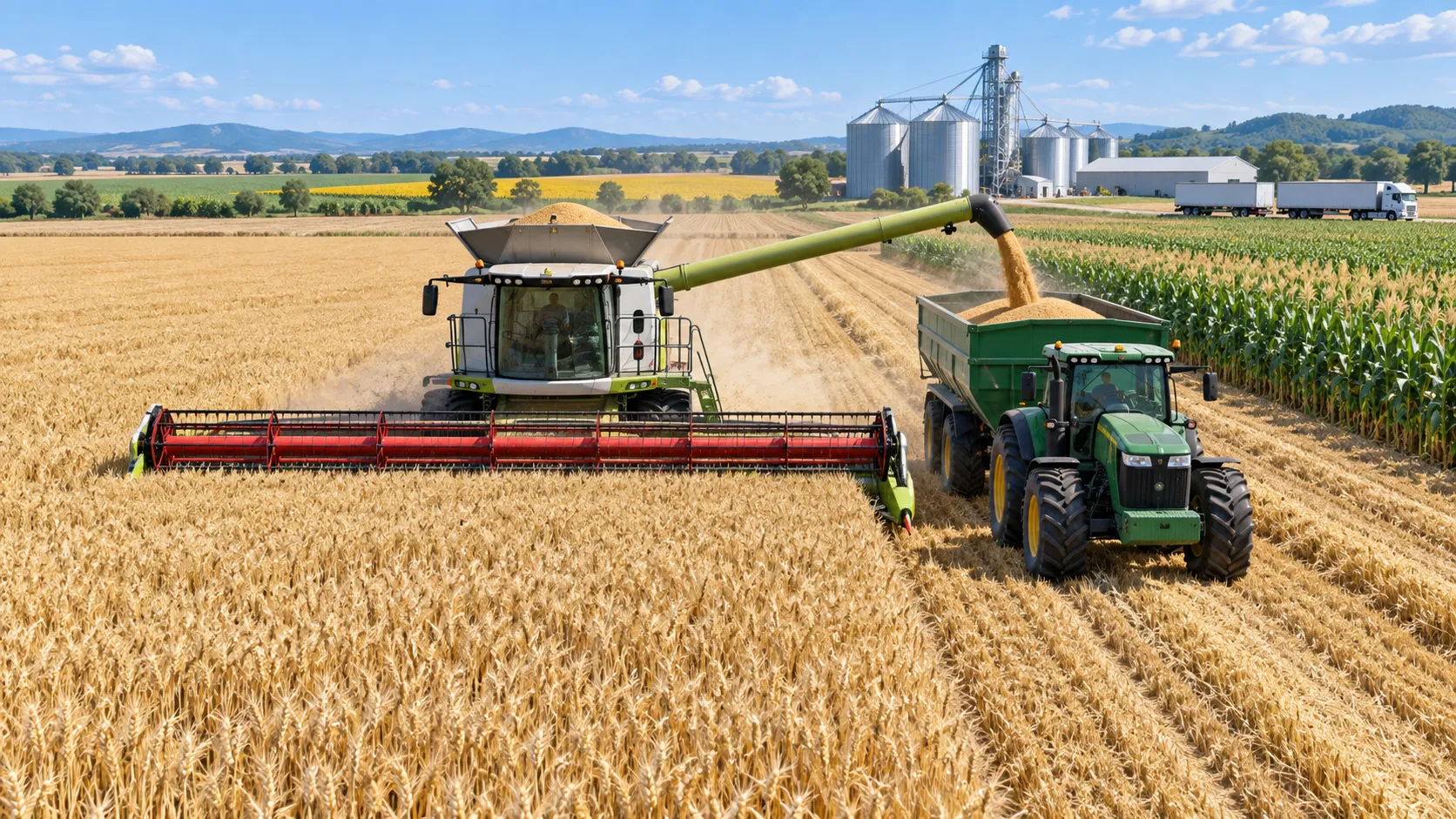
Selecting Grain Farm Equipment by Acreage, Crop Mix, and Harvest Window
Agricultural equipment selection for grain farming: match machinery to acreage, crop mix, and harvest windows to improve uptime, efficiency, and returns.
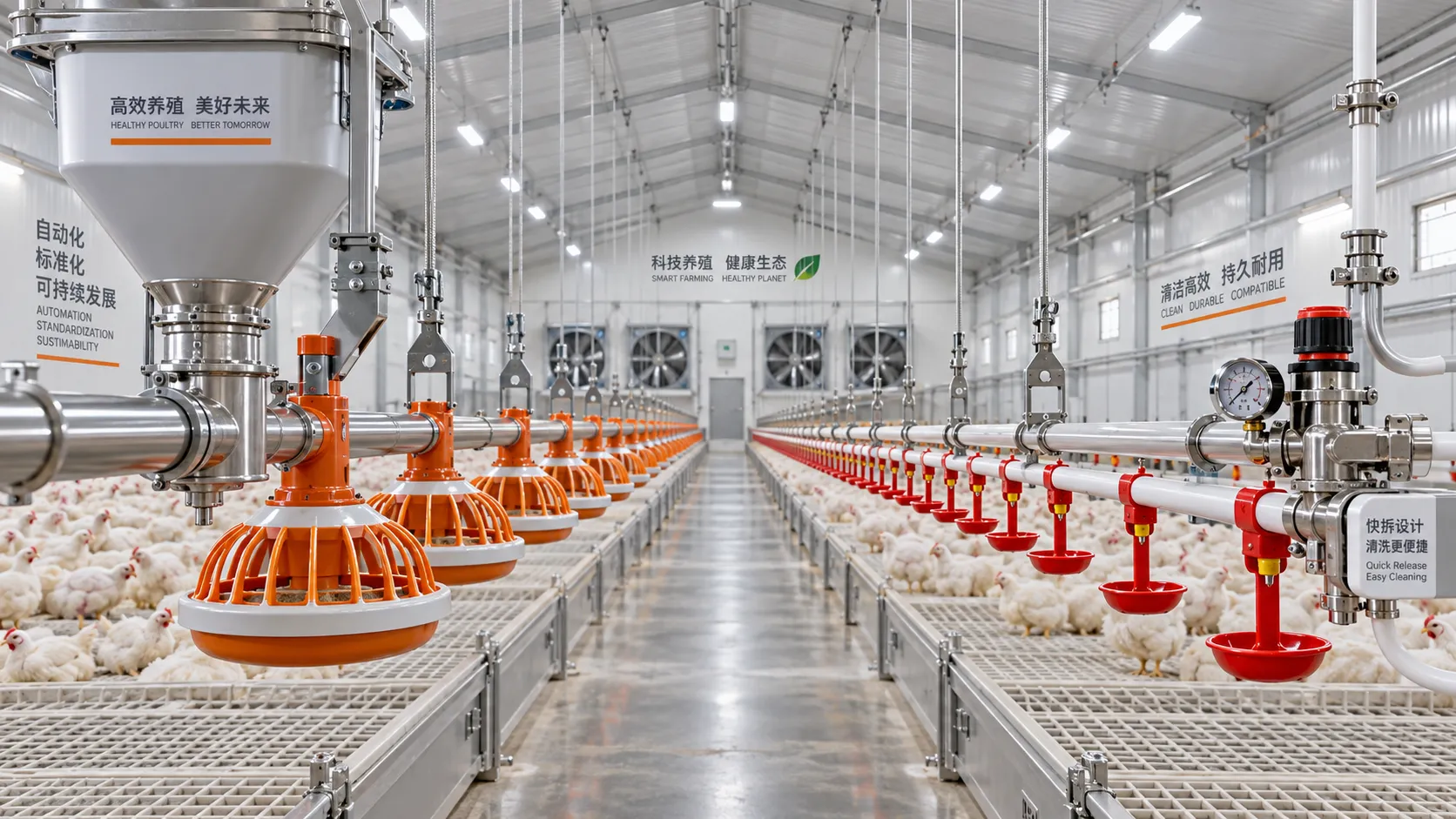
Poultry Equipment Selection: Evaluating Durability, Cleaning, and Compatibility
Poultry equipments selection guide: evaluate durability, cleaning access, and system compatibility to improve hygiene, reduce downtime, and support efficient flock management.
How to Select Heavy-Duty Farm Implements for High-Acreage, High-Horsepower Operations
Heavy duty farm implements: learn how to match draft, hydraulics, hitch capacity, frame strength, and field conditions for reliable high-acreage performance.
Smart Farming Technology for Dairy Farms: Where Automation Delivers Measurable ROI
Smart farming technology for dairy farms delivers measurable ROI through automation, precision feeding, health monitoring, and data-driven cost control.
How to Select a Heavy-Duty Seeder for Large Acreage and High-Residue Fields
Heavy duty seeders for large acreage: compare residue handling, depth control, downforce, metering accuracy, and precision features to select the right model.
Related News
- 00
0000-00
When Does Agricultural Machinery Leasing Cost Less Than Owning Equipment? - 00
0000-00
Selecting Grain Farm Equipment by Acreage, Crop Mix, and Harvest Window - 00
0000-00
Poultry Equipment Selection: Evaluating Durability, Cleaning, and Compatibility - 00
0000-00
How to Select Heavy-Duty Farm Implements for High-Acreage, High-Horsepower Operations - 00
0000-00
Smart Farming Technology for Dairy Farms: Where Automation Delivers Measurable ROI
Popular Tags
Ms. Elena Rodriguez
Weekly Insights
Stay ahead with our curated technology reports delivered every Monday.