
Hydraulic Control Systems for Combine Harvesters: Key Components and Failure Points
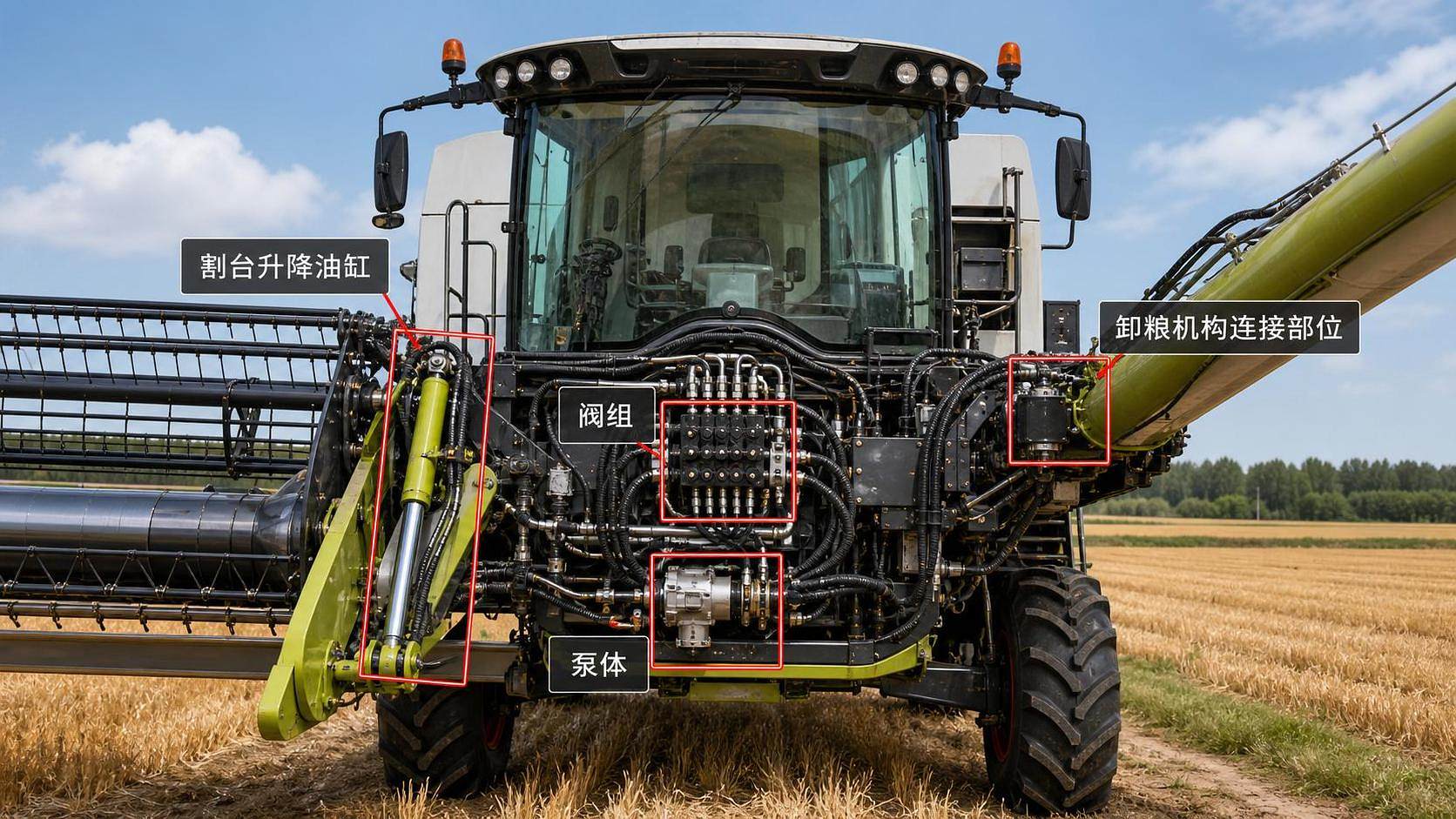




Hydraulic Control Systems for Combine Harvesters: Key Components and Failure Points
Hydraulic control systems for combine harvesters drive many of the machine functions that operators notice first in the field.
They support header lift, reel movement, steering, unloading auger actions, brake response, and sometimes transmission-related controls.
When these systems drift out of condition, the result is rarely a small inconvenience.
It often becomes crop loss, delayed harvest windows, oil contamination, or damage that spreads into pumps, valves, and actuators.
That is why hydraulic control systems for combine harvesters deserve close, methodical attention during every service cycle.
This article breaks down the key components, the common failure points, and the inspection logic that helps solve faults faster.
Why Hydraulic Control Systems Matter in Harvest Performance
In modern combines, hydraulic power is not just a support function.
It is part of how the machine adapts to changing crop density, terrain, and unloading timing.
A small pressure drop can show up as slow header response.
A sticking valve can create jerky reel movement or unstable steering.
A blocked return path can overheat oil and shorten seal life.
In actual service work, hydraulic control systems for combine harvesters often reveal broader machine health problems before other systems do.
Core Components of Hydraulic Control Systems for Combine Harvesters
Hydraulic Reservoir and Fluid
Everything starts with oil condition.
The reservoir stores, cools, and de-aerates fluid before it re-enters the circuit.
Low oil level, foaming, water entry, and wrong viscosity create early trouble across the whole system.
Pumps
The pump converts engine power into hydraulic flow.
Many hydraulic control systems for combine harvesters use gear, piston, or vane pump designs.
Wear inside the pump reduces efficiency before total failure appears.
Control Valves
Directional and proportional valves route flow to the needed function.
These valves are critical for precise motion, especially during header height adjustment and unloading sequences.
Contamination is one of the most frequent reasons they stop behaving normally.
Cylinders and Hydraulic Motors
Cylinders create linear movement.
Hydraulic motors handle rotating functions where fitted.
Seal wear, rod scoring, internal bypass, and case drain issues can all reduce usable force.
Filters, Hoses, and Fittings
These parts seem simple, but they cause many field failures.
Restricted filters starve pumps.
Aging hoses crack externally or collapse internally.
Loose fittings let air enter suction lines and create symptoms that look like major component failure.
Most Common Failure Points and What They Look Like
The most effective troubleshooting starts with failure patterns, not random parts replacement.
- Pump wear often shows as slow operation at all functions, especially when oil is hot.
- Suction leaks often cause noise, foamy oil, erratic movement, and poor response after startup.
- Valve spool sticking often appears as delayed motion, uneven speed, or one function failing while others remain normal.
- Cylinder internal leakage often allows a header or reel position to drift without visible external oil loss.
- Blocked filters often raise oil temperature and reduce performance under continuous field load.
- Relief valve issues may create weak lifting force or repeated overheating from constant bypass flow.
More clearly than before, contamination sits behind many of these symptoms.
In hydraulic control systems for combine harvesters, one dirty circuit can slowly damage several expensive parts at once.
Practical Inspection Priorities in Daily Service Work
A practical workflow saves time and avoids missed causes.
- Check oil level, fluid color, smell, and visible foam before running deeper tests.
- Inspect suction hoses first if there is cavitation noise or unstable pressure behavior.
- Verify filter condition and service history before condemning pumps or valve blocks.
- Measure system pressure and flow under load, not only at idle.
- Check function-specific circuits one by one, including header lift, steering, and unloading controls.
- Look for heat concentration around relief valves, restrictive lines, and constantly bypassing components.
- Confirm whether electronic controls or sensors are affecting hydraulic commands on newer combines.
This step-by-step method is especially useful because many symptoms overlap.
For hydraulic control systems for combine harvesters, accurate fault isolation usually comes from sequence, not speed.
How to Read the Most Important Symptoms
Slow Header Lift
Start with pressure and flow checks.
Then inspect lift cylinders for internal bypass and the relevant spool section for contamination or scoring.
Jerky Steering
Jerky steering often points to air entry, unstable pump supply, or contamination inside the steering control valve.
Do not ignore tire and linkage condition, but hydraulic causes should be checked early.
Hot Oil and Fading Performance
This usually signals energy loss somewhere in the circuit.
Look at relief valve bypass, partially blocked filters, restricted coolers, or components leaking internally under load.
Cylinder Drift
If a raised header settles over time, isolate the circuit carefully.
The leak path may be inside the cylinder, through a load-holding valve, or across a worn spool section.
Preventive Maintenance That Actually Reduces Downtime
Preventive work on hydraulic control systems for combine harvesters should focus on contamination control and trend detection.
- Use the specified hydraulic fluid and avoid mixing products without approval.
- Change filters on schedule and inspect removed elements for metal or fiber debris.
- Sample oil if overheating, repeated valve sticking, or unusual wear is suspected.
- Inspect hoses near heat, vibration, and bending points before harvest peak begins.
- Recheck fittings after major repairs because small air leaks can return quickly.
- Track pressure, temperature, and response-time trends across service visits.
From a field reliability perspective, records matter almost as much as wrench work.
When hydraulic control systems for combine harvesters show repeat issues, service history often reveals the real pattern.
A Simple Diagnostic Table for Faster Decisions
Final Takeaway
Hydraulic control systems for combine harvesters are only as reliable as their oil cleanliness, sealing integrity, and pressure stability.
The key components are straightforward, but the failure points often interact in ways that hide the root cause.
A disciplined inspection routine makes troubleshooting faster and prevents unnecessary parts replacement.
If the goal is lower downtime and better harvest reliability, focus first on fluid condition, suction integrity, filter health, valve behavior, and heat patterns.
That approach keeps hydraulic control systems for combine harvesters working where they matter most: under real field load, during narrow harvest windows, without costly surprises.
Related News
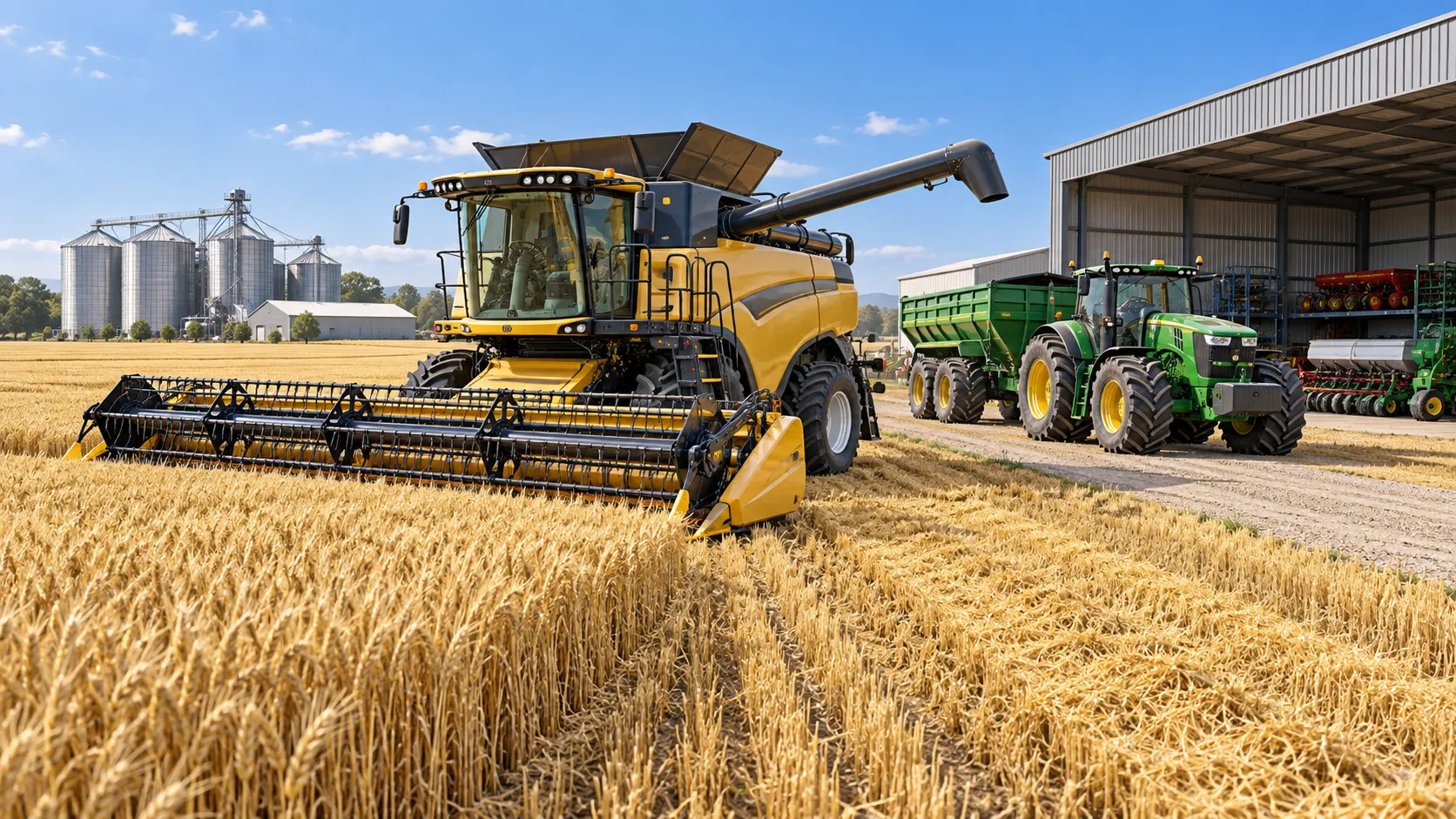
When Does Agricultural Machinery Leasing Cost Less Than Owning Equipment?
Agricultural machinery leasing can lower farm costs when use is seasonal or uncertain. Compare utilization, maintenance, cash flow, and risk to make a smarter equipment decision.
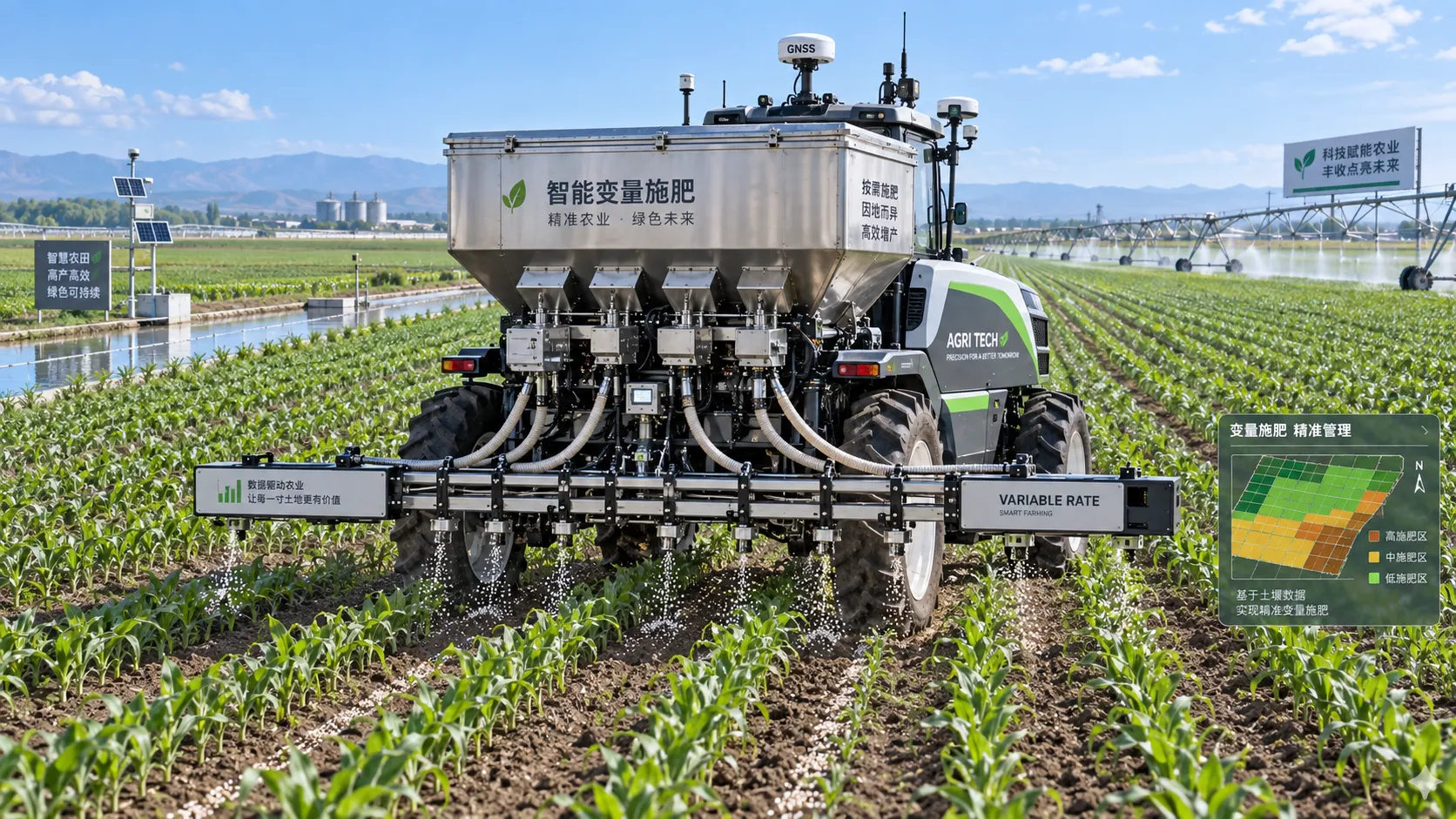
How to Evaluate Precision Fertilization System Suppliers for Farm-Scale Deployment
Precision fertilization systems suppliers: learn how to compare accuracy, integration, uptime, service, and total cost for confident farm-scale deployment.
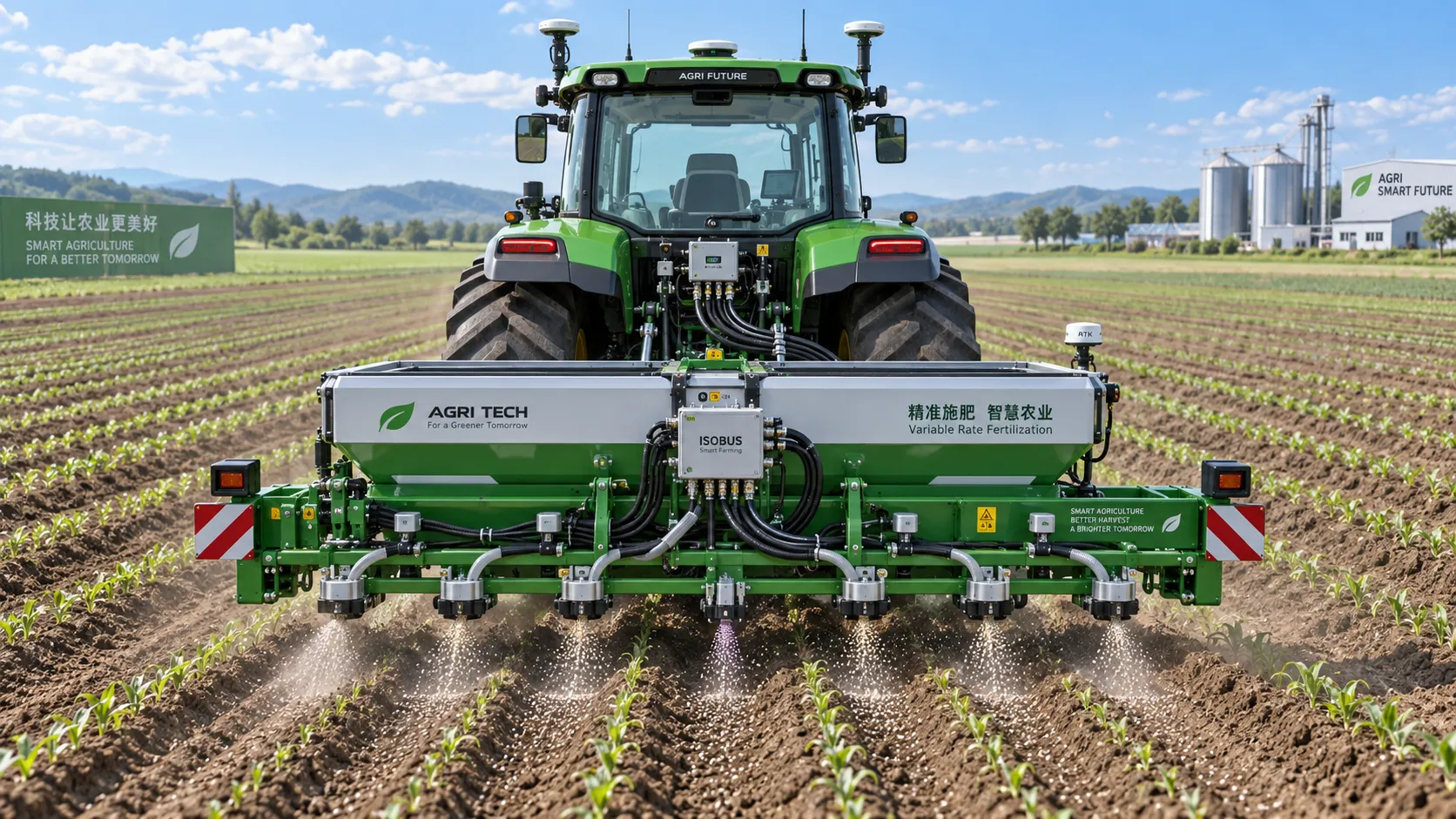
ISOBUS for Smart Agriculture: How It Connects Tractors, Implements, and Farm Data
ISOBUS for smart agriculture connects tractors, implements, terminals, and farm data—helping growers improve precision, documentation, and smarter field decisions.
Automated Water-Saving Irrigation: How to Cut Water Use Without Reducing Crop Yields
Automated water-saving irrigation helps farms cut water use, protect crop yields, improve scheduling, and gain reliable control with sensors, flow monitoring, and smart zones.
Selecting Grain Farm Equipment by Acreage, Crop Mix, and Harvest Window
Agricultural equipment selection for grain farming: match machinery to acreage, crop mix, and harvest windows to improve uptime, efficiency, and returns.
Poultry Equipment Selection: Evaluating Durability, Cleaning, and Compatibility
Poultry equipments selection guide: evaluate durability, cleaning access, and system compatibility to improve hygiene, reduce downtime, and support efficient flock management.
How to Select Heavy-Duty Farm Implements for High-Acreage, High-Horsepower Operations
Heavy duty farm implements: learn how to match draft, hydraulics, hitch capacity, frame strength, and field conditions for reliable high-acreage performance.
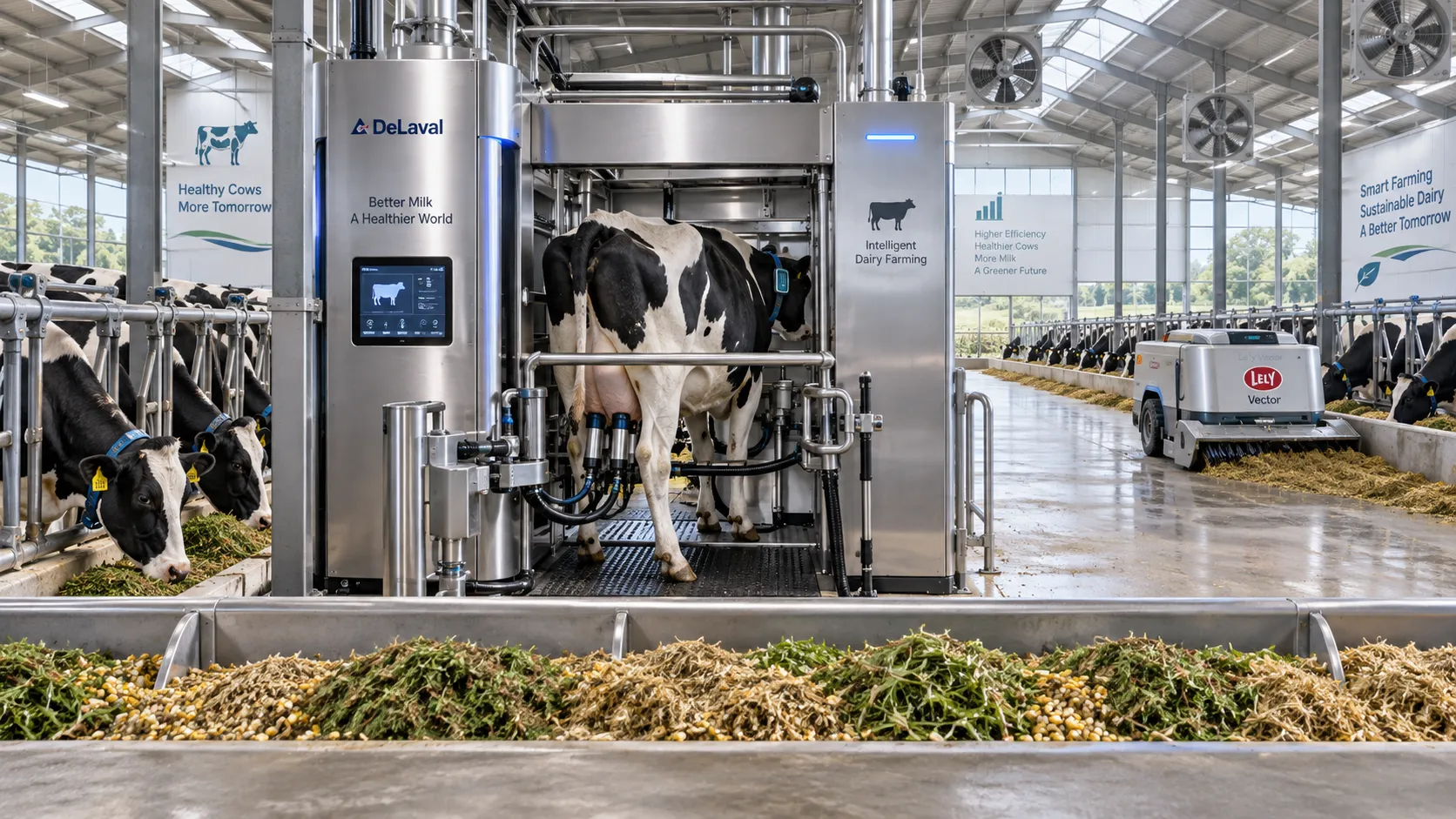
Smart Farming Technology for Dairy Farms: Where Automation Delivers Measurable ROI
Smart farming technology for dairy farms delivers measurable ROI through automation, precision feeding, health monitoring, and data-driven cost control.
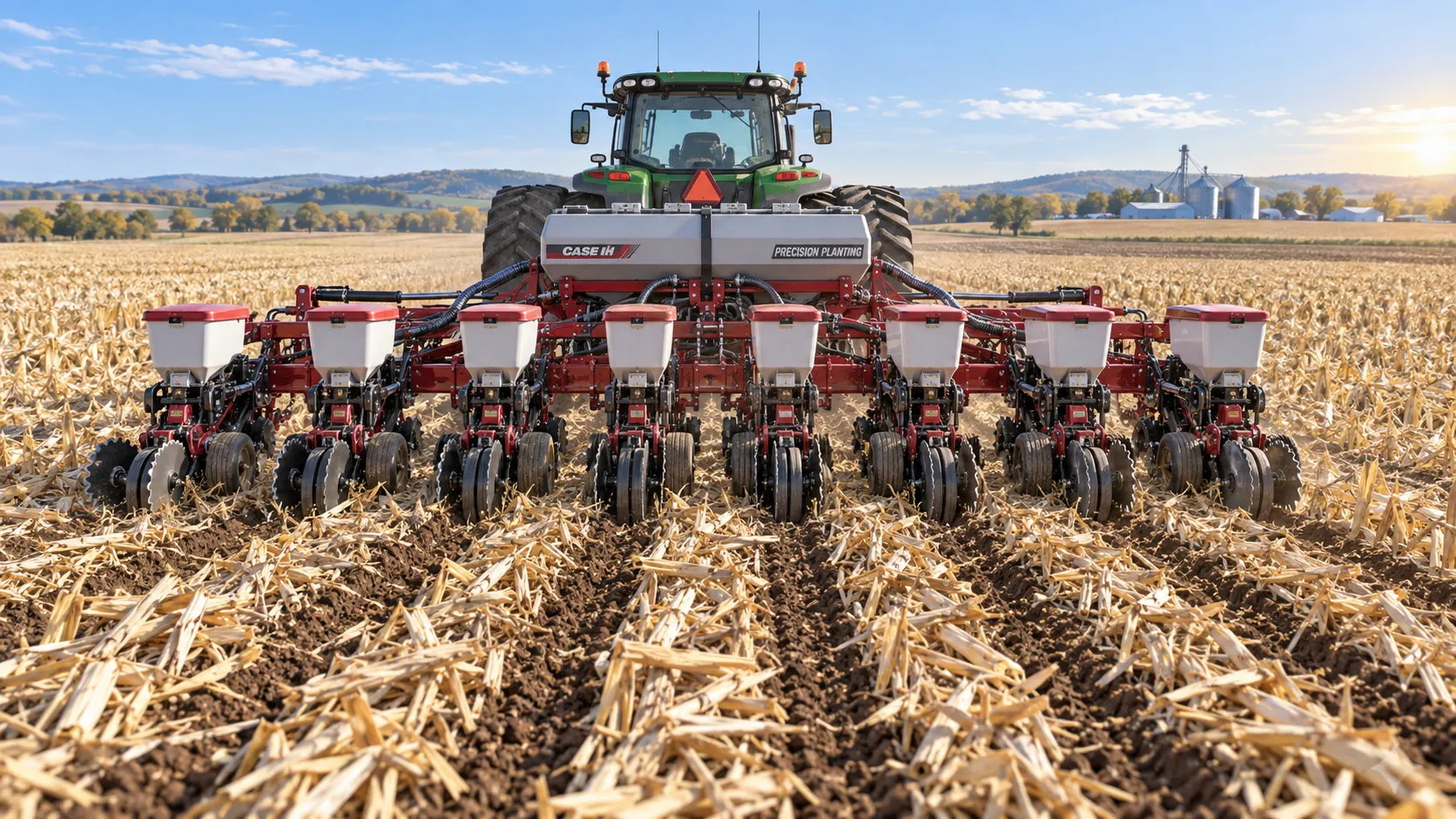
How to Select a Heavy-Duty Seeder for Large Acreage and High-Residue Fields
Heavy duty seeders for large acreage: compare residue handling, depth control, downforce, metering accuracy, and precision features to select the right model.
Related News
- 00
0000-00
Tractor Hydraulic Systems Troubleshooting: Diagnosing Weak Lift and Slow Implements - 00
0000-00
Which Implements Are Compatible With a 200 HP Tractor for Mixed Cropping? - 00
0000-00
How to Select Agricultural Hydraulic Systems for Sprayers by Flow, Pressure, and Boom Demand - 00
0000-00
Australia Tightens Carbon Rules for Hydraulic Lift System Imports - 00
0000-00
ANATEL Sets New Rules for Wireless Hydraulic Lift Systems
Popular Tags
Tractor Power Architect
Weekly Insights
Stay ahead with our curated technology reports delivered every Monday.