
How Climate-Smart Agriculture Technology Improves Yield, Soil Health, and Risk Resilience




Before writing, here is the intent assessment for this topic: the searcher is likely trying to understand whether climate-smart agriculture technology can measurably improve farm performance, not just sustainability language.
For enterprise decision-makers, the main concerns are yield stability, soil productivity, water and input efficiency, risk exposure, and whether these technologies justify capex and operational change across large-scale operations.
The most useful content is decision-oriented: where the technology works, what outcomes it changes, how to evaluate ROI, what risks remain, and how it fits into machinery, irrigation, and precision management systems already used at scale.
The article should focus heavily on business value, implementation logic, and adoption criteria, while weakening generic definitions, policy-flavored commentary, and broad sustainability claims that do not help a buyer or operator make a decision.
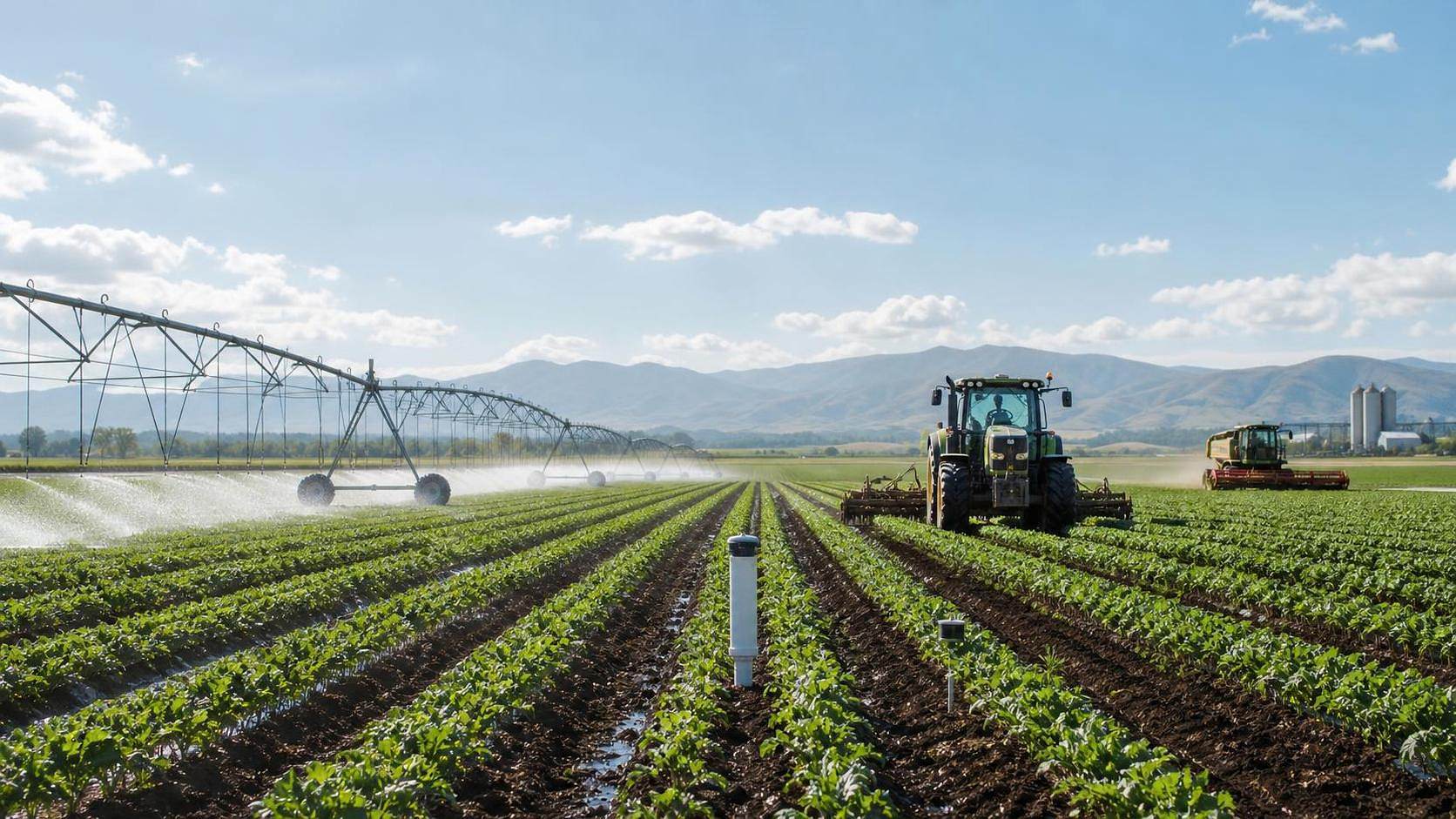
Climate-smart agriculture technology is not just a sustainability upgrade. For enterprise farms, it is a practical way to raise output per acre, protect soil function, and reduce weather-driven volatility without sacrificing operating discipline.
The strongest case for adoption comes when precision machinery, intelligent irrigation, and data-led management work together. That combination improves timing, input placement, and resource efficiency, which are the real levers behind yield and resilience.
Why Climate-Smart Agriculture Matters for Enterprise Farms
For large operators, the question is not whether climate pressure exists. It is whether current production systems can hold margins when rainfall shifts, heat intensifies, and input costs remain unpredictable.
Climate-smart agriculture technology addresses that problem by making field decisions more accurate and more responsive. It gives managers better control over water, fertilizer, machinery use, and crop stress before losses become visible.
That matters because yield gains alone are not enough. Enterprise leaders need systems that improve consistency across seasons, reduce downside risk, and protect long-term soil productivity while keeping operating complexity manageable.
How It Improves Yield Without Raising Waste
Yield improvement usually comes from better timing and better placement, not simply more inputs. Precision seeders, variable-rate applicators, and machine guidance reduce overlap, gaps, and uneven crop establishment across large blocks.
Intelligent irrigation also plays a direct role. When water delivery responds to soil moisture, evapotranspiration, and crop stage, plants avoid stress during critical growth windows and use available water more efficiently.
For executives, the key signal is not whether technology is advanced, but whether it improves output per unit of seed, fertilizer, fuel, labor, and water. That is where sustainable farming becomes commercially relevant.
In many operations, climate-smart agriculture technology also supports better field scheduling. When equipment and data systems are synchronized, planting, spraying, and harvest timing improve, which can lower losses caused by weather interruptions.
Why Soil Health Should Be Treated as a Profit Variable
Soil health is often discussed as a conservation topic, but for enterprise farms it is an operating asset. Healthy soil improves structure, water retention, nutrient cycling, and root development, all of which affect production stability.
Climate-smart systems help preserve soil by reducing unnecessary tillage, limiting compaction, and applying inputs more precisely. That reduces mechanical disturbance while supporting biological activity and long-term field productivity.
This matters especially in large-scale operations where repeated passes, heavy equipment, and broad-acre management can quietly degrade topsoil quality over time. Once that happens, yield recovery is slow and expensive.
A decision-maker should ask whether a technology package helps maintain ground cover, manage moisture, and cut erosion risk. If it does, the return extends beyond one season and into the productive life of the land.
How It Builds Risk Resilience in Unstable Weather
Climate volatility is now a planning issue, not an exceptional event. Heat spikes, irregular rainfall, flooding, and shorter workable windows all affect planting, crop protection, and harvest outcomes.
Climate-smart agriculture technology improves resilience by giving managers earlier warnings and better response options. Sensor networks, satellite data, and predictive analytics can flag stress conditions before yield damage becomes severe.
That ability to act early is valuable in enterprise settings because it reduces the cost of surprises. A delayed irrigation cycle or a missed spray window may be small in isolation, but across thousands of hectares it can become material loss.
Resilience also includes equipment readiness. Smart machinery monitoring can reduce breakdowns during narrow operating windows, while digital planning tools help allocate labor and assets where weather risk is highest.
What Technology Stack Usually Delivers the Best Results
The most effective programs are not single-product purchases. They usually combine precision machinery, intelligent irrigation, field sensors, and farm management software into one operational system.
Large-scale farm equipment matters because it determines application quality and operational consistency. Auto-steering, section control, and variable-rate systems improve accuracy and reduce unnecessary passes across the field.
Water-saving irrigation systems are equally important in dry or variable regions. Drip, pivot optimization, and decision-based scheduling can cut waste while keeping crops in their optimal moisture range.
Analytics platforms then connect field conditions to management action. They turn raw data into decisions about when to irrigate, where to apply fertilizer, and which areas require intervention first.
How Leaders Should Evaluate ROI
Decision-makers should avoid evaluating climate-smart agriculture technology as a generic sustainability spend. It should be judged against measurable performance indicators tied to production and risk.
Start with yield stability, input efficiency, water savings, and machinery utilization. Then layer in secondary benefits such as fewer crop losses, lower repair burden, better labor allocation, and improved soil performance over time.
Payback often depends on farm size, crop type, climate exposure, and existing mechanization maturity. Operations with high water stress, uneven field conditions, or large equipment fleets usually see value sooner.
The most practical approach is to test technology on a representative field block, measure the before-and-after results, and compare gains against integration cost, training needs, and maintenance requirements.
Common Barriers and How to Reduce Them
Adoption often fails when teams buy tools without redesigning workflow. A sensor platform or smart irrigation system cannot deliver value if field staff, agronomists, and operations managers are not aligned on how to act on the data.
Another barrier is fragmentation. If machinery, irrigation, and analytics do not communicate, the enterprise ends up with isolated systems instead of a coordinated decision engine. That weakens both efficiency and accountability.
There is also a financing issue. Some technologies look expensive upfront but are justified by lower water use, better yield consistency, and reduced exposure to climate shocks. The key is to model total operating impact, not only purchase price.
Finally, data quality matters. Poor calibration, incomplete records, or weak field mapping can distort recommendations and undermine trust. Strong implementation discipline is part of the technology stack, not separate from it.
What Enterprise Decision-Makers Should Look for Next
The next phase of climate-smart agriculture will likely favor systems that connect autonomy, sensing, and resource optimization more tightly. That includes smarter tractors, more precise application tools, and irrigation systems that react dynamically to crop demand.
For enterprise leaders, the strategic question is simple: does this investment improve productivity now while making the farm less vulnerable later? If the answer is yes, the technology is not optional innovation. It is operational infrastructure.
Climate-smart agriculture technology creates value when it is treated as a performance system rather than a branding exercise. The best programs raise yield, protect soil, and absorb volatility at the same time, which is exactly what modern farm leadership needs.
In practical terms, the right adoption path is to start where risk and return overlap most clearly: water management, precision application, and equipment efficiency. From there, expand into integrated decision systems that make every acre more measurable, responsive, and resilient.
Related News
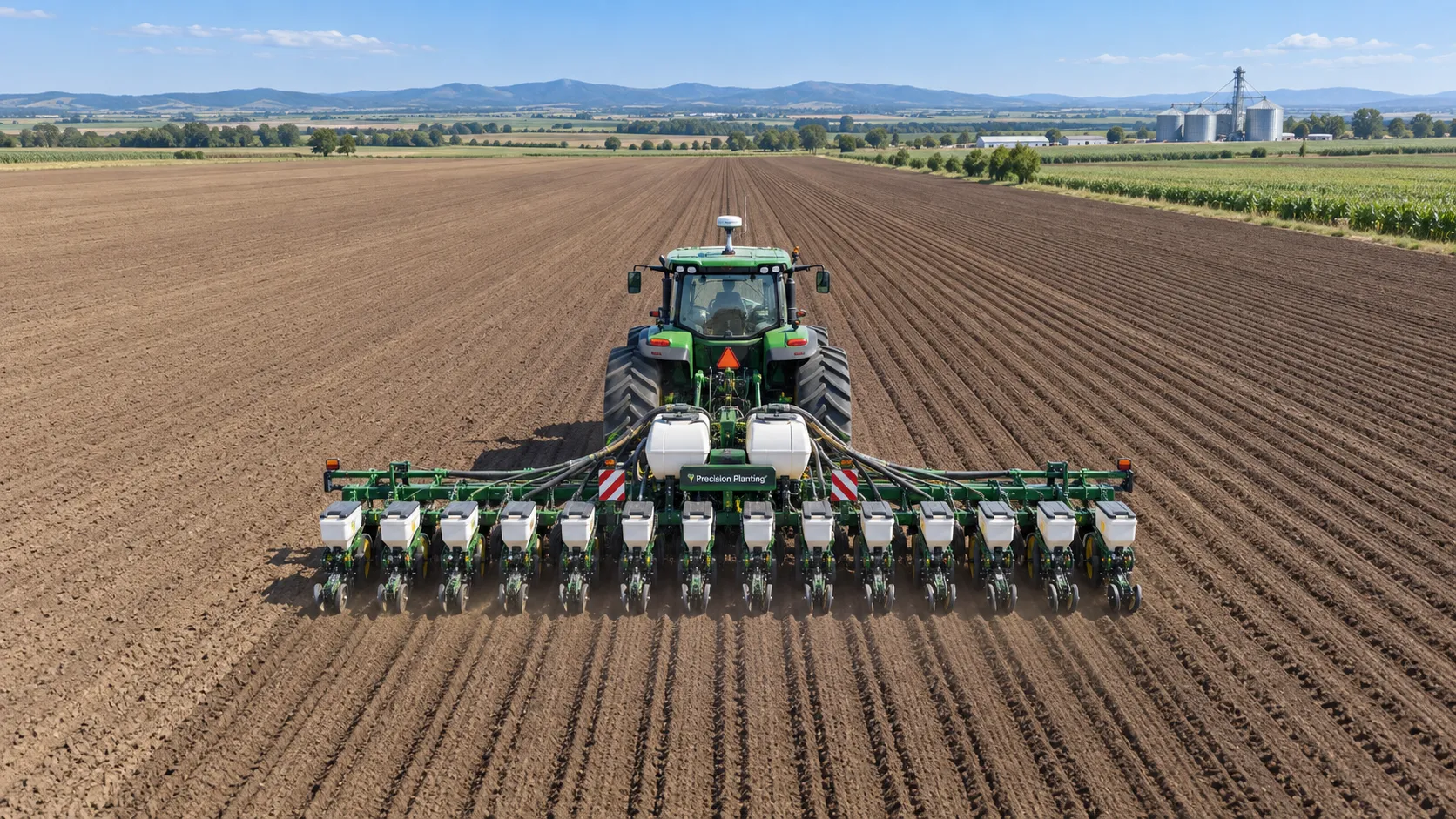
GPS-Guided Farm Machinery: Where It Delivers Measurable Field Efficiency Gains
Agri-mechanization GPS guided systems deliver measurable field efficiency gains through reduced overlap, precise planting, smarter inputs, and reliable farm data.
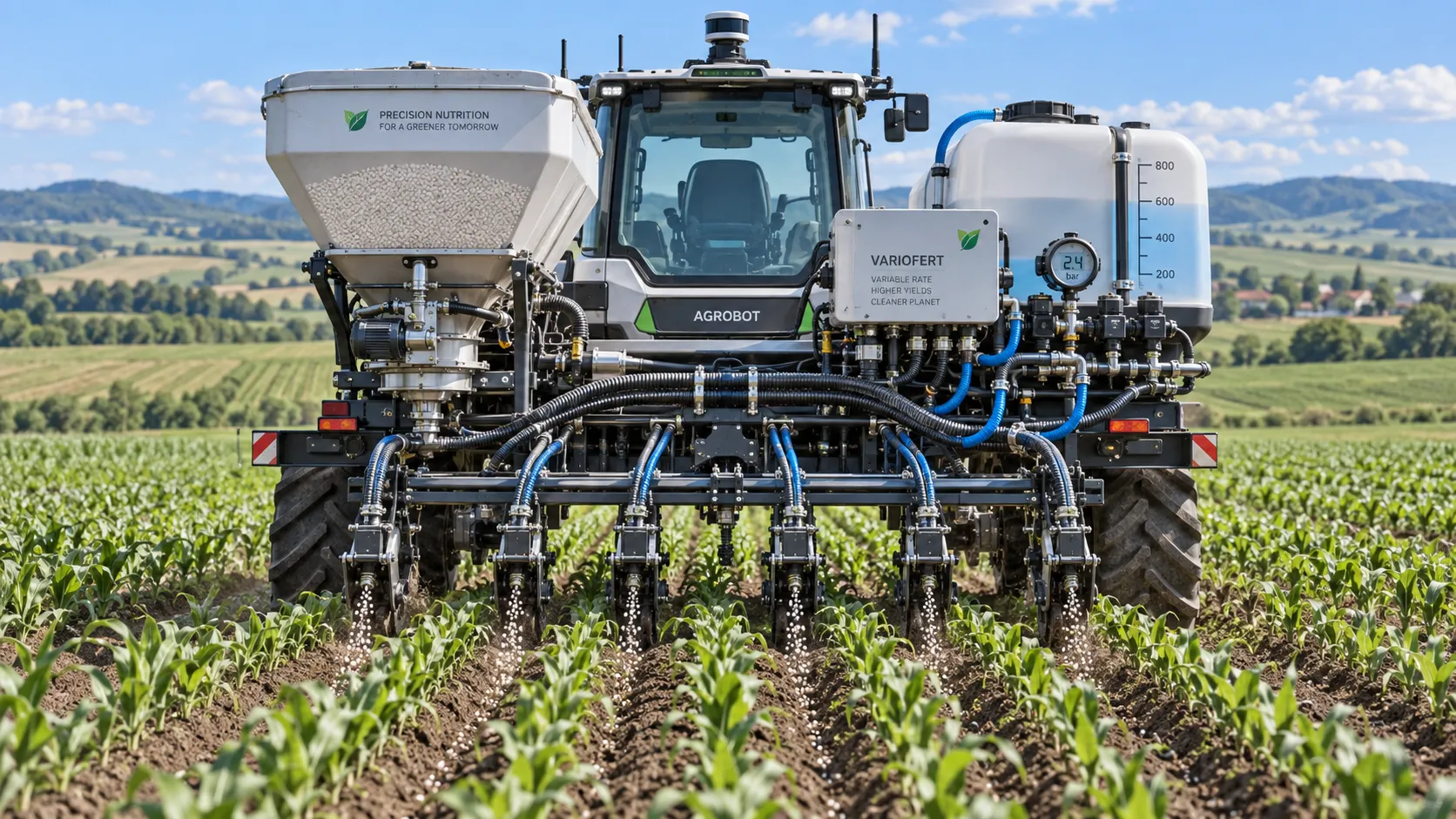
How Sensor Feedback Enables Accurate Variable-Rate Fertilization in Field Conditions
Precision fertilization systems with sensor feedback improve variable-rate accuracy by verifying flow, managing latency, and ensuring reliable field application.
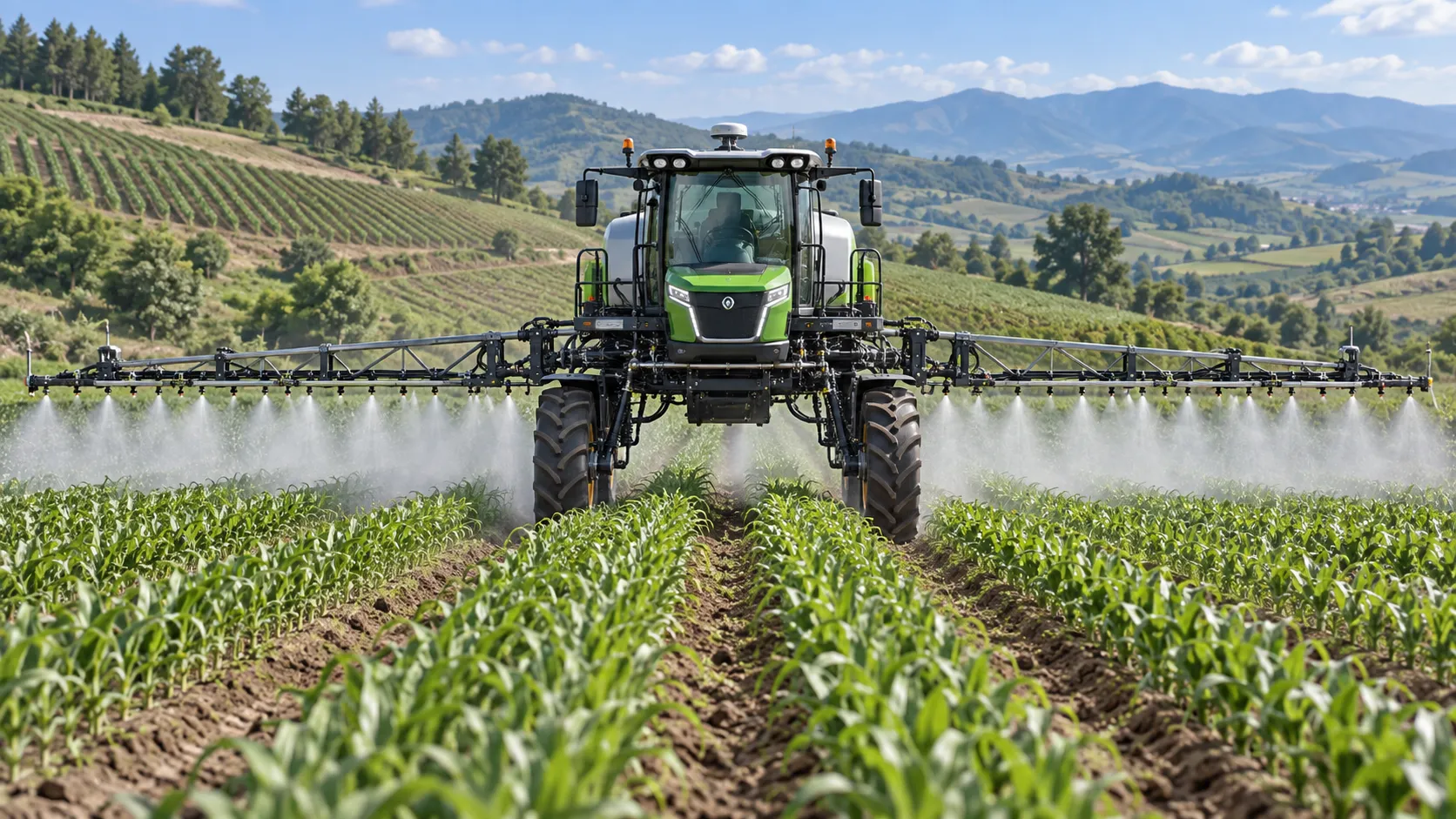
How to Select Precision Crop Protection Equipment for Variable Field Conditions
Precision crop protection equipment selection made simple: compare terrain, canopy, weather, control accuracy, and data workflows for reliable applications.
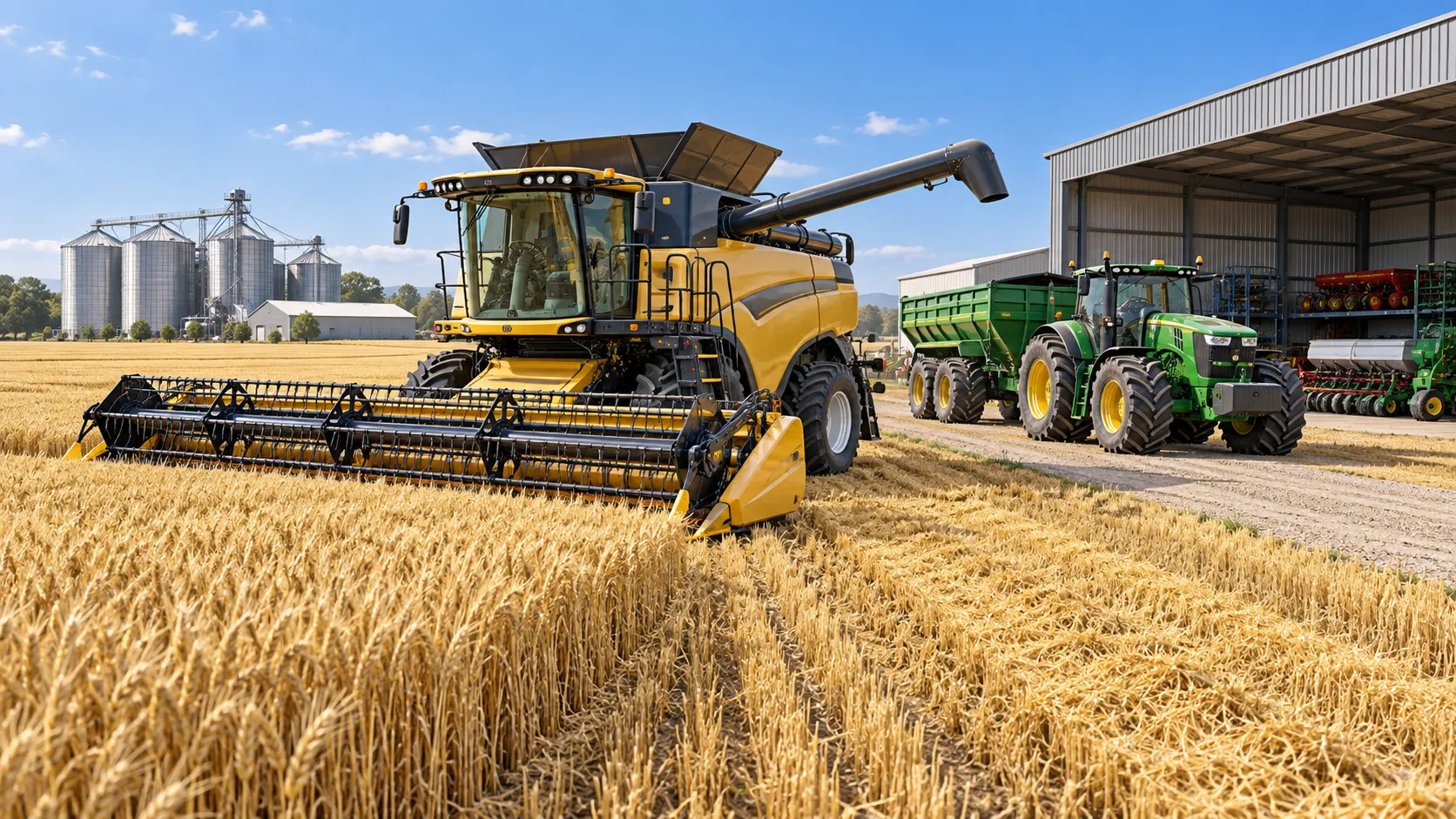
When Does Agricultural Machinery Leasing Cost Less Than Owning Equipment?
Agricultural machinery leasing can lower farm costs when use is seasonal or uncertain. Compare utilization, maintenance, cash flow, and risk to make a smarter equipment decision.
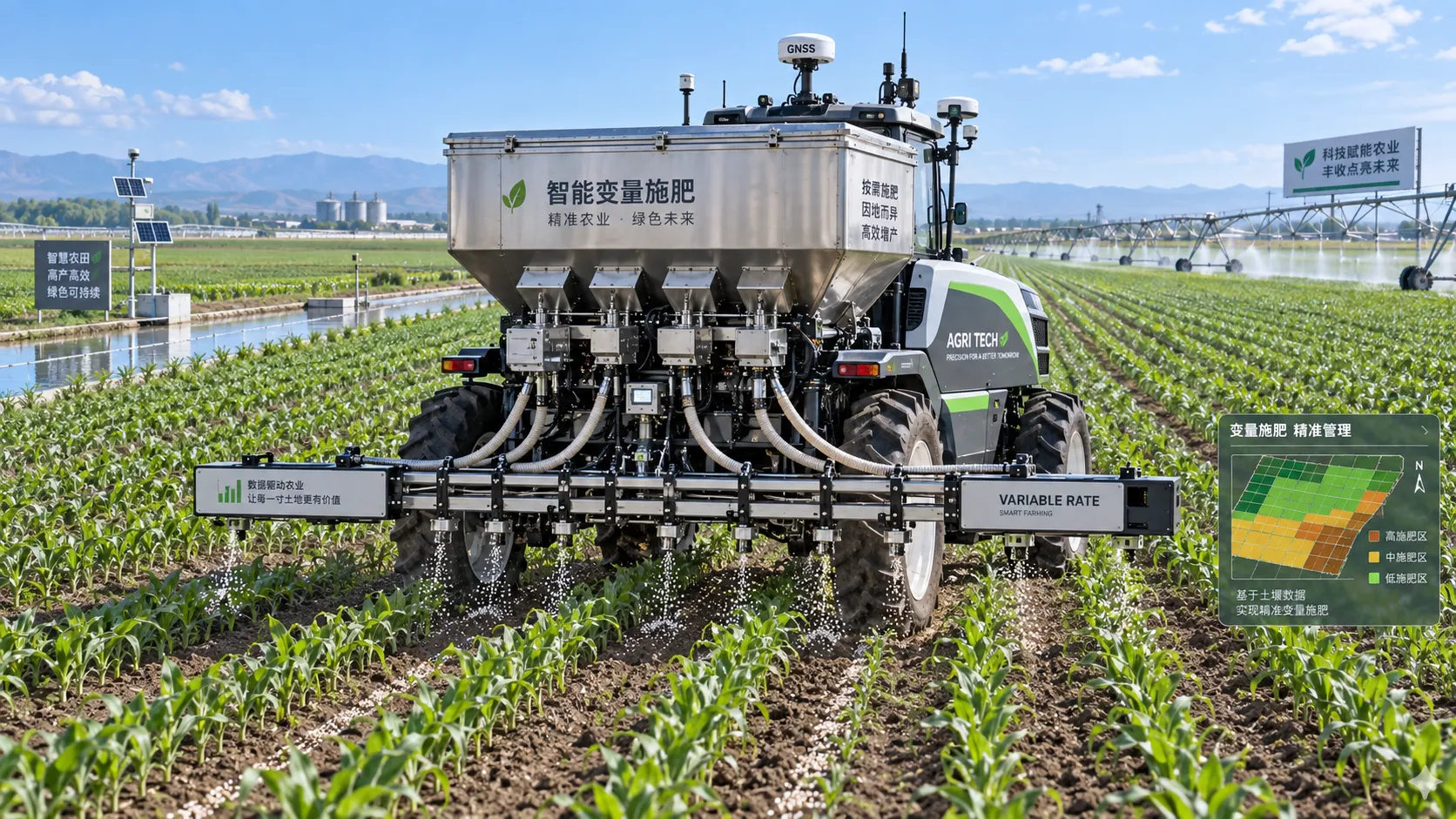
How to Evaluate Precision Fertilization System Suppliers for Farm-Scale Deployment
Precision fertilization systems suppliers: learn how to compare accuracy, integration, uptime, service, and total cost for confident farm-scale deployment.
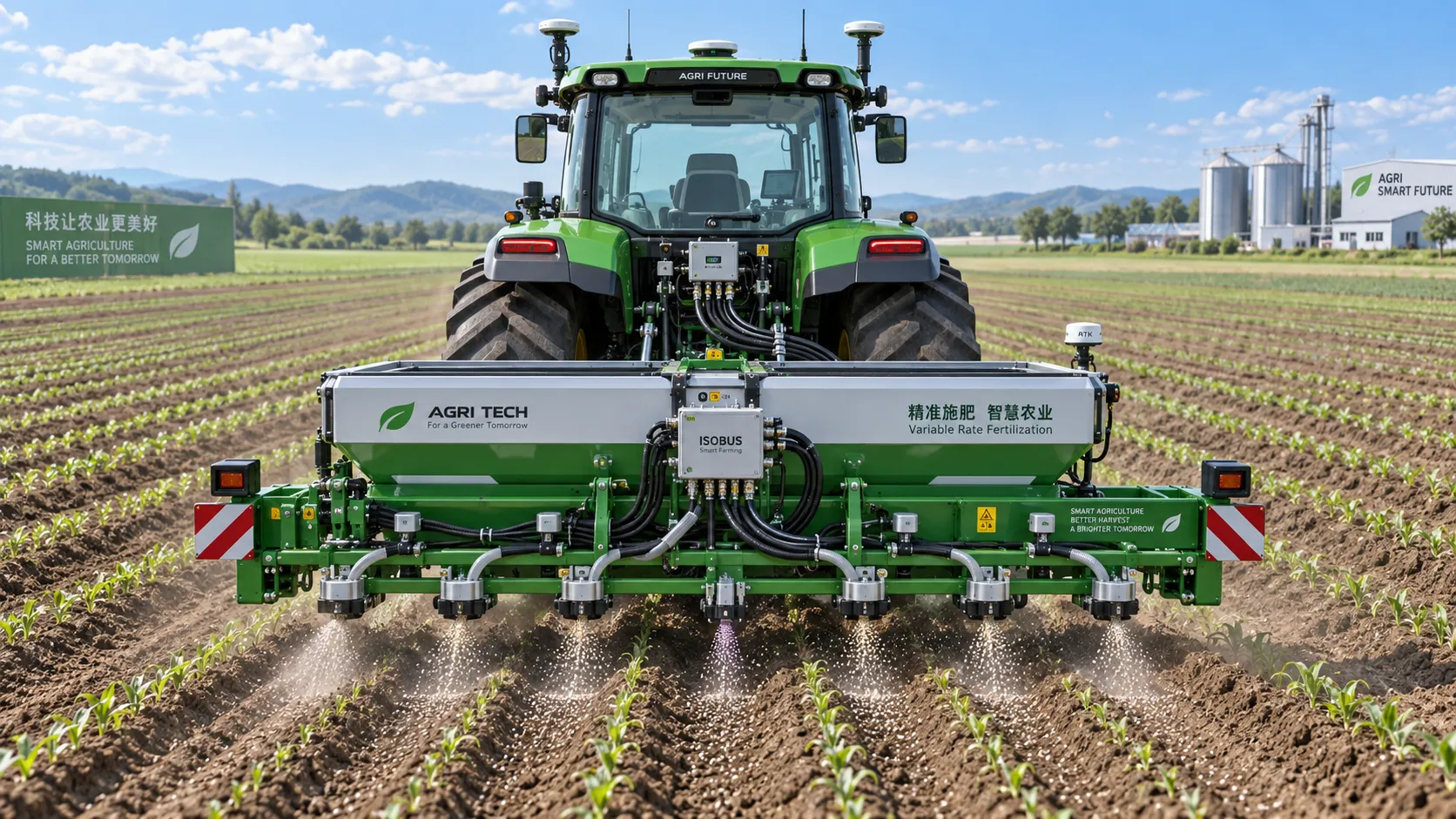
ISOBUS for Smart Agriculture: How It Connects Tractors, Implements, and Farm Data
ISOBUS for smart agriculture connects tractors, implements, terminals, and farm data—helping growers improve precision, documentation, and smarter field decisions.
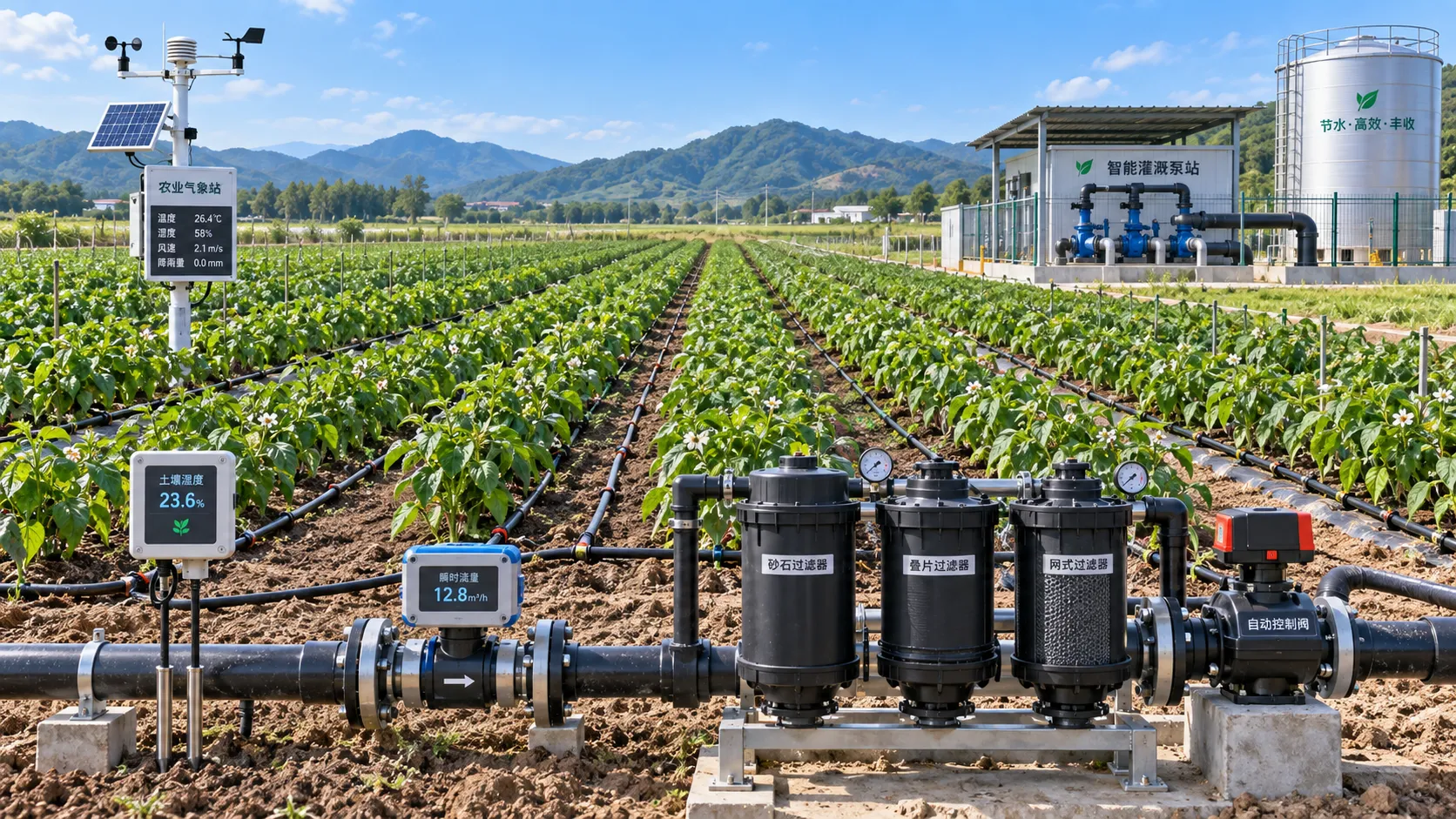
Automated Water-Saving Irrigation: How to Cut Water Use Without Reducing Crop Yields
Automated water-saving irrigation helps farms cut water use, protect crop yields, improve scheduling, and gain reliable control with sensors, flow monitoring, and smart zones.
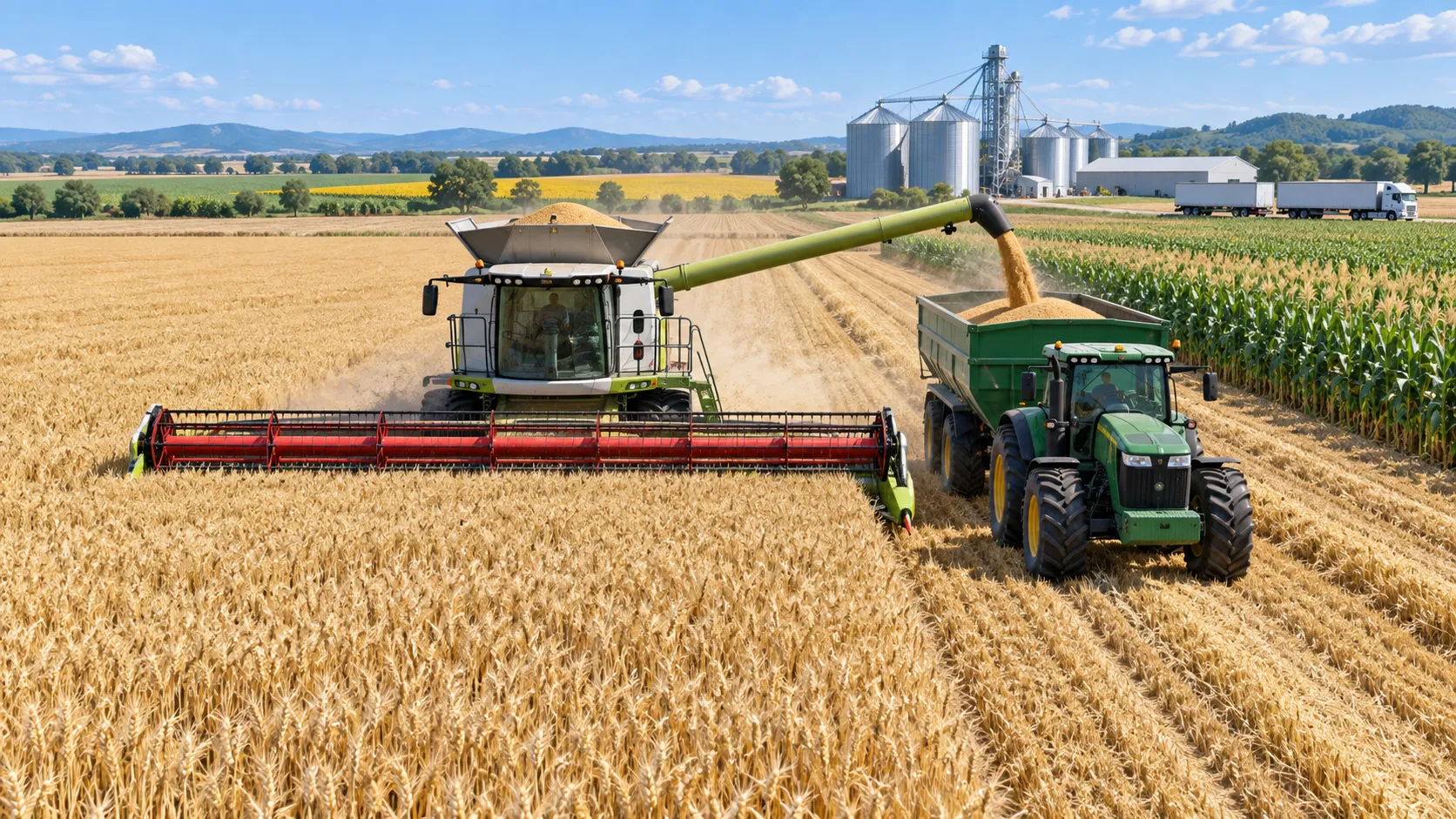
Selecting Grain Farm Equipment by Acreage, Crop Mix, and Harvest Window
Agricultural equipment selection for grain farming: match machinery to acreage, crop mix, and harvest windows to improve uptime, efficiency, and returns.
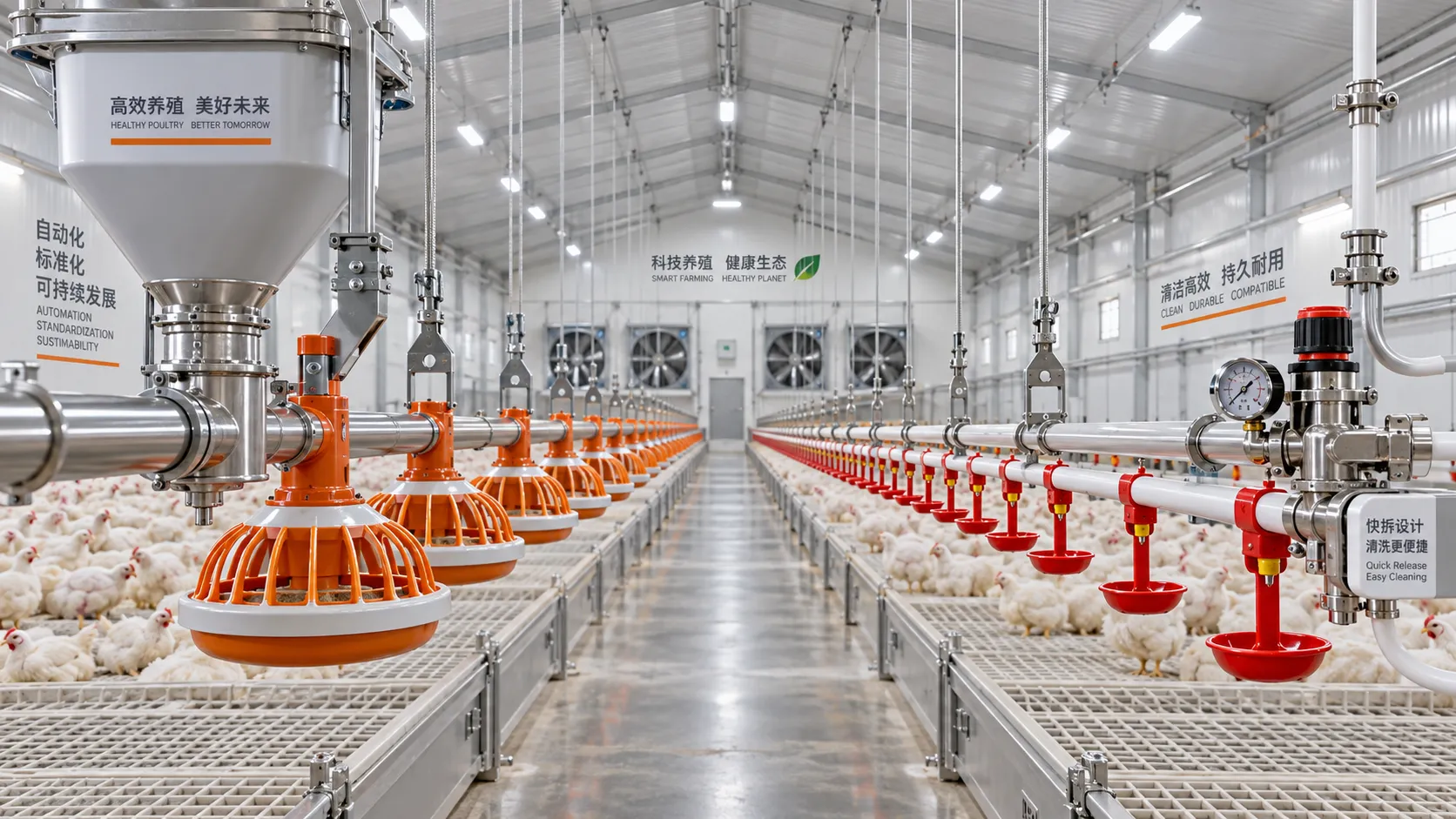
Poultry Equipment Selection: Evaluating Durability, Cleaning, and Compatibility
Poultry equipments selection guide: evaluate durability, cleaning access, and system compatibility to improve hygiene, reduce downtime, and support efficient flock management.
Related News
- 00
0000-00
How Does Farm Mechanization Affect Food Security in Developing Regions? - 00
0000-00
Agricultural Technology Insights by Region: Where Adoption Is Growing Fastest - 00
0000-00
How Climate-Smart Agriculture Technology Improves Yield, Soil Health, and Risk Resilience - 00
0000-00
Smart Farming Solutions in Latin America: Which Technologies Fit Large Farms Best? - 00
0000-00
Long-Cycle Agri-Trade Price Trends: How to Read Supply, Freight, and Currency Signals
Popular Tags
Prof. Marcus Chen
Weekly Insights
Stay ahead with our curated technology reports delivered every Monday.