
Agricultural Technology Insights by Region: Where Adoption Is Growing Fastest
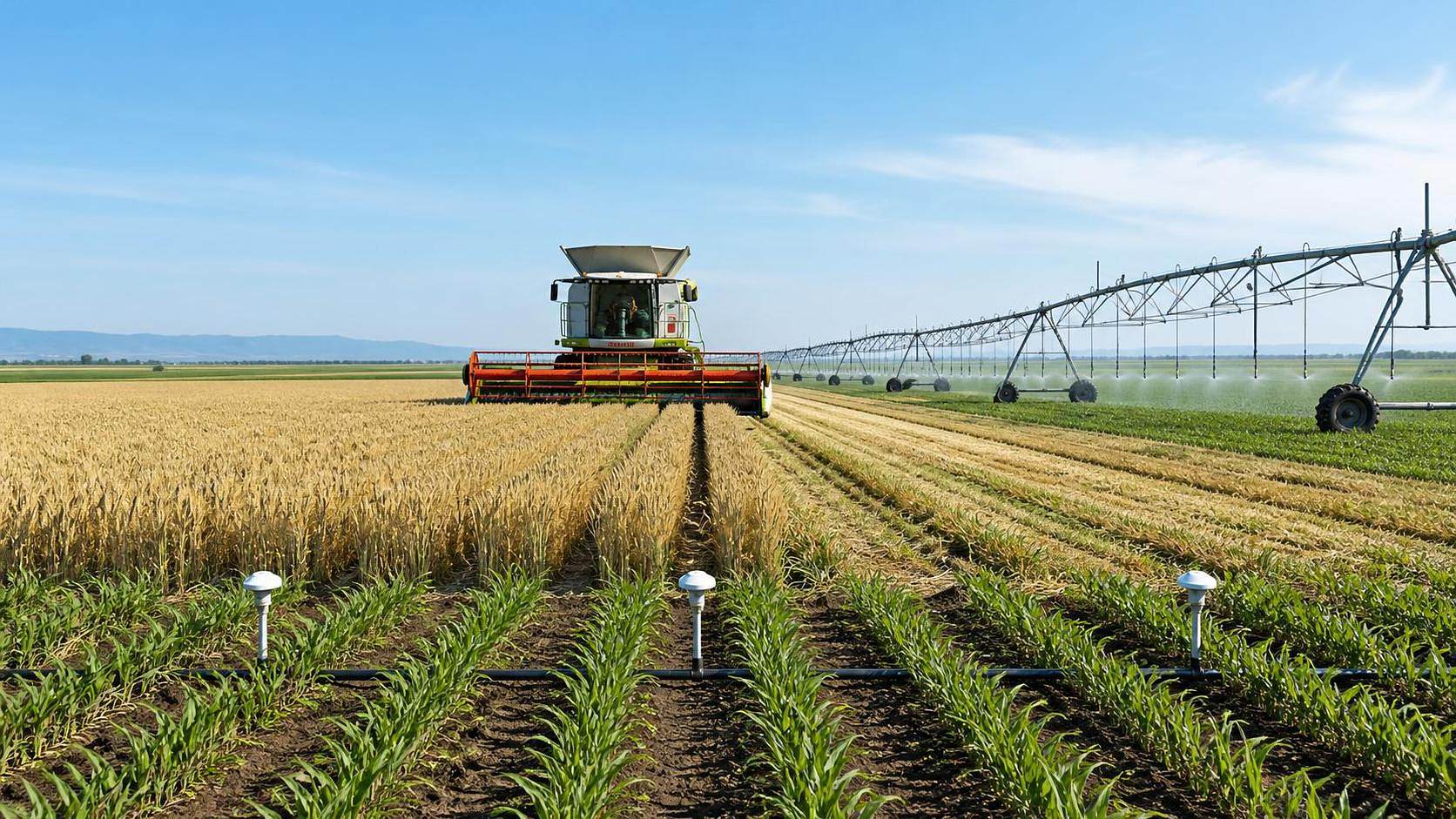




Agricultural technology insights by region reveal a simple but important truth: adoption is not spreading evenly. It is moving fastest where farm structure, labor pressure, water risk, financing conditions, and policy support line up at the same time. For enterprise leaders, that means the question is not whether agtech matters, but where it is already becoming operationally necessary and where it is still a longer-cycle bet.
That distinction matters because agriculture 4.0 is not one market. Large-scale machinery, combine harvesting systems, precision tools, and intelligent irrigation each follow different adoption curves. A region can be advanced in one layer and still underdeveloped in another. A distributor may see strong demand for tractors but weak pull for autonomous guidance. An equipment maker may find solid harvest-tech interest but limited irrigation retrofit budgets. Strategy improves when regional adoption is read as a system, not as a single score.
Where adoption is moving fastest
The fastest adoption is generally showing up in regions where commercial farms are larger, input costs are rising, and labor availability is less reliable. Those conditions push buyers toward machinery that reduces dependence on manual operations and improves throughput per hectare. In practical terms, this tends to accelerate demand for high-capacity tractors, combine harvesters, and connected field tools that can support variable-rate application, monitoring, and route optimization.
Water stress is another accelerator. In regions where rainfall variability is already changing planning assumptions, irrigation is no longer treated as a pure infrastructure decision. It becomes a risk-management decision. Intelligent irrigation systems with sensor feedback, scheduling logic, and water-saving controls can gain traction faster than headline market growth would suggest, especially where crop quality losses from timing errors are expensive.
Policy also matters, but not always in the way market reports imply. Subsidies can help seed adoption, yet the stronger driver is often regulatory pressure around water use, emissions, and land productivity. Where compliance is becoming operational rather than symbolic, buyers start evaluating equipment not just by purchase price, but by measurable efficiency, uptime, and reporting capability.
What differs by region
This is where many market assumptions break down. A region may show strong headline interest in agtech without having the field conditions to support full-stack deployment. Connectivity gaps, weak dealer coverage, limited parts supply, and uneven operator training can all slow adoption after the first pilot cycle. Buyers who treat the first purchase as proof of long-term scalability usually overestimate the pace of expansion.
The real buying filters are operational
For decision-makers, regional agtech adoption should be assessed through five operational filters.
- Field scale: Does the acreage justify mechanization intensity, precision overlays, or autonomous workflows?
- Water exposure: Is irrigation a cost-control issue, a yield-protection issue, or a compliance issue?
- Labor profile: Are wage inflation and labor shortages changing the economics of manual operation?
- Service readiness: Can the region support uptime with parts, technicians, and field support?
- Data maturity: Are buyers ready to use sensor outputs, machine data, and decision software, or only physical equipment?
These filters are more useful than broad regional rankings because they reflect how adoption actually happens. In many markets, the first serious purchase is not the most advanced system. It is the system that can be maintained, financed, and integrated into current operating routines without creating new fragility.
Why combine harvesting and irrigation often lead the next wave
Among the major categories, combine harvesting systems and intelligent irrigation are often the clearest indicators of regional adoption maturity. Harvesting investment usually rises where scale is already visible and harvest windows are tight. Buyers are not just chasing output; they are trying to reduce loss, compress timing, and protect quality under variable weather. That makes loss-control features, cleaning performance, and throughput stability highly relevant in real procurement conversations.
Irrigation, by contrast, becomes strategic in regions facing climate volatility. As rainfall becomes less reliable, water delivery shifts from a utility function to a production strategy. Systems that can support precise scheduling, pressure control, and water recycling are increasingly evaluated as productivity assets. In some cases, irrigation upgrades may create a stronger near-term business case than full mechanization because the benefits are easier to measure and the risk reduction is immediate.
That said, neither category should be viewed in isolation. In regions with active mechanization growth, equipment choices are increasingly bundled. Buyers want machinery, data, and water logic to work together. The market is moving away from one-off equipment purchases and toward stack compatibility, where the value comes from coordination across the field operation.
What enterprise leaders should not assume
One common mistake is assuming that regions with the highest adoption rates are the best entry points. They are not always. Mature markets can be harder to penetrate because replacement cycles are longer, procurement standards are stricter, and local competitors already own the service relationship. Fast adoption does not always mean easy sales.
Another mistake is assuming that lower-adoption markets are simply behind. In many cases they are structurally different. Buyers may be more sensitive to financing, service uptime, operator training, or resale value than to raw feature sets. If the channel model is wrong, even strong technology can underperform.
A third mistake is underestimating integration risk. Precision tools, chassis platforms, harvest systems, and irrigation controls each generate useful data, but not always in compatible formats. If a region is adopting several layers at once, interoperability becomes a commercial issue, not just a technical one. The vendor that makes deployment easier often wins even when it is not the most advanced on paper.
How to turn regional insight into action
For companies planning market expansion, procurement, or partnership strategy, the practical next step is to map regions by use case rather than by general enthusiasm for agtech. A high-growth irrigation market is not the same as a high-growth combine market. A region with strong mechanization demand may still be a weak fit for autonomous software if operator skill and field connectivity lag.
A useful working approach is to separate regions into three planning buckets:
- Near-term conversion markets: clear demand, serviceable channels, and active replacement cycles.
- Build-out markets: promising demand, but requiring training, financing, or dealer infrastructure.
- Watch markets: strategic potential is real, but adoption remains dependent on policy, climate, or supply-side change.
This kind of segmentation is more actionable than broad optimism. It helps allocate inventory, support teams, demo assets, and partner attention where adoption is most likely to convert into repeat business.
The broader conclusion is straightforward: agricultural technology insights by region are most valuable when they change the next decision. The regions growing fastest are not simply those with the most attention. They are the ones where economics, field conditions, and operational readiness have begun to align. For enterprises in agri-machinery, harvesting, precision tools, and intelligent irrigation, that alignment is where the next cycle of durable demand is forming.
Related News
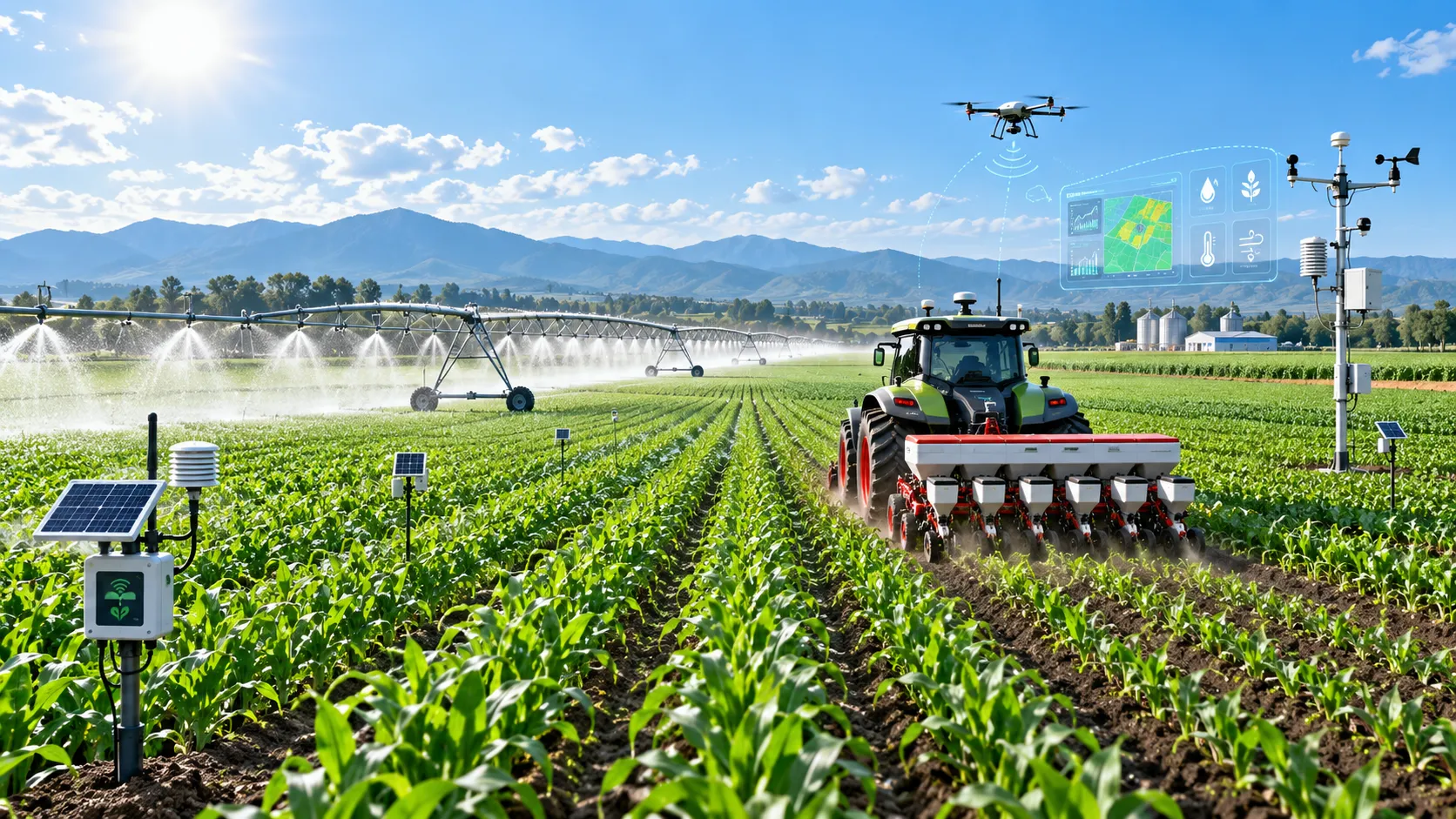
How Digital Agriculture Platforms Turn Field Data Into Better Input Decisions
Digital agriculture platforms turn field data into smarter fertilizer, water, seed, and equipment decisions—helping farms cut risk, improve margins, and scale sustainability.
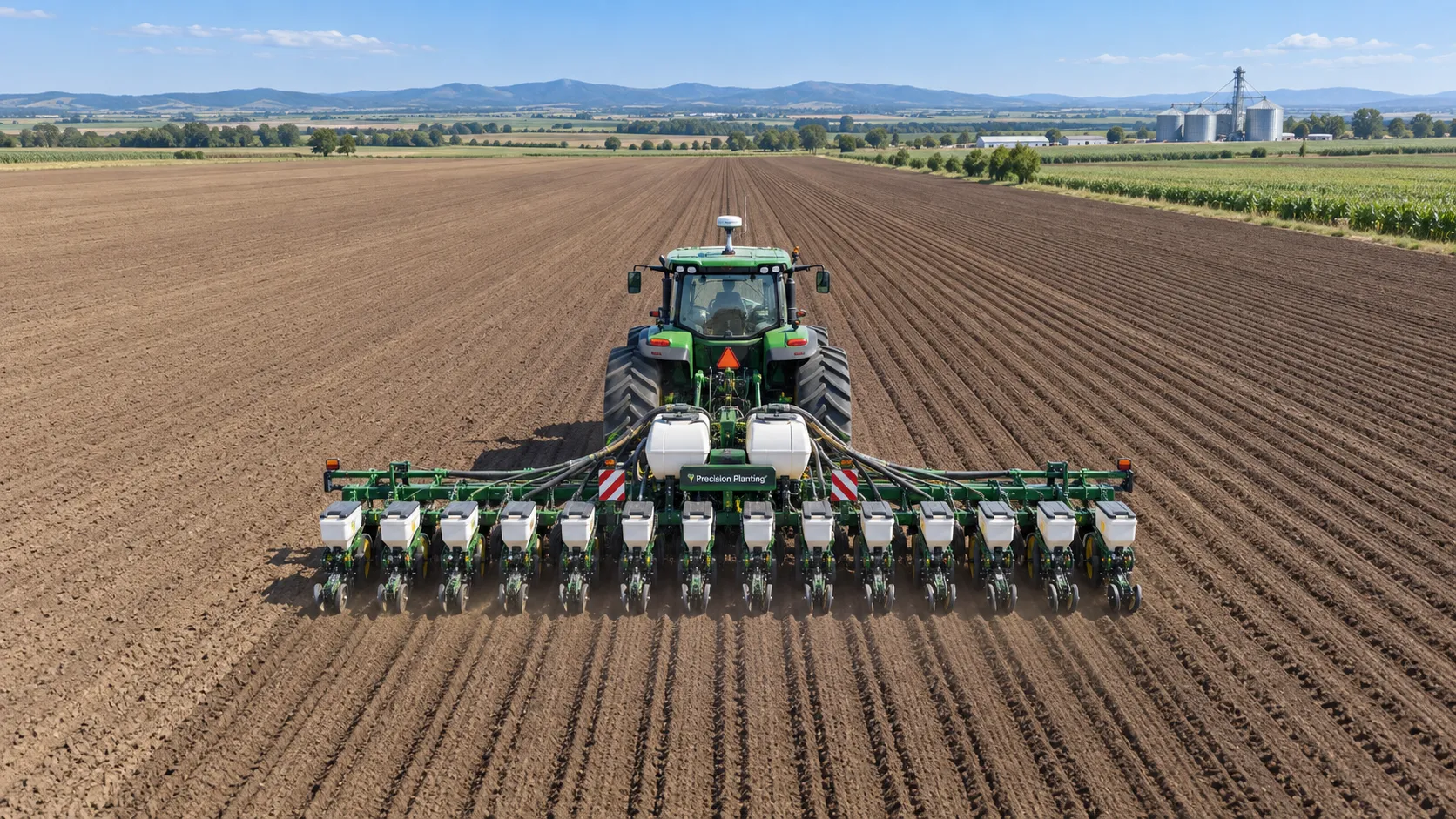
GPS-Guided Farm Machinery: Where It Delivers Measurable Field Efficiency Gains
Agri-mechanization GPS guided systems deliver measurable field efficiency gains through reduced overlap, precise planting, smarter inputs, and reliable farm data.
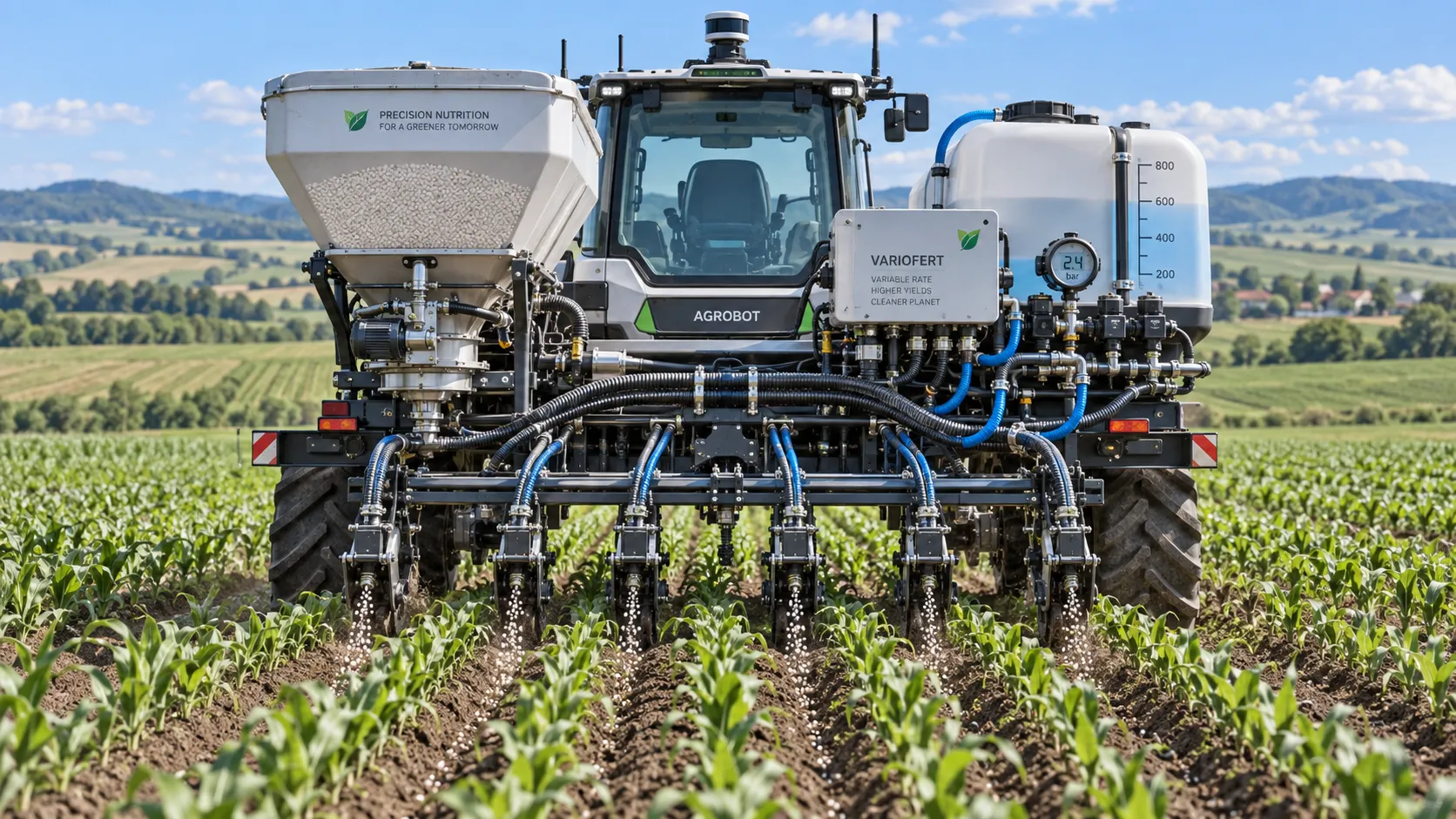
How Sensor Feedback Enables Accurate Variable-Rate Fertilization in Field Conditions
Precision fertilization systems with sensor feedback improve variable-rate accuracy by verifying flow, managing latency, and ensuring reliable field application.
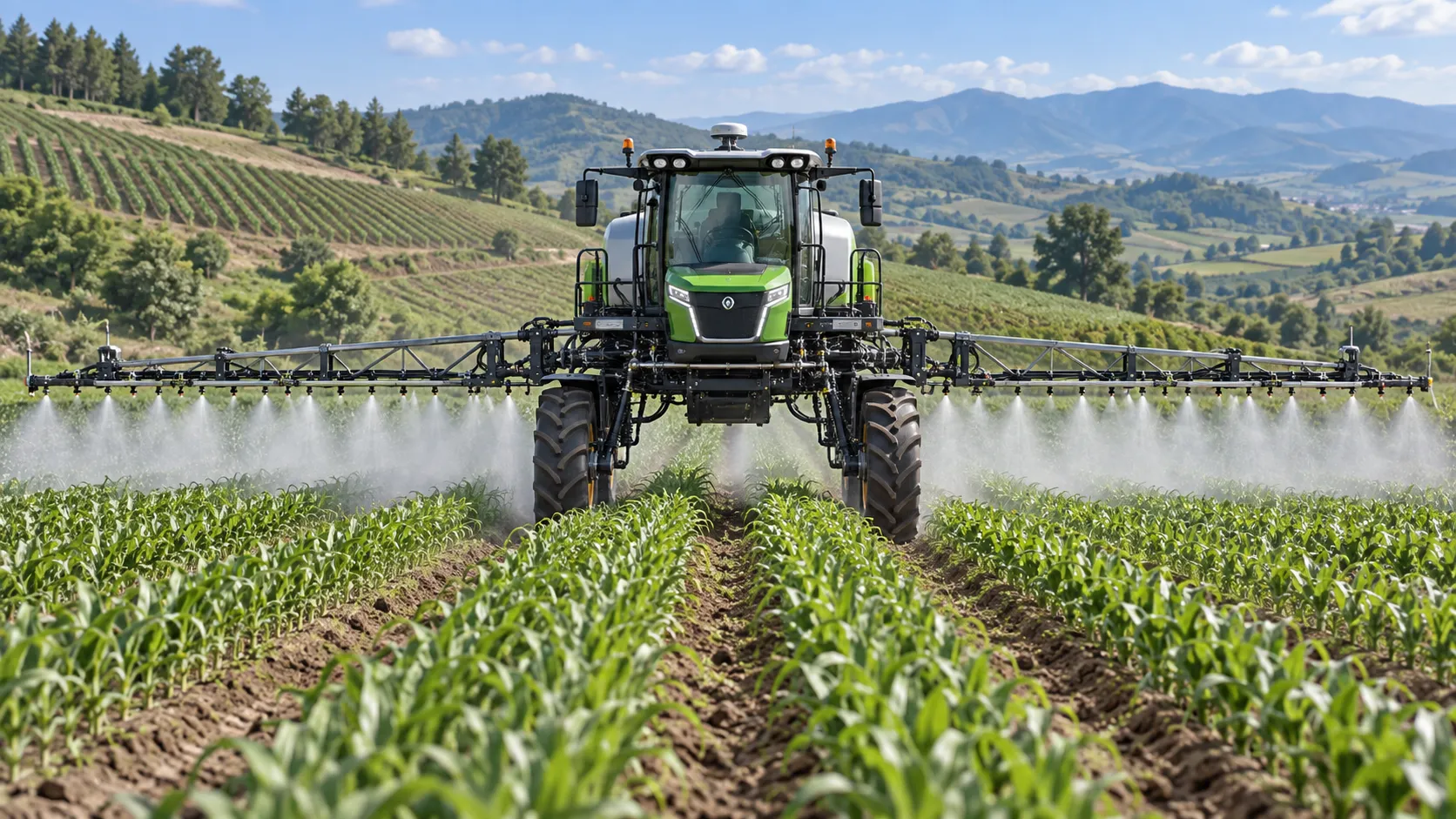
How to Select Precision Crop Protection Equipment for Variable Field Conditions
Precision crop protection equipment selection made simple: compare terrain, canopy, weather, control accuracy, and data workflows for reliable applications.
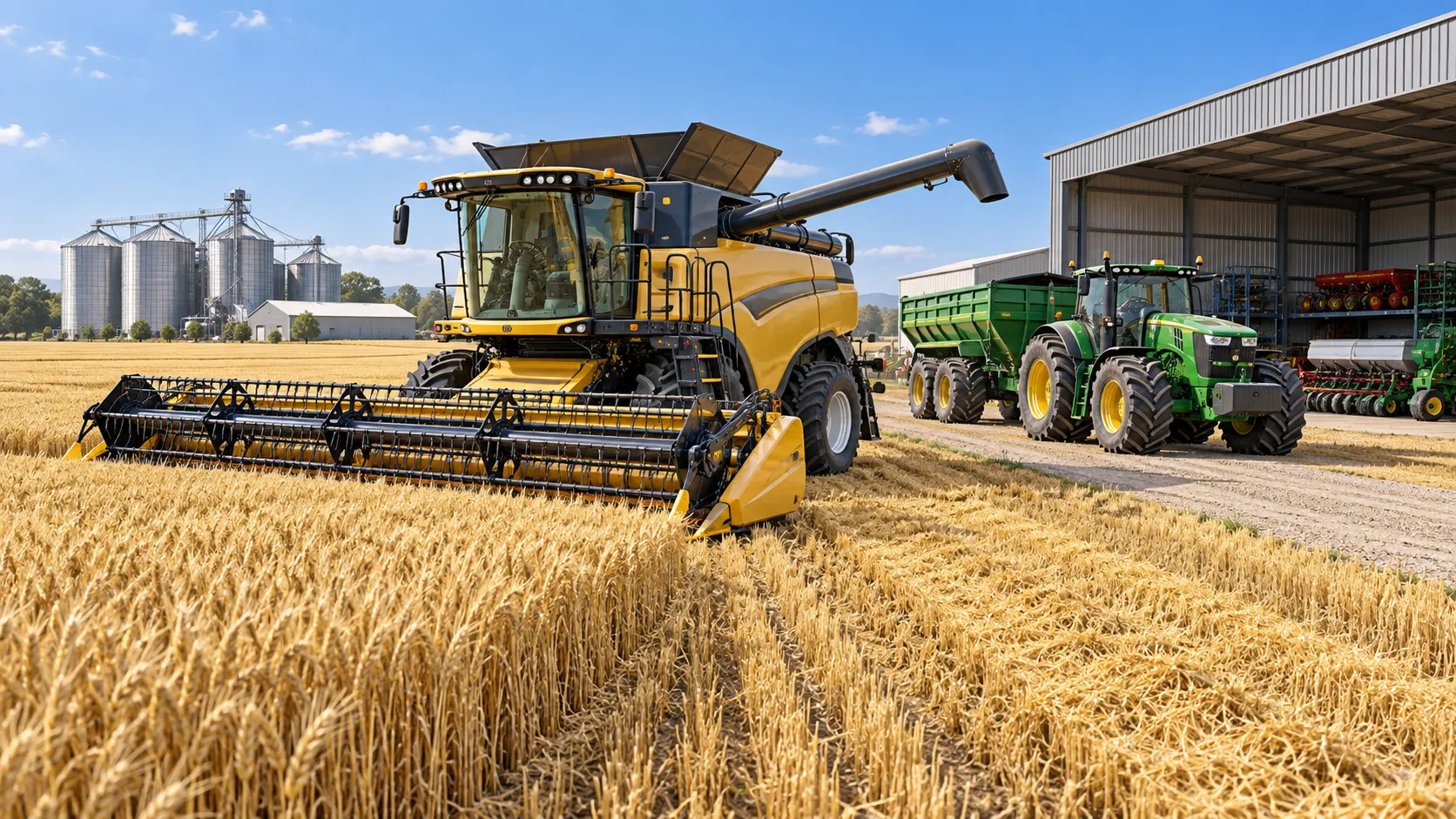
When Does Agricultural Machinery Leasing Cost Less Than Owning Equipment?
Agricultural machinery leasing can lower farm costs when use is seasonal or uncertain. Compare utilization, maintenance, cash flow, and risk to make a smarter equipment decision.
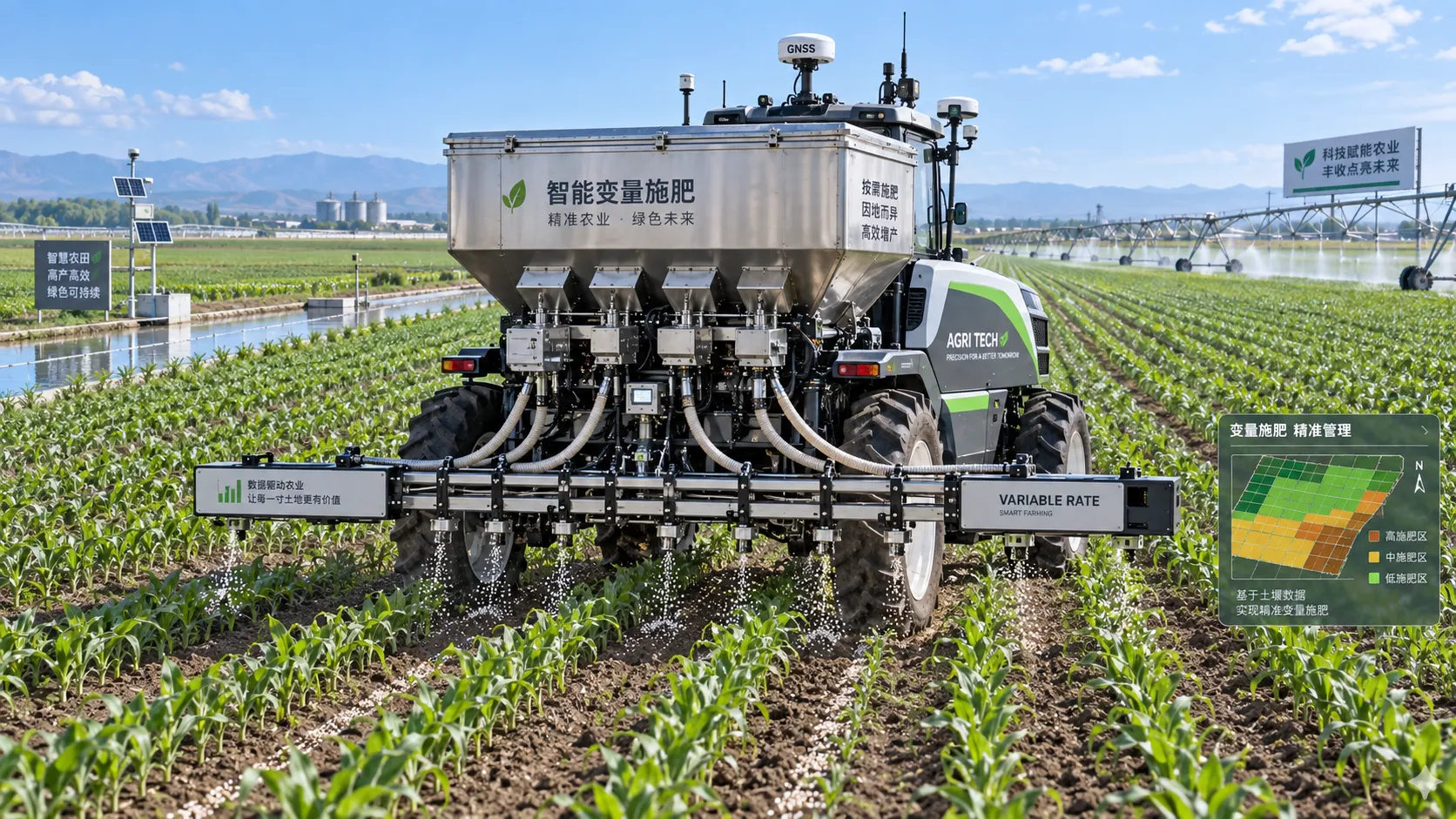
How to Evaluate Precision Fertilization System Suppliers for Farm-Scale Deployment
Precision fertilization systems suppliers: learn how to compare accuracy, integration, uptime, service, and total cost for confident farm-scale deployment.
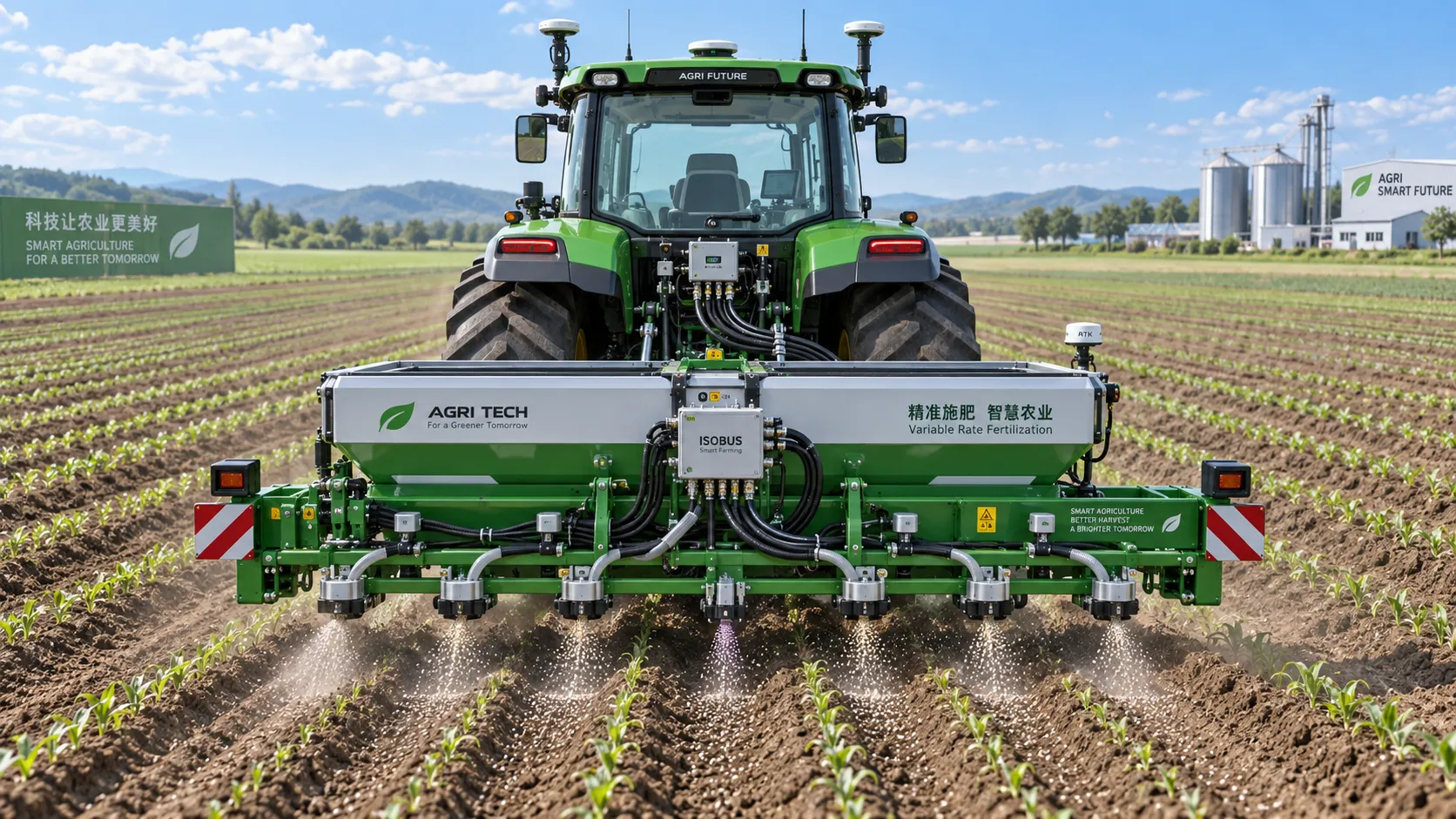
ISOBUS for Smart Agriculture: How It Connects Tractors, Implements, and Farm Data
ISOBUS for smart agriculture connects tractors, implements, terminals, and farm data—helping growers improve precision, documentation, and smarter field decisions.
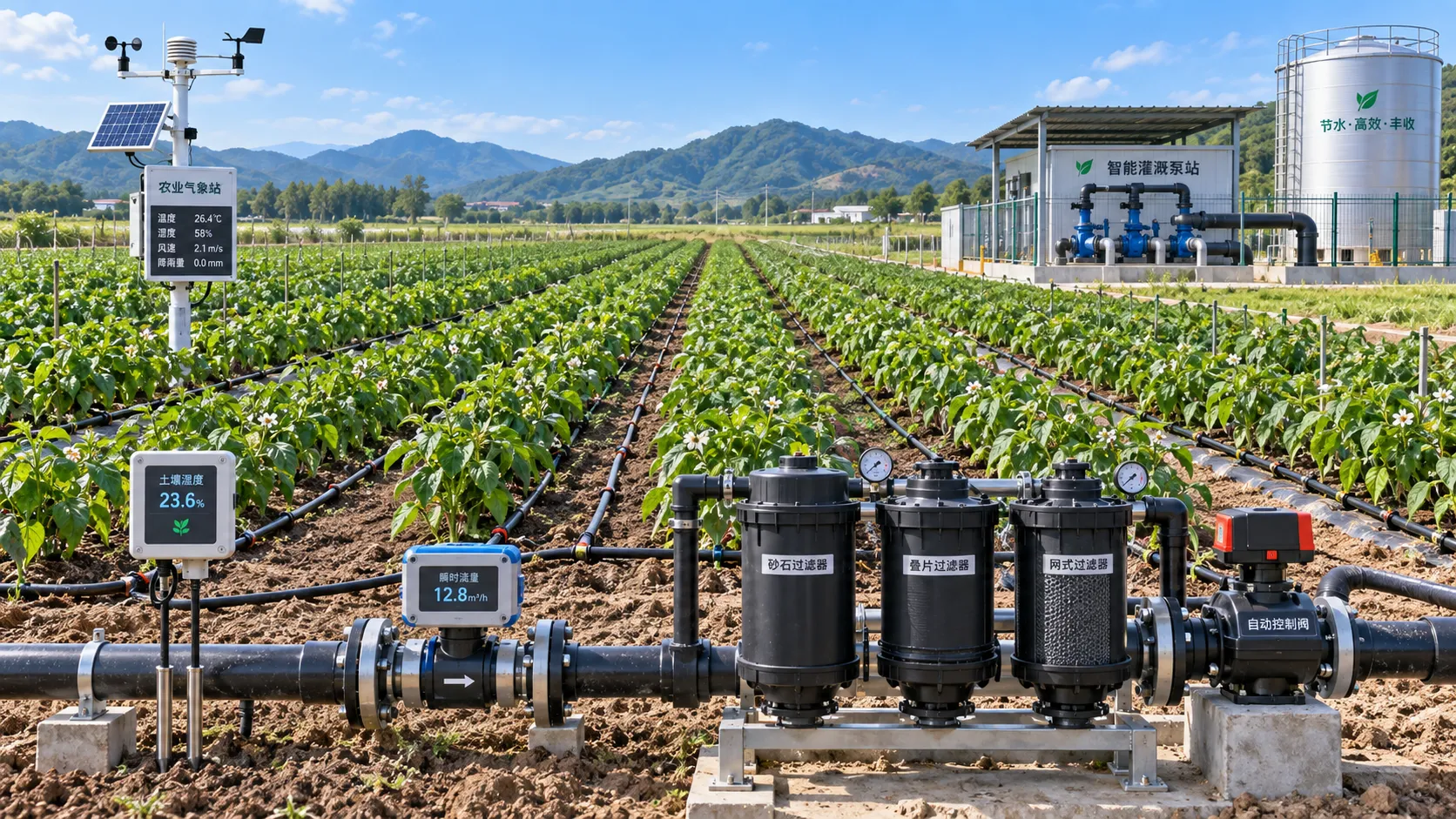
Automated Water-Saving Irrigation: How to Cut Water Use Without Reducing Crop Yields
Automated water-saving irrigation helps farms cut water use, protect crop yields, improve scheduling, and gain reliable control with sensors, flow monitoring, and smart zones.
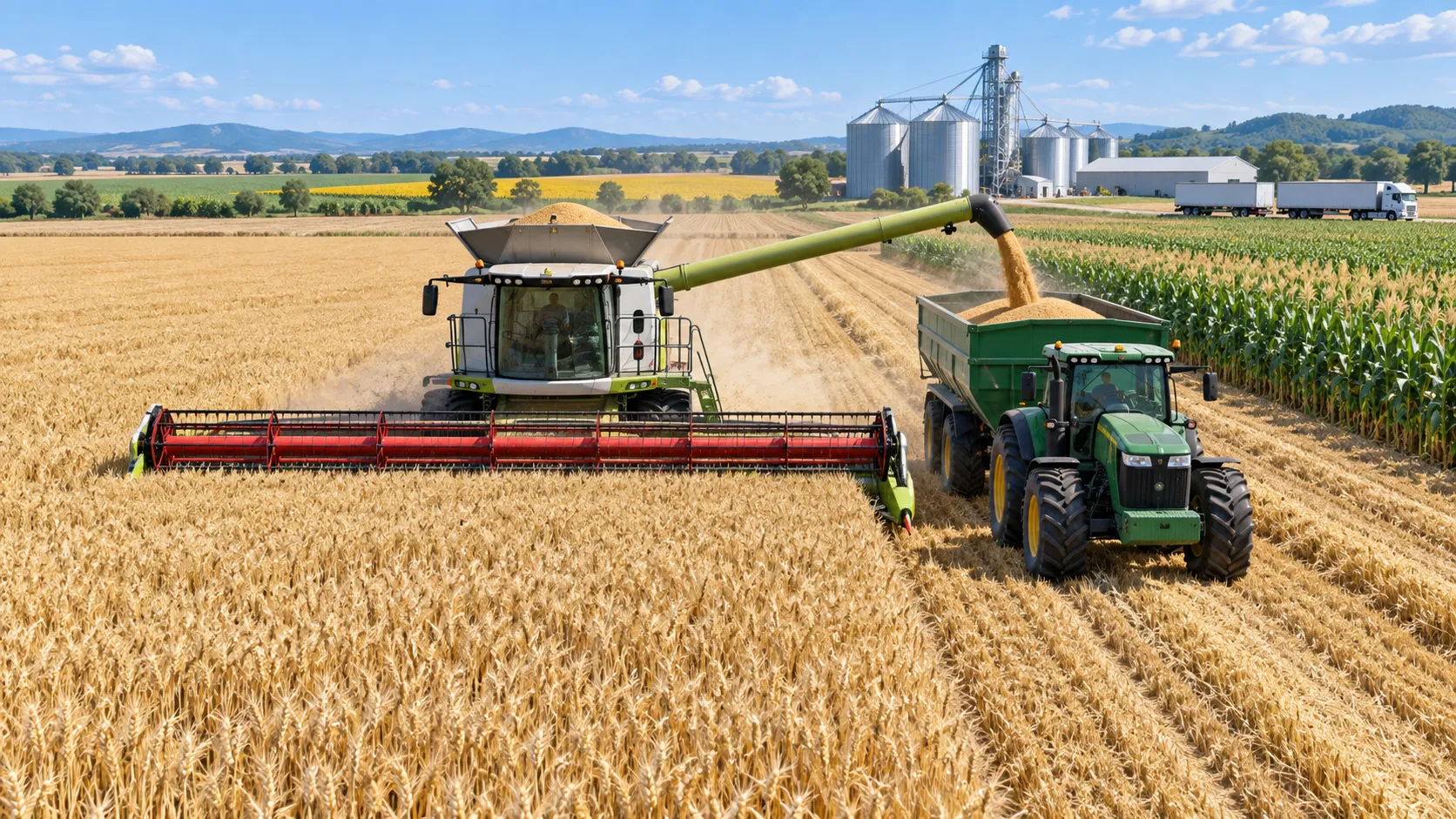
Selecting Grain Farm Equipment by Acreage, Crop Mix, and Harvest Window
Agricultural equipment selection for grain farming: match machinery to acreage, crop mix, and harvest windows to improve uptime, efficiency, and returns.
Related News
- 00
0000-00
How Does Farm Mechanization Affect Food Security in Developing Regions? - 00
0000-00
Agricultural Technology Insights by Region: Where Adoption Is Growing Fastest - 00
0000-00
How Climate-Smart Agriculture Technology Improves Yield, Soil Health, and Risk Resilience - 00
0000-00
Smart Farming Solutions in Latin America: Which Technologies Fit Large Farms Best? - 00
0000-00
Long-Cycle Agri-Trade Price Trends: How to Read Supply, Freight, and Currency Signals
Popular Tags
Prof. Marcus Chen
Weekly Insights
Stay ahead with our curated technology reports delivered every Monday.