
How Does Farm Mechanization Affect Food Security in Developing Regions?
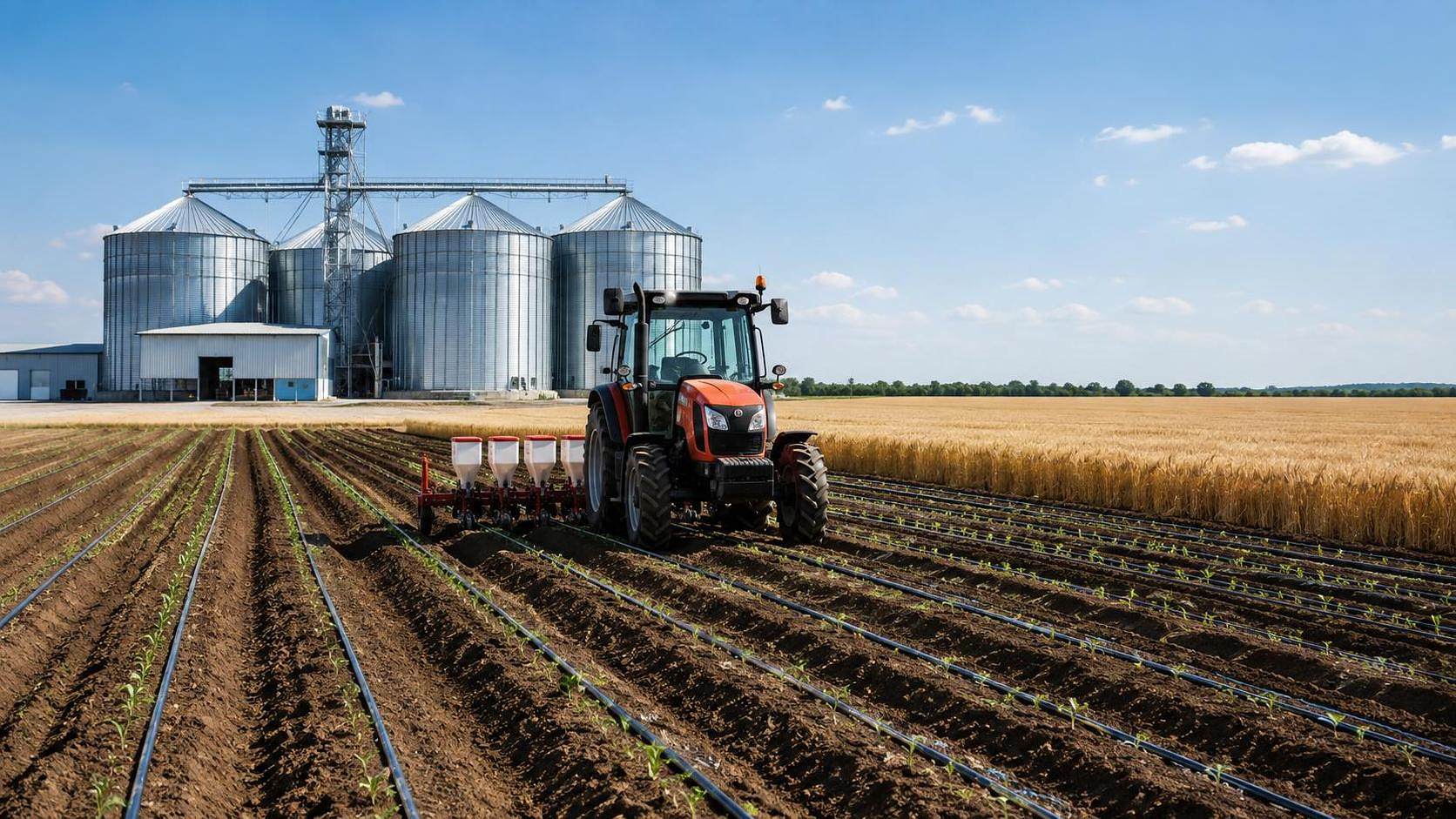




Farm mechanization can improve food security in developing regions, but the result is not automatic. Equipment raises the volume of food available only when it fits local farm sizes, cropping patterns, labor conditions, financing capacity, repair access, and water availability. A tractor that arrives too late for planting, a combine harvester with no local service support, or an irrigation system that exceeds a community's water budget can add cost without improving the food system.
The strongest food-security gains usually come from removing specific production bottlenecks: preparing land within a short planting window, coping with seasonal labor shortages, reducing grain left in the field at harvest, or applying scarce water more precisely. For policymakers, equipment suppliers, cooperatives, lenders, and farm operators, the practical question is less whether mechanization is beneficial in principle and more which operation is constraining production and whether machinery can solve it reliably at an affordable operating cost.
Mechanization affects more than farm output
Food security is often discussed as a production issue, yet it also includes physical access to food, affordability, nutritional stability, and the resilience of supply through weather shocks or market disruptions. Farm machinery can influence each of these areas, though not always in the same direction.
At field level, timely mechanized land preparation and planting can help farmers use short rainfall windows. In regions where rains are increasingly irregular, a delay of even a few days can reduce crop establishment or force farmers to replant. Small tractors, two-wheel tractors, planters, and equipment-sharing services can make it possible to cultivate more land during the period when conditions are suitable. The benefit is not simply speed. It is the ability to complete a critical task when the crop calendar demands it.
Harvesting equipment can protect food that has already been grown. Manual harvesting may be constrained by labor availability, especially where younger workers have moved to cities or where several crops mature at once. Delayed harvesting exposes grain to rain, lodging, shattering, pests, and theft. Well-matched combine harvesters, threshers, shellers, and grain-handling equipment can reduce those losses and improve grain quality. For a food system under pressure, preventing loss can be as important as expanding planted area.
Mechanization also changes the economics of farming. Reduced labor requirements may lower the cost of producing staple crops where wages are rising or seasonal workers are scarce. More consistent field operations can improve the predictability of supply for mills, traders, food processors, and public procurement programs. This does not guarantee lower food prices for consumers, because fuel, finance, transport, storage, and market concentration also matter. Still, a more reliable harvest can reduce one source of volatility.
Where machinery makes the largest difference
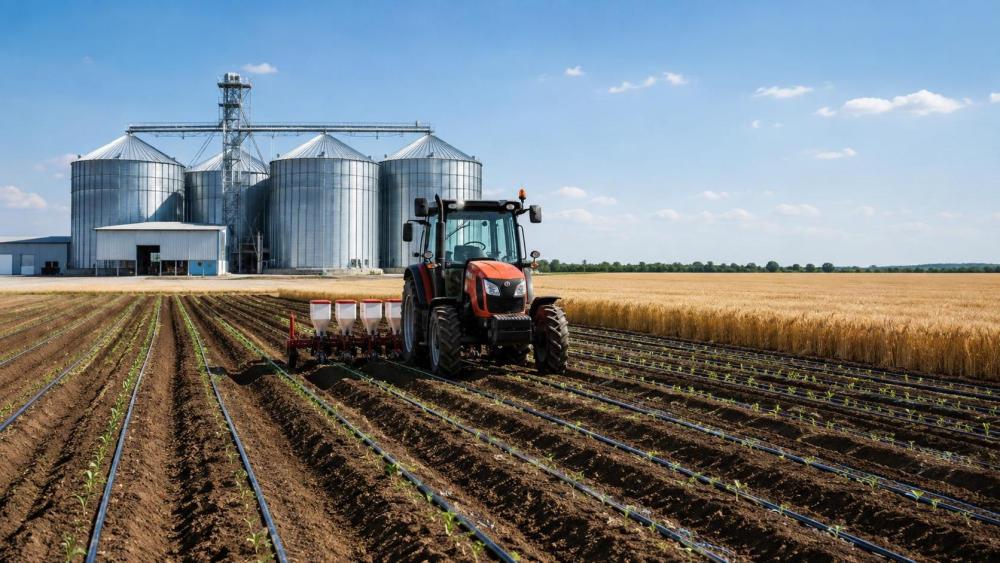
The most useful mechanization programs begin with a narrow operational diagnosis. A region may have adequate planting capacity but lose a large share of its crop during threshing and storage. Another may have strong harvest potential but insufficient draft power to prepare land before rains end. Treating every farming area as a tractor market overlooks those differences.
Timeliness during planting and field preparation
In rain-fed systems, planting at the right time can be decisive. Tractors, seed drills, planters, and minimum-tillage tools can help farmers cover fields faster and place seed at more consistent depth and spacing. Those improvements can support better crop establishment, but only if seed quality, soil conditions, and input availability are also adequate. Mechanized planting cannot compensate for seed that arrives after the rains or fertilizer that is unaffordable.
There is also a scale question. Large, heavy machines may be productive on consolidated fields but poorly suited to fragmented plots, narrow access paths, wet soils, or mixed-cropping systems. In such settings, smaller power units, modular implements, animal-drawn upgrades, or contract services may deliver more value per hectare than importing high-capacity equipment designed for much larger farms.
Harvest and post-harvest loss reduction
Harvesting is one of the clearest links between mechanization and food availability. Crops can be lost through delayed cutting, inefficient threshing, poor handling, or damaged grain. A combine harvester can shorten the harvest period and combine several operations, but it needs suitable field conditions, competent operators, spare parts, fuel, and a route to move grain away from the field. Without those conditions, a lower-complexity reaper, thresher, or sheller may be the better investment.
Loss reduction also depends on what happens after machinery leaves the field. Grain that is harvested efficiently but stored in damp, pest-prone facilities remains vulnerable. Mechanization strategies work best when equipment choices are coordinated with drying, cleaning, storage, rural roads, and market logistics. The equipment itself is only one link in the chain between standing crop and available food.
Water management and crop resilience
In water-stressed areas, irrigation equipment can have a larger food-security effect than additional traction power. Pumps, drip lines, sprinkler systems, sensors, and control tools can improve the timing and precision of water delivery. This may stabilize yields where rainfall is unreliable and permit farmers to diversify into higher-value crops alongside staples.
Yet irrigation can also create a false sense of security when groundwater recharge, energy cost, maintenance capacity, or water rights are ignored. More efficient application does not automatically reduce total water use if farmers respond by irrigating more land or growing more water-intensive crops. An irrigation investment should therefore be assessed at basin and community level, not only by measuring the performance of an individual field system.
Why access matters more than ownership
For many smallholders, purchasing a tractor, combine, or precision irrigation system is unrealistic even when the machine could improve production. The cost is not limited to the purchase price. Farmers must consider interest payments, fuel, operator wages, routine servicing, seasonal downtime, transport between fields, and the risk of a breakdown during a narrow operating window.
Ownership can also leave equipment underused. A machine sized for peak demand may sit idle for much of the year, while a neighboring farmer needs the same machine during the same two-week planting or harvest period. This is why mechanization often has greater reach through service models: rental fleets, machinery rings, contractor networks, cooperatives, leasing arrangements, and dealer-supported custom hiring.
Service-based access changes the investment calculation. Farmers pay for a task rather than carrying the full asset cost, and providers can build maintenance expertise around a smaller number of machines. It can also improve utilization rates. The model still needs careful design. A contractor who serves larger farms first may leave smaller farms waiting until the optimal planting period has passed. Transparent booking, local dispatch capacity, workable field access, and service schedules aligned with crop calendars are all important.
- For farmers: assess the expected improvement in timing, yield protection, or labor savings against the full cost of hiring or owning the equipment.
- For cooperatives and service providers: match fleet capacity to local peak-season demand rather than selecting machinery only by engine size or headline capacity.
- For lenders: evaluate repair networks, seasonal cash flow, fuel access, and utilization assumptions alongside the value of the machine.
- For public programs: support access, training, parts availability, and rural logistics instead of treating equipment delivery as the completion of the project.
Labor effects require a local view
A common concern is that mechanization displaces rural workers. It can reduce demand for certain manual tasks, particularly land preparation, weeding, harvesting, and threshing. That consequence may be serious where rural employment alternatives are limited. But the outcome is not uniform. In areas facing seasonal labor shortages, aging farm populations, or extensive migration, machinery may keep production viable rather than replace readily available workers.
Mechanization can also shift work rather than eliminate it. Demand may grow for operators, mechanics, equipment coordinators, irrigation technicians, spare-parts retailers, transport providers, and post-harvest services. These jobs require skills, access to training, and often capital. Without deliberate local capability building, the higher-value roles may be captured outside the farming community while local workers lose manual income.
The timing of labor demand matters as much as the total number of workdays. A harvester can reduce a short, intense peak in seasonal employment while allowing land to be replanted sooner. In double-cropping systems, this can support more annual production and create work elsewhere in the value chain. In single-season areas with few alternatives, the social trade-off may be less favorable. Food-security planning should therefore consider household income and employment effects alongside tonnes harvested.
Technology should fit the operating environment
Precision agriculture, satellite guidance, automated steering, soil sensors, and data-driven irrigation controls can improve input efficiency. They are most useful when they solve an identified management problem: repeated overlaps during spraying, uneven fertilizer application, poor irrigation scheduling, or difficulty monitoring large fields. Their value declines when basic requirements such as reliable power, connectivity, operator training, field maps, and repair support are absent.
Developing regions are not a single equipment environment. Some commercial farms may be ready for high-capacity combines, advanced tractor hydraulics, and variable-rate application. Nearby smallholder communities may benefit more from durable, repairable tools with simple controls and locally available consumables. A mechanization policy that assumes one technology path for all farms can widen gaps in productivity and income.
Equipment durability deserves close attention. Dust, high temperatures, rough roads, variable fuel quality, and limited workshop infrastructure place demands on machinery that may not be visible in a showroom comparison. Buyers should look beyond rated capacity and ask practical questions: Can common wear parts be obtained during the season? Is there a trained technician within reach? Can the machine work in local soils without excessive compaction? Are attachments compatible with the crops and row spacing used locally? Can the operator diagnose routine faults without specialist software?
Mechanization can create new risks
More machinery is not automatically more sustainable. Heavy equipment can compact soil, especially when used on wet ground or repeatedly driven across small fields. Poorly calibrated sprayers can increase chemical exposure and input waste. Fuel dependence can make farmers more vulnerable to price shocks or supply interruptions. Mechanized groundwater pumping can accelerate depletion where withdrawal is weakly managed.
There is also a distribution risk. Subsidies aimed at expensive machinery may disproportionately benefit larger landholders, traders, or politically connected operators if access rules are unclear. Small farms may then face higher service prices or struggle to compete for land and water. This does not mean public support should avoid mechanization. It means programs need to measure who can use the machinery, during which period, at what price, and with what effect on local production and livelihoods.
Imported equipment presents another risk when procurement focuses on initial purchase cost. A low-cost machine with no parts pipeline, no operator manuals in accessible languages, and no after-sales service can become idle capital quickly. Food security depends on dependable operations across multiple seasons, not on the number of machines delivered in a single year.
What a credible mechanization strategy looks like
A credible strategy starts with the crop calendar and the largest avoidable loss or delay. It then selects equipment that can be operated, serviced, financed, and shared under local conditions. This often produces a mixed system rather than a single flagship machine: modest traction power for land preparation, suitable planting equipment, targeted harvesting or threshing capacity, storage improvements, and irrigation tools where water management is the binding constraint.
Training should cover more than driving a machine. Operators need to understand calibration, safe use, basic maintenance, field-speed decisions, soil protection, and how to recognize a fault before it becomes a costly breakdown. Service providers need business planning skills because their viability depends on scheduling, utilization, pricing, and maintenance reserves. Farmers need enough information to judge whether a contractor's service is timely and properly performed.
When readers ask how farm mechanization impacts food security in developing regions, the most accurate answer is conditional: it can strengthen availability, stability, and farm resilience when it removes a real bottleneck and remains usable after the first season. The priority is not maximum mechanization. It is dependable, locally appropriate capacity at the points where food is most likely to be lost, delayed, or constrained.
Related News
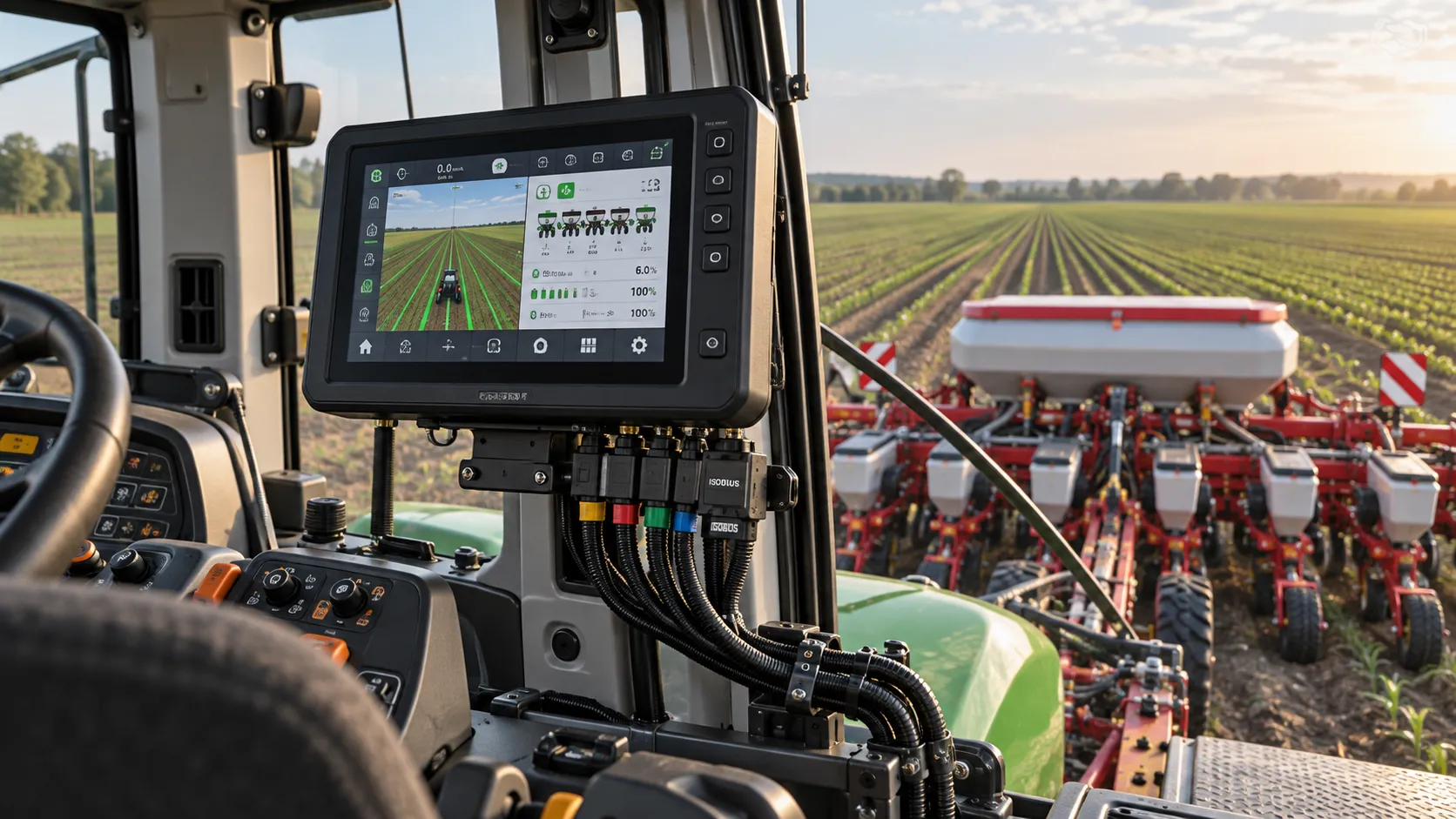
Choosing Precision Agriculture Controllers: ISOBUS and Variable-Rate Compatibility
Compare precision agriculture controllers for ISOBUS functionality, variable-rate compatibility, and data exchange. Discover what to test before buying to find the right fit for your fleet.
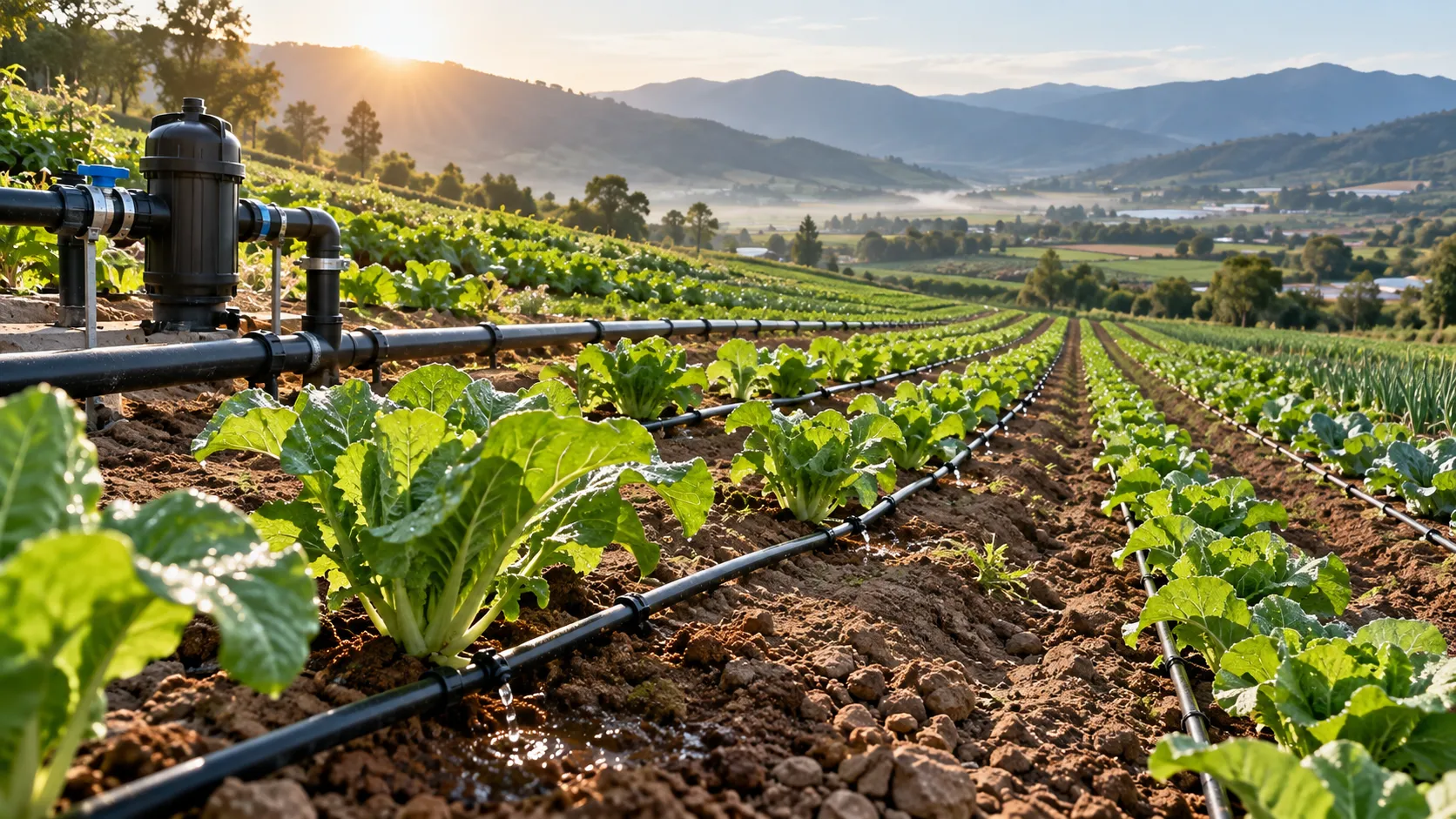
Choosing Drip Irrigation Systems for Open Fields: Soil, Slope, and Water Quality
Choose drip irrigation systems for open fields with confidence. Discover how soil, slope, and water quality shape emitter spacing, pressure, and filtration—and avoid costly design mistakes.
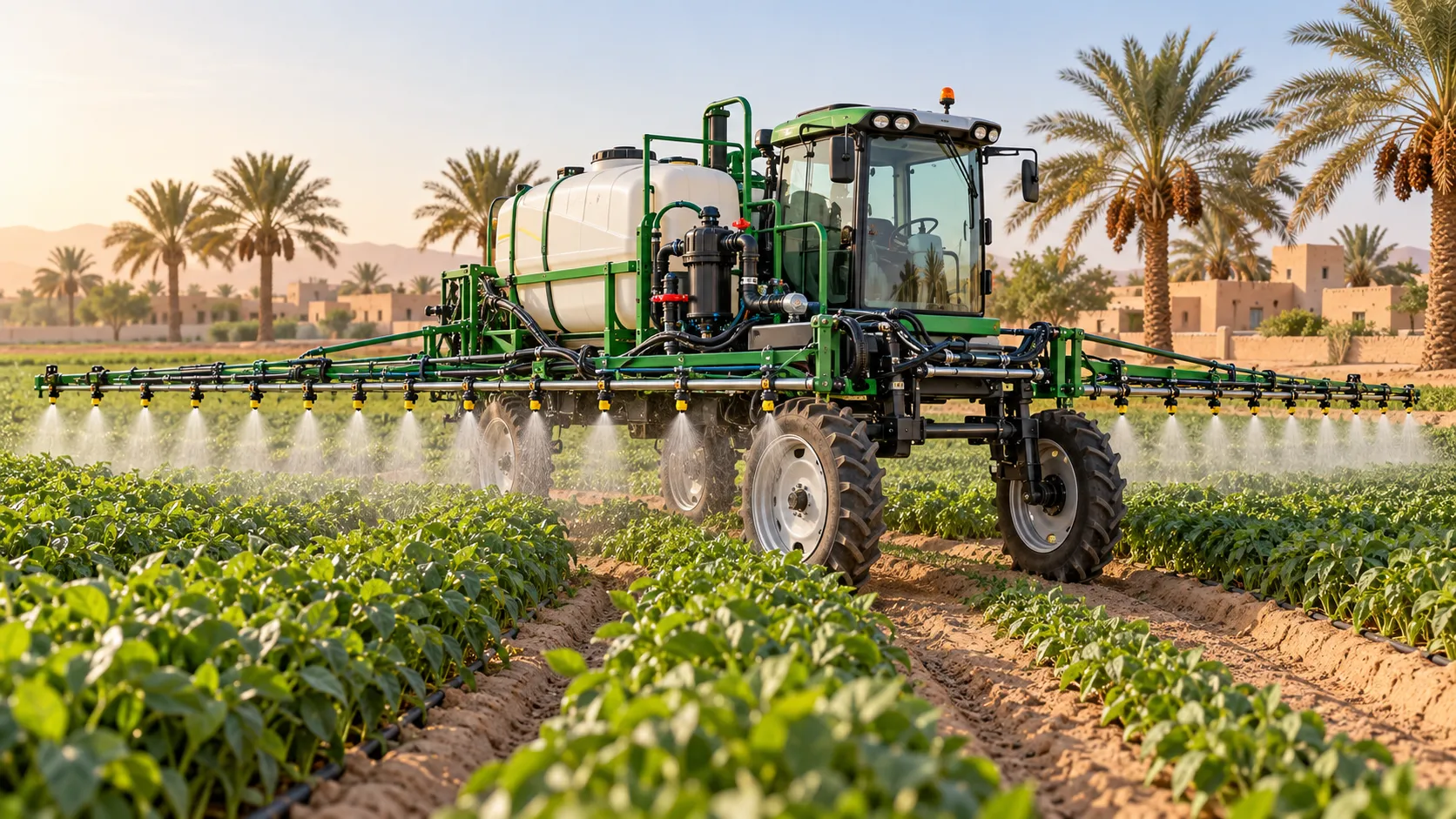
Choosing Crop Protection Equipment for Hot, Windy Middle Eastern Farms
Compare crop protection equipment Middle East farms need for hot, windy conditions. Discover key nozzle, drift-control, and durability checks to choose the right sprayer.
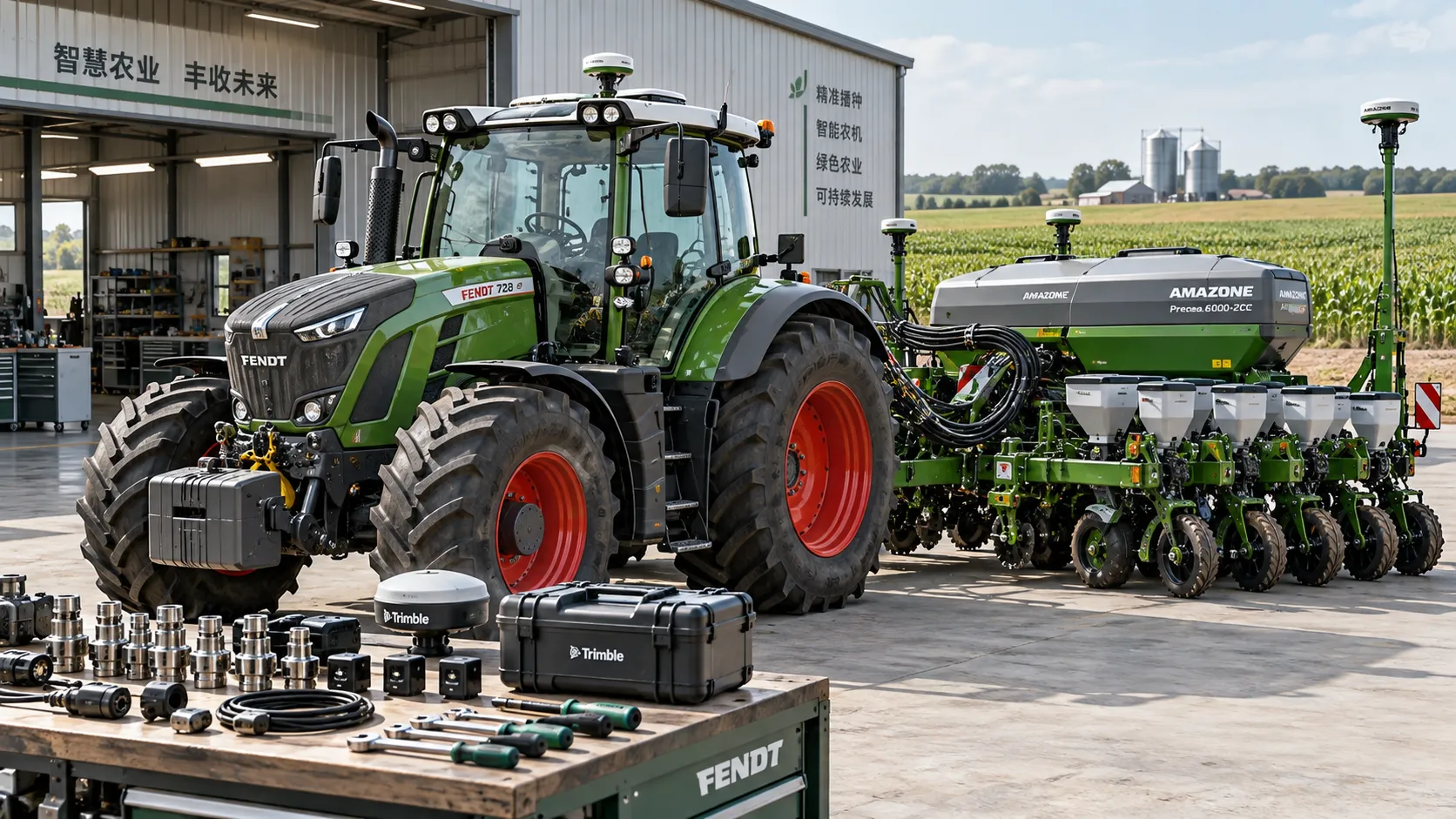
Choosing an Agriculture 4.0 Supplier: Compatibility, Support, and Total Cost
Choose an Agriculture 4.0 supplier with confidence. Learn how to verify compatibility, assess support, and compare total ownership costs to avoid hidden fees and costly downtime.
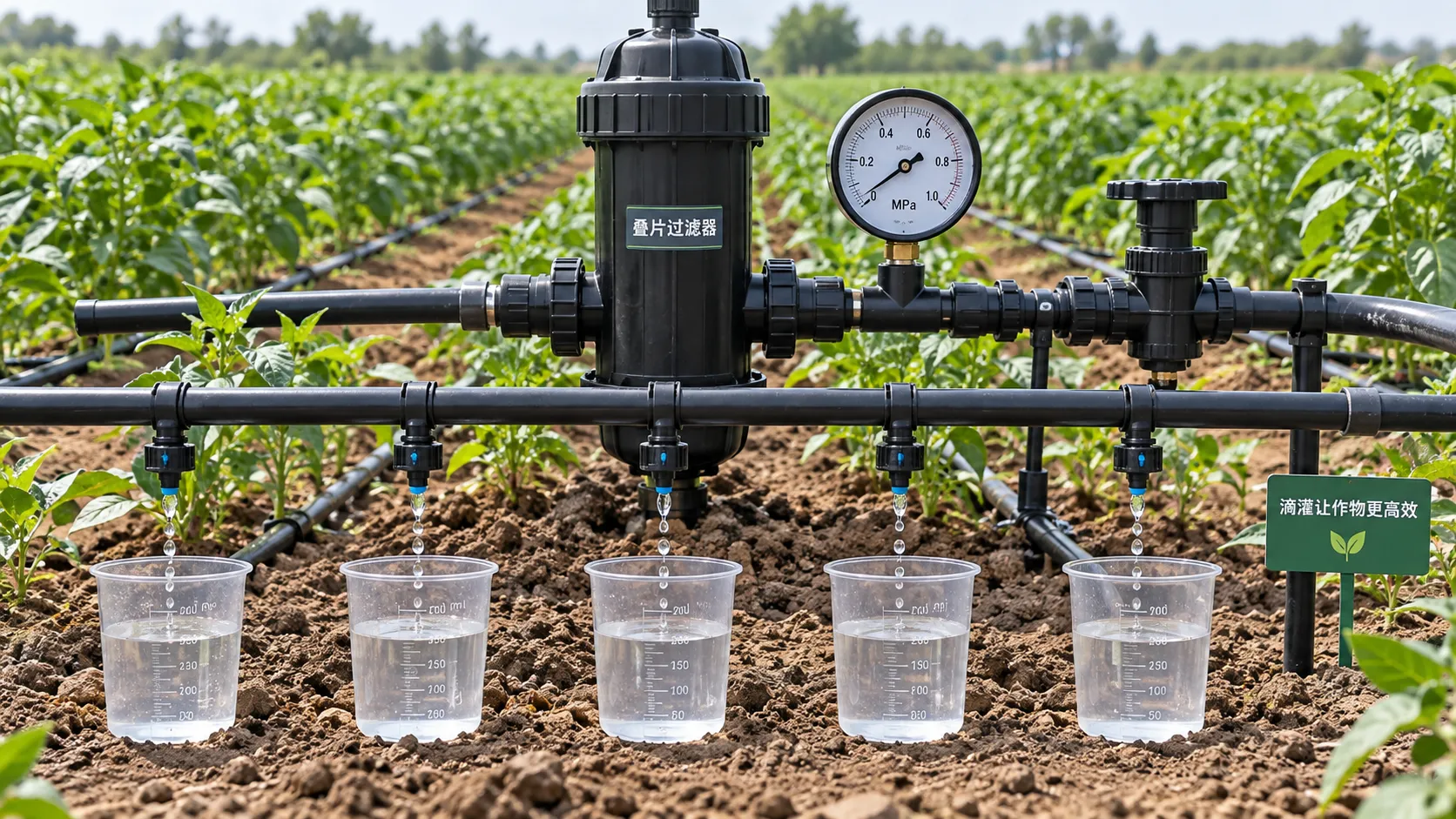
Low-Pressure Drip Irrigation: How to Fix Uneven Watering Without Raising Pressure
Optimize low pressure water-saving irrigation systems: discover how to fix uneven watering, clear blockages, and reduce hydraulic losses without raising supply pressure.
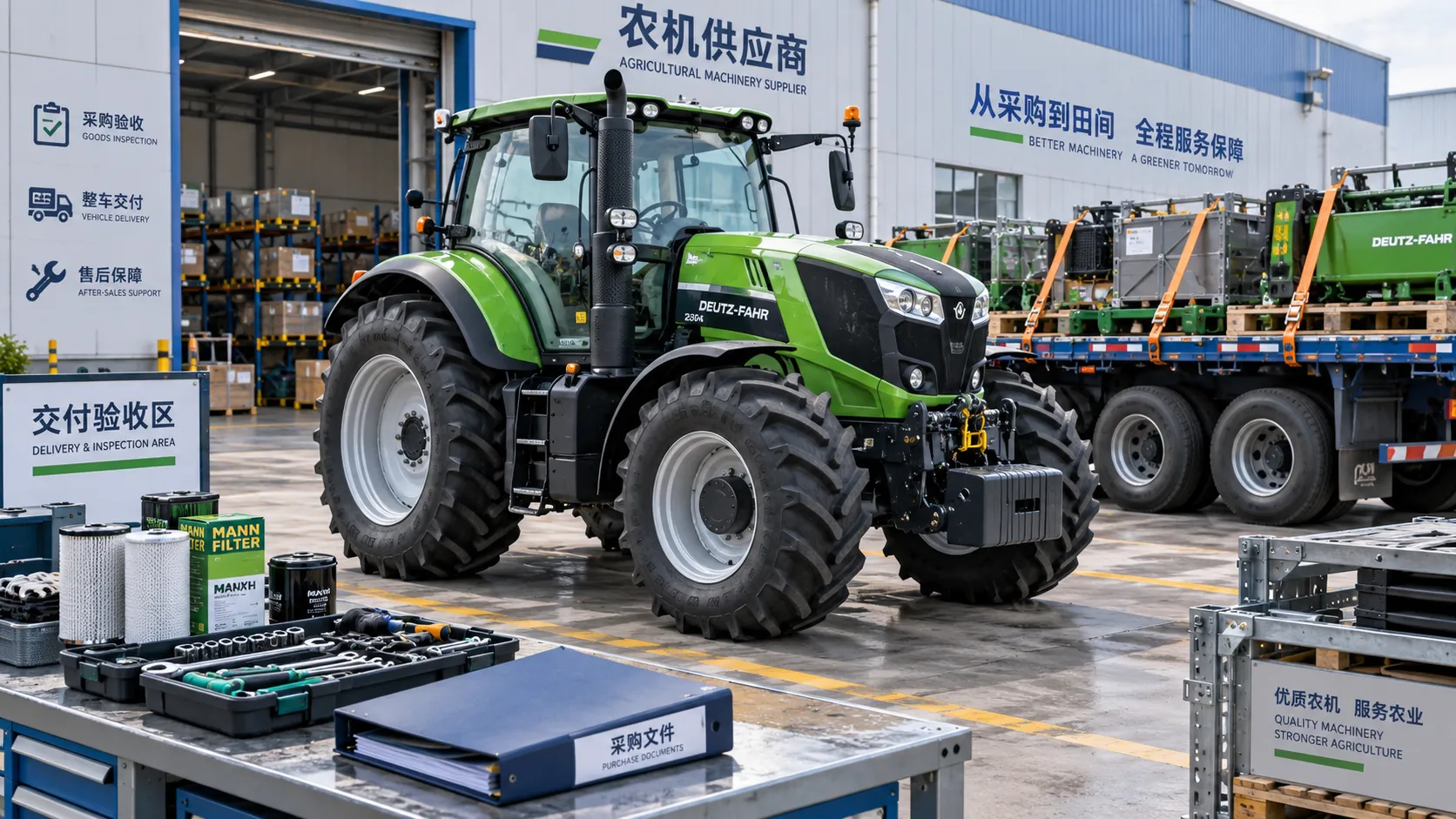
Comparing Farm Equipment Supplier Quotes: Price, Freight, and Warranty
Simplify supplier comparison for farm equipment price: assess freight, field-ready costs, and warranty coverage. Learn how to avoid hidden charges and choose a reliable supplier.
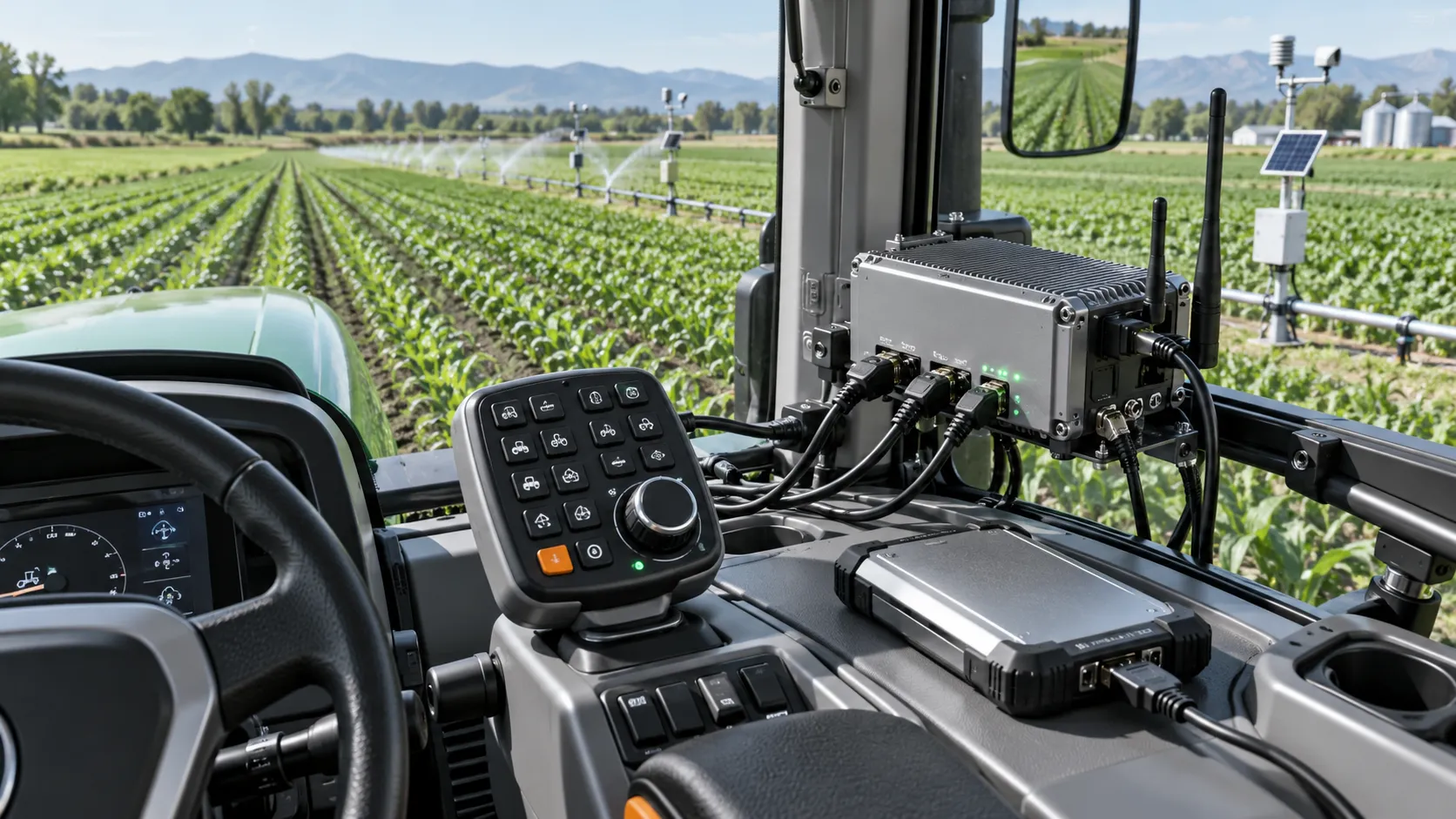
Choosing a Digital Farming Platform Provider: Compatibility and Data Ownership
Compare digital farming platforms providers on equipment compatibility, data ownership, and export rights. Discover practical checks to avoid lock-in and choose with confidence.
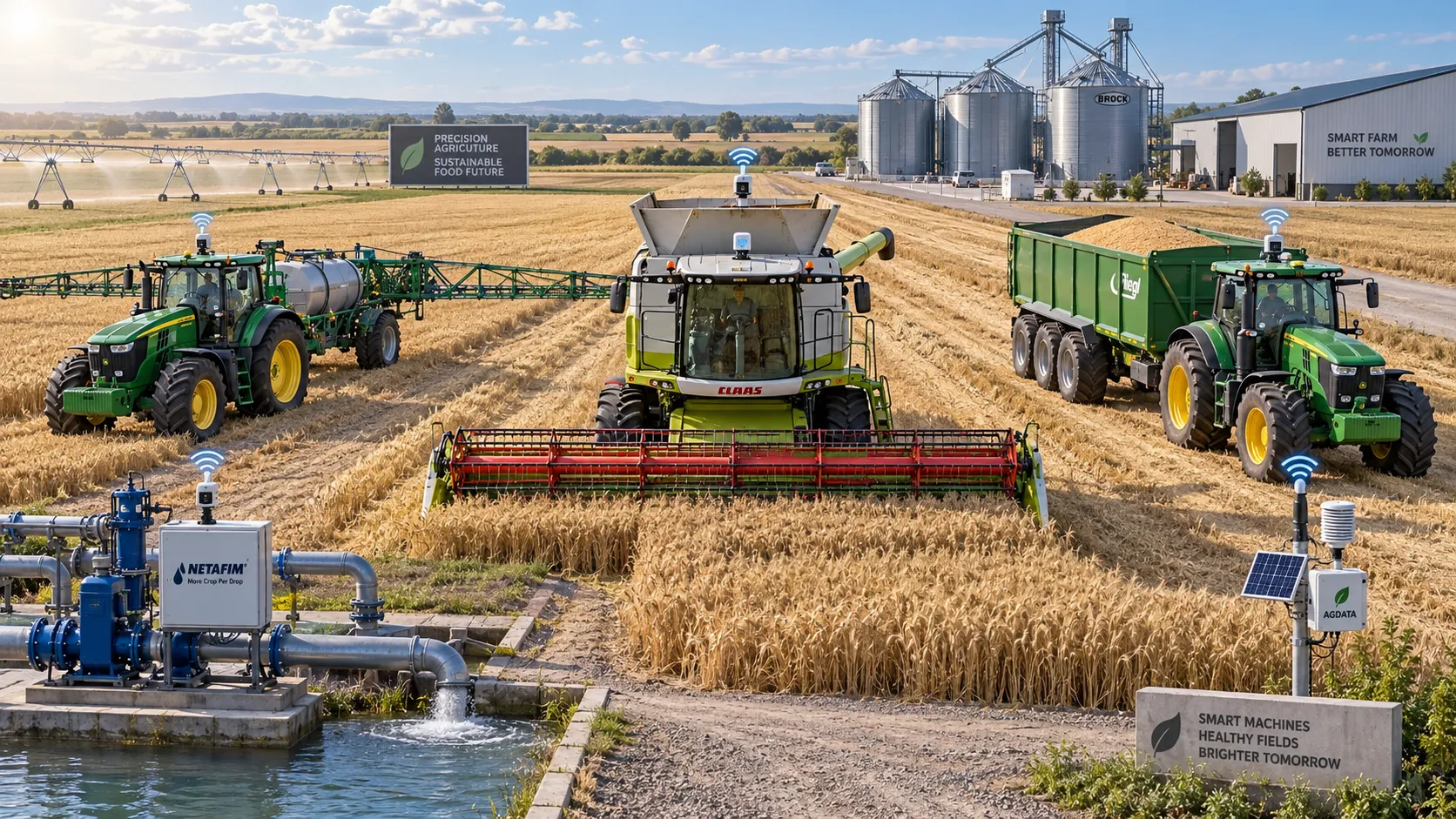
How Large-Scale Farm Telematics Cuts Downtime Across Mixed Fleets
Large-scale farm equipment telematics cuts mixed-fleet downtime with real-time alerts, smarter maintenance, and stronger operational control. Learn how to protect critical farm workflows.
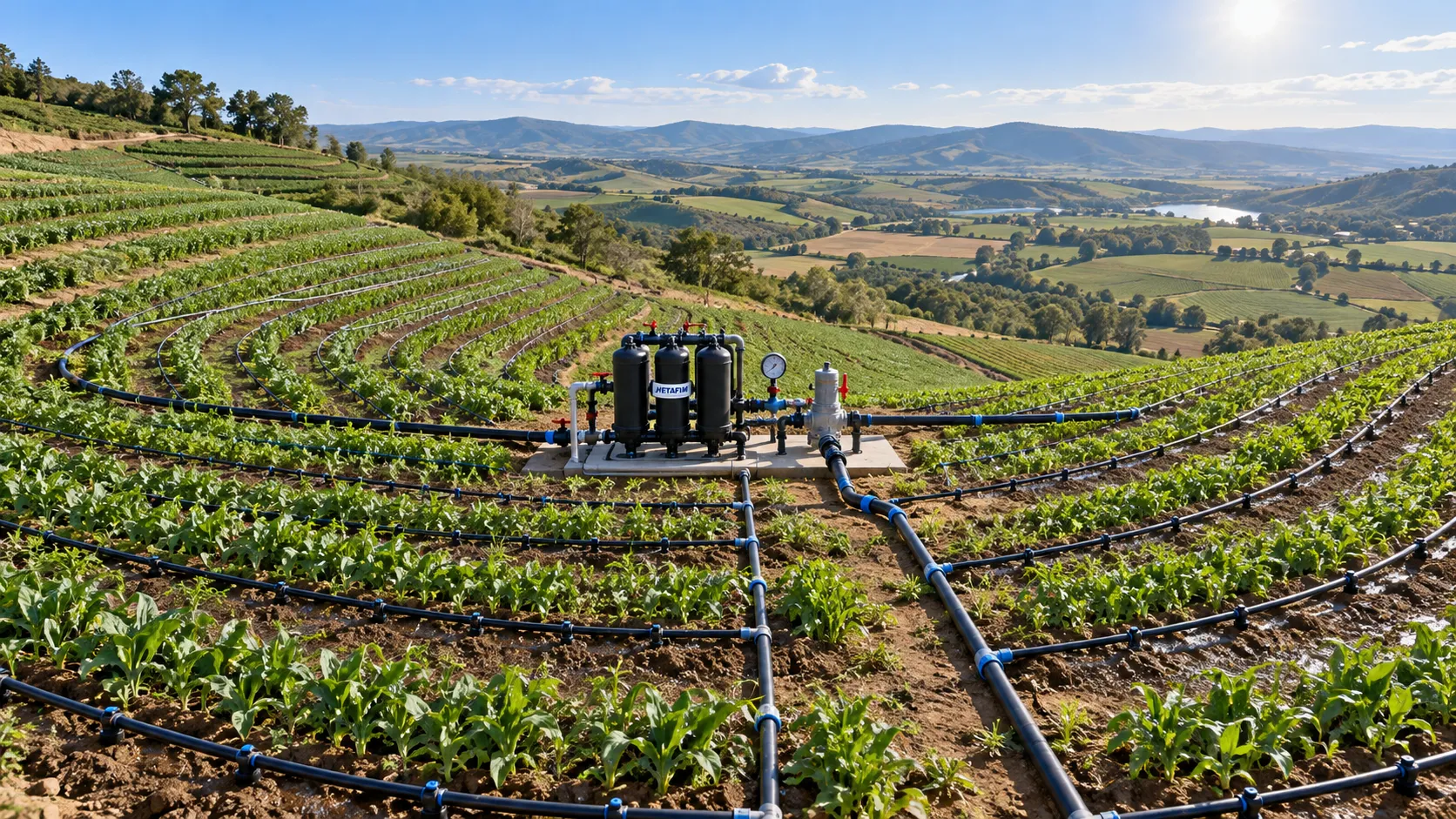
How to Size Low-Pressure Water-Saving Irrigation Systems for Uneven Fields
Low pressure water-saving irrigation systems for uneven fields: learn zoning, pressure mapping, pipe sizing, and pump selection to improve uniformity and reduce water waste.
Related News
- 00
0000-00
What maintenance challenges come with hybrid agricultural machines? - 00
0000-00
Can hybrid propulsion systems reduce fuel use in farm machinery? - 00
0000-00
How Does Farm Mechanization Affect Food Security in Developing Regions? - 00
0000-00
Agricultural Technology Insights by Region: Where Adoption Is Growing Fastest - 00
0000-00
How Climate-Smart Agriculture Technology Improves Yield, Soil Health, and Risk Resilience
Popular Tags
Prof. Marcus Chen
Weekly Insights
Stay ahead with our curated technology reports delivered every Monday.