
How Agri Machinery Intelligence Software Turns Field Data Into Better Decisions
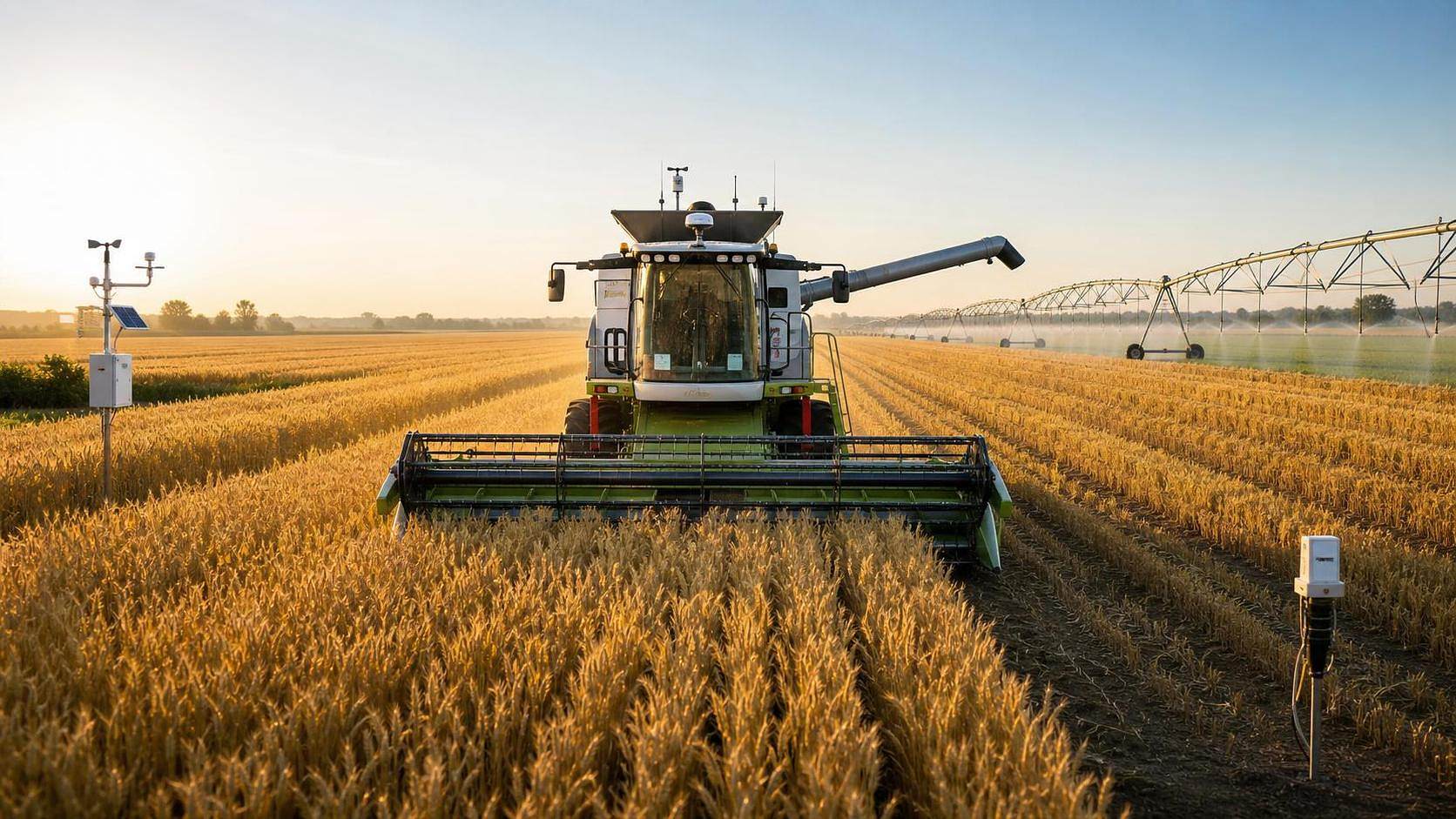




At daybreak, a farm can already be producing more information than any one manager can comfortably absorb. A tractor records engine load and fuel use. A planter logs population and downforce. A combine measures grain flow, moisture, and cleaning loss. Soil probes track moisture at different depths while weather stations watch heat, wind, and rainfall. None of these signals is useful simply because it exists. Its value emerges when someone can connect it to a decision: change the route, adjust the machine, delay an irrigation cycle, investigate a field zone, or reconsider next season’s equipment plan.
Agri machinery intelligence software is designed to make that connection. It brings together field data, machine telemetry, agronomic context, weather information, and sometimes market or policy signals, then organizes them into information that people can act on. For growers, contractors, equipment distributors, and agricultural researchers, the goal is not to create another dashboard full of numbers. It is to reduce uncertainty in decisions that are often expensive, time-sensitive, and shaped by conditions that change by the hour.
In the Agriculture 4.0 landscape, the machinery itself is no longer just a source of horsepower or harvesting capacity. It is also a moving data platform. Understanding how intelligence software turns that data into better decisions helps explain why connected tractors, combine harvesters, precision implements, and smart irrigation systems are becoming more closely linked.
Field data is abundant; decision-ready context is scarce
A common misconception is that digital agriculture begins and ends with data collection. In reality, raw data can be confusing. A high fuel-consumption reading may reflect poor maintenance, a steep field, a heavy implement, wet soil, an inexperienced operator, or a work plan that required repeated passes. A lower-than-expected yield map may point to a seed issue, compaction, nutrient variability, irrigation timing, pest pressure, or a sensor calibration problem.
Looking at any one measurement in isolation can lead to the wrong conclusion. This is why agri machinery intelligence software works best as a context layer rather than a simple machine-monitoring tool. It asks practical questions around the data: What was the machine doing? Where was it operating? What crop stage and weather conditions were present? Is this pattern new, recurring, or normal for this field?
Consider a combine harvester operating in a variable wheat crop. Grain-loss sensors may show a rise in losses during the afternoon. On its own, that reading only signals a problem. When combined with crop moisture, slope, travel speed, header performance, and cleaning settings, it can reveal a more useful pattern: the current configuration may be acceptable in the morning but less effective when crop conditions become drier. The decision becomes specific—review settings, adjust speed, or inspect the cleaning system—instead of being a vague instruction to “work more carefully.”
From machine signals to a usable operational picture
Most agricultural intelligence platforms follow a similar logic, although their capabilities vary by manufacturer, equipment fleet, and data architecture. They gather inputs, standardize them, compare patterns, and present exceptions or recommendations. The transformation is less glamorous than the phrase “artificial intelligence” sometimes suggests, but it is deeply important.
1. Capturing data from the working field
The first layer includes machine-generated information: location, speed, engine hours, fuel use, hydraulic pressure, implement status, PTO activity, fault codes, and task records. For harvesting equipment, grain flow, moisture, yield, and loss-monitoring data may be included. Precision farming tools add application rates, section control activity, seeding performance, and guidance-line accuracy.
Smart irrigation adds a different but equally valuable stream. Flow meters, pump status, valve position, pressure readings, soil-moisture probes, local weather stations, and satellite-derived crop indicators can help build a picture of when water is being delivered and whether it is reaching the crop zone effectively.
2. Making different sources speak the same language
A large farm may operate mixed fleets, use several agronomic platforms, and receive weather information from more than one provider. Data can arrive in different formats, at different intervals, and with varying levels of precision. Before it supports a decision, it often needs to be cleaned, time-aligned, assigned to the correct field boundary, and linked to a specific operation.
This step is easy to overlook, yet it often separates useful farm intelligence from a collection of disconnected apps. A report that compares fuel use across tractors is unreliable if one machine’s hours include transport time and another’s do not. A yield map becomes difficult to interpret when field boundaries are outdated or a moisture sensor is not calibrated. Good software does not eliminate the need for careful records; it makes those records easier to maintain and test.
3. Identifying patterns, exceptions, and trade-offs
Once data is organized, the software can highlight what deserves attention. That may be an emerging maintenance risk, an unusually slow field operation, repeated overlap during application, declining irrigation efficiency, or a field zone that performs differently from its historical pattern. In more advanced uses, models compare current conditions with prior seasons, operating benchmarks, or predicted crop water demand.
The important word is highlight. A reliable platform should not pretend every alert is a command. Farming remains dependent on local knowledge: soil type, labor availability, weather windows, crop contracts, machine condition, and the grower’s risk tolerance. Intelligence software provides a clearer starting point for judgment; it does not replace the person who understands the land.
Where better decisions show up in everyday farm work
The impact of connected intelligence is often most visible in moments where teams previously relied on memory, radio calls, or delayed reports. These are not always dramatic changes. They are small improvements made before a minor issue becomes a costly one.
Tractor and chassis management: matching power to the job
Heavy-duty tractors sit at the center of many field operations, and their performance is shaped by more than engine output. Transmission behavior, ballast, tire pressure, hydraulic demand, implement width, wheel slip, terrain, and operator technique all influence efficiency and soil impact.
Machine intelligence can compare task conditions against actual performance. If a tractor repeatedly operates with excessive slip in one field, the farm can investigate soil moisture, ballast configuration, tire setup, or implement depth. If hydraulic demand is constraining an implement’s performance, managers can assess whether the issue is a settings problem, a maintenance need, or a mismatch between tractor and tool. Over time, this information supports more grounded equipment allocation decisions: which unit is best suited to heavy draft work, transport, planting, or high-flow hydraulic tasks.
Combine harvesting: protecting yield already grown
Harvest is one of the clearest examples of why timely data matters. A crop can look promising all season, yet losses at the header, threshing system, separation area, or cleaning shoe can erode the value of that work in a few intense weeks.
Agri machinery intelligence software can consolidate harvester data into a field-level record of throughput, moisture variation, fuel use, speed, downtime, and potential loss patterns. The point is not merely to calculate productivity after the season. During harvest, connected data can help teams identify where conditions are changing, whether machines are operating consistently, and where calibration or maintenance checks are justified.
For contractors and larger operations, this view also improves logistics. If one combine is slowed by high-moisture material or a recurring technical issue, grain-cart movements, transport scheduling, and labor deployment can be adjusted with less guesswork. A decision that once depended on several calls across the farm can be supported by a shared operational picture.
Precision implements: proving that prescriptions reached the field
Variable-rate seeding, fertilization, and crop protection are often discussed as agronomic innovations, but execution matters as much as the prescription itself. A well-designed application map has limited value if sections overlap, rate control drifts, blocked outlets go unnoticed, or the machine is operating outside acceptable conditions.
Connected implement data creates a record of what actually happened. It can show completed area, applied rate, machine speed, section activity, and exceptions that may require follow-up. This is useful for internal management, but it also supports clearer communication among agronomists, operators, farm owners, and service providers. Instead of debating whether a field was treated according to plan, they can review the work record and focus on the cause of any deviation.
Smart irrigation: turning water information into timing decisions
Water management is increasingly shaped by climate variability, energy costs, local restrictions, and pressure to protect limited resources. Irrigation systems generate useful readings, but soil moisture alone does not answer the question of whether to irrigate. Crop stage, forecast rainfall, evapotranspiration, root depth, pump capacity, field variability, and water availability all matter.
Intelligence platforms can combine these inputs to support irrigation scheduling and system monitoring. A manager may see that one zone needs attention while another can wait, or that a pressure change suggests a blocked filter, leak, or emitter issue. The best outcome is not simply “use less water.” In some circumstances, applying water at the right time is the priority. The real objective is a more deliberate relationship between crop demand, system performance, and available resources.
The difference between a dashboard and decision intelligence
Not every connected platform delivers the same level of value. A dashboard displays data; decision intelligence makes it easier to interpret what deserves action. For information researchers evaluating this category, several questions are worth asking.
- Does the system connect operational and agronomic context? Machine hours are helpful, but they become more meaningful when linked to field tasks, crop conditions, and input plans.
- Can it work with a mixed equipment fleet? Farms rarely replace every tractor, harvester, and implement at once. Interoperability and practical data export options matter.
- How transparent are alerts and recommendations? Users should be able to understand what triggered a warning and decide whether it applies to local conditions.
- Does it support both real-time and seasonal decisions? A harvest alert may require action within minutes, while equipment replacement planning depends on trends across years.
- Who owns the data, and who can access it? Clear governance is essential when growers, dealers, contractors, agronomists, and manufacturers share information.
The user experience matters as well. In peak season, no operator needs another complicated screen. The most practical systems make priority information visible without demanding constant attention, then allow deeper analysis when managers have time to review results.
Common mistakes when interpreting agricultural machine data
Data can improve decisions, but only when its limitations are respected. One frequent mistake is treating a single season as proof of a permanent pattern. Weather, crop variety, field access, and labor conditions can make one year unusual. Another is comparing machines without normalizing for task type, field conditions, or implement load. A tractor used for road transport should not be judged by the same fuel profile as one pulling a deep tillage implement.
Sensor confidence also matters. Yield monitors, flow meters, and moisture probes require calibration and maintenance. A beautifully visualized map built on poor inputs can create false confidence. Farms should establish simple routines for checking data quality, particularly before making high-value agronomic or machinery investment decisions.
There is also a human risk: collecting more information than the team can use. Starting with a few decisions that genuinely matter—harvest-loss monitoring, irrigation timing, fleet utilization, or application verification—usually produces better adoption than trying to digitize every activity at once.
Why intelligence matters beyond a single farm
The value of agri machinery intelligence software extends across the agricultural value chain. Manufacturers can better understand real operating conditions and recurring service needs. Dealers can plan parts, support, and fleet recommendations with greater precision. Contractors can document work and manage machine availability. Financial and commercial teams can assess how demand is shifting toward autonomous functions, electrified systems, precision tools, and water-saving infrastructure.
At AP-Strategy, this broader view is central to agricultural intelligence. Large-scale machinery, combine technology, tractor chassis development, intelligent field tools, and irrigation systems do not evolve separately. They are connected by pressures around food security, labor availability, energy use, water scarcity, trade cycles, and sustainability expectations. Field-level data shows how these forces become real in everyday operations; market and policy intelligence helps explain where they may lead next.
A more practical definition of “smart farming”
Smart farming is not a field covered in sensors or a cab filled with displays. It is the ability to notice meaningful changes early, understand their likely causes, and choose a response with more confidence. Sometimes that response is a sophisticated variable-rate plan. Sometimes it is a simple decision to service a machine, change a harvesting setting, or postpone irrigation until the forecast becomes clearer.
As agricultural equipment becomes more connected, the central question will not be whether farms have data. Most already do. The question is whether that data can be stitched into a trustworthy view of machinery performance, crop conditions, and resource use. When it can, agri machinery intelligence software becomes less like a reporting tool and more like a decision partner—one that helps people cultivate with clearer vision, protect each harvest, and plan the next season with fewer blind spots.
Related News
Comparing Farm Equipment Supplier Quotes: Price, Freight, and Warranty
Simplify supplier comparison for farm equipment price: assess freight, field-ready costs, and warranty coverage. Learn how to avoid hidden charges and choose a reliable supplier.
Choosing a Digital Farming Platform Provider: Compatibility and Data Ownership
Compare digital farming platforms providers on equipment compatibility, data ownership, and export rights. Discover practical checks to avoid lock-in and choose with confidence.
How Large-Scale Farm Telematics Cuts Downtime Across Mixed Fleets
Large-scale farm equipment telematics cuts mixed-fleet downtime with real-time alerts, smarter maintenance, and stronger operational control. Learn how to protect critical farm workflows.
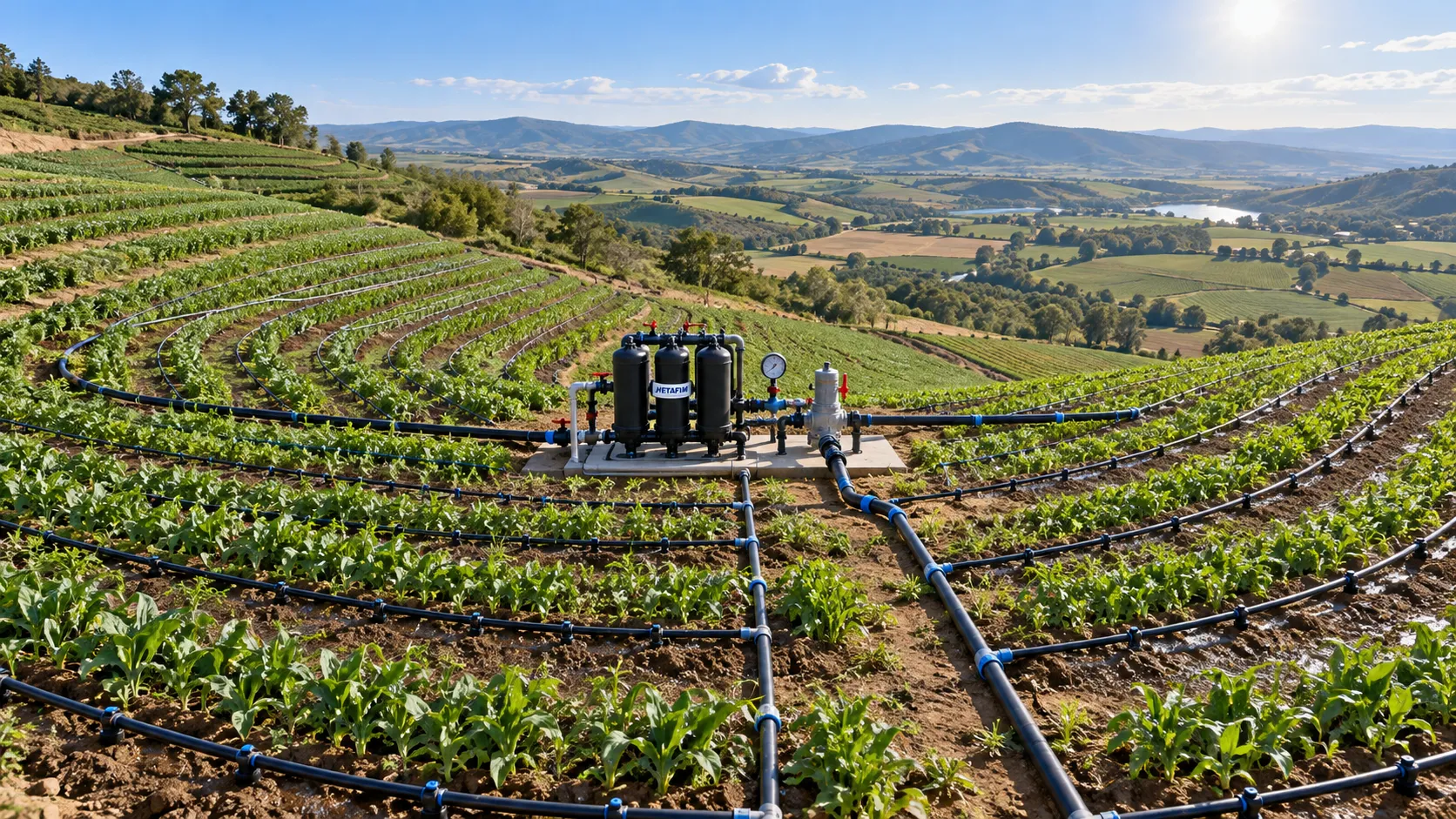
How to Size Low-Pressure Water-Saving Irrigation Systems for Uneven Fields
Low pressure water-saving irrigation systems for uneven fields: learn zoning, pressure mapping, pipe sizing, and pump selection to improve uniformity and reduce water waste.
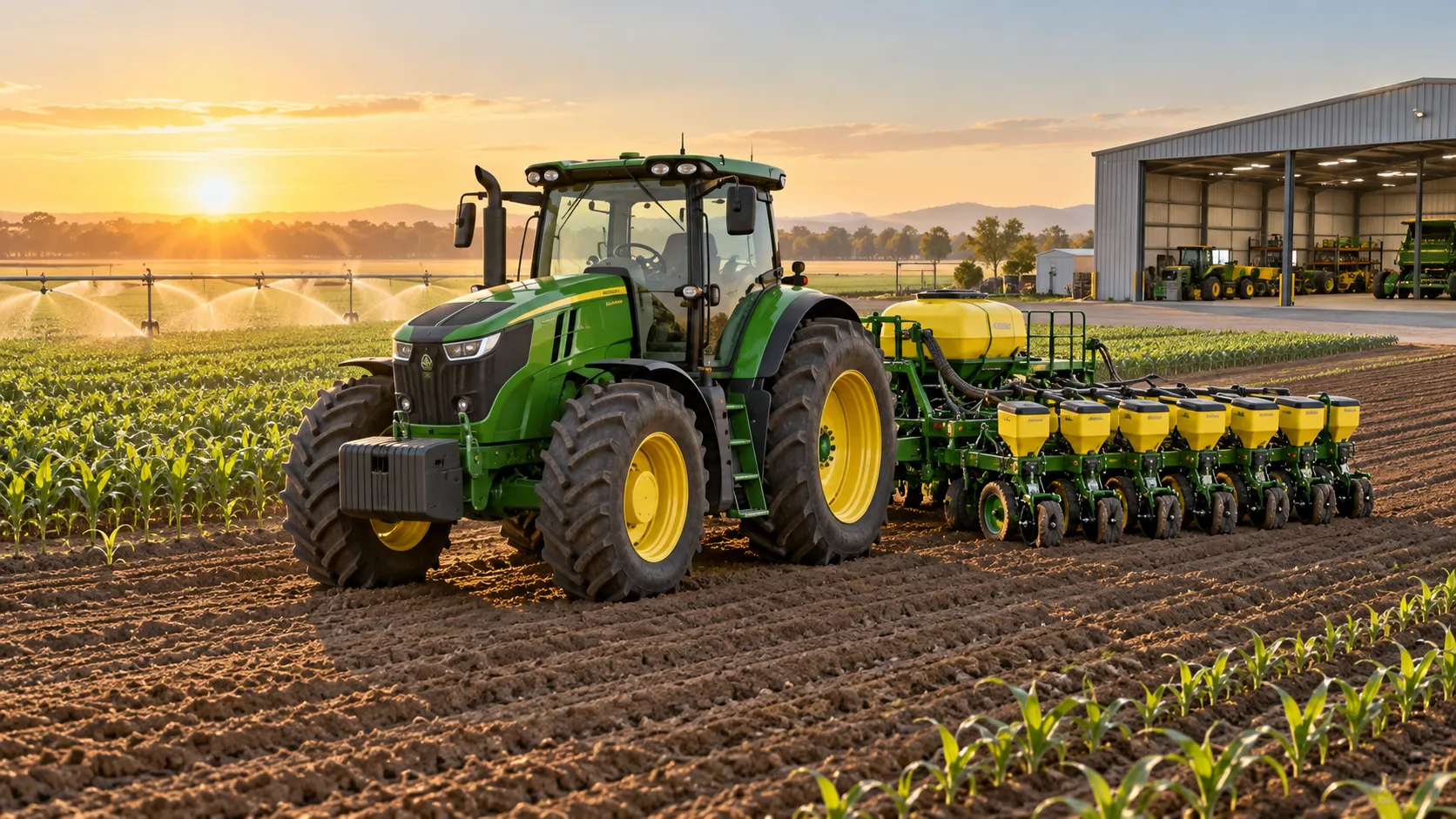
Farm Machinery Sourcing: How to Vet Suppliers, Specs, and Lifecycle Costs
Farm machinery information for sourcing: learn to vet suppliers, compare specifications, control lifecycle costs, and secure reliable uptime for smarter equipment purchases.
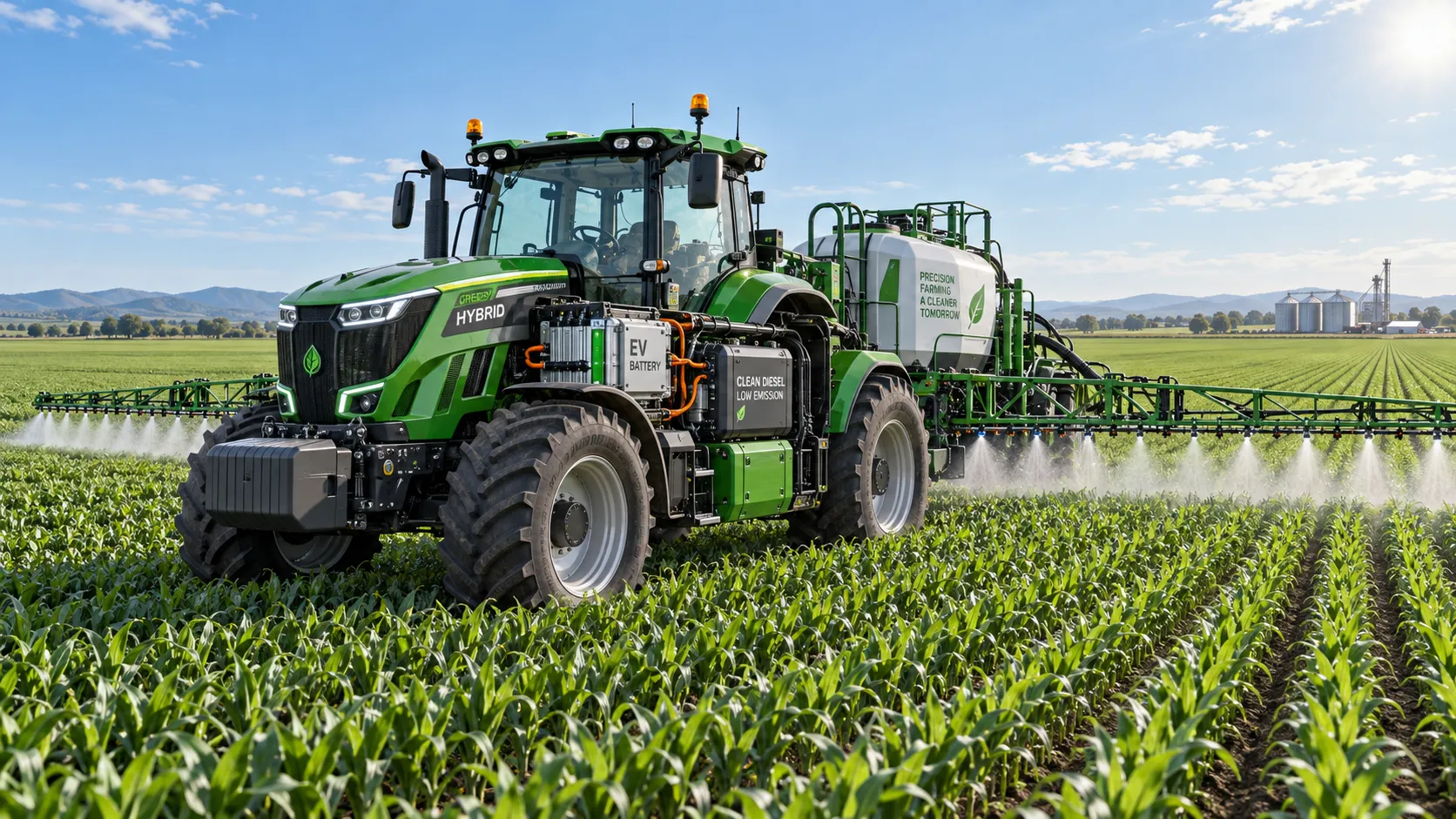
Can hybrid propulsion systems reduce fuel use in farm machinery?
Hybrid propulsion systems for agricultural machinery can cut fuel use and boost productivity. Explore savings potential, key trade-offs, and smart investment factors.
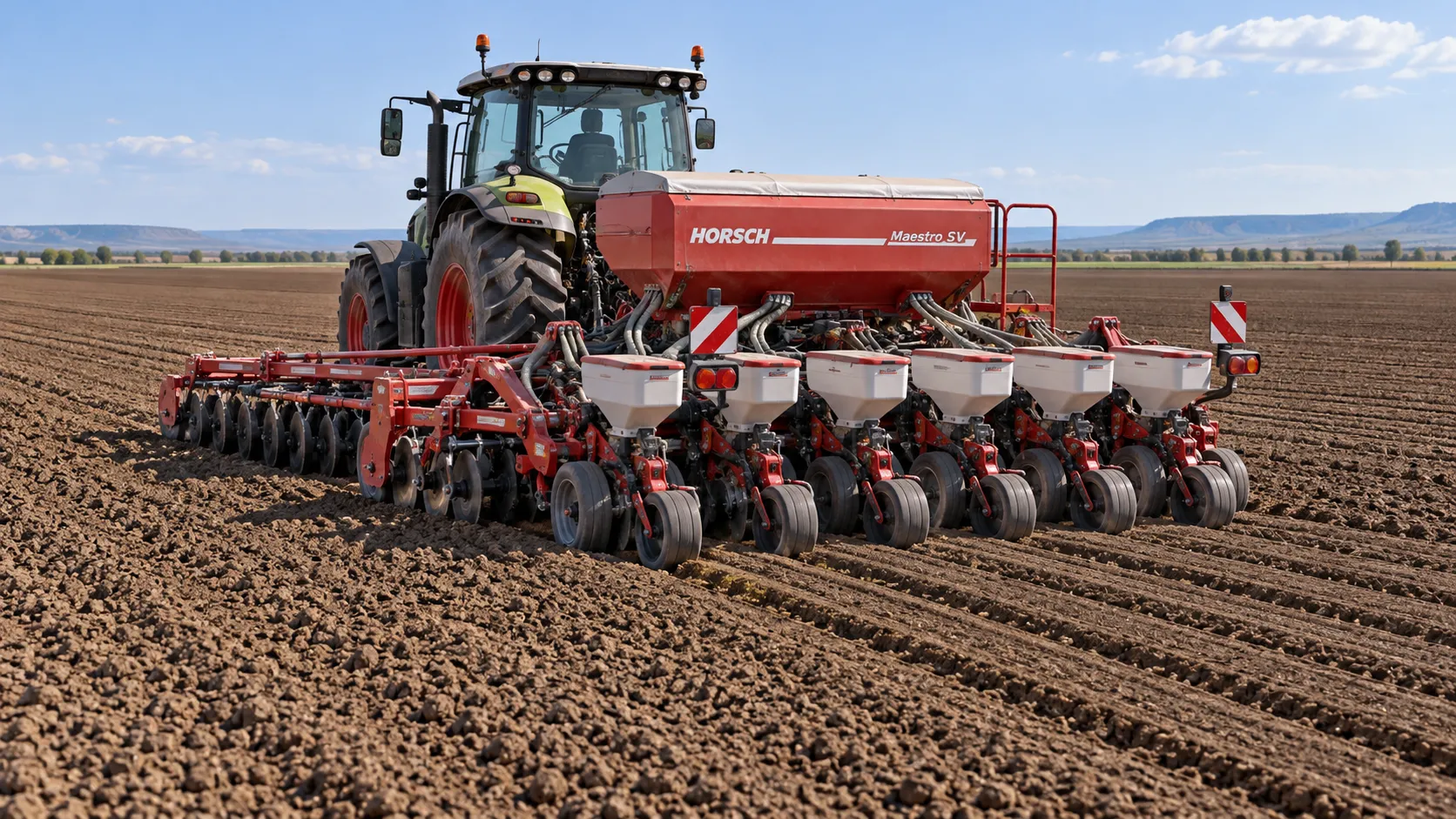
What to compare in integrated seeding combinations for heavy soils
Compare integrated seeding combinations for heavy soils: depth control, residue flow, consolidation, traction, and field capacity for more uniform crop establishment.
When an integrated seeding combination improves field efficiency
Integrated seeding combination improves field efficiency, protects planting windows, and balances speed with seedbed quality, tractor capacity, and reliable establishment.
Which costs matter most when calculating precision agriculture ROI?
Calculating ROI on precision agriculture equipment? Discover the costs that shape returns, from installation and subscriptions to downtime, labor, and data integration.
Related News
- 00
0000-00
Comparing Farm Equipment Supplier Quotes: Price, Freight, and Warranty - 00
0000-00
Choosing a Digital Farming Platform Provider: Compatibility and Data Ownership - 00
0000-00
How Large-Scale Farm Telematics Cuts Downtime Across Mixed Fleets - 00
0000-00
Farm Machinery Sourcing: How to Vet Suppliers, Specs, and Lifecycle Costs - 00
0000-00
Which costs matter most when calculating precision agriculture ROI?
Popular Tags
Ms. Elena Rodriguez
Weekly Insights
Stay ahead with our curated technology reports delivered every Monday.