
How to Evaluate Climate-Smart Agriculture Equipment for Measurable Farm ROI
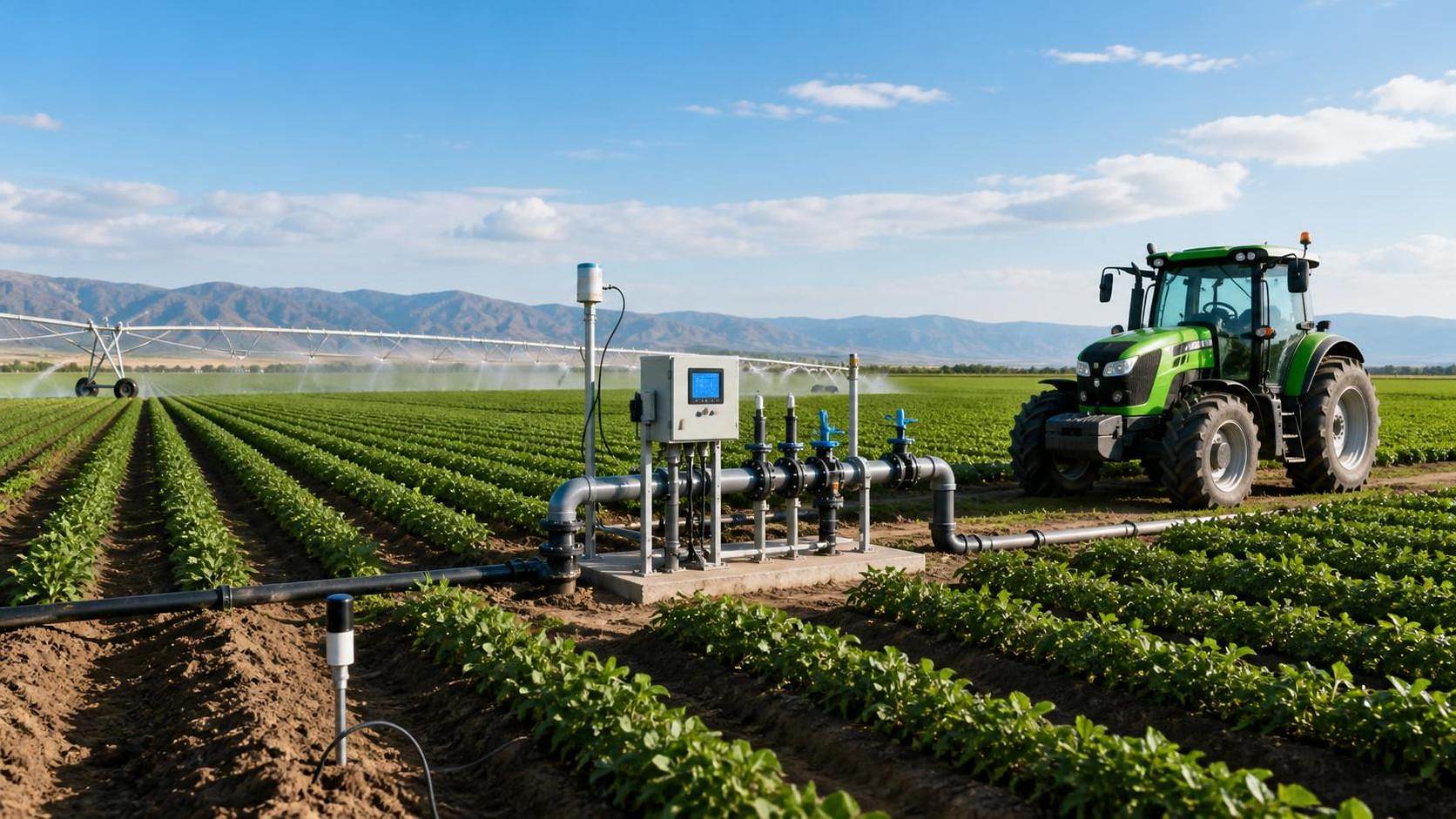




Climate-smart agriculture equipment is often evaluated through a sustainability lens: lower fuel use, reduced water withdrawal, less nutrient loss, improved soil protection, or better reporting against environmental targets. Those outcomes matter, but they are not sufficient grounds for a capital purchase. The more useful question is whether a proposed machine or system can improve the farm’s economic resilience under variable weather, labor constraints, rising input costs, and increasingly demanding supply-chain requirements.
A credible investment case must connect technical capability to field-level financial outcomes. This means moving beyond brochure specifications and asking how equipment changes the cost, timing, quality, and risk profile of actual operations. A precision planter may justify its premium through stand establishment and reduced reseeding rather than its guidance accuracy alone. A variable-rate irrigation system may create value through yield protection during water restrictions, not merely lower pumping hours. A combine with automated adjustment may pay back by preserving grain quality and reducing harvest losses during narrow weather windows.
The right evaluation framework therefore treats climate-smart agriculture equipment as an operating asset, not as an isolated technology purchase.
Define the business problem before comparing equipment
“Climate-smart” covers a wide range of equipment: conservation tillage implements, high-efficiency tractors, section-controlled sprayers, precision seeders, sensor-equipped combines, autonomous field tools, drip irrigation, variable-rate pivots, soil-moisture monitoring networks, and farm-data platforms. These solutions address different constraints. Comparing them under one generic return-on-investment model usually produces weak conclusions.
The starting point should be a specific operational bottleneck with a measurable baseline. Common examples include:
- Yield variability caused by uneven seed placement, compaction, water stress, or delayed harvest;
- High diesel consumption per hectare or excessive tractor passes;
- Water use that cannot be linked to crop demand, soil conditions, or pumping cost;
- Input overlap and inconsistent application of seed, fertilizer, or crop protection products;
- Labor shortages during planting, irrigation, and harvesting peaks;
- Grain loss, quality discounts, or downtime during a compressed harvest period;
- Inability to document water, nutrient, fuel, or field-operation data for buyers, lenders, insurers, or regulators.
Each problem requires a different investment hypothesis. If the main exposure is harvest delay caused by wet weather, expanding combine capacity or improving machine uptime may matter more than adopting another layer of agronomic software. If pumping cost and water allocation are the core risks, irrigation scheduling and distribution uniformity may deliver more value than a high-end tractor upgrade.
Procurement teams should require a one-sentence investment hypothesis: this equipment is expected to improve a defined field operation, under identifiable conditions, by reducing a measurable cost or protecting measurable revenue. If the supplier, agronomy team, and operations manager cannot agree on that sentence, ROI estimates will be speculative.
Build ROI from cash flows, not from feature lists
The purchase price is only the most visible part of the investment. Climate-smart equipment can carry significant indirect costs: installation, site preparation, connectivity, software subscriptions, operator training, calibration, data-management services, spare parts, and working capital tied up in seasonal inventory. For irrigation projects, electrical upgrades, filtration, pipework, water storage, pumping capacity, and permitting can exceed the headline cost of smart controllers or sensors.
A practical evaluation separates value into four cash-flow categories.
For each category, calculate annual benefits under conservative, expected, and adverse conditions. A simple payback period is useful for screening, but it should not be the only financial test. Larger machinery, irrigation infrastructure, and integrated digital systems have multi-year lives and uneven cash flows. Net present value, internal rate of return, and sensitivity analysis provide a more realistic view, particularly when interest rates, commodity prices, water charges, and input costs are volatile.
The basic annual net benefit can be expressed as:
Annual net benefit = additional revenue + avoided losses + operating savings − added annual operating costs.
Added annual operating costs should include subscriptions, replacement parts, repairs, communications charges, additional labor for data handling, and the time required for calibration. Depreciation and financing costs should be assessed separately in the investment model. Too many business cases count a projected reduction in fertilizer or water use but omit the recurring cost of the platform needed to make those savings possible.
Measure performance at the field-operation level
Equipment performance should be tested where value is created: in the field, at the pump, in the grain tank, or at the farm gate. Manufacturer claims can guide shortlisting, but they do not replace evidence from comparable crop systems, soil types, acreage, labor conditions, and climate patterns.
For machinery, relevant measures often include effective field capacity, fuel use per hectare, field efficiency, downtime hours, maintenance intervals, residue handling, soil disturbance, compaction risk, and quality of work at normal operating speeds. A machine that performs exceptionally in a demonstration may deliver a different outcome when operated by seasonal staff, in irregular field shapes, or during a narrow planting or harvest window.
For combines, measurable ROI frequently depends on a combination of throughput, grain loss, grain damage, moisture handling, and service availability. Higher capacity has limited value if the grain-handling system, transport fleet, drying capacity, or storage infrastructure becomes the bottleneck. A larger harvester may also require controlled traffic planning, stronger field access, or different header logistics. The investment should be evaluated across the harvest system rather than as a standalone machine.
For irrigation, the focus should extend beyond nominal water-saving claims. Water application uniformity, pressure stability, filtration performance, leak detection, pump energy consumption, zone-level control, soil-water measurements, and crop-stage scheduling all affect realized returns. Installing sensors without a clear irrigation decision process often produces more data but not better water management. The economic gain comes when measurements change pumping schedules, application volumes, or timing in a way that protects crop performance.
Precision application equipment requires similar discipline. Section control, variable-rate capability, and guidance can reduce overlap, but actual savings depend on field geometry, operator settings, prescription quality, product logistics, and whether application maps are updated from reliable field information. A field with large, regular boundaries will have a different overlap-reduction opportunity from one divided by waterways, terraces, obstacles, and small management zones.
Separate repeatable savings from weather-dependent upside
Climate variability is one reason farms consider new equipment, yet it also makes ROI projections more difficult. A water-saving system may show its greatest value in dry years. A low-compaction system may protect yields most clearly after repeated wet-season traffic. Automated combine settings may be especially valuable when crop conditions change rapidly across a long harvest day.
These are legitimate benefits, but they should not be treated as fixed annual savings. A stronger model separates repeatable benefits from contingent resilience value.
Repeatable benefits include lower overlap, reduced idling, fewer field passes, lower labor hours, improved application accuracy, or reduced routine water use. These can often be verified within one or two seasons. Resilience benefits should be modeled as scenarios: normal season, moderately adverse season, and severe disruption. The probability assumptions should be discussed openly and based, where possible, on the farm’s own operating history rather than broad regional averages.
This distinction is important when comparing equipment with different return profiles. A basic guidance system may generate modest but predictable operating savings. A more integrated irrigation system may produce a lower return in average years but protect a high-value crop during drought restrictions. Neither is automatically superior; the decision depends on risk tolerance, crop margin, insurance arrangements, water rights, and the cost of failure.
Data integration is an operating requirement, not a technology add-on
The business value of intelligent equipment depends heavily on whether its data can be used across the operation. Compatibility problems are a frequent source of underperformance. Mixed fleets, legacy implements, different display systems, proprietary file formats, weak mobile coverage, and unclear data ownership can turn a promising precision program into a manual reporting burden.
Before purchase, map the farm’s existing technology environment: guidance displays, telematics accounts, farm-management software, weather stations, irrigation controllers, yield monitors, and agronomy platforms. Ask what data will be generated, who owns it, where it is stored, how it can be exported, and whether it can be used without dependence on a single supplier’s portal.
Interoperability standards such as ISOBUS can improve compatibility between tractors and implements, but the existence of an ISOBUS label does not guarantee that every advanced function will work seamlessly in a mixed-fleet environment. The procurement specification should identify required functions, not just preferred protocols. Examples include task data transfer, prescription import, as-applied mapping, remote diagnostics, machine-location reporting, and access to raw operational data.
Cybersecurity and access control also deserve attention. Connected machines and irrigation controllers may be operated remotely or linked to business systems. Basic safeguards should include named user accounts, role-based permissions, multifactor authentication where available, clear procedures for offboarding employees and contractors, and a defined response process if a device or account is compromised.
Supplier capability can determine the realized return
In agricultural equipment, the supplier relationship is part of the asset. This is particularly true for large combines, advanced tractors, irrigation systems, autonomous tools, and technology stacks that need seasonal calibration and software support. A lower purchase price can become expensive if parts availability, field service response, or technical competence is weak during planting and harvest.
Due diligence should examine local service coverage, critical spare-parts availability, technician training, diagnostic capability, warranty exclusions, software support terms, and escalation procedures during peak season. For imported equipment, include lead times for parts, customs exposure, local electrical and hydraulic standards, language support, and responsibility for commissioning.
Reference checks should focus on operational evidence rather than general satisfaction. Useful questions include: How quickly was a fault resolved during a critical operating window? Did expected fuel, water, or input savings appear in real use? How much operator intervention was required? Were subscriptions or optional modules necessary to achieve the advertised functionality? Did the supplier provide usable training for managers as well as operators?
For irrigation projects, supplier assessment should include hydraulic design competence, water-quality analysis, filtration sizing, emitter or nozzle maintenance requirements, winterization needs, and the ability to support system changes as crop patterns evolve. A technically sound controller cannot compensate for poor system design or inadequate maintenance discipline.
Plan implementation as a controlled operating change
Many climate-smart agriculture equipment projects disappoint because implementation is treated as delivery and installation rather than as a change in field operations. The transition may require new machine-routing rules, revised agronomy protocols, irrigation scheduling responsibilities, operator incentives, maintenance routines, and data-review meetings.
A staged rollout is often safer than a full-farm deployment. Select representative fields, establish a baseline, define the intended operating practice, and compare results against a credible control area or historical benchmark. The aim is not to create a perfect scientific trial; it is to determine whether the equipment changes decisions and outcomes under normal commercial conditions.
Key performance indicators should be agreed before the first season. Depending on the investment, these may include hectares completed within the target window, liters of fuel per hectare, cubic meters of water per tonne of crop, application overlap, unplanned downtime, grain loss, irrigation uniformity, labor hours, yield variability, or quality-discount reduction. A small number of operational KPIs is more useful than a dashboard full of metrics nobody reviews.
Contracts should also define acceptance criteria. For equipment purchases, these can include commissioning tests, operator training, documentation, data-access arrangements, performance verification, and a process for resolving faults discovered during the first operating season. For complex irrigation and precision projects, phased payment tied to installation and functional acceptance can reduce execution risk.
Use a disciplined decision rule
The strongest investments in climate-smart agriculture equipment are rarely those with the longest feature lists. They are the ones that solve a material constraint, fit the farm’s operating system, generate benefits that can be measured, and can be supported reliably over their working life.
Approval should rest on a conservative financial case that remains viable when yield response is lower than expected, commodity prices soften, or adoption takes longer than planned. It should also identify the upside that matters in difficult seasons: protected harvest timing, reduced water exposure, lower dependence on scarce labor, or better ability to meet documented production requirements.
When the operational baseline is clear, the supplier is accountable, and the data can be turned into decisions, climate-smart equipment becomes more than a sustainability signal. It becomes a practical tool for protecting margin, improving resource productivity, and building a more resilient agricultural business.
Related News
Choosing a Digital Farming Platform Provider: Compatibility and Data Ownership
Compare digital farming platforms providers on equipment compatibility, data ownership, and export rights. Discover practical checks to avoid lock-in and choose with confidence.
How Large-Scale Farm Telematics Cuts Downtime Across Mixed Fleets
Large-scale farm equipment telematics cuts mixed-fleet downtime with real-time alerts, smarter maintenance, and stronger operational control. Learn how to protect critical farm workflows.
How to Size Low-Pressure Water-Saving Irrigation Systems for Uneven Fields
Low pressure water-saving irrigation systems for uneven fields: learn zoning, pressure mapping, pipe sizing, and pump selection to improve uniformity and reduce water waste.
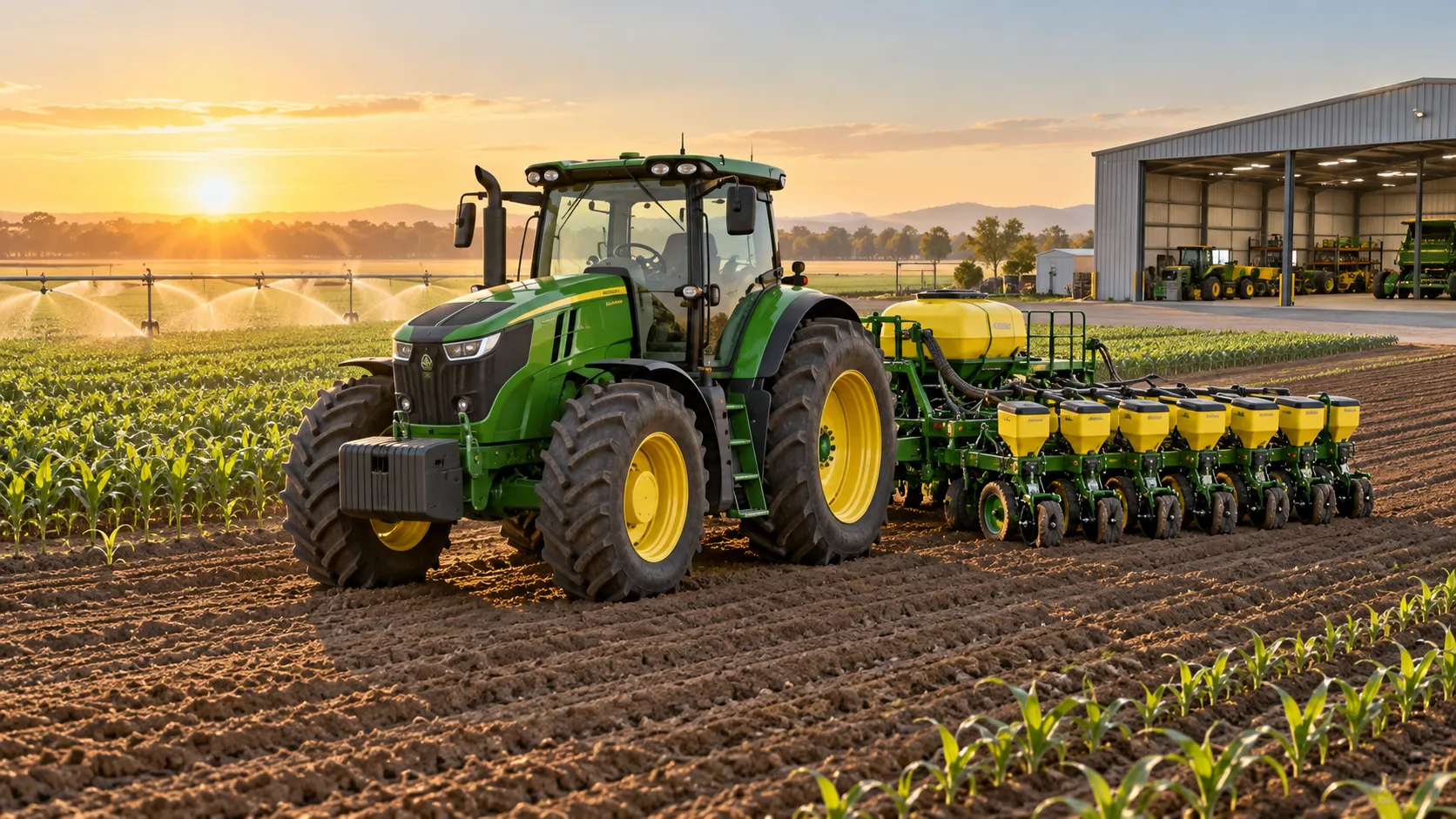
Farm Machinery Sourcing: How to Vet Suppliers, Specs, and Lifecycle Costs
Farm machinery information for sourcing: learn to vet suppliers, compare specifications, control lifecycle costs, and secure reliable uptime for smarter equipment purchases.
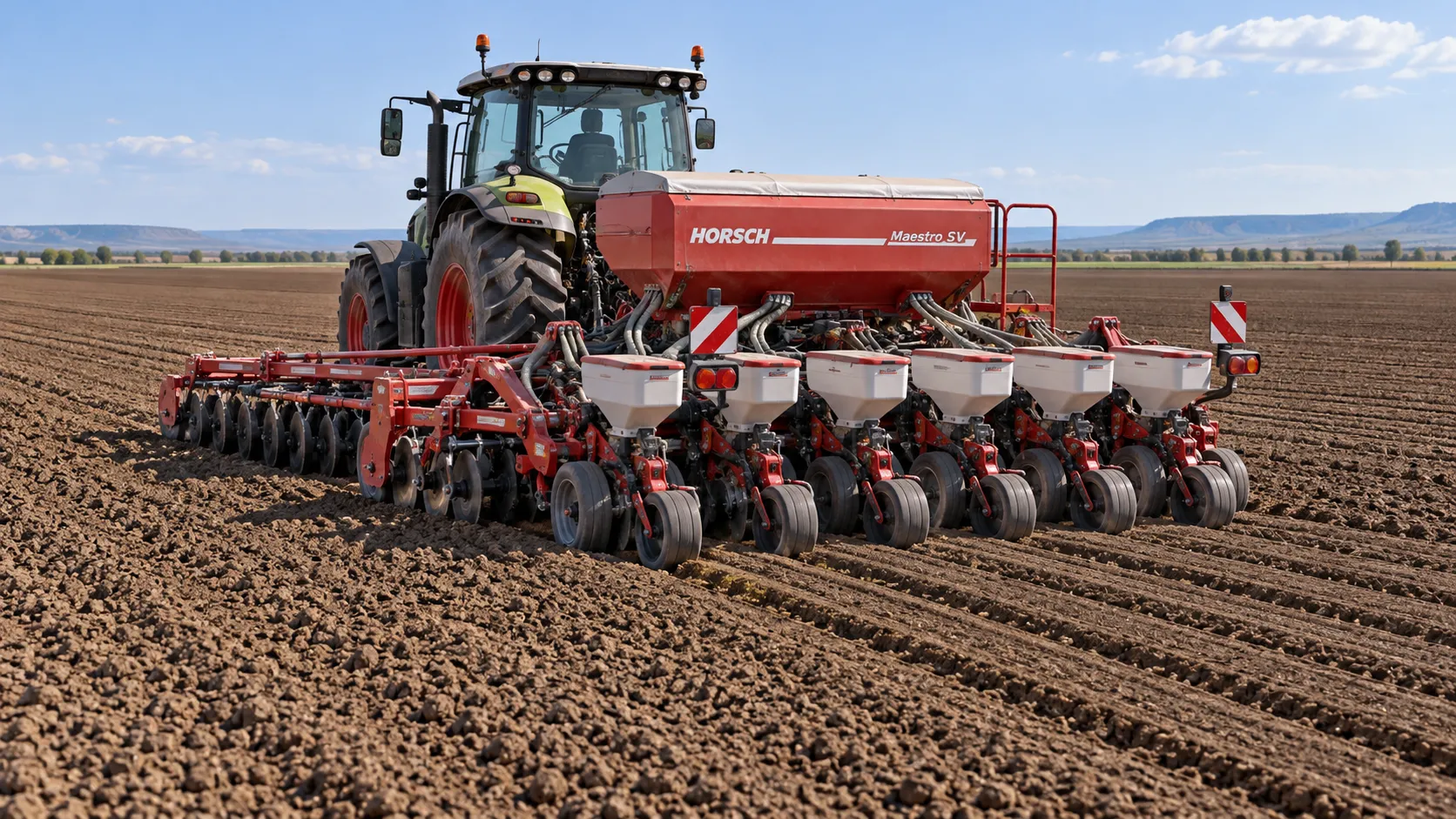
What to compare in integrated seeding combinations for heavy soils
Compare integrated seeding combinations for heavy soils: depth control, residue flow, consolidation, traction, and field capacity for more uniform crop establishment.
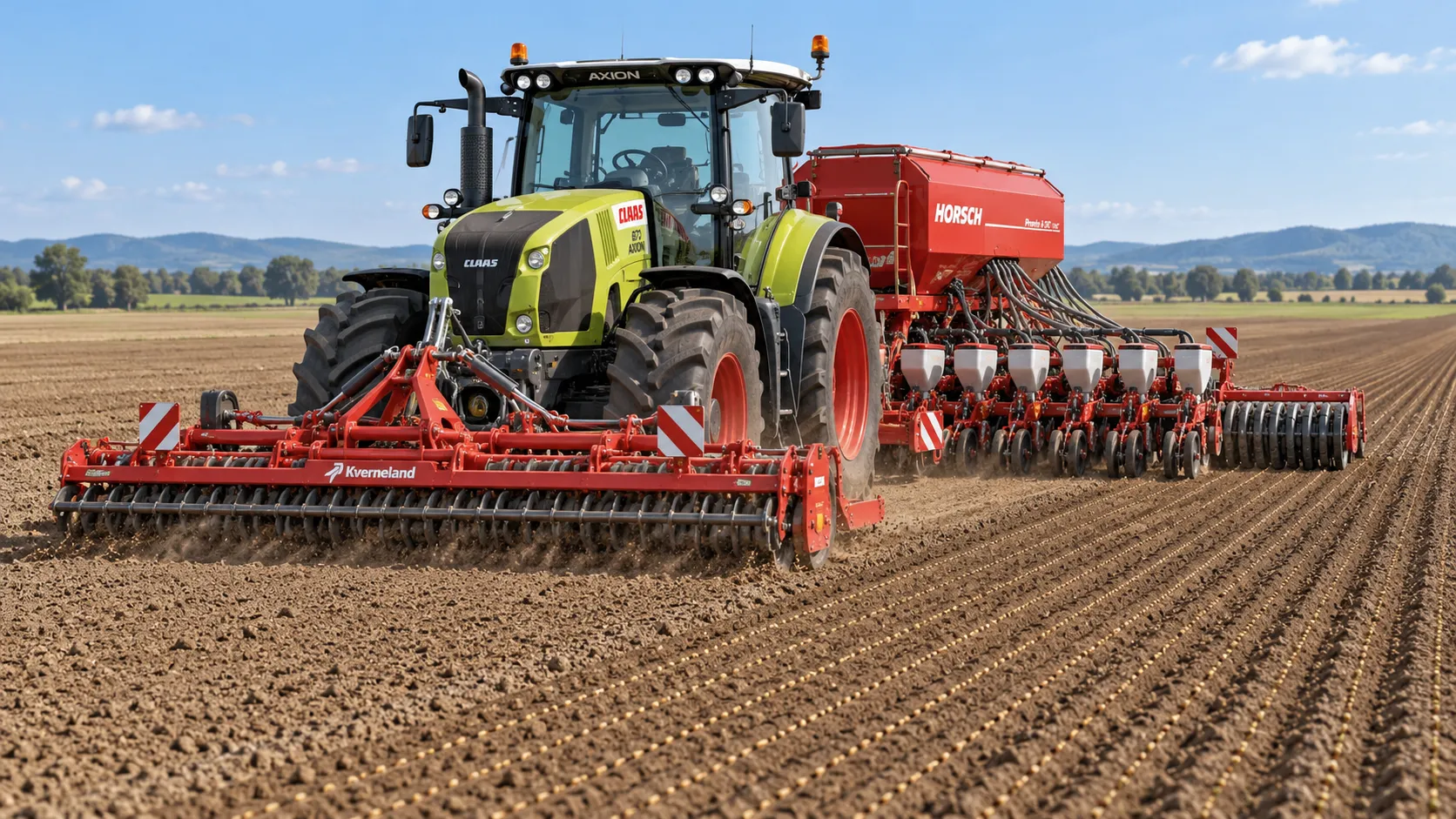
When an integrated seeding combination improves field efficiency
Integrated seeding combination improves field efficiency, protects planting windows, and balances speed with seedbed quality, tractor capacity, and reliable establishment.
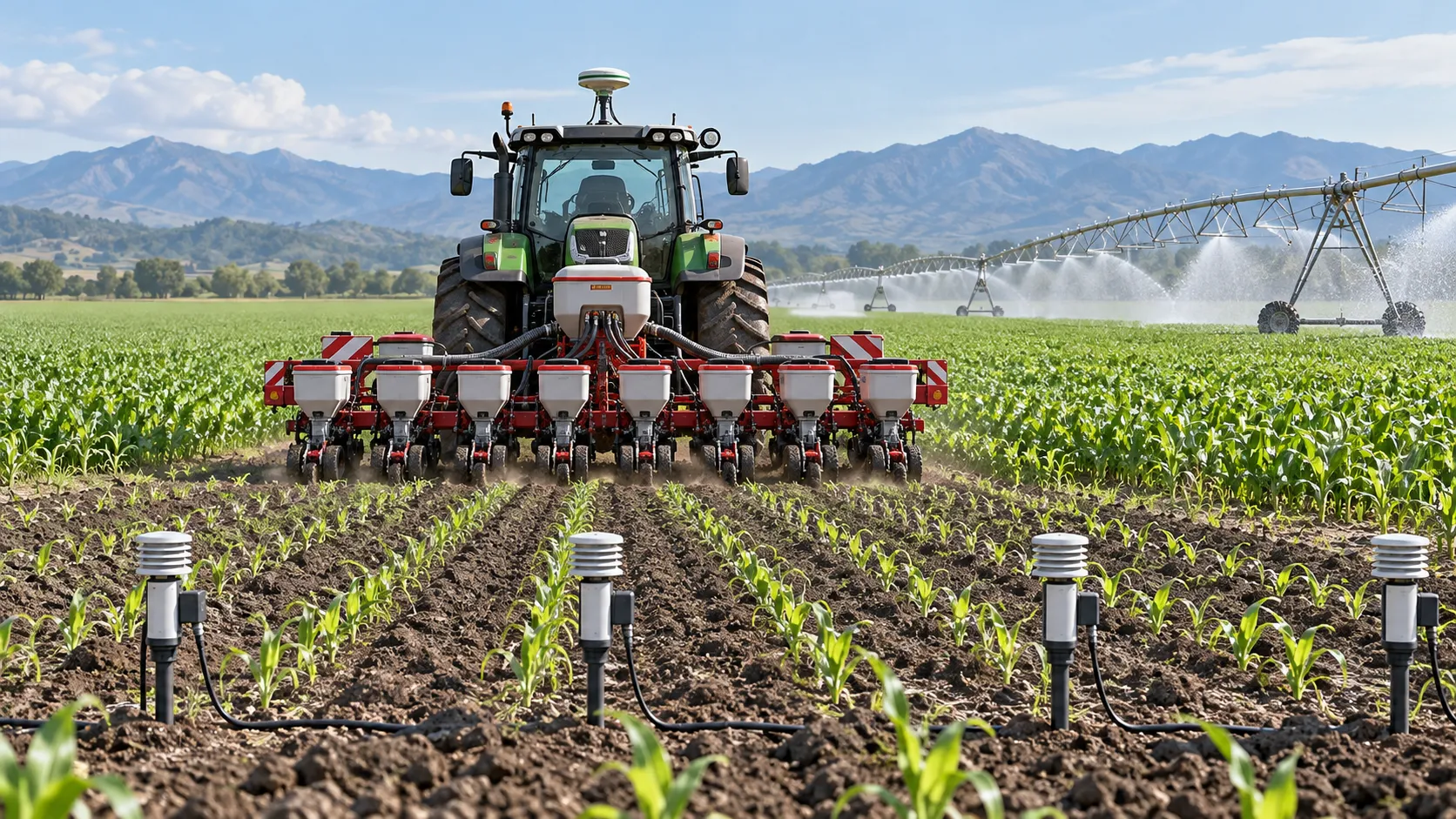
Which costs matter most when calculating precision agriculture ROI?
Calculating ROI on precision agriculture equipment? Discover the costs that shape returns, from installation and subscriptions to downtime, labor, and data integration.
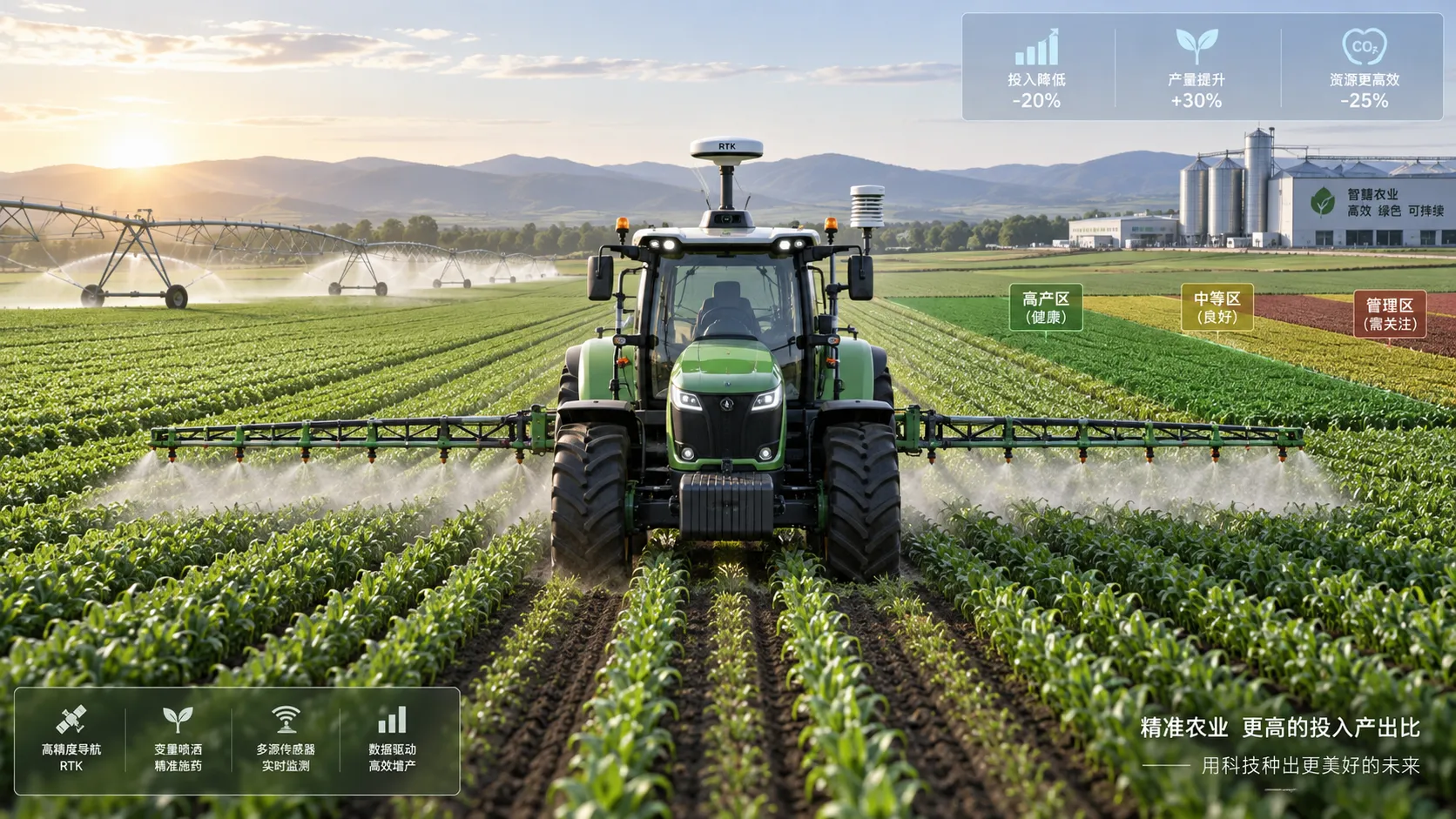
How to calculate ROI on precision agriculture equipment before buying
Calculating ROI on precision agriculture equipment: learn to assess total ownership costs, savings, payback, NPV, risks, and farm-scale value before you buy.
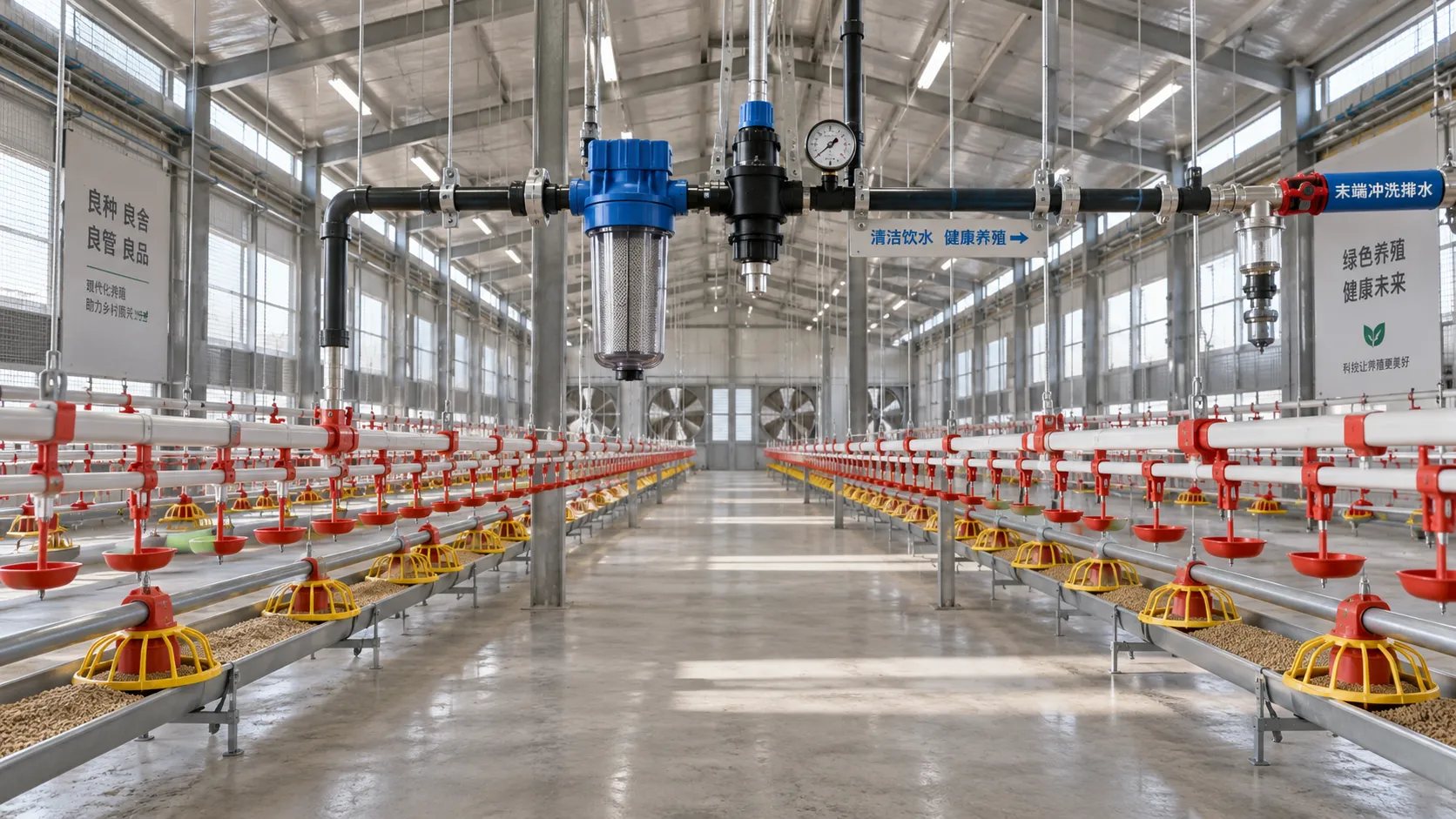
Planning Nipple Drinker Installation for Different Chicken House Layouts
How to install nipple drinker for chicken houses: plan line layouts, pressure control, flushing access, and maintenance for reliable water delivery.
Related News
- 00
0000-00
Choosing a Digital Farming Platform Provider: Compatibility and Data Ownership - 00
0000-00
How Large-Scale Farm Telematics Cuts Downtime Across Mixed Fleets - 00
0000-00
Farm Machinery Sourcing: How to Vet Suppliers, Specs, and Lifecycle Costs - 00
0000-00
Which costs matter most when calculating precision agriculture ROI? - 00
0000-00
How to calculate ROI on precision agriculture equipment before buying
Popular Tags
Ms. Elena Rodriguez
Weekly Insights
Stay ahead with our curated technology reports delivered every Monday.