Choosing a Digital Farming Platform Provider: Compatibility and Data Ownership
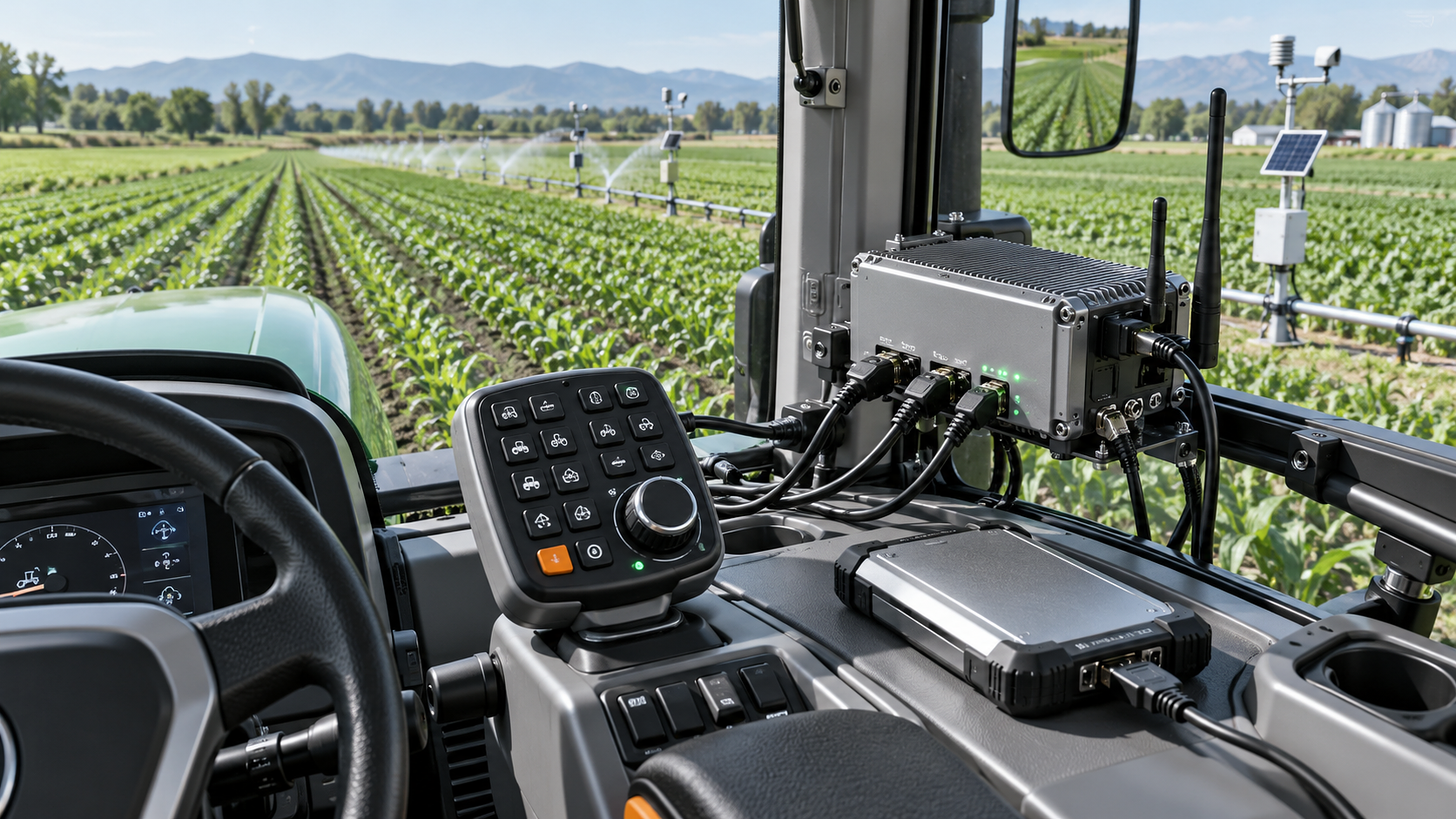




A digital farming platform can display machinery locations yet fail to send a usable prescription to an implement controller. It may collect irrigation readings but make historical records difficult to retrieve when the subscription ends. For procurement teams comparing digital farming platforms providers, these gaps can mean interrupted fieldwork, duplicate data entry, and unexpected switching costs.
Choose on demonstrated workflow compatibility and enforceable data rights, not dashboard appearance. Before committing, require the provider to prove that your equipment, software, and connectivity conditions support the intended tasks. Then confirm what information you can access, how the provider may use it, and whether a complete, usable export remains available at termination. Treat both requirements as purchasing gates rather than optional features.
Define the field workflows before comparing subscriptions
“Compatible with our fleet” is too broad to evaluate. A tractor display, a combine’s yield-monitoring system, and an irrigation controller may each exchange different information through different routes. Some connections are automatic; others depend on files, gateways, separate accounts, or manual uploads.
Build a short inventory covering equipment model, controller or display version, firmware, existing software, connectivity, and required data direction. Record whether the task needs information flowing into the platform, back to equipment, or both. Reading machine status is not equivalent to issuing commands.
Translate that inventory into purchasing requirements tied to actual work:
- Prescription application: move a field boundary and rate map from the planning system to the correct controller, with units and product identifiers preserved.
- Harvest analysis: collect yield and moisture records while retaining timestamps, spatial detail, and relevant calibration information.
- Irrigation scheduling: combine sensor readings with scheduling decisions, and distinguish advisory recommendations from direct controller operation.
- Operational reporting: reconcile completed work with field, operator, equipment, and input records without routine re-entry.
Classify each workflow as essential, deferrable, or optional. This prevents a supplier’s broad feature list from overshadowing a missing connection that determines whether the platform can be used during planting or harvest.
Demand evidence at the controller and file level
A compatibility logo or equipment-brand list is only a starting point. Support may vary by machine generation, display configuration, firmware, installed options, and integration permissions. Request a written compatibility matrix for the assets you actually operate, including dependencies and exclusions.
Separate connection from operational interoperability
There are several distinct claims to verify: the platform can receive data, interpret it correctly, preserve its meaning, and return an output another system can use. A supplier may satisfy the first claim without satisfying the others. An imported field map can look correct while carrying the wrong coordinate reference, application units, or field identifier.
Standards support needs equally careful interpretation. ISOBUS-related capabilities concern particular equipment functions; they do not automatically establish cloud-to-cloud interoperability. Likewise, offering CSV or geospatial exports does not guarantee that another application will understand every attribute. Ask which functions, schemas, file versions, and data fields are supported, rather than accepting “open standards” as a complete answer.
For APIs, establish who maintains the connector and what happens when either system changes. Obtain notice periods for breaking changes and clarify responsibility for troubleshooting. An integration maintained by an external party may be workable, but its support obligations should not disappear between contracts.
Run a pilot that includes imperfect conditions
A demonstration using supplier-prepared data proves less than a controlled trial with representative farm records. Select a small set of workflows spanning your critical equipment types. Agree on acceptance criteria before the pilot begins, so a visually successful dashboard does not substitute for completed work.
- Import representative records. Include field boundaries, machinery data, and sensor readings relevant to the purchase. Check missing fields, duplicates, timestamps, units, and spatial alignment.
- Complete an end-to-end task. Send a prescription through the intended route and retrieve the resulting work record. For monitoring-only systems, validate ingestion and reporting instead of assuming control capability.
- Interrupt connectivity. Determine which functions remain available offline, how records are queued, and whether reconnection creates gaps or duplicates.
- Export and independently inspect the results. Open the files in another suitable tool and compare record counts, attributes, and spatial content.
Harvest deserves particular attention because polished maps can conceal incomplete inputs. Check whether the platform preserves calibration context, handles overlapping passes transparently, and distinguishes measured values from processed estimates. For irrigation, verify stale-data warnings and time-zone handling before relying on recommendations or schedules.
Where remote control is included, define authorization, command acknowledgement, and local override arrangements. Confirm how equipment behaves when communication is lost. Platform availability must not be confused with safe equipment operation; control changes should be reviewed against the controller’s supported functions and operating requirements.
Read “data ownership” as a bundle of contractual rights
A statement that “the farmer owns the data” is insufficient if other clauses grant broad reuse rights, restrict exports, or allow deletion immediately after cancellation. The legal treatment of agricultural data can vary by jurisdiction and data type. Procurement should therefore secure explicit contractual rights rather than assume that ownership language settles every question.
Start by defining the covered information. Distinguish farm-uploaded records, machine-generated telemetry, operator information, sensor readings, and platform-generated outputs. Establish whether processed yield layers, irrigation recommendations, annotations, and management zones are included in access and export rights. Proprietary model code is different from the farm-specific results the buyer needs to retain.
The agreement should specify who may access each category and for what purposes. Contractors, dealers, agronomists, equipment manufacturers, and affiliated companies should not be treated as interchangeable recipients. Determine whether access requires customer authorization and whether that authorization can be withdrawn without losing unrelated platform functions.
Pay particular attention to licenses for analytics, product development, model training, benchmarking, and commercial sharing. “Aggregated” or “de-identified” wording deserves clarification: location, operating patterns, and small comparison groups can still create identification concerns. Request the provider’s safeguards and contractual restrictions without assuming that removing a farm name eliminates every risk.
- Permitted use: separate processing needed to deliver the service from optional secondary uses.
- Sharing: identify recipient categories, purposes, and authorization requirements.
- Control: establish role-based permissions, access logging, and procedures for removing users.
- Retention: define active-account, post-termination, and backup retention periods.
- Changes: specify notice and customer remedies if data-use terms materially change.
Farm-generated records can also contain employee, contractor, or landowner information. Where privacy obligations apply, have the relevant terms reviewed for the jurisdictions involved. This is a separate issue from whether the farm can export its yield maps.
Test the exit while the supplier is still competing
The strongest portability test is not whether an export button exists, but whether a replacement system can reconstruct useful records from the output. Request a sample covering raw observations, processed layers, field identifiers, dates, units, coordinate references, and metadata. Confirm that relationships between records survive export.
A PDF report may preserve a summary but not the underlying information needed for future analysis. A CSV may retain values while losing geometry or calibration context. Ask for formats appropriate to each dataset, with a data dictionary explaining field names, codes, missing values, and transformations.
Contractual exit terms should answer practical questions: Can you export during the subscription and after notice of termination? Is bulk extraction included? Are there volume limits or assistance fees? How long does access remain available, and when does deletion occur? Can another provider retrieve the information with your authorization?
Also establish what cannot transfer. Historical recommendations may depend on a proprietary model, and saved workflows may be platform-specific. Such limitations do not automatically disqualify a supplier, but they must be disclosed and priced into the decision. Essential farm records should not become inaccessible merely because their presentation layer is proprietary.
Compare provider types against your integration burden
An equipment-linked platform may fit a largely uniform fleet because its native connections can reduce setup effort. Its limitations become more important when the operation adds mixed machinery or needs independent irrigation and agronomy tools. Test those interfaces before assuming the native advantage extends across the farm.
A vendor-neutral platform may suit mixed fleets and multiple advisory services, provided its connectors cover the required functions. Neutral positioning alone does not establish completeness: each connection can have different data depth, update timing, and support arrangements.
An integration-focused platform may offer greater flexibility where internal or contracted technical support is available. That flexibility can bring responsibility for connector maintenance, data mapping, and monitoring. Procurement should identify who will perform those tasks and fund them throughout the contract, not only during implementation.
Compare total ownership costs across subscriptions, hardware gateways, connectivity, API access, data migration, onboarding, support, and exit assistance. Include manual work caused by incomplete integrations. A lower subscription price is not a lower operating cost if staff must repeatedly repair field identifiers or transfer files between systems.
Make acceptance and accountability part of the award
Use pass-or-fail gates for essential workflows, workable export rights, acceptable secondary-use terms, and safe control arrangements where relevant. Only suppliers that clear those gates should move to weighted scoring for usability, implementation effort, support, and cost. Otherwise, attractive features can mathematically outweigh a critical failure.
Attach the agreed compatibility matrix, pilot acceptance criteria, and export specification to the purchasing documents. Define who resolves missing or incorrect data, how incidents are escalated during critical fieldwork, and what remedies apply when essential integrations stop working. Obtain commitments for the services being purchased rather than relying on general marketing statements.
A phased purchase can reduce exposure when some connections remain unproven. Limit the initial deployment to validated workflows, identify dependencies for expansion, and tie later commitments to successful acceptance. Unresolved compatibility or data-control issues should remain explicit purchasing conditions, not promises to revisit after the platform holds several seasons of farm records.
Related News
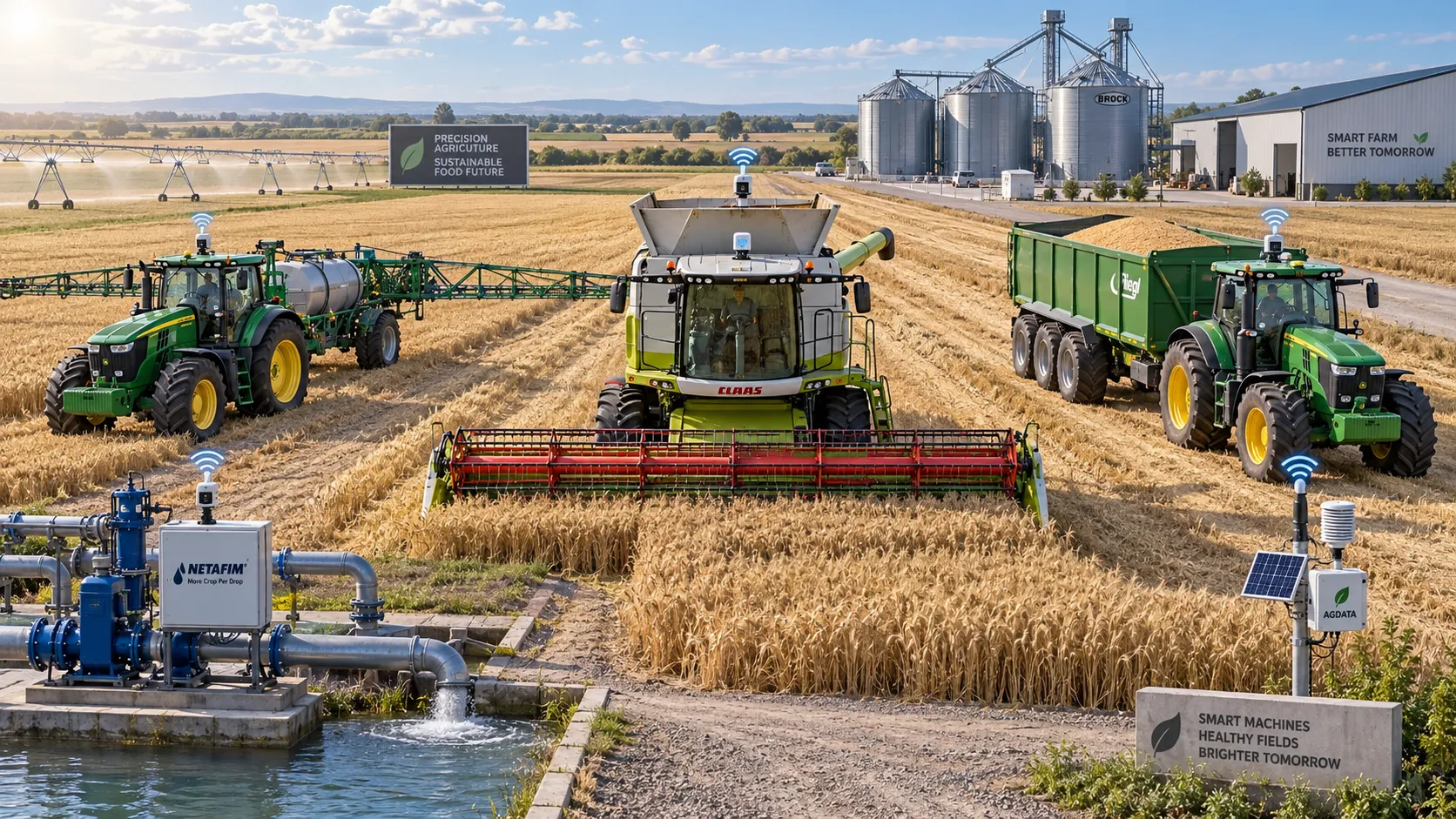
How Large-Scale Farm Telematics Cuts Downtime Across Mixed Fleets
Large-scale farm equipment telematics cuts mixed-fleet downtime with real-time alerts, smarter maintenance, and stronger operational control. Learn how to protect critical farm workflows.
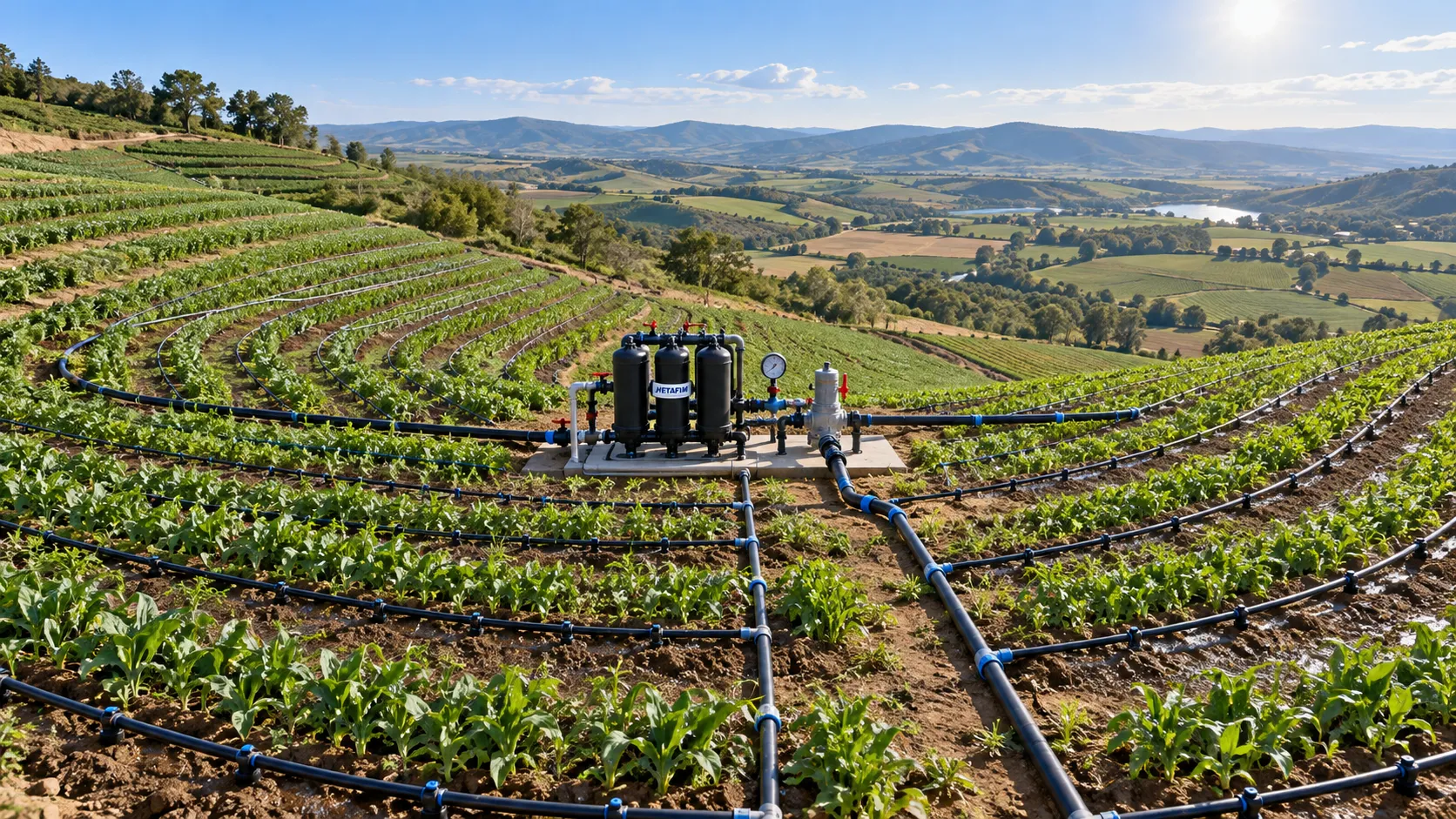
How to Size Low-Pressure Water-Saving Irrigation Systems for Uneven Fields
Low pressure water-saving irrigation systems for uneven fields: learn zoning, pressure mapping, pipe sizing, and pump selection to improve uniformity and reduce water waste.
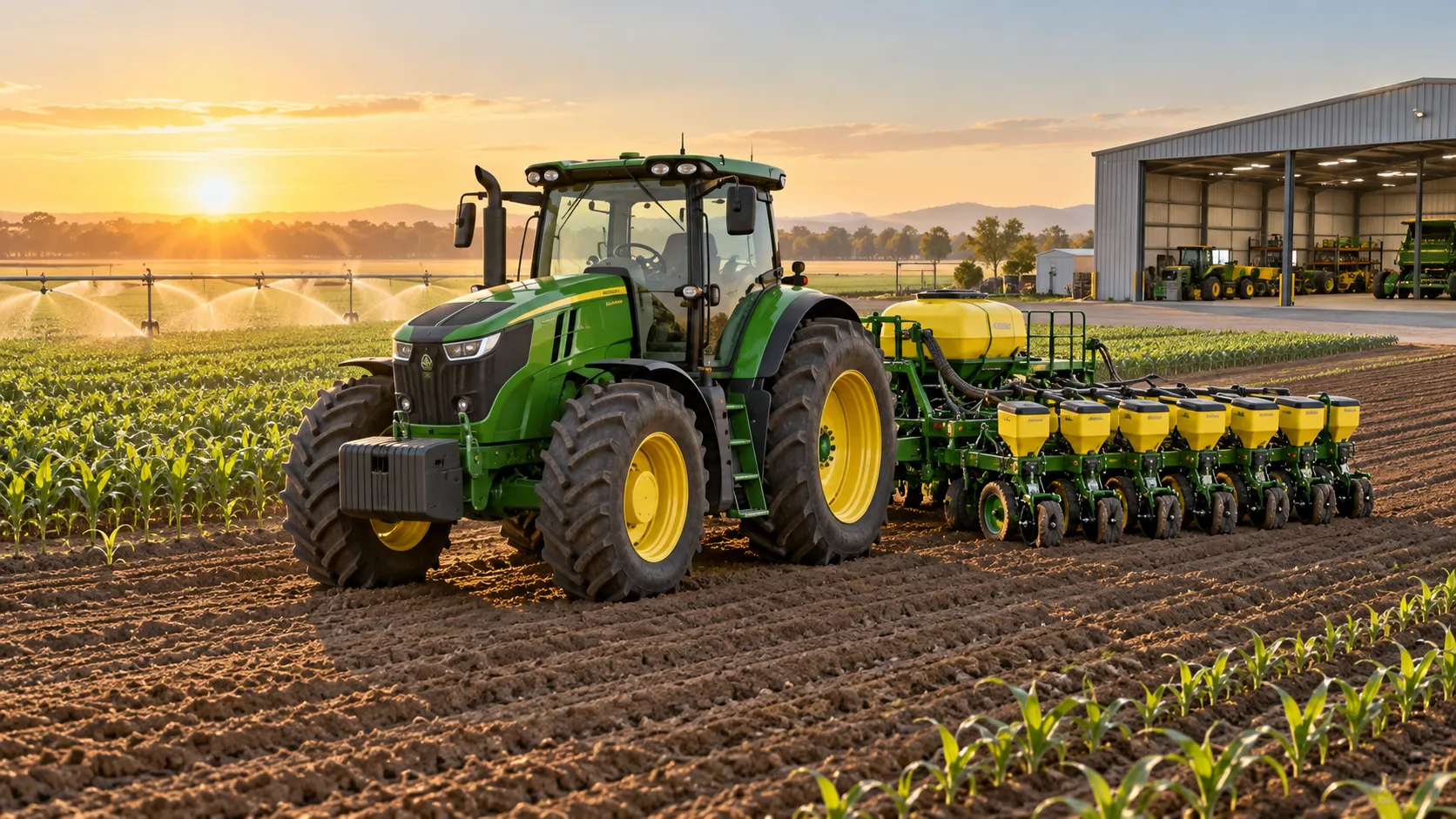
Farm Machinery Sourcing: How to Vet Suppliers, Specs, and Lifecycle Costs
Farm machinery information for sourcing: learn to vet suppliers, compare specifications, control lifecycle costs, and secure reliable uptime for smarter equipment purchases.
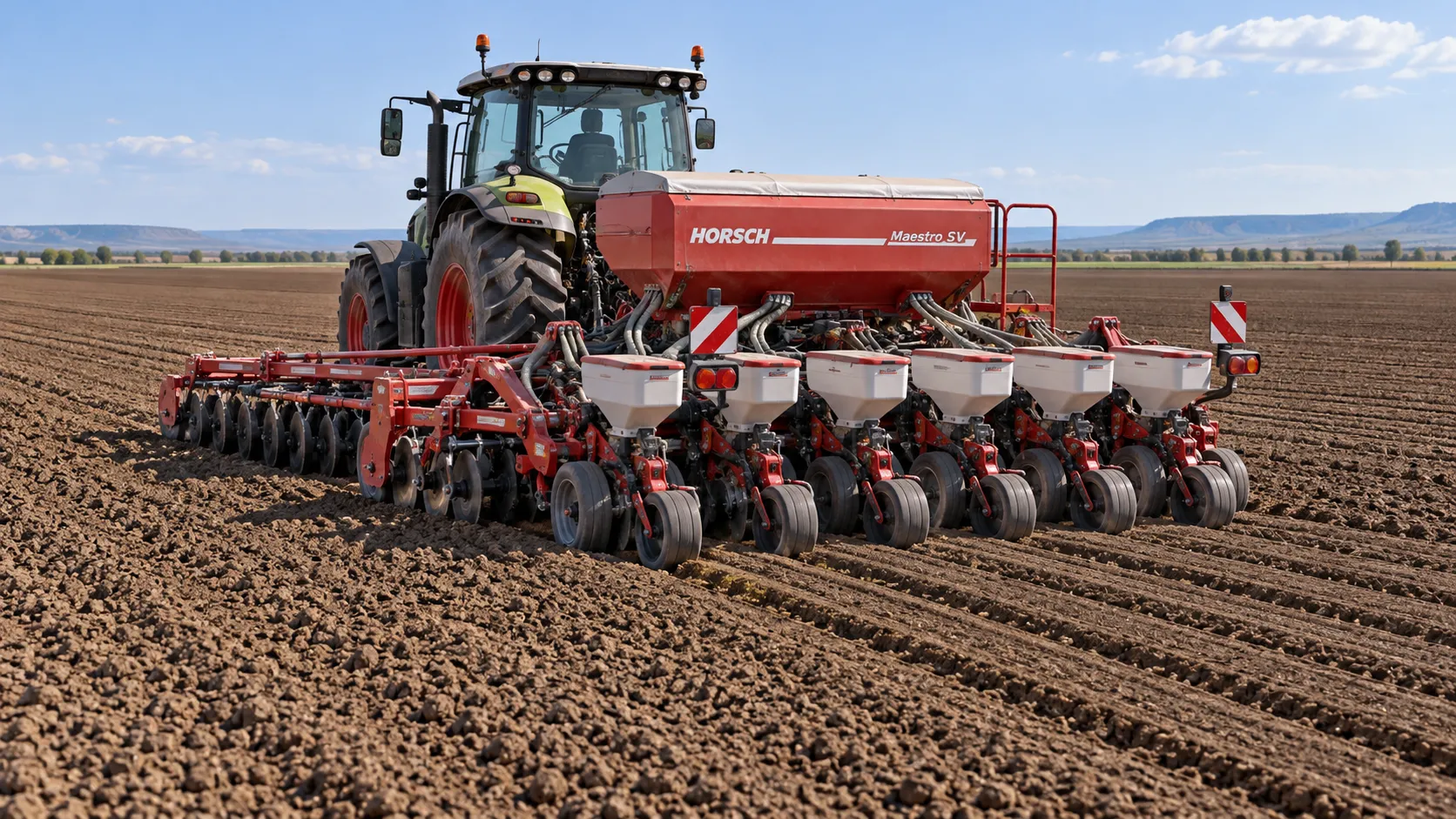
What to compare in integrated seeding combinations for heavy soils
Compare integrated seeding combinations for heavy soils: depth control, residue flow, consolidation, traction, and field capacity for more uniform crop establishment.
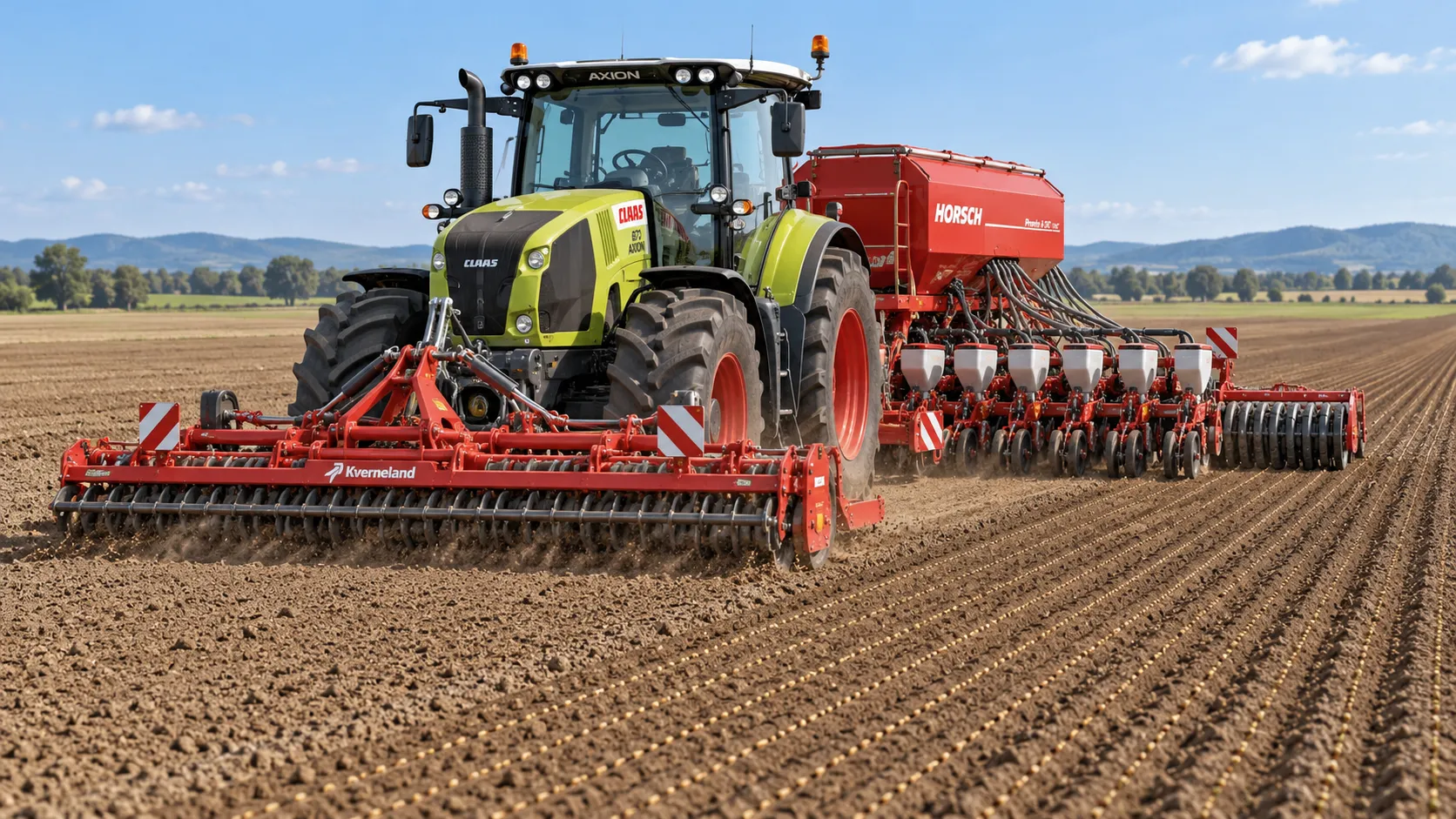
When an integrated seeding combination improves field efficiency
Integrated seeding combination improves field efficiency, protects planting windows, and balances speed with seedbed quality, tractor capacity, and reliable establishment.
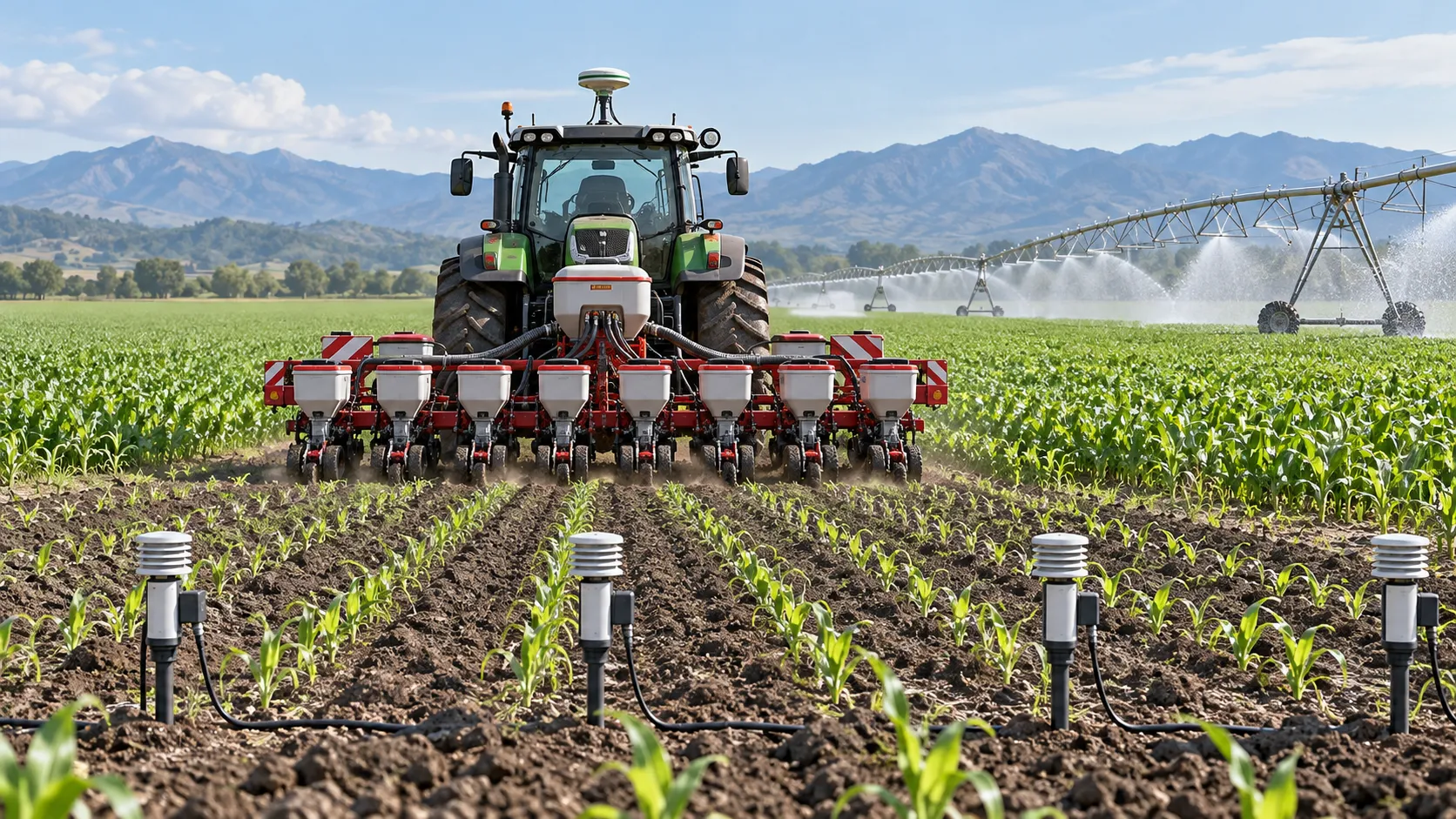
Which costs matter most when calculating precision agriculture ROI?
Calculating ROI on precision agriculture equipment? Discover the costs that shape returns, from installation and subscriptions to downtime, labor, and data integration.
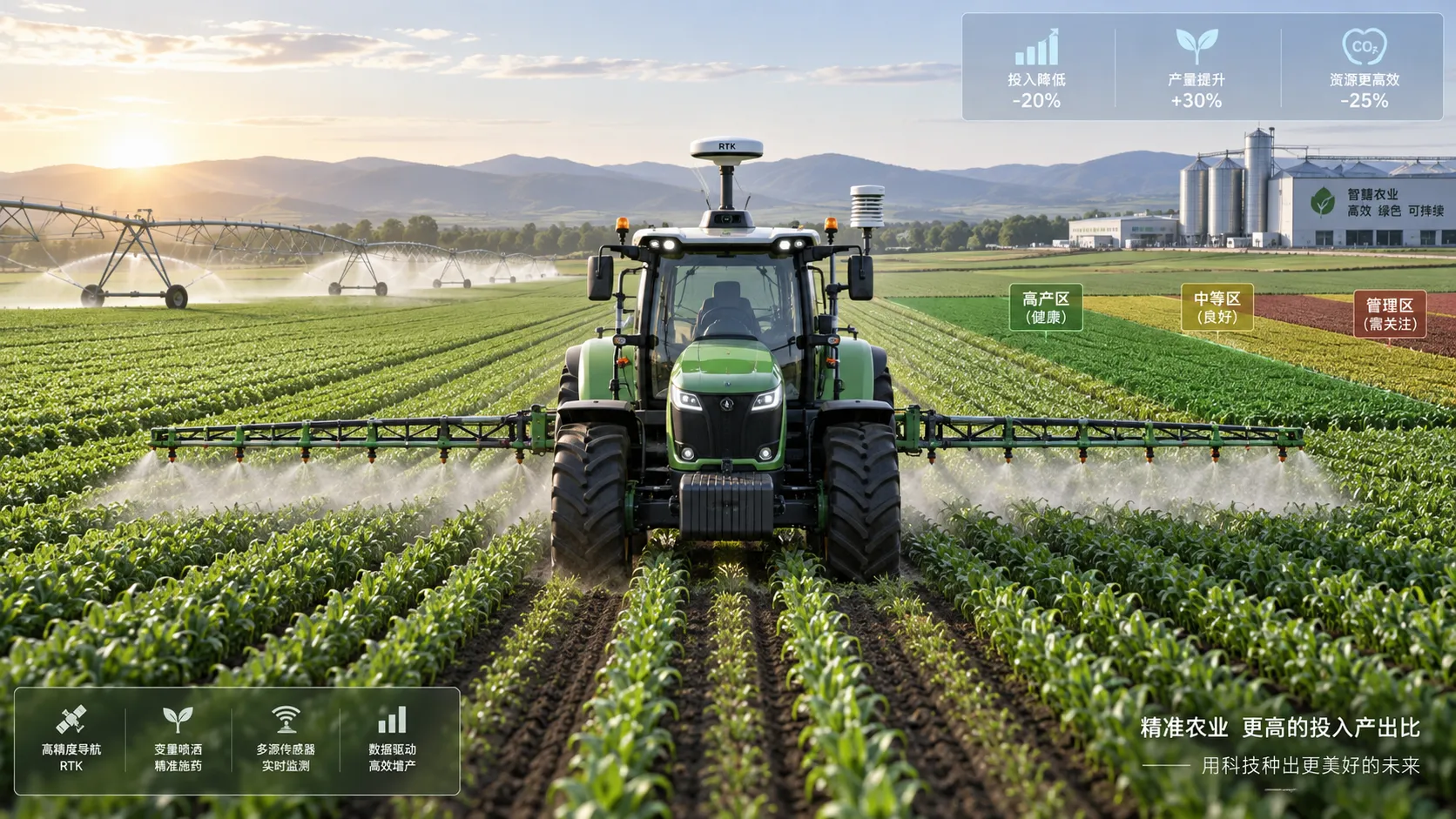
How to calculate ROI on precision agriculture equipment before buying
Calculating ROI on precision agriculture equipment: learn to assess total ownership costs, savings, payback, NPV, risks, and farm-scale value before you buy.
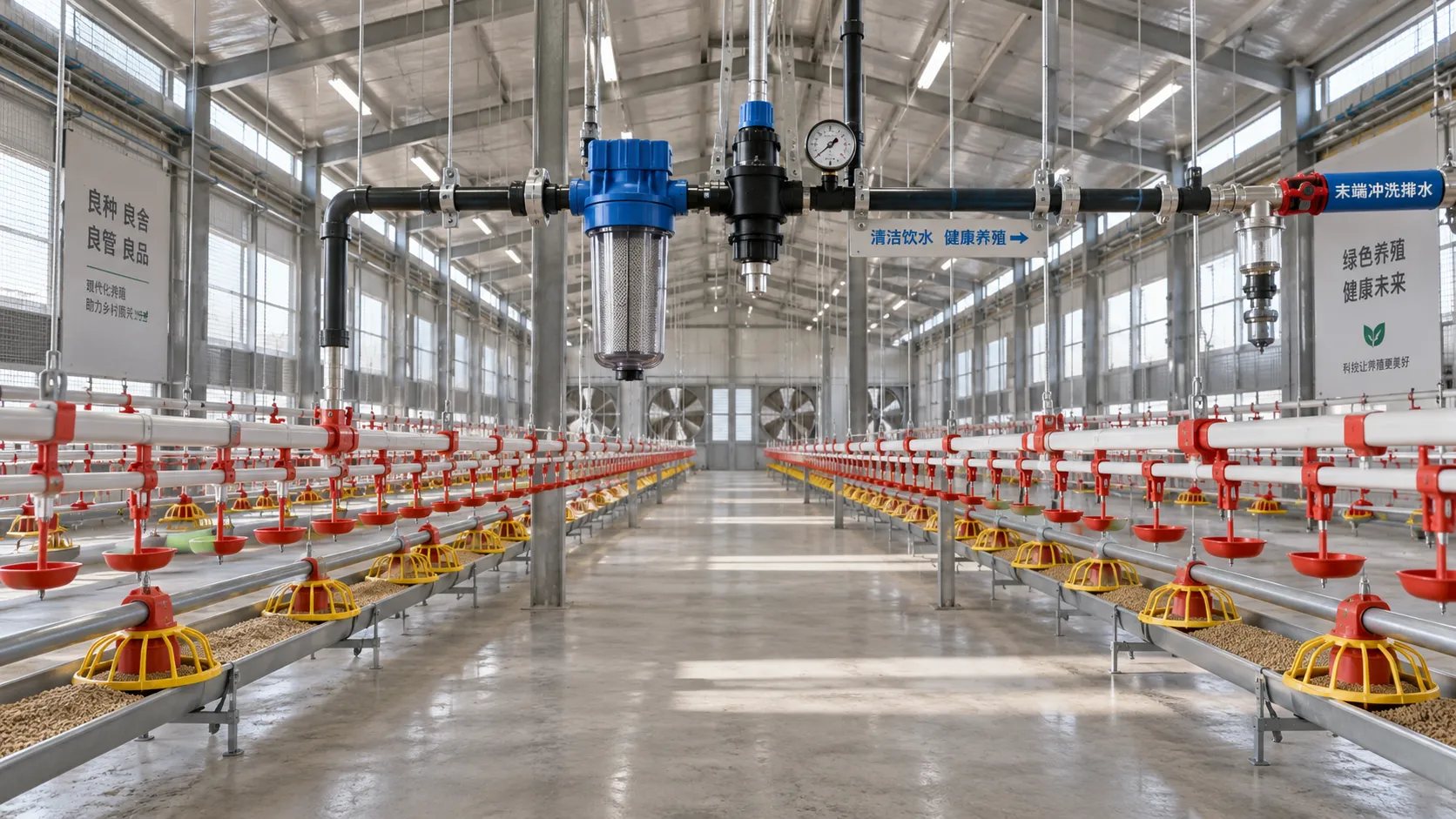
Planning Nipple Drinker Installation for Different Chicken House Layouts
How to install nipple drinker for chicken houses: plan line layouts, pressure control, flushing access, and maintenance for reliable water delivery.
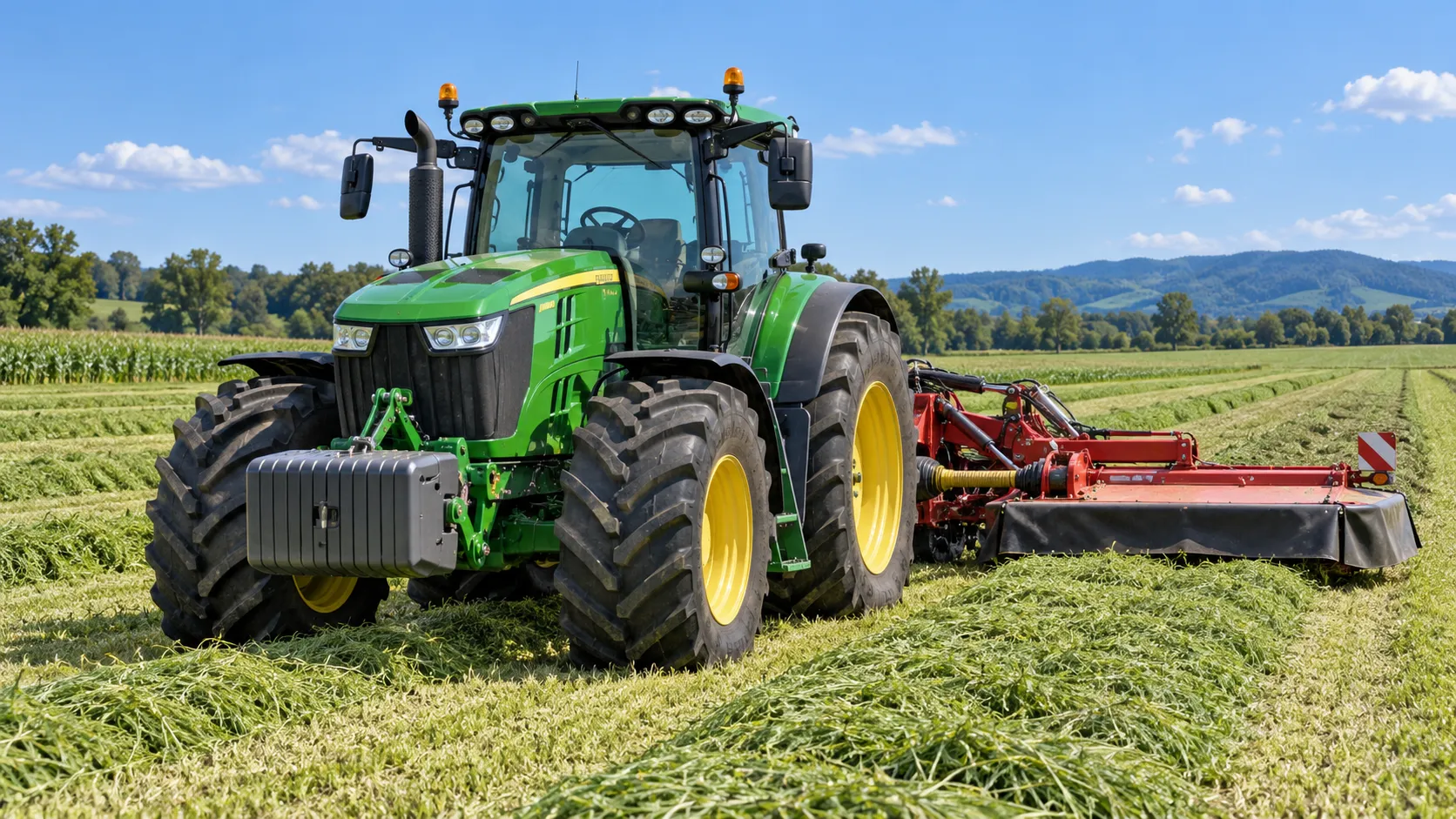
Tractor Specification Sheets: Matching PTO, Hydraulics, and Weight to Farm Tasks
Specification-oriented articles for tractors: match PTO, hydraulics, lift capacity, ballast, and weight to real farm tasks for safer, more efficient equipment choices.
Related News
- 00
0000-00
Choosing a Digital Farming Platform Provider: Compatibility and Data Ownership - 00
0000-00
How Large-Scale Farm Telematics Cuts Downtime Across Mixed Fleets - 00
0000-00
Farm Machinery Sourcing: How to Vet Suppliers, Specs, and Lifecycle Costs - 00
0000-00
Which costs matter most when calculating precision agriculture ROI? - 00
0000-00
How to calculate ROI on precision agriculture equipment before buying
Popular Tags
Ms. Elena Rodriguez
Weekly Insights
Stay ahead with our curated technology reports delivered every Monday.