
When an integrated seeding combination improves field efficiency
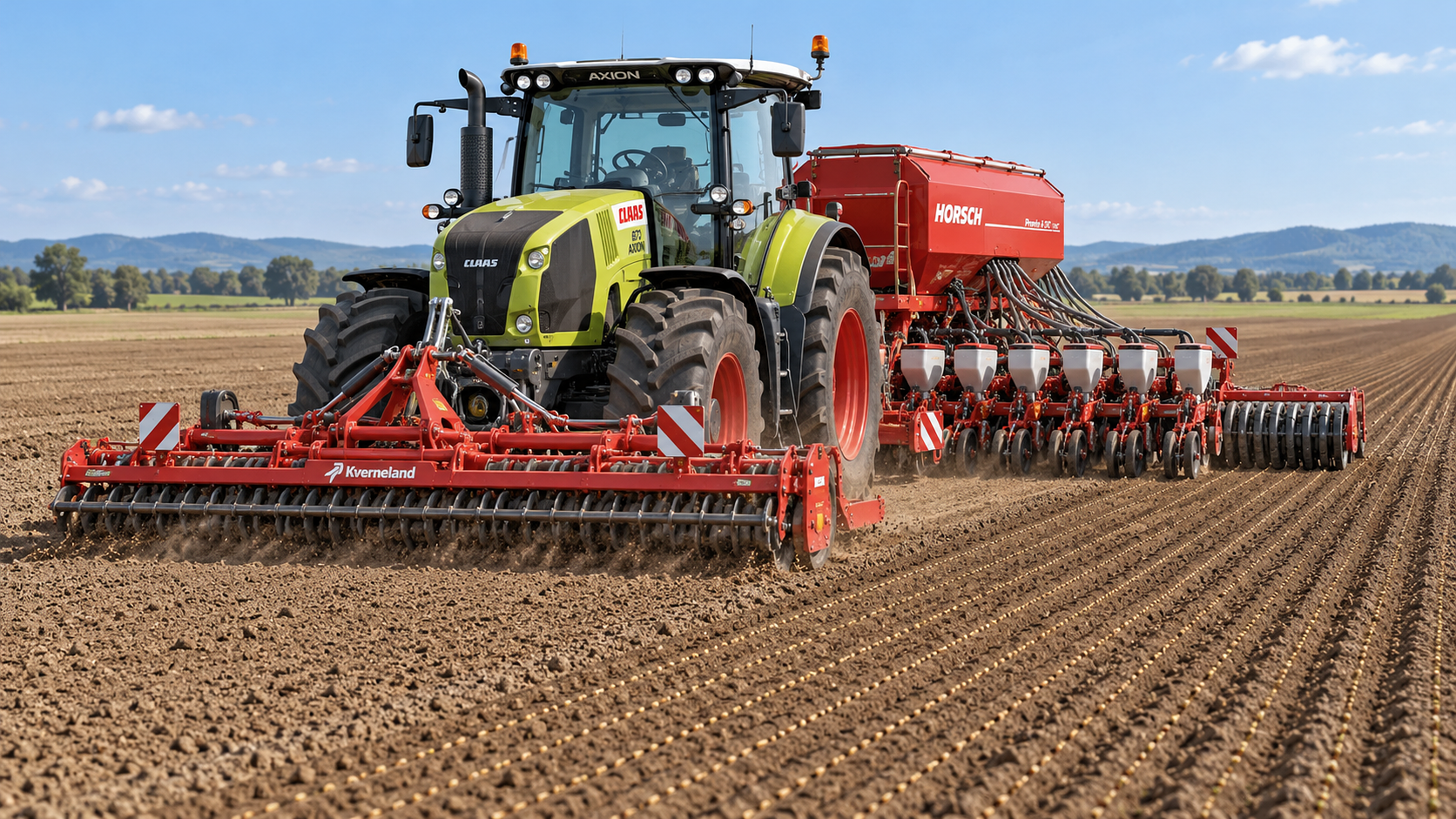




An integrated seeding combination improves field efficiency when the operation is constrained by planting time, labor availability, or the cost of repeated traffic across the same field. It can combine seedbed finishing, seed placement, consolidation, and sometimes fertilizer placement in one pass. For a project manager, the appeal is straightforward: fewer machine movements, fewer handoffs between crews, and a better chance of completing acreage inside the agronomic planting window.
That outcome is not automatic. Combining operations can save time while also creating new limits around tractor capacity, residue handling, soil moisture, refill logistics, and setup accuracy. The system earns its place when it removes a genuine bottleneck without asking one machine to perform beyond the conditions where it can maintain seed placement quality.
The first question is therefore not whether a combination drill is faster on paper. It is whether the project is losing productive days because separate cultivation and drilling passes cannot be scheduled reliably enough.
Field efficiency improves when passes are the constraint
In a conventional sequence, seedbed preparation may be completed first, followed by a separate drilling pass and, in some systems, another pass for fertilizer or rolling. Each stage needs a suitable weather window, an available tractor and operator, fuel, transport, and enough time to cover the intended area. A delay at any point can push drilling into less favorable soil conditions or beyond the preferred calendar window.
An integrated seeding combination compresses that sequence. A power harrow, disc section, cultivator, or other soil-working tool prepares the planting zone ahead of the seeding unit; the drill places seed immediately behind it; a press wheel or packer closes and firms the slot. Depending on the configuration, fertilizer may be placed separately from the seed row during the same movement.
This arrangement tends to be most useful in four situations:
- Large blocks of land must be drilled over a short seasonal window.
- Operator numbers are limited, especially where one experienced crew must cover multiple tasks.
- Field access is interrupted by weather, leaving short workable periods between rain events.
- Traffic from separate passes is creating delays, compaction concerns, or unnecessary fuel and labor demand.
For a manager responsible for delivery dates, the time saved is often more valuable than a small reduction in per-hectare operating cost. A field completed at the right seedbed moisture and within the intended planting period may establish more evenly than one drilled later after the soil has dried, crusted, or become difficult to work. The value of the machine combination is therefore tied to operational timing and establishment consistency, not simply to the number of hectares shown on a capacity chart.
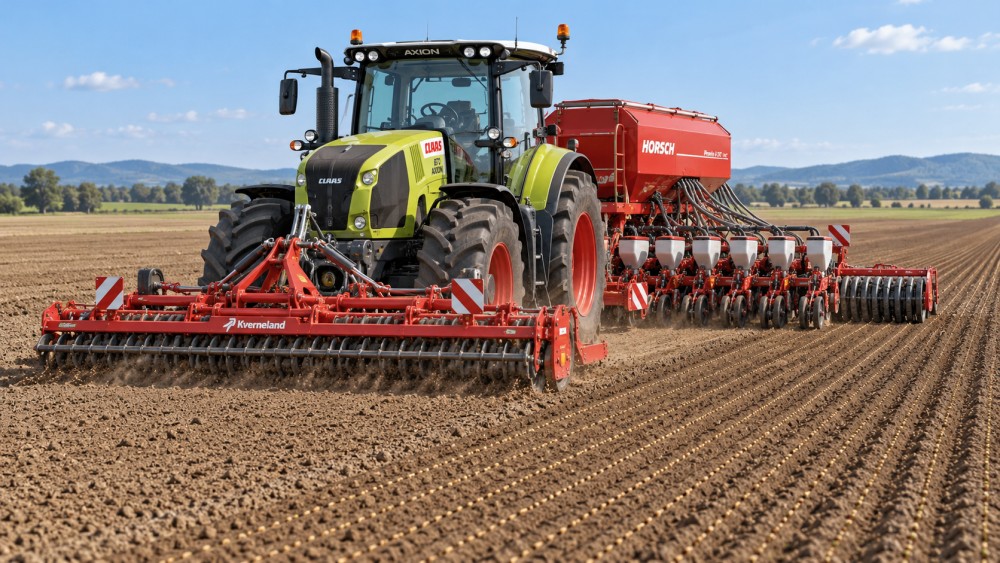
There is also a fleet-management benefit. A single coordinated operation can reduce the need to keep separate cultivation and drilling units aligned across several fields. That can simplify daily dispatching, reduce transport movements, and make progress reporting clearer. These advantages matter most when fields are dispersed or when the same tractors are also needed for spraying, hauling, or other seasonal work.
One pass only helps if it protects the planting environment
Reducing passes is useful only when the combined operation leaves a suitable seed zone. This is where simple “one-pass” claims often become misleading. A machine may travel across the field once, yet still produce inconsistent emergence if the soil-working section creates excessive fine soil, smears wet ground, leaves residue concentrated around openers, or cannot maintain a stable drilling depth.
Soil condition should drive the decision before machine width or advertised output. On light to medium soils with a relatively even surface and manageable residue, a combination may prepare and seed effectively in one operation. Where ground is wet, highly plastic, deeply rutted, cloddy, or carrying heavy and uneven residue, aggressive soil preparation and precise seed placement may demand conflicting settings.
For example, the soil-working element may need enough intensity to level and loosen the surface, but that same intensity can create a loose layer too deep for the press system to reconsolidate consistently. Conversely, reducing the cultivation depth to protect structure may leave trash or unevenness that interferes with opener performance. A project team should assess whether the field needs true seedbed renovation or only shallow preparation before drilling. These are different jobs, even if both are described as “cultivation.”
Residue and moisture are practical decision points
Residue management deserves particular attention in reduced-tillage programs. A combination drill can work well after a uniform cover crop termination or an evenly spread cereal straw layer. It becomes less predictable where residue is windrowed, damp, long, or concentrated behind a previous harvesting operation. Material that is not cut or cleared cleanly can be pushed into the seed slot, leading to poor seed-to-soil contact and uneven emergence.
Wet soil presents another limit. Fewer passes may reduce traffic damage, but a heavy integrated unit concentrates several functions and can require substantial tractor ballast and draft power. If the machine enters before the field is structurally ready, it may compact the travel lanes or smear the worked zone. Finishing and drilling separately does not solve every wet-soil problem, but it may allow the team to wait, adjust operations, or use a lighter setup where necessary.
The practical standard is straightforward: after the machine has passed, seed depth, row closure, soil contact, and surface condition should be inspected across the field rather than judged from the tractor seat. A clean-looking finish is not enough. Managers should examine the seed zone in both wheel tracks and uncompacted areas, on headlands as well as in the main field, and after changes in soil texture or residue level.
Match the combination to the tractor and the daily work system
An integrated seeding combination is a system purchase, even when acquired as a single implement. Its performance depends on the tractor, operator, refill method, transport routes, support equipment, and field layout. A drill that is technically compatible with a tractor may still be a poor operational match if it leaves too little power reserve, overloads the rear axle, or makes road movement impractical.
Draft demand rises quickly when active soil-engaging tools are paired with a full seed hopper and, where fitted, a fertilizer hopper. The required tractor capacity is influenced by working width, soil resistance, operating depth, forward speed, slope, and the amount of consolidation being applied. Managers should avoid sizing the tractor around ideal conditions. A machine that only maintains target speed on level, dry, low-resistance ground will lose much of its intended efficiency when working conditions become more demanding.
Hydraulic capability and lifting capacity should receive the same scrutiny as engine power. Combination units can place significant load behind the tractor, especially in transport or when hoppers are full. Stability, axle loading, tire selection, and braking performance affect both safety and the ability to preserve soil structure. On large systems, a mounted configuration may offer maneuverability but impose limits that a trailed alternative does not. The right choice depends on field shape, transport distance, road access, and whether rapid changes between fields are common.
Daily output is often determined by refill time rather than working width. Seed, fertilizer, and treatment materials must be delivered to the field safely and consistently. A combination system with a high theoretical capacity can spend substantial time stationary if bags, bulk handling equipment, and transport vehicles are not organized around it. The project plan should include:
- Where seed and fertilizer will be staged and loaded.
- Whether refill vehicles can reach fields without creating additional compaction or delays.
- How product changes, lot traceability, and cleanout will be managed.
- Who verifies calibration after a seed type, fertilizer rate, or field condition changes.
- How the operation continues if the primary tractor, drill, or loading equipment is unavailable.
This operational detail may appear secondary to implement selection, but it determines whether the combination actually reduces labor and elapsed time. A well-designed loading process can preserve the benefit of one-pass work; an improvised one can turn the drill into a waiting point for the entire planting program.
Precision functions add value when they solve a known variability problem
Many integrated seeding combinations can be specified with section control, variable-rate capability, guidance compatibility, blockage monitoring, and separate metering for seed and fertilizer. These features can improve control, particularly on irregular fields, variable soils, or projects with multiple planting prescriptions. They also add calibration, data-management, and operator-training requirements.
Section control is generally easier to justify where fields contain wedges, waterways, established boundaries, or overlapping headlands. It can reduce unnecessary overlap and simplify documentation. Variable-rate seeding or fertilizer placement can be useful where a field plan is based on reliable zone information and where the agronomic team has clear rate rules. It should not be treated as a substitute for correcting poor seedbed conditions, opener wear, or inaccurate basic calibration.
For project management, the more important question is whether the additional control system can be operated consistently during a busy planting period. A simpler machine with repeatable calibration and clear operator checks may produce a better result than a highly specified machine whose settings are poorly understood or inconsistently recorded. The technology should reduce decisions under pressure, not create more of them.
When separate operations remain the better choice
There are circumstances in which an integrated seeding combination is not the most efficient answer. Fields requiring substantial leveling, deep loosening, drainage repair, or heavy residue correction usually need dedicated preparatory work. Trying to solve these issues while seeding can compromise both the soil repair and the crop establishment.
Separate operations can also be preferable where soil moisture varies sharply across the farm. A cultivation crew may prepare suitable fields ahead of drilling, while leaving wetter blocks untouched until they are ready. This approach adds passes but can provide more flexibility in mixed soil conditions. Farms that use several smaller tractors and existing drills may also find that coordinated separate passes offer higher total capacity than one large combination tied to a single power unit.
Specialist crops, unusually narrow planting tolerances, and fields with persistent compaction layers may justify a more tailored sequence. The goal should not be to make every hectare fit one machine. It should be to identify the acreage where the combination can perform repeatedly without forcing poor field decisions elsewhere.
Build the decision around the planting window, not the implement brochure
A sound evaluation starts with the planned acreage, the realistic number of workable days, expected daily hours, field distances, and refill time. From there, the team can estimate the required effective field capacity and compare it with what the tractor-implement pair can deliver under representative soil conditions. Capacity calculations should include turning, headlands, road travel, cleaning, loading, and routine adjustments. These are not exceptional losses; they are part of the workday.
Then assess a representative spread of fields rather than selecting only the easiest block. Review soil texture, residue level, slopes, field entrances, headland width, compaction risk, and the condition left by the previous crop. Determine which portion of the program can reliably be handled in one pass, and which portion should retain a separate preparation step.
The strongest case for an integrated seeding combination is usually a defined part of the planting program: fields with suitable structure, repeatable residue conditions, a tight labor plan, and a clear need to protect planting dates. Used there, it can turn machine capacity into completed, timely work. Used indiscriminately across unsuitable ground, it may simply combine several agronomic compromises into one expensive pass.
Related News
How Large-Scale Farm Telematics Cuts Downtime Across Mixed Fleets
Large-scale farm equipment telematics cuts mixed-fleet downtime with real-time alerts, smarter maintenance, and stronger operational control. Learn how to protect critical farm workflows.
How to Size Low-Pressure Water-Saving Irrigation Systems for Uneven Fields
Low pressure water-saving irrigation systems for uneven fields: learn zoning, pressure mapping, pipe sizing, and pump selection to improve uniformity and reduce water waste.
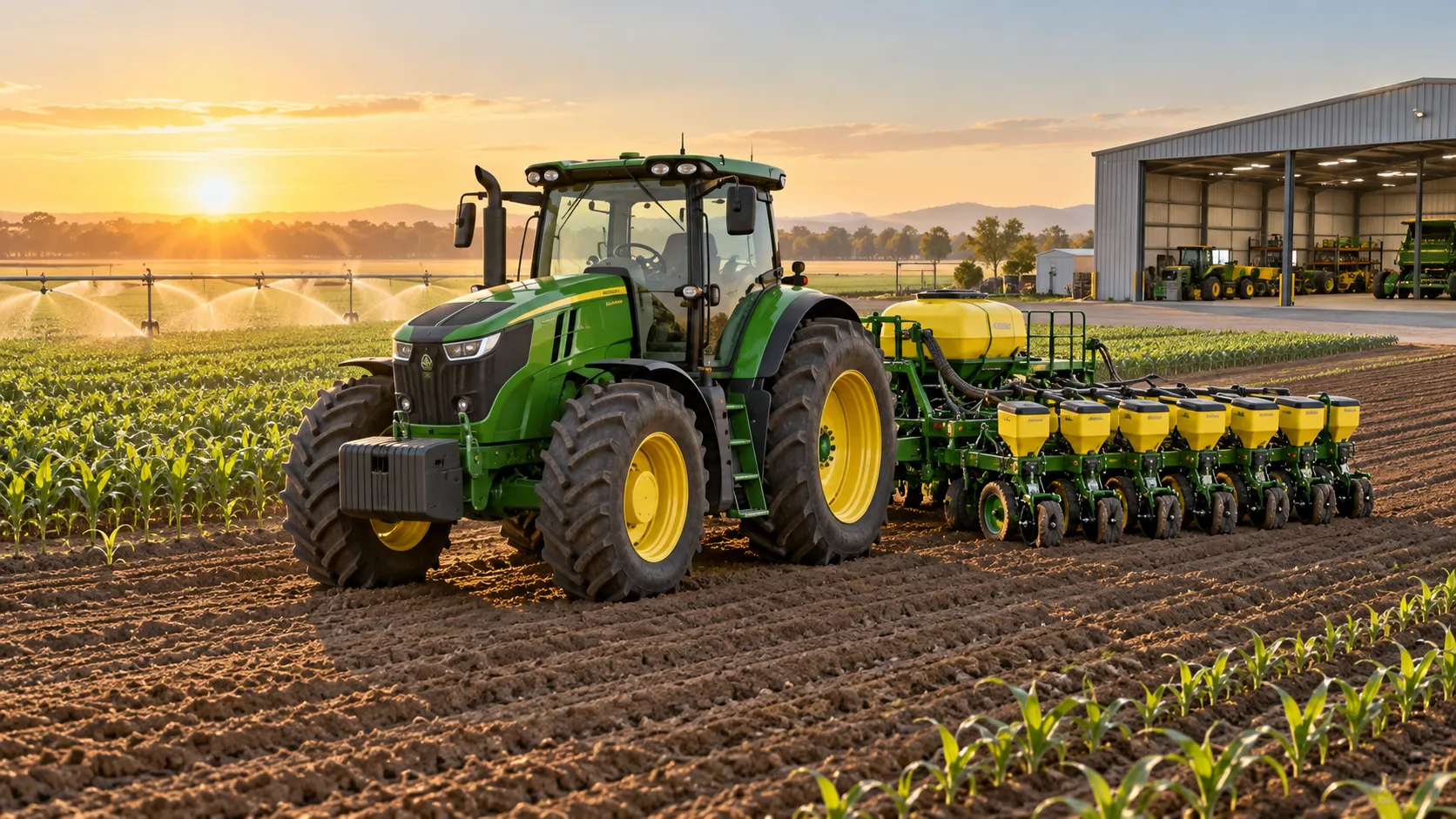
Farm Machinery Sourcing: How to Vet Suppliers, Specs, and Lifecycle Costs
Farm machinery information for sourcing: learn to vet suppliers, compare specifications, control lifecycle costs, and secure reliable uptime for smarter equipment purchases.
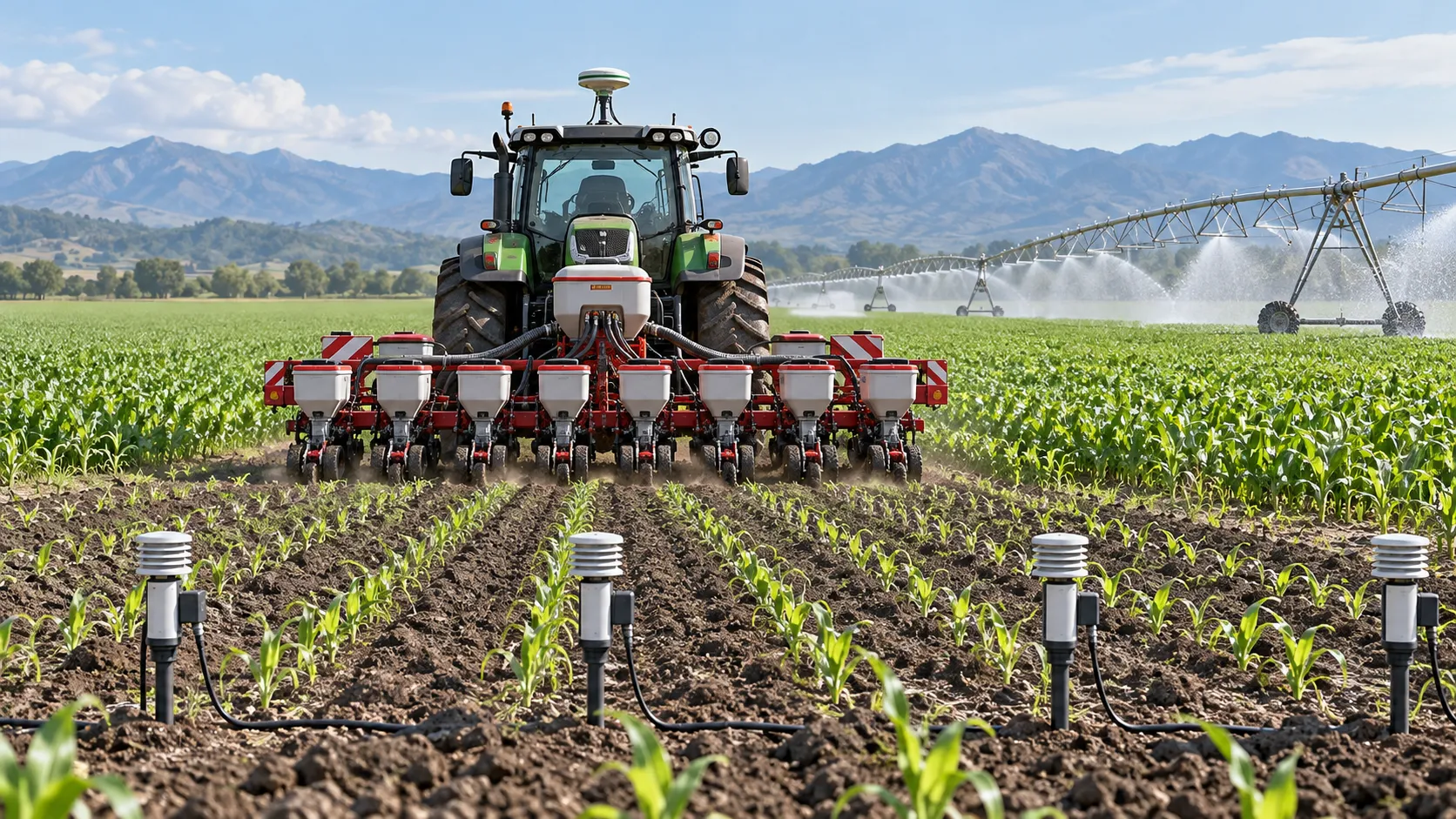
Which costs matter most when calculating precision agriculture ROI?
Calculating ROI on precision agriculture equipment? Discover the costs that shape returns, from installation and subscriptions to downtime, labor, and data integration.
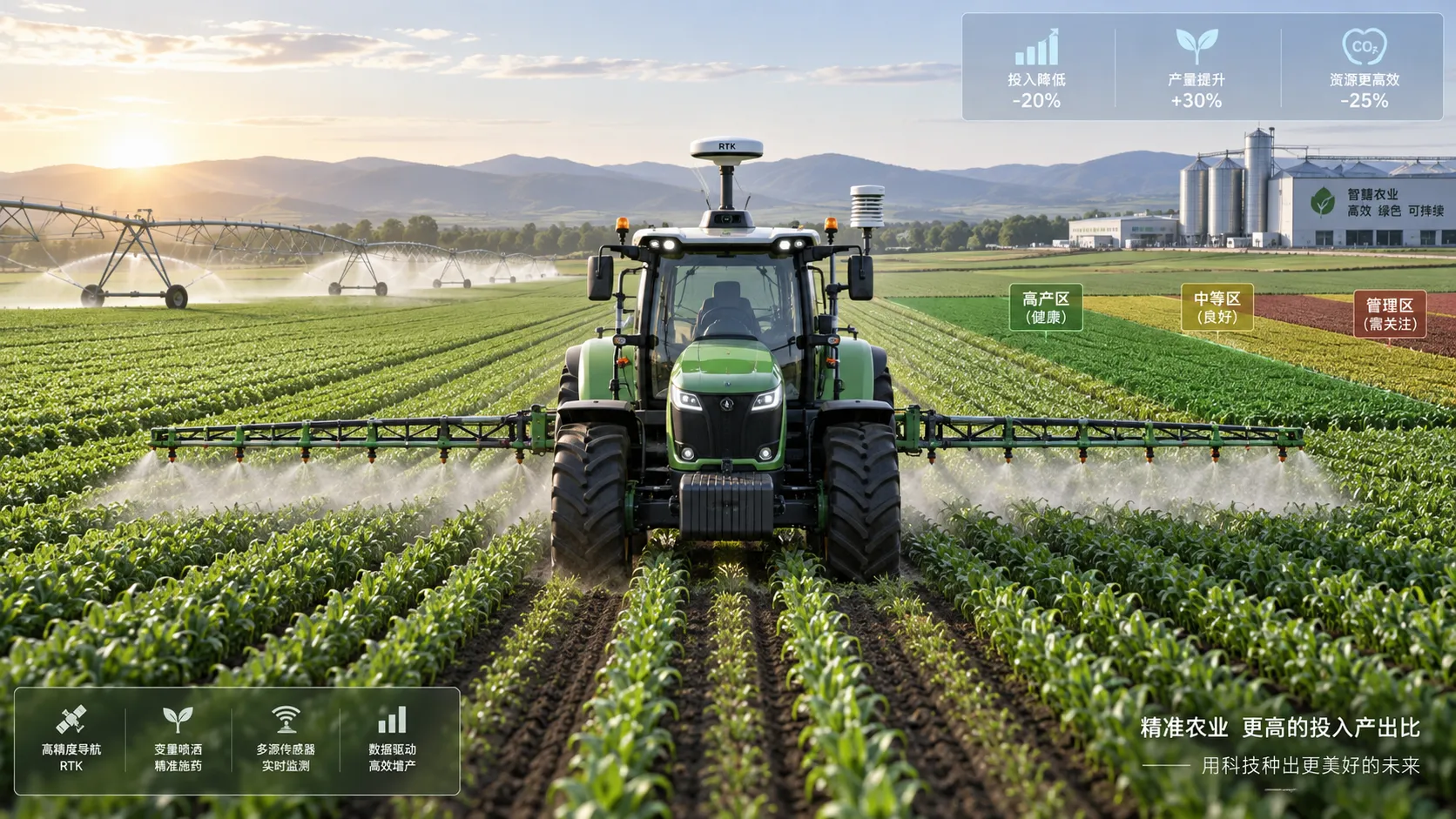
How to calculate ROI on precision agriculture equipment before buying
Calculating ROI on precision agriculture equipment: learn to assess total ownership costs, savings, payback, NPV, risks, and farm-scale value before you buy.
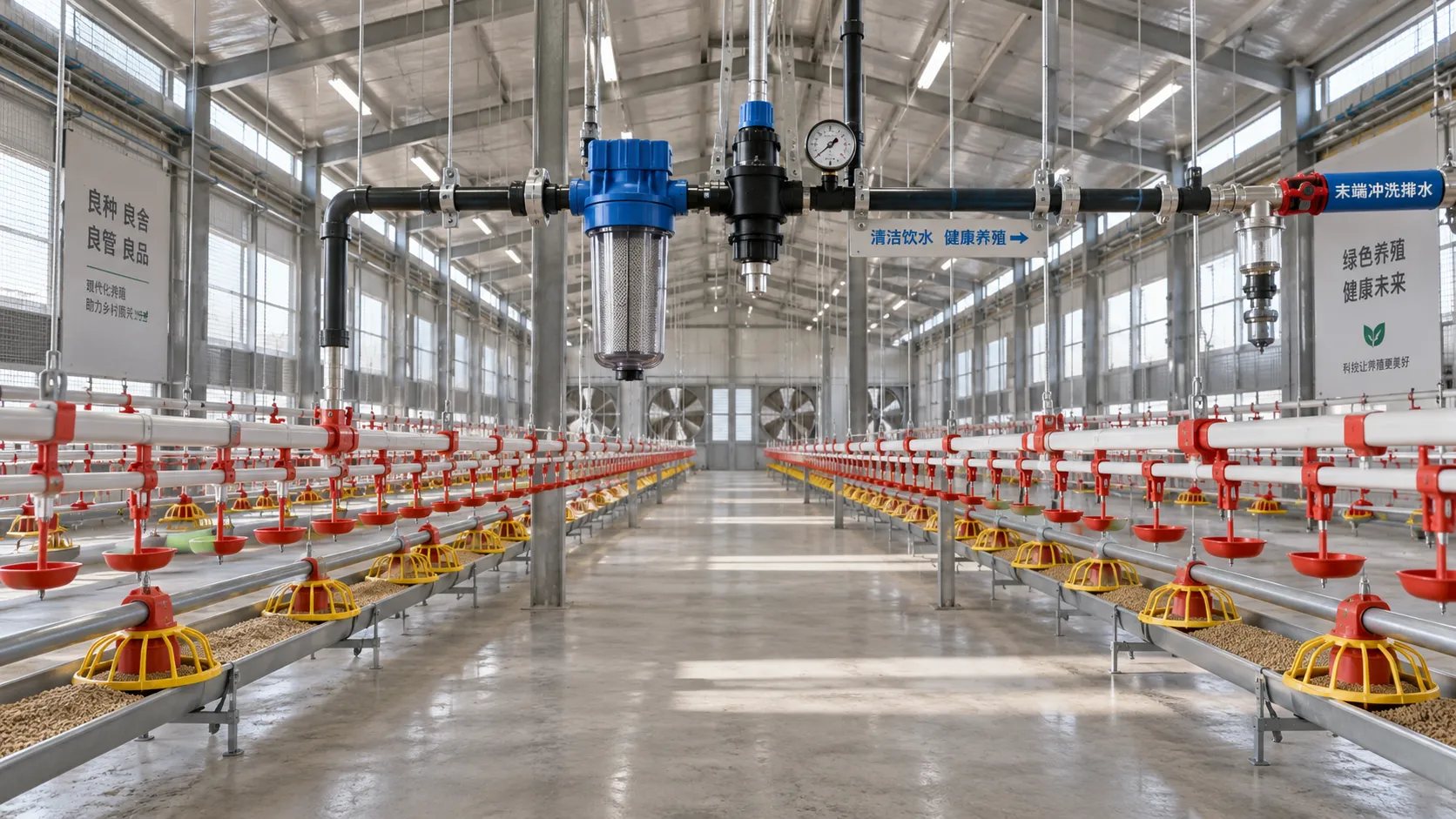
Planning Nipple Drinker Installation for Different Chicken House Layouts
How to install nipple drinker for chicken houses: plan line layouts, pressure control, flushing access, and maintenance for reliable water delivery.
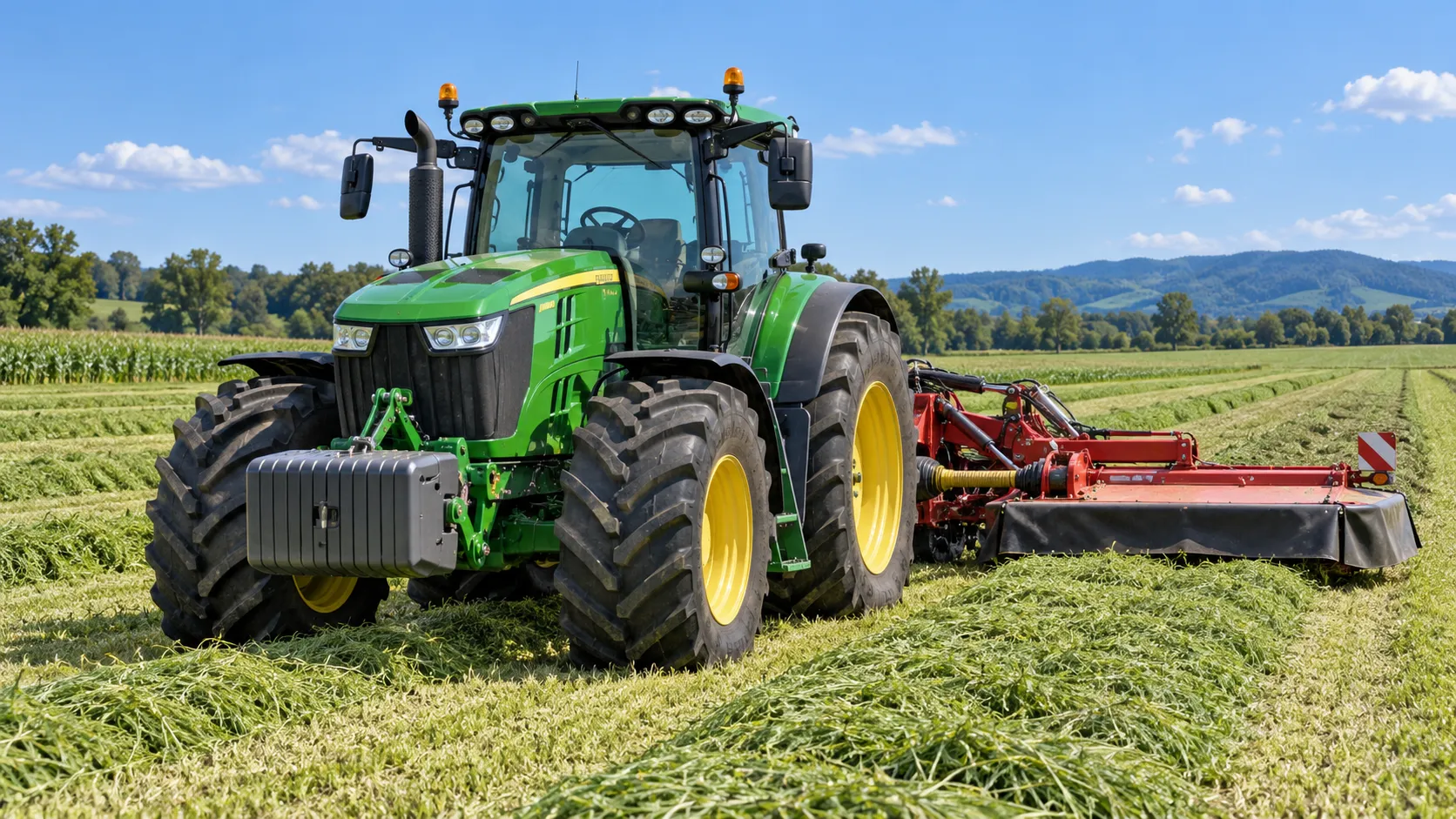
Tractor Specification Sheets: Matching PTO, Hydraulics, and Weight to Farm Tasks
Specification-oriented articles for tractors: match PTO, hydraulics, lift capacity, ballast, and weight to real farm tasks for safer, more efficient equipment choices.
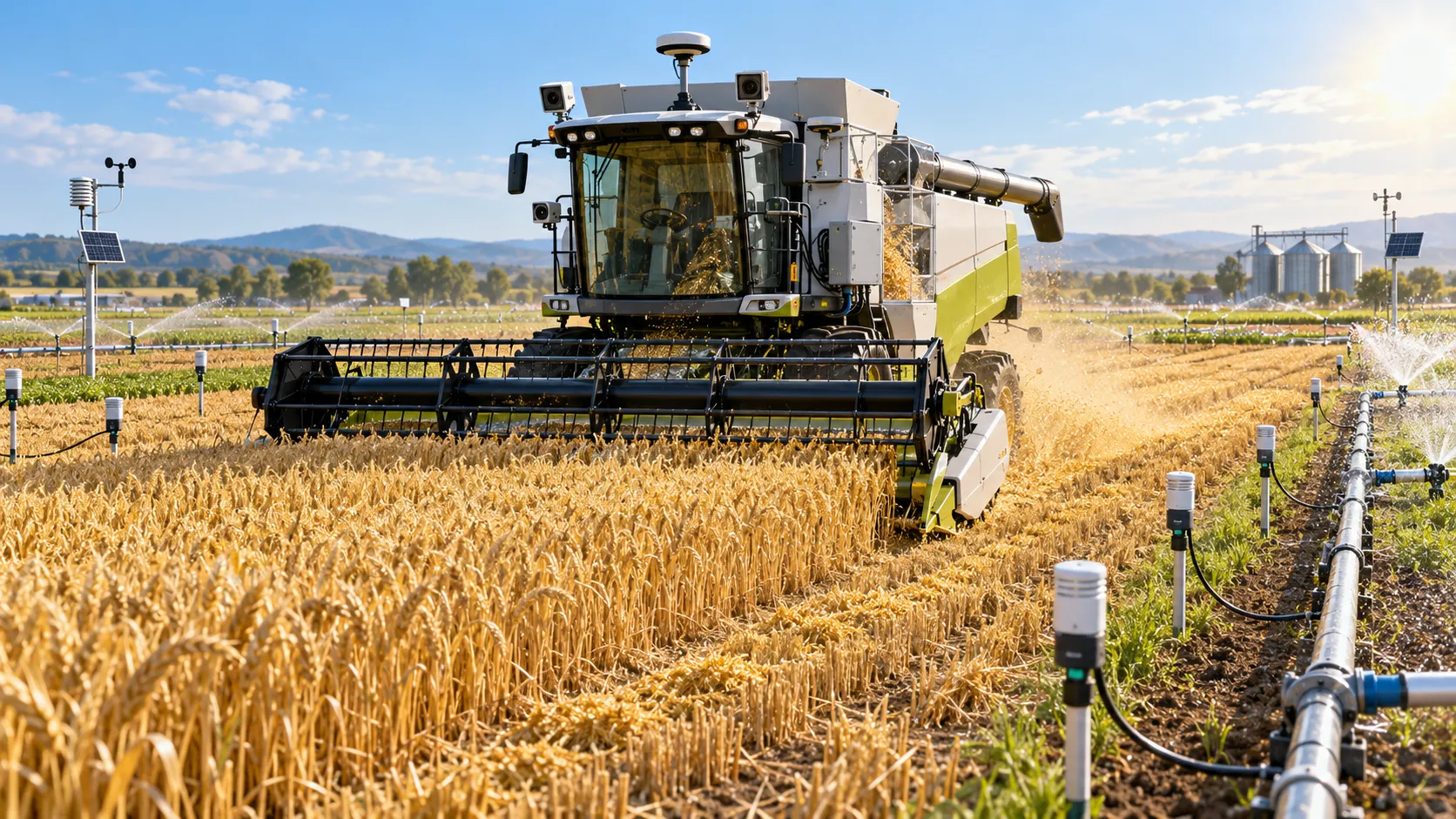
How to Evaluate Dynamic Feedback Algorithm Suppliers for Precision Farming Systems
Dynamic feedback algorithms supplier evaluation guide for precision farming—compare validation, integration, safety, and pilots to choose with confidence.
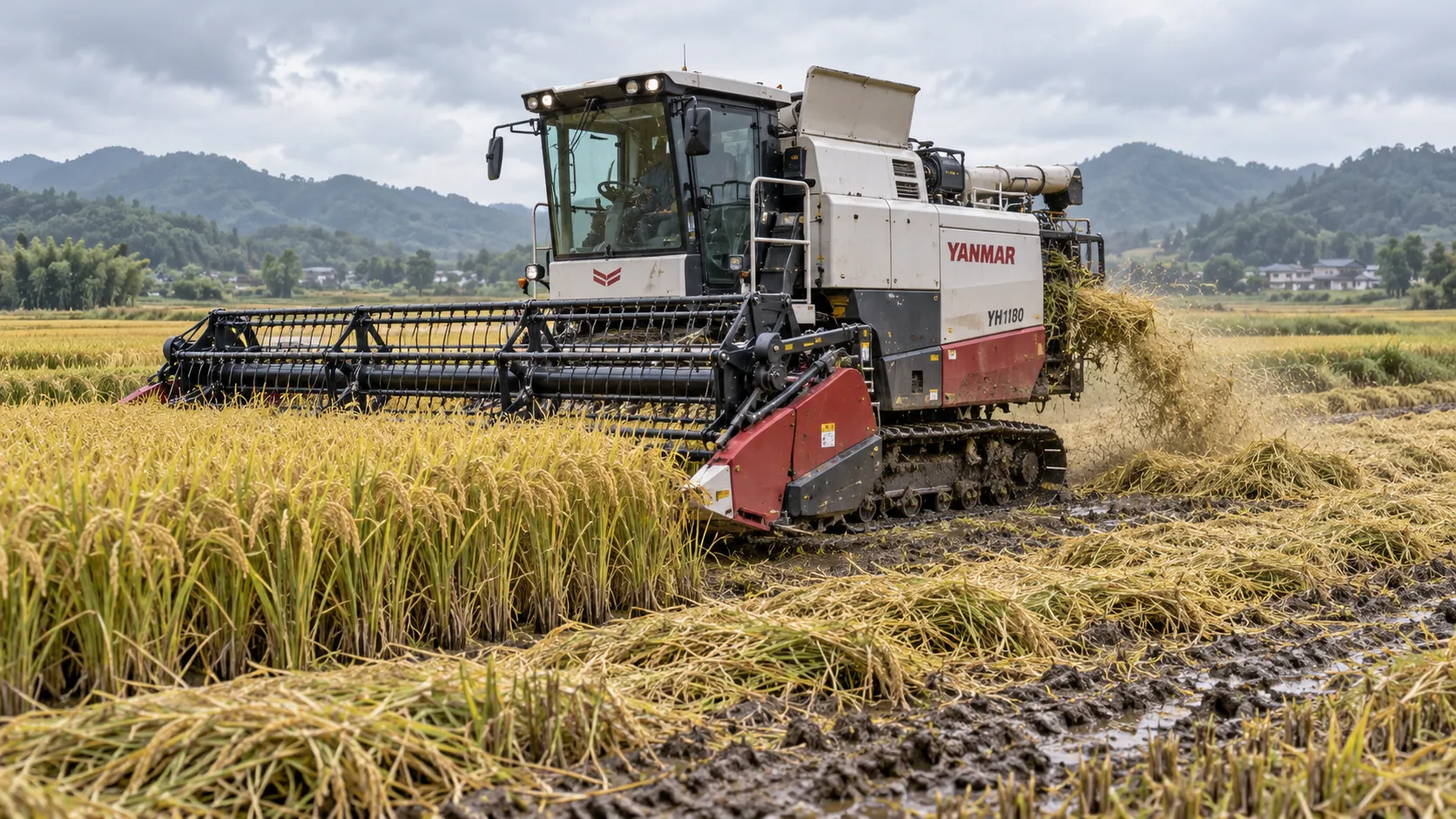
How to Specify Combine Harvester Systems for High-Moisture Grain and Variable Field Conditions
Combine harvester systems for high-moisture grain: learn how to specify threshing, cleaning, headers, traction, and automation for reliable harvests in variable fields.
Related News
- 00
0000-00
When an integrated seeding combination improves field efficiency - 00
0000-00
How to Select a Heavy-Duty Seeder for Large Acreage and High-Residue Fields - 00
0000-00
How to Match Large-Scale Farm Equipment Working Width to Field Size and Crop Rows - 00
0000-00
Farm Implements for Seeding: How to Match Seeders to Crop Type and Soil Conditions - 00
0000-00
Ningjin Farm Machinery Cluster Strengthens Export Delivery
Popular Tags
Agri-Mechanization Fellow
Weekly Insights
Stay ahead with our curated technology reports delivered every Monday.