
Ningjin Farm Machinery Cluster Strengthens Export Delivery
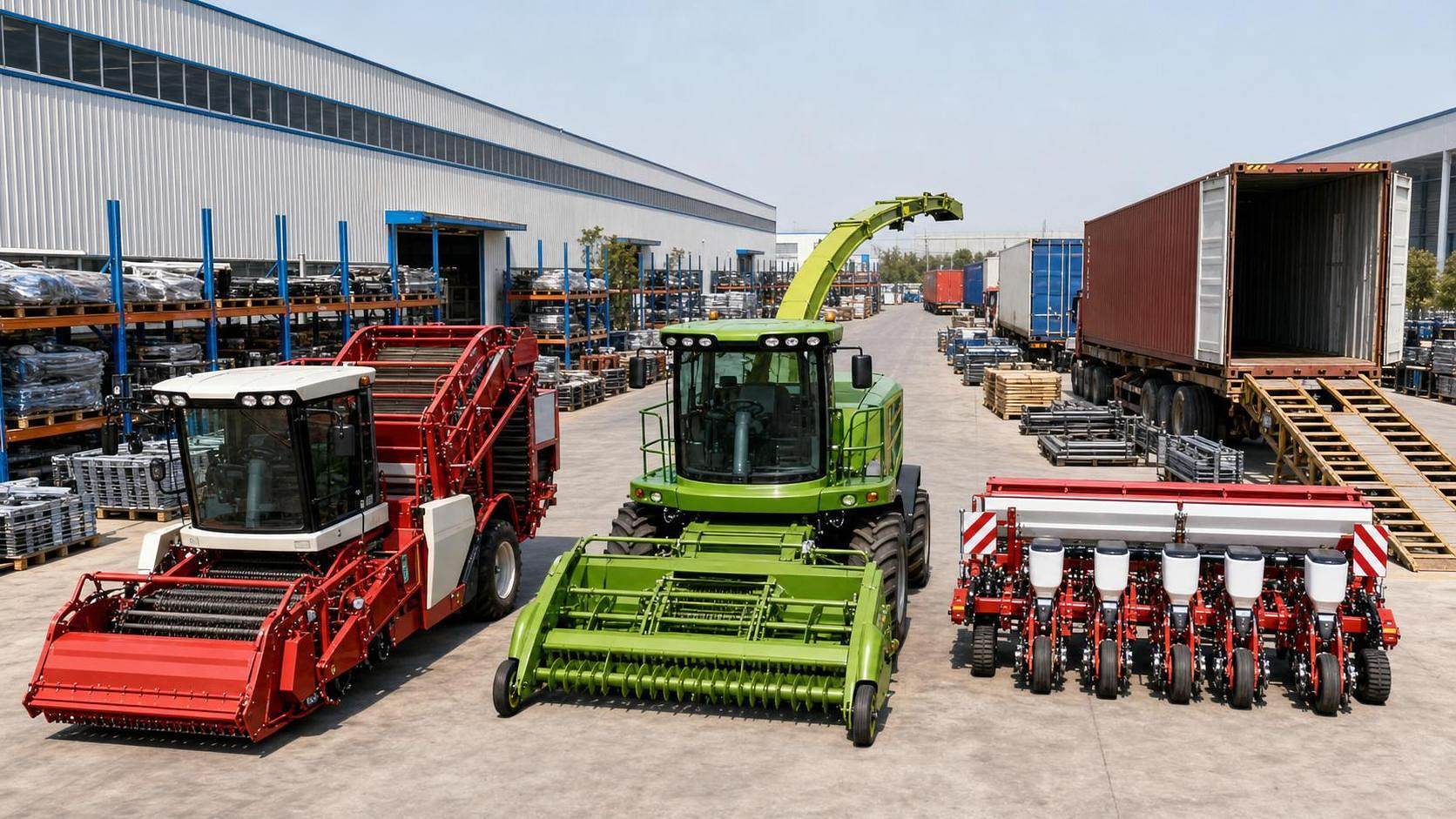




The timing of this development was not specified in the source input, but the update is notable for agricultural machinery manufacturers, export traders, component suppliers, and overseas buyers. In Shandong’s Ningjin, a cluster of more than 400 agricultural machinery and supporting enterprises now covers the full chain from soil preparation and planting to crop management and harvesting, with 98% of parts sourced locally. That combination matters because it points to delivery resilience rather than just production scale, especially for buyers seeking more stable fulfillment under global supply-chain volatility.
What the Ningjin cluster currently shows
According to the provided information, Ningjin has gathered more than 400 agricultural machinery and supporting companies. Their products cover the full process of crop production, including tillage, planting, management, and harvesting.
The same information states that 98% of components can be sourced locally. The cluster is also supporting export response for specialized machines such as potato harvesters and forage harvesters.
Orders mentioned in the input involve markets including Egypt, Morocco, and Peru. The reported delivery cycle is 22% shorter than the industry average, and the cluster is described as a preferred capacity base for small and medium-sized overseas importers seeking to reduce exposure to global supply-chain disruption.
Why different market participants are paying attention
Export-facing machinery suppliers are likely to focus on lead-time credibility
From an industry perspective, exporters may see this development as a sign that delivery speed is becoming a stronger competitive factor in agricultural machinery trade. The likely impact is most direct in quotation response, production scheduling, and shipment commitment, because shorter delivery cycles can affect how suppliers negotiate orders for specialized equipment.
Component and supporting suppliers may benefit from local coordination advantages
Analysis shows that the reported 98% local sourcing rate matters not only for cost or convenience, but also for coordination across the production chain. For supporting suppliers, the business impact is likely to center on matching production rhythm, maintaining parts availability, and reducing disruptions that would otherwise delay machine assembly and export fulfillment.
Overseas importers may treat clustered sourcing as a risk-control option
Observably, the update is especially relevant for small and medium-sized overseas importers. If buyers are trying to avoid supply uncertainty, a production base with dense local supporting capacity may become more attractive in procurement decisions, particularly when the order involves specialized models rather than standard high-volume equipment.
Supply-chain service providers may need to watch fulfillment consistency
For logistics, documentation, and trade-service participants, the key issue is not only whether orders can be won, but whether the shorter cycle can be maintained in actual export execution. What deserves closer attention is how supplier coordination, order timing, and delivery promises align in practice when orders come from multiple overseas markets.
What companies should monitor next
Whether the delivery advantage holds across specialized models
Companies should pay close attention to whether the shorter delivery cycle is sustained in product categories already mentioned in the input, including potato harvesters and forage harvesters. For buyers and sellers alike, category-specific delivery performance may matter more than broad manufacturing claims.
How procurement teams verify local supply depth
For procurement and sourcing teams, a practical focus is supplier verification. The local parts sourcing ratio is a strong signal, but in business terms the important follow-up is whether key parts, backup parts, and supporting documentation can be matched reliably to export schedules and customer requirements.
How export commitments are communicated to overseas customers
For trading companies and manufacturers, customer communication may become more important when lead time is used as a selling point. That includes confirming production windows, explaining fulfillment assumptions clearly, and preparing for questions about delivery stability in markets such as Egypt, Morocco, and Peru.
Whether market attention remains concentrated on resilience rather than price alone
Analysis shows that this update is less about a broad market expansion claim and more about supply assurance. Companies should therefore watch whether customer demand is increasingly tied to fulfillment reliability, especially when global supply-chain fluctuations remain a procurement concern.
How this update is best understood at this stage
It is more appropriate to understand this as a meaningful industry signal rather than a fully settled market conclusion. The confirmed facts indicate that Ningjin has built a dense, locally supported agricultural machinery cluster with measurable delivery advantages in the information provided.
At the same time, observation suggests the broader significance lies in what this says about export competitiveness: a manufacturing cluster that can compress lead times and reduce dependency on external component flows may gain attention from buyers who prioritize execution certainty. That said, the input does not provide enough verified information to treat this as a universal shift across all products or all export markets.
What this means for the sector now
In practical terms, this development highlights the importance of local supply-chain completeness in agricultural machinery exports. The strongest immediate takeaway is not simply that Ningjin has many manufacturers, but that dense local component support may improve response speed for specialized machinery orders.
A neutral reading is that the update points to a stronger delivery-resilience profile for the cluster, with particular relevance for exporters, component suppliers, and overseas small and medium-sized importers. For now, it is better viewed as a concrete operational signal with wider industry implications that still warrant continued observation.
Basis of this article and points for continued verification
This article is based on the user-provided news title, unspecified event timing, and event summary. No specific official source link was provided in the input, so the underlying details still require ongoing verification against source materials where available.
For this type of industry update, commonly relevant source categories may include official announcements, company statements, industry association information, authoritative media reporting, and standards-related documents. Follow-up attention should remain on any later official clarification regarding timing, export execution, and whether the reported delivery and local-sourcing advantages continue to hold across the highlighted machinery categories and overseas markets.
Related News
How to Evaluate Agricultural Product Information Sources for Reliable Farm Decisions
Agricultural product information reference guide: evaluate reliable farm data, verify claims, and make smarter machinery, irrigation, and crop decisions.

Farm Machinery Guide: Matching Tractor Horsepower and Implements to Farm Size
Farm machinery guide for tractors: match horsepower, implement width, hydraulics, traction, and fleet capacity to farm size for lower costs and reliable field performance.
How to Evaluate Drip Irrigation System Manufacturers for Large Farm Projects
Drip irrigation systems manufacturer evaluation guide for large farms: compare hydraulic design, filtration, quality control, scalability, delivery, and support.
Specification Planning: A Practical Framework for Defining Equipment Requirements
Application guidance for specification planning: define measurable equipment requirements, prioritize performance, and avoid costly procurement mistakes.

How North American Farms Can Select Crop Monitoring Systems by Acreage and Connectivity
Crop monitoring systems North America: learn how to match acreage, connectivity, sensors, and data workflows for reliable, actionable farm decisions.

Where to Find Reliable Product Information for Comparing Farm Equipment
Product information resources agriculture buyers can trust: compare farm equipment with technical specs, manuals, field data, dealer support, and lifecycle insights.
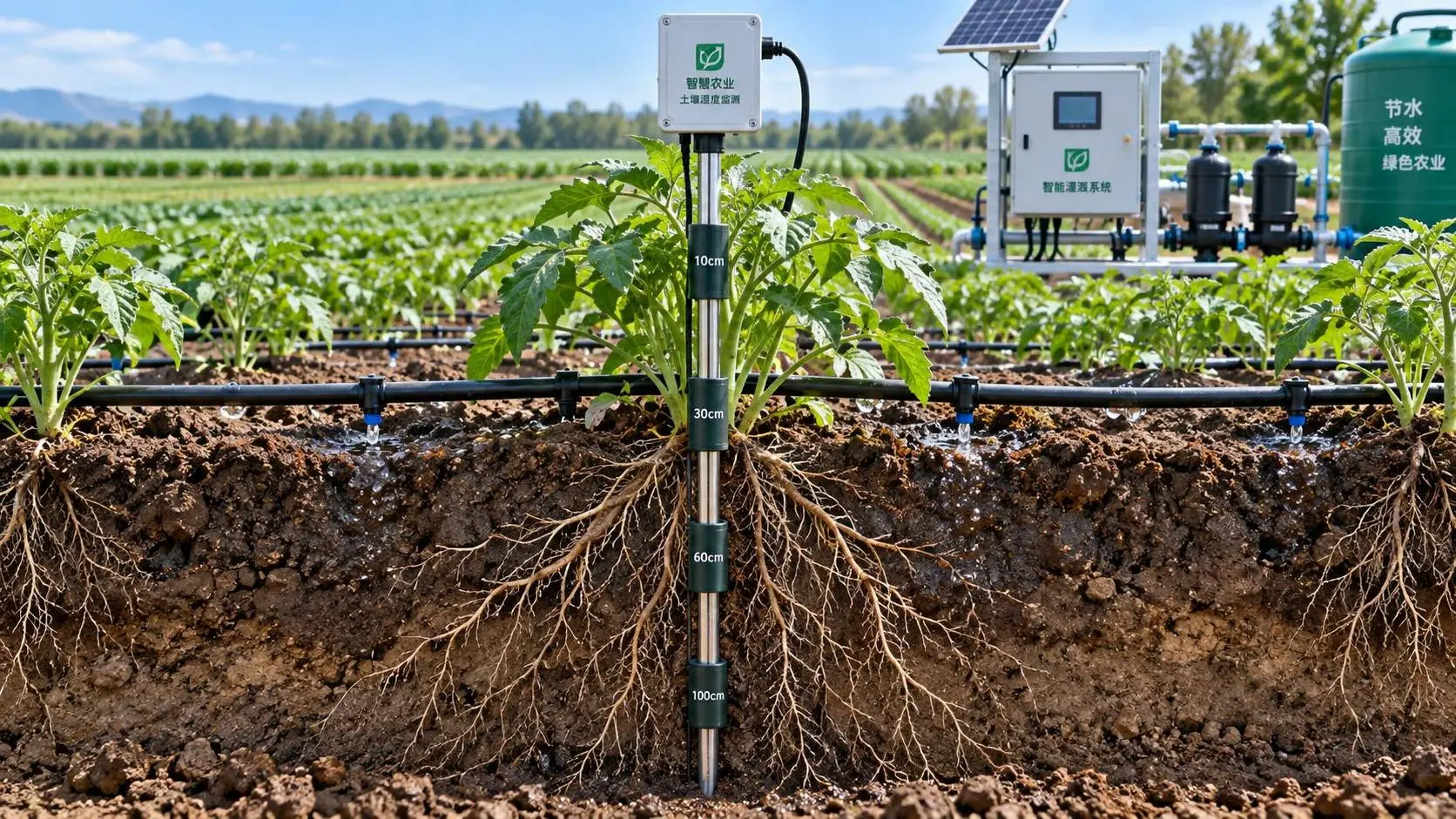
Selecting Real-Time Soil Moisture Sensors for Irrigation Zone Control
Soil moisture sensors real time: learn how to select reliable probes, optimize zone control, improve irrigation decisions, and scale precision water management.
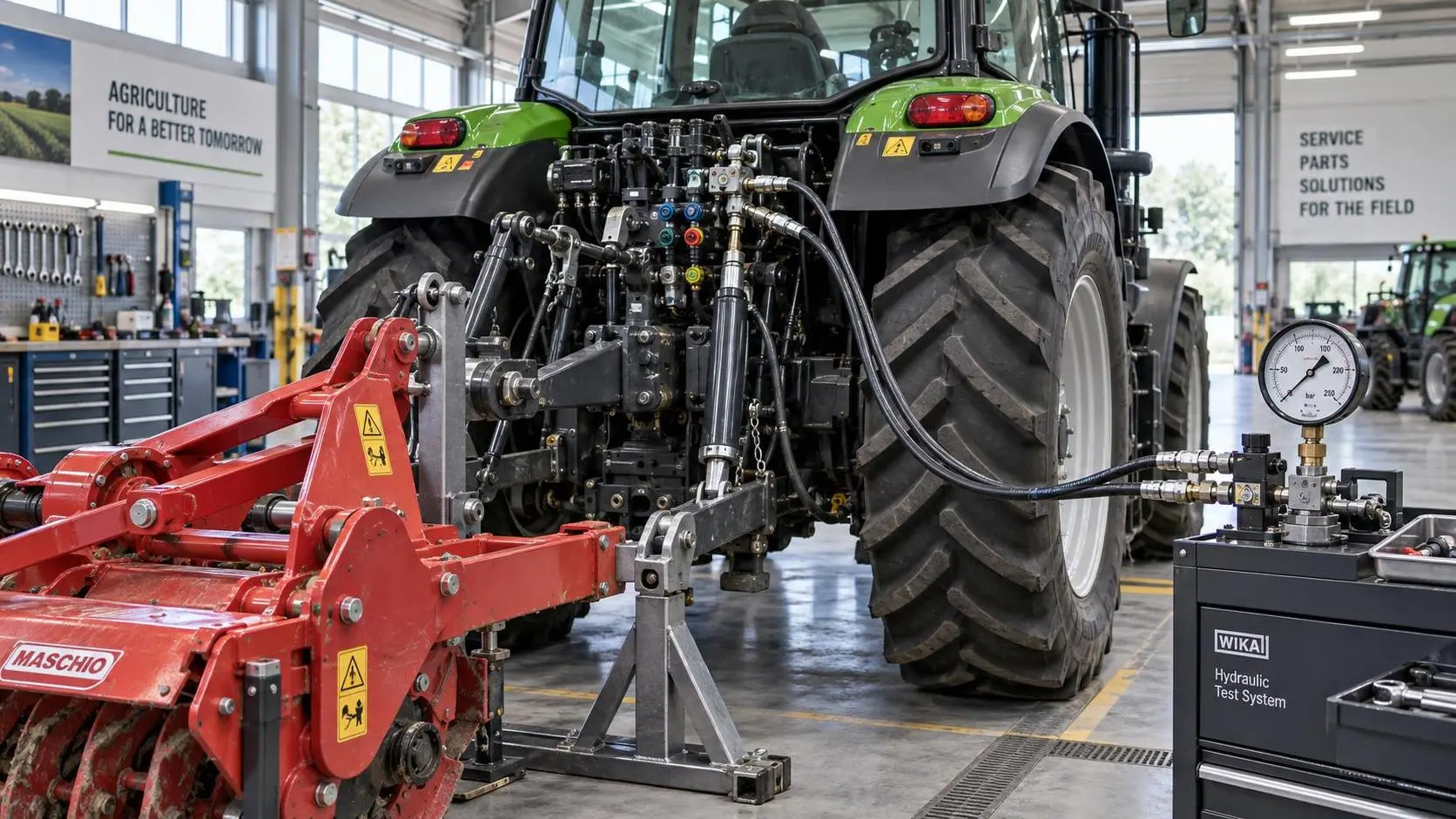
Tractor Hydraulic Systems Troubleshooting: Diagnosing Weak Lift and Slow Implements
Tractor hydraulic systems troubleshooting made practical: diagnose weak lifts and slow implements with proven pressure, flow, valve, and oil-supply checks.
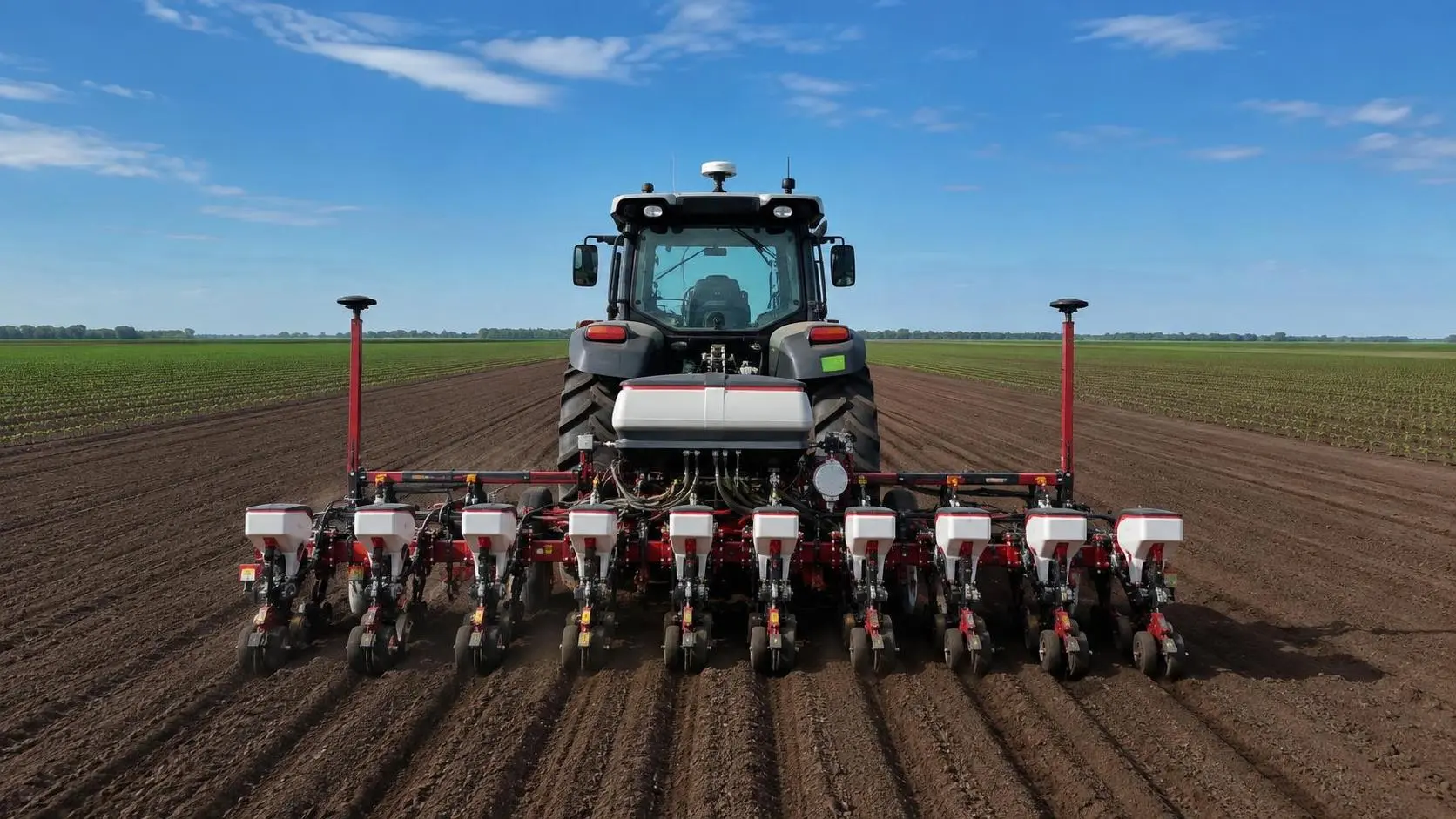
How Tractor Intelligence Systems Improve Field Efficiency and Input Accuracy
Agricultural machinery intelligence for tractors improves field efficiency, input accuracy, data traceability, and implement control. Explore smarter evaluation strategies.
Related News
- 00
0000-00
How to Match Large-Scale Farm Equipment Working Width to Field Size and Crop Rows - 00
0000-00
Farm Implements for Seeding: How to Match Seeders to Crop Type and Soil Conditions - 00
0000-00
Ningjin Farm Machinery Cluster Strengthens Export Delivery - 00
0000-00
Ningxia Subsidy Plan Sets New Seeder Benchmarks - 00
0000-00
Shuangta’s Japan Showcase Signals Plant Protein Shift
Popular Tags
Agri-Mechanization Fellow
Weekly Insights
Stay ahead with our curated technology reports delivered every Monday.