
Farm Equipment Information for Buyers: What to Compare Before You Invest
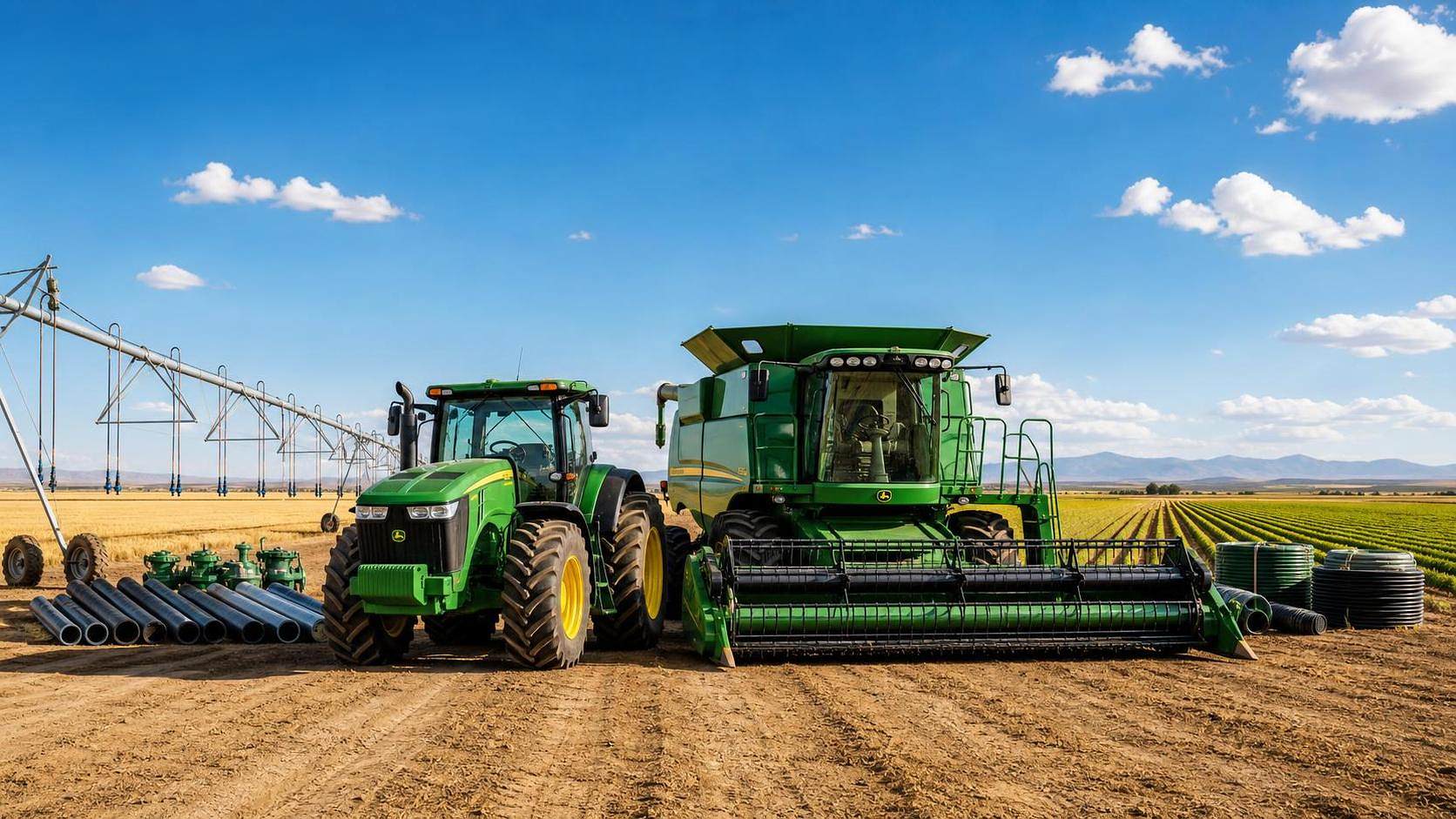




Farm Equipment Information for Buyers: What to Compare Before You Invest
Making the right machinery purchase requires more than checking price tags. In procurement, the expensive mistake is rarely the machine that costs a little more upfront. It is the one that looks competitive on paper, then burns cash through downtime, poor fuel economy, parts delays, operator complaints, or a poor fit for the actual field conditions. Good farm equipment information for buyers should help you compare what will matter after delivery, not just what helps a supplier win the quote.
If you are sourcing tractors, combine harvesters, irrigation systems, or precision tools, treat the purchase like a long-life operating asset, not a catalog item. The checklist below is written from that angle.
Start with the job, not the machine category
Buyers often begin with model comparisons too early. That is backwards. Define the field job in detail first:
- Crop type and planting density
- Field size, road access, turning space, and slope
- Soil condition, moisture range, and compaction risk
- Annual operating hours and seasonal peaks
- Required implements, attachments, or irrigation layout compatibility
A machine that performs well in broad, dry, uniform fields may become inefficient in fragmented plots or wet conditions. The same goes for irrigation hardware: the right system on paper can still underperform if local pressure stability, water quality, or filtration requirements were underestimated.
Before you compare brands, write one internal use profile. If that profile is vague, every later comparison becomes noisy.
Check usable power, not headline power
For tractors and self-propelled equipment, advertised horsepower gets too much attention. What matters in the field is how power is delivered under load, through the transmission, PTO, hydraulics, and traction system.
Ask for the rated engine output, PTO output where relevant, torque curve information if available, hydraulic flow, lift capacity, and the operating weight with typical configuration. A machine can look strong in one number and still feel weak once it is paired with a heavy implement or working on uneven terrain.
This is especially important for buyers comparing heavy tillage work, loader work, or harvest operations where throughput depends on stable power delivery rather than peak brochure figures.
Match machine size to logistics, not just field capacity
Bigger is not automatically cheaper per hectare. Sometimes it is the opposite.
Check transport width, axle load, turning radius, trailer requirements, local road restrictions, shed clearance, and service access. A large combine or tractor may deliver excellent hourly productivity, but if moving it between blocks is slow or regulated, your real daily output can fall short of the sales estimate.
This point matters even more for buyers operating across multiple sites or contractors serving different farms in one day.
Compare fuel use in working conditions, not in isolation
Fuel efficiency claims are easy to present and hard to compare fairly. Ask how the figure was measured. Was it transport work, partial load, or real field operation? Was the machine equipped with the same header, implement, tire setup, ballast, or pump configuration that you would use?
For procurement, useful comparisons usually include cost per operating hour and cost per hectare or acre. That tells you more than liters per hour alone. One machine may consume more fuel per hour but finish the job faster and cleaner. Another may look economical while leaving capacity on the table during short weather windows.
If the supplier cannot explain the duty cycle behind the fuel number, mark it as weak evidence.
For harvesters, loss control and crop adaptability come before top speed
Combine buyers know this, but it still gets missed in tender comparisons: field speed alone is not productivity. Throughput only counts if grain loss, grain damage, and cleaning quality stay within acceptable limits.
Ask what adjustment range the machine offers for different crops and moisture conditions. Review threshing, separation, and cleaning system design. Check unloading rate, grain tank size, residue handling options, and header compatibility. If your operation handles mixed crop environments, adaptability matters more than one impressive demo result.
Also verify how the machine reports losses and operator adjustments. Some smart systems help, but only if your team can use the data consistently in season.
Do not treat smart technology as a bonus feature
In precision farming, compatibility problems are expensive and slow. Guidance, telematics, section control, variable-rate capability, implement communication, and farm management data export should be checked before procurement approval, not after the machine arrives.
Practical questions to ask:
- Does it support the positioning accuracy your field tasks require?
- Can it work with your current displays, sensors, or farm software?
- Are subscriptions required for core functions?
- Who owns the machine data, and how is it exported?
- Will updates require dealer intervention or remote support?
This is where buyers often underestimate lifetime cost. A lower purchase price can be offset by recurring licenses, locked ecosystems, or limited interoperability.
Hydraulics, chassis, and driveline deserve a closer look than they usually get
For heavy-duty operations, chassis and hydraulic design are where long-term ownership either stays calm or becomes a maintenance story. Buyers comparing tractor platforms should check transmission type, hydraulic control precision, cooling capacity, axle strength, suspension options, and serviceability around key components.
If the equipment will carry loaders, support heavy implements, or work long shifts, ask how the system behaves under continuous load. A machine that feels refined in a short demo may still struggle with heat, wear, or control inconsistency later.
This is one area where AP-Strategy’s kind of technical intelligence is useful: the brochure rarely tells you enough about transmission behavior, hydraulic response, or how design choices affect uptime in real field duty.
For irrigation systems, compare water quality tolerance and control logic
With irrigation, buyers often focus on coverage and pump sizing, then discover later that filtration, clogging risk, pressure variation, or controller limitations drive the real maintenance burden.
Review emitter type, filtration requirements, pressure compensation, automation options, sensor integration, and spare part availability. If the system depends on water sources with variable quality, ask what pretreatment is assumed. If the supplier cannot clearly state operating limits, keep the recommendation under review as 【待核实】 until engineering documents are checked.
Smart irrigation only works when the hardware, controls, and agronomic decision model are aligned. Buying one piece without the others usually creates workarounds.
Parts and service coverage should be scored like a cost item
A common purchasing error is treating after-sales support as a qualitative note instead of a weighted evaluation factor. In seasonal agriculture, a cheap machine with slow parts support can become the most expensive option in the fleet.
Ask for local parts stocking policy, lead times for critical wear items, technician response expectations, and remote diagnostics capability. Separate routine parts from major component availability. Those are not the same risk category.
Calculate total ownership cost with a hard pencil
For procurement teams, this is where decisions become defendable. Build a simple ownership model including purchase price, financing cost if relevant, fuel or energy use, maintenance intervals, wear parts, subscriptions, training, insurance, expected resale value, and probable downtime cost.
Do not assume resale will save a bad buying decision. Residual value depends on brand demand, model reputation, service history, and local secondary market conditions. If you lack verified market data, keep resale assumptions conservative.
A good internal test is this: if two machines finish close on purchase price, can your model show which one is cheaper per productive hour over five to seven seasons? If not, the comparison is not finished yet.
Certifications, emissions, and compliance need document checks
Do not rely on verbal claims regarding emissions stage, safety compliance, or import suitability. Requirements vary by market, and buyers handling cross-border sourcing should verify the exact documents needed in the destination country. That may include emissions declarations, safety labels, operator documentation, and customs-related technical files. Specific regulatory requirements should be checked against current local rules as 【待核实】 unless your compliance team has already confirmed them.
This step is rarely exciting, but it is cheaper than finding out at delivery that the machine cannot be registered, financed, or insured as planned.
Do a pre-award review with operations, not procurement alone
The best buying decisions usually happen when procurement, operations, maintenance, and agronomy all get a vote before contract award. Procurement sees cost structure. Operators see usability. Technicians see future pain points. Agronomy or irrigation specialists see whether the machine actually supports the intended field outcome.
If you can only add one step to your process, add this one. It catches mismatches earlier than any brochure comparison.
A practical final check before signing
Before you release the order, confirm four things in writing: the exact configuration, the delivery scope, the support commitment, and the commercial assumptions behind the business case. That includes optional software, headers or implements, training, commissioning, spare kits, and any performance expectations discussed during evaluation.
That is the version of farm equipment information for buyers that actually protects budget and field output. Not more brochure pages. Just clearer comparisons, fewer assumptions, and a purchase file that still makes sense when the machine has been working for three seasons.
Related News

How North American Farms Can Select Crop Monitoring Systems by Acreage and Connectivity
Crop monitoring systems North America: learn how to match acreage, connectivity, sensors, and data workflows for reliable, actionable farm decisions.

Where to Find Reliable Product Information for Comparing Farm Equipment
Product information resources agriculture buyers can trust: compare farm equipment with technical specs, manuals, field data, dealer support, and lifecycle insights.
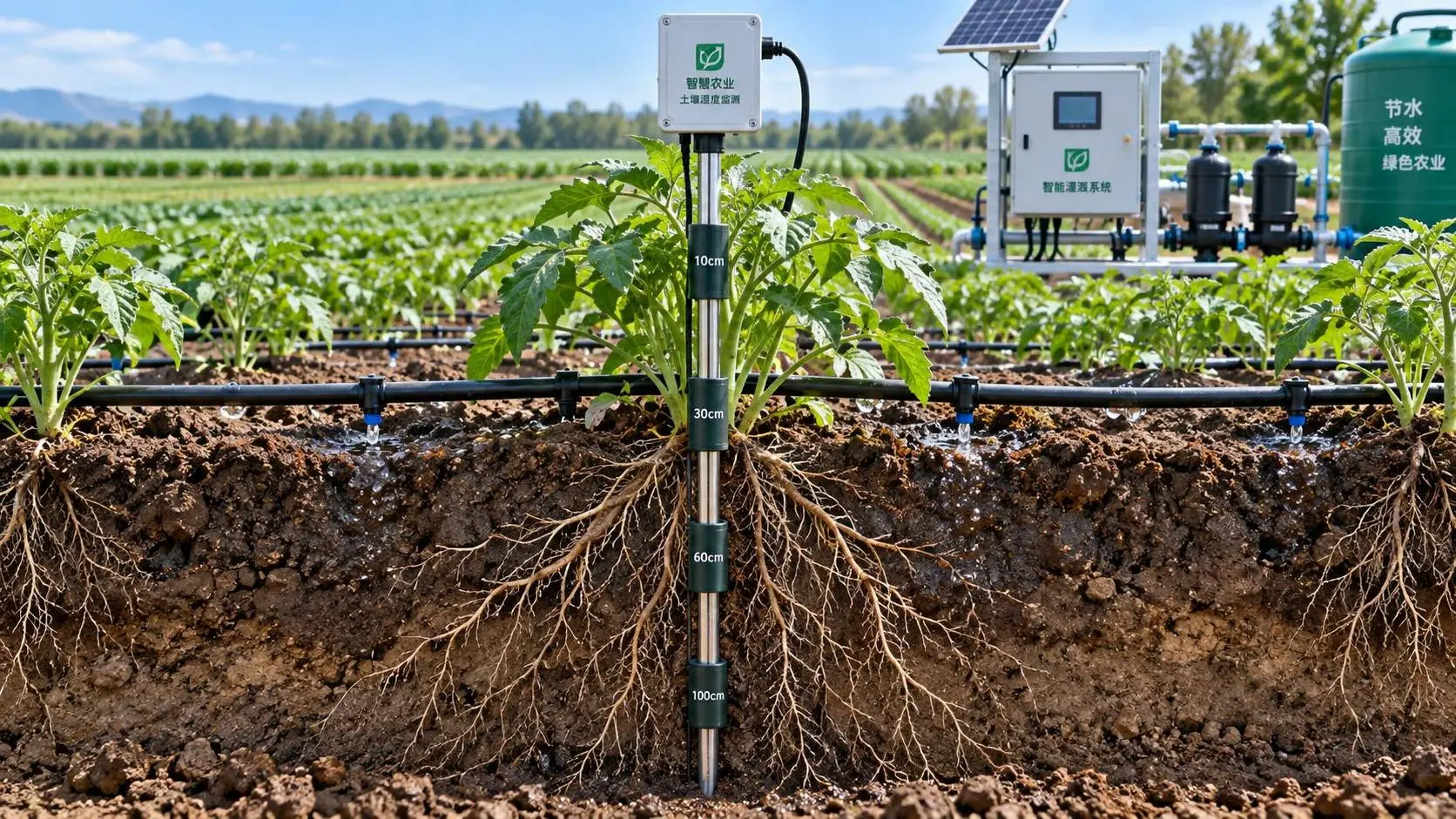
Selecting Real-Time Soil Moisture Sensors for Irrigation Zone Control
Soil moisture sensors real time: learn how to select reliable probes, optimize zone control, improve irrigation decisions, and scale precision water management.
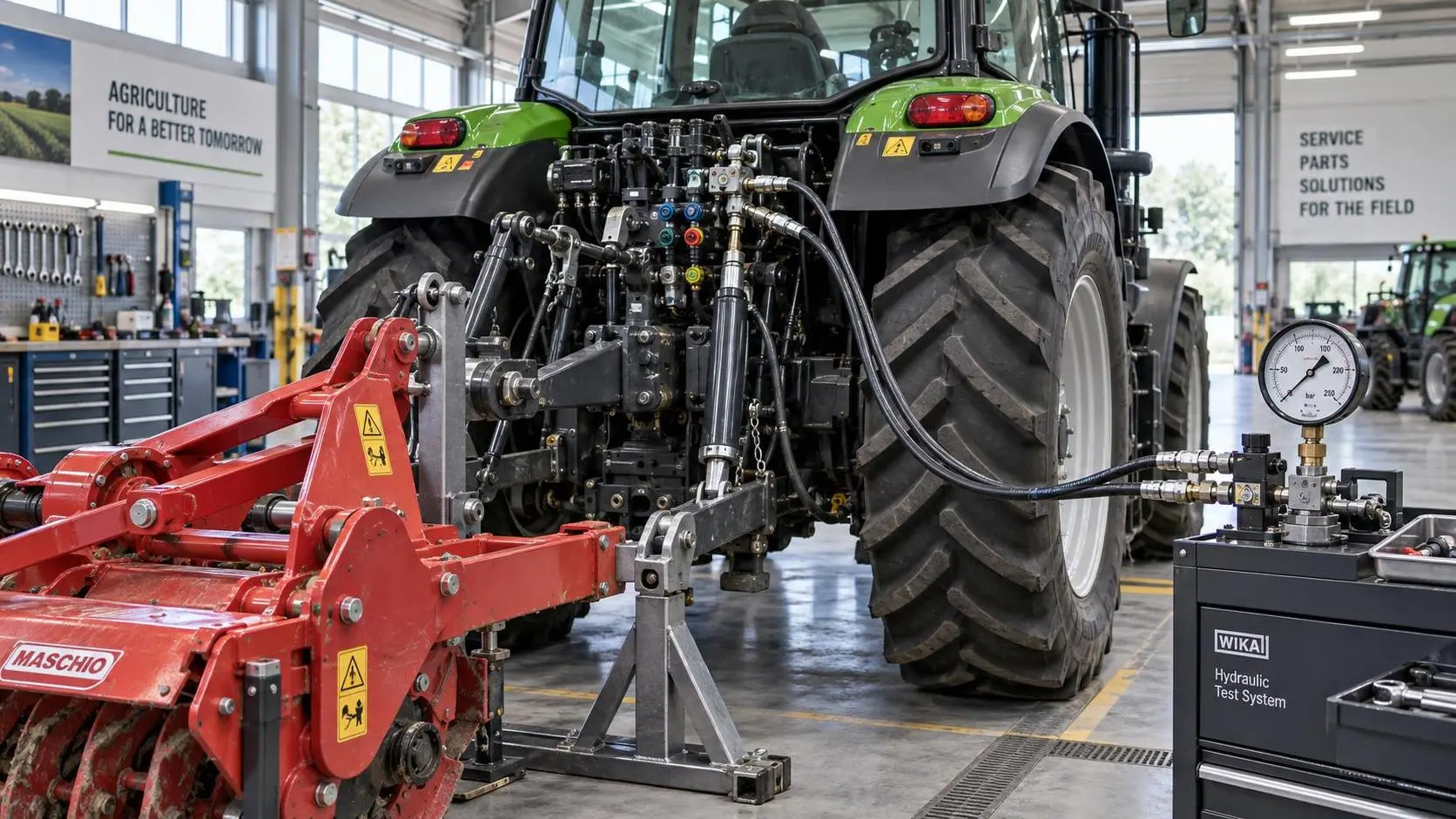
Tractor Hydraulic Systems Troubleshooting: Diagnosing Weak Lift and Slow Implements
Tractor hydraulic systems troubleshooting made practical: diagnose weak lifts and slow implements with proven pressure, flow, valve, and oil-supply checks.
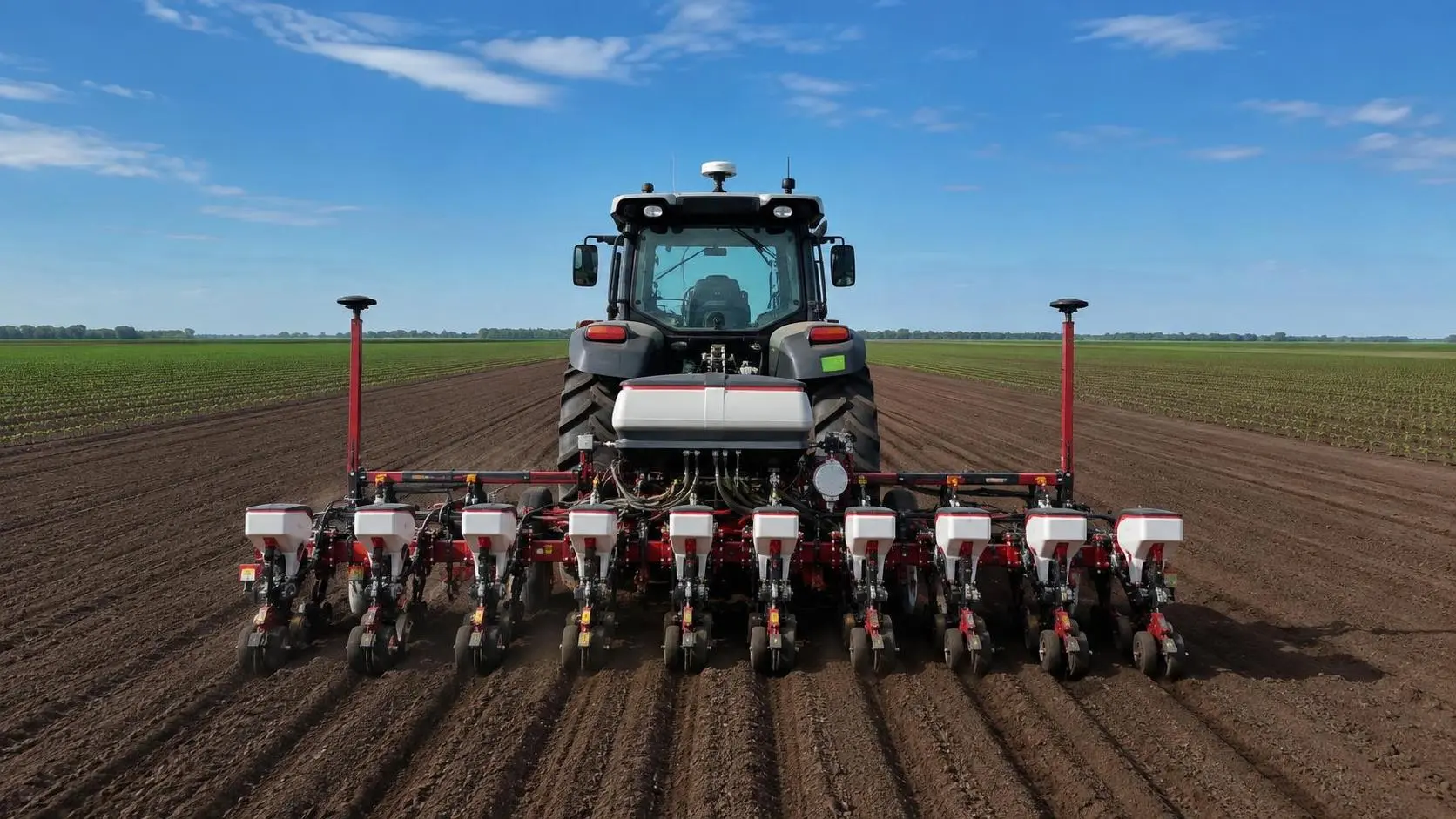
How Tractor Intelligence Systems Improve Field Efficiency and Input Accuracy
Agricultural machinery intelligence for tractors improves field efficiency, input accuracy, data traceability, and implement control. Explore smarter evaluation strategies.
How to Evaluate Crop Monitoring System Manufacturers for Large-Scale Farms
Compare crop monitoring systems manufacturers for large-scale farms. Evaluate data quality, integration, durability, lifecycle costs, support, and pilots for smarter decisions.
Wireless Agricultural Automation for Remote Irrigation and Field Monitoring
Agricultural automation wireless solutions improve remote irrigation with reliable field data, local control, flow verification, and smarter monitoring. Explore resilient deployment strategies.
Agricultural Product Information Market Guide: Key Data for Sourcing Decisions
Agricultural product information market guide for smarter sourcing—compare machinery, irrigation, precision tools, lifecycle costs, and supplier risk.
Large-Scale Farm Equipment Cost Comparison: Price, Fuel, and Lifecycle Value
Large-scale farm equipment cost comparison: evaluate price, fuel, maintenance, downtime, and lifecycle value to choose tractors, combines, irrigation, and smart tools with confidence.
Related News
- 00
0000-00
Where to Find Reliable Product Information for Comparing Farm Equipment - 00
0000-00
How to Evaluate Crop Monitoring System Manufacturers for Large-Scale Farms - 00
0000-00
Agricultural Product Information Market Guide: Key Data for Sourcing Decisions - 00
0000-00
Large-Scale Farm Equipment Cost Comparison: Price, Fuel, and Lifecycle Value - 00
0000-00
A Procurement Specification Preparation Example for Buying Farm Equipment
Popular Tags
Ms. Elena Rodriguez
Weekly Insights
Stay ahead with our curated technology reports delivered every Monday.