
How Intelligent Agricultural Equipment Automation Improves Yield and Labor Efficiency




How Intelligent Agricultural Equipment Automation Improves Yield and Labor Efficiency
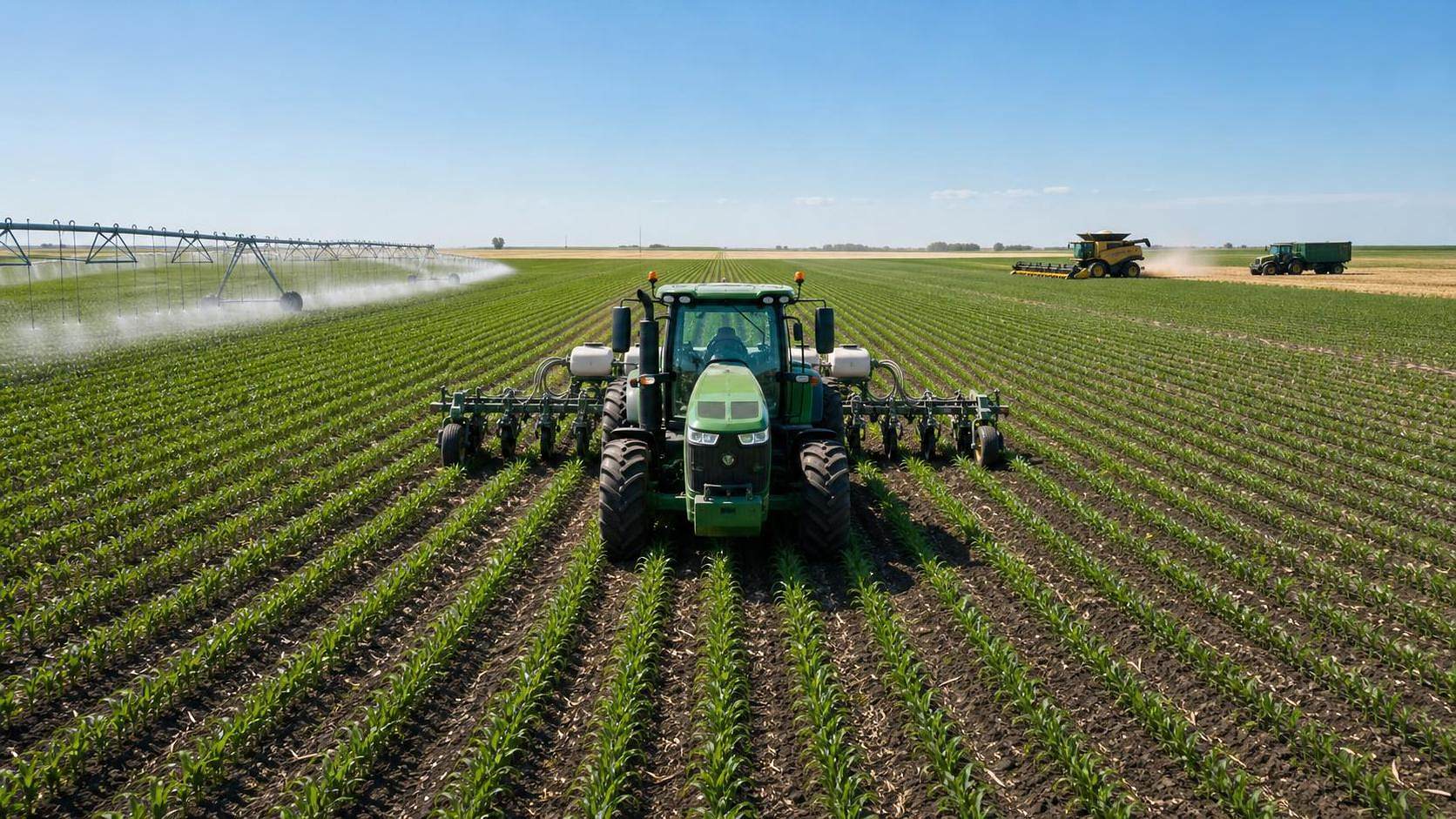
The first place this becomes visible is not in a showroom or in a software dashboard. It shows up in the field when a farm manager has to decide whether the next pass should prioritize timing, fuel, operator availability, or crop protection. That is where intelligent agricultural equipment automation stops being a technology label and starts acting like an operational tool. On large farms especially, the value is rarely tied to one machine working faster in isolation. It comes from reducing small losses that accumulate across planting windows, spray timing, harvest moisture shifts, and irrigation response.
For enterprises dealing with large acreage, labor volatility is often the trigger. A skilled operator shortage does not just increase wage cost; it narrows the range of workable days. If only a few people can run high-horsepower tractors, combine settings, guidance systems, and implement calibration correctly, the farm becomes vulnerable whenever weather compresses the schedule. Automated steering, path planning, headland turn support, variable-rate application, and machine health diagnostics are useful because they reduce dependence on constant manual correction. In practice, that often means more consistent field execution across long shifts and across operators with uneven experience.
Where Yield Gains Actually Come From
Many decision-makers hear “automation” and immediately think of labor replacement. That is too narrow. In row crops, yield improvement is often tied to better timing and tighter agronomic consistency rather than full autonomy. A tractor with accurate guidance and implement control can cut overlap during seeding and fertilizer placement. On paper that sounds like an input-saving story. In the field, it also reduces population inconsistency, skipped strips, and crop competition patterns that later show up as uneven maturity. The yield effect may not be dramatic every season, but on large parcels the cumulative result is easier to measure than many expect.
The same applies to automated section control in plant protection. In irregularly shaped fields, near waterways, or on land with terraces and obstacles, manual shutoff is usually less precise than operators believe. The loss is not only chemical overuse. Double-application can create phytotoxicity pressure in some crops, while missed sections can leave disease or weed escapes that raise the cost of the next intervention. Intelligent control matters most where field geometry is messy, where operation happens at night, or where one operator is covering a large area under time pressure.
Harvest is even less forgiving. Automation in combines, especially systems that help manage speed, threshing, separation, and cleaning based on sensor feedback, is valuable because harvest losses are easy to underestimate in real time. Operators tend to notice breakdowns and major grain loss; they are less likely to detect persistent low-level losses caused by changing moisture, crop density, or lodging. In crops where conditions vary across the same field, data-guided adjustment is often more reliable than asking an operator to keep re-tuning manually while also watching unloading logistics and traffic flow.
Large-Scale Acreage Is Not the Same as Complex Acreage
There is a common assumption that automation pays back fastest only on very large, uniform farms. Acreage does matter, but complexity matters just as much. A flat, rectangular farm block with stable soil conditions may already run efficiently with a conventional mechanized fleet and experienced operators. The pressure is different on operations spread across fragmented parcels, mixed soil zones, narrow transport routes, or uneven water availability. In those environments, intelligent farm equipment is less about maximizing theoretical capacity and more about reducing avoidable friction.
Consider the difference between two farms of similar size. One has contiguous land and a consistent rotation. The other works leased parcels with different topography, varying access points, and irrigation constraints. The second operation usually gains more from machine guidance, geofencing, remote monitoring, and implement-level automation because every move carries more room for setup error. That is also where a Strategic Intelligence Center approach, the kind AP-Strategy tracks across mechanization, harvester performance, and water systems, becomes relevant. The machine cannot be evaluated apart from field shape, crop calendar, and logistics discipline.
Irrigation Automation Is Often Misjudged
Smart irrigation tends to be discussed as if the control platform alone solves water management. It does not. The strongest results usually come where automation is matched to the hydraulic reality of the site: pressure variation, filtration quality, emitter condition, water source reliability, and the farm’s ability to maintain valves and sensors through the season. In other words, intelligent control is only as sound as the network it is attached to.
When those basics are in place, the advantage is substantial. Scheduling based on soil moisture, weather forecasts, and crop stage can narrow the gap between planned irrigation and plant demand. That matters in regions facing volatile rainfall or pumping restrictions. It also matters on high-value crops where over-irrigation can hurt root health, nutrient balance, or disease pressure just as much as under-irrigation hurts biomass formation. The labor story is real here too. A well-configured system reduces the need for constant manual valve checks and emergency responses, but only if alarms are credible and someone is clearly responsible for acting on them.
One recurring mistake is installing sophisticated irrigation automation on networks that already suffer from uneven pressure or poor maintenance access. Then the system appears to “fail,” when the real issue is that the farm digitized a mechanical bottleneck instead of fixing it. Enterprises comparing intelligent irrigation systems should therefore ask fewer software-first questions and more field-first questions: how often are filters serviced, how stable is power supply, what is the condition of laterals, and who calibrates the sensors after installation?
Autonomous Tractors Need Operational Discipline
Autonomous or semi-autonomous tractors draw attention because the labor savings are easy to imagine. The harder part is admitting that autonomy requires disciplined field data, repeatable workflows, and a support structure for exceptions. Obstacles, changing implements, soft ground, transport between fields, and mixed traffic around roads or farmyards all complicate deployment. On some sites, the practical near-term gain comes less from full driverless operation and more from supervised autonomy during repetitive in-field passes.
This is especially true where tractor chassis performance, hydraulic responsiveness, and implement compatibility determine whether automation can hold a stable working depth or application rate. Heavy-duty operations such as subsoiling, cultivation, or large-planter seeding place different demands on control systems than light transport or mowing. The machine may be technically automated, yet still deliver poor agronomic results if wheel slip, draft load, or hydraulic lag are not managed well. That is why equipment selection should not separate software intelligence from powertrain and chassis behavior. AP-Strategy’s focus on tractor chassis evolution is relevant here for a reason: automation quality depends on mechanical stability as much as on guidance logic.
The Human Role Does Not Disappear
Farms that implement automation successfully usually redefine labor rather than simply reduce headcount. Operators spend less time steering, compensating for overlap, or making repetitive adjustments. They spend more time validating settings, checking data quality, coordinating machine flow, and responding to exceptions. For managers, this changes the hiring profile. Fewer people may be needed for repetitive tasks, but the remaining team has to be better at calibration, troubleshooting, and digital record handling.
That creates a practical selection issue. If the local labor pool has limited experience with digital interfaces or weak dealer support is a known problem, the most advanced platform is not automatically the best choice. A simpler, well-supported system with strong diagnostics and clear training workflows can outperform a more capable system that the team never fully uses. This is one of the least glamorous parts of intelligent agricultural equipment automation, but it often decides the outcome.
What Enterprise Buyers Should Test Before Scaling
The right question is usually not “Does automation work?” It is “Under which field and management conditions does it return value fast enough to justify the complexity?” A few checks are consistently useful before broad deployment:
- Whether historical field boundaries, soil zones, and machine data are accurate enough to support prescriptions and machine guidance.
- How the equipment performs during the busiest seasonal window, not during a controlled demonstration.
- What happens when connectivity drops, sensors drift, or one implement is switched for another mid-season.
- How quickly local service teams can resolve hydraulic, control, or software issues during planting or harvest.
- Whether the farm’s maintenance routine can support the added sensors, wiring, calibration, and cleaning requirements.
A pilot approach is often more informative than a fleet-wide rollout. Not because the technology is immature across the board, but because site conditions vary more than brochures suggest. One farm may prove the business case through irrigation automation and variable-rate input control. Another may see the clearest return in combine optimization and machine coordination during harvest. The sequence matters.
What experienced operators and enterprise planners tend to learn is straightforward: yield and labor efficiency improve when automation is tied to the real bottleneck. If the constraint is water timing, start there. If the hidden loss sits in harvest settings and operator fatigue, focus on the combine. If fragmented land is driving overlap and wasted passes, guidance and implement automation will usually matter more than headline autonomy claims. Intelligent systems are most effective when they are treated as field decision tools connected to machinery, agronomy, and maintenance practice, not as standalone symbols of modernization.
Related News
How to Evaluate Agricultural Product Information Sources for Reliable Farm Decisions
Agricultural product information reference guide: evaluate reliable farm data, verify claims, and make smarter machinery, irrigation, and crop decisions.
Farm Machinery Guide: Matching Tractor Horsepower and Implements to Farm Size
Farm machinery guide for tractors: match horsepower, implement width, hydraulics, traction, and fleet capacity to farm size for lower costs and reliable field performance.
How to Evaluate Drip Irrigation System Manufacturers for Large Farm Projects
Drip irrigation systems manufacturer evaluation guide for large farms: compare hydraulic design, filtration, quality control, scalability, delivery, and support.
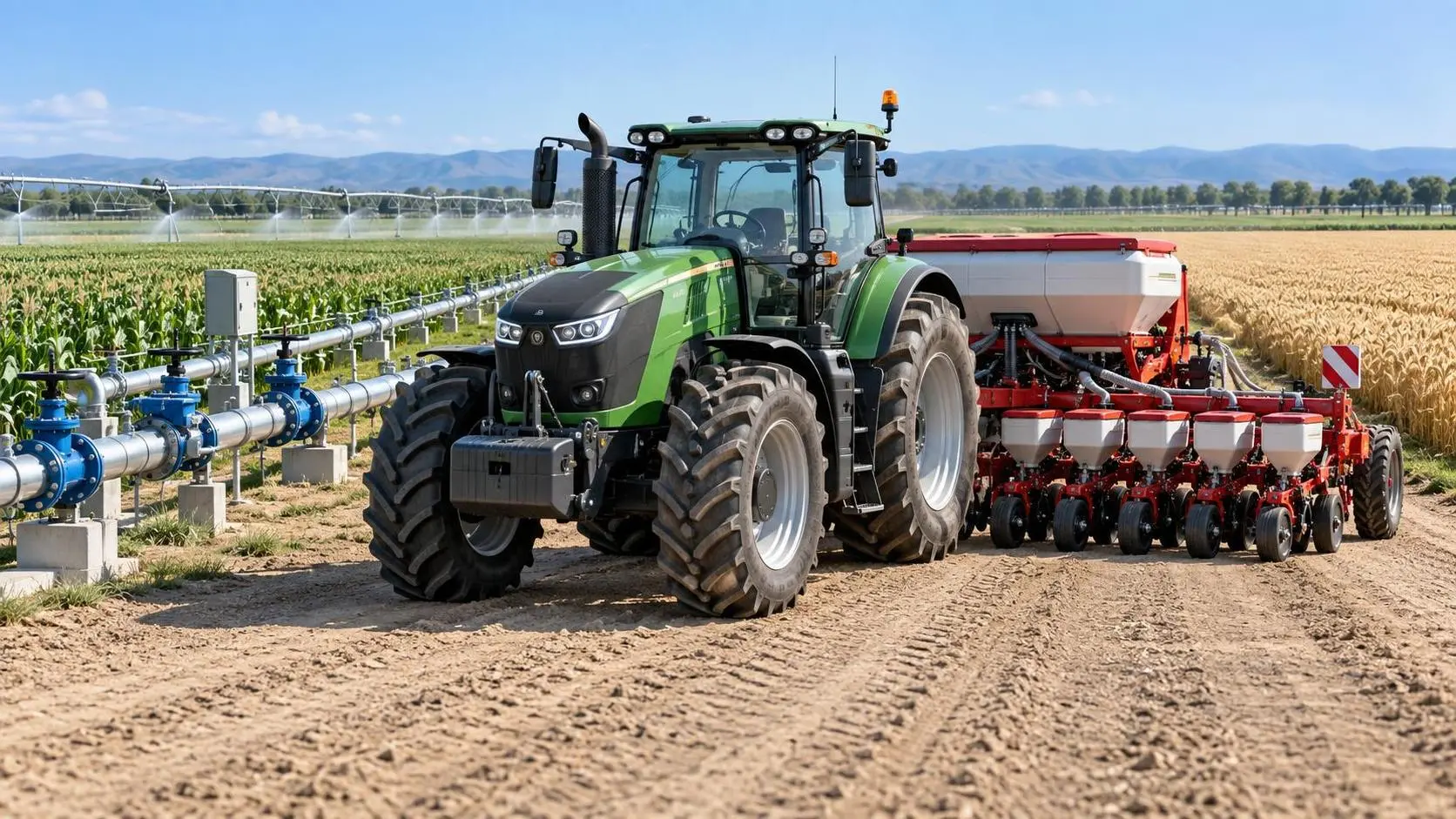
Specification Planning: A Practical Framework for Defining Equipment Requirements
Application guidance for specification planning: define measurable equipment requirements, prioritize performance, and avoid costly procurement mistakes.

How North American Farms Can Select Crop Monitoring Systems by Acreage and Connectivity
Crop monitoring systems North America: learn how to match acreage, connectivity, sensors, and data workflows for reliable, actionable farm decisions.

Where to Find Reliable Product Information for Comparing Farm Equipment
Product information resources agriculture buyers can trust: compare farm equipment with technical specs, manuals, field data, dealer support, and lifecycle insights.
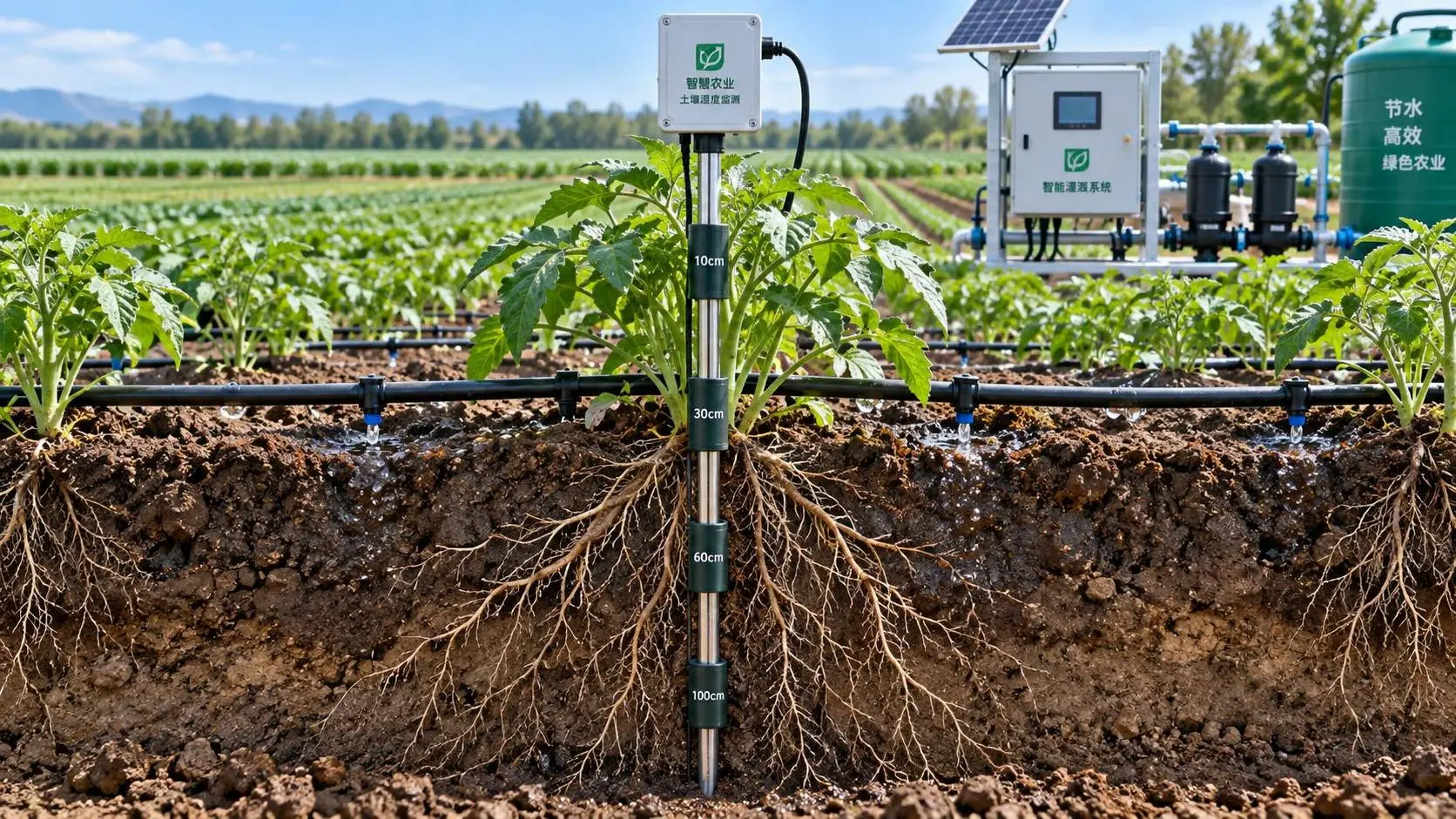
Selecting Real-Time Soil Moisture Sensors for Irrigation Zone Control
Soil moisture sensors real time: learn how to select reliable probes, optimize zone control, improve irrigation decisions, and scale precision water management.
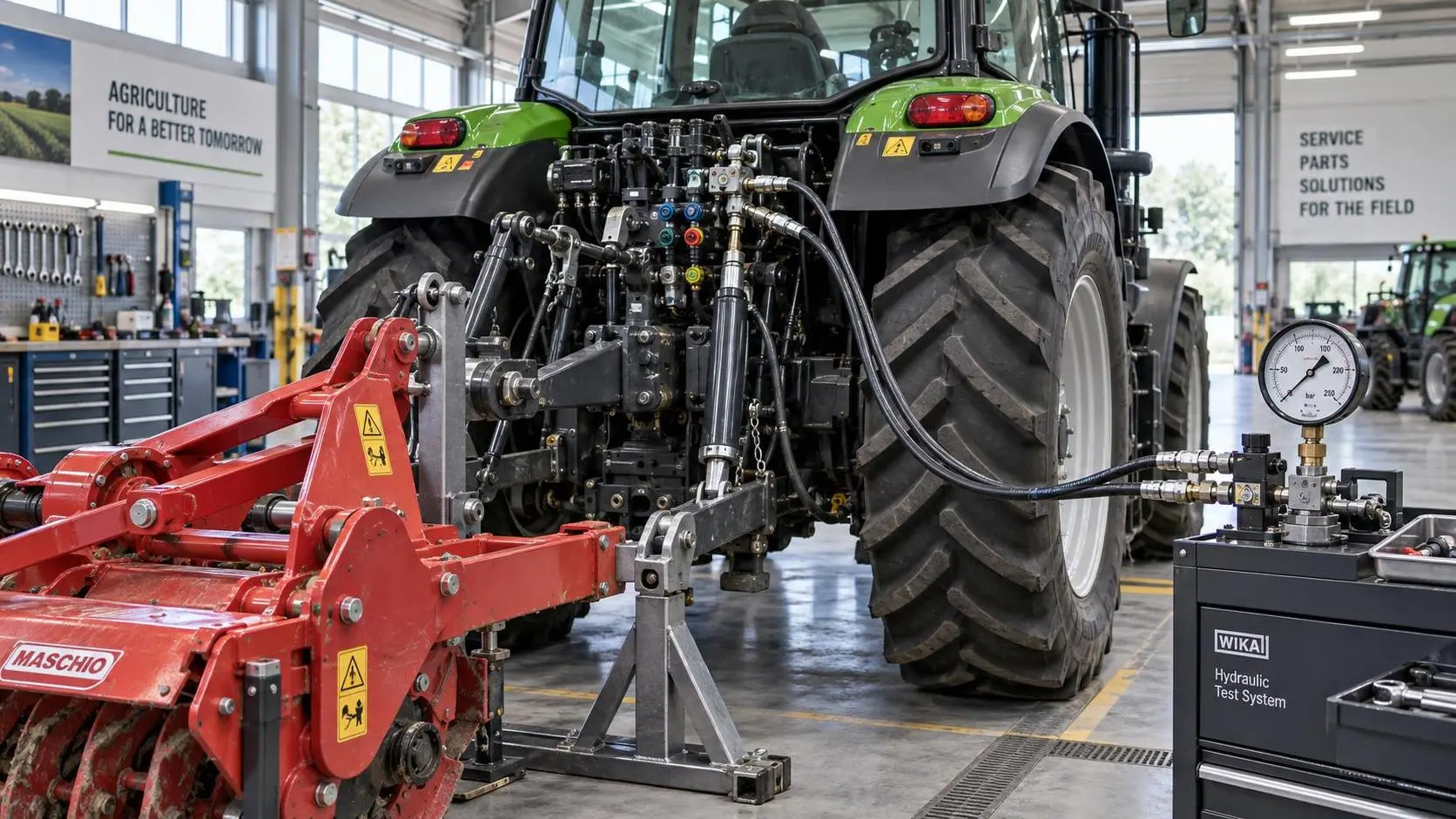
Tractor Hydraulic Systems Troubleshooting: Diagnosing Weak Lift and Slow Implements
Tractor hydraulic systems troubleshooting made practical: diagnose weak lifts and slow implements with proven pressure, flow, valve, and oil-supply checks.
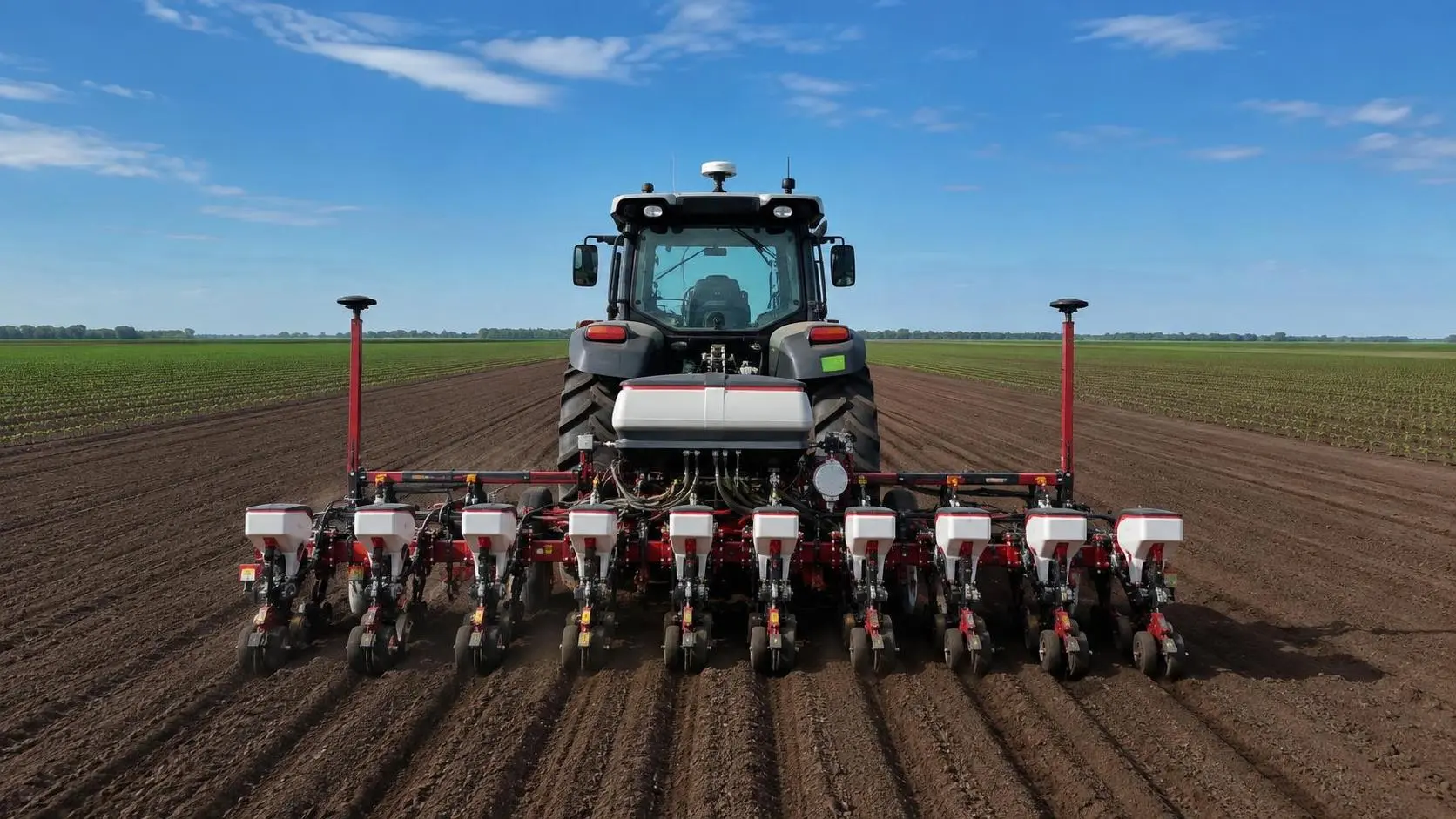
How Tractor Intelligence Systems Improve Field Efficiency and Input Accuracy
Agricultural machinery intelligence for tractors improves field efficiency, input accuracy, data traceability, and implement control. Explore smarter evaluation strategies.
Related News
- 00
0000-00
How to Evaluate Agricultural Product Information Sources for Reliable Farm Decisions - 00
0000-00
Farm Machinery Guide: Matching Tractor Horsepower and Implements to Farm Size - 00
0000-00
Specification Planning: A Practical Framework for Defining Equipment Requirements - 00
0000-00
Where to Find Reliable Product Information for Comparing Farm Equipment - 00
0000-00
How to Evaluate Crop Monitoring System Manufacturers for Large-Scale Farms
Popular Tags
Ms. Elena Rodriguez
Weekly Insights
Stay ahead with our curated technology reports delivered every Monday.