
Application-Based Product Selection for Buyers: How to Match Specs to Use Cases
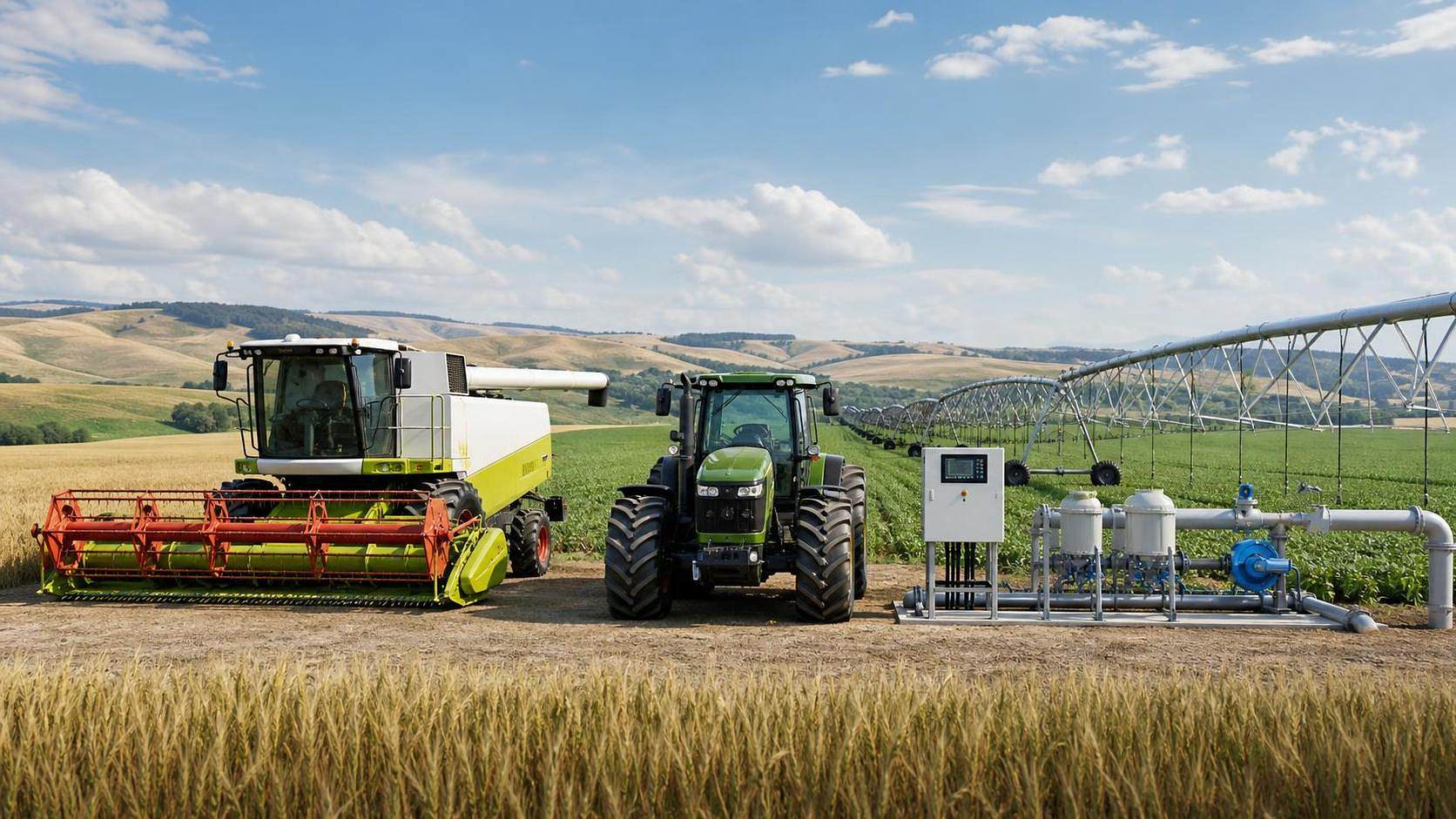




For procurement teams working through modern agri-equipment purchases, application based product selection for buyers is less about chasing the biggest spec sheet and more about matching equipment to the job it will actually do. That sounds obvious, but this is where many buying mistakes start. A combine that looks efficient on paper may struggle in lodged crops. A tractor chassis with strong power ratings may still be a poor fit if the transmission behavior and hydraulic setup do not suit the implements in use. An irrigation system can promise control and efficiency, yet fail commercially if water quality, field layout, and service access were never assessed upfront.
The practical way to buy is to begin with the application, then work toward the specification. Not the other way around. Here is the checklist that usually keeps procurement decisions grounded.
Start with the operating scenario, not the catalog
Before comparing models, write down the real field conditions the machine or system will face. For agri-equipment, the same product category can perform very differently depending on crop type, field size, terrain, soil condition, moisture variability, residue load, irrigation source, labor skill, and the daily operating window.
A useful internal brief should answer questions like these:
- What exact task will the equipment handle?
- In what crop, soil, and weather pattern?
- How many operating hours or hectares are expected in peak season?
- What is the penalty if performance drops during a narrow harvest or irrigation window?
- Who will run it, maintain it, and interpret the data it generates?
If this step stays vague, every later comparison becomes noisy. Buyers end up debating engine power, hopper size, flow rate, or automation features without a clear picture of what problem those specs are supposed to solve.
Separate must-have performance from nice-to-have features
This is one of the fastest ways to reduce procurement drift. For each purchase, split requirements into two groups: operational essentials and optional enhancements.
For a combine harvester, essentials may include crop compatibility, throughput stability in local field conditions, grain loss control, unloading practicality, and service access during harvest. Features such as advanced display layouts, premium cab packages, or extra automation layers may still matter, but they should not outrank the performance variables that affect harvest timing and loss exposure.
The same logic applies to irrigation. Remote control, dashboard visibility, and software integration can add value, but if emitter suitability, filtration needs, pressure behavior, and water source variability are not resolved first, the digital layer will not rescue a weak application fit.
Check the spec that governs field output, not the spec marketing leads with
Not all specifications carry equal decision value. In procurement meetings, the most visible number often gets too much attention because it is easy to compare. That is rarely the number that determines success in use.
A good buyer keeps asking one question: which specification actually changes the outcome in my operating conditions? That question filters out a lot of noise.
Map use cases by workload band
Many purchasing problems come from buying to the average workload when the business is exposed to peak periods. Agricultural operations are seasonal, and peak demand is usually where cost, delay, and asset stress show up.
Build your selection around workload bands:
- Normal load: what the equipment handles in routine conditions.
- Peak load: what happens during compressed field windows, difficult crop conditions, or high water demand periods.
- Recovery load: how fast operations can catch up after weather delays, breakdowns, or labor shortages.
This approach changes the buying discussion. A machine that is acceptable in normal load but weak in peak or recovery load may still be the wrong choice if downtime or missed timing creates bigger losses than the purchase price difference.
Look at compatibility before capacity
Capacity is easy to advertise. Compatibility is where real integration risk sits.
For tractor chassis, review implement matching in detail: hitch requirements, hydraulic flow and control logic, power delivery characteristics, tire or track setup, and transport constraints. For intelligent tools, confirm whether positioning, sensors, data export formats, and display systems can work with the farm’s existing workflow. For irrigation, check connection standards, pump interaction, filtration setup, pipe layout logic, and maintenance accessibility.
One common mistake is buying a product that is technically capable in isolation but inefficient inside the current operating system. Procurement should evaluate the working chain, not just the standalone unit.
Check where performance degrades
Suppliers usually present products under favorable conditions. Buyers need to understand failure edges instead. Ask when output drops, when losses rise, when clogging becomes more frequent, when control accuracy weakens, or when maintenance intervals shorten.
This matters because field conditions are rarely uniform. A harvester that works well in a dry, even crop may behave differently in variable moisture or heavy residue. An irrigation setup that performs well with clean water can become expensive when filtration demand rises. Intelligent tools that look smooth in demonstrations may become frustrating if calibration takes too long or sensor readings drift under dust, vibration, or unstable signal conditions.
You do not need a dramatic failure to lose money. Gradual performance decay is enough.
Price the operating model, not just the equipment
A lower purchase price can still produce a worse procurement outcome if the operating model becomes heavier. That includes fuel or energy use, wear parts consumption, filtration burden, labor demand, software dependence, training time, and downtime exposure during the critical season.
When comparing options, build a simple review table around these questions:
- What routine maintenance tasks are required, and how often?
- Which consumables or wear components drive recurring cost?
- What level of operator skill is needed to keep performance stable?
- Which failures stop the operation completely, and which can be worked around?
- How dependent is the asset on dealer support, software access, or specialist technicians?
For application based product selection for buyers, this is where commercial judgment gets sharper. Two products may look close on capital cost and far apart in operational resilience.
Do not treat automation as a shortcut around poor fit
Automation, sensing, guidance, and smart control can improve consistency. They do not cancel out weak agronomic fit, poor mechanical matching, or bad infrastructure assumptions.
In practice, buyers should test whether the digital layer solves a real operational bottleneck. Does it reduce overlap, improve timing, support prescription tasks, or make irrigation decisions more responsive to field conditions? Or is it mostly adding another interface that requires training and support without addressing the core constraint?
A useful rule here: if the base machine or system is not already suitable for the application, smart features usually increase complexity faster than they increase value.
Review serviceability as part of application fit
Service is not a post-purchase topic. In agriculture, serviceability is part of suitability because the value of equipment is tied to timing. A component delay during harvest or irrigation stress periods is not just a maintenance issue. It changes operational output.
Check serviceability in concrete terms:
- Access to routine service points
- Availability of common replacement parts in the target market
- Lead time risk during seasonal peaks
- Diagnostic workflow for electronic or control issues
- Whether in-house teams can handle first-line maintenance
This is especially important when buying advanced combine systems, electronically managed tractor platforms, sensor-driven tools, or intelligent irrigation controls. The more integrated the system, the more expensive weak support becomes.
Use the target market and operating environment to filter compliance needs
Compliance should be reviewed through the actual sales or deployment context. Requirements may vary depending on where the equipment will be imported, registered, operated, connected, or financed. That means procurement should not ask for “all certificates.” It should request the documents tied to the transaction and destination.
The right way to handle this is specific. Identify the target market, the equipment category, and the intended operating status. Then review the supplier file for the exact product identity fields, technical declaration documents, and market-entry paperwork relevant to that setup. If the purchase involves connected systems, controls, or emissions-related components, make sure those are checked at model level, not only at brand level.
Procurement errors often happen when buyers assume a compliant product family means every configuration is equally acceptable. It does not.
Run a mismatch review before final approval
Before issuing the purchase order, do one last review focused only on mismatch risk. Not benefits. Not supplier presentation quality. Just mismatch.
Ask:
- Which field condition or operating pattern is this product least suited for?
- What assumption are we making that could prove false after deployment?
- Is there a hidden dependency on labor skill, data quality, water condition, or support response?
- If the season turns difficult, does this product remain usable or simply theoretical?
That short exercise catches a surprising number of bad buys.
What a disciplined buying sequence looks like
A workable decision path is simple. Define the application in field terms. Rank operational requirements by consequence, not by presentation appeal. Compare the specifications that actually influence output in those conditions. Check compatibility across the wider working system. Review where performance degrades. Then price the ongoing operating model and service burden before signing off.
For buyers in large-scale agriculture, that sequence usually leads to better decisions than buying on headline power, feature density, or brand familiarity alone. The equipment that wins on paper is not always the equipment that holds up when the harvest window narrows, the field turns uneven, or irrigation demand spikes. Match the specification to the use case first, and the shortlist gets much clearer.
Related News
Selecting Precision Farming Products by Application: Field Conditions, Crops, and ROI
Application-based product selection for precision farming: match technology to field conditions, crops, machinery, and ROI for smarter, reliable farm investments.
How to Evaluate Agricultural Product Information Sources for Reliable Farm Decisions
Agricultural product information reference guide: evaluate reliable farm data, verify claims, and make smarter machinery, irrigation, and crop decisions.

Farm Machinery Guide: Matching Tractor Horsepower and Implements to Farm Size
Farm machinery guide for tractors: match horsepower, implement width, hydraulics, traction, and fleet capacity to farm size for lower costs and reliable field performance.
How to Evaluate Drip Irrigation System Manufacturers for Large Farm Projects
Drip irrigation systems manufacturer evaluation guide for large farms: compare hydraulic design, filtration, quality control, scalability, delivery, and support.
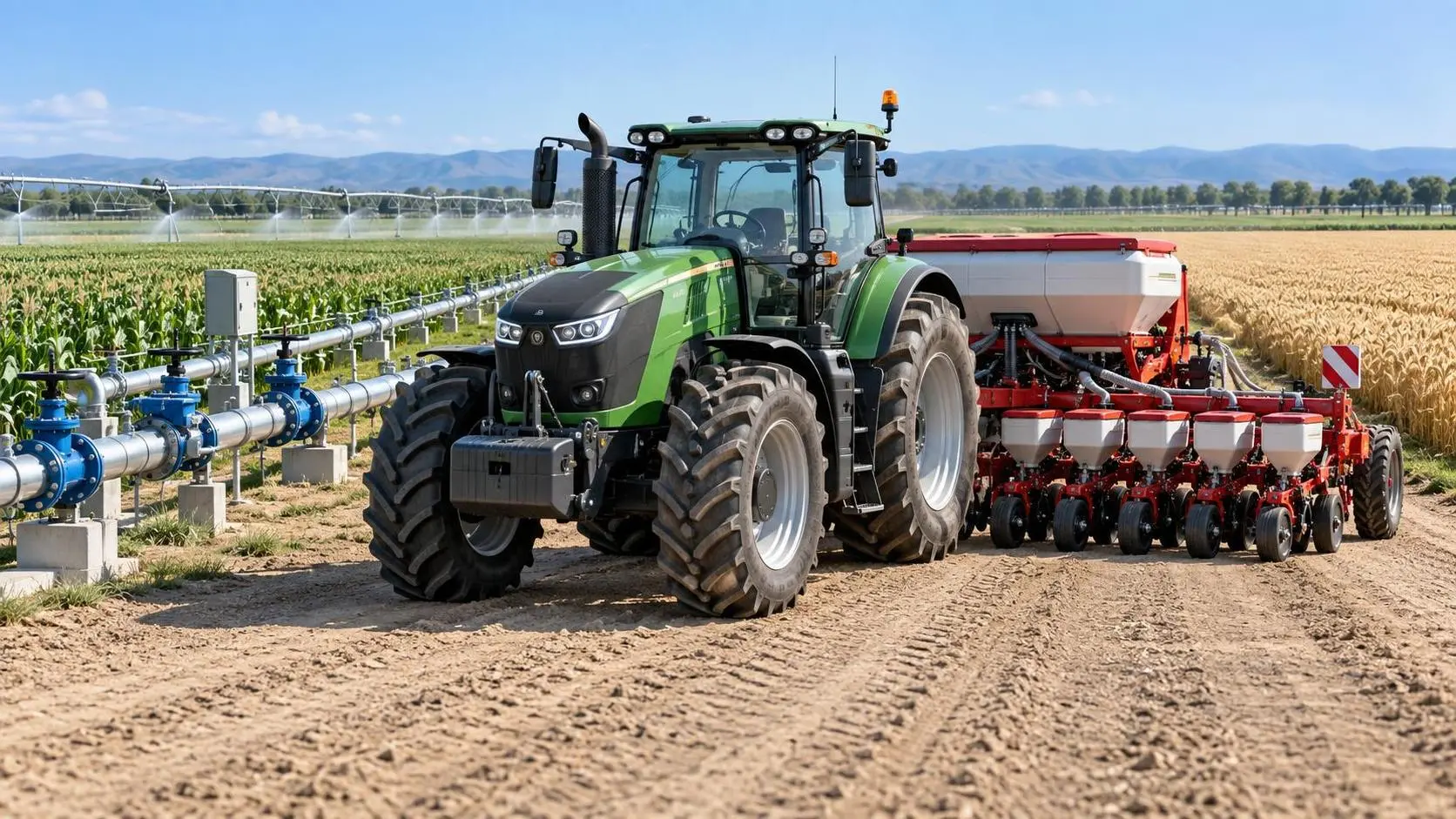
Specification Planning: A Practical Framework for Defining Equipment Requirements
Application guidance for specification planning: define measurable equipment requirements, prioritize performance, and avoid costly procurement mistakes.

How North American Farms Can Select Crop Monitoring Systems by Acreage and Connectivity
Crop monitoring systems North America: learn how to match acreage, connectivity, sensors, and data workflows for reliable, actionable farm decisions.

Where to Find Reliable Product Information for Comparing Farm Equipment
Product information resources agriculture buyers can trust: compare farm equipment with technical specs, manuals, field data, dealer support, and lifecycle insights.
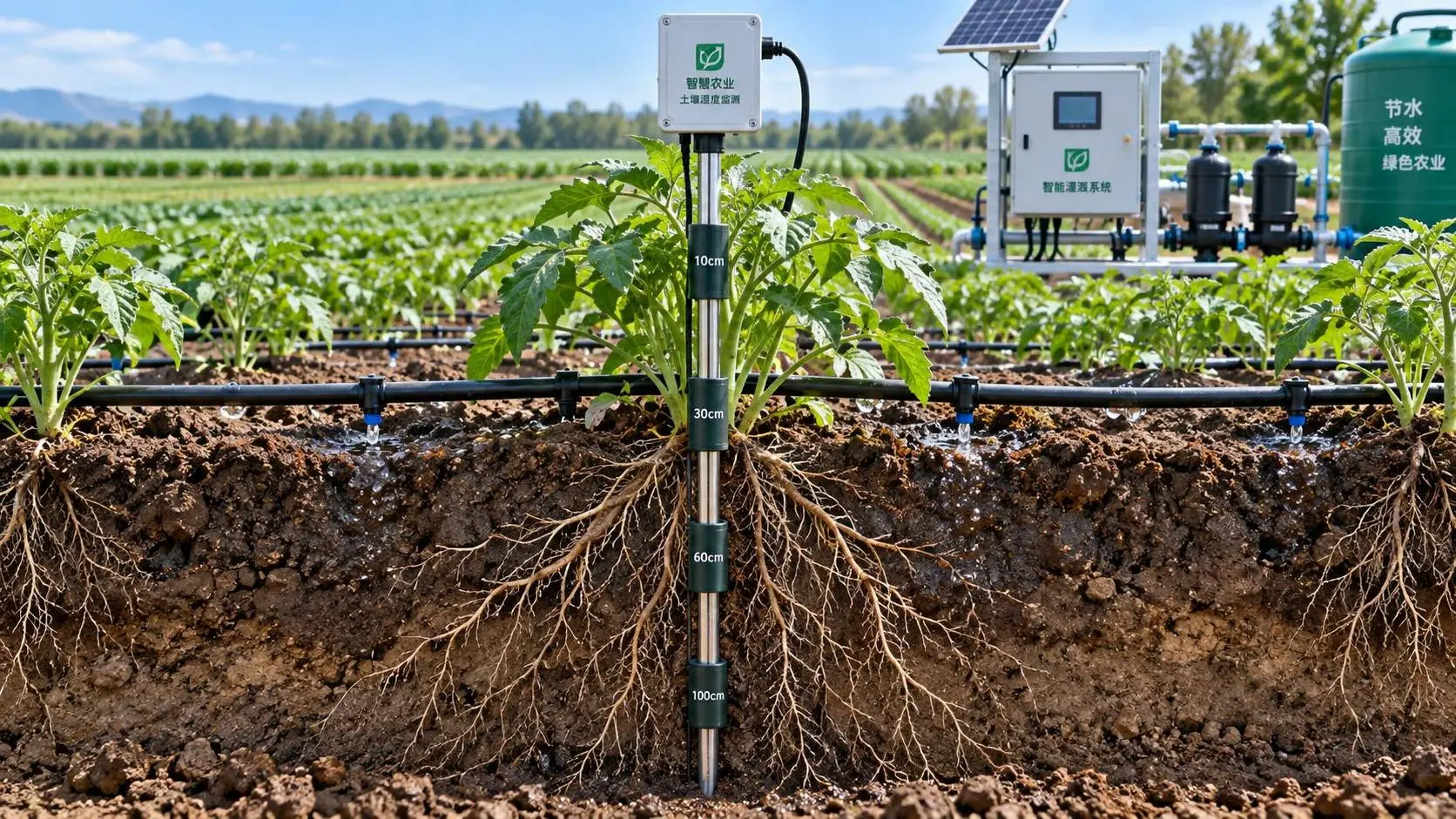
Selecting Real-Time Soil Moisture Sensors for Irrigation Zone Control
Soil moisture sensors real time: learn how to select reliable probes, optimize zone control, improve irrigation decisions, and scale precision water management.
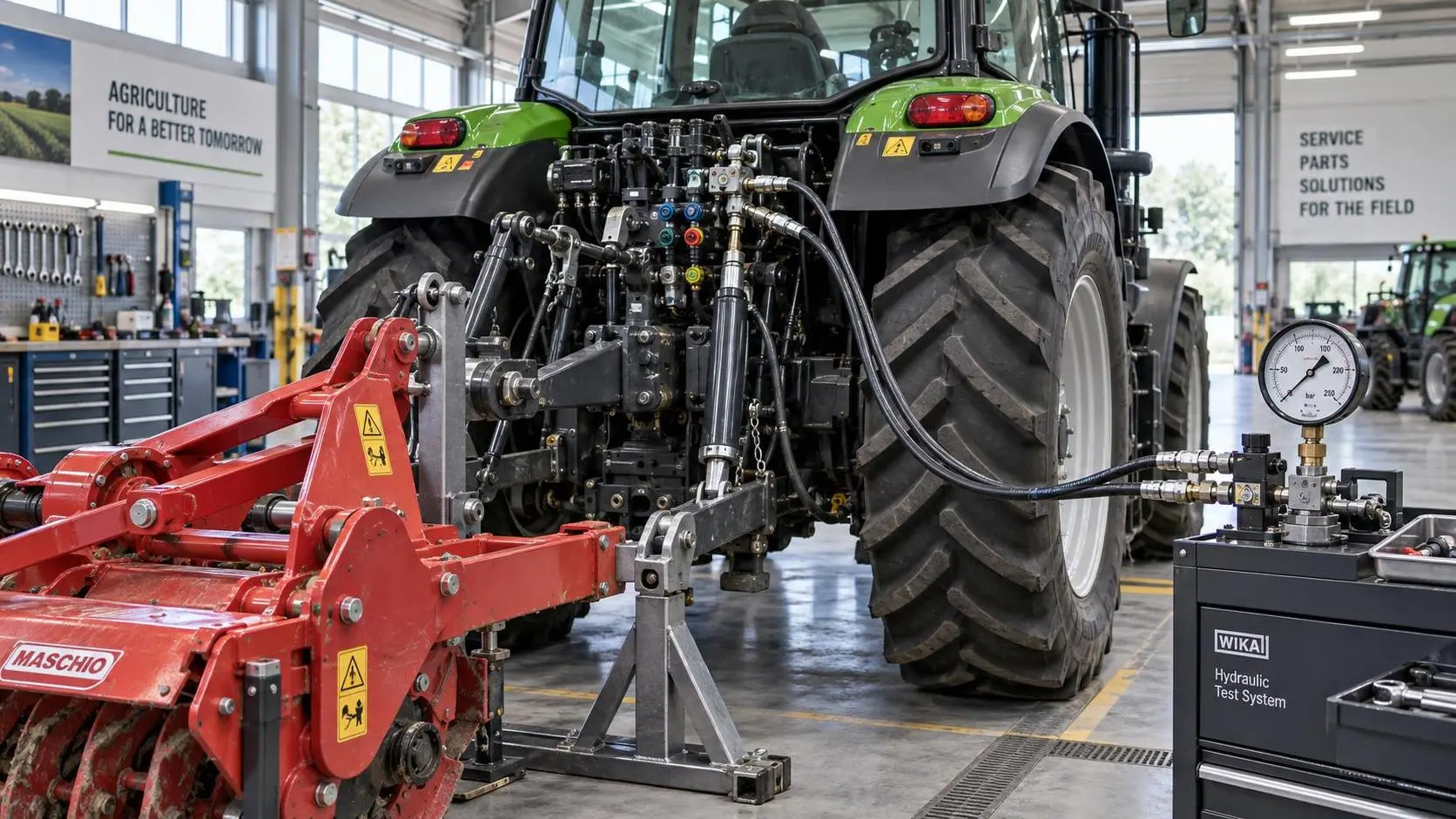
Tractor Hydraulic Systems Troubleshooting: Diagnosing Weak Lift and Slow Implements
Tractor hydraulic systems troubleshooting made practical: diagnose weak lifts and slow implements with proven pressure, flow, valve, and oil-supply checks.
Related News
- 00
0000-00
Selecting Precision Farming Products by Application: Field Conditions, Crops, and ROI - 00
0000-00
How to Evaluate Agricultural Product Information Sources for Reliable Farm Decisions - 00
0000-00
Farm Machinery Guide: Matching Tractor Horsepower and Implements to Farm Size - 00
0000-00
Specification Planning: A Practical Framework for Defining Equipment Requirements - 00
0000-00
Where to Find Reliable Product Information for Comparing Farm Equipment
Popular Tags
Ms. Elena Rodriguez
Weekly Insights
Stay ahead with our curated technology reports delivered every Monday.