
How to Evaluate Precision Farming Solutions Suppliers for Large-Scale Operations?




What Procurement Teams Often Get Wrong About Precision Farming Suppliers
The hard part is rarely identifying who sells guidance systems, variable-rate controllers, telematics, soil sensing, or irrigation analytics. The hard part is deciding which precision farming solutions suppliers can keep those tools useful across thousands of hectares, multiple machine brands, uneven field conditions, and several growing seasons. On paper, many vendors appear comparable. In practice, the difference usually shows up in integration depth, agronomic logic, and how well the supplier handles operational messiness.
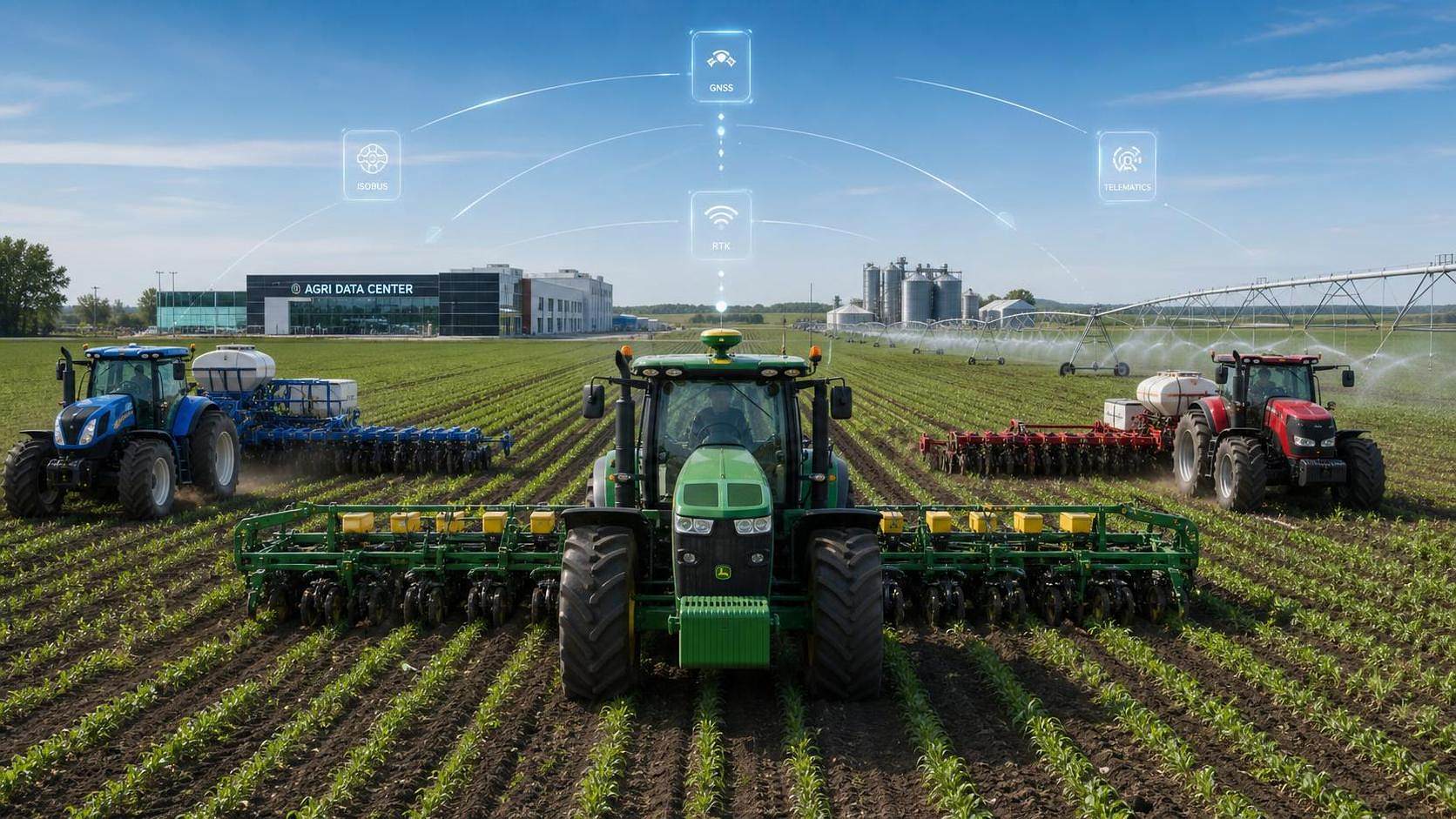
For large-scale operations, “precision farming solution” is not one product category. It is a working stack: positioning hardware, machine control, sensor inputs, farm management software, connectivity, data processing, prescription workflows, and field support. A supplier may be strong in one layer and weak in another. That matters because procurement is not only buying technology; it is buying a future operating model. If that model depends on custom workarounds, manual data cleaning, or constant technician intervention, the system will cost more than its quotation suggests.
This is why supplier evaluation should begin with a simple question: are you buying a device portfolio, a data platform, or a field execution system? Some providers are essentially hardware vendors with software attached. Others are software-led and depend heavily on third-party compatibility. A few can support the full loop from field data capture to machine command execution. None of these positions is automatically better. The right choice depends on whether your operation is trying to standardize machinery, improve input placement, reduce overlaps, monitor water use, or build more consistent decision-making across dispersed sites.
Scalability Means More Than Adding More Machines
Suppliers often describe scalability as the ability to onboard more users, vehicles, or connected devices. That is only part of the picture. In large farming businesses, scalability also means surviving operational variation without losing data quality or process discipline. A solution that works on one flagship farm may break down once it has to serve different crop rotations, labor skill levels, mobile coverage conditions, and maintenance routines.
Procurement teams should test scalability in at least four dimensions. The first is fleet diversity: can the system operate across different tractor chassis, implements, and harvest equipment without forcing a single-brand strategy? The second is geographic spread: can it function when fields are remote and connectivity is unstable? The third is workflow volume: can it manage many simultaneous work orders, prescriptions, or machine logs during peak season? The fourth is governance: can headquarters compare performance across regions without each site inventing its own naming rules and reporting logic?
A supplier that cannot answer these points clearly may still be suitable for a progressive mid-sized farm, but less so for a multi-location operation where one season of inconsistent execution can distort agronomic decisions and machine utilization planning.
Interoperability Is Usually the Deciding Factor
Many buying decisions drift toward visible features: screen design, mapping graphics, dashboard convenience. Those matter, but interoperability is often the real economic issue. Precision agriculture environments are rarely greenfield environments. Large operations commonly run mixed fleets, legacy implements, and multiple software environments for finance, maintenance, agronomy, or irrigation planning. If a supplier treats interoperability as a sales slide instead of a technical capability, the burden shifts to the farm.
This is where procurement should press for specifics. Ask which machine communication standards are supported, how application maps are imported and exported, whether data can move cleanly between the farm management platform and other operational systems, and what happens when a field task is edited after dispatch. Ask whether compatibility is native, partner-enabled, or dependent on middleware. Those are not semantic differences. They affect system stability, upgrade risk, and service responsibility when something fails.
A common misunderstanding is that “open platform” always means lower long-term risk. Sometimes it does. But open ecosystems can also push integration testing, accountability, and support coordination onto the customer. In contrast, a more controlled supplier ecosystem may reduce flexibility yet deliver more predictable execution. The question is not which philosophy sounds better. The question is which one your organization can govern.
Do Not Separate Agronomic Intelligence From Machine Performance
Precision farming is frequently marketed as a software-led optimization problem, but on large farms it remains tightly tied to mechanical reality. A beautifully designed prescription map has limited value if spreaders cannot maintain application accuracy at working speed, if boom section control is unreliable in irregular field boundaries, or if combine yield data is not properly calibrated. Supplier evaluation should therefore include both digital capability and field execution fidelity.
This is especially important where equipment fleets include heavy-duty tractors, high-capacity seeders, combine harvesters, and intelligent irrigation assets that must function as one system rather than a collection of projects. A supplier may demonstrate strong analytics but weak understanding of hydraulic response, implement control latency, GNSS repeatability, or calibration discipline. That gap tends to surface late, often after deployment.
Useful suppliers can explain where algorithmic recommendations end and operator judgment begins. They can also show how their tools behave under dust, vibration, slope variation, crop residue, and long operating hours. In procurement terms, this is not a technical curiosity. It is a reliability filter.
Support Capacity Should Be Evaluated Like a Critical Utility
In large-scale operations, support is not an after-sales courtesy. It is part of the system itself. During planting, spraying, irrigation scheduling, or harvest, response delays can create losses that are operationally disproportionate to the original fault. That is why supplier assessment should look beyond service promises and examine support architecture.
Look for evidence on three levels. One is local field service: who can physically reach the farm, with what parts access, and within what realistic time frame? Another is remote technical support: can the supplier diagnose controller issues, connectivity failures, or data synchronization problems without waiting for a site visit? The third is agronomic support: when output data appears wrong, can the supplier distinguish between sensor error, calibration drift, and a genuine field pattern?
This is also where procurement should ask uncomfortable but necessary questions about escalation paths. If a guidance controller blames the display, the display vendor blames the implement ECU, and the software platform blames the data import routine, who owns resolution? Large operations should avoid supplier arrangements where accountability disappears inside partnership networks.
The Most Valuable Demos Are Operational, Not Theatrical
A polished demo can show that a system is easy to navigate. It says very little about whether it will hold up across seasonal pressure. For evaluation purposes, the better approach is scenario testing. Ask suppliers to walk through real workflows: creating a prescription, dispatching it to mixed-brand equipment, executing the task in low-connectivity conditions, validating completion data, and rolling the result into a season review.
The same applies to irrigation-related precision tools. A supplier should be able to explain how sensor inputs, evapotranspiration models, weather feeds, and control recommendations are reconciled, and what the operator sees when data is missing or contradictory. Not every supplier needs to own all those layers, but a credible one should understand the dependency chain.
When comparing vendors, procurement teams often gain more insight from exceptions than from normal cases. Ask what the system does when a machine changes fields mid-task, when boundaries are updated after work starts, when GNSS correction is interrupted, or when historical layers are incomplete. Precision systems earn trust in edge cases.
A Short Evaluation Frame That Actually Helps
Cost Should Be Modeled Across the Operating Life
Price comparisons often become misleading because vendors package value differently. One supplier may quote lower hardware costs but charge for connectivity, analytics modules, API access, training, and seasonal support. Another may appear expensive up front while including deeper commissioning and a more stable upgrade path. The comparison that matters is not acquisition cost alone but the cost of keeping the system functional, adopted, and trustworthy.
This is where procurement and operations need to work together. Hidden cost frequently appears as labor: manual file handling, repeated calibration, duplicate data entry, retraining due to poor interface consistency, or frequent support calls during peak workloads. None of these line items look dramatic in a proposal. Collectively, they define whether the supplier fits a large-scale business.
What a Strong Supplier Usually Looks Like
The strongest precision farming solutions suppliers are rarely the ones making the broadest claims. They tend to be specific about technical boundaries, honest about compatibility limits, and disciplined in how they describe expected field outcomes. They understand that precision farming is not just about measuring more things; it is about converting measurements into repeatable action across equipment, teams, and seasons.
For procurement teams in large-scale agriculture, the decision standard should be clear: choose the supplier that can preserve operational coherence as the farm becomes more connected, more data-intensive, and less tolerant of inconsistency. A system that performs well only in ideal conditions is not a precision solution in the business sense. It is a pilot that never really leaves the demo field.
Related News
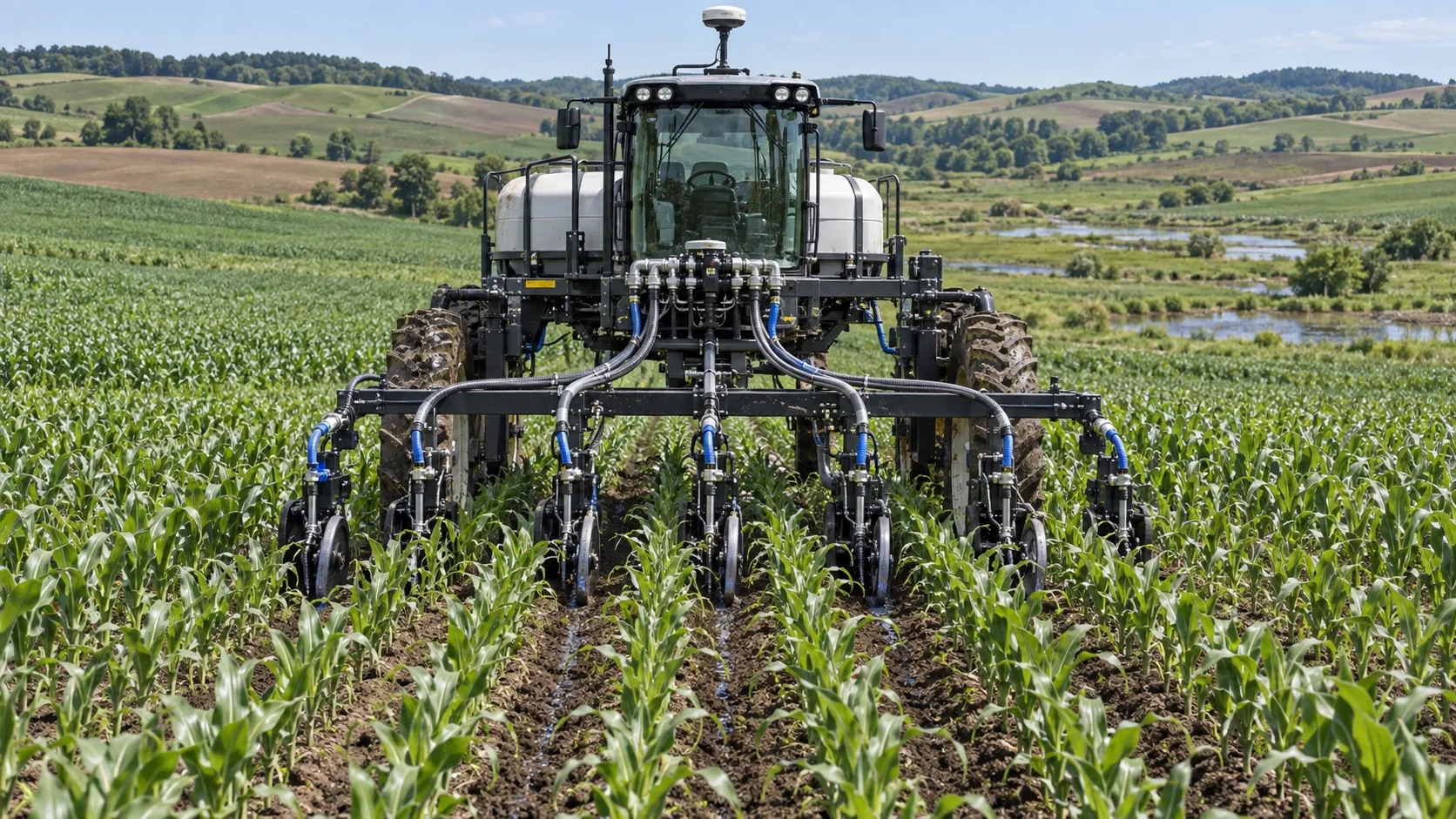
How to Select a Precision Fertilization System for Variable Corn Field Conditions
Precision fertilization systems for corn farming: learn how to match data, placement, control accuracy, and ROI to variable field conditions for better results.
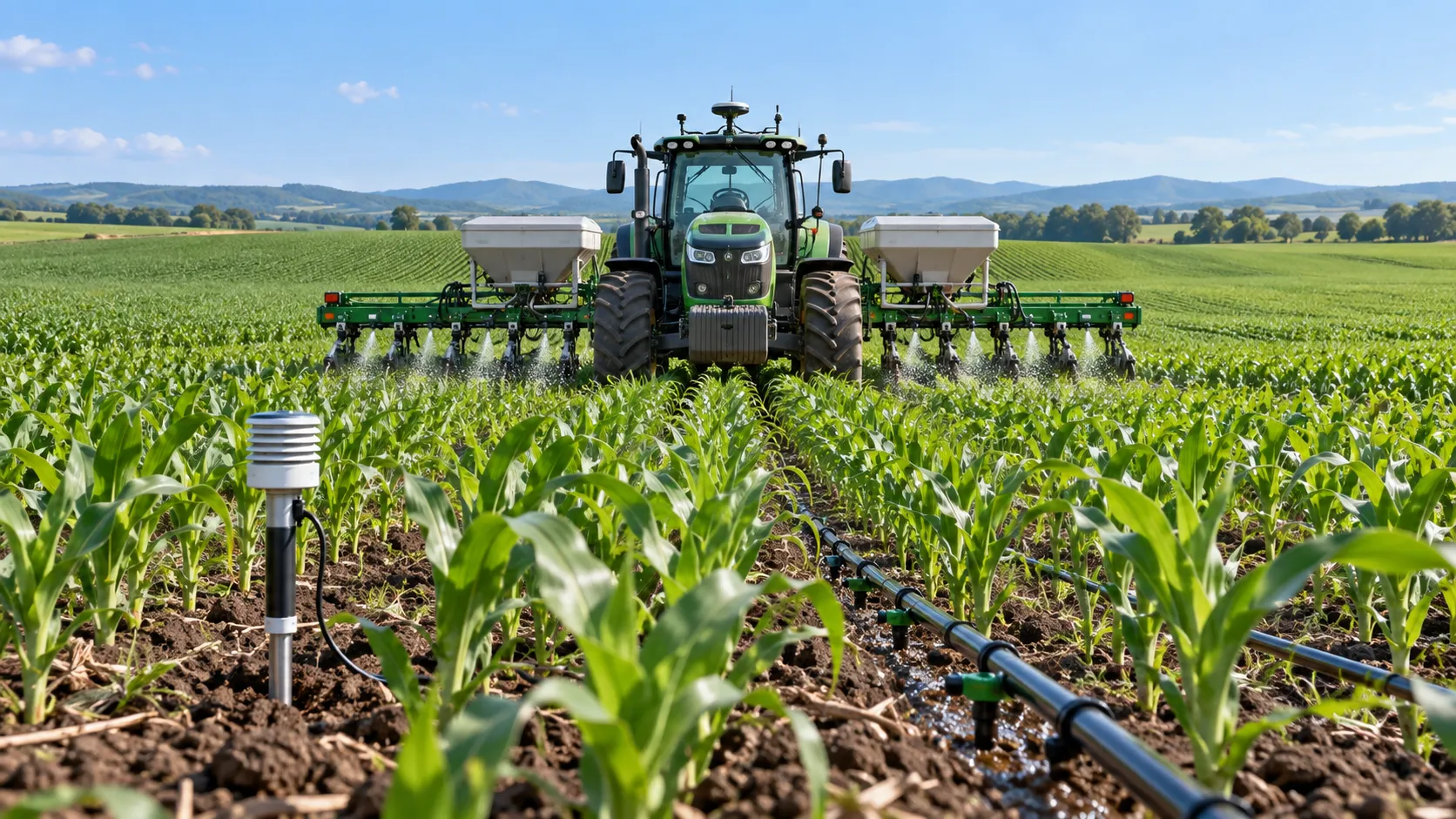
Selecting Precision Farming Products by Application: Field Conditions, Crops, and ROI
Application-based product selection for precision farming: match technology to field conditions, crops, machinery, and ROI for smarter, reliable farm investments.
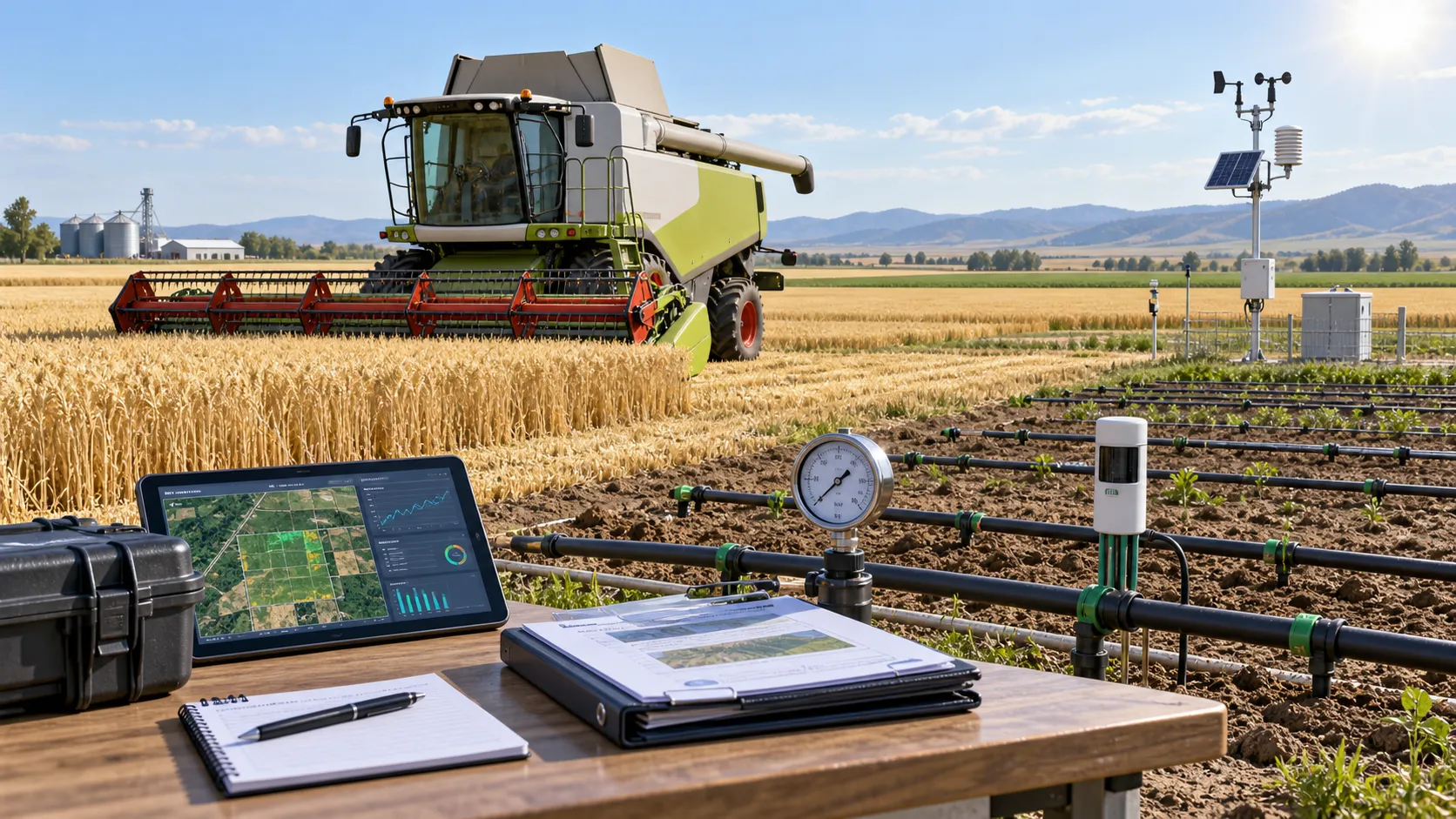
How to Evaluate Agricultural Product Information Sources for Reliable Farm Decisions
Agricultural product information reference guide: evaluate reliable farm data, verify claims, and make smarter machinery, irrigation, and crop decisions.
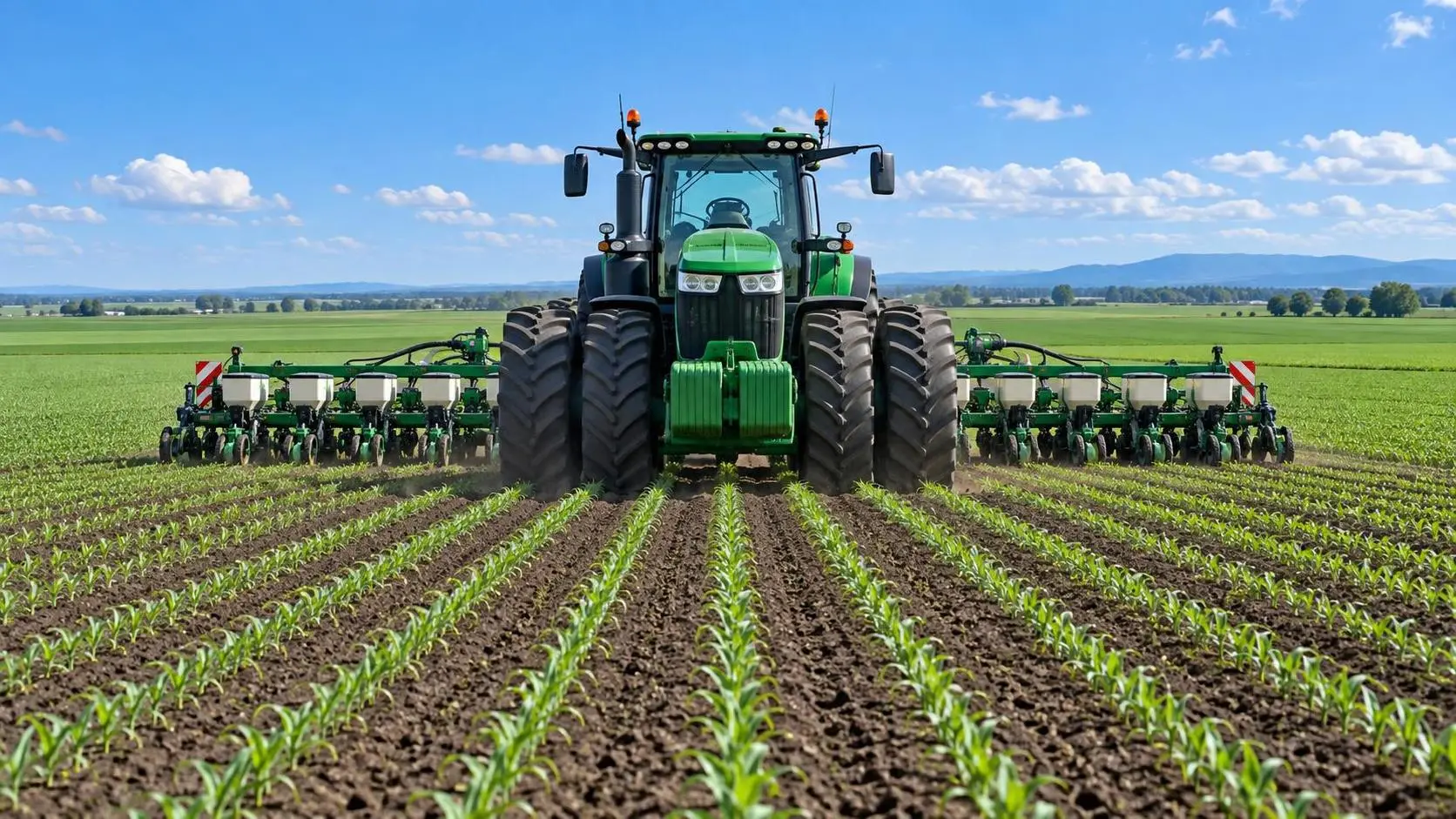
Farm Machinery Guide: Matching Tractor Horsepower and Implements to Farm Size
Farm machinery guide for tractors: match horsepower, implement width, hydraulics, traction, and fleet capacity to farm size for lower costs and reliable field performance.
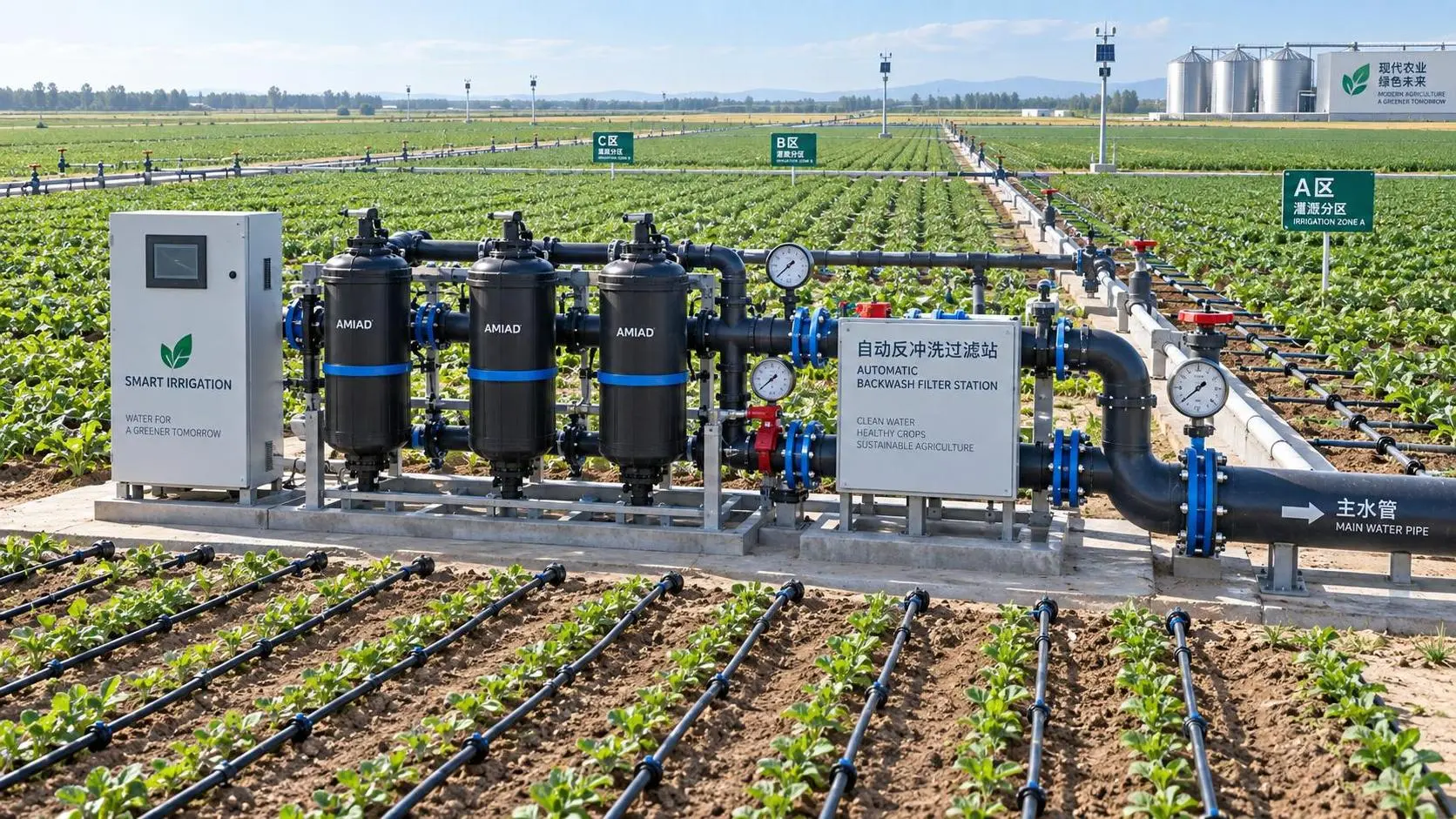
How to Evaluate Drip Irrigation System Manufacturers for Large Farm Projects
Drip irrigation systems manufacturer evaluation guide for large farms: compare hydraulic design, filtration, quality control, scalability, delivery, and support.
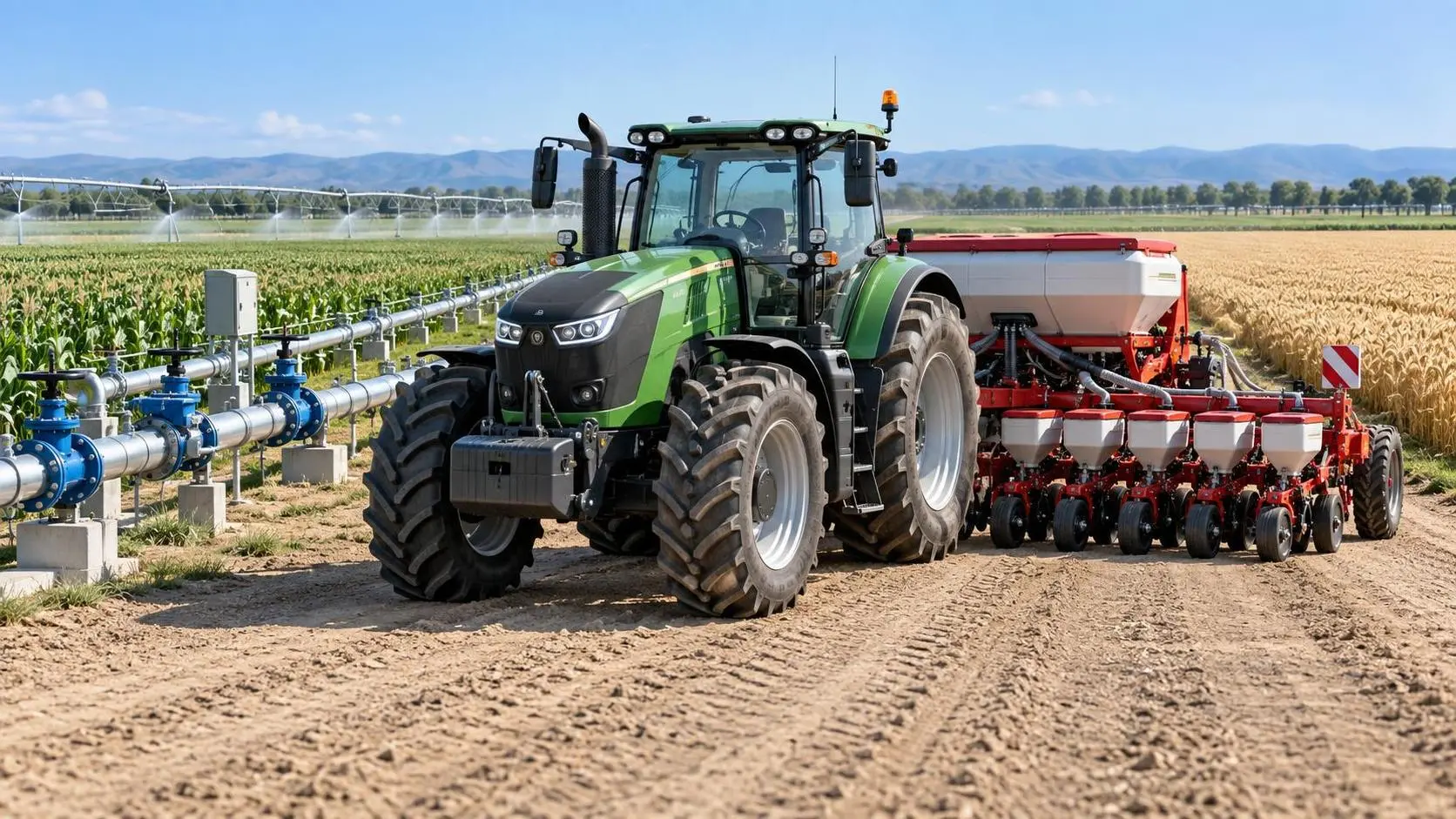
Specification Planning: A Practical Framework for Defining Equipment Requirements
Application guidance for specification planning: define measurable equipment requirements, prioritize performance, and avoid costly procurement mistakes.

How North American Farms Can Select Crop Monitoring Systems by Acreage and Connectivity
Crop monitoring systems North America: learn how to match acreage, connectivity, sensors, and data workflows for reliable, actionable farm decisions.

Where to Find Reliable Product Information for Comparing Farm Equipment
Product information resources agriculture buyers can trust: compare farm equipment with technical specs, manuals, field data, dealer support, and lifecycle insights.
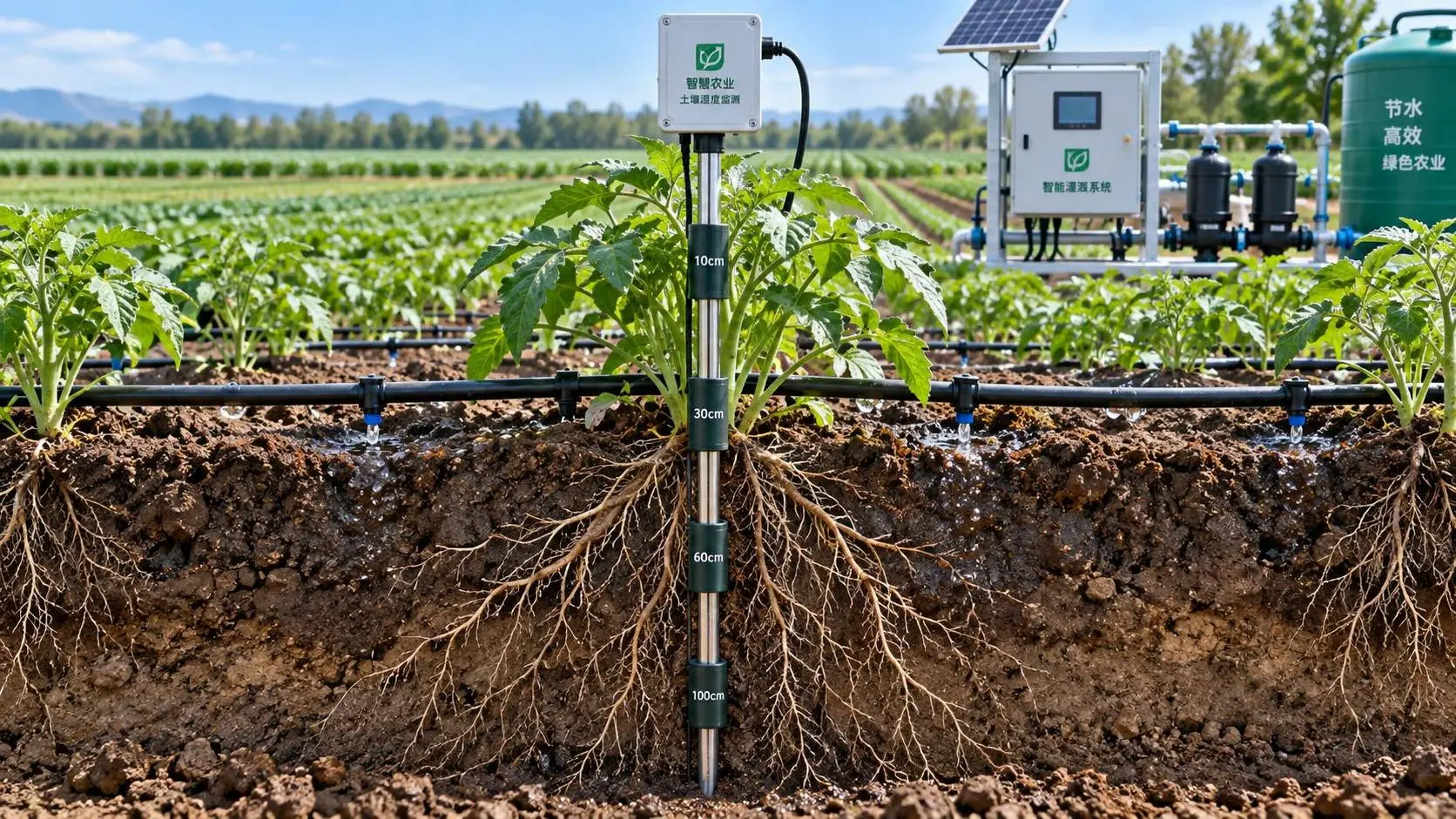
Selecting Real-Time Soil Moisture Sensors for Irrigation Zone Control
Soil moisture sensors real time: learn how to select reliable probes, optimize zone control, improve irrigation decisions, and scale precision water management.
Related News
- 00
0000-00
Selecting Precision Farming Products by Application: Field Conditions, Crops, and ROI - 00
0000-00
How to Evaluate Agricultural Product Information Sources for Reliable Farm Decisions - 00
0000-00
Farm Machinery Guide: Matching Tractor Horsepower and Implements to Farm Size - 00
0000-00
Specification Planning: A Practical Framework for Defining Equipment Requirements - 00
0000-00
Where to Find Reliable Product Information for Comparing Farm Equipment
Popular Tags
Ms. Elena Rodriguez
Weekly Insights
Stay ahead with our curated technology reports delivered every Monday.