
How Smart Cultivation Solutions Improve Yield Control in Greenhouse Farming
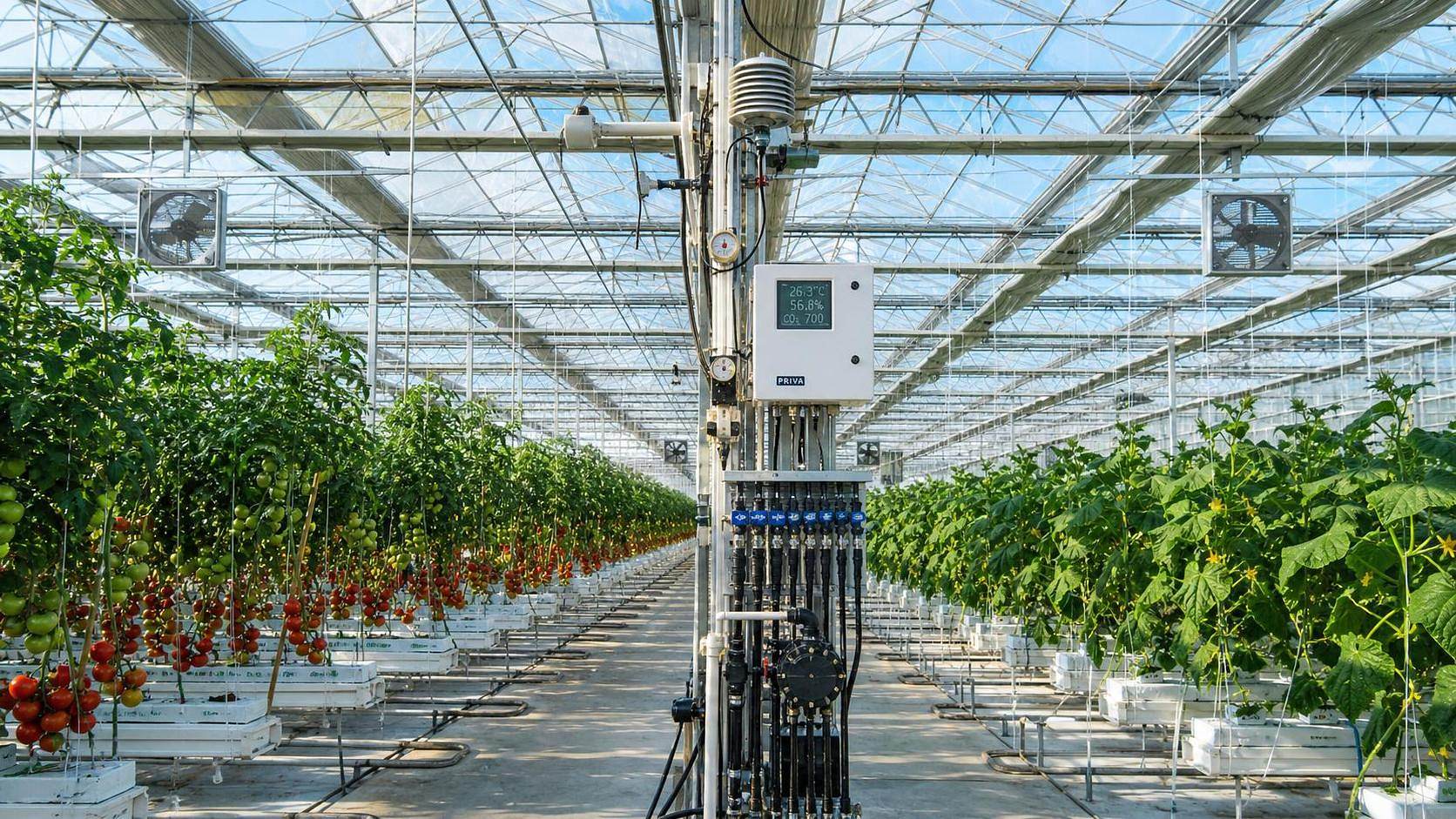




Start with the control problem, not the technology list
When companies look at smart cultivation solutions for greenhouse farming, the mistake usually happens early: they buy sensors, controllers, and software before agreeing on what “better yield control” actually means for their crop system. In practice, yield control is not just about pushing output higher. It is about keeping production predictable across planting cycles, reducing quality drift, avoiding stress events that cut marketable volume, and making sure labor, water, nutrients, and energy are not being spent in the wrong place.
For an enterprise operator, the useful question is narrower: which variables are creating preventable yield volatility in this greenhouse, and which smart controls can stabilize them fast enough to matter? That framing changes the buying process. Instead of chasing a “fully intelligent” package, you evaluate whether a system can help your team sense deviations early, respond automatically where appropriate, and leave an auditable record of what happened.
Use the checklist below the way experienced operators do: as a filter. If a proposed solution does not improve one of these decision points, it is probably adding complexity more than control.
Check whether your yield losses are climate-led, irrigation-led, or execution-led
Smart systems work best when they are aimed at the real source of inconsistency. Greenhouse managers often describe the issue as “yield fluctuation,” but that can mean very different things.
- Climate-led loss: uneven temperature, humidity, vapor pressure deficit, or CO2 distribution causes variable fruit set, growth rate, or disease pressure.
- Irrigation-led loss: timing, volume, drainage balance, or nutrient delivery is inconsistent across zones.
- Execution-led loss: the greenhouse has data, but staff cannot turn it into timely action, especially across shifts or multiple sites.
That distinction matters because each one points to a different solution stack. A greenhouse struggling with dry-back control needs something very different from one dealing with poor airflow uniformity. If you skip this diagnosis, you end up automating a symptom. The result is a more expensive operation with the same unstable yield curve.
Audit sensor coverage before trusting any dashboard
A polished dashboard can hide weak field visibility. If the sensor map is wrong, the automation logic built on top of it will also be wrong.
Look at three things. First, sensor placement. One climate sensor at the center aisle tells you almost nothing about edge zones, upper canopy heat buildup, or the wet corner near the pad wall. Second, measurement relevance. If your crop response is driven by root-zone conditions, leaf temperature, or substrate moisture swings, generic ambient readings are not enough. Third, maintenance discipline. Dirty radiation shields, drifting probes, and inconsistent calibration quietly destroy decision quality.
A simple test helps: compare the dashboard story with what the crop is visibly doing. If the system says conditions are stable but the crop is showing uneven vigor by row or bay, the coverage model needs attention. Smart cultivation solutions for greenhouse farming only improve yield control when they reflect biological reality, not just equipment status.
Make irrigation automation earn its place
Automated irrigation is often the first investment decision-makers consider, and for good reason. Water and nutrient delivery are among the fastest ways to influence crop performance. But not every automated schedule is intelligent, and not every intelligent schedule is suitable for your crop, substrate, and local climate pattern.
Check whether the system can control irrigation by actual crop demand signals rather than fixed time blocks alone. In practical terms, that means it should respond to measurable triggers such as substrate moisture trend, solar radiation accumulation, drainage behavior, or other operational inputs your growers already use to judge timing. The exact control logic will differ by crop and production method, but the principle stays the same: the schedule should adapt when plant demand changes.
A common failure point is over-automation. Teams install a system that can fire irrigation events automatically, then reduce human review too aggressively. The crop pays for that when weather shifts quickly or the irrigation recipe no longer matches the growth stage. Good automation reduces manual burden; it does not remove agronomic judgment.
Look for zone-level control, not greenhouse-wide averages
Average readings are comfortable, but they are dangerous. Large or structurally complex greenhouses rarely behave as one uniform environment. Heat gain near the roof, moisture retention in lower airflow areas, exposure differences by orientation, and irrigation pressure variation across lines all create local conditions that affect yield.
If your solution cannot separate control logic by zone, you will keep treating non-uniformity as “operator noise.” That is one reason some operations see better data without seeing better production. The system reports more, yet the same weak rows keep underperforming.
Ask a plain operational question: can the platform identify and react to differences between bays, blocks, or irrigation sectors in a way that changes daily action? If the answer is no, the expected yield-control benefit is probably overstated.
Review how the platform handles alerts, not just data storage
Data collection has become easier. Timely intervention is still the hard part.
Many greenhouse teams already have logs of temperature, humidity, irrigation timing, and equipment status. What they lack is a useful exception system. Yield control improves when the platform can flag events that need action now: irrigation not completed in one zone, a sudden divergence between target and actual climate setpoints, root-zone moisture dropping outside the expected window, or repeated night humidity overshoots after ventilation changes.
Bad alert design creates a different problem: staff start ignoring notifications because everything is urgent. During evaluation, inspect how alerts are prioritized, routed, acknowledged, and closed. If the system cannot distinguish between a nuisance event and a crop-risk event, it will not support disciplined response under production pressure.
Test whether climate control logic matches crop strategy
This is where many procurement reviews stay too shallow. A greenhouse can have advanced ventilation, heating, screening, circulation, and CO2 equipment, but still miss yield targets because the control logic is not aligned with how the crop is being steered.
Decision-makers should ask for more than a list of controllable devices. They need to understand how the platform sequences those devices under changing conditions. For example, what happens when humidity rises quickly but outside conditions are unfavorable for aggressive venting? How does the system manage competing objectives such as disease risk, energy consumption, and growth consistency? Does it support rule-based adjustment by crop stage, or is it built around one static operating profile?
The point is not to demand one “best” algorithm. It is to verify that the logic can be adapted to your production strategy instead of forcing the crop team to work around software limitations.
Do not separate yield control from labor reality
A system that looks efficient on paper can fail in live operations if the greenhouse team cannot use it consistently. This happens more often than vendors admit. Multi-screen interfaces, unclear permissions, fragmented mobile access, and poor event history all create friction. Under real workload, people default to workarounds.
A better review is operational: how many decisions per day will move from memory or habit into the system, and who is responsible for each one? If irrigation supervisors, climate operators, and site managers each see a different version of the truth, you will struggle to hold setpoint discipline. Yield control depends on repeatable execution, especially when staffing changes or one experienced grower is covering too much area.
Check integration with your existing water and equipment infrastructure
The return from smart cultivation solutions often depends less on the software itself and more on how cleanly it connects to pumps, dosing units, valves, fertigation equipment, climate actuators, and historical production records.
Before committing, review integration at three levels:
- Signal compatibility: can the platform read the required sensor and controller outputs without custom patchwork becoming a permanent operating risk?
- Control authority: which actions can it automate directly, and which still rely on manual transfer between systems?
- Data continuity: can you compare current crop performance with previous cycles in a usable format, or does each season start with disconnected records?
If integration is weak, managers spend the season reconciling numbers instead of controlling the crop.
Use this short screening table in vendor discussions
Treat reporting as a management tool, not a presentation layer
The reporting side is easy to underestimate. Enterprise teams need reports that connect environmental performance to crop and operating outcomes. Not just charts. Not just equipment uptime.
Useful reporting helps you answer specific management questions: Which zone lost consistency after irrigation changes? Which setpoint adjustment reduced overnight condensation events? Which greenhouse block is consuming more water without a proportional production benefit? If the platform cannot support those reviews, it becomes difficult to separate a controllable issue from a seasonal fluctuation.
This is also where strategic teams gain value. A well-structured system gives management, agronomy, and operations a common record. That matters when capital decisions are being made across multiple facilities.
Prioritize deployment in the right order
Rolling everything out at once is usually the wrong move. A better sequence is to fix visibility gaps first, then automate the highest-impact control point, then tighten reporting and cross-site discipline.
A practical order looks like this:
- Map the greenhouse into meaningful control zones.
- Validate sensor relevance and placement against crop behavior.
- Select one unstable process to control first, usually irrigation or climate response.
- Build alert rules around exceptions that actually affect crop performance.
- Review trend reports after one full production cycle before broadening automation.
That sequence is less dramatic than a full digital transformation launch, but it is usually how operations get real yield-control gains without losing staff confidence or process clarity.
What smart solutions really improve
The best systems do not “guarantee higher yield.” That is too broad to be useful. What they actually improve is control over the conditions that shape yield: timing, uniformity, response speed, and operational consistency. In greenhouse farming, those are often the difference between a crop that performs near plan and one that keeps surprising the business in expensive ways.
For decision-makers, the cleanest approach is to evaluate smart cultivation solutions for greenhouse farming against one standard: can this system help our team detect variation earlier, act with more precision, and repeat that performance across cycles? If the answer is supported by the control logic, the sensor design, and the way people will actually use it, then the investment is tied to yield control rather than technology ambition.
Related News
Smart Farming Technology for Dairy Farms: Where Automation Delivers Measurable ROI
Smart farming technology for dairy farms delivers measurable ROI through automation, precision feeding, health monitoring, and data-driven cost control.
How to Select a Heavy-Duty Seeder for Large Acreage and High-Residue Fields
Heavy duty seeders for large acreage: compare residue handling, depth control, downforce, metering accuracy, and precision features to select the right model.
How to Select a Precision Fertilization System for Variable Corn Field Conditions
Precision fertilization systems for corn farming: learn how to match data, placement, control accuracy, and ROI to variable field conditions for better results.
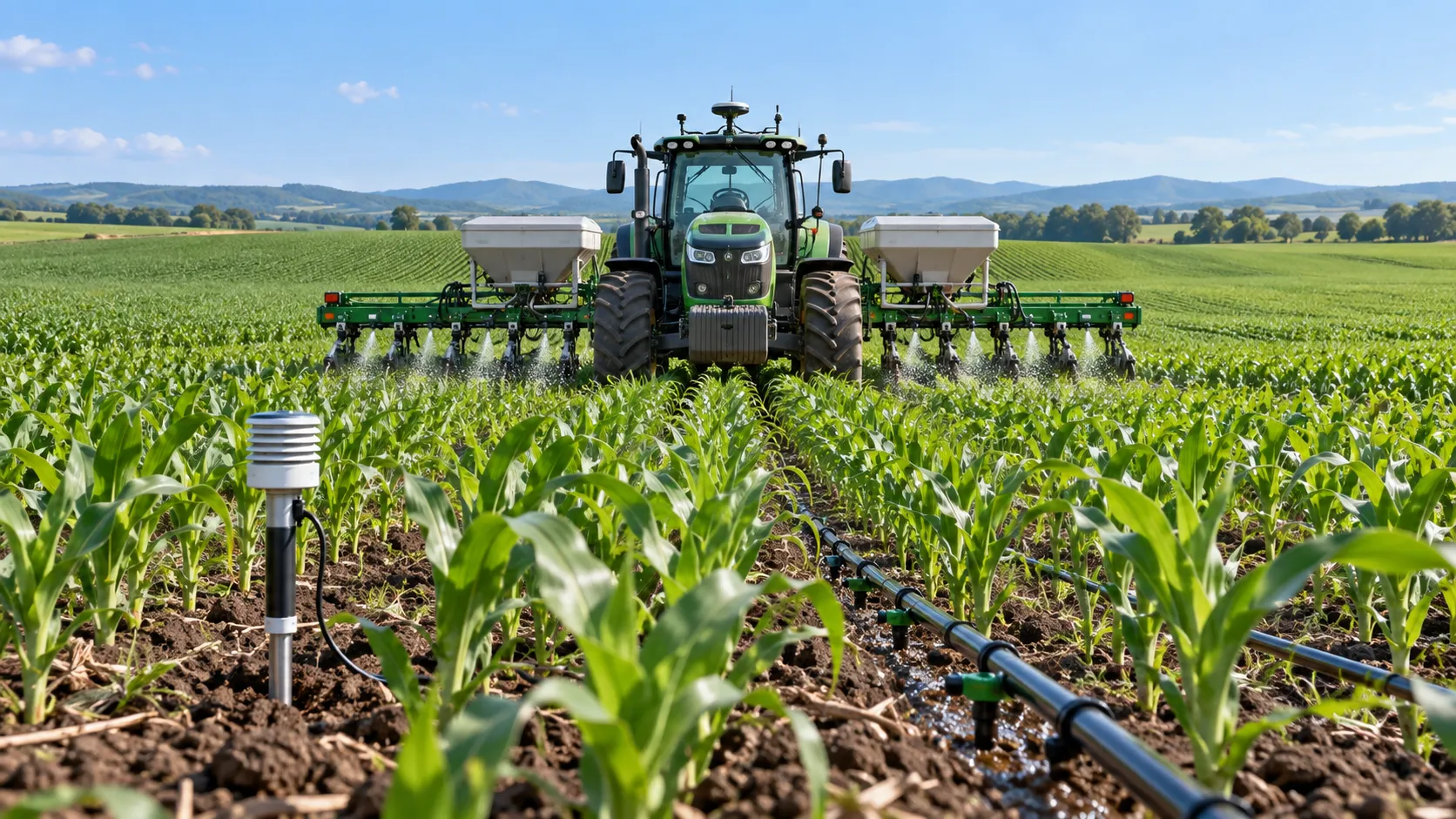
Selecting Precision Farming Products by Application: Field Conditions, Crops, and ROI
Application-based product selection for precision farming: match technology to field conditions, crops, machinery, and ROI for smarter, reliable farm investments.
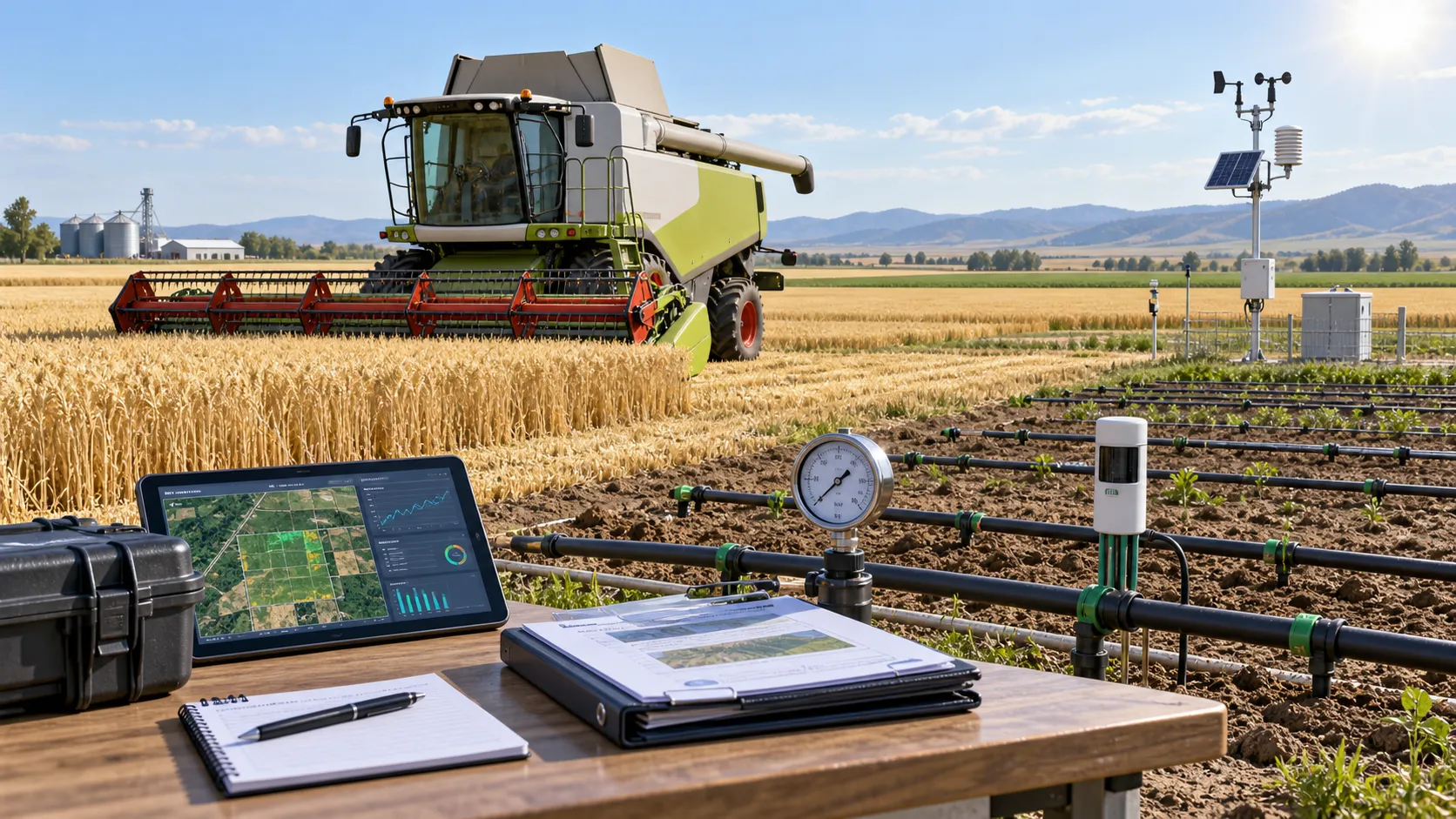
How to Evaluate Agricultural Product Information Sources for Reliable Farm Decisions
Agricultural product information reference guide: evaluate reliable farm data, verify claims, and make smarter machinery, irrigation, and crop decisions.
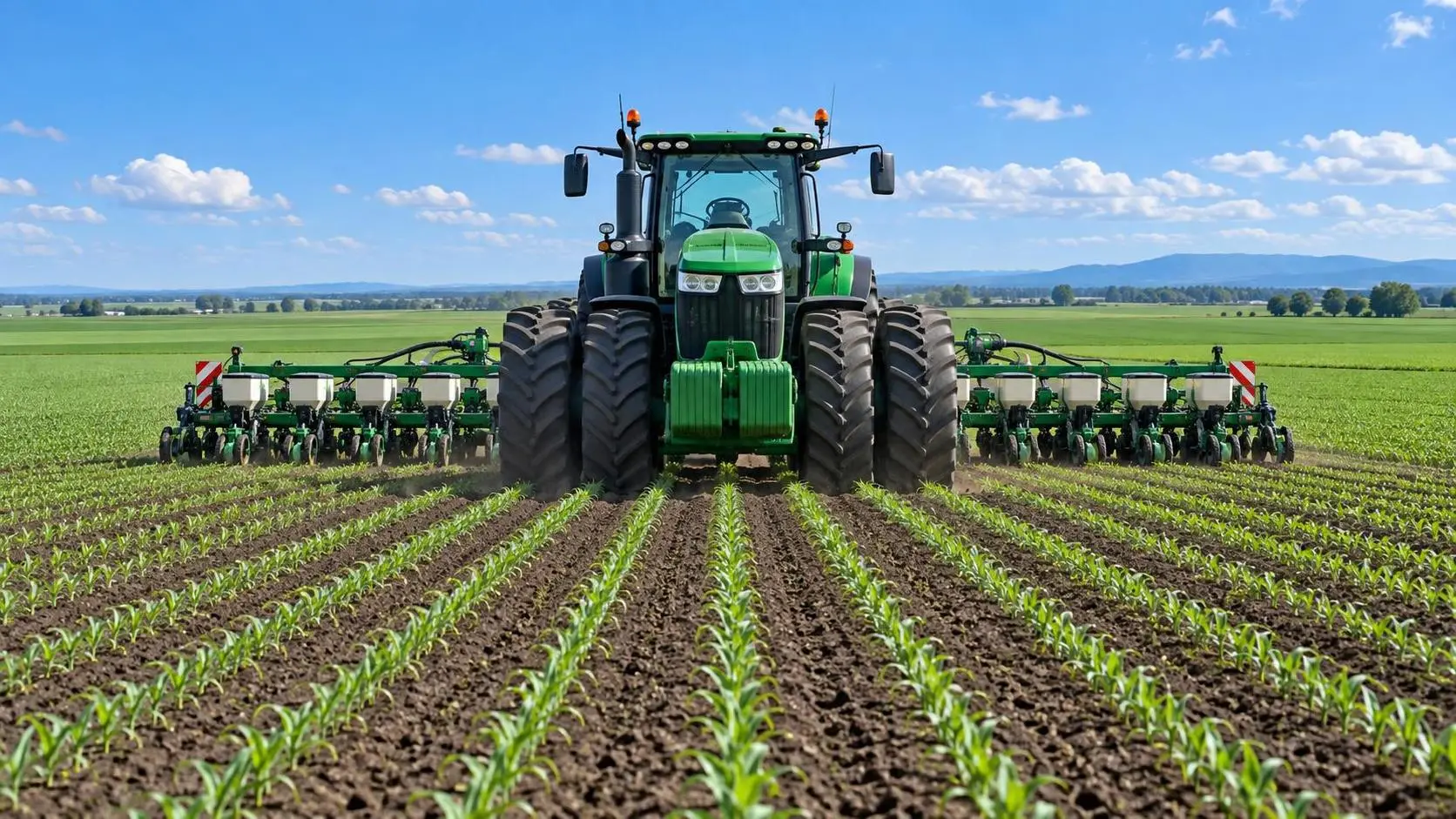
Farm Machinery Guide: Matching Tractor Horsepower and Implements to Farm Size
Farm machinery guide for tractors: match horsepower, implement width, hydraulics, traction, and fleet capacity to farm size for lower costs and reliable field performance.
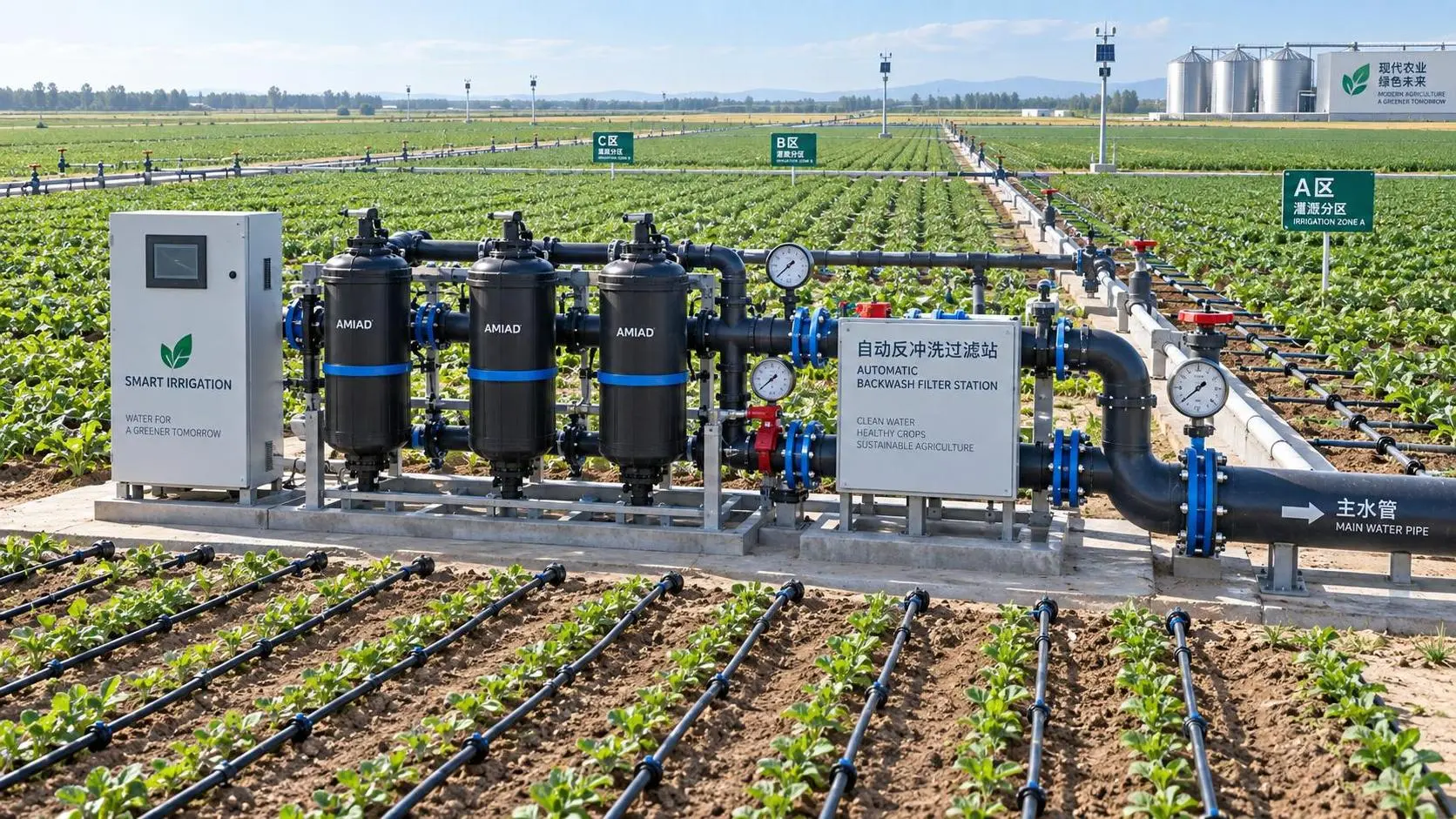
How to Evaluate Drip Irrigation System Manufacturers for Large Farm Projects
Drip irrigation systems manufacturer evaluation guide for large farms: compare hydraulic design, filtration, quality control, scalability, delivery, and support.
Specification Planning: A Practical Framework for Defining Equipment Requirements
Application guidance for specification planning: define measurable equipment requirements, prioritize performance, and avoid costly procurement mistakes.

How North American Farms Can Select Crop Monitoring Systems by Acreage and Connectivity
Crop monitoring systems North America: learn how to match acreage, connectivity, sensors, and data workflows for reliable, actionable farm decisions.
Related News
- 00
0000-00
Smart Farming Technology for Dairy Farms: Where Automation Delivers Measurable ROI - 00
0000-00
Selecting Precision Farming Products by Application: Field Conditions, Crops, and ROI - 00
0000-00
How to Evaluate Agricultural Product Information Sources for Reliable Farm Decisions - 00
0000-00
Farm Machinery Guide: Matching Tractor Horsepower and Implements to Farm Size - 00
0000-00
Specification Planning: A Practical Framework for Defining Equipment Requirements
Popular Tags
Ms. Elena Rodriguez
Weekly Insights
Stay ahead with our curated technology reports delivered every Monday.