
Farm Implements for Seeding: How to Match Seeders to Crop Type and Soil Conditions
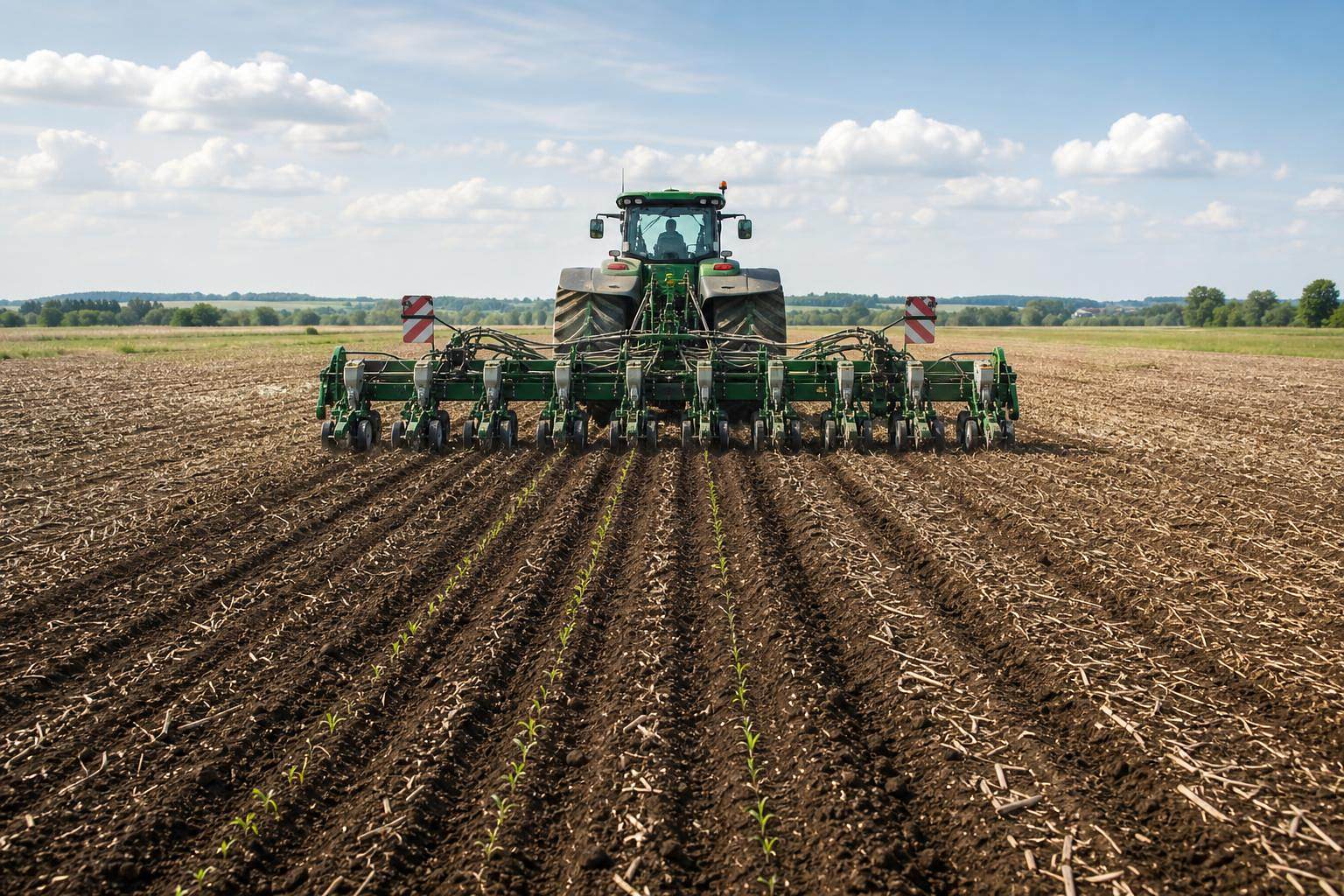




Farm Implements for Seeding: How to Match Seeders to Crop Type and Soil Conditions
Choosing the right farm implements for seeding is not just a machinery decision.
It directly shapes emergence, field efficiency, and input control.
For large-scale operations, that link is even more visible.
A seeder that performs well in one field can underperform badly in another.
That usually happens when crop needs and soil behavior are treated separately.
In practice, farm implements for seeding must be evaluated as part of a full field system.
Seed size, target spacing, residue level, moisture profile, and work rate all matter.
This guide explains how to connect those variables in a practical way.
Why Seeder Matching Matters More Than Machine Price
Many buying decisions start with width, horsepower demand, and purchase cost.
Those factors matter, but they do not predict stand quality on their own.
The real question is whether farm implements for seeding can place seed consistently under local conditions.
Poor depth control creates uneven emergence.
Weak residue handling leads to hair-pinning and poor seed-to-soil contact.
Excessive row unit bounce reduces spacing accuracy at higher speeds.
These issues raise risk long before harvest results reveal the damage.
From a management standpoint, matching tools early protects both yield and operating margins.
Start With Crop Type, Not With the Catalog
Different crops ask very different things from farm implements for seeding.
That is the first filter in any serious selection process.
Row Crops
Corn, sunflower, cotton, and soybean often require precise singulation and spacing.
For these crops, precision planters are usually the preferred farm implements for seeding.
Metering accuracy matters because skips and doubles directly affect plant population.
Depth consistency also matters because emergence timing influences competition within the row.
Small Grains
Wheat, barley, oats, and canola usually call for air seeders or grain drills.
These farm implements for seeding focus more on uniform distribution across many rows.
High acreage productivity becomes important, especially during short planting windows.
Seed handling must also protect smaller seeds from damage and rate variation.
Forage and Cover Crops
Alfalfa, clover, ryegrass, and mixed cover crops add another layer of complexity.
Very small seeds need shallow placement and careful downforce control.
In these cases, farm implements for seeding should offer flexible metering and low-disturbance placement.
Broadcast systems may fit some cover crop programs, but incorporation quality must be checked closely.
Read Soil Conditions Like an Operating Constraint
Crop type narrows the options.
Soil conditions decide whether those options will actually work.
Heavy Clay Soils
Clay fields often challenge penetration, closing, and sidewall management.
Farm implements for seeding in these soils need stable downforce and reliable closing systems.
If soils are wet, sidewall compaction becomes a serious risk.
That means opener design and travel timing deserve equal attention.
Sandy or Light Soils
Light soils are easier to penetrate but harder to manage for moisture retention.
In this setting, farm implements for seeding should limit unnecessary disturbance.
Excessively aggressive openers can dry the seed zone too quickly.
Press wheel behavior also matters because over-firming may reduce early root development.
High Residue or No-Till Fields
No-till and reduced-till systems place extra pressure on residue cutting performance.
Here, farm implements for seeding need strong row cleaners, coulters, or disc openers, depending on the system.
Uniform residue flow is essential to avoid plugging and inconsistent depth.
This is often where premium seeding equipment earns its value.
Core Technical Features That Change Field Results
Once crop and soil conditions are clear, compare the technical details that drive performance.
- Metering system: Match vacuum, mechanical, or fluted feed systems to seed shape and required accuracy.
- Opener type: Disc, tine, or hoe openers each behave differently in residue, moisture, and compaction zones.
- Downforce control: Manual systems may work, but variable soils benefit from active adjustment.
- Closing mechanism: Seed trench closure must fit moisture conditions and soil texture.
- Frame stability: Farm implements for seeding should hold depth consistently across uneven terrain.
- Digital integration: Section control, rate control, and monitoring improve placement accountability.
These features should be reviewed as a package, not as isolated selling points.
A strong meter cannot rescue poor trench closure.
Likewise, great residue handling will not offset weak seed rate accuracy.
A Practical Evaluation Framework for Seeder Selection
A structured review process keeps seeder selection grounded in field performance.
That is especially useful when equipment budgets are high and planting windows are short.
- Map crop plans by acreage, seed size, spacing target, and seasonal timing.
- Segment fields by soil texture, residue level, slope, and moisture variability.
- Define required output in hectares per day, not just machine width.
- Check tractor compatibility, hydraulic capacity, transport limits, and labor skill level.
- Compare trial results for emergence uniformity, misses, overlap, and fuel use.
- Review service support, wear part supply, calibration ease, and data integration.
This method helps compare farm implements for seeding on operational value, not headline specifications.
Common Mismatches That Increase Risk
Several buying mistakes appear again and again across large farming projects.
- Using a high-speed planter where rough seedbeds prevent row unit stability.
- Choosing grain drills for crops that need precise singulation.
- Selecting farm implements for seeding without checking residue handling in no-till fields.
- Buying for peak acreage without considering calibration time and maintenance load.
- Ignoring compatibility with variable-rate systems and field data workflows.
These errors usually look small during procurement.
They become expensive once planting starts under weather pressure.
Decision Table for Fast Comparison
Where Precision Ag Changes the Decision
Modern farm implements for seeding are no longer just mechanical tools.
They are also data-enabled operating platforms.
That shift matters when fields vary strongly in productivity zones.
Variable-rate seeding can improve input efficiency when supported by solid agronomic maps.
Row-by-row monitoring also helps teams detect failures before they spread across a field.
For operations moving deeper into Agriculture 4.0, that visibility changes the investment case.
The best farm implements for seeding support agronomy decisions, not just field traffic.
Final Takeaway
The right farm implements for seeding are the ones that match crop biology, soil behavior, and operating reality at the same time.
That sounds simple, but it requires disciplined evaluation.
Start with crop requirements.
Then test every seeder option against soil limits, residue levels, work rate, and data needs.
In real operations, that is how better emergence turns into better returns.
A sound seeding decision begins in the field, not in the brochure.
Related News
Tractor Chassis Price: What Buyers Should Compare Beyond the Initial Quote
Tractor chassis price is only the start. Compare load capacity, compatibility, durability, and lifecycle costs to choose a reliable, high-value chassis.
How to Select Smart Irrigation Valves for Multi-Zone Water Management?
Intelligent irrigation systems valves: learn how to match smart valves with multi-zone flow, pressure, control, feedback, and communication needs for reliable water management.
Climate-Smart Farming for Drought: A Practical Plan for Protecting Yields
Climate-smart farming for drought: build smarter water budgets, protect critical crop stages, improve irrigation uniformity, and safeguard yields with practical field-proven strategies.
How Digital Agriculture Platforms Turn Field Data Into Better Input Decisions
Digital agriculture platforms turn field data into smarter fertilizer, water, seed, and equipment decisions—helping farms cut risk, improve margins, and scale sustainability.
GPS-Guided Farm Machinery: Where It Delivers Measurable Field Efficiency Gains
Agri-mechanization GPS guided systems deliver measurable field efficiency gains through reduced overlap, precise planting, smarter inputs, and reliable farm data.
How Sensor Feedback Enables Accurate Variable-Rate Fertilization in Field Conditions
Precision fertilization systems with sensor feedback improve variable-rate accuracy by verifying flow, managing latency, and ensuring reliable field application.
How to Select Precision Crop Protection Equipment for Variable Field Conditions
Precision crop protection equipment selection made simple: compare terrain, canopy, weather, control accuracy, and data workflows for reliable applications.
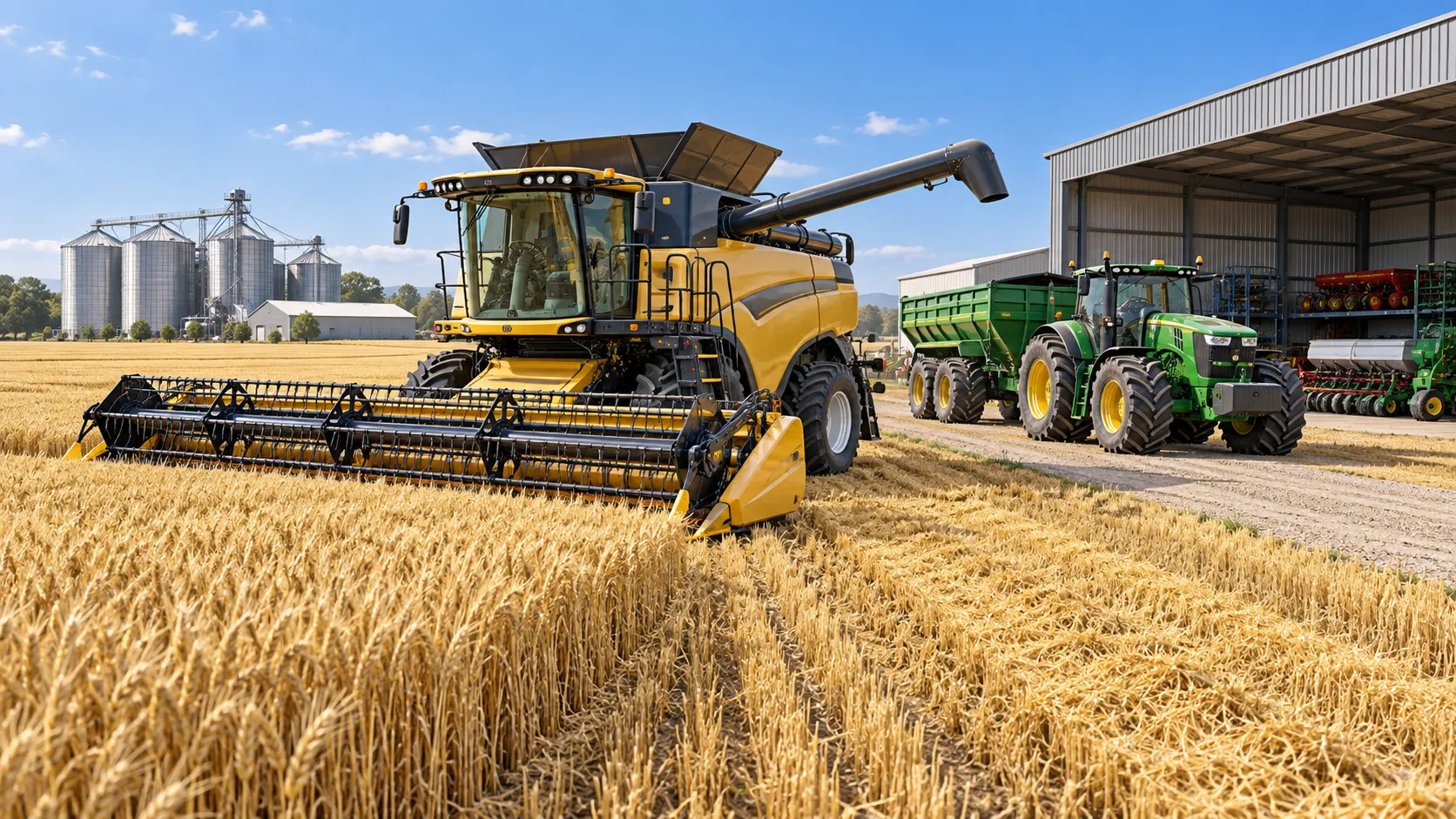
When Does Agricultural Machinery Leasing Cost Less Than Owning Equipment?
Agricultural machinery leasing can lower farm costs when use is seasonal or uncertain. Compare utilization, maintenance, cash flow, and risk to make a smarter equipment decision.
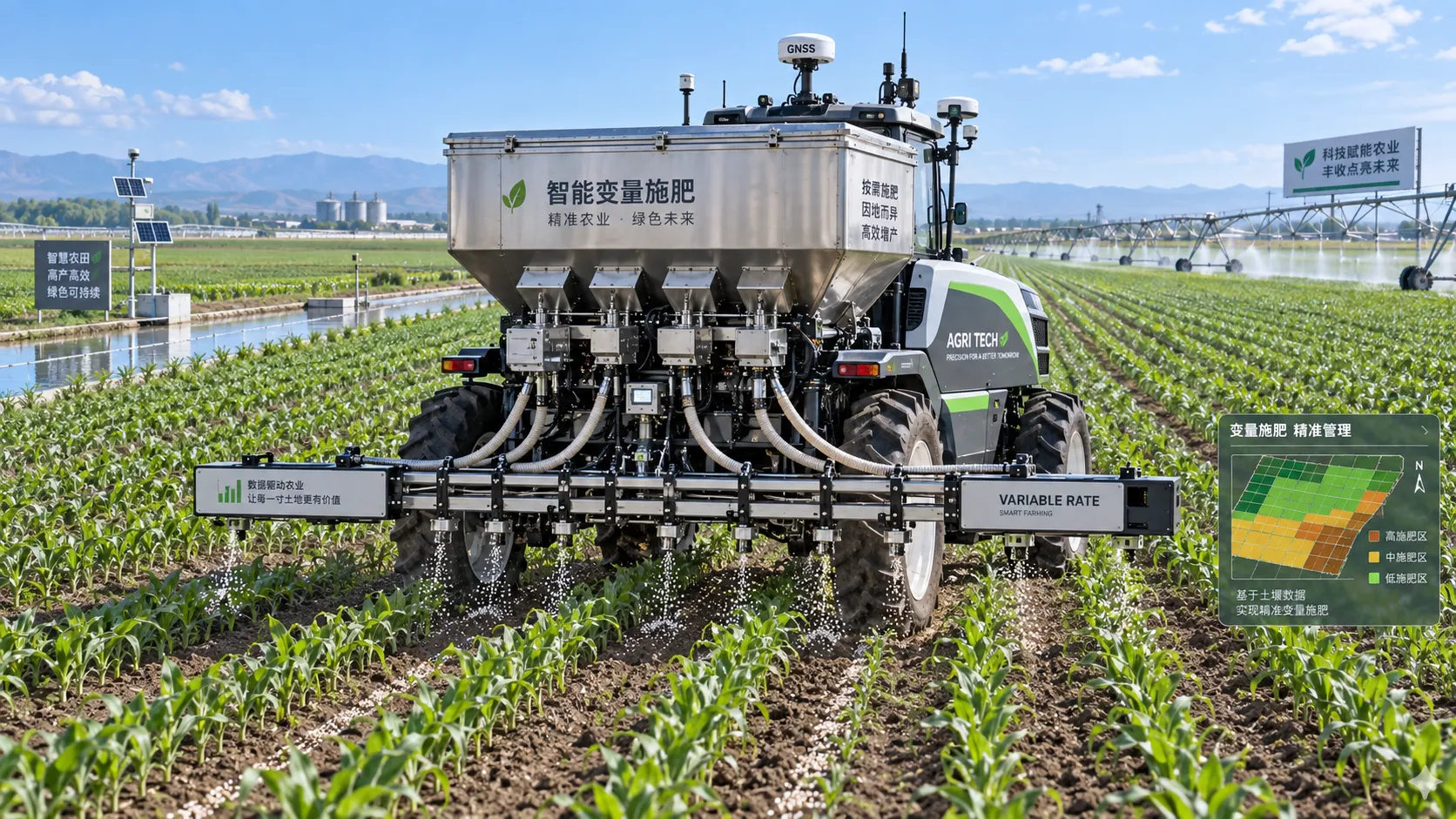
How to Evaluate Precision Fertilization System Suppliers for Farm-Scale Deployment
Precision fertilization systems suppliers: learn how to compare accuracy, integration, uptime, service, and total cost for confident farm-scale deployment.
Related News
- 00
0000-00
How to Select a Heavy-Duty Seeder for Large Acreage and High-Residue Fields - 00
0000-00
How to Match Large-Scale Farm Equipment Working Width to Field Size and Crop Rows - 00
0000-00
Farm Implements for Seeding: How to Match Seeders to Crop Type and Soil Conditions - 00
0000-00
Ningjin Farm Machinery Cluster Strengthens Export Delivery - 00
0000-00
Ningxia Subsidy Plan Sets New Seeder Benchmarks
Popular Tags
Agri-Mechanization Fellow
Weekly Insights
Stay ahead with our curated technology reports delivered every Monday.