On June 2, 2026, Shuangta Foods appeared at the Tokyo IFIA Health Food Exhibition, with General Manager Li Yulin leading the company’s presentation of pea protein, textured protein and other plant-based raw materials. The development deserves attention from plant protein suppliers, food processors, agricultural machinery exporters and supply chain service providers because it links downstream plant-based ingredient demand with emerging upstream equipment needs across Japan and the wider Asia-Pacific food processing market.
Event Overview
According to the available information, Shuangta Foods participated in the Tokyo IFIA Health Food Exhibition on June 2, 2026. The company focused on promoting pea protein, textured protein and other plant-based raw materials during the exhibition.
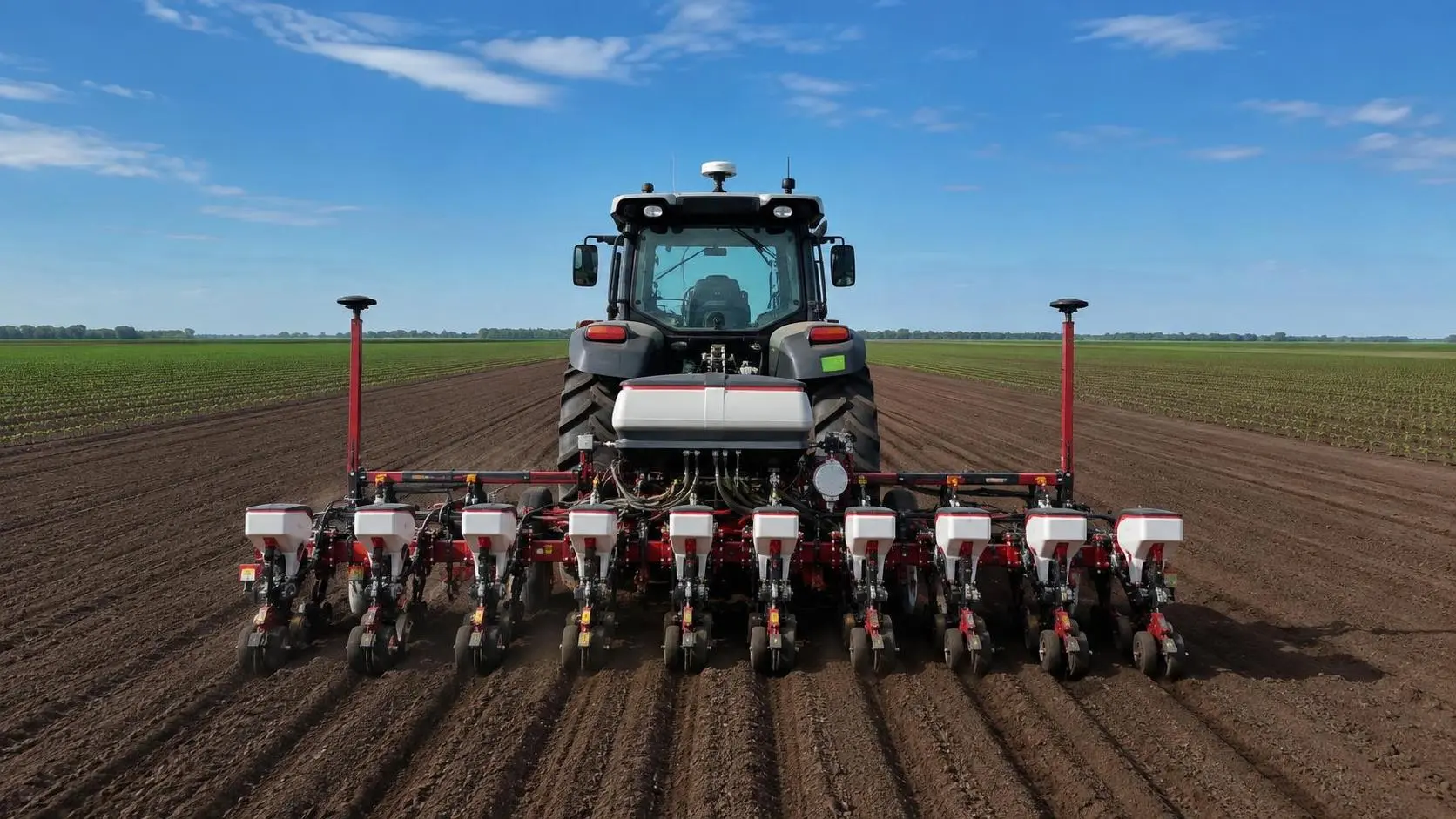
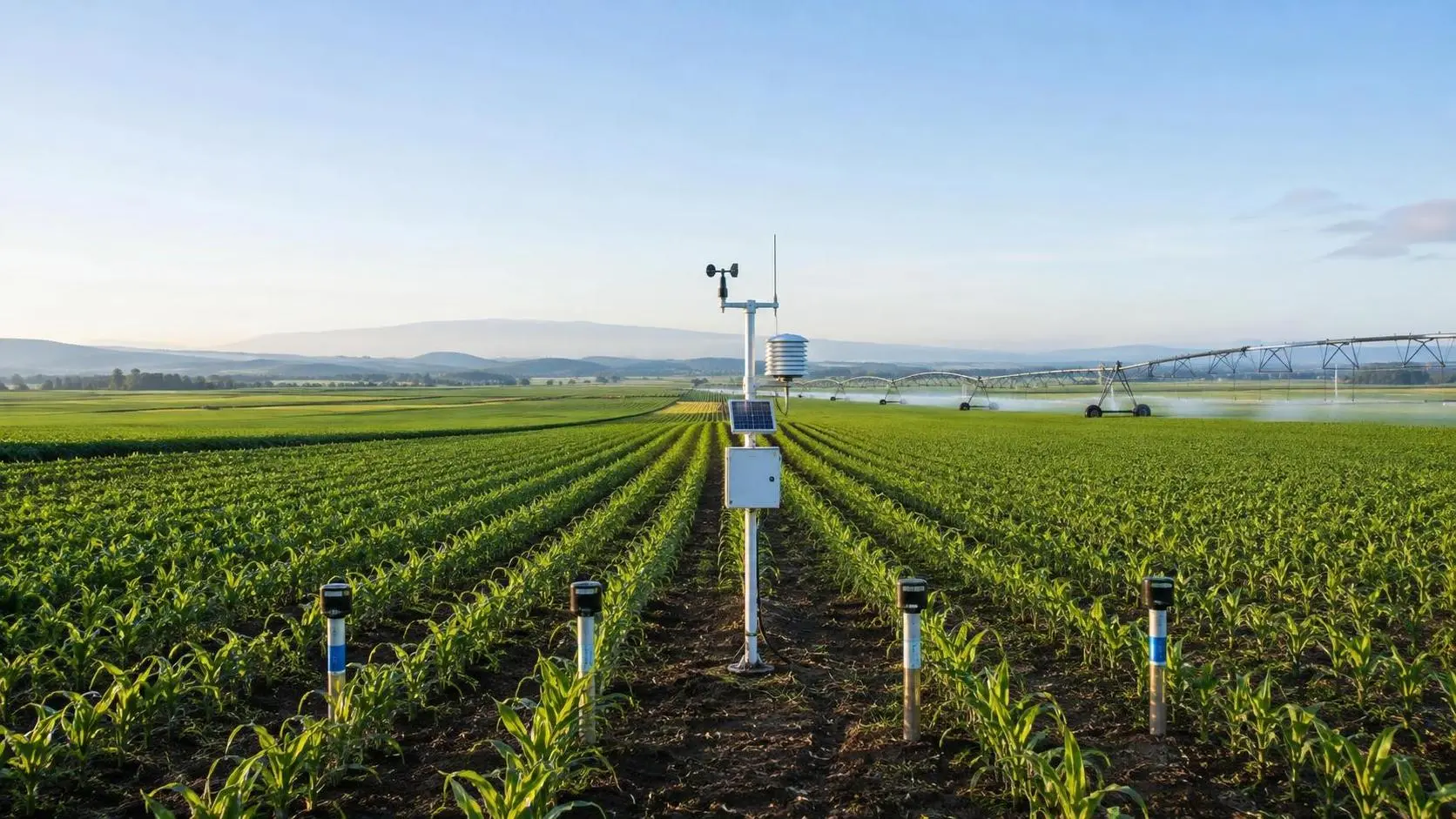
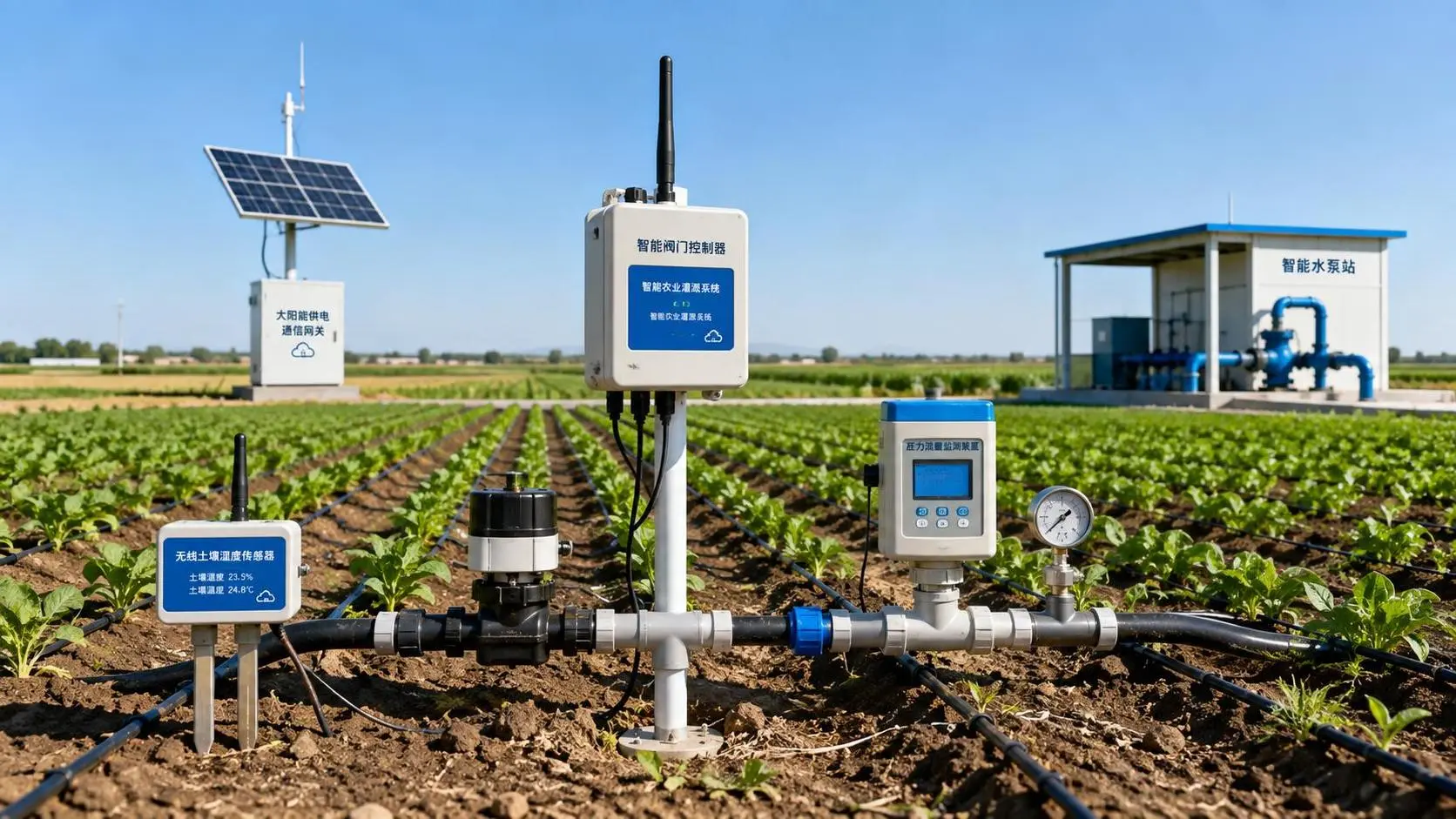
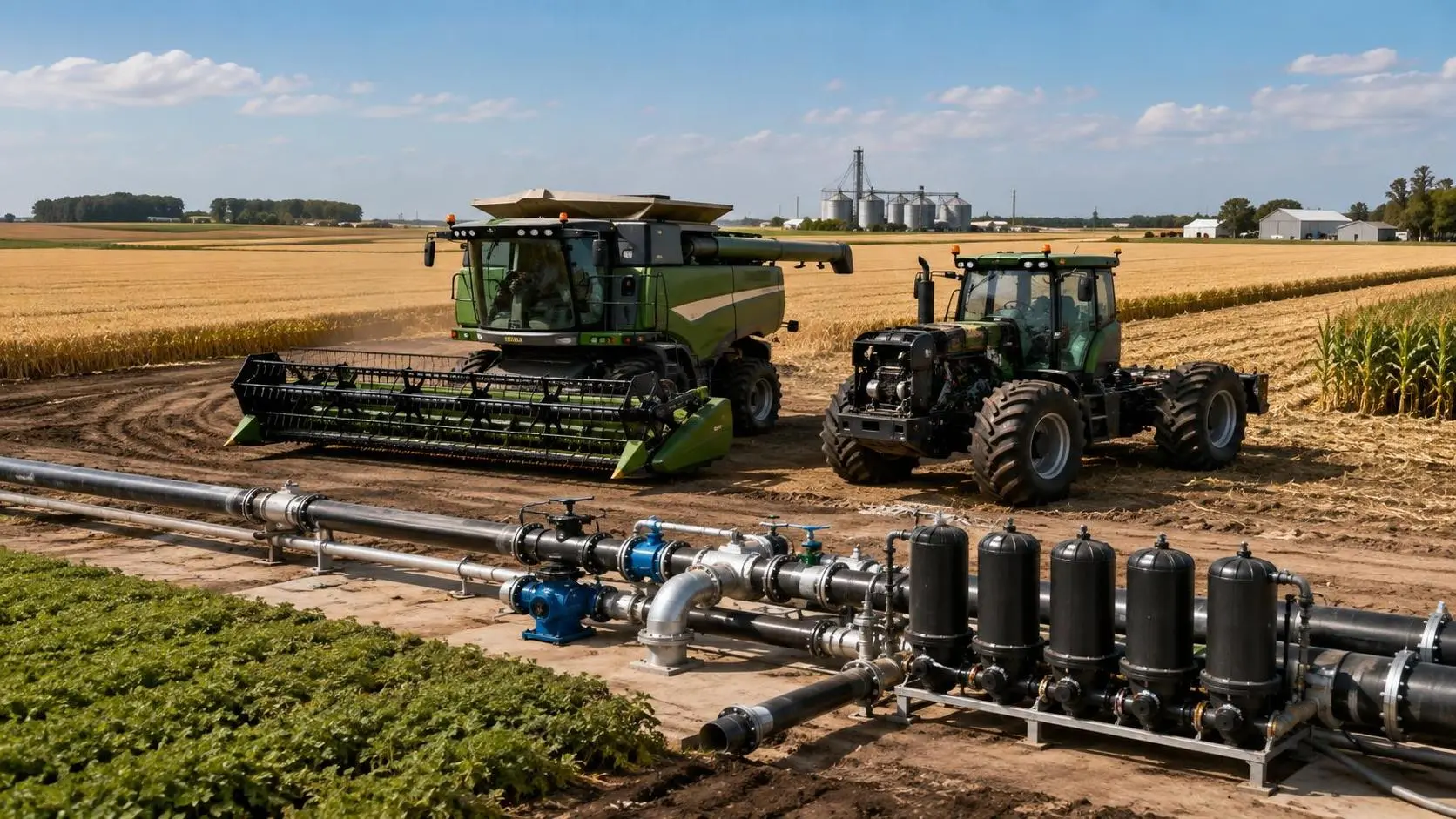
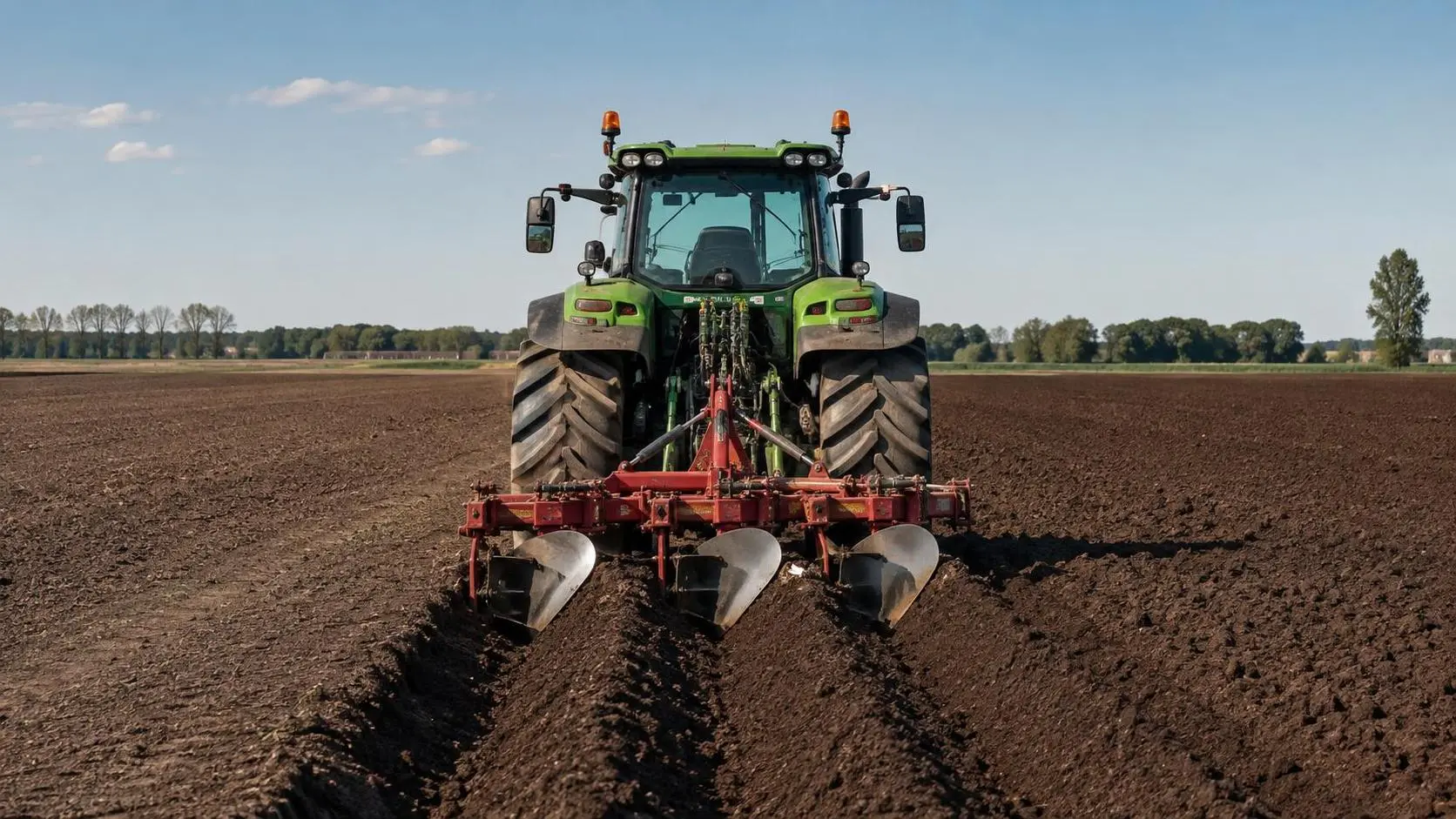
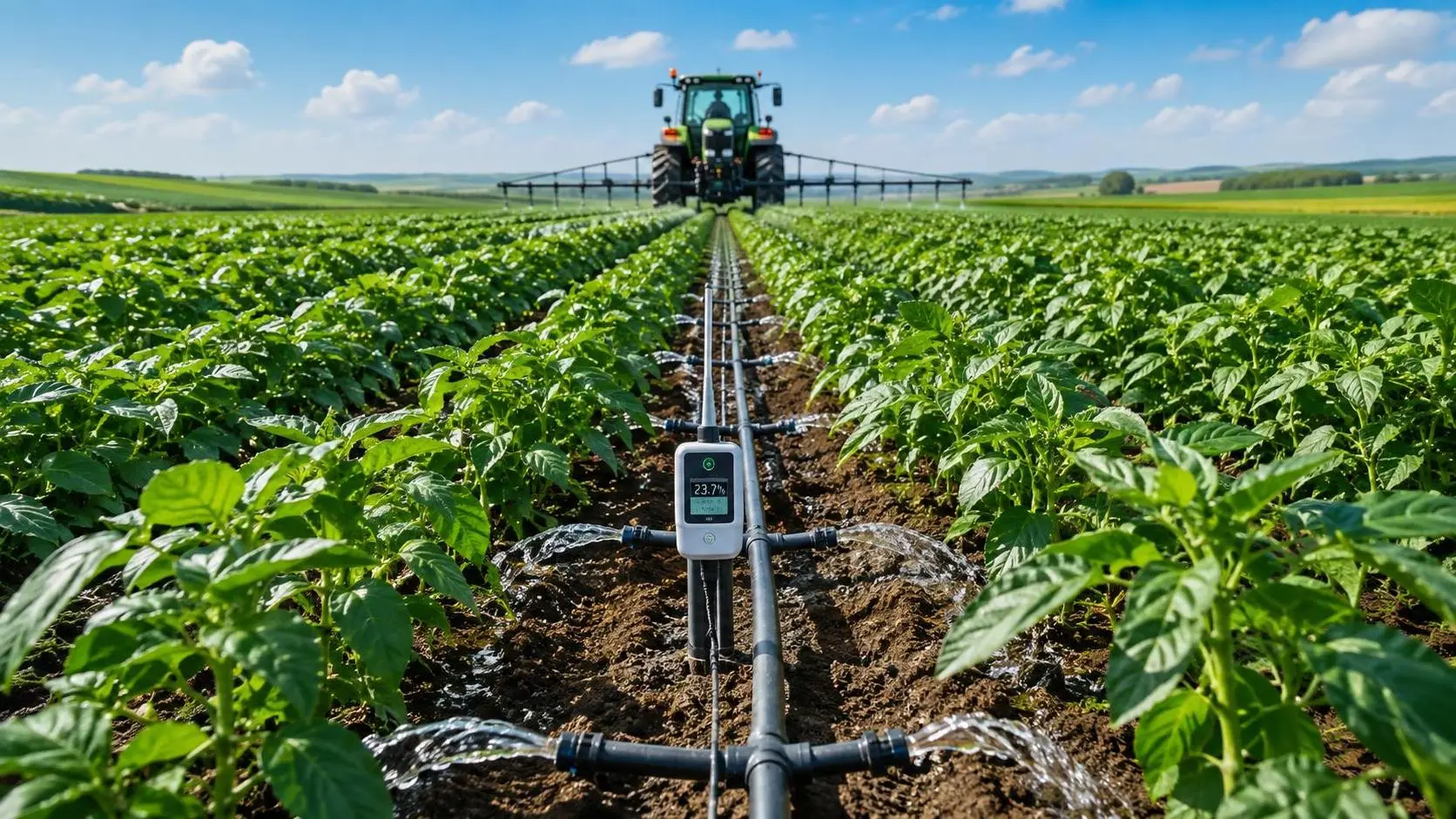
The information also indicates that food processing companies in Japan and the Asia-Pacific region are upgrading automated production lines on a large scale. In this context, demand has increased for specialized agricultural machinery related to protein crop production and handling, including Seeders & Planters for protein crop planting, Soil Tillers for low-disturbance root-zone preparation and Threshing Systems for low-damage bean threshing.
Based on the disclosed information, the exhibition highlighted a new potential export scenario for upstream equipment within the plant protein industry chain. No confirmed transaction volume, procurement scale or policy detail has been disclosed in the provided information.
Which Segments May Be Affected
Plant Protein Raw Material Traders
Plant protein raw material traders may be affected because the exhibition placed pea protein and textured protein in front of Japanese and Asia-Pacific food processing buyers. From an industry perspective, the impact is mainly reflected in greater attention to ingredient specifications, stable sourcing channels and the ability to connect raw material supply with processing requirements.
For traders, the key issue is not only whether demand for pea protein increases, but whether buyers begin to require clearer links between raw material quality, production stability and upstream crop handling. Analysis shows that traders may need to watch whether buyer discussions move from general interest in plant-based ingredients to more specific procurement requirements.
Food Processing Manufacturers
Food processing manufacturers are directly relevant to this development because the event information points to large-scale upgrades of automated production lines in Japan and the Asia-Pacific region. The impact may appear in formulation adjustment, raw material compatibility testing and the matching of plant-based ingredients with automated processing systems.
Observably, manufacturers evaluating pea protein or textured protein will need to pay attention to how ingredient characteristics align with existing production equipment. The exhibition signal suggests that raw material selection and production-line modernization may become more closely connected in plant-based food processing.
Agricultural Machinery Exporters
Agricultural machinery exporters may be affected because the information specifically identifies increased demand for Seeders & Planters, Soil Tillers and Threshing Systems. These are not general-purpose references; they are connected to protein crop planting, root-zone preparation and bean threshing with reduced damage.
From an industry perspective, this creates a more specific equipment export scenario linked to the upstream side of the plant protein supply chain. Exporters should pay attention to whether demand from Japan and Asia-Pacific buyers becomes concentrated around precision planting, low-disturbance soil preparation and low-damage post-harvest handling.
Raw Material Procurement Teams
Raw material procurement teams in food companies may be affected because plant-based ingredient sourcing could become more closely tied to upstream production and handling capabilities. If buyers are assessing pea protein and textured protein, they may also need to consider whether the supply chain can support consistent crop quality and stable processing inputs.
What deserves closer attention now is whether procurement discussions begin to include upstream cultivation and threshing equipment conditions as part of supplier evaluation. This should not be treated as a confirmed universal requirement, but it is a practical signal for procurement teams reviewing plant protein supply chains.
Supply Chain Service Providers
Supply chain service providers may be affected because the emerging link between plant-based raw materials and specialized agricultural equipment can increase the need for coordination across suppliers, processors and machinery exporters. The impact may include more complex communication around delivery timing, technical documentation and cross-border equipment matching.
Analysis shows that service providers may need to support both ingredient-side and equipment-side communication, especially where buyers in Japan or the Asia-Pacific region are assessing automated production upgrades and upstream crop-handling capacity at the same time.
What Companies and Practitioners Should Watch and How to Respond
Track Follow-Up Statements and Confirmed Business Details
Companies should continue to monitor follow-up disclosures from Shuangta Foods, the exhibition organizer and relevant participating parties. At this stage, the available information confirms the exhibition participation, product focus and the highlighted equipment demand, but it does not confirm transaction amounts, signed orders or procurement schedules.
It is more appropriate to understand this as a signal that requires continued verification. Businesses should avoid making major sourcing or export decisions based only on exhibition-level information.
Focus on Pea Protein, Textured Protein and Related Upstream Equipment
For ingredient companies, the practical focus should be on pea protein and textured protein specifications, buyer communication and supply stability. For machinery exporters, the practical focus should be on Seeders & Planters, Soil Tillers and Threshing Systems related to protein crop cultivation and bean handling.
From an industry perspective, the most relevant business link is the connection between plant-based ingredient demand and upstream equipment capability. Companies should review whether their current product documentation, technical descriptions and export communication can address this combined requirement.
Distinguish Market Signals from Actual Procurement Execution
The exhibition indicates rising attention to plant-based raw materials and specialized agricultural machinery, but companies should distinguish between market interest and completed procurement. Analysis shows that the current information is more useful for identifying direction than for confirming immediate sales outcomes.
Practitioners should classify potential inquiries by stage: general exhibition contact, technical discussion, sample evaluation, procurement negotiation and confirmed order. This helps avoid overestimating demand while still preparing for possible business opportunities.
Prepare Supply Chain and Technical Communication in Advance
Companies involved in raw materials, processing equipment or agricultural machinery should prepare clear technical materials in advance. For plant protein suppliers, this may include product specifications and processing suitability. For machinery exporters, this may include application scenarios for protein crop planting, low-disturbance soil preparation and low-damage bean threshing.
What deserves closer attention now is cross-segment communication. If food processors are upgrading automated lines while also assessing ingredient inputs, suppliers may need to explain how raw materials, crop handling and production equipment can fit into a more stable plant protein supply chain.
Editor’s View / Industry Observation
Observably, Shuangta Foods’ appearance at the Tokyo IFIA Health Food Exhibition is not only a raw material promotion event. It also points to a broader industry signal: plant protein development may be extending from ingredient supply into upstream cultivation and handling equipment demand.
Analysis shows that this should be viewed as an emerging scenario rather than a fully confirmed market result. The provided information confirms exhibition participation and rising demand for specific machinery categories, but it does not provide verified order data or long-term procurement commitments.
From an industry perspective, the reason this development needs continued attention is that it connects several parts of the value chain: pea protein and textured protein supply, food processing automation, protein crop planting equipment, low-disturbance soil preparation and low-damage threshing systems. If these links continue to strengthen, companies in both raw materials and agricultural machinery may face more integrated buyer requirements.
Conclusion
The June 2, 2026 exhibition activity by Shuangta Foods in Japan highlights the growing connection between plant-based raw materials and upstream equipment needs. Its industry significance lies in showing that pea protein and textured protein promotion may increasingly be discussed alongside automated processing upgrades and specialized protein crop machinery.
It is more appropriate to understand this development as an industry signal that deserves close monitoring, rather than as a confirmed large-scale commercial outcome. Companies should respond with practical preparation: track verified follow-up information, clarify product and equipment positioning, and prepare supply chain communication for plant protein-related opportunities in Japan and the Asia-Pacific region.
Information Source Statement
Main source: Provided event information regarding Shuangta Foods’ participation in the Tokyo IFIA Health Food Exhibition on June 2, 2026, including its focus on pea protein, textured protein and related plant-based raw materials.
Items requiring continued observation: any follow-up official statements, confirmed procurement details, order information, policy changes, buyer requirements and the actual implementation pace of demand for Seeders & Planters, Soil Tillers and Threshing Systems in Japan and the Asia-Pacific market.