
How to Choose Agricultural Equipment for Farm Size, Crops, Terrain, and Budget
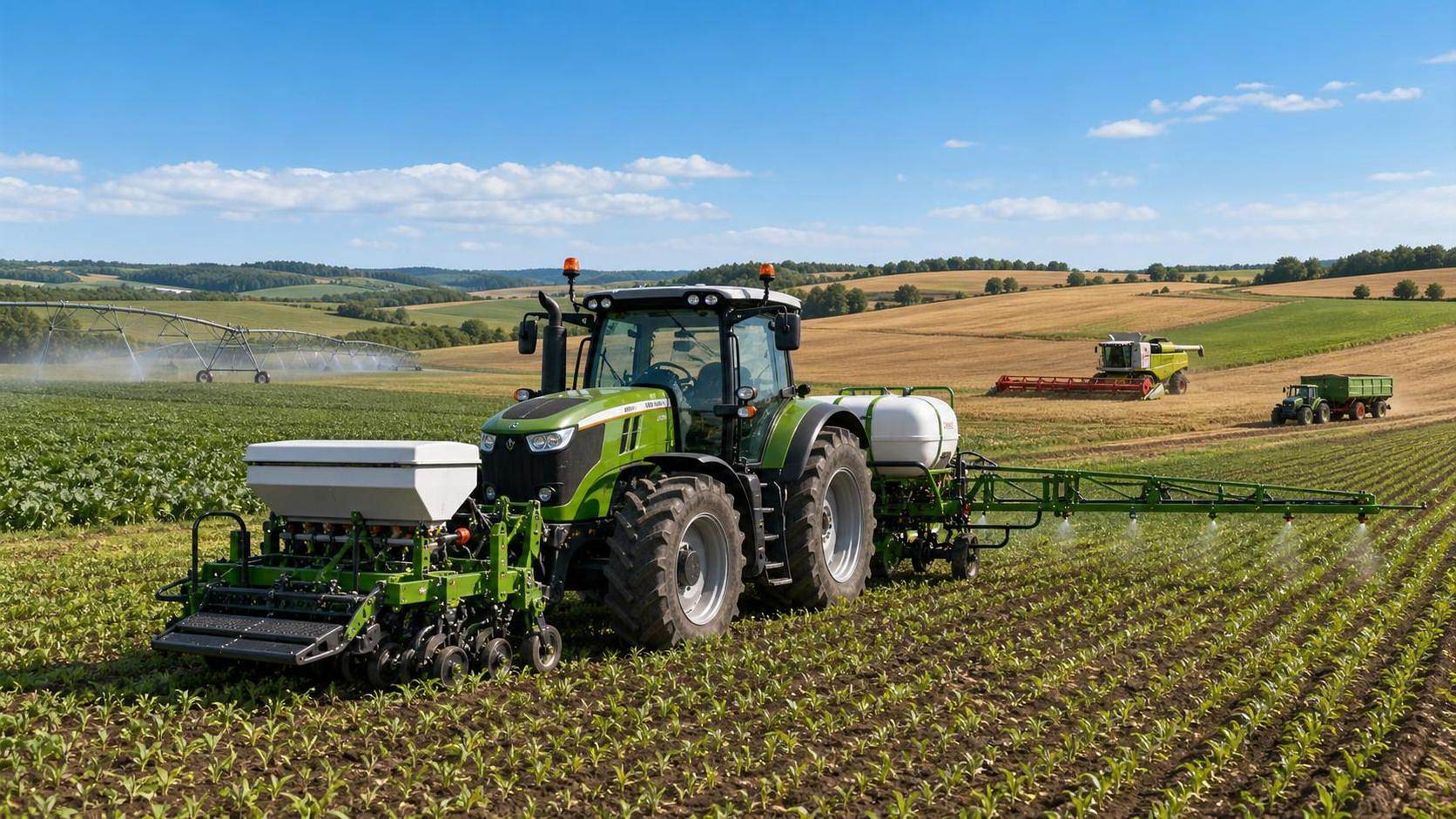




How to Choose Agricultural Equipment for Farm Size, Crops, Terrain, and Budget
Choosing agricultural equipment is rarely a simple price comparison.
The right fit depends on acreage, crop cycles, field conditions, labor pressure, and capital planning.
A machine that performs well on paper can still fail in daily operations.
That usually happens when farm needs and machine capability are not aligned.
For better decisions, agricultural equipment should be assessed as a working system, not as a standalone asset.
This means looking at field capacity, crop handling, transport limits, service access, and return on investment together.
In practical terms, smart equipment selection reduces idle hours, fuel waste, harvest loss, and emergency replacement costs.
It also supports stronger planning across planting, spraying, irrigation, and harvesting windows.
Start with Farm Size and Daily Workload
Farm size is the first filter when selecting agricultural equipment.
But total acreage alone does not tell the full story.
The real question is how much work must be completed within a limited operating window.
A 300-hectare farm in stable weather may need less machine intensity than a smaller farm facing narrow harvest timing.
This is why field capacity matters more than headline power figures.
When comparing agricultural equipment, review these workload factors:
- Total cultivated area and number of plots
- Planting and harvest windows by crop
- Average travel distance between fields
- Available operators per shift
- Target hectares covered per day
- Peak season overlap between tasks
Larger farms often benefit from higher-capacity tractors, wider implements, and advanced guidance systems.
Smaller or fragmented farms may gain more from compact, versatile agricultural equipment with easier transport and lower running costs.
The goal is not buying the biggest unit. The goal is matching machine output to operational pressure.
Match Equipment to Crop Type and Production Method
Crop type has a direct impact on equipment configuration.
A machine optimized for wheat may perform poorly in rice, maize, soybean, orchards, or vegetable production.
Even within grain farming, crop moisture, residue volume, and grain sensitivity can change equipment needs.
For crop-based selection, assess these points early:
- Header or attachment compatibility
- Threshing, separation, or handling sensitivity
- Residue management needs after harvest
- Soil compaction risk during field entry
- Precision application requirements for seeds, fertilizer, or chemicals
For row crops, agricultural equipment should support spacing accuracy, consistent depth, and precise input delivery.
For cereal operations, throughput and grain loss control usually carry more weight.
For orchards and specialty crops, machine width, turning radius, and crop damage avoidance become critical.
If the farm grows multiple crops, multi-purpose agricultural equipment can improve utilization, provided changeover time stays manageable.
Do Not Underestimate Terrain and Field Conditions
Terrain often decides whether equipment performs smoothly or becomes a maintenance burden.
Slope, soil structure, drainage, and road access all affect equipment stability and productivity.
From recent market shifts, this is where more buying mistakes are appearing.
Many buyers compare powertrain specifications closely, but overlook actual field mobility.
Key terrain checks include:
- Flat, rolling, or steep field profile
- Wet, sandy, clay, or compacted soil conditions
- Seasonal mud risk and waterlogging frequency
- Narrow lanes, bridges, and loading limits
- Headland space for turning and maneuvering
In hilly regions, lower center of gravity, traction support, and braking performance can matter more than maximum engine output.
In soft fields, track systems or flotation tires may reduce sinkage and protect soil structure.
For irrigation-linked operations, terrain also affects water distribution, pump efficiency, and service routing for related agricultural equipment.
Build the Budget Around Total Ownership Cost
Budget decisions should go beyond purchase price.
The cheapest agricultural equipment may create the highest cost per hectare over time.
That is especially true when downtime disrupts planting or harvest timing.
A disciplined procurement process should compare total cost of ownership across the expected service life.
This also means budget planning should reflect machine utilization.
If a high-spec unit will sit idle for most of the year, the investment case weakens quickly.
On the other hand, highly utilized agricultural equipment can justify a premium when it protects yield and labor efficiency.
Look at Compatibility, Service, and Data Capability
Equipment selection now extends beyond steel and hydraulics.
Modern agricultural equipment increasingly depends on software, telematics, sensors, and connected service support.
A stronger signal in current procurement is the shift toward decision-ready data, not just machine automation.
Before final selection, verify:
- Compatibility with existing implements and trailers
- Dealer coverage and spare parts lead time
- Availability of local technicians during peak season
- Guidance, variable-rate, and remote monitoring features
- Ease of operator training and interface usability
For buyers managing larger fleets, compatibility can protect existing capital and reduce transition delays.
For precision-focused operations, connected agricultural equipment can improve application accuracy and maintenance planning.
That becomes more valuable when fuel, water, labor, and input costs are all under pressure.
Use a Practical Selection Framework
A structured method helps compare agricultural equipment without being distracted by marketing claims.
A useful evaluation sequence looks like this:
- Define core tasks by season and field window.
- Rank farm size, crop type, and terrain constraints.
- Set a budget using total ownership cost, not purchase price alone.
- Shortlist machines that fit current infrastructure and operator skill.
- Request performance data, field demonstrations, and service commitments.
- Score each option on output, risk, support, and long-term value.
This framework keeps the decision grounded in operational reality.
It also makes internal approval easier because tradeoffs become visible and measurable.
In real purchasing work, that clarity often matters as much as the equipment choice itself.
The best agricultural equipment is not the most advanced machine in the catalog.
It is the one that fits the farm’s scale, crop system, terrain profile, and financial logic.
When those factors align, equipment investment becomes more resilient and easier to justify.
That is the foundation of smarter mechanization in a more demanding agricultural market.
Use that lens for every shortlist, and agricultural equipment decisions will become sharper, faster, and more profitable over time.
Related News
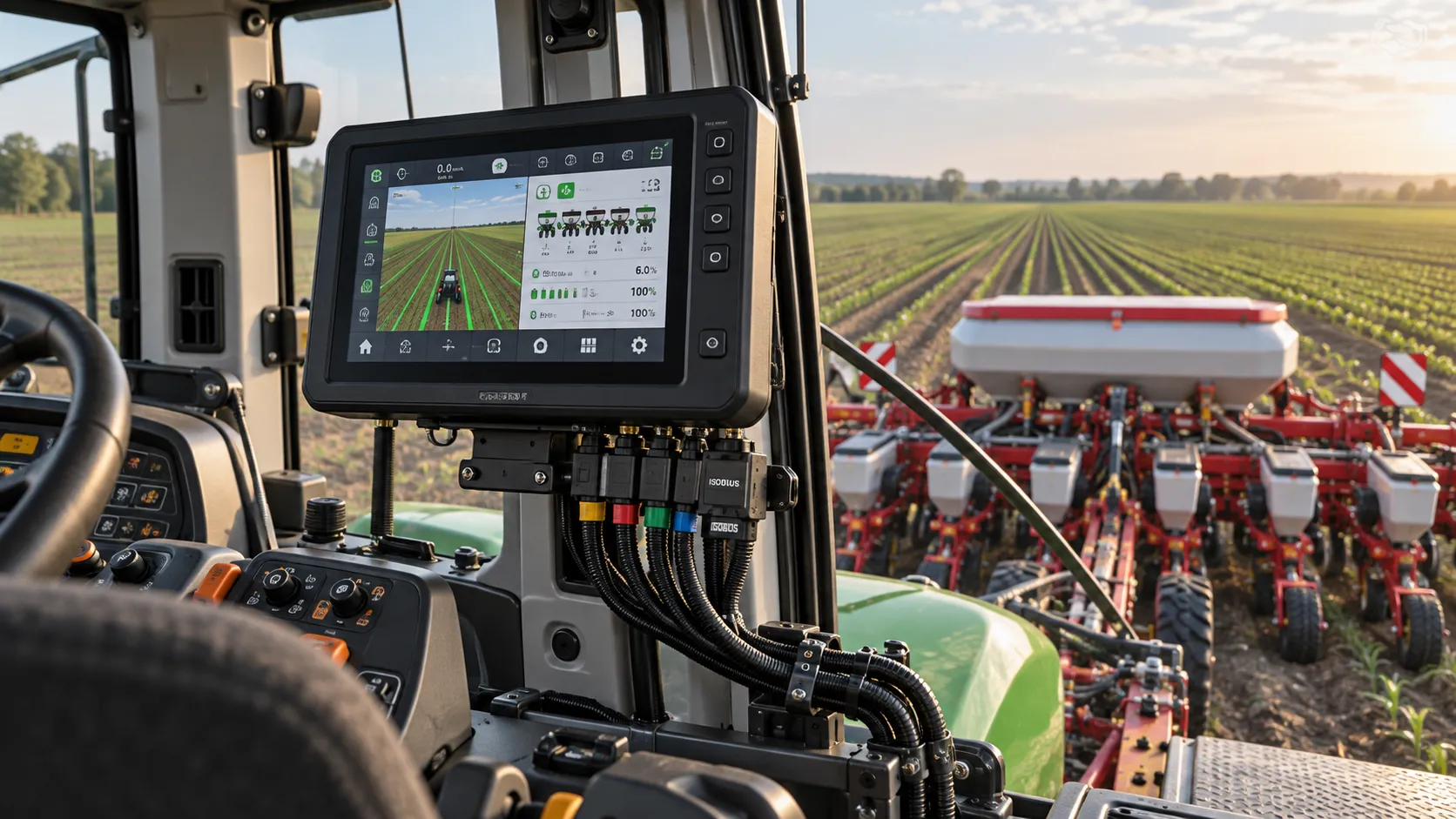
Choosing Precision Agriculture Controllers: ISOBUS and Variable-Rate Compatibility
Compare precision agriculture controllers for ISOBUS functionality, variable-rate compatibility, and data exchange. Discover what to test before buying to find the right fit for your fleet.
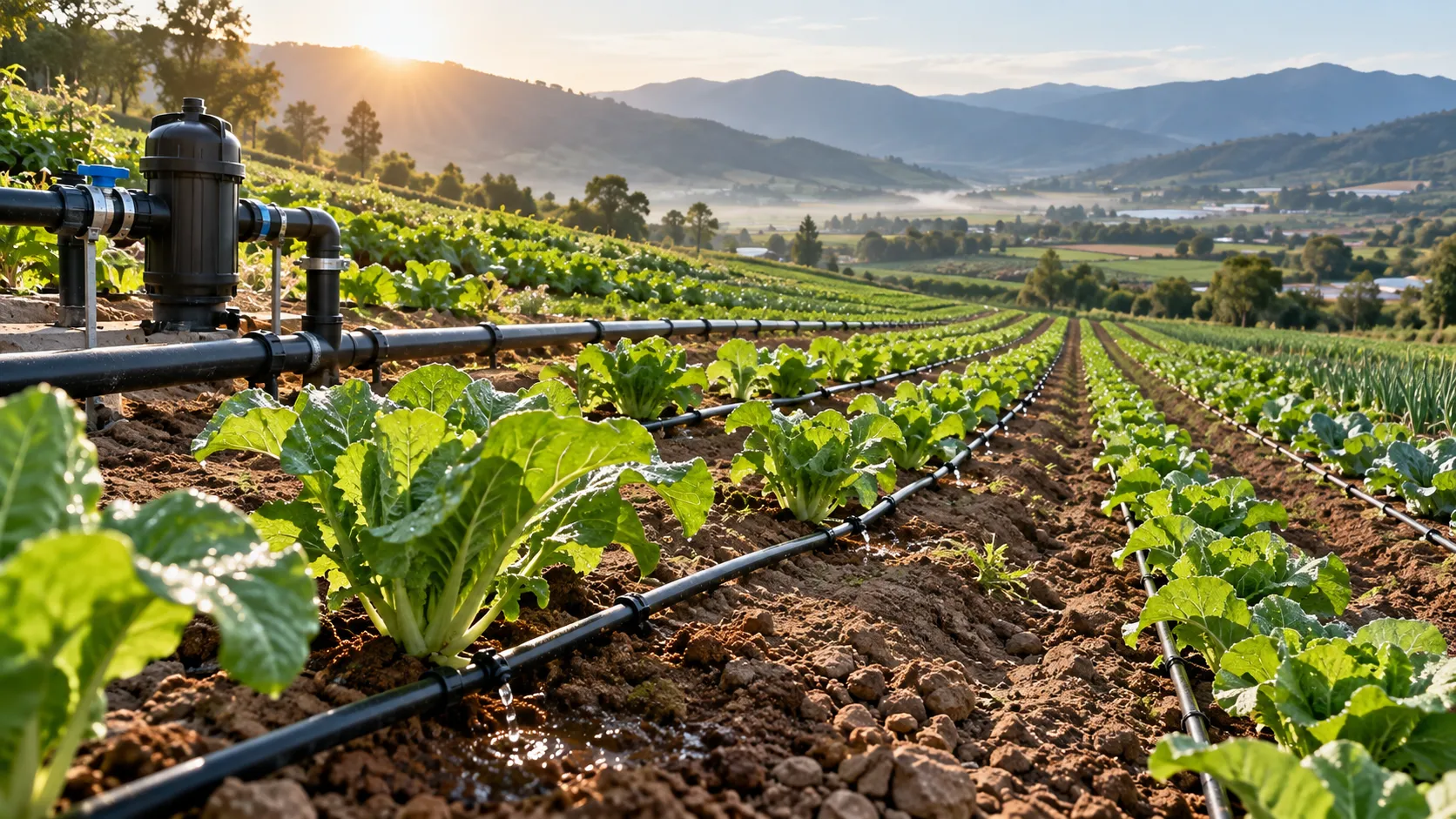
Choosing Drip Irrigation Systems for Open Fields: Soil, Slope, and Water Quality
Choose drip irrigation systems for open fields with confidence. Discover how soil, slope, and water quality shape emitter spacing, pressure, and filtration—and avoid costly design mistakes.
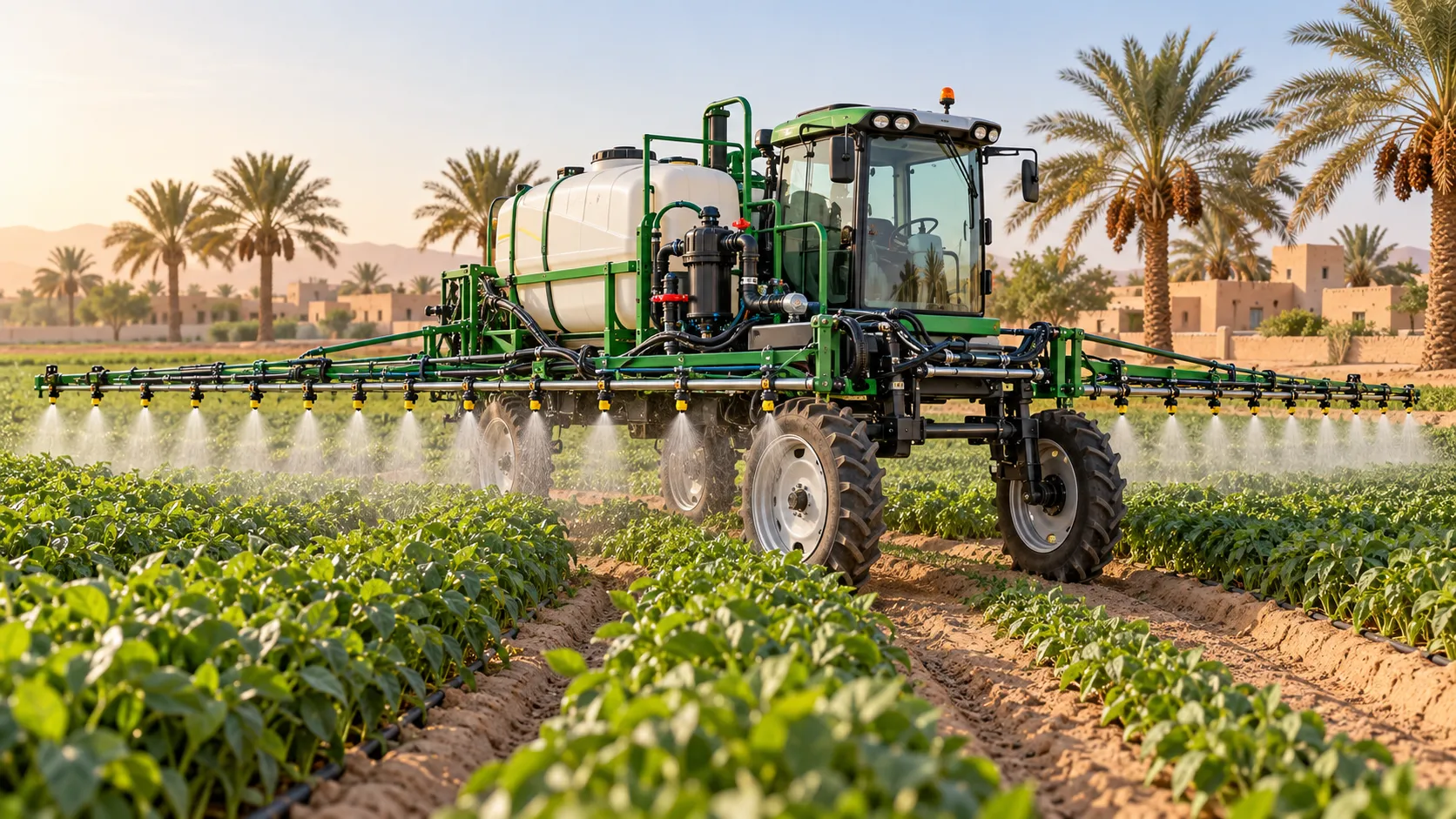
Choosing Crop Protection Equipment for Hot, Windy Middle Eastern Farms
Compare crop protection equipment Middle East farms need for hot, windy conditions. Discover key nozzle, drift-control, and durability checks to choose the right sprayer.
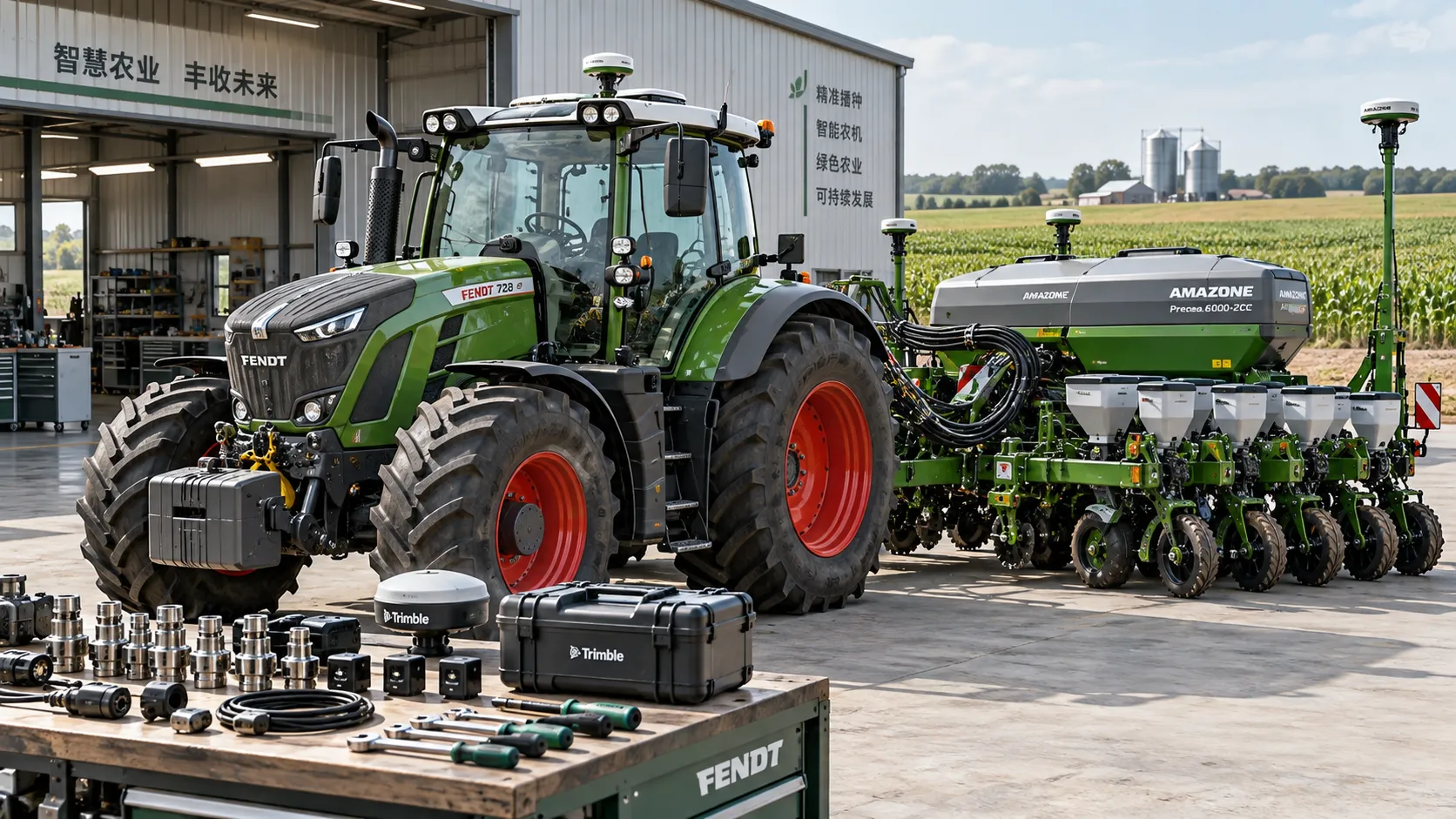
Choosing an Agriculture 4.0 Supplier: Compatibility, Support, and Total Cost
Choose an Agriculture 4.0 supplier with confidence. Learn how to verify compatibility, assess support, and compare total ownership costs to avoid hidden fees and costly downtime.
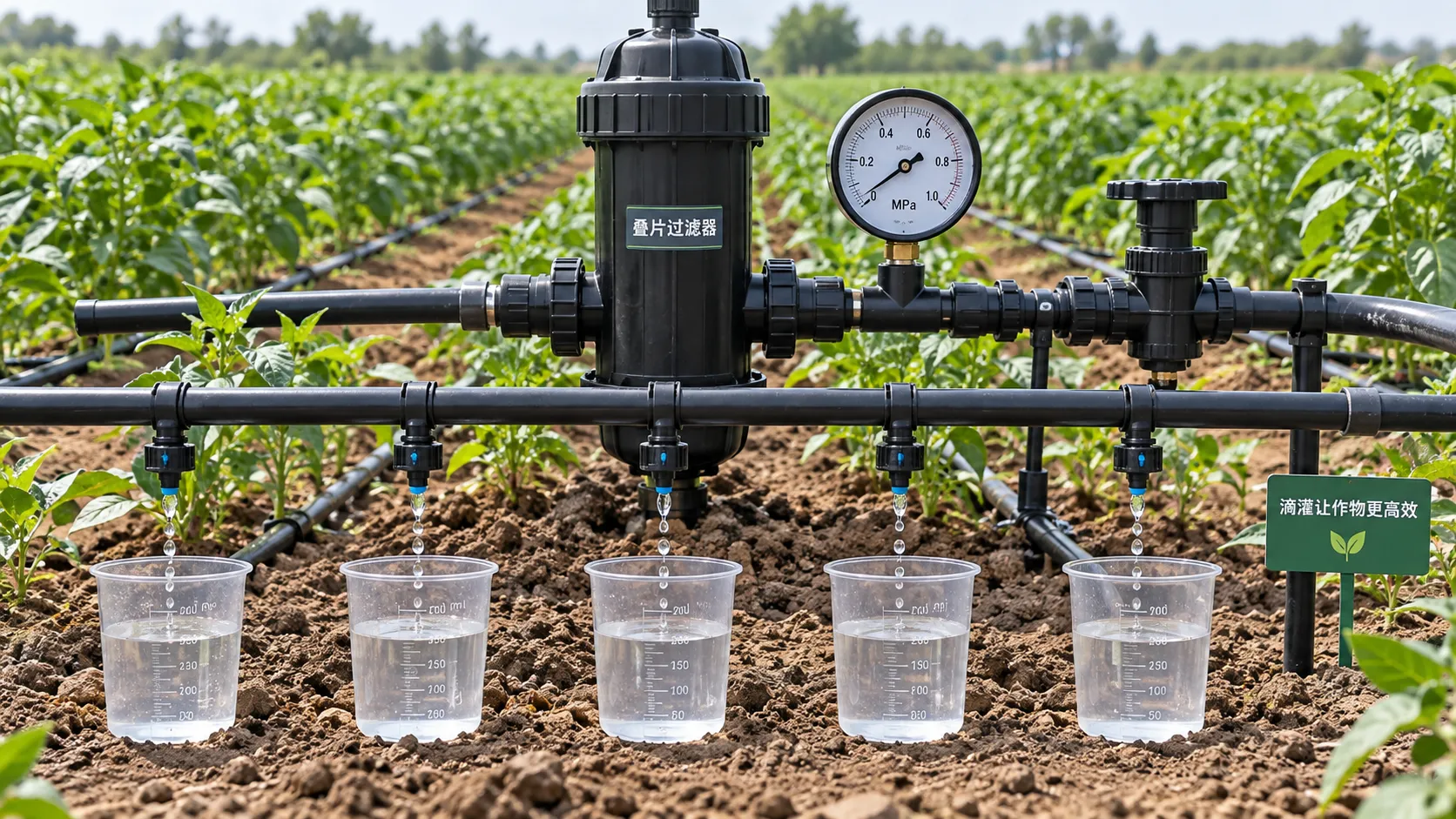
Low-Pressure Drip Irrigation: How to Fix Uneven Watering Without Raising Pressure
Optimize low pressure water-saving irrigation systems: discover how to fix uneven watering, clear blockages, and reduce hydraulic losses without raising supply pressure.
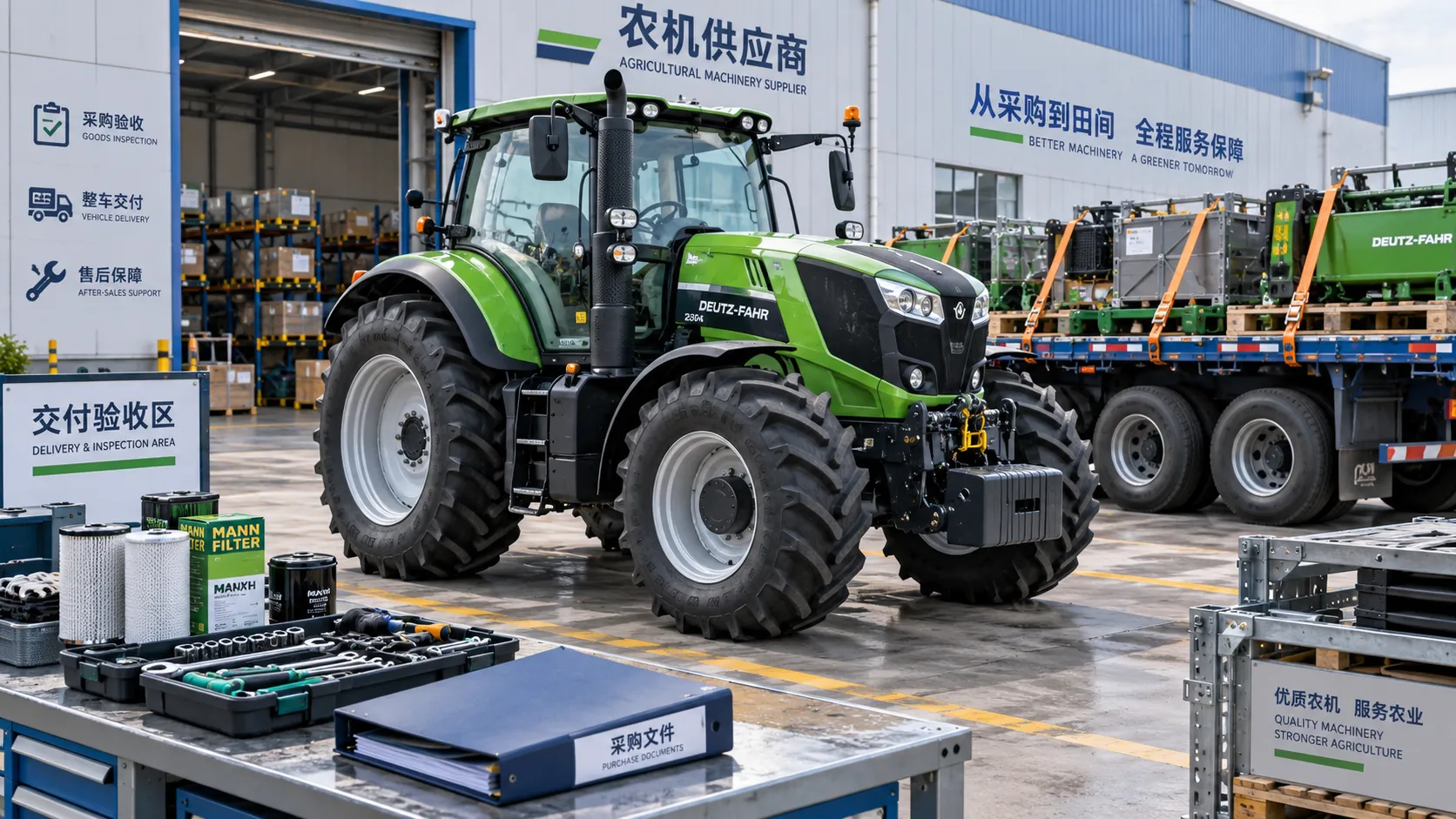
Comparing Farm Equipment Supplier Quotes: Price, Freight, and Warranty
Simplify supplier comparison for farm equipment price: assess freight, field-ready costs, and warranty coverage. Learn how to avoid hidden charges and choose a reliable supplier.
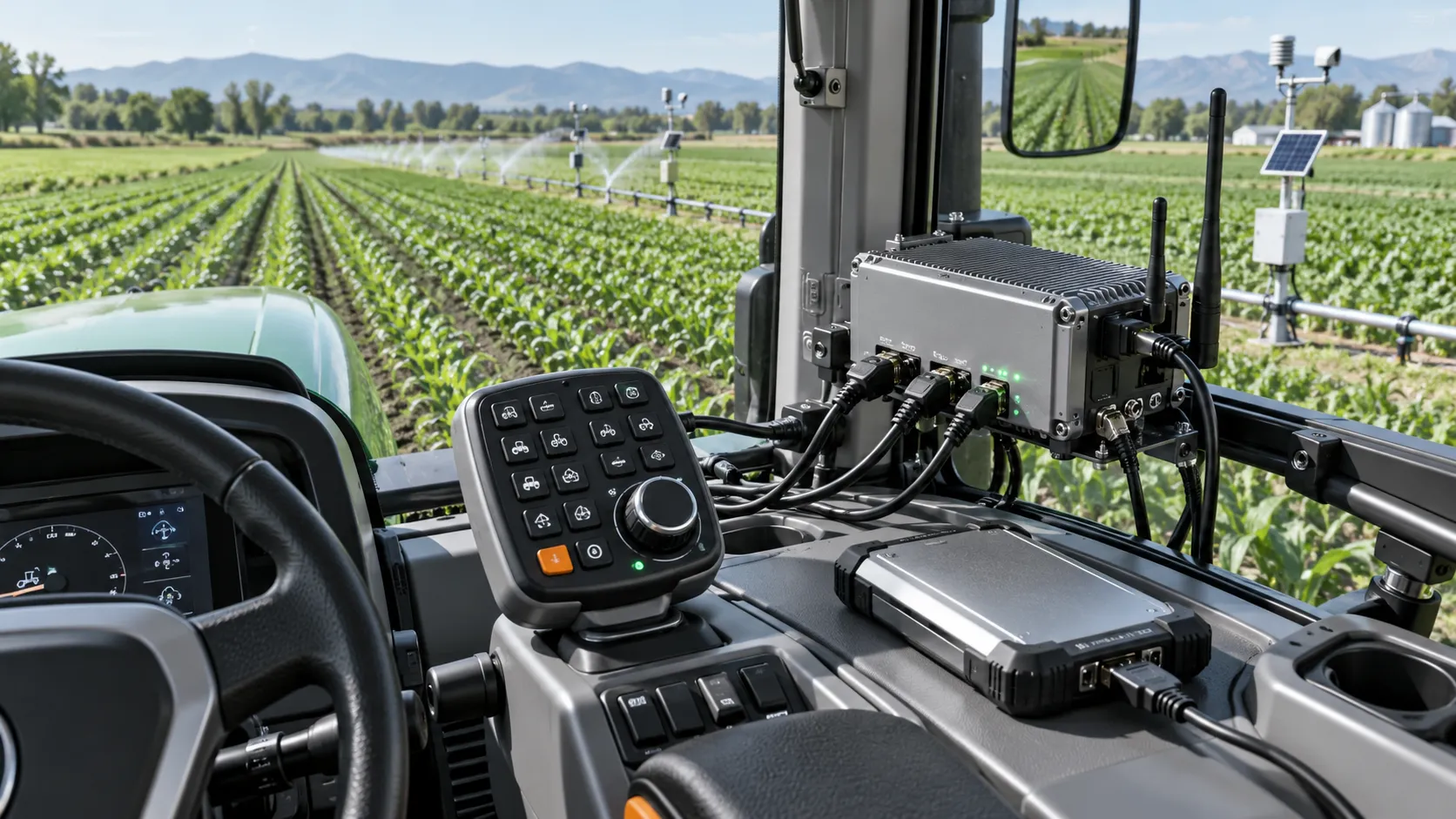
Choosing a Digital Farming Platform Provider: Compatibility and Data Ownership
Compare digital farming platforms providers on equipment compatibility, data ownership, and export rights. Discover practical checks to avoid lock-in and choose with confidence.
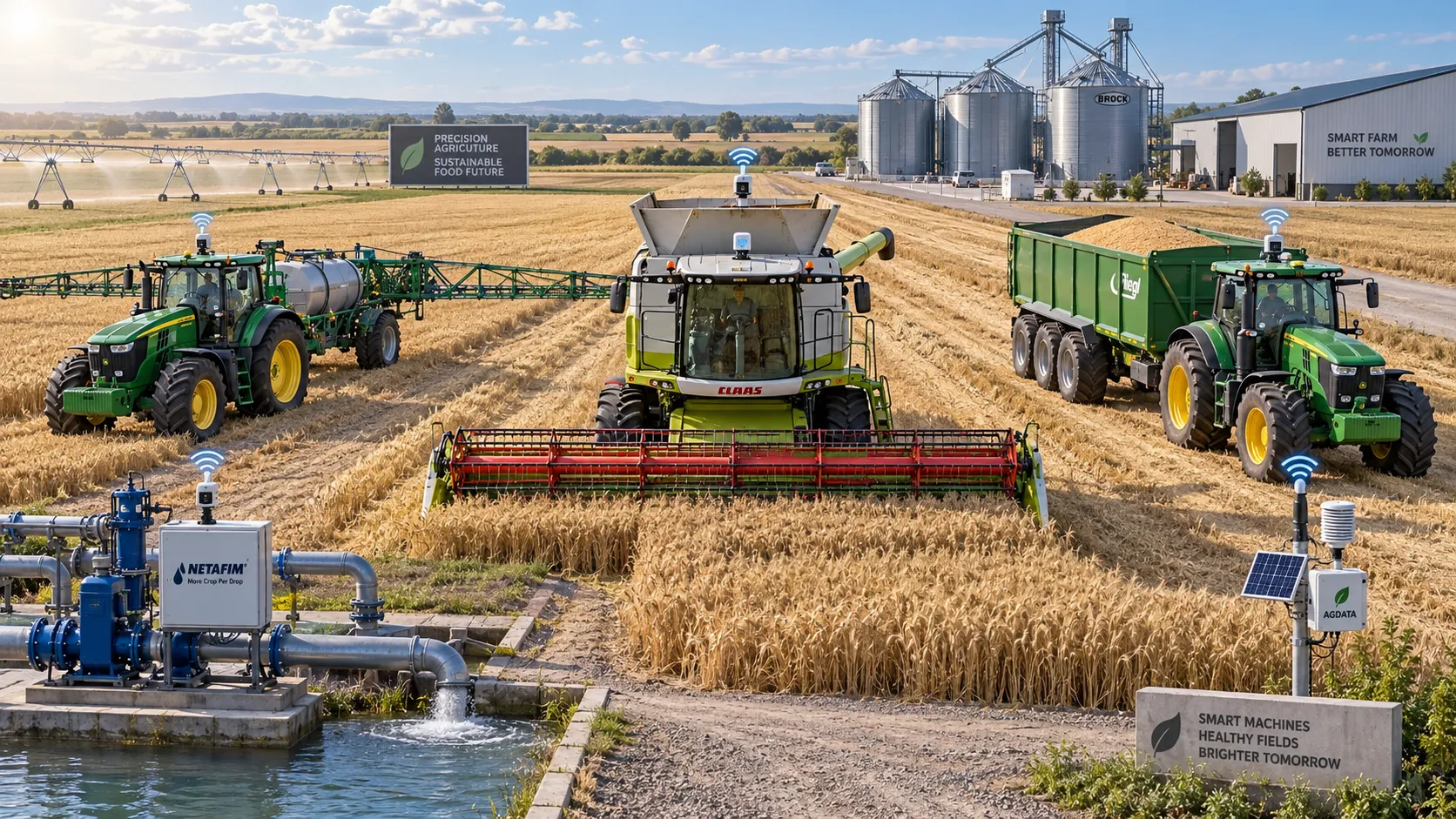
How Large-Scale Farm Telematics Cuts Downtime Across Mixed Fleets
Large-scale farm equipment telematics cuts mixed-fleet downtime with real-time alerts, smarter maintenance, and stronger operational control. Learn how to protect critical farm workflows.
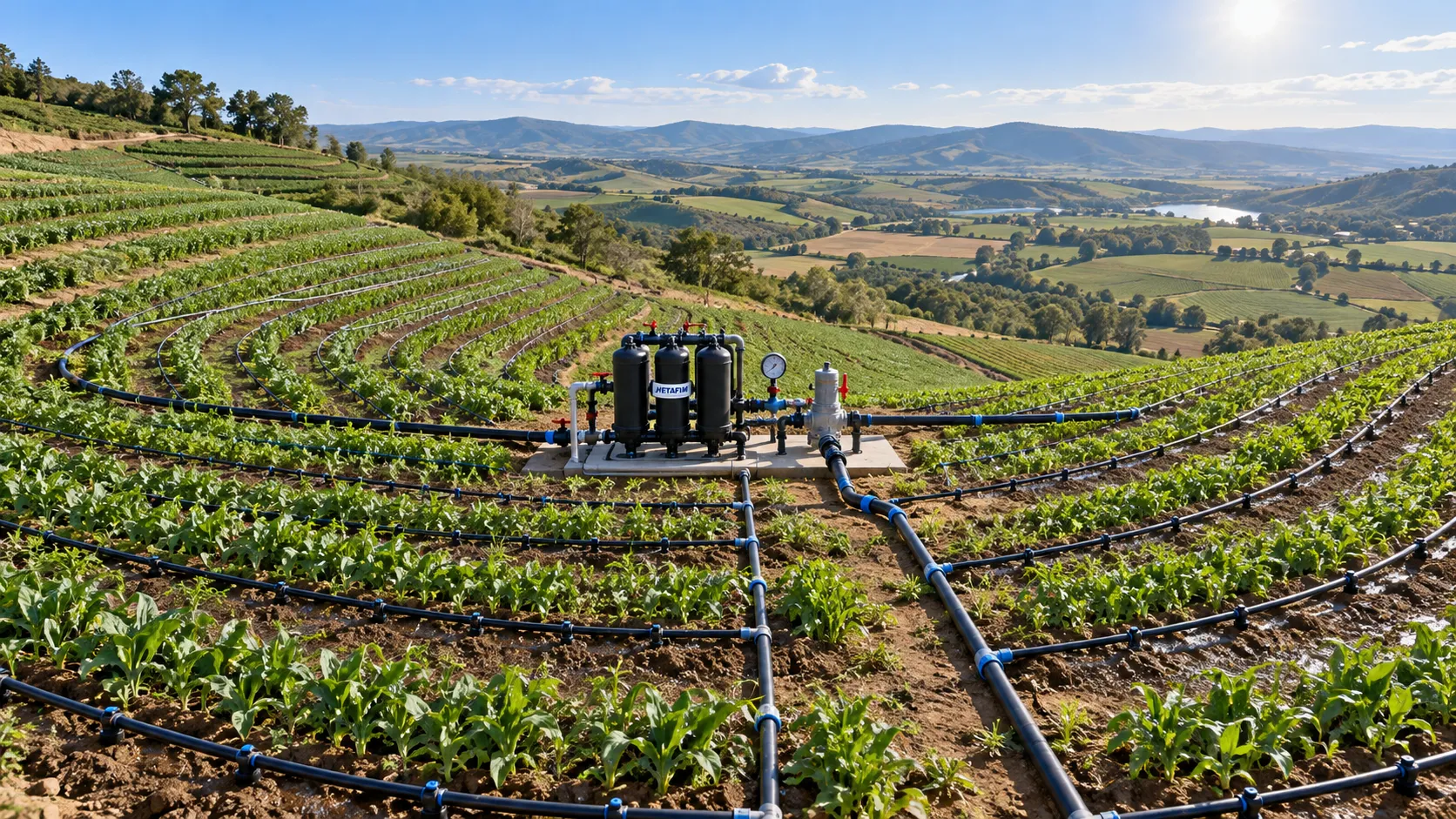
How to Size Low-Pressure Water-Saving Irrigation Systems for Uneven Fields
Low pressure water-saving irrigation systems for uneven fields: learn zoning, pressure mapping, pipe sizing, and pump selection to improve uniformity and reduce water waste.
Related News
- 00
0000-00
Choosing Crop Protection Equipment for Hot, Windy Middle Eastern Farms - 00
0000-00
Choosing an Agriculture 4.0 Supplier: Compatibility, Support, and Total Cost - 00
0000-00
Comparing Farm Equipment Supplier Quotes: Price, Freight, and Warranty - 00
0000-00
Choosing a Digital Farming Platform Provider: Compatibility and Data Ownership - 00
0000-00
How Large-Scale Farm Telematics Cuts Downtime Across Mixed Fleets
Popular Tags
Ms. Elena Rodriguez
Weekly Insights
Stay ahead with our curated technology reports delivered every Monday.