
Market Insight Content: How to Track Price Trends and Spot Demand Shifts Early
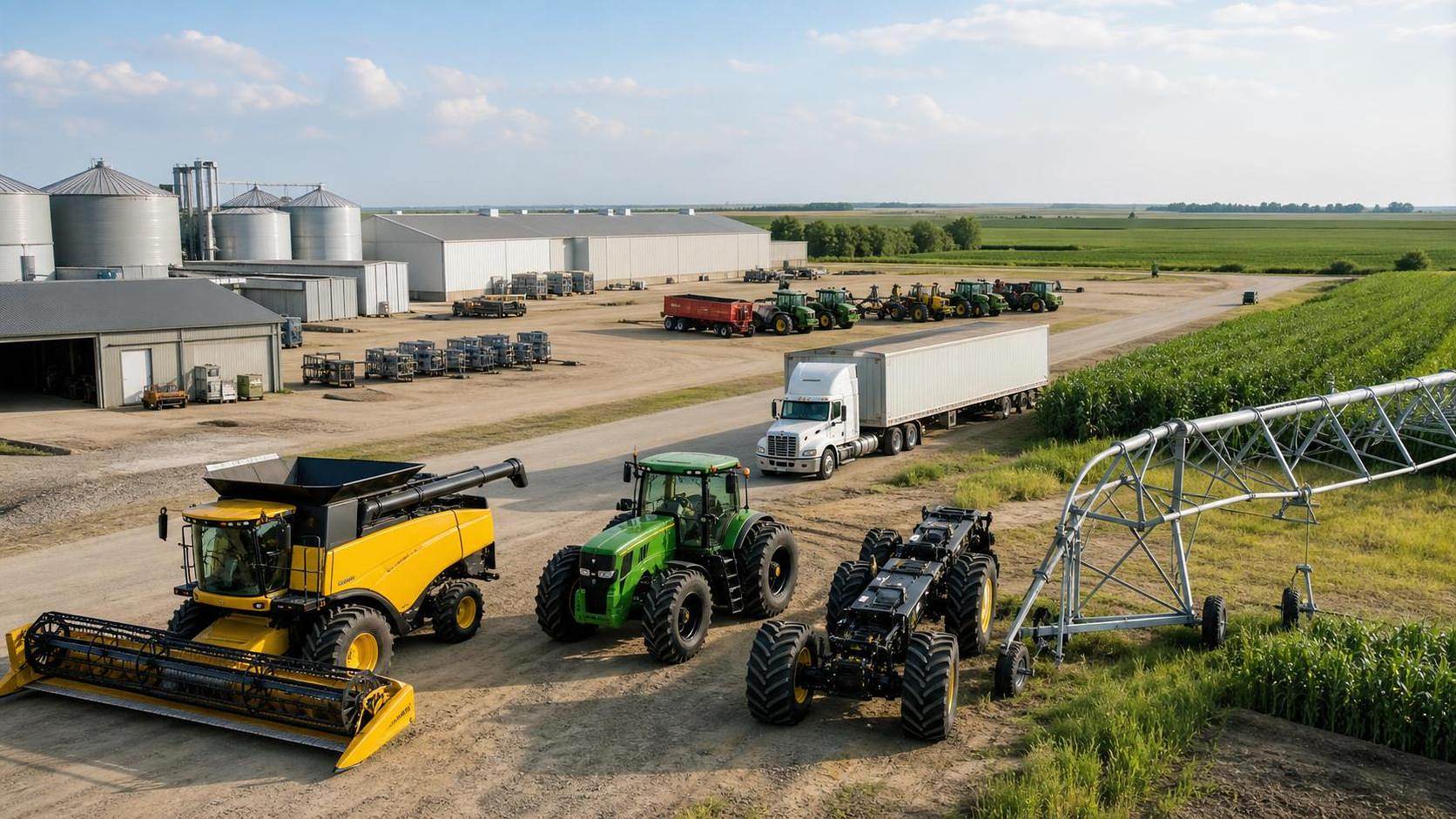




In the agri-equipment economy, pricing rarely moves alone. A rise in harvester quotations, longer delivery cycles for tractor chassis, or discount pressure in irrigation systems often signals a deeper market turn. That is why market insight content matters: it helps price trends become readable business signals rather than late-stage surprises.
For organizations tracking food security, mechanization, and smart cultivation, early demand clues can shape sourcing plans, channel strategy, and capital timing. In practice, market insight content price trends are most useful when they connect numbers with policy shifts, crop economics, technology adoption, and regional field conditions.
Why price trends now carry more strategic weight
Agri-equipment markets have become more interconnected and less forgiving. Steel costs, fuel prices, freight volatility, subsidy changes, water policy, and grain margins can all affect equipment demand within one planning cycle.
That matters across large-scale machinery, combine harvesters, tractor chassis, intelligent farm tools, and water-saving irrigation systems. A price movement in one category can quickly influence adjacent segments.
For example, weaker crop returns may delay purchases of new combines. Yet the same environment may increase interest in retrofit sensors, precision application tools, or irrigation upgrades that protect yield and resource efficiency.
This is where market insight content price trends become more than reporting. They support interpretation. They show whether a change reflects temporary purchasing hesitation, structural replacement demand, or a technology-led transition.
What strong market insight content should actually track
Useful intelligence does not stop at list prices. It follows the full chain behind a quotation and the operating context around it.
Core pricing signals
- Factory price changes by machine class, horsepower range, or automation level.
- Dealer discount depth and financing flexibility.
- Spare parts inflation, especially for hydraulic, transmission, and control systems.
- Delivery lead times that signal component shortages or weak order books.
Demand-side signals
- Tender activity in large farming regions.
- Regional crop profitability and planted acreage shifts.
- Changes in water stress, labor availability, and harvesting windows.
- Adoption rates for autonomy, sensor-guided tools, and resource-saving systems.
When these layers are tracked together, market insight content price trends become easier to interpret. A lower sticker price may reflect excess inventory. It may also mask higher ownership cost from service constraints or lower field efficiency.
How demand shifts appear before the market says them out loud
Demand rarely announces itself with a headline first. It usually appears through smaller inconsistencies. A region starts preferring mid-sized equipment. Inquiry volume grows for low-loss harvesting technology. Irrigation projects move from expansion to efficiency retrofits.
These early shifts are especially visible in the Agriculture 4.0 environment. Buyers are no longer comparing machinery only by power and capacity. They are comparing data compatibility, fuel efficiency, variable-rate performance, and water productivity.
That change helps explain why a category can see mixed demand inside the same season. Premium autonomous functions may gain attention even while standard mechanical units face slower turnover.
High-quality market insight content price trends should therefore watch for divergence inside a category, not just total market averages. Aggregate numbers often hide the most valuable signals.
Where AP-Strategy adds context to raw movement
AP-Strategy operates in a part of the market where technical performance, agronomic outcomes, and global policy interact closely. That makes simple price observation insufficient.
Its coverage of large-scale agri-machinery, combines, tractor chassis, intelligent farm tools, and water-saving irrigation systems reflects a broader operating reality. Equipment demand is shaped by the full production system, not by machinery in isolation.
The Strategic Intelligence Center is relevant here because it links sector news with evolutionary trends and commercial signals. Grain market volatility, environmental regulation, hybrid chassis innovation, harvester cleaning-loss algorithms, and irrigation prediction models all influence price behavior.
This type of stitched analysis is especially valuable in long-cycle agri-trade. It helps distinguish between a short-term procurement dip and a deeper reallocation toward autonomous, electric, or precision-based equipment.
Reading price trends by equipment segment
Different categories generate different signals. The same pricing pattern does not mean the same thing across the equipment chain.
Segment-level reading improves judgment. It also reduces the risk of treating broad market softness as uniform weakness across every product line.
What makes market insight content usable in real decisions
Decision value comes from timing, comparability, and context. Data without these three qualities tends to describe the past better than the next move.
Timing
Weekly or monthly tracking often reveals directional changes before quarterly reviews do. In cyclical markets, even a few weeks can alter negotiation leverage and stock strategy.
Comparability
Price points should be normalized by machine specification, installed technology, service terms, and region. Without that, apparent price trends may reflect different product mixes rather than real market movement.
Context
A rising price line can still be favorable if throughput gains, labor savings, or water efficiency improve total return. Market insight content price trends work best when paired with operational performance logic.
Practical checks before acting on an early signal
Early signals are useful, but they should be tested before they drive allocation or sourcing changes.
- Check whether price movement is local, regional, or global.
- Separate base machine pricing from finance incentives and dealer campaigns.
- Compare inquiry growth with confirmed orders and delivery commitments.
- Look for policy triggers, especially around emissions, water use, and subsidies.
- Review replacement economics against retrofit economics.
- Test whether technology premiums are translating into lower field losses or input savings.
These checks help avoid overreacting to noise. They also improve confidence when a demand shift is real and still early.
A sharper framework for the next market move
The most useful market insight content does not chase every fluctuation. It builds a repeatable reading of how price, technology, regulation, and field performance interact.
In agri-equipment, that means following market insight content price trends across both machinery and operating outcomes. A lower-cost machine is not automatically the stronger option. A higher-priced system is not automatically overpriced.
The clearer path is to track segment-specific signals, validate them against regional demand evidence, and connect them to long-cycle business exposure. That approach makes early shifts visible while there is still time to adjust.
A practical next step is to define a small monitoring set: category pricing, lead times, policy triggers, crop economics, and technology adoption indicators. Once those signals are reviewed consistently, price trends become easier to interpret and far more useful to act on.
Related News
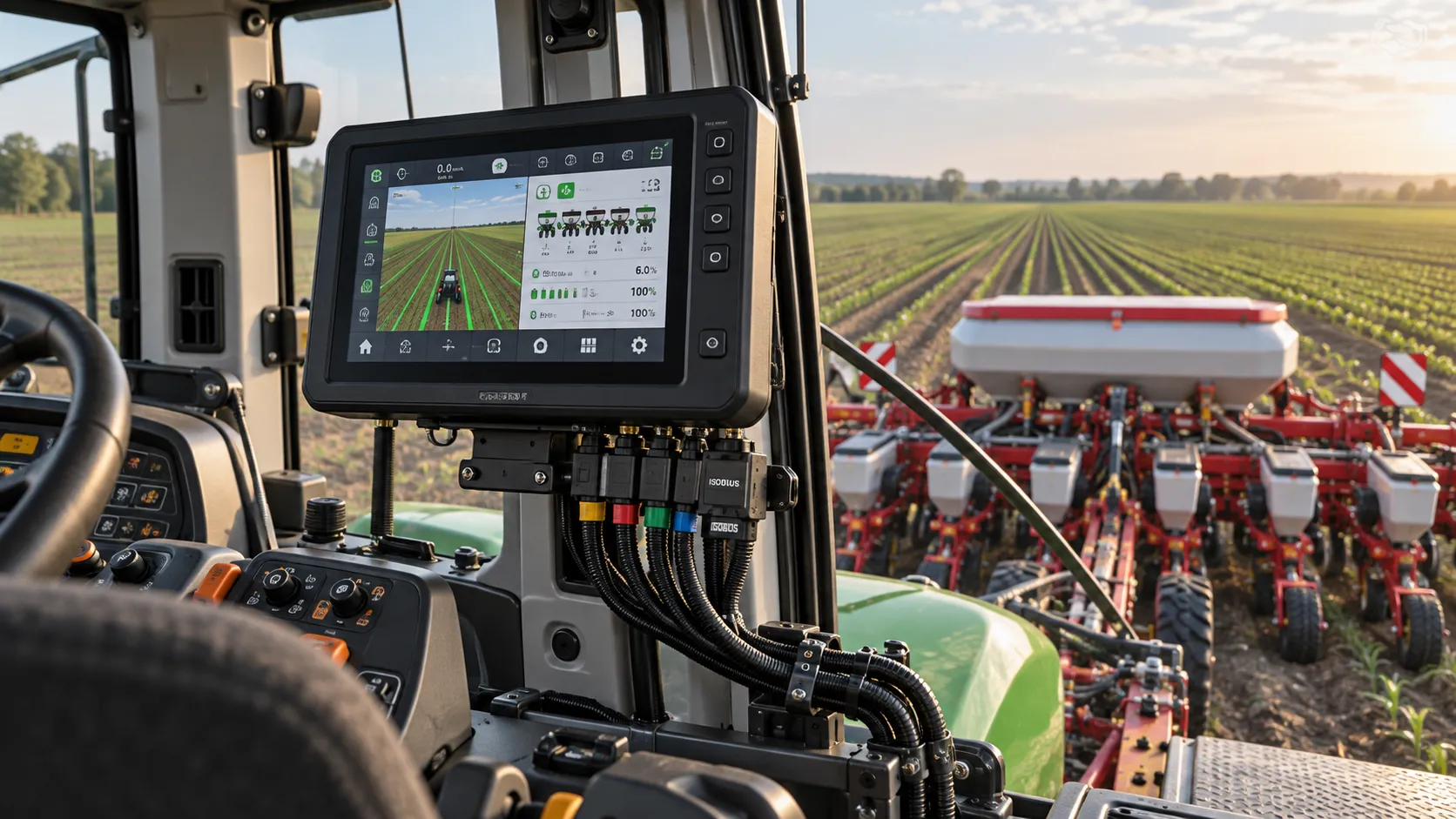
Choosing Precision Agriculture Controllers: ISOBUS and Variable-Rate Compatibility
Compare precision agriculture controllers for ISOBUS functionality, variable-rate compatibility, and data exchange. Discover what to test before buying to find the right fit for your fleet.
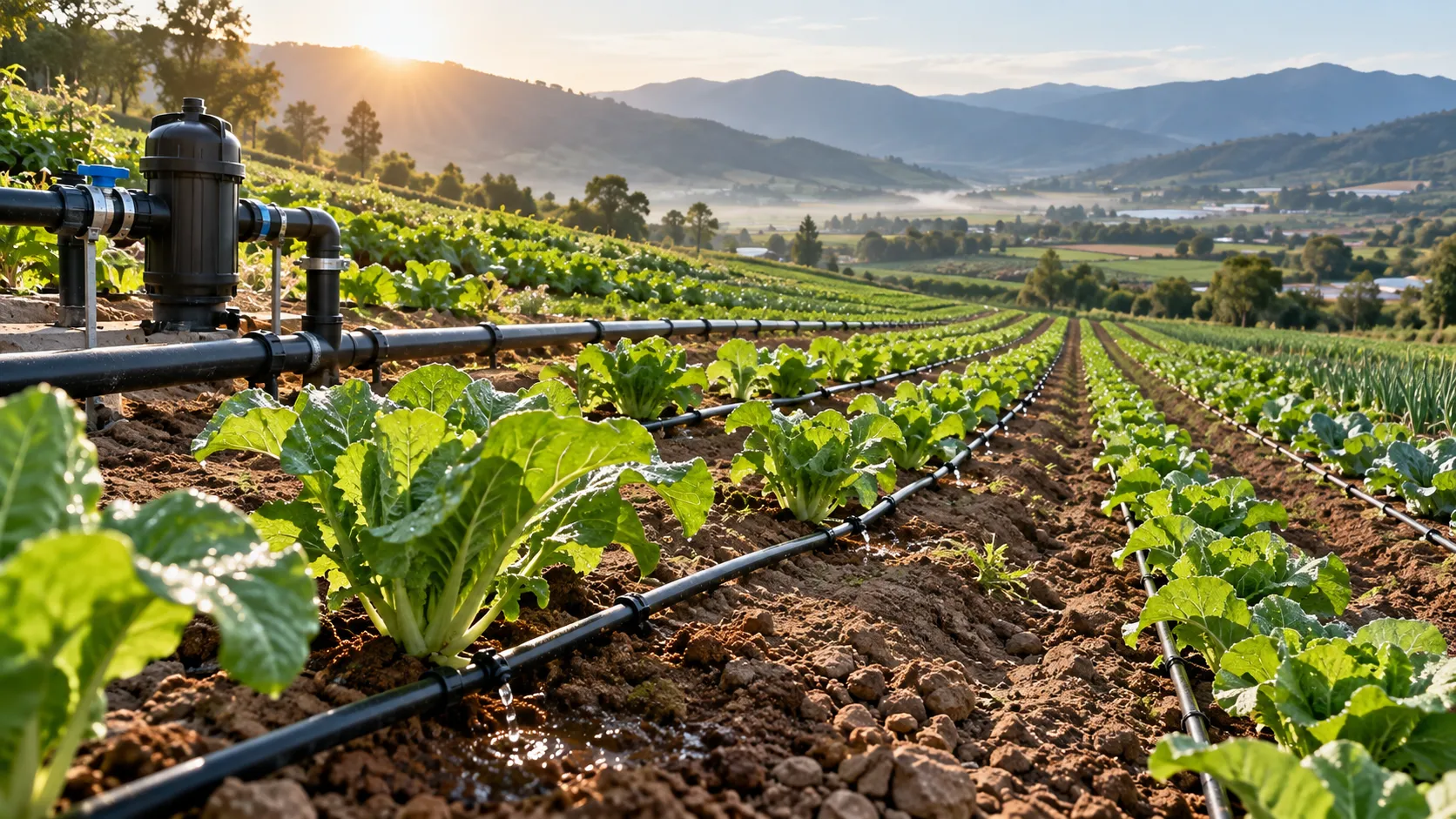
Choosing Drip Irrigation Systems for Open Fields: Soil, Slope, and Water Quality
Choose drip irrigation systems for open fields with confidence. Discover how soil, slope, and water quality shape emitter spacing, pressure, and filtration—and avoid costly design mistakes.
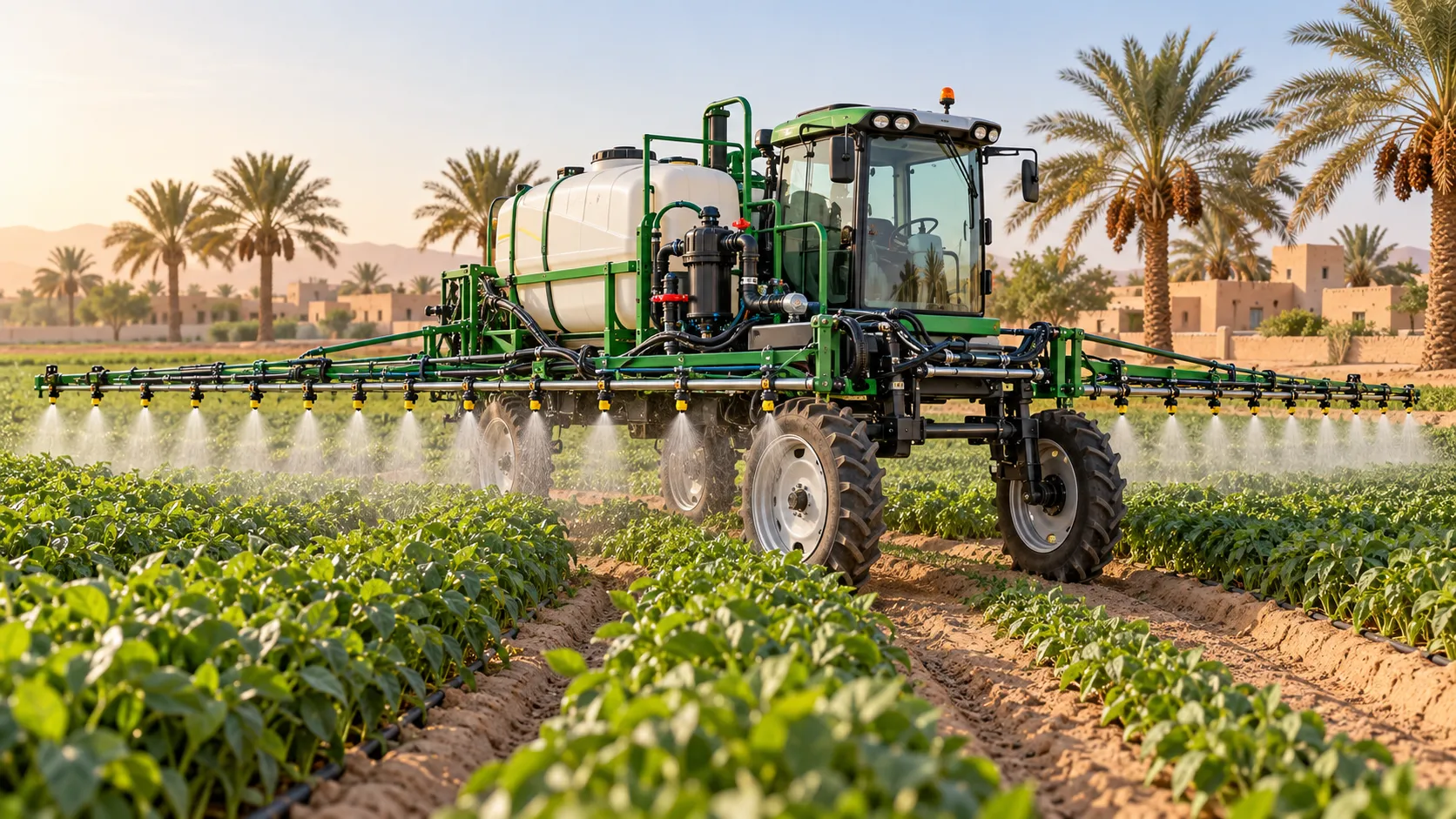
Choosing Crop Protection Equipment for Hot, Windy Middle Eastern Farms
Compare crop protection equipment Middle East farms need for hot, windy conditions. Discover key nozzle, drift-control, and durability checks to choose the right sprayer.
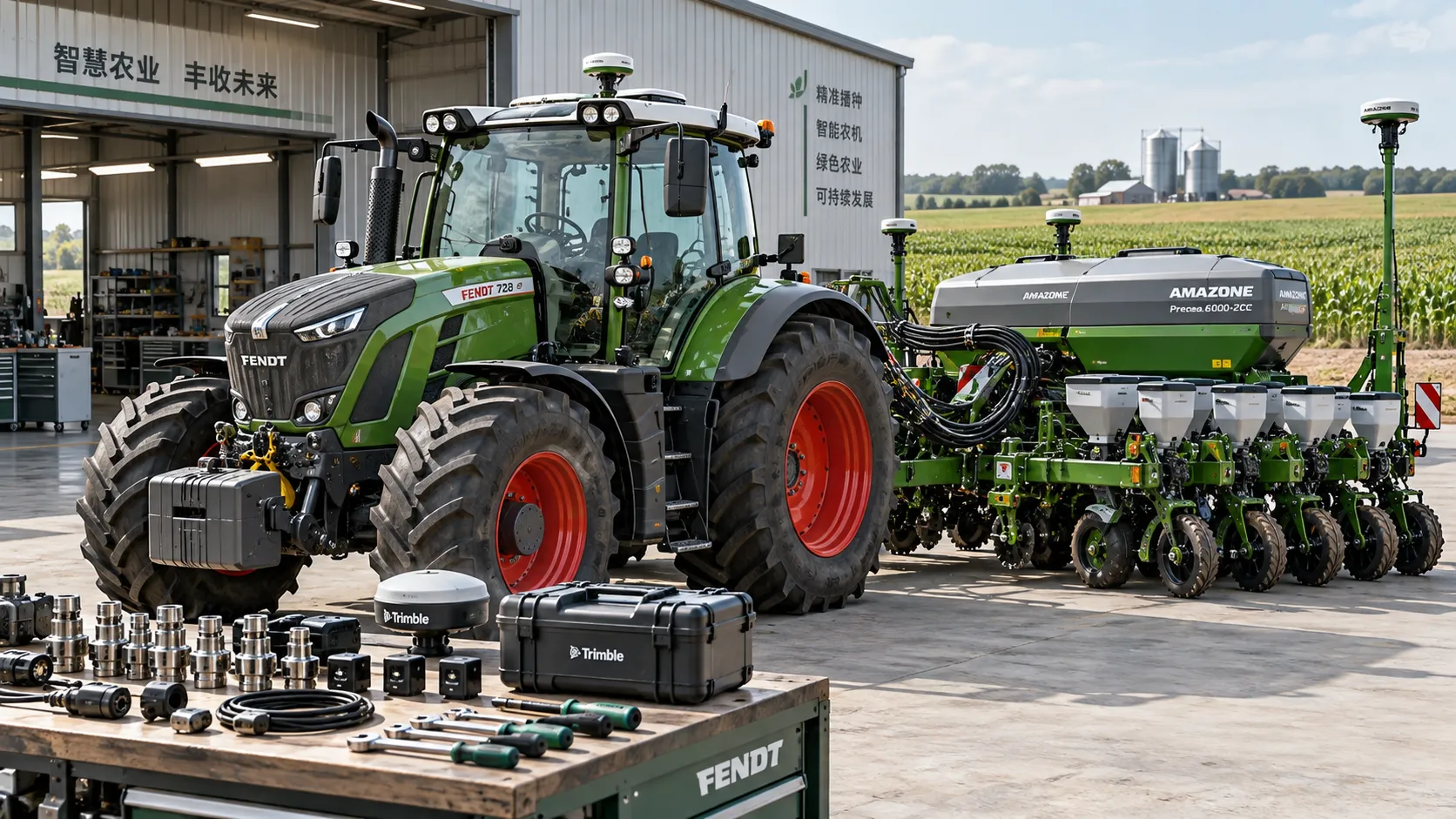
Choosing an Agriculture 4.0 Supplier: Compatibility, Support, and Total Cost
Choose an Agriculture 4.0 supplier with confidence. Learn how to verify compatibility, assess support, and compare total ownership costs to avoid hidden fees and costly downtime.
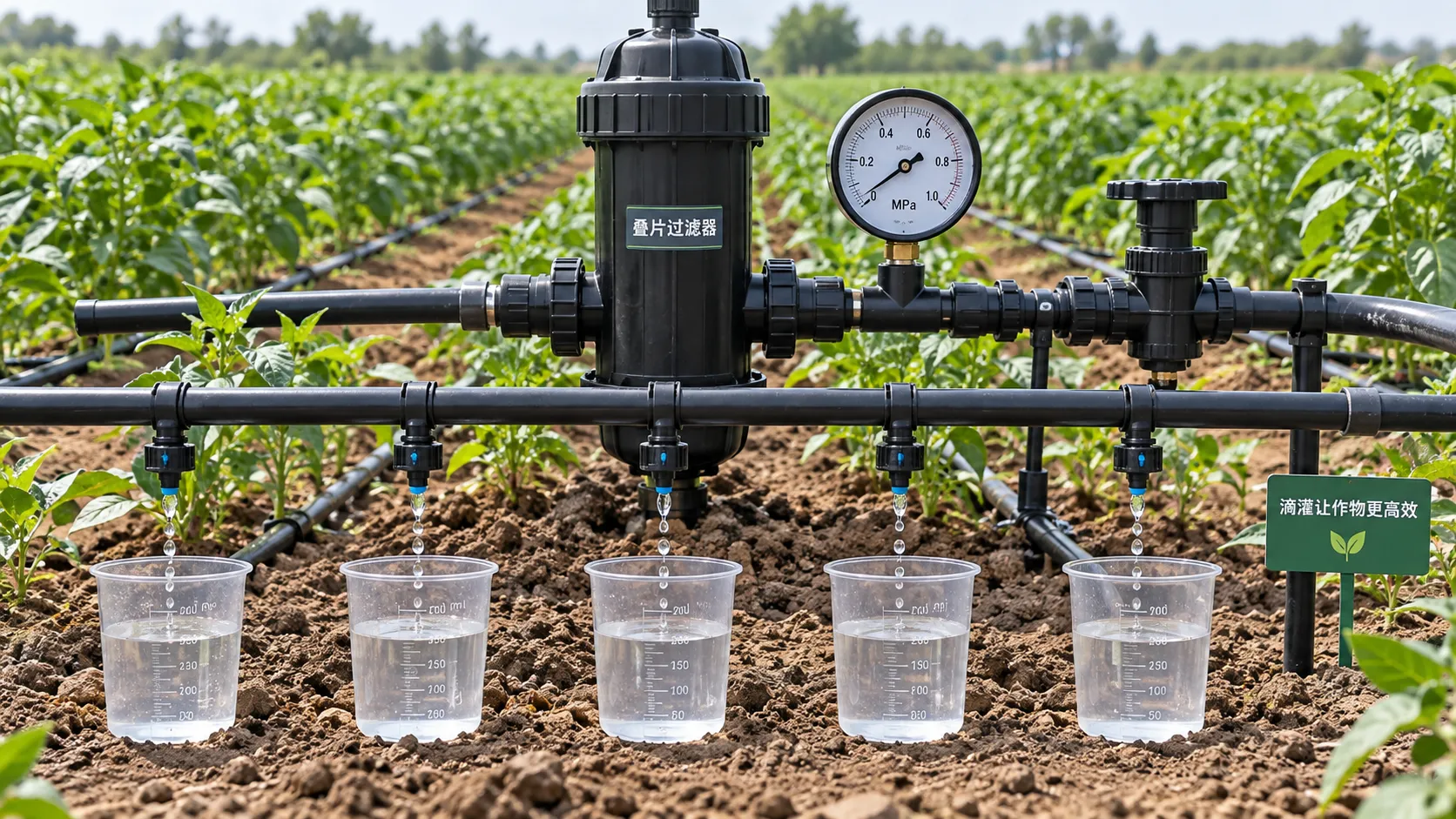
Low-Pressure Drip Irrigation: How to Fix Uneven Watering Without Raising Pressure
Optimize low pressure water-saving irrigation systems: discover how to fix uneven watering, clear blockages, and reduce hydraulic losses without raising supply pressure.
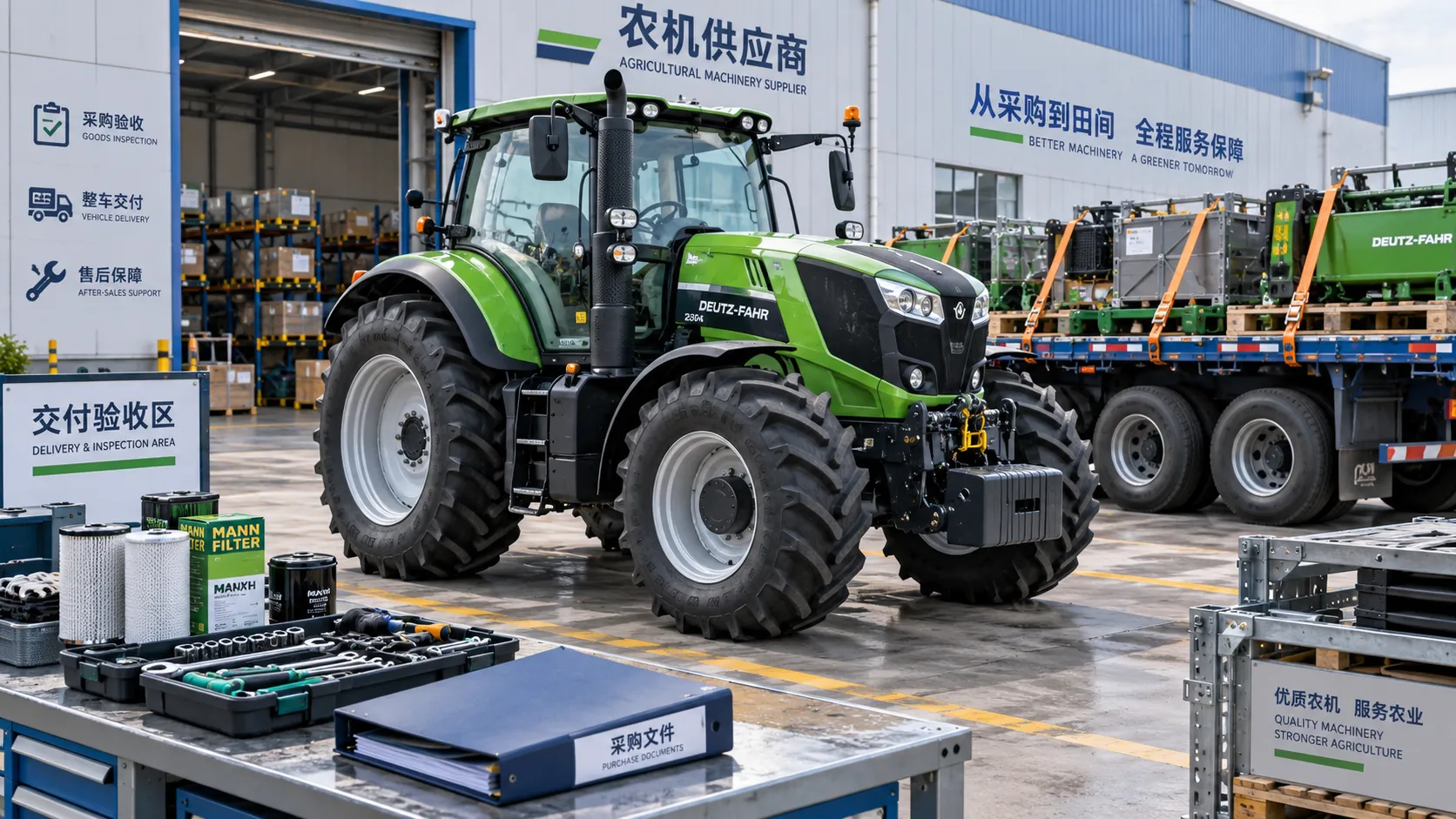
Comparing Farm Equipment Supplier Quotes: Price, Freight, and Warranty
Simplify supplier comparison for farm equipment price: assess freight, field-ready costs, and warranty coverage. Learn how to avoid hidden charges and choose a reliable supplier.
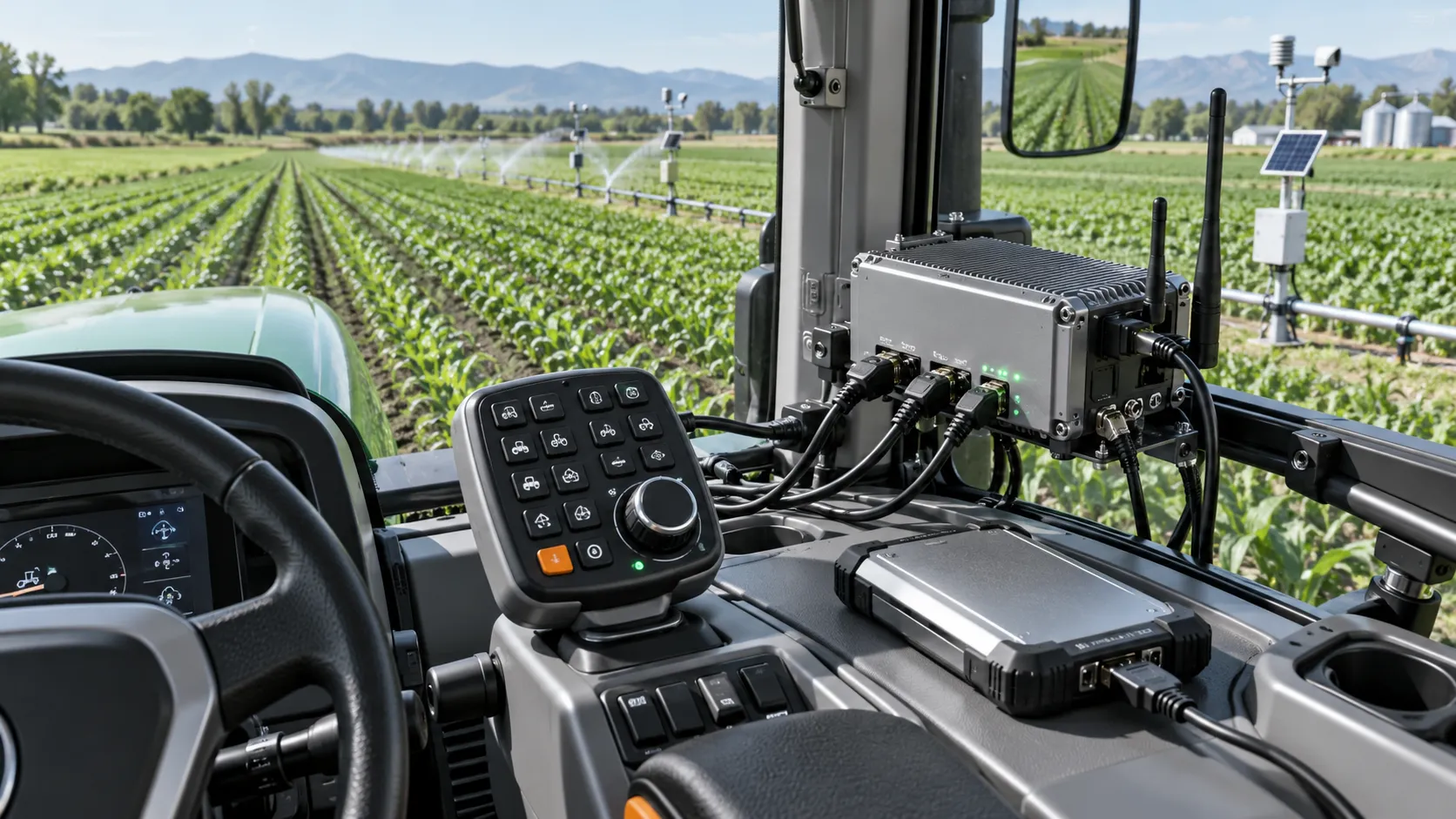
Choosing a Digital Farming Platform Provider: Compatibility and Data Ownership
Compare digital farming platforms providers on equipment compatibility, data ownership, and export rights. Discover practical checks to avoid lock-in and choose with confidence.
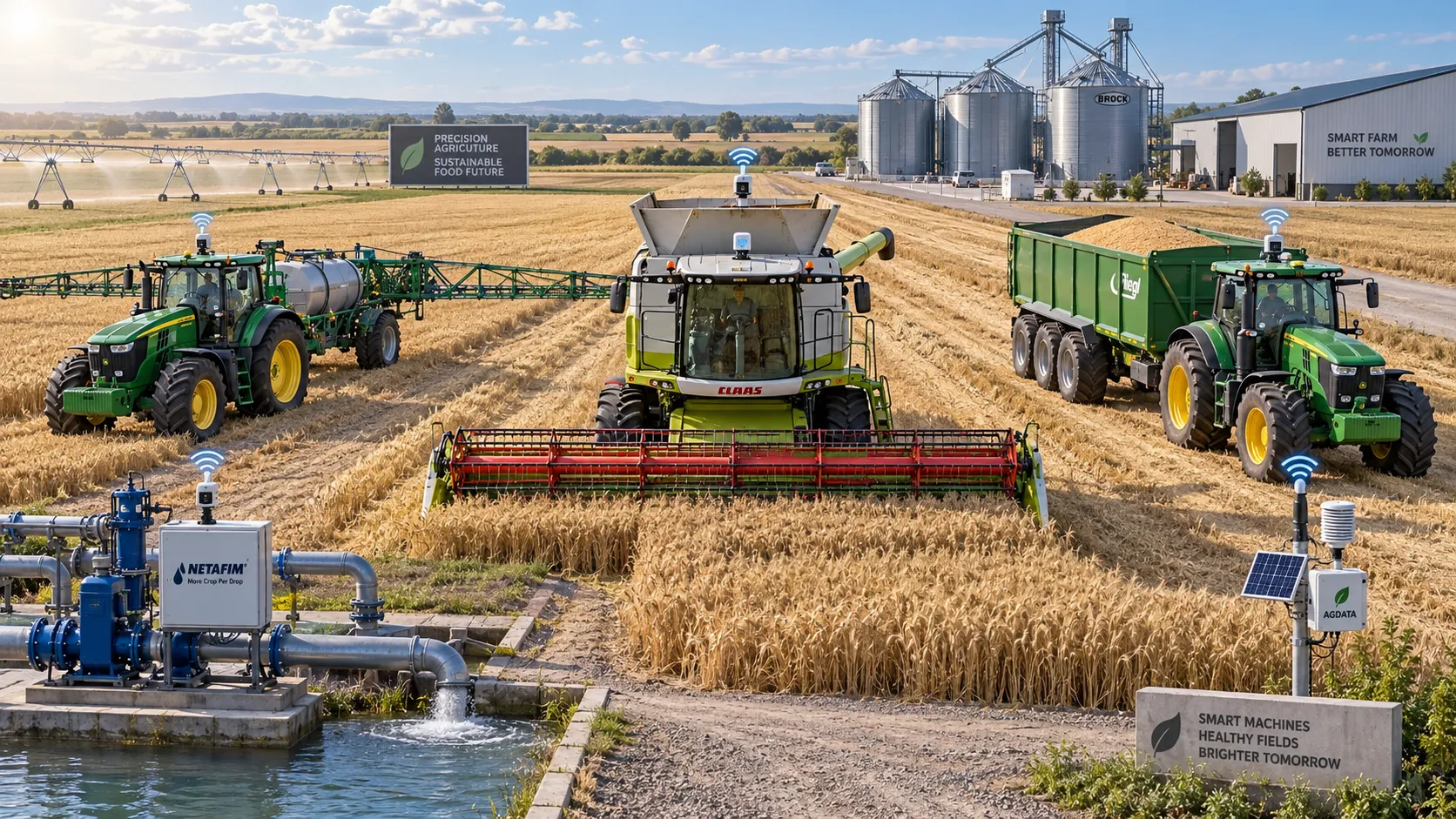
How Large-Scale Farm Telematics Cuts Downtime Across Mixed Fleets
Large-scale farm equipment telematics cuts mixed-fleet downtime with real-time alerts, smarter maintenance, and stronger operational control. Learn how to protect critical farm workflows.
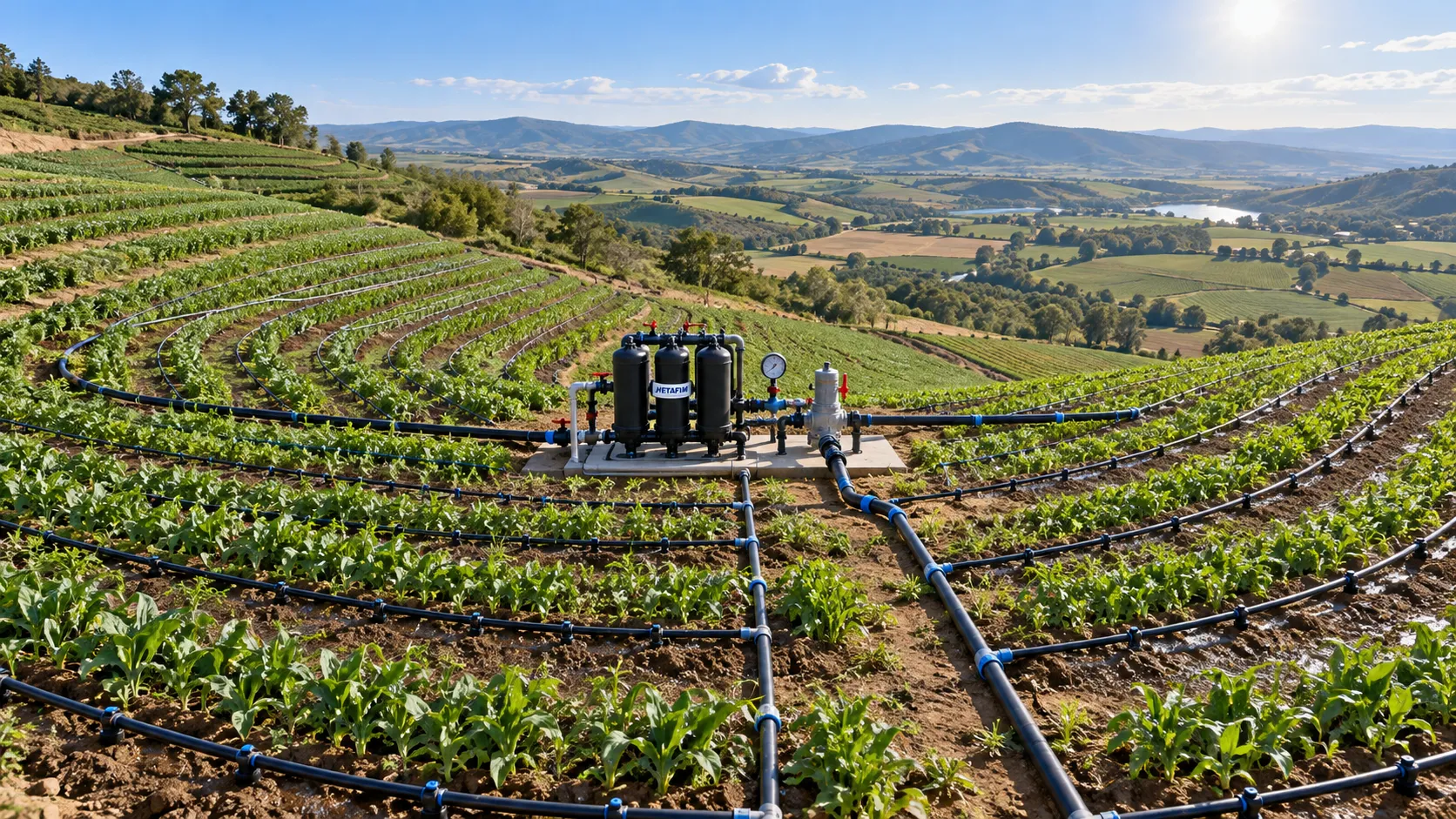
How to Size Low-Pressure Water-Saving Irrigation Systems for Uneven Fields
Low pressure water-saving irrigation systems for uneven fields: learn zoning, pressure mapping, pipe sizing, and pump selection to improve uniformity and reduce water waste.
Related News
- 00
0000-00
Choosing Crop Protection Equipment for Hot, Windy Middle Eastern Farms - 00
0000-00
Choosing an Agriculture 4.0 Supplier: Compatibility, Support, and Total Cost - 00
0000-00
Comparing Farm Equipment Supplier Quotes: Price, Freight, and Warranty - 00
0000-00
Choosing a Digital Farming Platform Provider: Compatibility and Data Ownership - 00
0000-00
How Large-Scale Farm Telematics Cuts Downtime Across Mixed Fleets
Popular Tags
Ms. Elena Rodriguez
Weekly Insights
Stay ahead with our curated technology reports delivered every Monday.