
Which Implements Are Compatible With a 200 HP Tractor for Mixed Cropping?
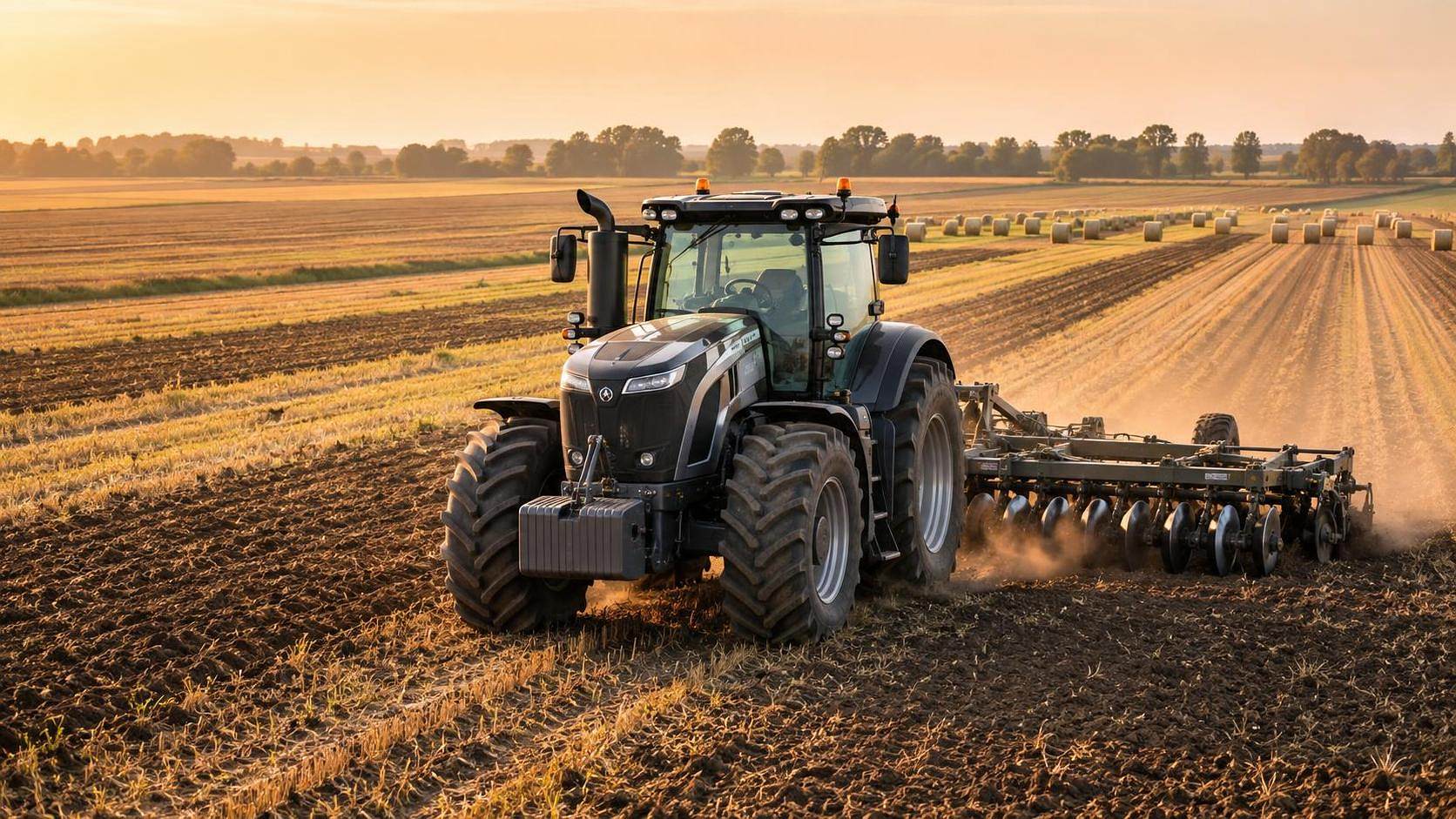




A 200 HP tractor can handle a wide range of implements in a mixed-cropping system, from deep tillage tools and high-capacity seed drills to sprayers, balers, grain carts, and precision planters. The practical limit is not engine horsepower alone. A machine that pulls a cultivator comfortably on dry, level ground may become unstable, overloaded, or hydraulically restricted when the same tractor carries a heavy mounted drill on rolling land or operates a PTO-driven baler in dense crop residue.
For operators asking what implements are compatible with a 200HP tractor for mixed cropping, the correct starting point is to match four things: draft demand, implement width and weight, hydraulic and PTO requirements, and the tractor’s axle, tyre, ballast, and hitch capacity. A well-matched 200 HP tractor is usually versatile enough to be a primary field tractor, but it should not be expected to run every implement at its maximum advertised width.
Start with the work your tractor must do across the season
Mixed cropping changes the selection process because the tractor may be used for several very different tasks: primary tillage before cereals, shallow cultivation after harvest, drilling oilseeds or cover crops, spraying standing crops, hauling grain, and baling straw. The best implement package is rarely built around the heaviest individual job. It is built around the operation that consumes the most timely field hours while still keeping enough flexibility for the rest of the rotation.
Before comparing implement sizes, identify whether the tractor will be used mainly for draft work, PTO work, transport, or hydraulic-intensive operations. A 200 HP tractor working as the main tillage unit needs a different setup from one that spends much of its time powering a large baler, slurry applicator, or precision planter.
- Draft-led workload: cultivators, ploughs, subsoilers, disc harrows, and soil finishers require traction, ballast, tyre capacity, and sensible working depth.
- PTO-led workload: balers, forage harvest support equipment, manure spreaders, and some power-harrow combinations need stable engine speed and sufficient PTO output.
- Hydraulic-led workload: seed drills, planters, sprayers, front tanks, variable-rate systems, and folding implements depend on oil flow, valve capacity, and cooling performance.
- Transport-led workload: grain trailers, silage trailers, and road-going equipment place particular demands on braking, front-axle loading, and total combination weight.
Typical implement matches for a 200 HP tractor
The ranges below are practical planning ranges rather than fixed rules. Soil texture, moisture, field slope, residue level, and tractor specification can move the suitable width up or down substantially. A high-traction tractor with CVT or powershift transmission, adequate rear tyre volume, front ballast, and a strong hydraulic package can work at the upper end of a range. A lighter tractor on wet clay or hilly fields may need a narrower implement to maintain speed and control.
A tractor in this power class can often pull a 5 m shallow disc cultivator effectively where soil is light to medium and working depth is modest. The same 5 m machine may be too demanding when it is set deep in heavy, dry ground with high residue. This is why implement width on a brochure should be treated as a starting point, not a decision.
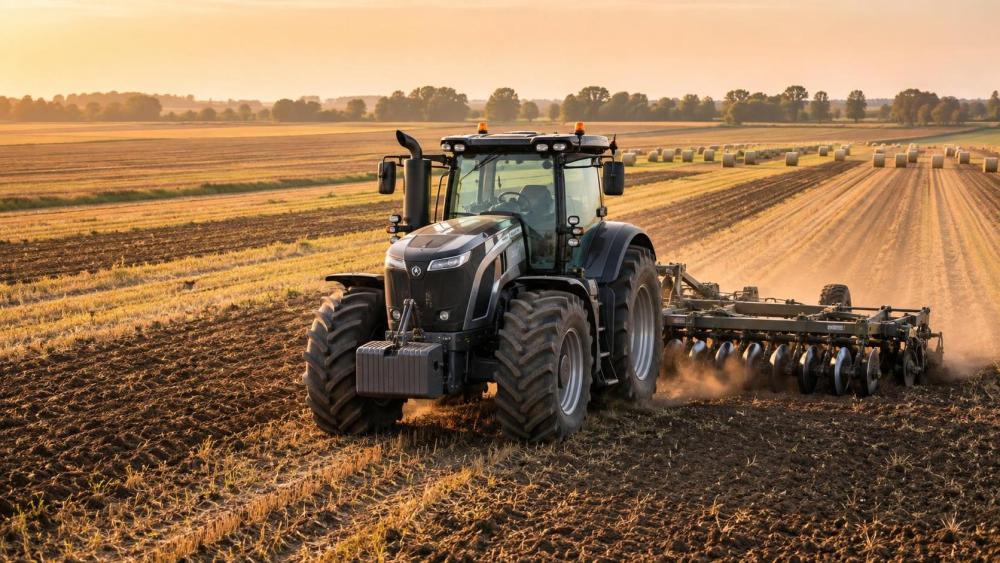
Draft tools: depth is often the hidden power requirement
Primary tillage is where operators most often overestimate compatibility. A cultivator that looks compact can create very high draft loads when fitted with aggressive points, working deeply, or operating in consolidated soil. Subsoilers are even more sensitive. Adding one more leg or increasing depth can raise the load enough to reduce forward speed, increase wheel slip, and push engine and transmission temperatures higher.
For a 200 HP tractor, select deep-working equipment by required draft per shank or per metre in your own soils. A three- to five-leg subsoiler may be a sensible match, but the correct number of legs depends on the target depth and whether the tool is lifting compacted layers or merely loosening soil. In difficult conditions, a narrower machine working at the correct depth and speed is more productive than a wider one that forces the tractor to slow down or slip excessively.
Mounted ploughs deserve a separate lift-capacity check. Pulling a six-furrow plough may be feasible, yet lifting it safely at the headland can be the limiting factor. Check the tractor’s rear-linkage lift rating at the actual lift-point distance, not only the headline maximum. Front ballast may be required to maintain steering, but ballast must not exceed front axle or tyre load limits.
Seed drills and planters: weight and oil flow can matter more than horsepower
Mixed-cropping farms frequently need one tractor to establish cereals, oilseeds, pulses, and cover crops. A 200 HP tractor is commonly suitable for a 4 to 6 m drill, especially a trailed model. However, mounted combination drills can become demanding because the tractor may carry a power harrow, drill, seed hopper, coulter bar, markers, and optional front tank at the same time.
When choosing a drill, assess it empty and fully loaded. Seed, fertiliser, and hopper extensions can change the axle loads significantly. The question is not simply whether the tractor can lift the implement off the ground. It must be able to carry it safely, retain adequate steering control, and remain within tyre and axle ratings while turning on headlands and travelling between fields.
Hydraulic checks before buying a precision implement
Modern planters and drills may use hydraulic fans, electric seed meters, active downforce, folding frames, hydraulic markers, section control equipment, and variable-rate application systems. A tractor with sufficient engine power can still be a poor match if its hydraulic pump flow is low, the number of remote valves is limited, or continuous-flow circuits are not configured correctly.
- Confirm total hydraulic flow required when all active functions operate together.
- Check whether the implement needs load-sensing hydraulics, a pressure return line, or a dedicated motor return.
- Count remote valves, including those needed for folding, lift, markers, fan drives, and front-mounted equipment.
- Verify electrical connections, ISOBUS compatibility where applicable, and available display or control capacity.
- Review oil cooling capacity for long drilling days with continuously driven hydraulic motors.
A planter with a larger row count is not automatically the better match. Row spacing, seedbed preparation, field shape, tramline system, and transport width all affect the usable configuration. In irregular fields, a slightly narrower planter may lose little field capacity while being easier to turn, transport, and keep accurately on guidance lines.
PTO implements and the importance of usable power reserve
Most 200 HP tractors have enough PTO capability for demanding baling and forage support tasks, but PTO compatibility should be judged by the actual operating load. Large square balers, especially in heavy straw, can create sharp load changes. The tractor needs enough power reserve to maintain PTO speed without frequent downshifts, while the cooling package must handle extended high-load work.
For balers, inspect PTO speed options, shaft specification, drawbar requirements, hydraulic outlets, electrical controls, and pickup conditions. A tractor that is perfectly adequate for a round baler may be marginal for a large square baler in high-yielding straw or on slopes. Do not assume that engine horsepower equals PTO horsepower; drivetrain losses and rated PTO output should be checked in the tractor specification.
Rotary mowers, rakes, tedders, and forage wagons can also be compatible, but their operating needs differ. Mowing may be limited by front and rear linkage capacity when using a triple mower setup. A forage wagon may be limited by transport weight and braking rather than PTO output. The implement must match the complete tractor configuration, not only its engine rating.
Sprayers, trailers, and lighter-draft equipment
A 200 HP tractor can be more than sufficient for a trailed sprayer, yet a high-horsepower tractor does not automatically improve spraying quality. What matters is stable hydraulic supply, accurate speed control, suitable tyres, clean guidance signals, and a tractor track width that works with the crop and tramline system. Excessive tractor weight can be a disadvantage in soft ground or established crops, so tyre choice and inflation management deserve attention.
Grain trailers and carts should be selected by total operating weight, braking equipment, drawbar load, terrain, and road conditions. The tractor must retain steering authority when the trailer is loaded, particularly during downhill travel or on uneven headlands. Trailer brakes, hitch rating, hydraulic brake connections, lighting, and permissible axle loads should all be verified before matching a high-capacity unit.
Use a field-based matching process instead of a horsepower shortcut
The most reliable selection process begins with the field operation that has the narrowest weather window. For one farm, that may be autumn drilling; for another, it may be deep loosening after harvest or timely baling before rain. Select implement capacity to complete that task at a realistic working speed, then test whether the tractor can sustain it without excessive slip, overheating, poor steering, or unstable hydraulic operation.
- List each operation the tractor must cover and separate draft, PTO, hydraulic, and transport work.
- Record tractor specifications: rated PTO power, hydraulic flow, number of remotes, rear lift capacity, front linkage capacity if fitted, tyre ratings, axle limits, and permitted gross weight.
- For each implement, obtain working width, empty and loaded weight, hitch category, hydraulic requirements, PTO demand, transport dimensions, and recommended tractor range.
- Compare requirements under the hardest expected conditions, not only ideal soil or level ground.
- Plan ballast and tyres for the heaviest mounted task, then reassess compaction risk for lighter work such as spraying and drilling.
- Check that guidance, section control, and implement electronics can be operated without improvised wiring or unavailable terminals.
Wheel slip is a useful real-world warning sign. Persistent high slip means power is being lost at the soil surface rather than converted into field work. Adding power does not solve a traction problem by itself. Tyre pressure, ballast distribution, soil moisture, tyre type, and implement setup may need adjustment before increasing implement size.
Questions operators often ask
Can a 200 HP tractor pull a 6 m cultivator?
It can in some shallow-tillage situations, particularly on lighter soils and at moderate depth. In heavy soil, dry conditions, or deeper working settings, a 6 m cultivator may overload the tractor. Compare the tool’s actual depth, working elements, packer type, and residue conditions rather than relying on width alone.
Is a 6 m seed drill too large for this tractor size?
Not necessarily. A trailed 6 m drill may be an appropriate match, while a fully mounted 6 m combination drill can be limited by linkage capacity, front axle load, and loaded hopper weight. Hydraulic fan demand and transport stability should be checked as carefully as engine power.
Should mixed-cropping farms choose mounted or trailed implements?
Mounted tools can be manoeuvrable and useful in smaller fields, but they transfer substantial weight to the tractor. Trailed equipment often allows greater working width and hopper capacity while reducing rear-linkage stress. The trade-off is longer turning space, more transport length, and additional drawbar load.
Can one 200 HP tractor handle both drilling and baling?
Yes, provided the drill and baler are sized around the tractor’s separate hydraulic and PTO capabilities. The main concern is seasonal overlap. If drilling, straw baling, cultivation, and haulage must happen at the same time, operational timing may justify a second tractor even when the 200 HP machine is technically compatible with each implement individually.
Related News
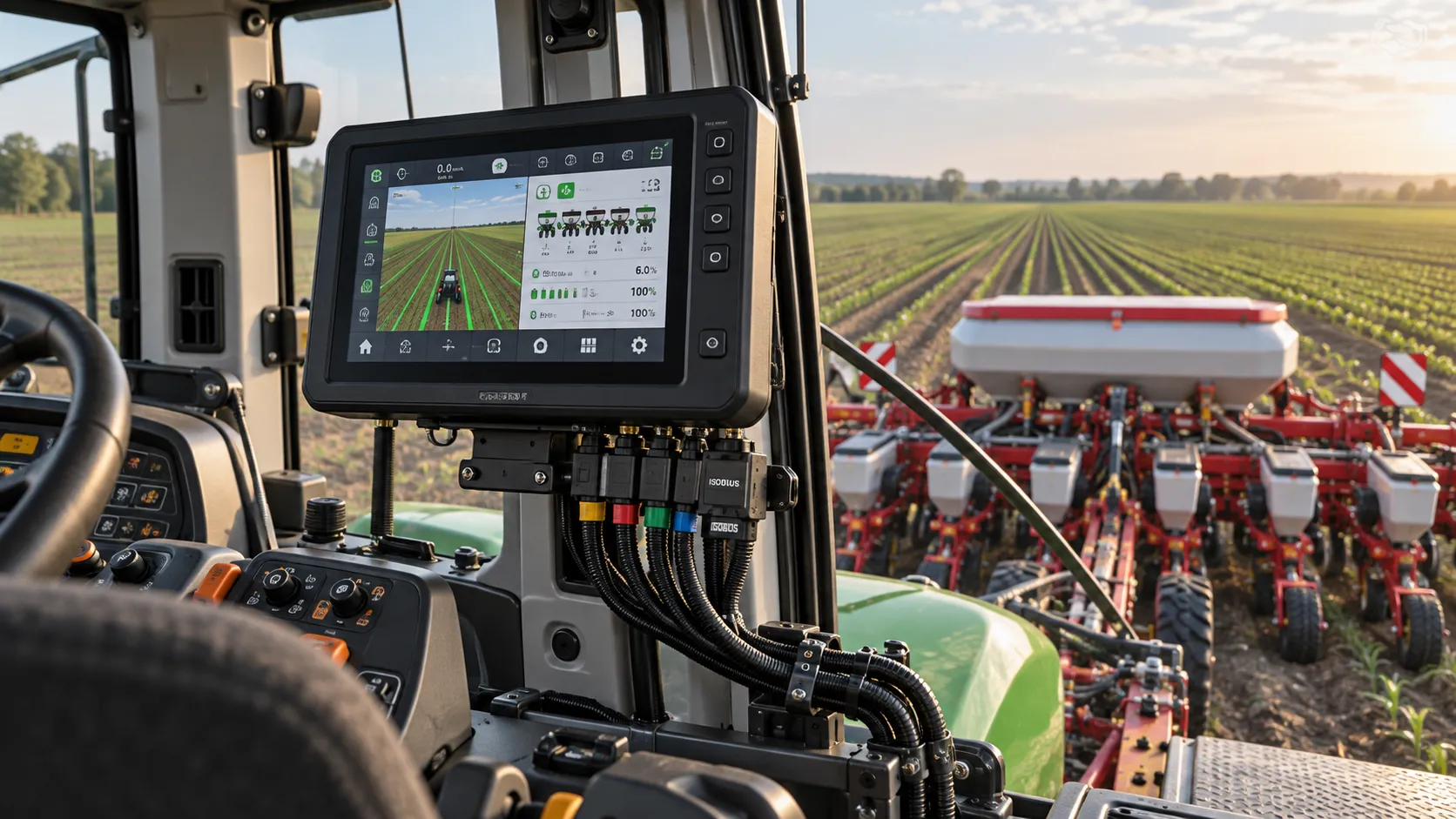
Choosing Precision Agriculture Controllers: ISOBUS and Variable-Rate Compatibility
Compare precision agriculture controllers for ISOBUS functionality, variable-rate compatibility, and data exchange. Discover what to test before buying to find the right fit for your fleet.
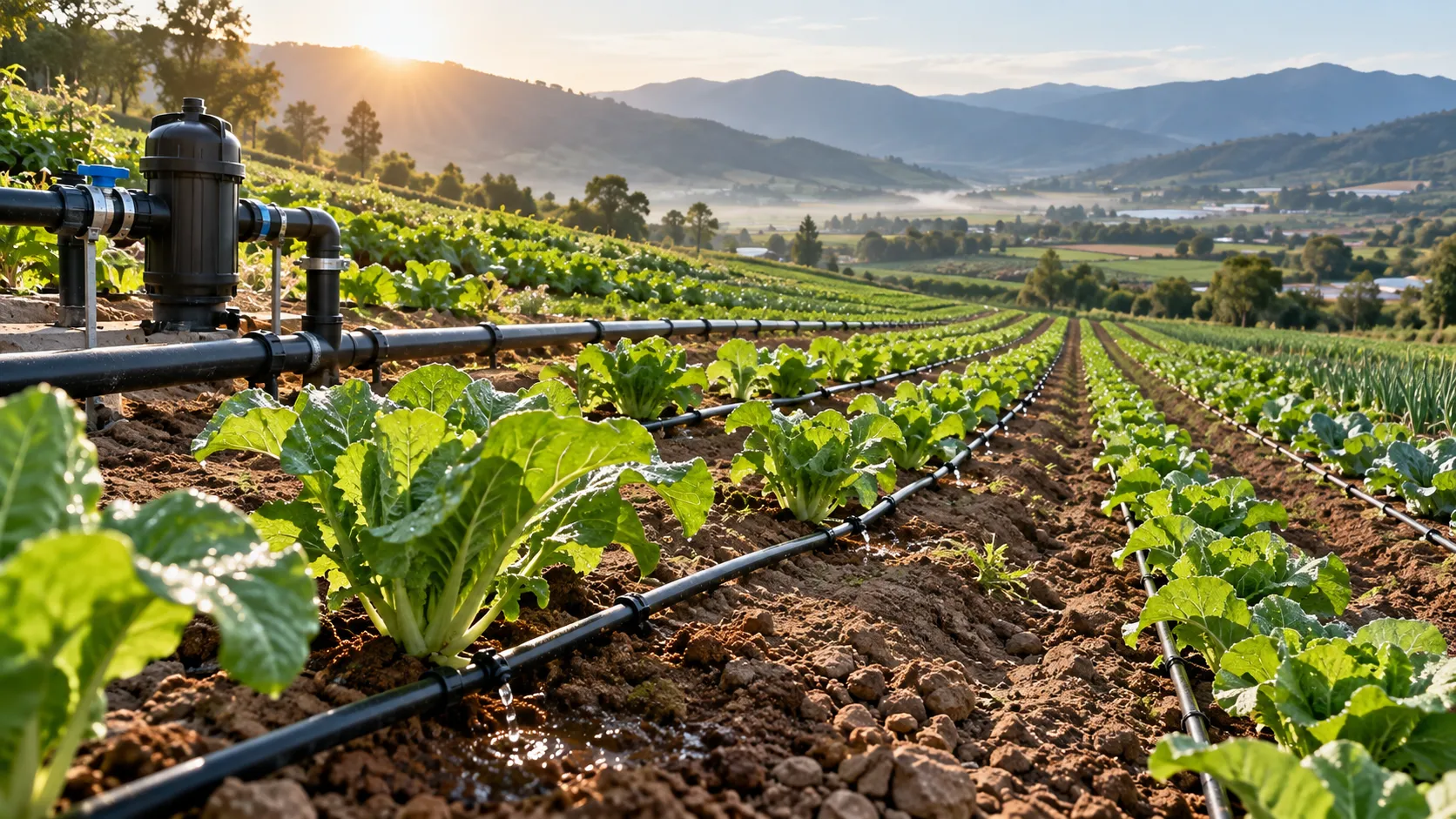
Choosing Drip Irrigation Systems for Open Fields: Soil, Slope, and Water Quality
Choose drip irrigation systems for open fields with confidence. Discover how soil, slope, and water quality shape emitter spacing, pressure, and filtration—and avoid costly design mistakes.
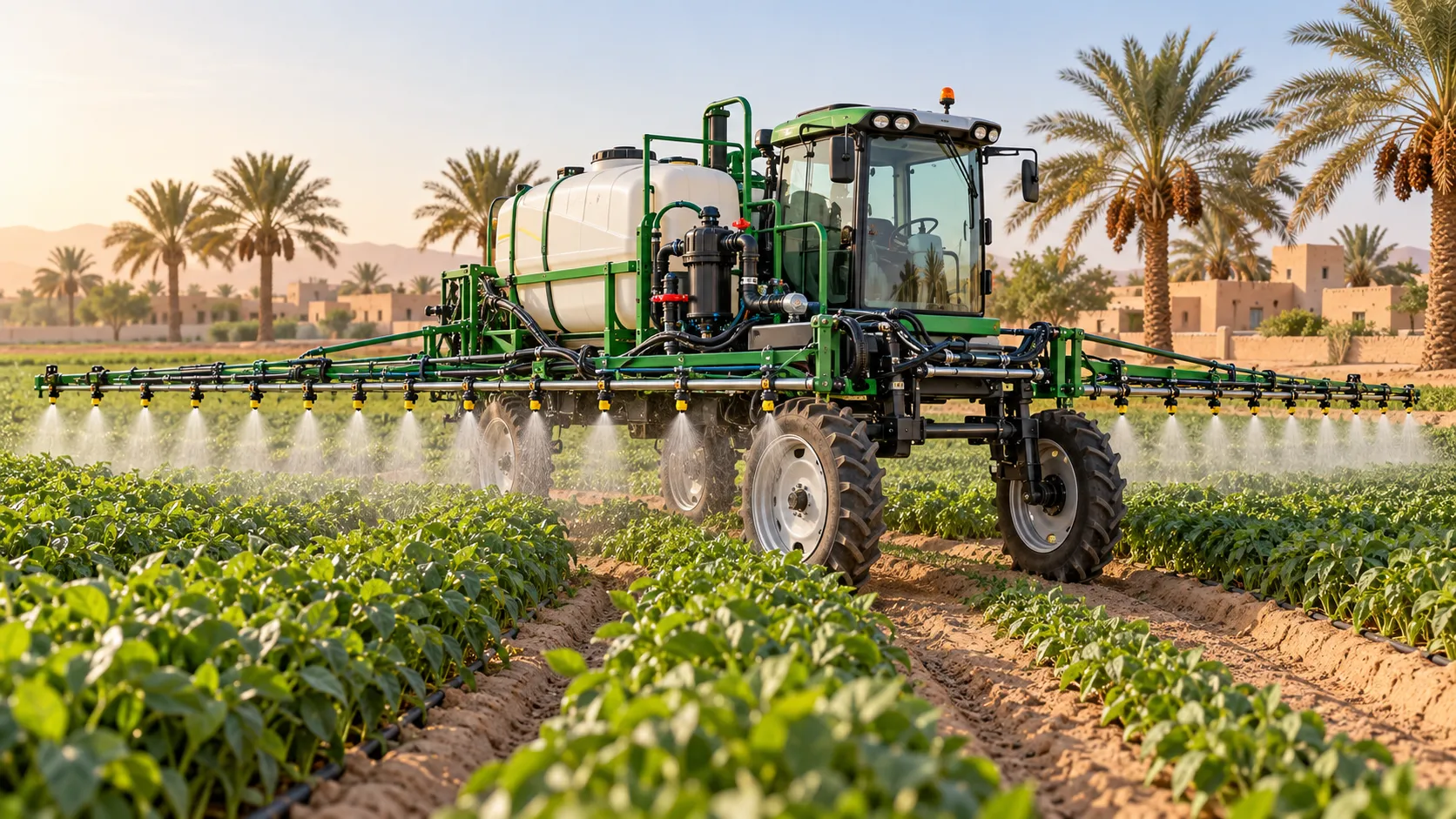
Choosing Crop Protection Equipment for Hot, Windy Middle Eastern Farms
Compare crop protection equipment Middle East farms need for hot, windy conditions. Discover key nozzle, drift-control, and durability checks to choose the right sprayer.
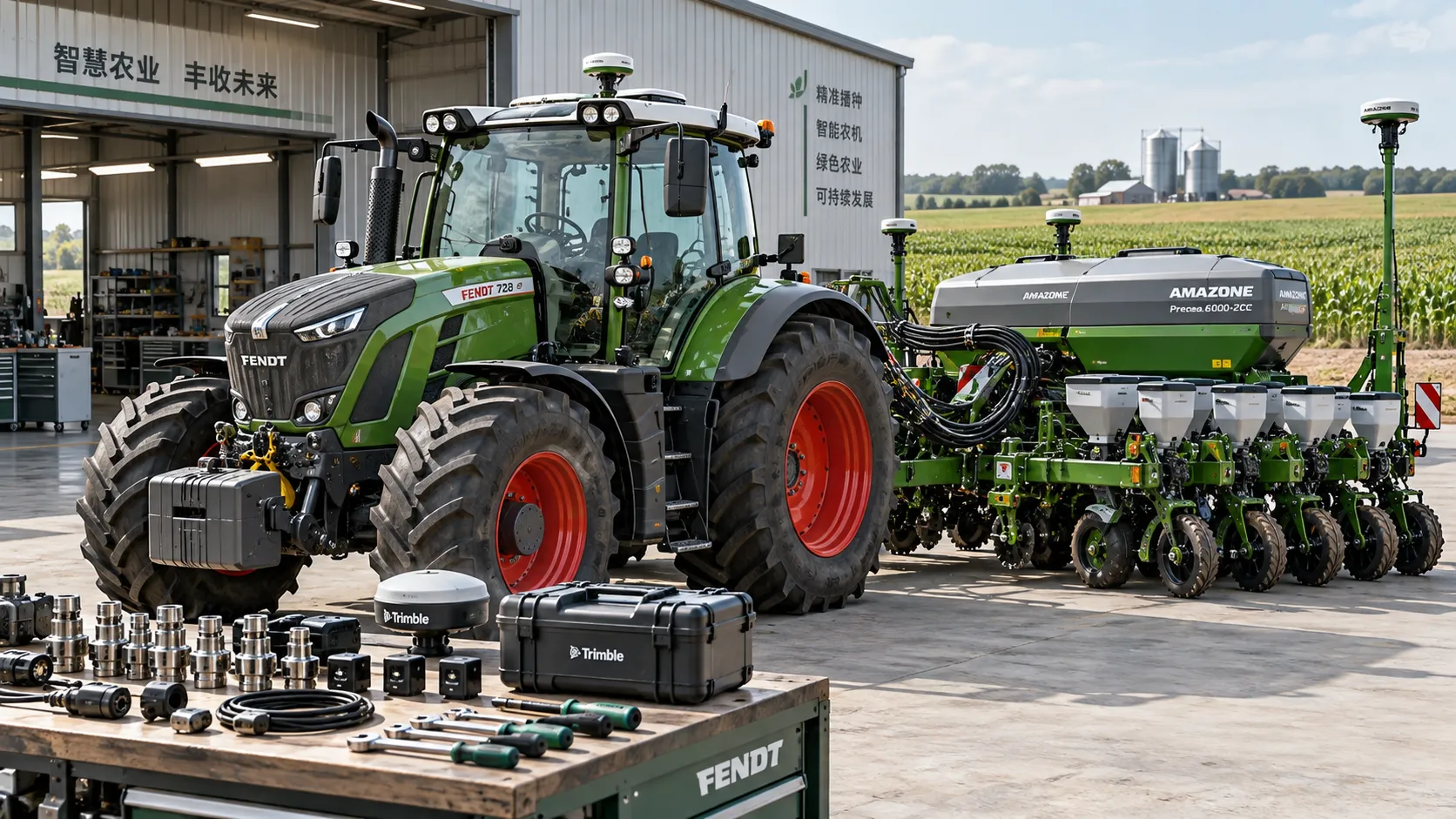
Choosing an Agriculture 4.0 Supplier: Compatibility, Support, and Total Cost
Choose an Agriculture 4.0 supplier with confidence. Learn how to verify compatibility, assess support, and compare total ownership costs to avoid hidden fees and costly downtime.
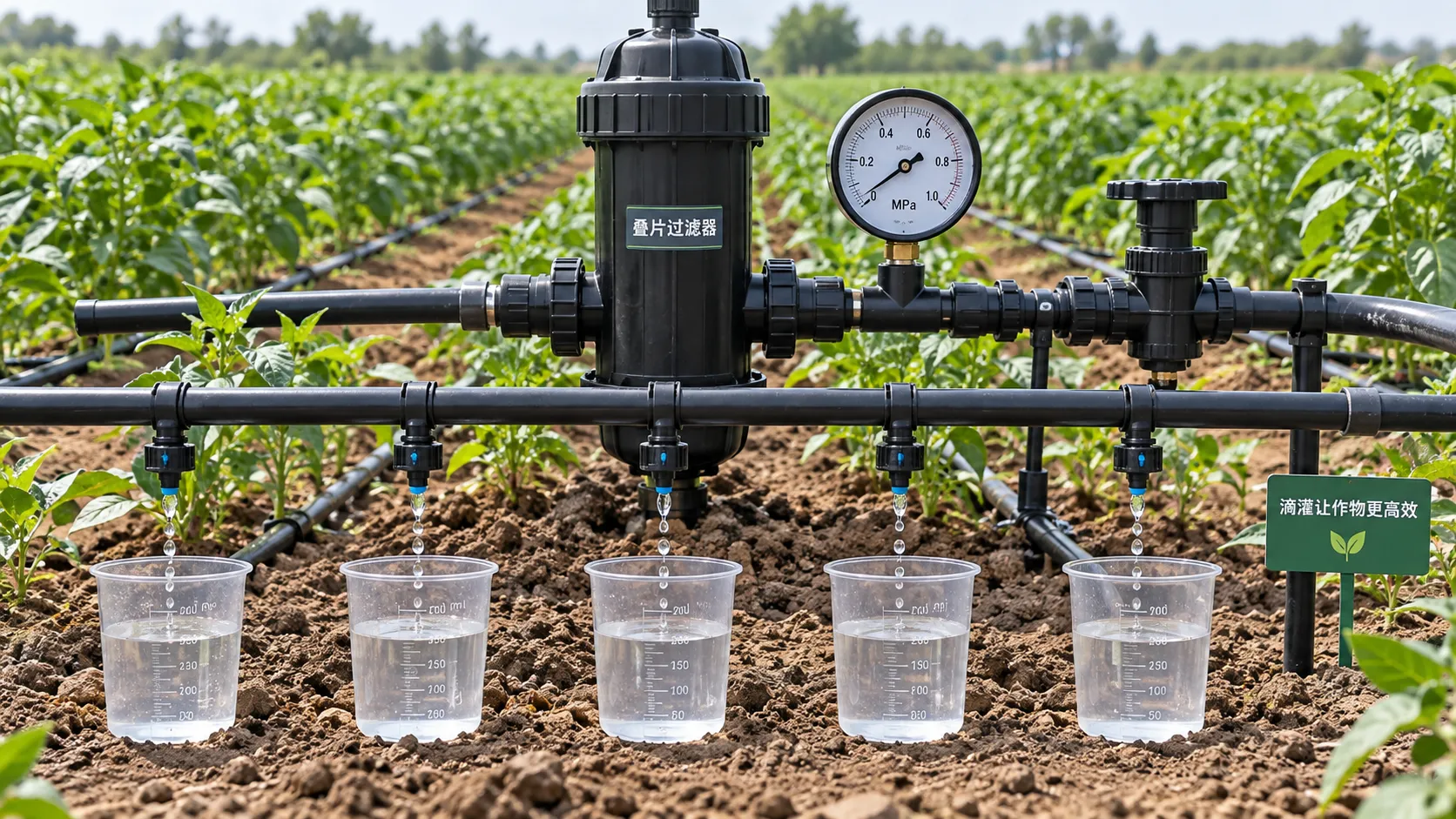
Low-Pressure Drip Irrigation: How to Fix Uneven Watering Without Raising Pressure
Optimize low pressure water-saving irrigation systems: discover how to fix uneven watering, clear blockages, and reduce hydraulic losses without raising supply pressure.
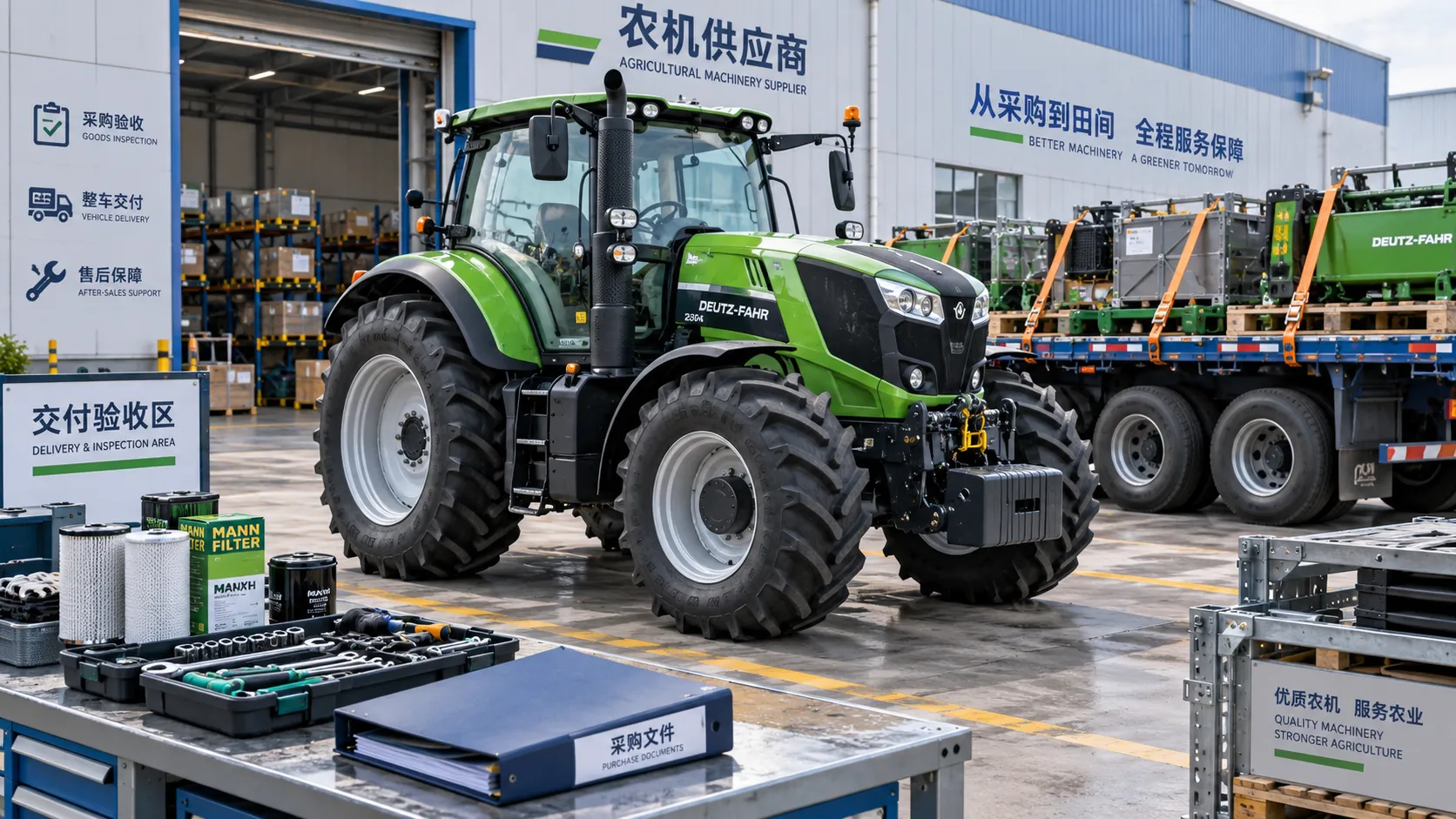
Comparing Farm Equipment Supplier Quotes: Price, Freight, and Warranty
Simplify supplier comparison for farm equipment price: assess freight, field-ready costs, and warranty coverage. Learn how to avoid hidden charges and choose a reliable supplier.
Choosing a Digital Farming Platform Provider: Compatibility and Data Ownership
Compare digital farming platforms providers on equipment compatibility, data ownership, and export rights. Discover practical checks to avoid lock-in and choose with confidence.
How Large-Scale Farm Telematics Cuts Downtime Across Mixed Fleets
Large-scale farm equipment telematics cuts mixed-fleet downtime with real-time alerts, smarter maintenance, and stronger operational control. Learn how to protect critical farm workflows.
How to Size Low-Pressure Water-Saving Irrigation Systems for Uneven Fields
Low pressure water-saving irrigation systems for uneven fields: learn zoning, pressure mapping, pipe sizing, and pump selection to improve uniformity and reduce water waste.
Related News
- 00
0000-00
Tractor Hydraulic Systems Troubleshooting: Diagnosing Weak Lift and Slow Implements - 00
0000-00
Which Implements Are Compatible With a 200 HP Tractor for Mixed Cropping? - 00
0000-00
How to Select Agricultural Hydraulic Systems for Sprayers by Flow, Pressure, and Boom Demand - 00
0000-00
Australia Tightens Carbon Rules for Hydraulic Lift System Imports - 00
0000-00
ANATEL Sets New Rules for Wireless Hydraulic Lift Systems
Popular Tags
Tractor Power Architect
Weekly Insights
Stay ahead with our curated technology reports delivered every Monday.