
How to Select Agricultural Hydraulic Systems for Sprayers by Flow, Pressure, and Boom Demand
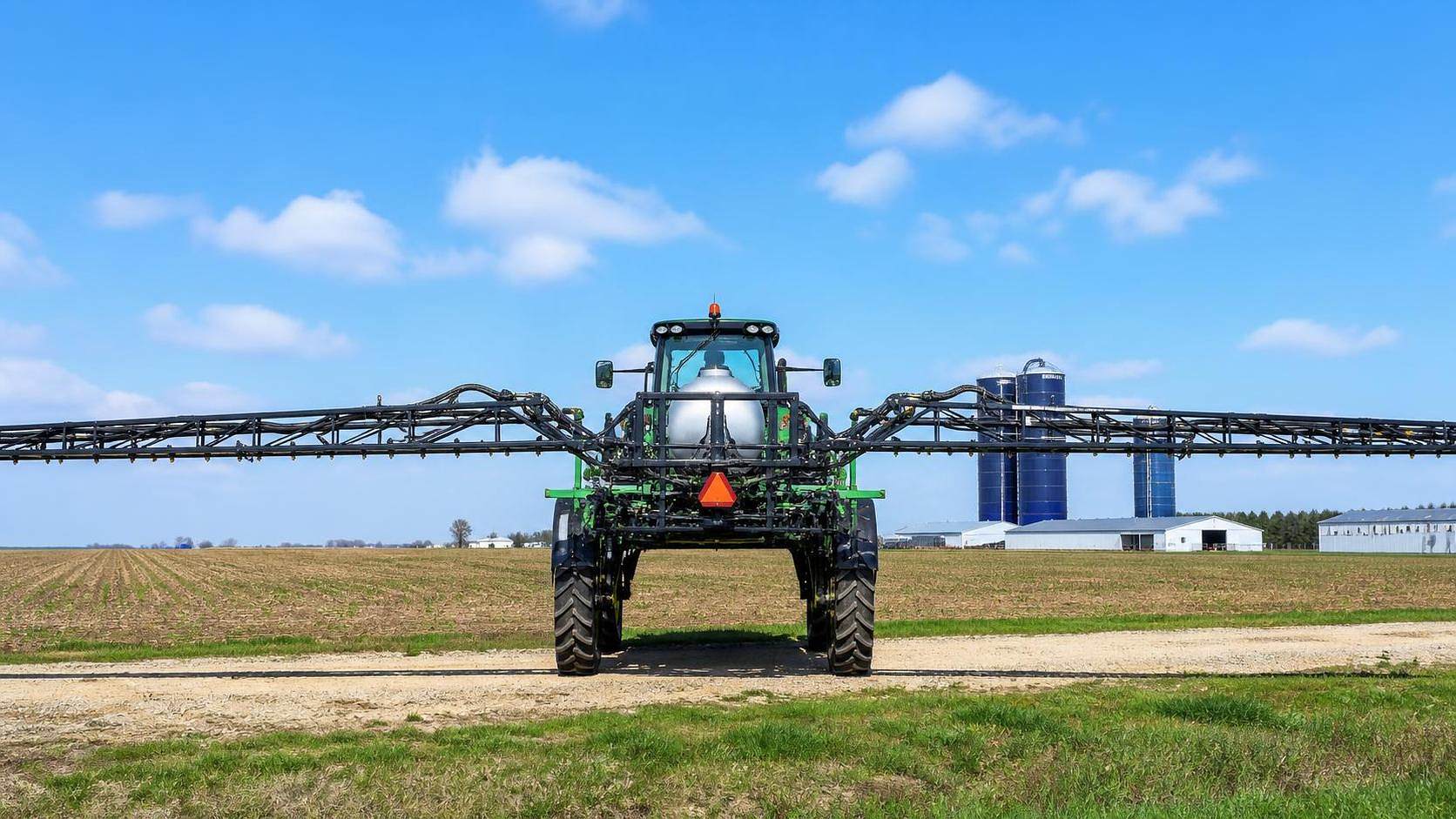




Selecting agricultural hydraulic systems for sprayers is rarely a component-by-component exercise. For technical evaluators, the real question is whether the hydraulic package can hold stable spray performance across changing field conditions, wider booms, and more complex control functions without wasting power or creating avoidable reliability problems. Flow, pressure, and boom demand are the core variables, but they only become useful when read together as a workload profile rather than as isolated specifications.
That is why buyers searching for agricultural hydraulic systems for sprayers are usually not looking for a basic definition. They are trying to avoid a familiar problem: a machine that looks sufficient on paper, but in operation shows slow boom response, uneven folding speed, unstable section control, overheating, pressure fluctuations, or poor compatibility with precision functions. In large-scale spraying, these issues are not minor annoyances. They affect coverage quality, field efficiency, maintenance burden, and sometimes operator confidence in the whole platform.
Why hydraulic selection has become harder
On older or simpler sprayers, hydraulic demand was comparatively narrow. Today, the hydraulic system may support boom lift, fold and unfold actions, axle or track width adjustment, steering functions on self-propelled units, agitation support, fan or auxiliary drives in some configurations, and increasingly the control stability needed for automated or semi-automated field operations. At the same time, booms are getting wider, application windows are tighter, and precision agriculture expectations are rising.
The result is that a hydraulic system can no longer be judged only by its peak rated pressure or nominal pump output. A sprayer may have enough headline capacity and still perform poorly if flow distribution, duty cycle, valve response, oil cooling, or priority logic are mismatched to the actual boom workload. This is where many selection errors start: technical teams compare catalog values, while field performance depends on dynamic demand.
Start with the workload, not the pump
A sound evaluation begins with the sprayer’s real operating profile. Before reviewing pump types, valve banks, or reservoir sizing, it is more useful to ask what the machine must do during a normal workday and which hydraulic functions can overlap.
For example, boom folding may be infrequent but requires concentrated flow over short periods. Boom height correction in uneven terrain may require smaller but continuous control inputs. Section activation and precision guidance functions may not consume large raw hydraulic power, but they raise the requirement for response stability and control consistency. Transport-to-field transitions, headland turns, and repeated terrain compensation can create demand patterns very different from straight-line spraying.
In practice, evaluators should map hydraulic demand into three categories:
- Continuous demand: functions that need steady hydraulic support during spraying or transport.
- Intermittent high-demand events: folding, lifting, steering corrections, suspension actions, or axle adjustments.
- Simultaneous demand risk: moments when multiple functions compete for flow and pressure at the same time.
This framing usually reveals whether the issue is total capacity, control architecture, or system prioritization.
Flow determines speed, but also operational rhythm
Flow is often reduced to actuator speed, which is true but incomplete. In sprayer applications, flow also shapes operating rhythm. If boom folding is too slow, transport transitions take longer and reduce daily field productivity. If height adjustment reacts too slowly, the operator may compensate manually or accept poor boom positioning. If a hydraulic function starves during simultaneous demand, the machine may still finish the task, but with jerky motion, delayed section response, or excessive heat generation.
Technical teams should therefore assess required flow in relation to both single-function performance and combined-function use. A system sized only for ideal, one-at-a-time actions can appear cost-efficient at purchase but underperform in real field cycles.
One practical mistake is using only average flow assumptions. Boom systems do not behave according to average conditions; they are exposed to peak events, especially on rolling ground, at headlands, and during repeated deployment cycles. For wider booms, this matters more because structural mass, cylinder count, and stabilization demands generally rise with working width.
Where exact field measurements are unavailable, engineers should at least establish a demand envelope: minimum acceptable response, normal operating demand, and short-duration peak flow requirement. That approach is more useful than selecting on a single nominal number.
Pressure is about force, but excess pressure does not equal better control
Pressure is the second parameter buyers often overvalue in isolation. Yes, pressure capacity must be high enough to generate the required force for boom lift, folding resistance, terrain correction, and any auxiliary hydraulic loads. But in sprayers, oversized pressure capability without careful control can create its own problems: higher shock loads, unnecessary energy loss across relief paths, seal stress, and reduced component life.
For technical evaluation, the more relevant question is not “How high is the maximum pressure?” but “At what pressure does the system perform required tasks with stability, thermal margin, and acceptable wear?”
This distinction matters because boom structures are sensitive to motion quality. Hydraulic systems that meet force requirements but deliver abrupt actuation can contribute to oscillation, structural fatigue, and poor spray height consistency. In high-speed field work, the quality of pressure control and damping logic may be more important than simply carrying a higher pressure rating.
It is also worth examining whether pressure spikes are being treated as normal operating behavior. If a system regularly approaches relief settings during routine actions, the specification may be technically compliant but operationally weak. That usually points to undersized cylinders, poor line sizing, restrictive valves, or inadequate flow management rather than a true need for ever-higher pressure.
Boom demand is the real test case
Among all sprayer functions, boom demand is usually where hydraulic selection succeeds or fails visibly. A wide boom turns hydraulic design into a moving balance between structural mass, speed of response, damping, terrain-following accuracy, and control smoothness. This is why evaluating “boom demand” as a single line item is too simplistic.
What matters is the specific boom behavior expected in the target operating environment. A machine spraying flat, consolidated land with predictable passes does not challenge the system in the same way as a unit working fragmented fields, uneven terrain, or high daily transport frequency. The same boom width can impose very different hydraulic demands depending on suspension layout, speed, section strategy, and crop protection workflow.
Evaluators should look beyond width alone and ask:
- How often will boom folding and unfolding occur per day?
- What terrain variation drives active height correction?
- How sensitive is application quality to boom movement or lag?
- Are precision features adding control complexity even if they add little direct force demand?
- Does the structure require smooth synchronized motion across multiple cylinders or joints?
In other words, boom demand is not just a hydraulic load. It is a control problem tied to agronomic quality.
The hidden selection issue: simultaneous functions
Many field complaints emerge when multiple hydraulic functions occur together. A sprayer may test well in isolated demonstrations, then struggle when steering correction, boom stabilization, and another auxiliary function overlap. This is particularly relevant in larger self-propelled platforms or in advanced trailed sprayers integrated with tractor hydraulics.
For this reason, technical evaluators should review the system’s prioritization logic. Which functions get first access to flow? What happens when demand exceeds available supply for several seconds? Does the machine slow a non-critical function gracefully, or does boom behavior become unstable? These questions often matter more than nominal maximum output.
Closed-center load-sensing arrangements are often preferred in more advanced machinery because they can improve efficiency and adapt flow to demand, but that does not automatically guarantee good sprayer behavior. Valve tuning, response time, cleanliness management, and electronic-hydraulic coordination still determine whether the system feels precise in the field or merely sophisticated on paper.
Heat, contamination, and reliability are selection criteria too
Hydraulic sizing mistakes are often discovered first through heat. A system that relies on frequent throttling losses, repeated relief events, or continuous compensation for poor matching will convert inefficiency into oil temperature. Once that happens, viscosity control, seal life, and valve behavior can deteriorate, especially during long spraying windows or in hot climates.
That is why reservoir sizing, cooling capacity, filtration strategy, and hose routing should not be treated as secondary engineering details. They are part of selection. For a buyer assessing long-term operating cost, the difference between a stable hydraulic platform and a heat-prone one can show up in unscheduled downtime, calibration drift, and maintenance frequency rather than in the original purchase price.
Contamination control deserves similar attention. Modern sprayer hydraulics increasingly interact with precise control valves, sensors, and electronically managed subsystems. Tighter tolerances can improve control but also raise sensitivity to oil cleanliness. If the intended operating region has weak maintenance discipline, harsh dust exposure, or inconsistent service intervals, the technically superior system may not be the best commercial choice unless maintenance infrastructure is equally strong.
Questions that separate a usable spec from a sales spec
When evaluating suppliers or internal designs, it helps to force the conversation away from isolated maximum values and toward operating proof. A useful review table may look like this:
This type of assessment often exposes an uncomfortable truth in equipment sourcing: the strongest specification sheet is not always attached to the most field-resilient machine.
Common assumptions that do not always hold
Several assumptions circulate widely in machinery procurement and deserve caution.
“More flow always means better performance.” Not necessarily. Excess flow without proper modulation can reduce controllability, raise thermal load, and increase shock behavior. The goal is matched flow, not maximum flow.
“Higher pressure means more capable hydraulics.” Only partly. Pressure capacity matters, but pressure quality, control, and duty-cycle suitability are what determine whether the machine performs consistently.
“Boom width alone tells you hydraulic demand.” It does not. Width is only one variable. Terrain, control strategy, machine speed, suspension design, and deployment frequency often matter just as much.
“If the system works in a demo, the sizing is correct.” Short demonstrations rarely reproduce heat buildup, repetitive headland cycles, contamination exposure, or simultaneous peak demand.
What should technical evaluators watch next?
Two developments are worth following. First, as spraying systems become more automated, hydraulic performance will increasingly be judged by control stability rather than by raw power alone. That means better integration between hydraulic hardware, sensors, and control software will become a competitive differentiator. Second, energy efficiency is likely to matter more, especially where fuel cost, emissions pressure, or electrification pathways begin influencing machinery design decisions. The hydraulic system will be scrutinized not just as an actuator network, but as a measurable consumer of machine energy.
In that context, selection discipline becomes more important, not less. A hydraulic system for a sprayer should be evaluated as part of the machine’s agronomic output, operating economics, and upgrade potential. When flow, pressure, and boom demand are assessed together, buyers usually arrive at a more grounded conclusion: not which system looks biggest, but which one can keep the boom stable, the application consistent, and the machine productive across the conditions that actually define field performance.
Related News
How to Evaluate Dynamic Feedback Algorithm Suppliers for Precision Farming Systems
Dynamic feedback algorithms supplier evaluation guide for precision farming—compare validation, integration, safety, and pilots to choose with confidence.
How to Specify Combine Harvester Systems for High-Moisture Grain and Variable Field Conditions
Combine harvester systems for high-moisture grain: learn how to specify threshing, cleaning, headers, traction, and automation for reliable harvests in variable fields.
How to Compare Agricultural Equipment Platforms for Fleet Management and ROI
Agricultural equipment platform comparison: evaluate fleet data, maintenance, precision workflows, and ROI to choose a system that delivers measurable results.
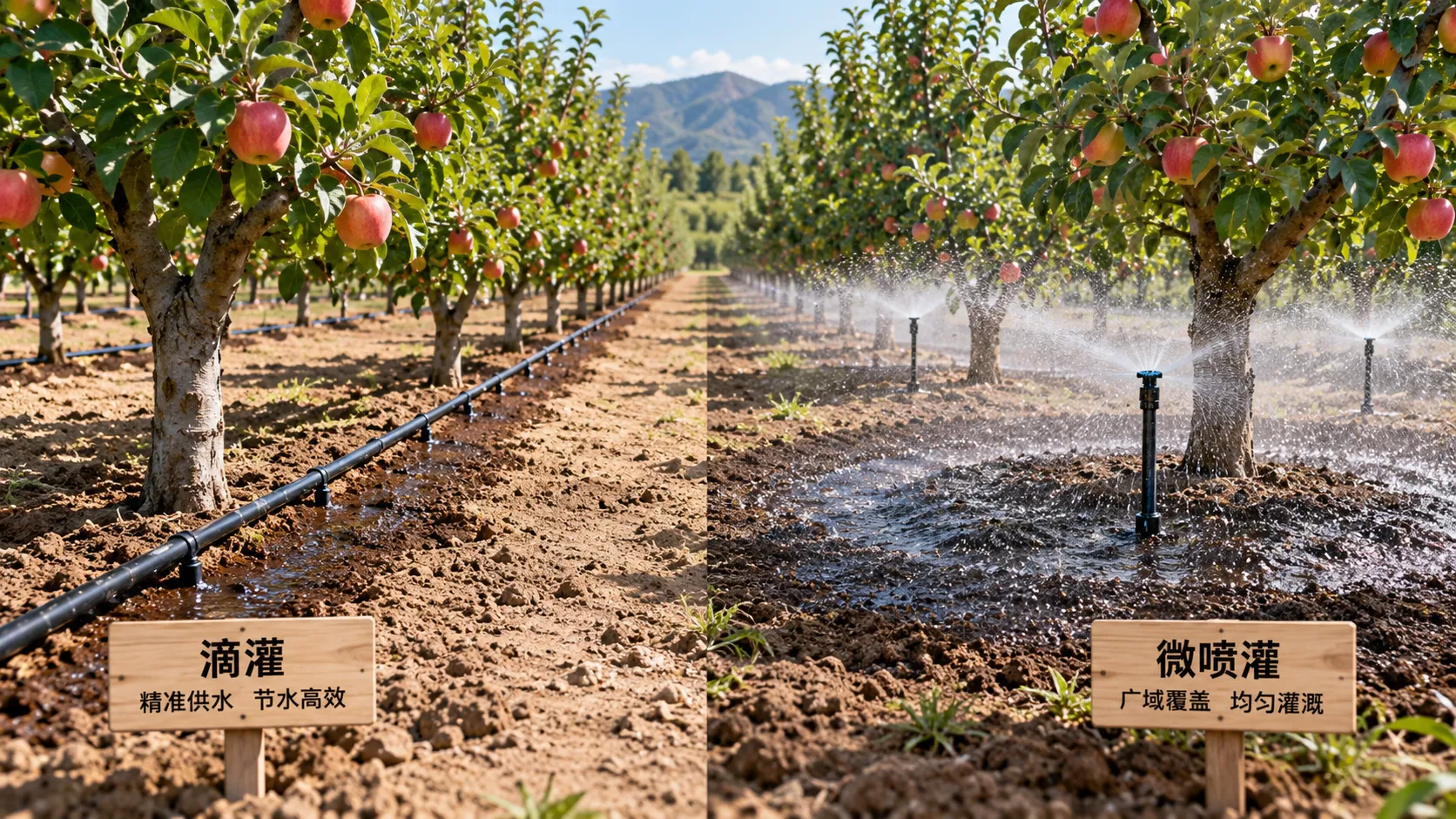
Drip vs. Micro-Sprinkler Irrigation: Which System Fits Your Orchard?
Irrigation solution comparison for orchards: discover whether drip or micro-sprinklers best match your water, soil, roots, fertigation, and frost needs.
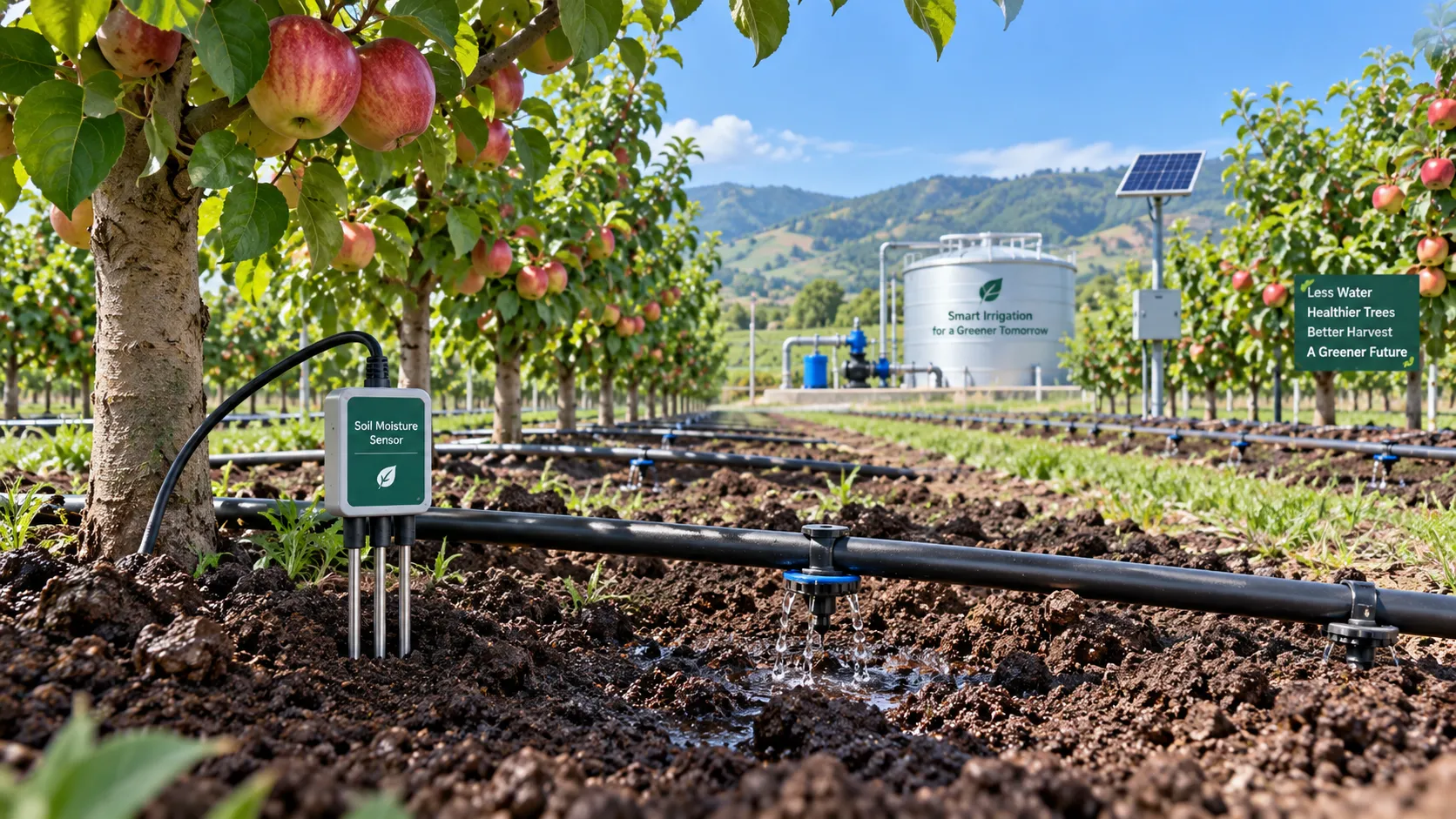
Orchard Water Management: Using Soil Moisture Data to Schedule Irrigation
Agricultural water management for orchards made practical: use soil moisture data to optimize irrigation timing, protect yield, reduce costs, and improve resilience.
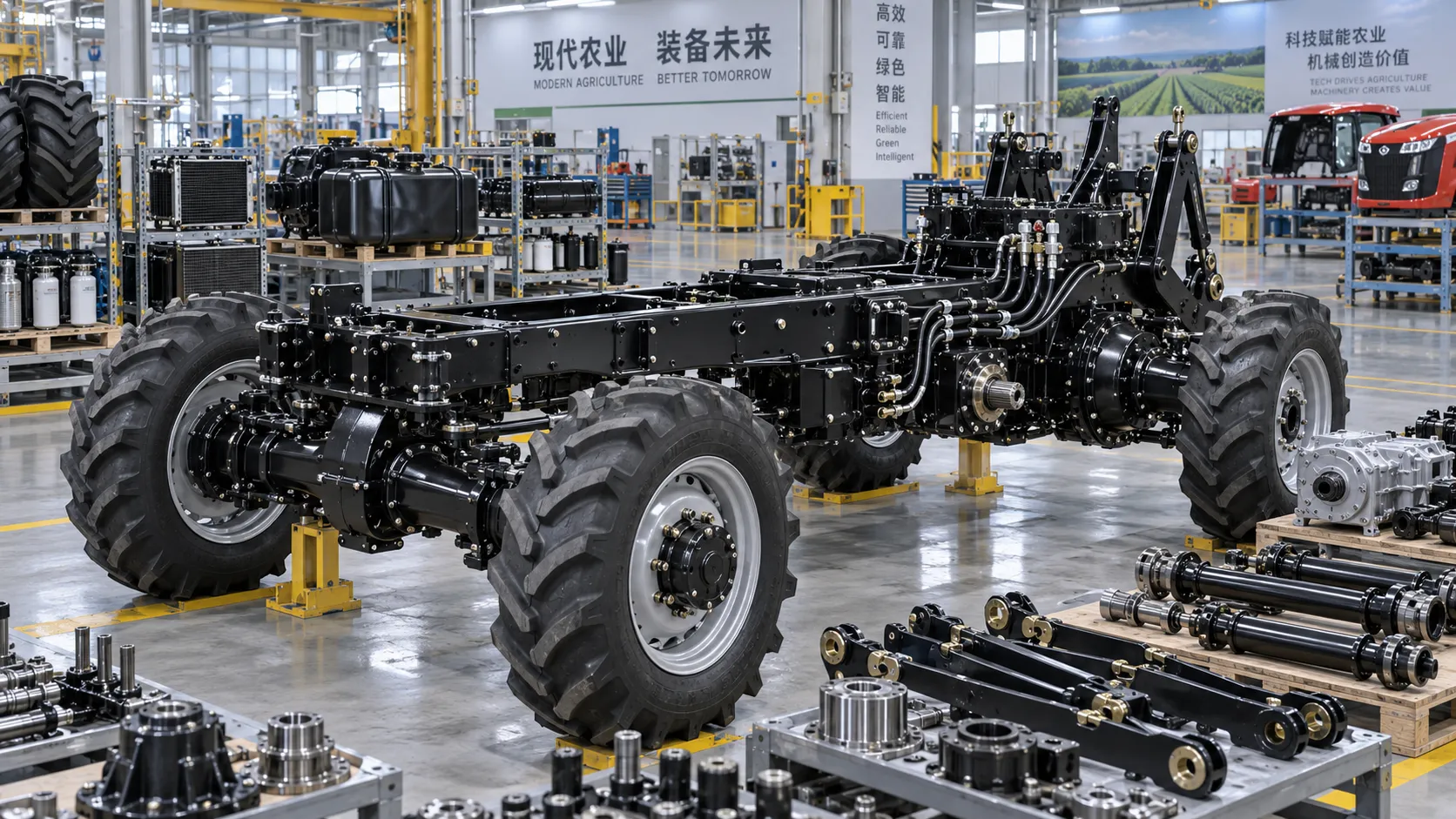
Tractor Chassis Price: What Buyers Should Compare Beyond the Initial Quote
Tractor chassis price is only the start. Compare load capacity, compatibility, durability, and lifecycle costs to choose a reliable, high-value chassis.
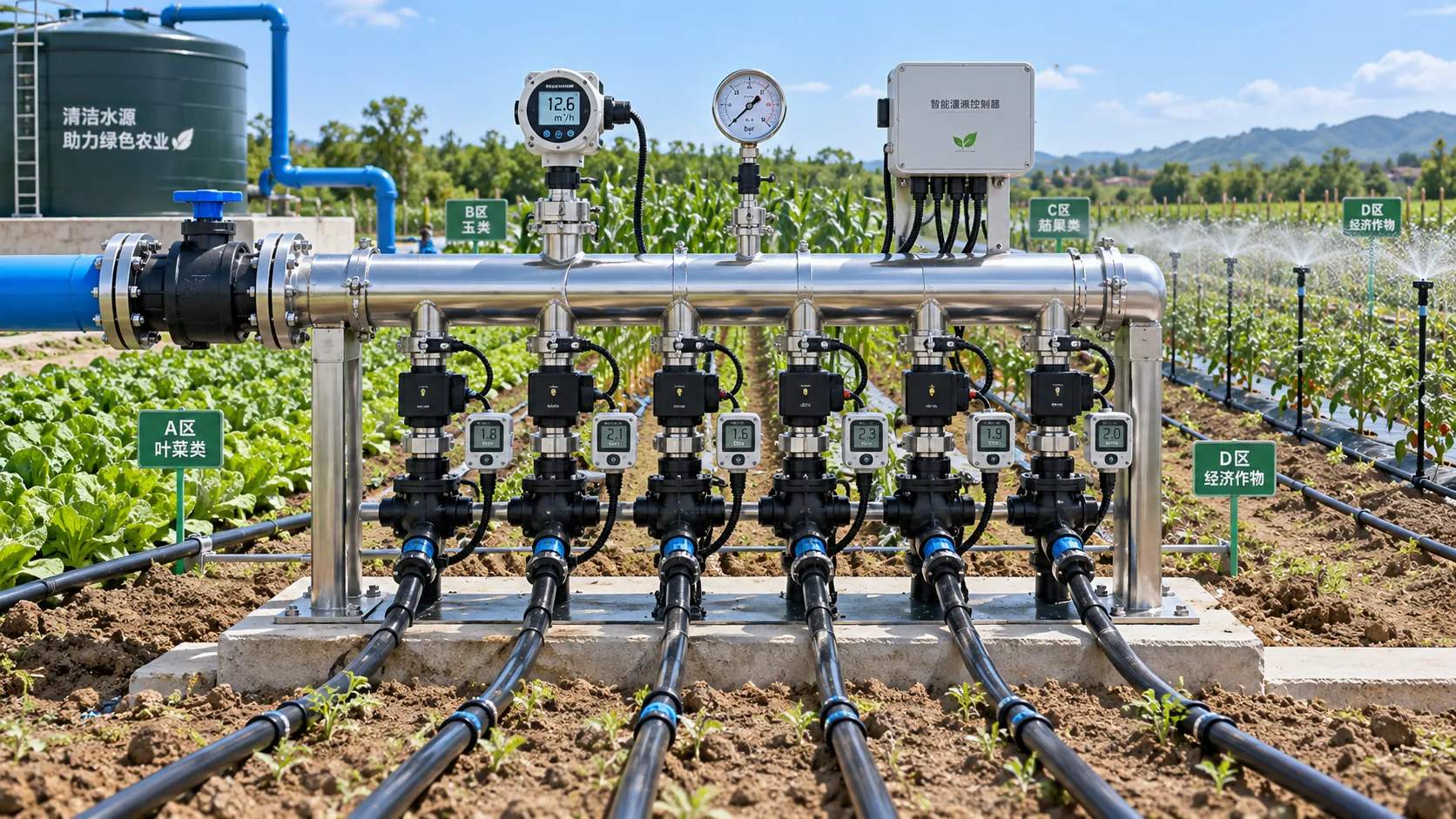
How to Select Smart Irrigation Valves for Multi-Zone Water Management?
Intelligent irrigation systems valves: learn how to match smart valves with multi-zone flow, pressure, control, feedback, and communication needs for reliable water management.
Climate-Smart Farming for Drought: A Practical Plan for Protecting Yields
Climate-smart farming for drought: build smarter water budgets, protect critical crop stages, improve irrigation uniformity, and safeguard yields with practical field-proven strategies.
How Digital Agriculture Platforms Turn Field Data Into Better Input Decisions
Digital agriculture platforms turn field data into smarter fertilizer, water, seed, and equipment decisions—helping farms cut risk, improve margins, and scale sustainability.
Related News
- 00
0000-00
Tractor Hydraulic Systems Troubleshooting: Diagnosing Weak Lift and Slow Implements - 00
0000-00
Which Implements Are Compatible With a 200 HP Tractor for Mixed Cropping? - 00
0000-00
How to Select Agricultural Hydraulic Systems for Sprayers by Flow, Pressure, and Boom Demand - 00
0000-00
Australia Tightens Carbon Rules for Hydraulic Lift System Imports - 00
0000-00
ANATEL Sets New Rules for Wireless Hydraulic Lift Systems
Popular Tags
Tractor Power Architect
Weekly Insights
Stay ahead with our curated technology reports delivered every Monday.