
Agricultural Technology Specifications: A Practical Guide to Evaluating Farm Equipment
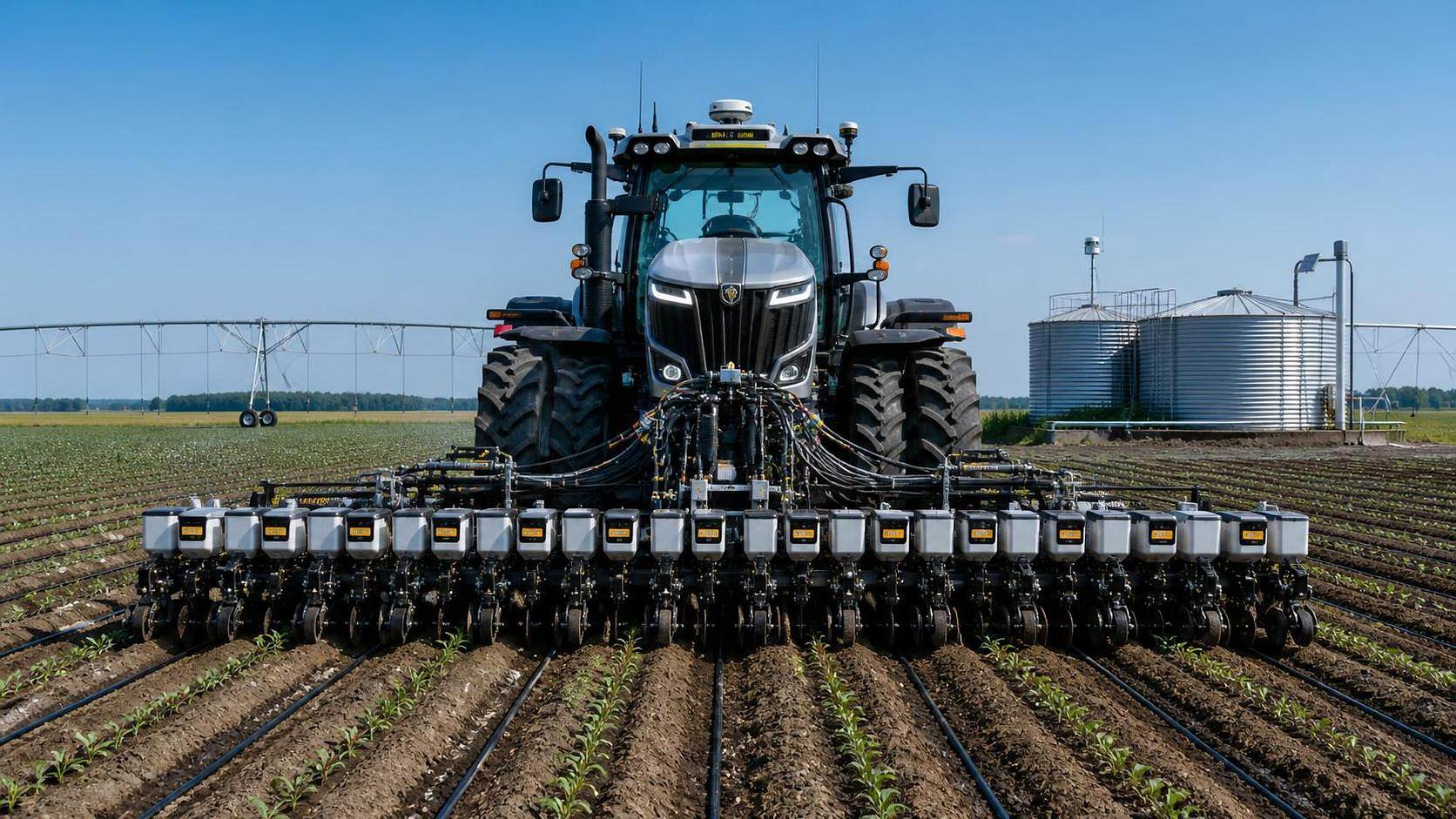




Modern farm equipment is increasingly sold through a language of capability: more horsepower, higher automation levels, larger working widths, lower input use, and more connected data. Those claims can be relevant, but they are not a specification strategy. For a technical evaluator, the central question is not whether a machine is advanced. It is whether its documented capabilities will produce reliable value in a specific operating system, with specific crops, soils, labor availability, service conditions, and seasonal constraints.
This agricultural technology specification guide approaches selection as an engineering and operating decision. It applies to tractors, combine harvesters, precision implements, guidance systems, and irrigation equipment, but the principle is consistent across categories: evaluate the relationship between the machine, the work it must perform, and the wider farm infrastructure supporting it.
Start with the work, not the brochure
Equipment comparisons often begin with a shortlist of brands or a set of headline specifications. That is understandable, but it can lead teams to compare numbers that do not determine field outcomes. A tractor rated for substantial engine power may still be a poor fit if hydraulic capacity, ballast options, transmission ratios, tire configuration, or implement compatibility are misaligned with the actual workload. A combine may offer impressive throughput in favorable conditions yet create unacceptable grain loss when moisture rises or crop conditions become uneven.
The first step is to define the operating envelope. This should describe the conditions in which the equipment must consistently perform, not merely its best-case use.
- Crop types, yield ranges, residue volume, and seasonal moisture conditions.
- Field sizes, shapes, slopes, soil bearing capacity, and transport distances.
- Required annual hours, peak seasonal workload, and acceptable downtime.
- Available operators, maintenance capability, fuel or power infrastructure, and parts access.
- Existing implements, data platforms, irrigation networks, and fleet-management systems.
- Constraints related to labor, water allocation, soil compaction, emissions, or local road rules.
This framing changes the discussion from “Which model has the highest specification?” to “Which configuration meets the required output with a defensible operating margin?” That margin matters. Agricultural work is concentrated into narrow weather windows, and machinery that is adequate only under ideal conditions can be operationally insufficient when a delayed planting, harvest rain, or labor shortage occurs.
Separate rated performance from usable field capacity
Rated power, tank volume, cutting width, pump output, and application width are necessary inputs, but they should not be treated as direct measures of productivity. Usable field capacity is shaped by setup time, turning, unloading, transport, refilling, calibration, operator behavior, soil conditions, and stoppages. The gap between theoretical and effective performance can be commercially significant, particularly on fragmented farms or in regions where field access and logistics are difficult.
For tractors, evaluate drawbar performance and hydraulic delivery under the intended load, rather than relying only on peak engine output. Transmission choice deserves close scrutiny. Continuously variable, powershift, and stepped transmissions each have different implications for operator control, fuel behavior, service requirements, and low-speed precision work. The best choice depends on the implement mix and duty cycle, not on a universal hierarchy of technologies.
For combine harvesters, throughput should be assessed together with grain loss, grain damage, cleaning performance, and operator workload. A larger machine can reduce harvest duration, but it may also create transport bottlenecks, increase soil loading, require more skilled adjustment, or operate below its efficient range in smaller or lower-yielding fields. Ask suppliers to explain how published capacity was measured and what crop, moisture, terrain, and loss thresholds were used. If those assumptions cannot be made transparent, the number has limited decision value.
Precision capability is a system property
Precision agriculture features are frequently evaluated as add-ons: auto-steering, telematics, variable-rate control, yield maps, sensors, cameras, or remote irrigation scheduling. In practice, their value depends on how well the entire system works together. A highly accurate positioning receiver will not deliver accurate application if the implement controller has slow response, the prescription data is poor, the metering system is unstable, or the operator cannot verify execution in the field.
Technical teams should therefore test the full data and control chain. This includes data capture, transfer, storage, processing, prescription creation, machine execution, evidence of completion, and post-operation analysis. Interoperability is not a minor IT detail. It determines whether a farm can use equipment from multiple suppliers without creating disconnected datasets and manual re-entry work.
Questions worth documenting during evaluation include:
- Which data formats and machine communication standards are supported, and which functions require proprietary software?
- Can guidance lines, field boundaries, task files, and application records move reliably between the proposed equipment and the farm’s current platform?
- Does the system continue to operate safely and usefully when cellular coverage is weak or unavailable?
- Who owns the operational data, who can access it, and what happens if a subscription ends?
- How are software updates tested, deployed, and supported during critical field periods?
Autonomy requires an even higher level of discipline. An autonomous or semi-autonomous machine may reduce repetitive labor demand, but the specification review must extend beyond navigation accuracy. It should cover obstacle detection limits, remote supervision requirements, emergency-stop behavior, communications resilience, liability allocation, geofencing, and local legal conditions. A system that functions well in a controlled demonstration may need substantial operational controls before it can be trusted in mixed-access farm environments.
Match machine mass and field impact to soil conditions
Compaction risk is often acknowledged during purchase discussions but underweighted when capacity targets are set. Larger equipment can improve timeliness, reduce labor dependency, and support wider implements. It can also concentrate axle loads and create long-term soil structure problems, especially where wet-season traffic is unavoidable. The cost may not appear in a machinery budget, but it can emerge through reduced infiltration, poorer root development, uneven crop performance, and more difficult tillage.
Assess total machine mass, axle loads, tire or track options, inflation management, ground pressure, and ballast configuration under real working conditions. Track systems can reduce surface pressure in some situations, but they do not remove all subsoil-compaction concerns. Their suitability also depends on road travel, maintenance conditions, turning behavior, and local operating patterns.
For technical evaluators, a useful test is to connect machinery selection to the farm’s traffic strategy. If controlled traffic, reduced tillage, or soil-conservation practices are important, equipment dimensions and wheel-track compatibility should be considered at the fleet level. Purchasing each machine independently can lock an operation into mismatched track widths and unnecessary passes for years.
Evaluate irrigation as a hydraulic and agronomic network
Smart irrigation is sometimes framed mainly as a sensor and dashboard purchase. The more fundamental issue is whether the hydraulic system can deliver water uniformly, predictably, and efficiently across the intended zones. A sophisticated controller cannot compensate for undersized pipework, inadequate filtration, pressure instability, poorly designed emitters, or water with sediment and chemical characteristics outside the system’s tolerance.
Evaluation should begin with the water source: volume reliability, seasonal availability, pumping lift, energy supply, water quality, and regulatory limits. From there, review pump curves, filtration requirements, pressure regulation, emitter flow variation, zone sizing, flushing arrangements, leak detection, and maintenance access. In water-constrained areas, the decision should also consider whether measurement and control systems can substantiate actual water use when reporting obligations or allocation limits apply.
Sensor-based irrigation scheduling has strong potential when it is connected to local crop stages, soil variability, weather conditions, and field verification. However, sensor density and placement matter. A small number of probes may provide a useful trend, but may not represent a highly variable block. Algorithms based on evapotranspiration estimates or predictive models should be treated as decision support, not automatic proof of crop need, unless their local calibration and performance have been established.
Durability is more than a warranty term
A specification sheet can describe nominal component capacity, but lifecycle performance depends on exposure, maintenance design, operator use, and service response. This is especially important for machines operating in dust, high heat, humidity, corrosive fertilizer environments, heavy residue, or remote locations. The correct question is not simply how long a component should last. It is how the machine behaves when it requires inspection, adjustment, repair, or replacement during a narrow operational window.
Examine access to filters, belts, chains, bearings, calibration points, electrical connections, hydraulic couplings, and cleaning areas. Review the design of cooling packs and air filtration where dust loads are high. On connected equipment, inspect cable routing, enclosure ratings, sensor protection, and the practical availability of diagnostic tools. Electronic reliability can become a fleet-wide constraint when failures depend on specialized technicians or restricted software access.
Service capability should be verified locally rather than assumed from a supplier’s national presence. Technical teams should ask for realistic parts lead times, regional dealer capacity, harvest-season support arrangements, technician training records, and the availability of substitute equipment. Where possible, request reference discussions with operations that use comparable machines in similar crops and climatic conditions. The most useful references are not necessarily the newest installations; they are systems that have completed several seasons under comparable stress.
Build the total-cost model around risk and utilization
Purchase price remains relevant, but it is rarely the right decision anchor for capital-intensive farm equipment. The total-cost view should include fuel or energy use, labor, routine maintenance, consumables, wear parts, software subscriptions, connectivity fees, financing, insurance, transport, training, expected residual value, and downtime exposure. Some items are difficult to estimate precisely, so they should be modeled as scenarios rather than presented as false certainty.
Utilization is particularly important. A high-capacity machine may be economically justified for a large operation with a tight seasonal window, while the same machine may be underused on a smaller farm even if it is technically attractive. Shared ownership, contractor use, leasing, and seasonal service models can change the economics, but they introduce scheduling and availability risk. The evaluation should make that trade-off explicit.
It is also worth separating savings that are directly measurable from benefits that are conditional. Fuel reduction may be measurable through comparable field records. Lower fertilizer use from variable-rate application depends on data quality, agronomic response, application accuracy, and management follow-through. Reduced harvest loss depends on crop conditions and machine setup. Claims in these areas should be translated into testable assumptions before they enter an investment case.
A disciplined field-validation process
Factory specifications provide a baseline; they should not be the final evidence. A practical selection process usually combines document review, operator inspection, supplier clarification, and an on-farm or representative field demonstration. The demonstration should reflect the conditions that matter most, including difficult terrain, crop density, residue levels, irrigation water quality, or variable-rate prescriptions where applicable.
Before the trial, define acceptance criteria. For example, a combine assessment may include a target harvest rate, maximum acceptable grain loss, fuel range, sample quality, unloading performance, and cleaning time. A precision planter trial may measure population consistency, row-unit behavior, section-control accuracy, and the time required for calibration. An irrigation evaluation may focus on pressure variation, application uniformity, filtration maintenance, remote-control reliability, and response to detected faults.
Document who will collect the data, how measurements will be taken, and what conditions invalidate a comparison. This protects both the buyer and supplier from decisions based on demonstrations that were visually impressive but technically inconclusive.
The direction of travel matters, but it should not override fit
Agriculture 4.0 is pushing equipment toward greater automation, electrification, connected diagnostics, machine vision, variable-rate control, and resource monitoring. These changes are strategically important because farms face persistent pressure from labor scarcity, climate volatility, water constraints, input costs, and demands for traceability. They also alter procurement: software support, cybersecurity, data governance, and upgrade pathways now sit beside horsepower, hydraulics, and mechanical durability.
Still, the most future-ready machine is not necessarily the one with the most features. It is the one that can perform its required work reliably today, connect sensibly to the farm’s next-stage operating model, and remain supportable over its useful life. A well-specified conventional machine with open data pathways and strong service support can be a better long-term decision than a more automated platform whose operating assumptions do not match the farm.
The strongest equipment evaluations make these trade-offs visible. They turn specifications into operating evidence, identify the conditions under which promised performance may weaken, and distinguish genuine capability from optional complexity. That discipline gives technical evaluators a clearer basis for choosing assets that protect seasonal execution, improve resource efficiency, and remain credible as farm systems become more connected.
Related News
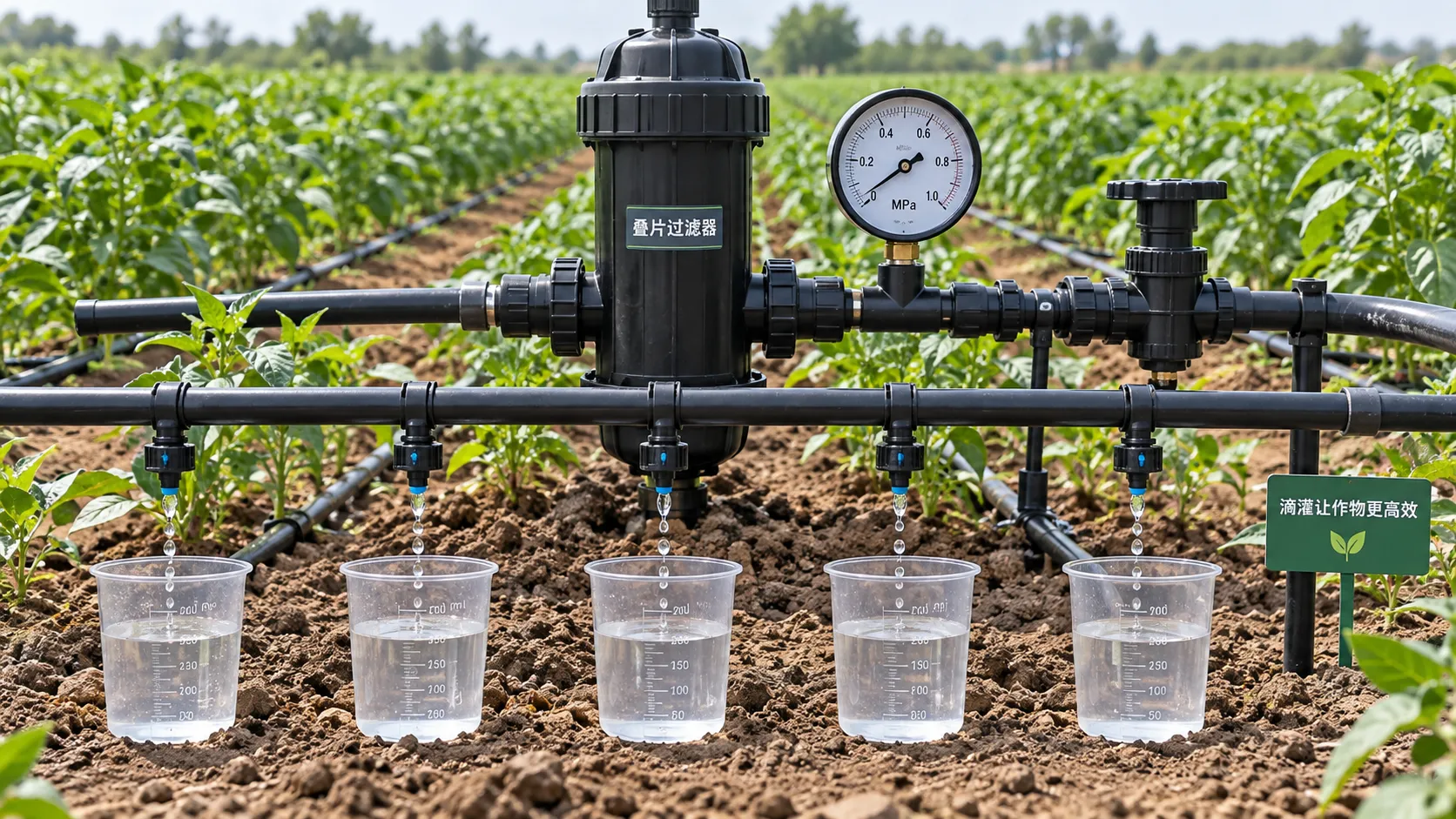
Low-Pressure Drip Irrigation: How to Fix Uneven Watering Without Raising Pressure
Optimize low pressure water-saving irrigation systems: discover how to fix uneven watering, clear blockages, and reduce hydraulic losses without raising supply pressure.
Comparing Farm Equipment Supplier Quotes: Price, Freight, and Warranty
Simplify supplier comparison for farm equipment price: assess freight, field-ready costs, and warranty coverage. Learn how to avoid hidden charges and choose a reliable supplier.
Choosing a Digital Farming Platform Provider: Compatibility and Data Ownership
Compare digital farming platforms providers on equipment compatibility, data ownership, and export rights. Discover practical checks to avoid lock-in and choose with confidence.
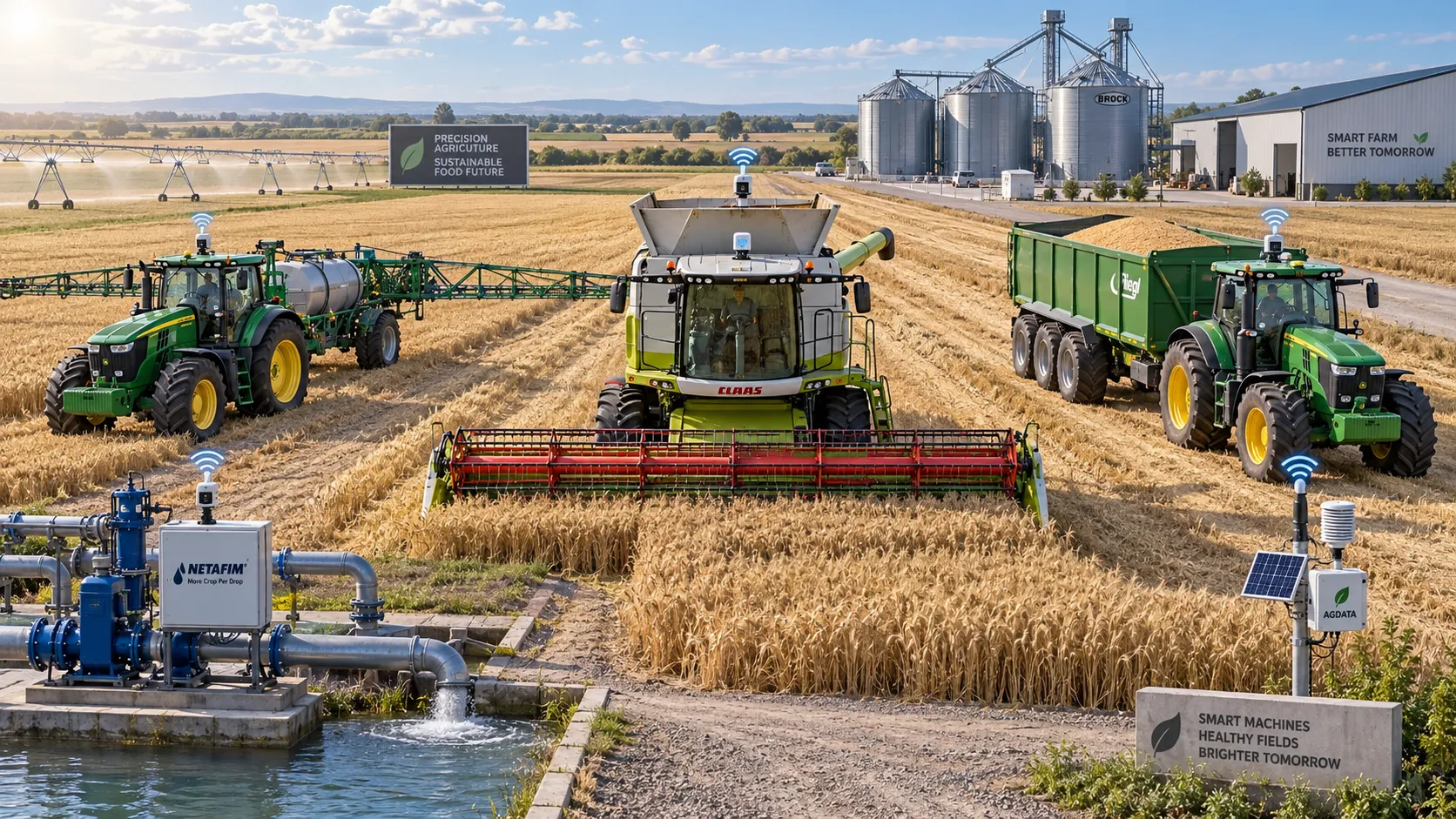
How Large-Scale Farm Telematics Cuts Downtime Across Mixed Fleets
Large-scale farm equipment telematics cuts mixed-fleet downtime with real-time alerts, smarter maintenance, and stronger operational control. Learn how to protect critical farm workflows.
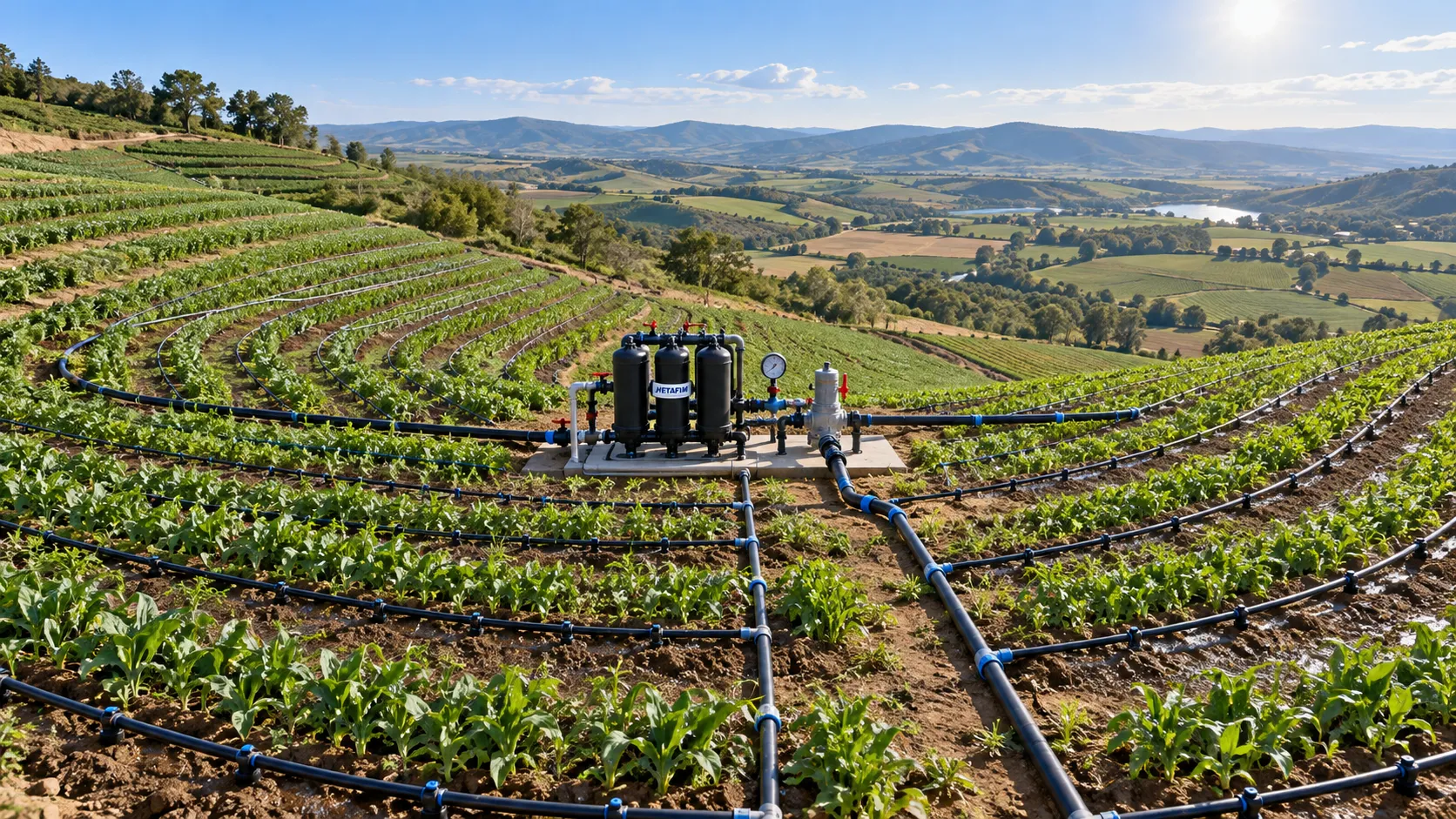
How to Size Low-Pressure Water-Saving Irrigation Systems for Uneven Fields
Low pressure water-saving irrigation systems for uneven fields: learn zoning, pressure mapping, pipe sizing, and pump selection to improve uniformity and reduce water waste.
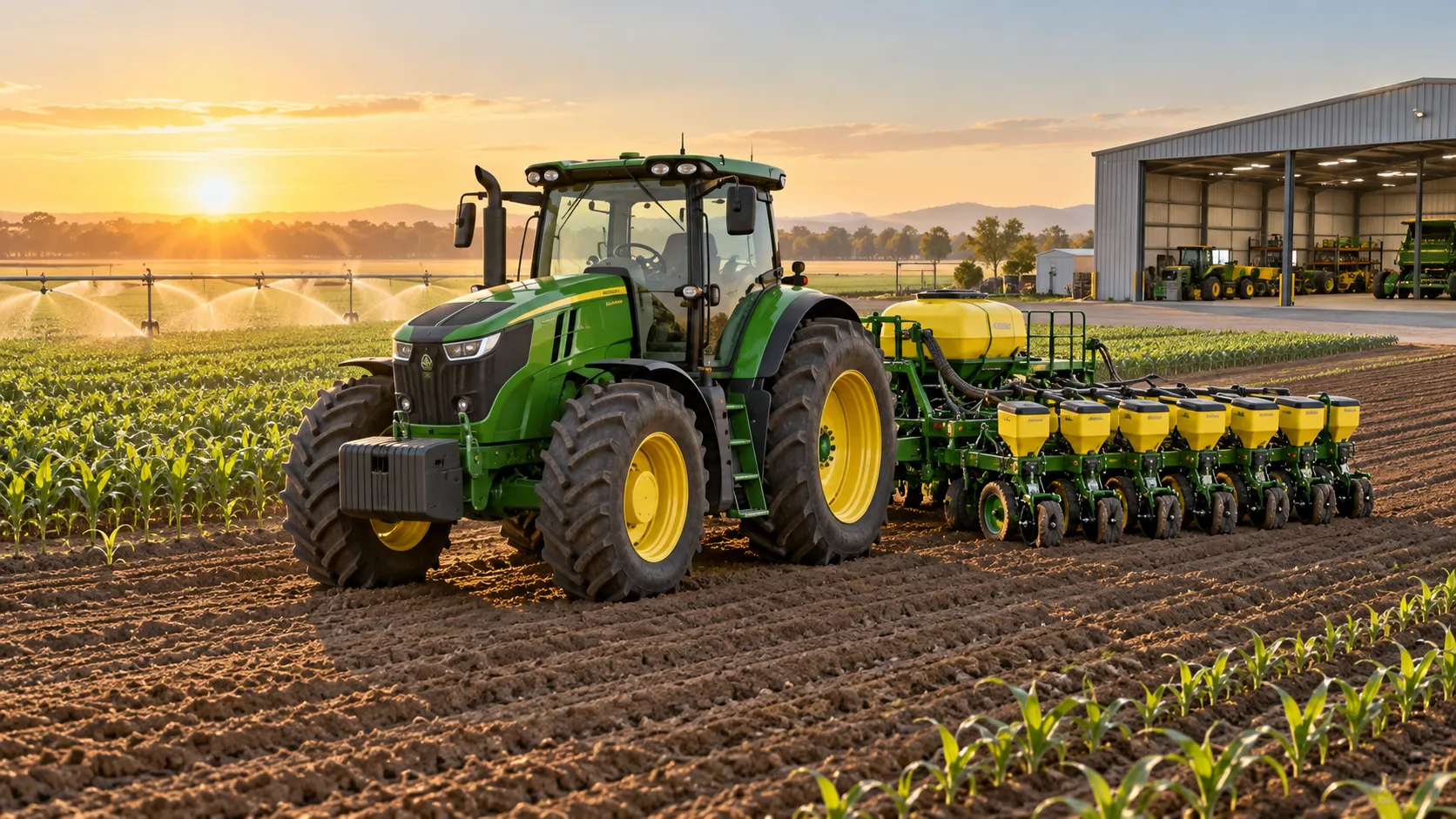
Farm Machinery Sourcing: How to Vet Suppliers, Specs, and Lifecycle Costs
Farm machinery information for sourcing: learn to vet suppliers, compare specifications, control lifecycle costs, and secure reliable uptime for smarter equipment purchases.
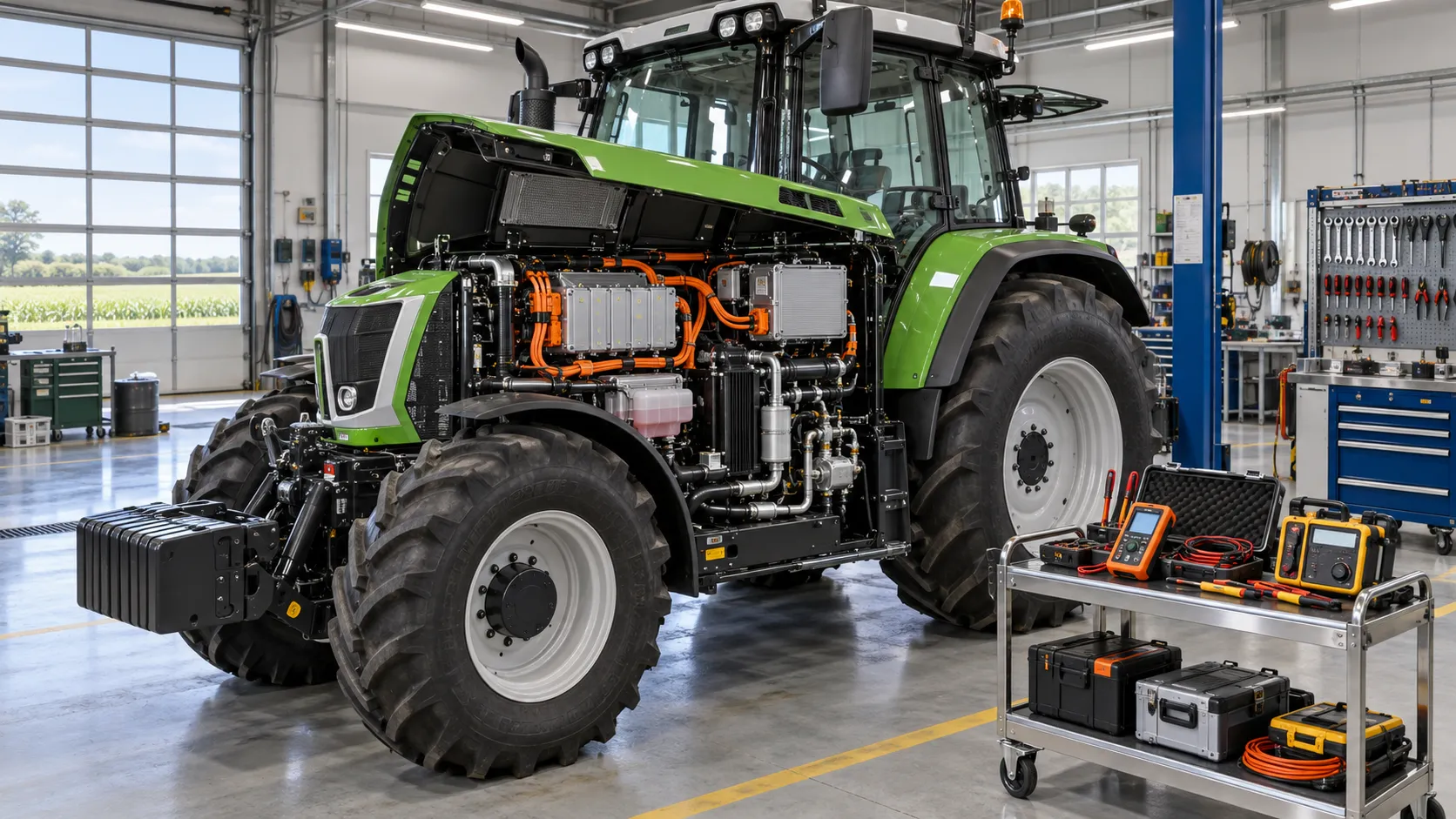
What maintenance challenges come with hybrid agricultural machines?
Hybrid agricultural machines demand smarter maintenance. Discover key challenges in high-voltage safety, batteries, software diagnostics, cooling, and parts planning.
Can hybrid propulsion systems reduce fuel use in farm machinery?
Hybrid propulsion systems for agricultural machinery can cut fuel use and boost productivity. Explore savings potential, key trade-offs, and smart investment factors.
What to compare in integrated seeding combinations for heavy soils
Compare integrated seeding combinations for heavy soils: depth control, residue flow, consolidation, traction, and field capacity for more uniform crop establishment.
Related News
- 00
0000-00
Comparing Farm Equipment Supplier Quotes: Price, Freight, and Warranty - 00
0000-00
Choosing a Digital Farming Platform Provider: Compatibility and Data Ownership - 00
0000-00
How Large-Scale Farm Telematics Cuts Downtime Across Mixed Fleets - 00
0000-00
Farm Machinery Sourcing: How to Vet Suppliers, Specs, and Lifecycle Costs - 00
0000-00
Which costs matter most when calculating precision agriculture ROI?
Popular Tags
Ms. Elena Rodriguez
Weekly Insights
Stay ahead with our curated technology reports delivered every Monday.