
Tractor Chassis Steering Systems: Types, Key Components, and How to Choose
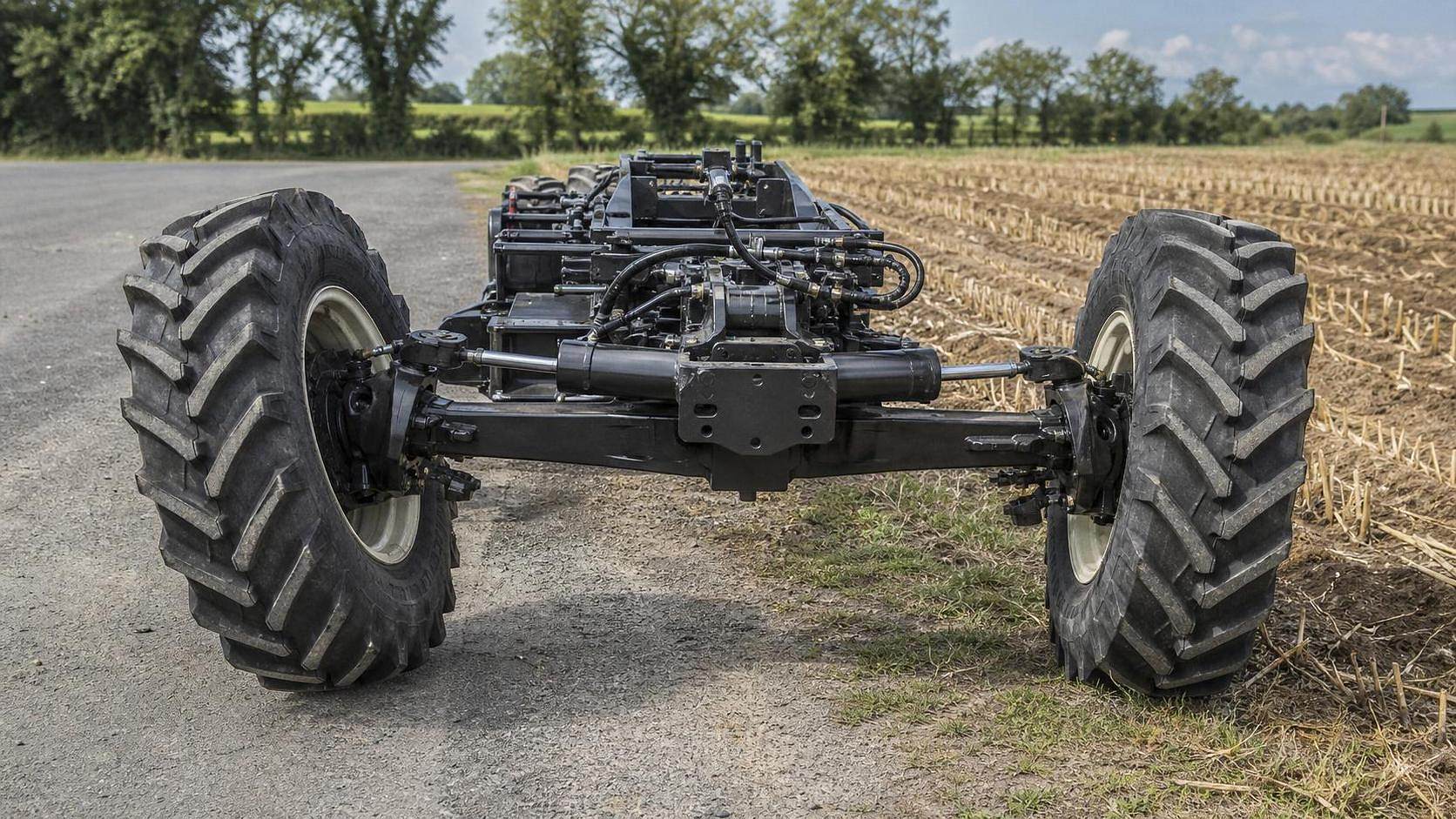




Tractor Chassis Steering Systems: Types, Key Components, and How to Choose
For technical evaluators comparing modern tractor chassis steering solutions, understanding how tractor chassis systems steering affects stability, maneuverability, hydraulic response, and field efficiency is essential.
This introduction outlines the main steering types, core components, and practical selection criteria, helping you assess performance trade-offs across heavy-duty agricultural applications with greater precision and confidence.
In today’s market, tractor chassis systems steering is no longer just about turning wheels. It directly influences soil protection, operator control, attachment compatibility, and uptime across long working cycles.
That is why a sound evaluation should connect steering architecture with field conditions, hydraulic capacity, axle load, and future automation requirements.
Why Tractor Chassis Systems Steering Matters in Real Field Performance
Steering performance shapes how a tractor behaves under load, especially during headland turns, transport runs, and low-speed precision work.
When tractor chassis systems steering is poorly matched, common issues appear quickly. These include delayed response, unstable tracking, tire scrub, and higher operator fatigue.
The impact becomes more obvious on larger platforms. Front ballast, mounted implements, and trailer forces all change the steering load path.
From a decision perspective, steering should be reviewed as part of the full chassis system. Looking at turning radius alone is too narrow.
- Stability during transport at higher speeds
- Accuracy in row crops and precision guidance tasks
- Hydraulic responsiveness under repeated steering inputs
- Durability under heavy front axle loading
- Compatibility with autonomous or assisted steering functions
In practical operations, a stronger steering match often improves pass consistency, reduces edge damage, and lowers maintenance events over the season.
Main Types of Tractor Chassis Systems Steering
Mechanical Steering
Mechanical steering is the most basic format. It relies on direct linkage between the steering wheel and the front axle mechanism.
It is simple and relatively low cost. However, it is less suitable for modern high-horsepower tractors and heavy front-end loads.
Hydraulic Power Steering
This is still the most common tractor chassis systems steering solution in mainstream agricultural equipment.
Hydraulic pressure assists the steering action, reducing input force and improving response under heavier operating conditions.
For many buyers, hydraulic steering offers the best balance of cost, serviceability, and reliable field performance.
Hydrostatic Steering
Hydrostatic systems remove most mechanical linkage and use a steering control unit with hydraulic flow to direct wheel movement.
This architecture is widely used in larger tractors, articulated units, and machines requiring stronger low-speed steering authority.
It also supports cleaner integration with advanced control logic and assisted navigation functions.
Articulated Steering
Articulated tractor chassis systems steering turns the machine through a central pivot rather than only changing the front wheel angle.
It is common in high-power tractors designed for broad-acre work, where traction and turning efficiency must stay consistent.
The trade-off is added structural complexity and a different service profile around joints, cylinders, and frame alignment.
Key Components Behind Steering Performance
A good steering evaluation should move beyond labels. The real difference often sits in component sizing, integration quality, and system tuning.
Steering Control Unit
The steering control unit meters hydraulic flow and defines steering feel. Poor calibration can create lag, overcorrection, or inconsistent return behavior.
Hydraulic Pump and Flow Capacity
Pump output determines how well tractor chassis systems steering maintains responsiveness during simultaneous hydraulic demands.
This matters when steering competes with loaders, lift circuits, or precision implement controls.
Steering Cylinders and Linkages
Cylinder bore, stroke, seal quality, and linkage geometry directly affect steering torque, turning speed, and wear progression.
Front Axle and Pivot Design
A steering system cannot perform well if the axle structure introduces excessive play, poor weight distribution, or inconsistent wheel contact.
Sensors and Electronic Controls
In newer tractor chassis systems steering designs, angle sensors, pressure sensors, and ECU logic support assisted steering and diagnostic visibility.
How to Compare Steering Options for Different Agricultural Scenarios
Selection becomes easier when tractor chassis systems steering is matched to the working profile rather than judged in isolation.
Row Crop and Precision Guidance Operations
These applications need predictable response, low drift, and strong compatibility with GPS guidance and section control systems.
Hydrostatic or electronically assisted hydraulic steering usually performs better in this environment.
Heavy Draft Work
Deep tillage and broad-acre traction place high demand on frame strength, axle load control, and steering authority at low speed.
Articulated tractor chassis systems steering often delivers better turning force and traction continuity here.
Loader and Mixed Utility Tasks
Frequent reversing, tight turns, and front-end loading call for quick response and stable steering under dynamic axle changes.
In this case, hydraulic power steering with sufficient flow reserve is often a practical choice.
Road Transport Between Fields
Transport work requires directional stability, controlled feedback, and minimal wander. Steering precision matters as much as raw turning power.
A Practical Decision Framework for Choosing the Right System
A useful steering review should combine engineering data, service evidence, and operational fit. That is where better decisions usually emerge.
- Define axle loads, implement types, and duty cycle intensity.
- Check steering response under peak hydraulic demand.
- Review turning radius together with tire wear behavior.
- Assess sensor integration for guidance and future automation.
- Compare service intervals, seal life, and failure history.
- Validate parts access and field repair practicality.
More importantly, avoid choosing tractor chassis systems steering based only on purchase price. Lower upfront cost can lead to weaker control and higher lifecycle expense.
A better benchmark is total operating value. That includes field efficiency, steering precision, maintenance frequency, and adaptation to smarter farming workflows.
Common Risks and What to Watch During Evaluation
Several risks are easy to miss during specification review. Yet they often shape long-term steering performance more than brochure numbers do.
- Undersized hydraulic capacity during simultaneous functions
- Poor sealing durability in dusty or high-vibration environments
- Weak sensor protection in wet field conditions
- Frame or axle wear that changes steering geometry over time
- Limited compatibility with future guidance upgrades
From recent market shifts, the clearer signal is rising demand for steering systems that support both mechanical durability and digital control readiness.
That also means evaluation teams should ask not only how the steering works today, but how well it will fit tomorrow’s precision agriculture stack.
Conclusion
Choosing tractor chassis systems steering is ultimately a system-level decision. The right answer depends on load profile, field pattern, hydraulic architecture, and automation goals.
Mechanical, hydraulic, hydrostatic, and articulated designs each serve different operating priorities. The strongest choice comes from matching steering behavior to actual agricultural use.
For organizations tracking chassis evolution, AP-Strategy continues to follow how steering, transmission, and hydraulic control are converging in the Agriculture 4.0 era.
When comparing your next platform, use tractor chassis systems steering as a serious decision variable, not a secondary specification. It will influence performance, cost, and upgrade potential far more than it first appears.
Related News
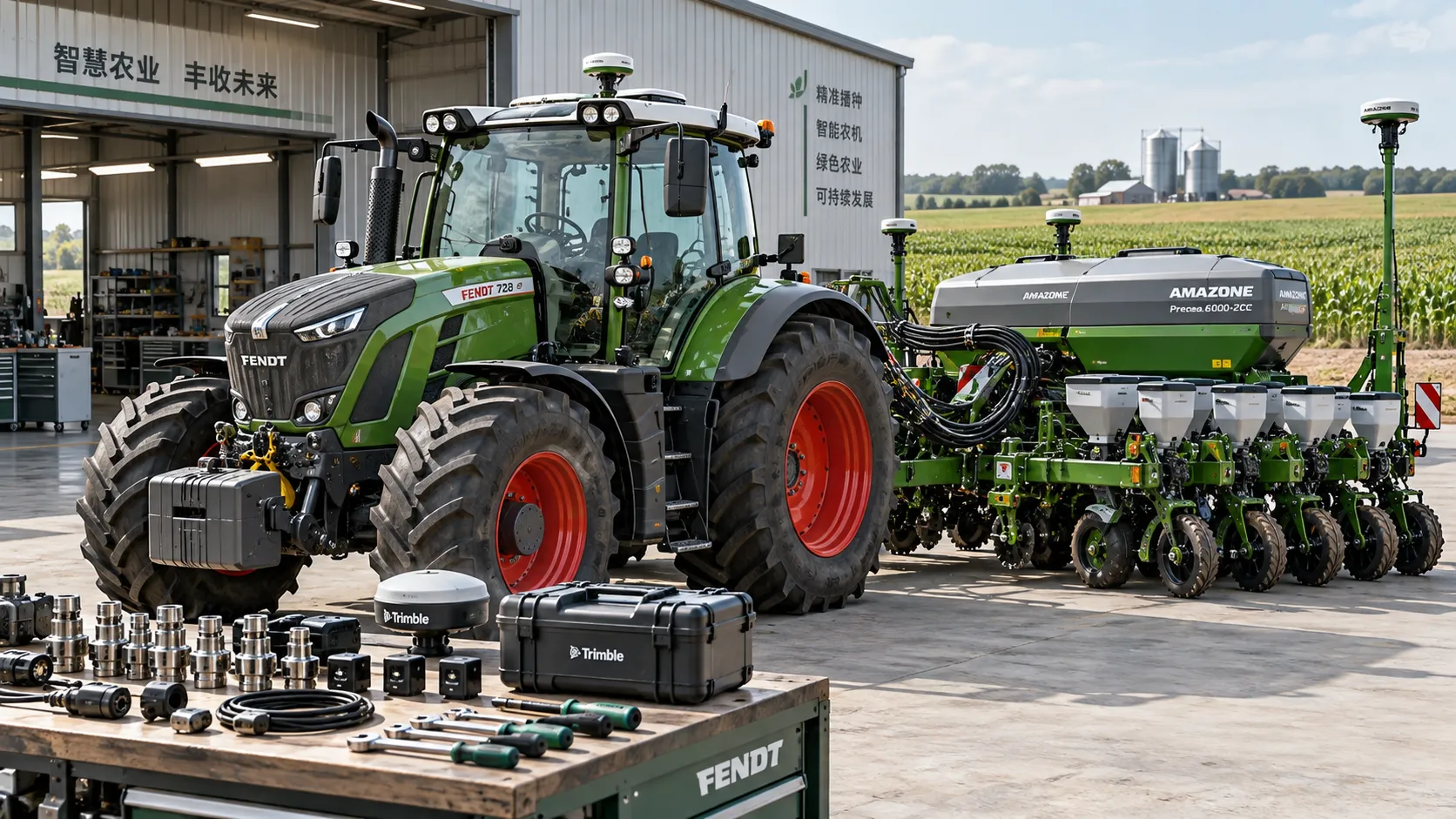
Choosing an Agriculture 4.0 Supplier: Compatibility, Support, and Total Cost
Choose an Agriculture 4.0 supplier with confidence. Learn how to verify compatibility, assess support, and compare total ownership costs to avoid hidden fees and costly downtime.
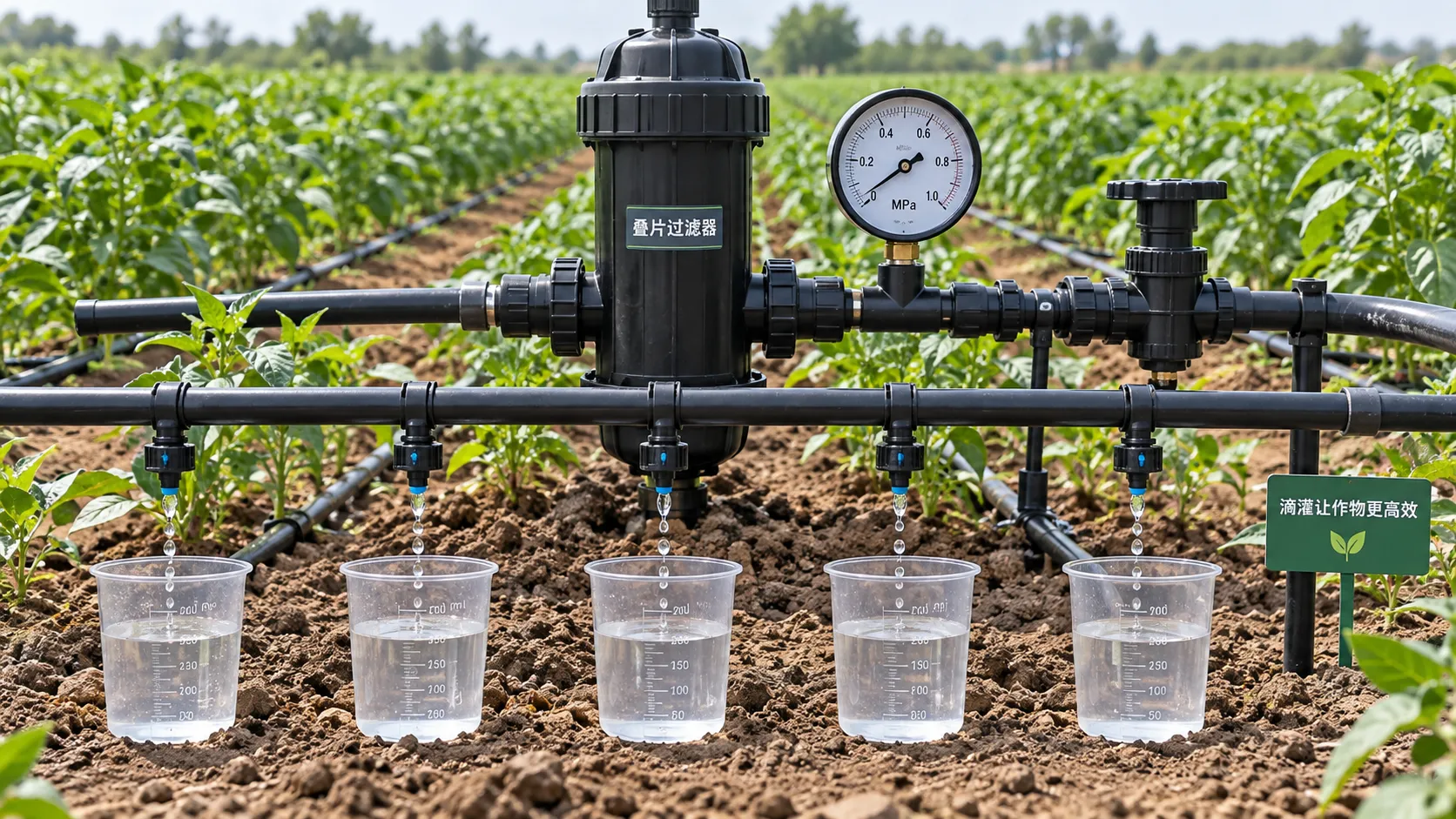
Low-Pressure Drip Irrigation: How to Fix Uneven Watering Without Raising Pressure
Optimize low pressure water-saving irrigation systems: discover how to fix uneven watering, clear blockages, and reduce hydraulic losses without raising supply pressure.
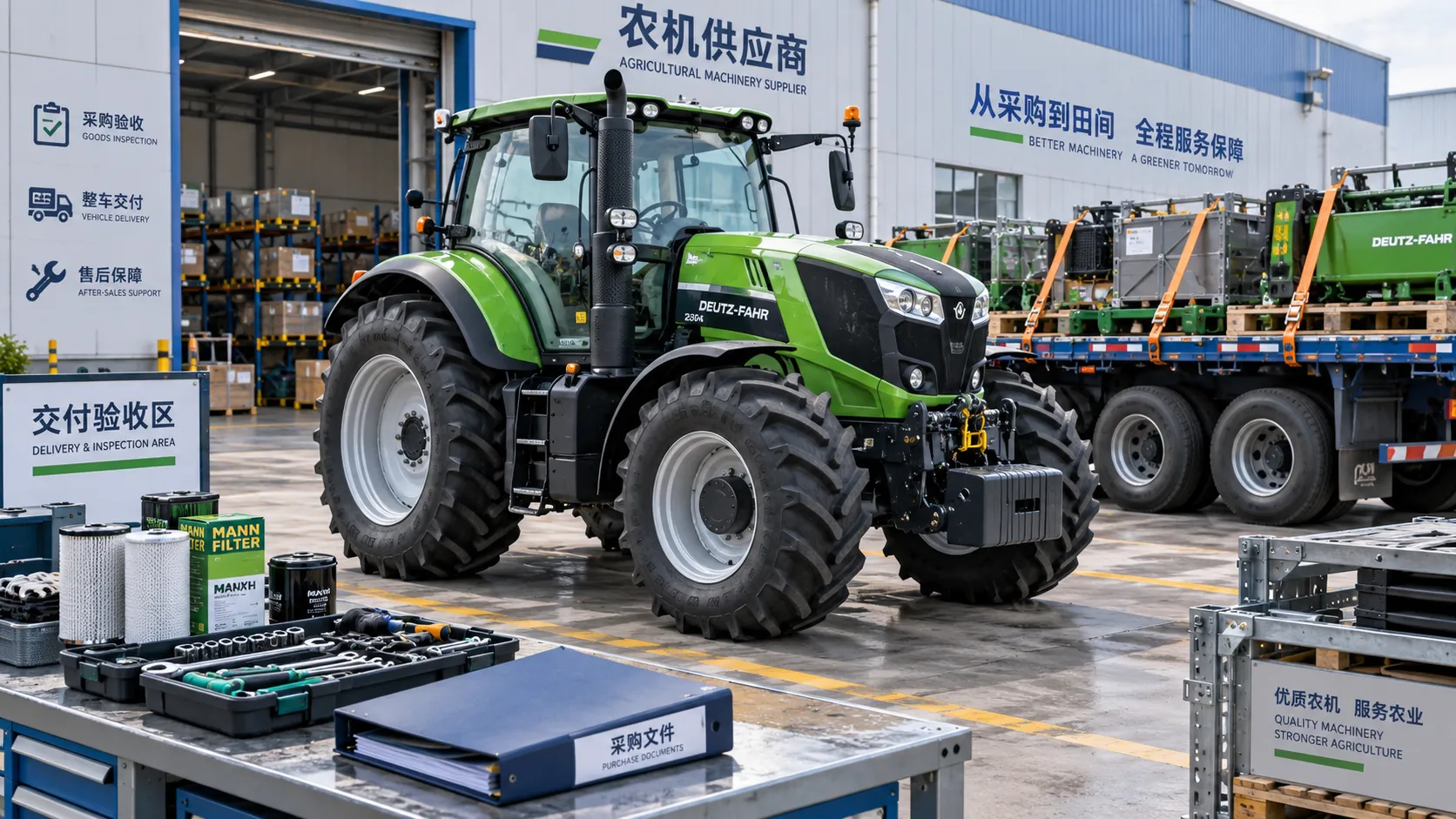
Comparing Farm Equipment Supplier Quotes: Price, Freight, and Warranty
Simplify supplier comparison for farm equipment price: assess freight, field-ready costs, and warranty coverage. Learn how to avoid hidden charges and choose a reliable supplier.
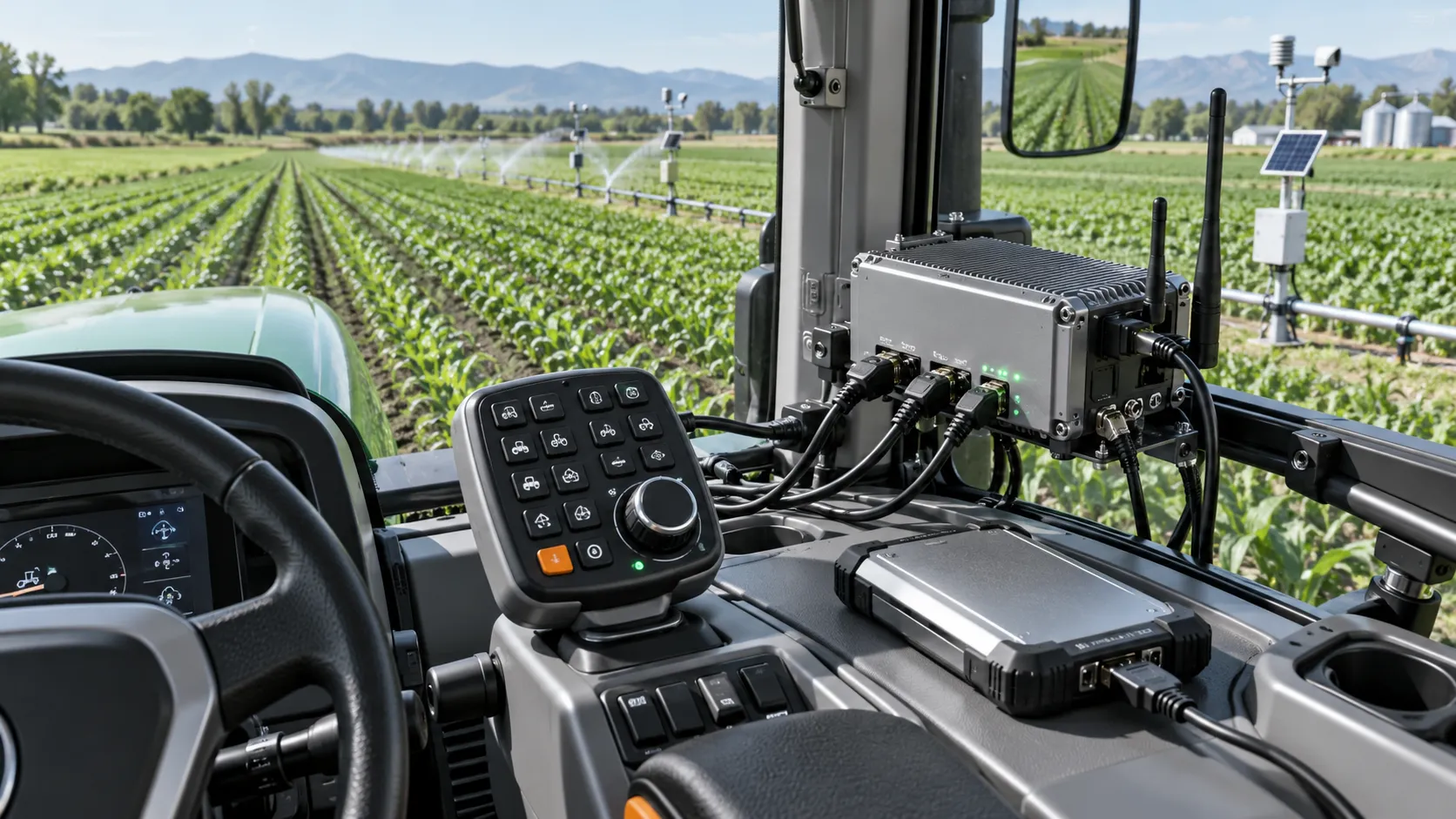
Choosing a Digital Farming Platform Provider: Compatibility and Data Ownership
Compare digital farming platforms providers on equipment compatibility, data ownership, and export rights. Discover practical checks to avoid lock-in and choose with confidence.
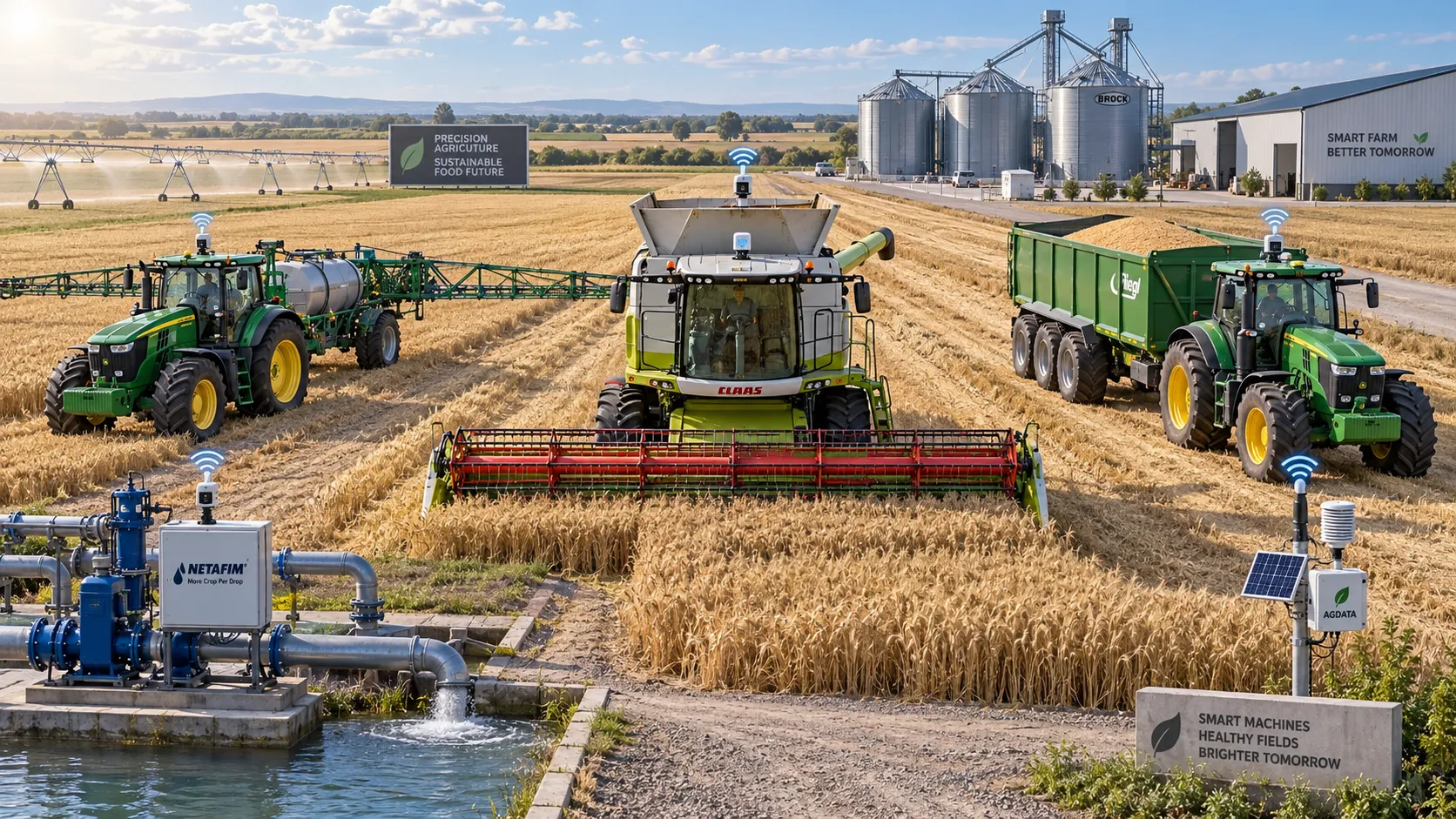
How Large-Scale Farm Telematics Cuts Downtime Across Mixed Fleets
Large-scale farm equipment telematics cuts mixed-fleet downtime with real-time alerts, smarter maintenance, and stronger operational control. Learn how to protect critical farm workflows.
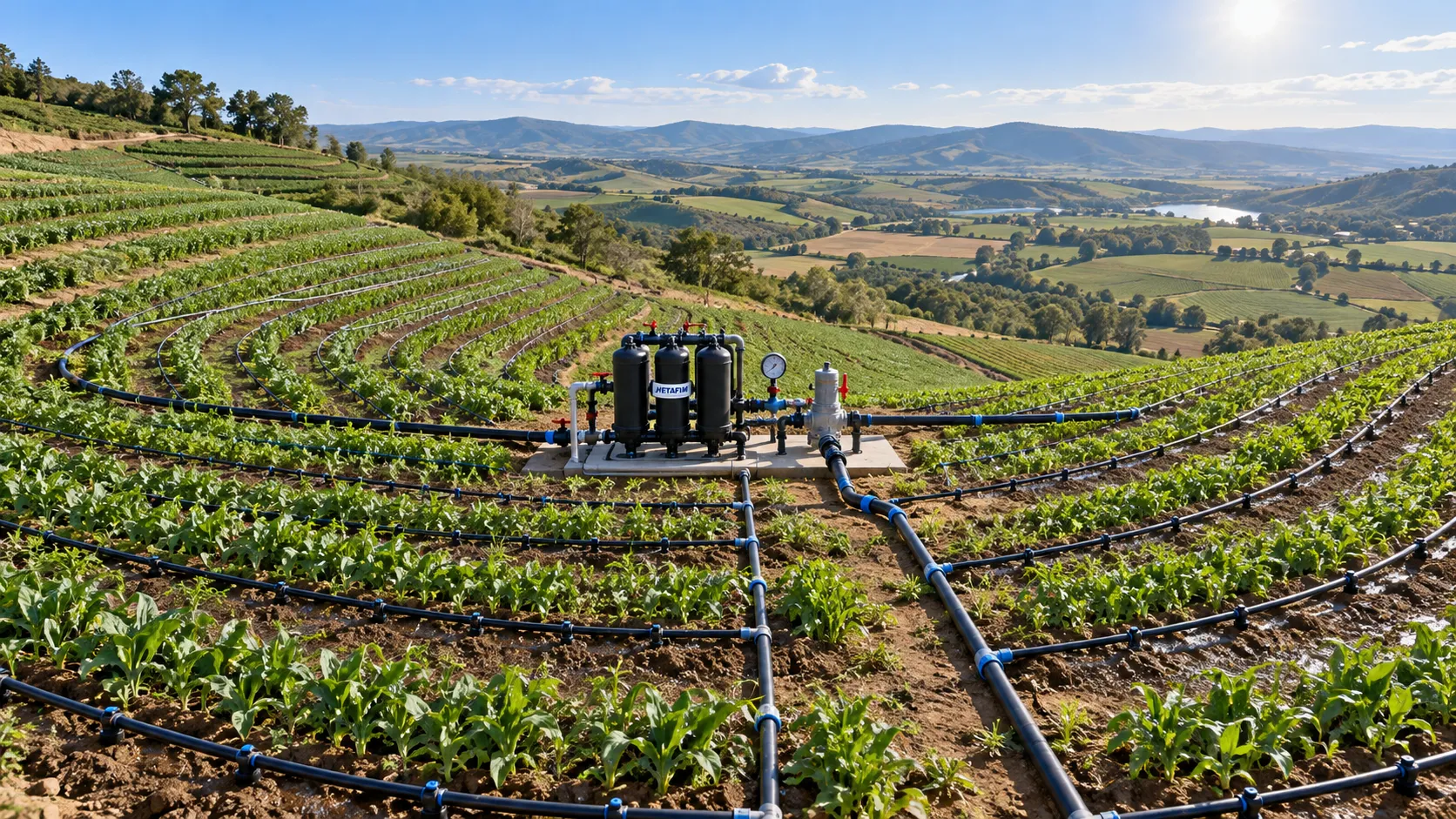
How to Size Low-Pressure Water-Saving Irrigation Systems for Uneven Fields
Low pressure water-saving irrigation systems for uneven fields: learn zoning, pressure mapping, pipe sizing, and pump selection to improve uniformity and reduce water waste.
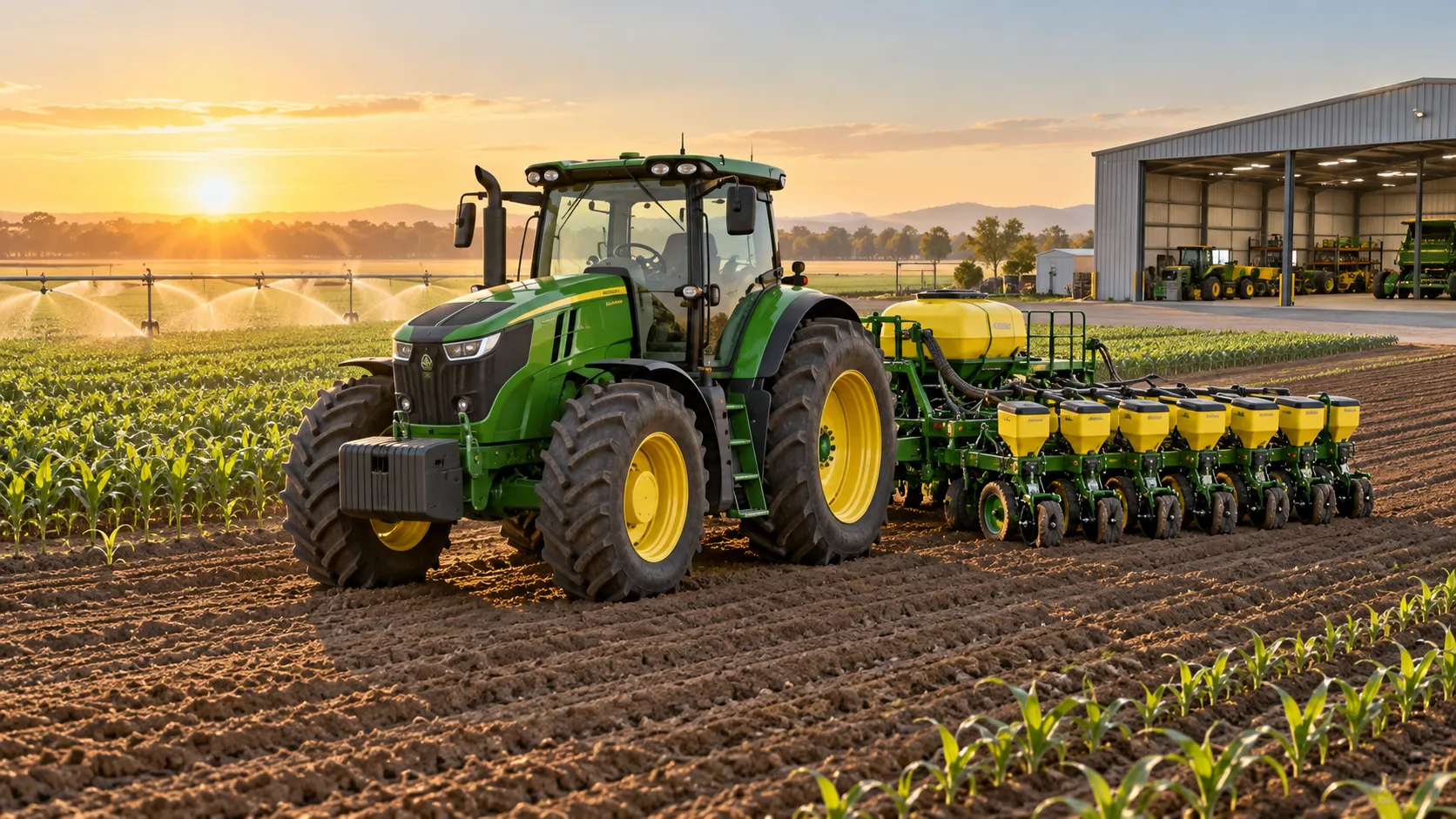
Farm Machinery Sourcing: How to Vet Suppliers, Specs, and Lifecycle Costs
Farm machinery information for sourcing: learn to vet suppliers, compare specifications, control lifecycle costs, and secure reliable uptime for smarter equipment purchases.
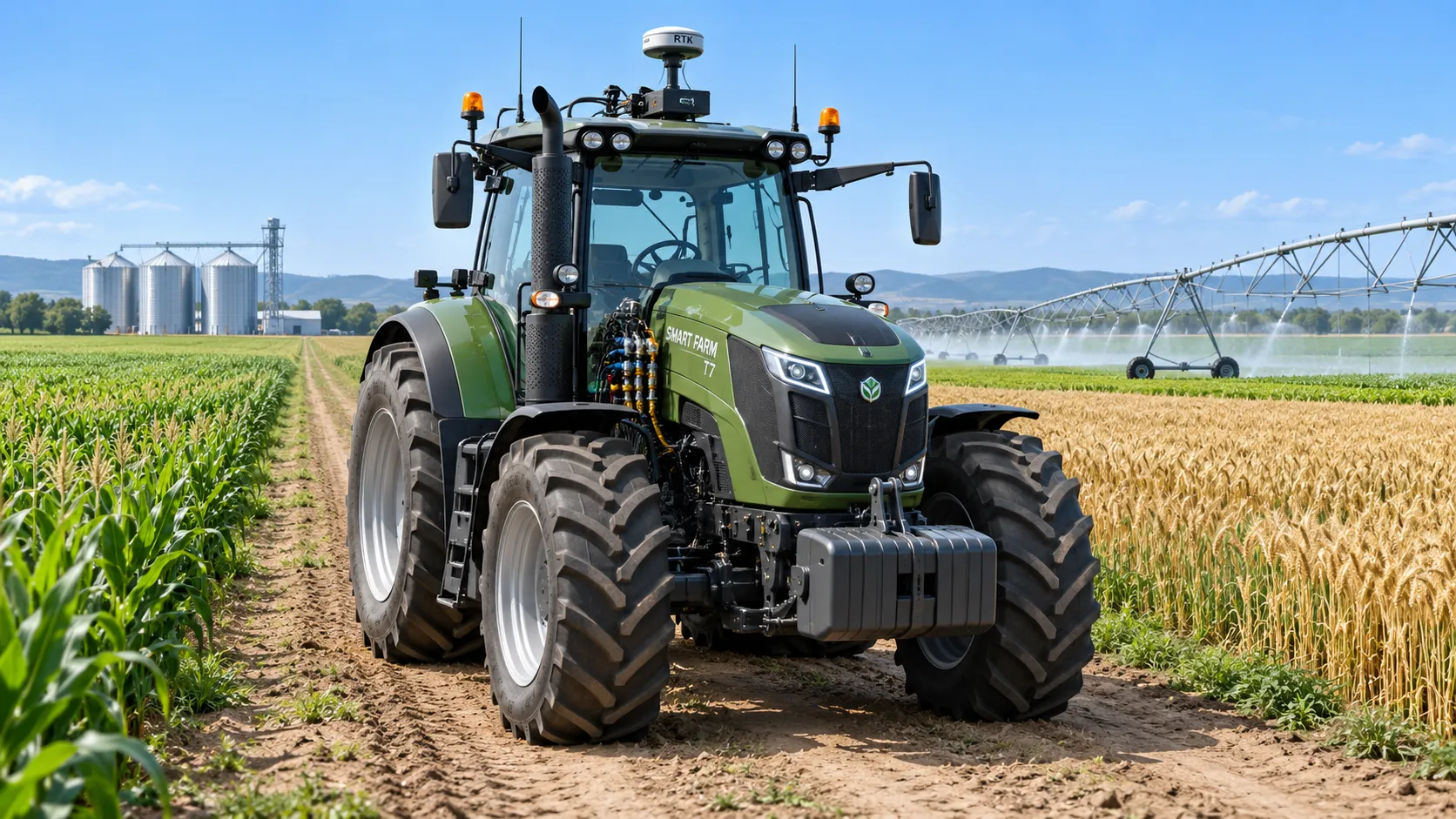
How telemetry for agriculture helps identify equipment downtime
Telemetry for agriculture helps detect early warning signs, prioritize maintenance, and reduce costly equipment downtime before field operations are disrupted.
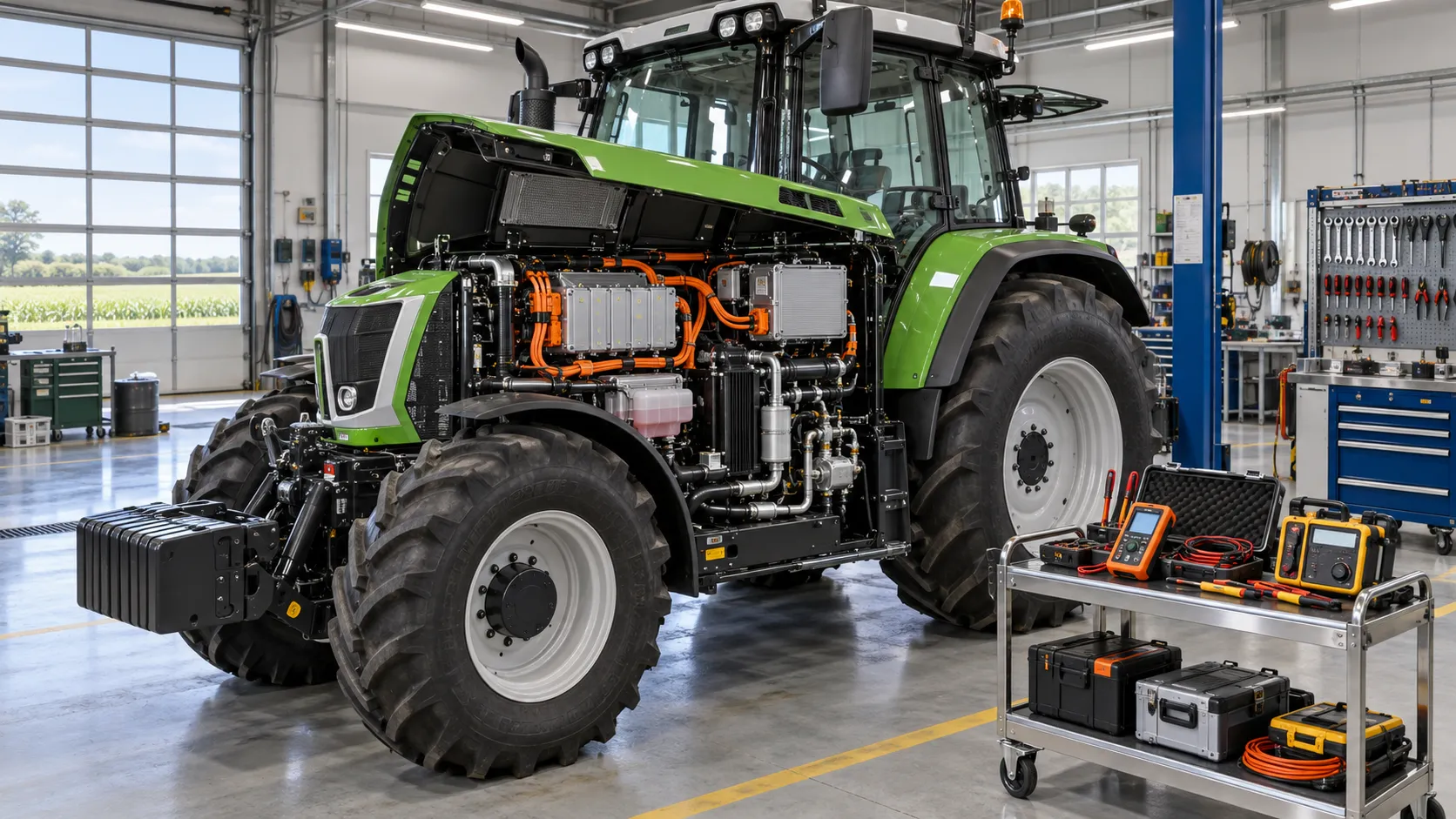
What maintenance challenges come with hybrid agricultural machines?
Hybrid agricultural machines demand smarter maintenance. Discover key challenges in high-voltage safety, batteries, software diagnostics, cooling, and parts planning.
Related News
- 00
0000-00
Choosing an Agriculture 4.0 Supplier: Compatibility, Support, and Total Cost - 00
0000-00
Comparing Farm Equipment Supplier Quotes: Price, Freight, and Warranty - 00
0000-00
Choosing a Digital Farming Platform Provider: Compatibility and Data Ownership - 00
0000-00
How Large-Scale Farm Telematics Cuts Downtime Across Mixed Fleets - 00
0000-00
Farm Machinery Sourcing: How to Vet Suppliers, Specs, and Lifecycle Costs
Popular Tags
Ms. Elena Rodriguez
Weekly Insights
Stay ahead with our curated technology reports delivered every Monday.