
EU Rule Takes Effect for Drip Irrigation Logic Certification
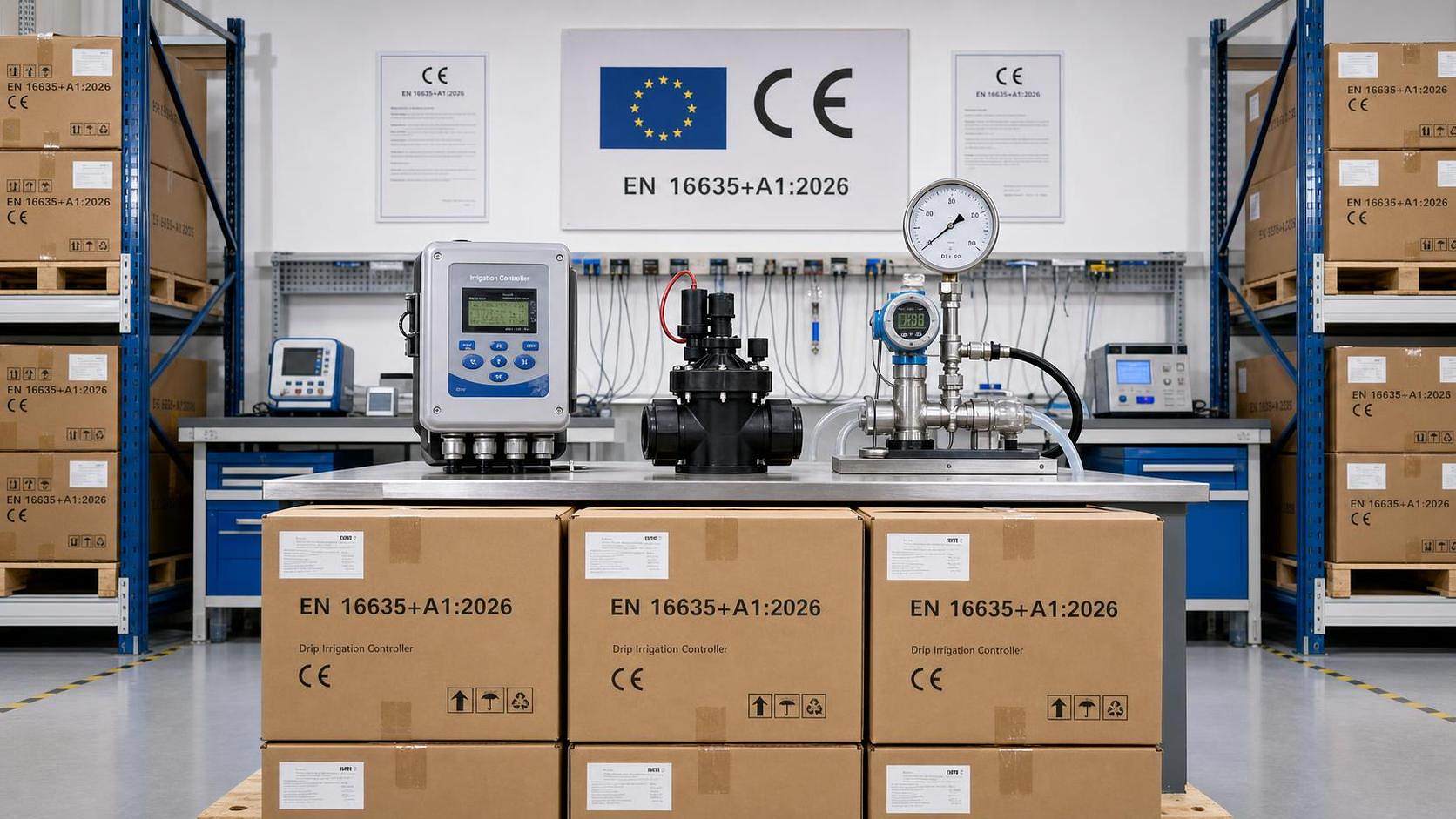




On July 17, 2026, the European Union put into effect a revised irrigation equipment compliance rule that raises the market-entry threshold for imported Drip Irrigation Logic systems. The immediate point of attention is not only the new EN 16635+A1:2026 requirement itself, but also its direct connection to CE compliance and customs access. For exporters, manufacturers, import-facing supply chain teams, and buyers serving the EU market, this is a practical compliance issue tied to whether goods can enter warehousing and move through delivery as planned.
What the new requirement formally changes
According to the provided information, the EU implemented the revised irrigation equipment compliance directive, EU 2026/1189, from July 17, 2026. Under this rule, all imported Drip Irrigation Logic systems must pass certification under the updated EN 16635+A1:2026 standard.
The updated standard adds three testing areas: water pressure response accuracy, durability under variable flow frequency, and compatibility with remote irrigation protocols. The information provided also states that products without the required certification may be denied warehouse entry or face return risk, with a direct impact on customs clearance access for Chinese export businesses.
Where the pressure will show up across the business chain
Export shipments face a more explicit customs threshold
From an industry perspective, direct trading companies are likely to feel the impact first because the rule is tied to EU import access. The effect is most visible in customs clearance, inbound warehousing, and delivery planning. What deserves closer attention is whether each shipment of Drip Irrigation Logic equipment is matched with certification status that aligns with the updated standard and CE-related requirements described in the provided information.
Manufacturing teams may need to revisit product validation
Analysis shows that manufacturers of Drip Irrigation Logic equipment may be affected at the product testing and release stage. The reason is straightforward: the new rule introduces three additional testing items rather than leaving prior compliance assumptions untouched. In practical terms, the pressure point is whether existing products can satisfy the added requirements for pressure response, variable-flow durability, and remote protocol compatibility before shipment to the EU market.
Supply chain and logistics providers may face execution risk
Supply chain service providers are also exposed because certification status can affect whether goods are accepted into storage or sent back. The impact here is operational rather than theoretical, especially in booking, handover timing, warehousing coordination, and exception handling. The main change to watch is whether certification review becomes a more visible checkpoint before cargo reaches the EU side of the chain.
Buyers and channel partners need clearer document visibility
For procurement teams, distributors, and channel partners serving EU demand, the issue is not only product availability but document certainty. If uncertified products carry a risk of refusal or return, buyers may need to pay closer attention to supplier qualification, compliance documentation, and delivery commitments. Observably, this shifts part of the risk review upstream into sourcing and order confirmation.
What companies should focus on now
Separate confirmed requirements from internal assumptions
The confirmed facts in the provided information are limited but already actionable: the rule is in force, imported Drip Irrigation Logic systems must meet EN 16635+A1:2026, and the new standard includes three added test areas. Companies should therefore distinguish between what is already stated and what still requires further official clarification in day-to-day execution.
Check product scope and shipment exposure
Businesses involved in EU-bound trade should review which products fall within the Drip Irrigation Logic category described in the input and which shipments may be exposed to customs, warehousing, or return risk if certification is incomplete. This is especially relevant for firms with active contracts, in-transit delivery schedules, or stock prepared for EU customers.
Review certification documents and supplier readiness
What deserves closer attention is whether suppliers, factories, and export teams can produce documentation aligned with the updated EN 16635+A1:2026 requirement and the related CE compliance expectation referenced in the title and summary. In practice, that means checking document completeness, certification status, and communication consistency across sales, compliance, and logistics functions.
Prepare customer and delivery communication in advance
Because the stated risk includes refusal of warehouse entry or product return, companies should prepare for customer-facing communication around lead times, compliance status, and delivery contingencies. This is less about broad management response and more about controlling contract execution, shipment timing, and expectation setting in the EU-facing business process.
Why this looks like more than a one-off procedural update
Analysis shows that this development is better understood as an immediate compliance change with broader signaling value, rather than as a routine paperwork adjustment. The immediate effect is clear in market access for imported Drip Irrigation Logic systems. At the same time, the addition of new testing items suggests that technical verification is becoming more central to product entry conditions in this category.
It is more appropriate to understand this as an already effective rule with continuing implications, not a distant policy discussion. Even so, some practical interpretation issues may still require observation, particularly how businesses translate the stated requirements into shipment controls, supplier coordination, and customer delivery commitments.
How the market should read this development
The most balanced reading is that the EU has moved this product category into a more explicit compliance framework tied to both updated technical testing and CE-related access expectations. For the industry, the significance lies in execution risk: products that do not meet the stated certification requirement may encounter barriers before they reach commercial use in the EU market.
Current conditions make this less a speculative long-term signal than a live operational requirement. At the same time, it should still be treated with discipline rather than overstatement, because the provided information confirms the rule change and its direct access implications, while further implementation detail may still need continued verification.
Basis of this article and points requiring follow-up
This article is based on the user-provided news title, event date, and event summary concerning the EU rule taking effect for Drip Irrigation Logic equipment on July 17, 2026. For this type of development, relevant source categories typically include official regulatory notices, company announcements, industry association updates, authoritative media coverage, and standard-setting organization documents.
No specific official source link was provided in the input, so the exact underlying publication path still needs continued verification. Follow-up attention should focus on any subsequent official wording, implementation clarifications, and documentation expectations affecting certification review, customs handling, warehousing acceptance, and return-risk management.
Related News
Choosing an Agriculture 4.0 Supplier: Compatibility, Support, and Total Cost
Choose an Agriculture 4.0 supplier with confidence. Learn how to verify compatibility, assess support, and compare total ownership costs to avoid hidden fees and costly downtime.
Low-Pressure Drip Irrigation: How to Fix Uneven Watering Without Raising Pressure
Optimize low pressure water-saving irrigation systems: discover how to fix uneven watering, clear blockages, and reduce hydraulic losses without raising supply pressure.
Comparing Farm Equipment Supplier Quotes: Price, Freight, and Warranty
Simplify supplier comparison for farm equipment price: assess freight, field-ready costs, and warranty coverage. Learn how to avoid hidden charges and choose a reliable supplier.
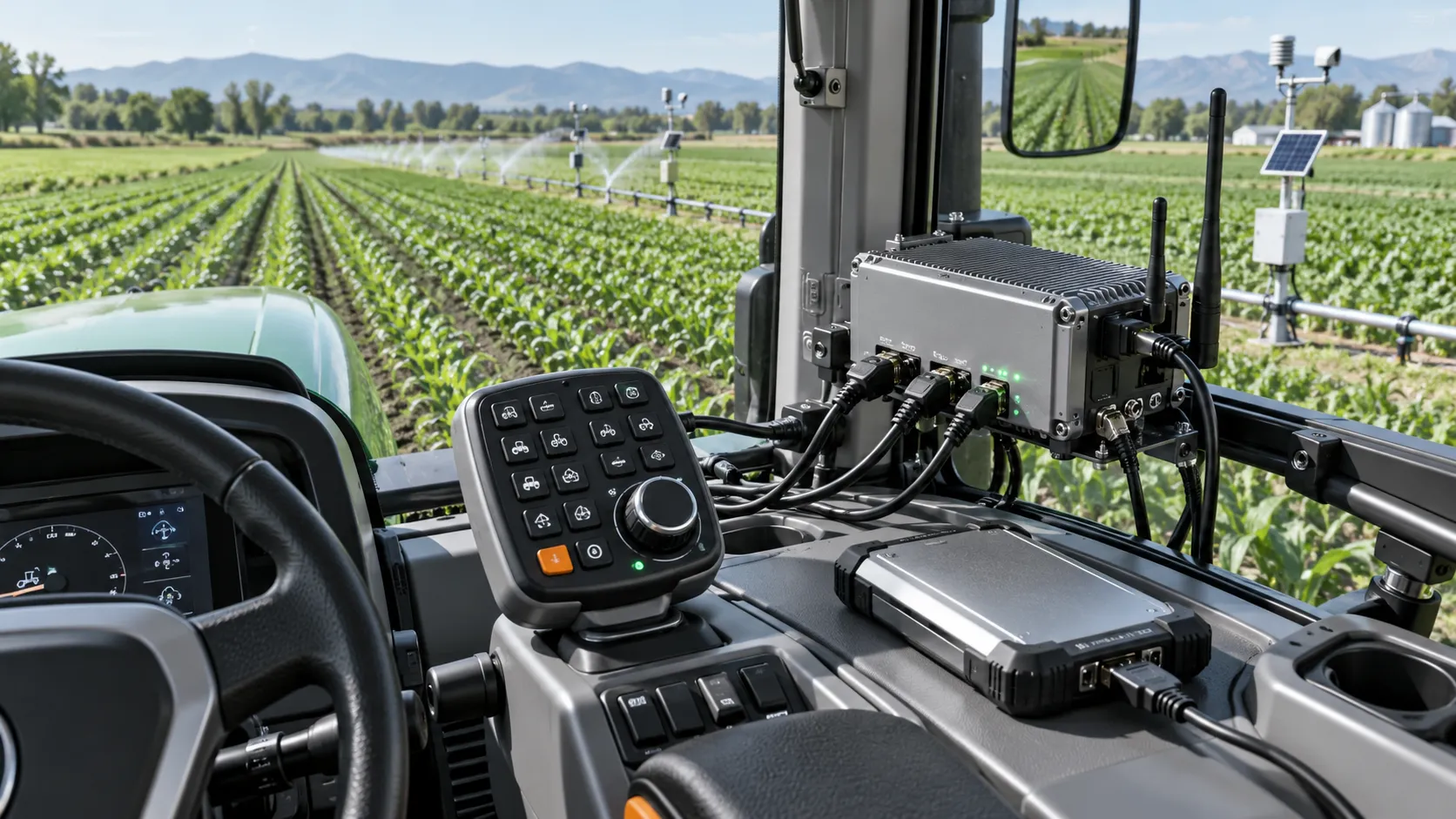
Choosing a Digital Farming Platform Provider: Compatibility and Data Ownership
Compare digital farming platforms providers on equipment compatibility, data ownership, and export rights. Discover practical checks to avoid lock-in and choose with confidence.
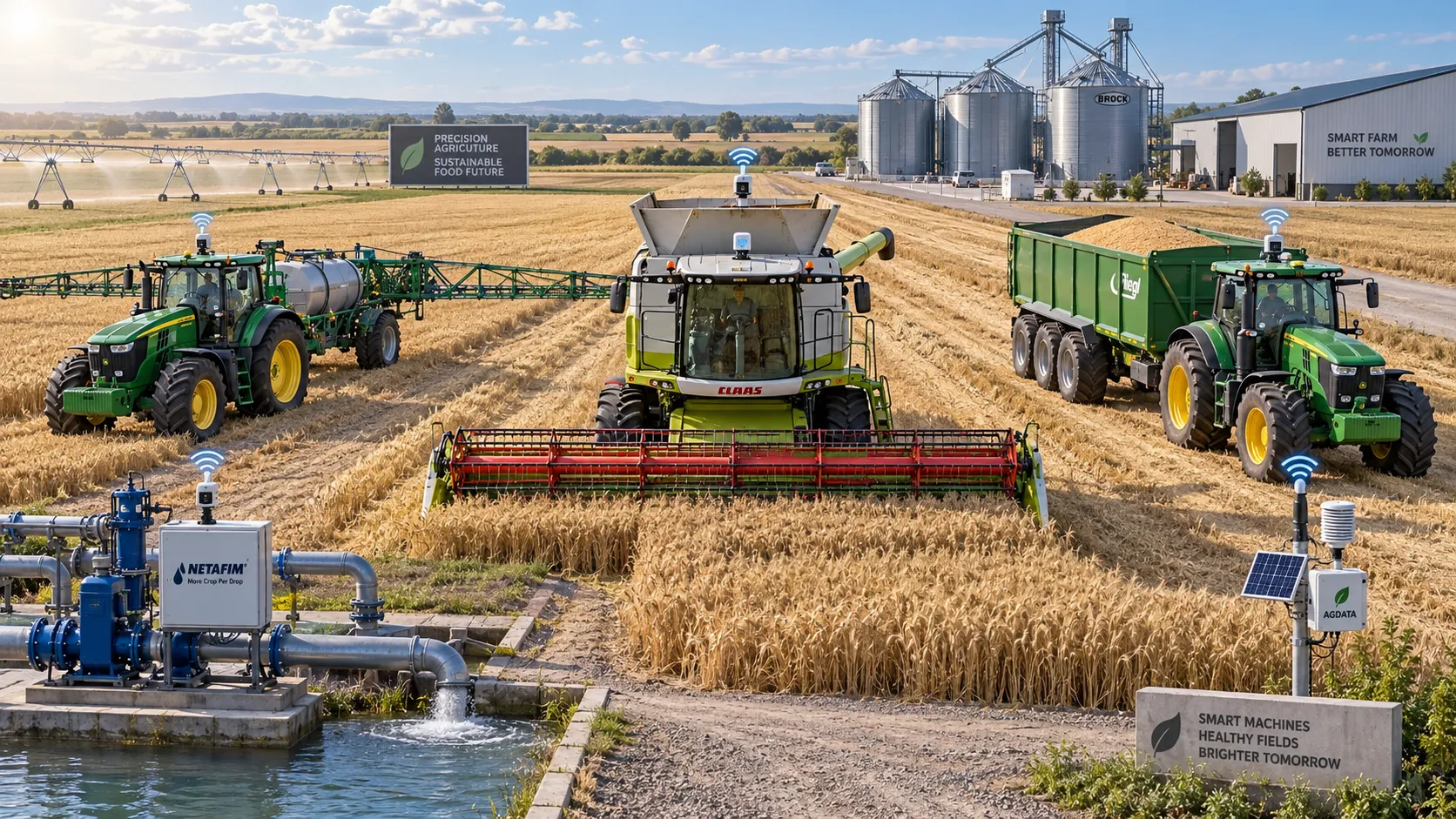
How Large-Scale Farm Telematics Cuts Downtime Across Mixed Fleets
Large-scale farm equipment telematics cuts mixed-fleet downtime with real-time alerts, smarter maintenance, and stronger operational control. Learn how to protect critical farm workflows.
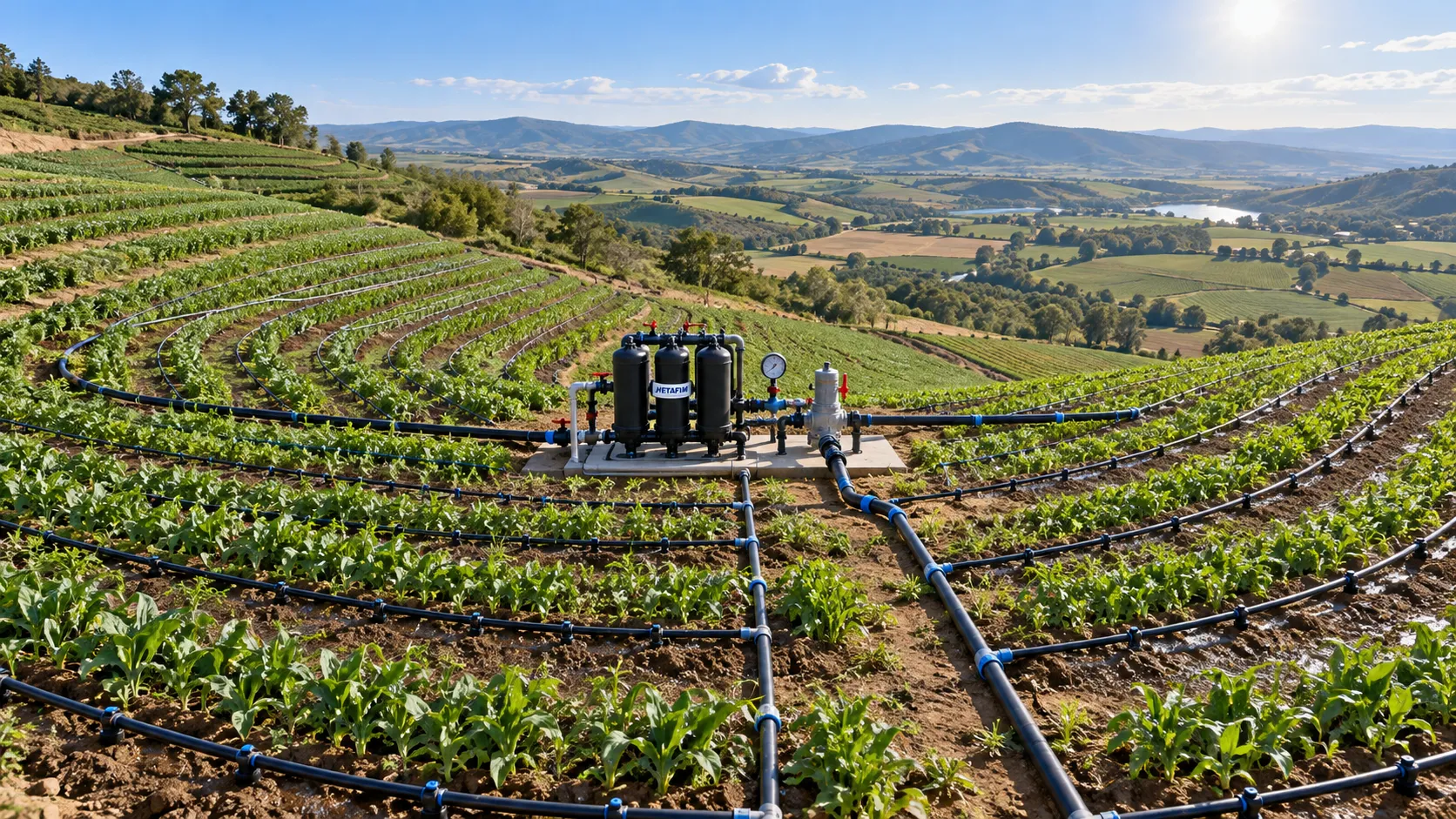
How to Size Low-Pressure Water-Saving Irrigation Systems for Uneven Fields
Low pressure water-saving irrigation systems for uneven fields: learn zoning, pressure mapping, pipe sizing, and pump selection to improve uniformity and reduce water waste.
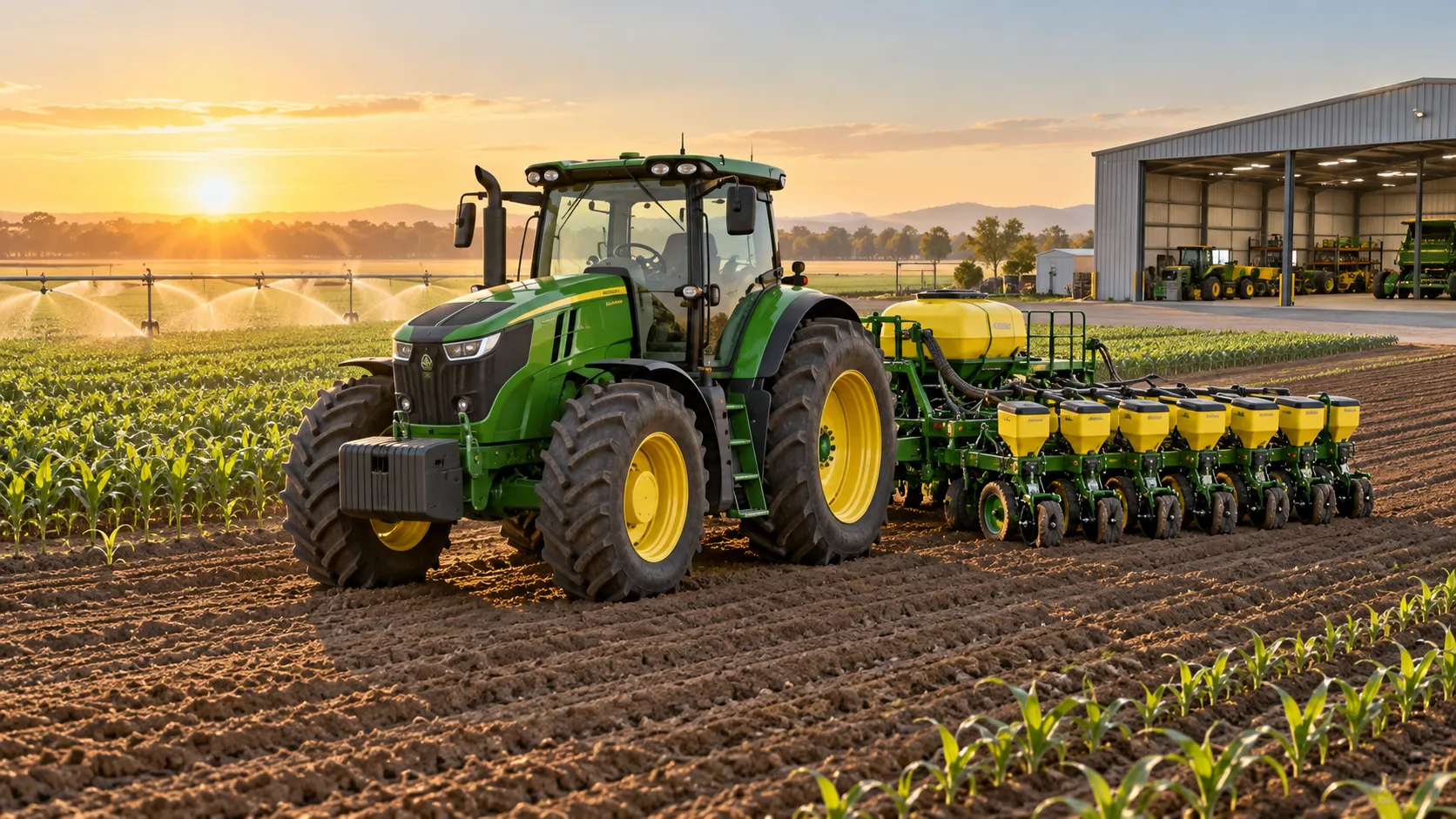
Farm Machinery Sourcing: How to Vet Suppliers, Specs, and Lifecycle Costs
Farm machinery information for sourcing: learn to vet suppliers, compare specifications, control lifecycle costs, and secure reliable uptime for smarter equipment purchases.
How telemetry for agriculture helps identify equipment downtime
Telemetry for agriculture helps detect early warning signs, prioritize maintenance, and reduce costly equipment downtime before field operations are disrupted.
What maintenance challenges come with hybrid agricultural machines?
Hybrid agricultural machines demand smarter maintenance. Discover key challenges in high-voltage safety, batteries, software diagnostics, cooling, and parts planning.
Related News
- 00
0000-00
Low-Pressure Drip Irrigation: How to Fix Uneven Watering Without Raising Pressure - 00
0000-00
How to Size Low-Pressure Water-Saving Irrigation Systems for Uneven Fields - 00
0000-00
Drip vs. Micro-Sprinkler Irrigation: Which System Fits Your Orchard? - 00
0000-00
How to Select Smart Irrigation Valves for Multi-Zone Water Management? - 00
0000-00
Automated Water-Saving Irrigation: How to Cut Water Use Without Reducing Crop Yields
Popular Tags
Hydrological Resource Strategist
Weekly Insights
Stay ahead with our curated technology reports delivered every Monday.