
Crop Harvesting Technology in North America: Key Systems, Costs, and Adoption Factors
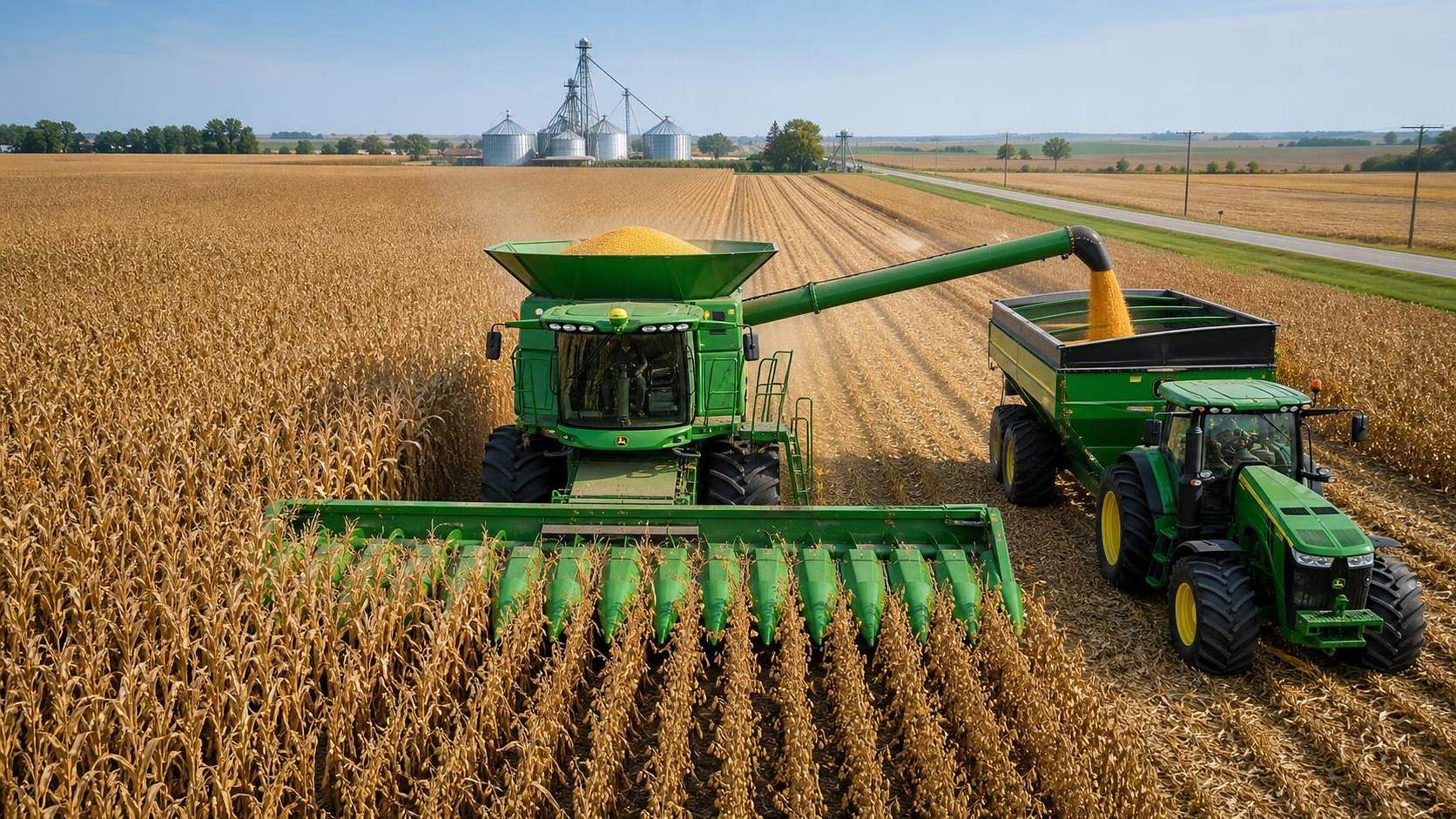




Crop harvesting technology North America is no longer defined only by bigger machines and faster field speeds. It now sits at the intersection of labor pressure, fuel discipline, grain quality targets, and climate variability.
That shift matters because harvesting remains the most time-sensitive stage in crop production. A short delay can reduce yield, raise drying costs, increase field loss, and compress logistics across storage and transport.
Across the region, operators are comparing not just horsepower, but also sensor quality, automation levels, residue handling, and service support. For strategic planning, crop harvesting technology North America must be read as a system decision, not a single equipment purchase.
Why the North American market is changing
The region covers very different harvesting realities. Corn and soybeans in the Midwest, wheat across the Plains, canola in Canada, cotton in the South, and specialty crops in California all create different equipment priorities.
Weather volatility has raised the value of narrow harvest windows. Farms want higher throughput, but they also need stable grain quality and lower losses in uneven moisture conditions.
Labor constraints add another layer. Skilled operators are harder to secure during peak season, which pushes demand toward automation, easier machine setup, and remote diagnostics.
At the same time, sustainability targets are moving from public messaging into operating practice. Fuel efficiency, compaction control, residue management, and data-backed input planning all influence harvesting choices.
The main systems shaping harvest performance
When discussing crop harvesting technology North America, the conversation usually starts with combines. Yet the real performance picture includes headers, chassis, automation software, grain carts, telematics, and post-harvest coordination.
Combine platforms and threshing systems
Axial-flow, hybrid, and conventional systems still coexist, even if the market favors high-capacity rotary designs. Crop type, straw condition, terrain, and grain quality objectives shape the best fit.
High-capacity machines matter on large acreages, but throughput alone can be misleading. Cleaning efficiency, loss monitoring, unloading speed, and residue spread quality often determine actual field productivity.
Headers and crop-specific front ends
Header selection strongly affects loss levels. Draper platforms, corn heads, pickup headers, and specialty units each change feeding consistency and machine utilization.
In practical terms, a premium combine paired with the wrong header can underperform a mid-tier machine configured correctly. That is especially true in lodged crops or mixed field conditions.
Precision and automation layers
Yield mapping, auto-steering, machine sync, moisture sensing, and automated adjustment systems are now central features, not add-ons. They reduce setup variation between operators and improve repeatability.
This is where intelligence platforms such as AP-Strategy add value. The most useful harvest decisions now depend on connecting machine mechanics with field data, crop algorithms, and long-cycle asset planning.
What costs really look like
A common mistake is to view harvest economics through sticker price alone. In reality, crop harvesting technology North America should be evaluated through total operating cost and revenue protection.
Capital cost remains the first filter. Large combines, high-capacity headers, and precision software can create a substantial upfront burden, especially when financing costs are elevated.
However, ownership cost continues through fuel use, maintenance, wear parts, downtime risk, software subscriptions, seasonal labor, and transport between fields. Residual value also matters more than many first-pass comparisons suggest.
In high-volume operations, one point of reduced field loss may justify an upgraded system faster than a lower purchase price can. That is why cost analysis must include avoided losses, not just expense control.
Adoption is driven by more than machine specifications
The adoption of crop harvesting technology North America depends on structural farm conditions. Acreage scale is important, but it is only one variable.
Field dispersion changes transport efficiency and service timing. Crop rotation affects header utilization and machine versatility. Moisture patterns alter the value of advanced sensing and cleaning systems.
Dealer capability is another major factor. Strong local parts inventory, qualified technicians, and preseason support often influence purchasing decisions as much as advertised performance figures.
Data compatibility is increasingly important. If yield data, machine telematics, and agronomic platforms do not integrate cleanly, the practical value of advanced harvesting technology drops quickly.
- Short harvest windows increase the premium on uptime and unloading efficiency.
- Labor shortages strengthen demand for automation and simplified machine settings.
- Higher fuel and financing costs raise the importance of per-acre productivity.
- Sustainability reporting creates interest in traceable performance and resource use.
Regional patterns behind equipment choices
In the U.S. Corn Belt, high-capacity combines and corn-soybean flexibility remain central. Fast unload rates, grain cart coordination, and moisture management drive return on investment.
Across the Great Plains, wheat harvesting places more emphasis on broad coverage, residue handling, and durable field performance over long operating days. Service access can be decisive in remote areas.
Canadian operations often weigh canola performance, cold-weather reliability, and short seasonal windows more heavily. Machine setup for variable crop conditions becomes a critical economic lever.
Specialty crop segments are different again. They require higher crop sensitivity, more selective mechanization, and closer integration between harvest timing, storage, and quality preservation.
How to evaluate harvesting options in practice
A useful evaluation starts with acres, crops, and peak harvest hours, but it should not stop there. The stronger approach is to model throughput against timing risk and value loss.
That means asking how many productive hours are realistically available, how often crops are harvested outside ideal moisture ranges, and what downtime costs during the narrowest window.
Decision points worth weighting
- Actual field capacity under local crop and weather conditions
- Header compatibility across rotation plans
- Fuel burn per harvested acre, not only per engine hour
- Sensor accuracy for loss, moisture, and machine health
- Parts lead time and technician availability during peak season
- Resale outlook and software support life cycle
This is also where intelligence-led benchmarking matters. AP-Strategy’s focus on combine harvesting technology, tractor chassis performance, and precision farming signals reflects how harvest decisions now connect to wider asset strategy.
A machine that performs well in isolation may still be the wrong answer if it weakens fleet compatibility, data continuity, or irrigation-linked crop scheduling across the broader operation.
What to watch over the next investment cycle
The next phase of crop harvesting technology North America will likely center on automation depth, machine-to-machine coordination, and stronger predictive maintenance.
There is also growing interest in electric subsystems, hybrid power architectures, and software tools that connect harvesting data to irrigation planning and input prescriptions.
That broader view fits the Agriculture 4.0 landscape. Harvesting is becoming part of a connected chain, where field execution, sustainability targets, and commercial timing are evaluated together.
For the next step, the most effective path is to build a comparison framework around field conditions, cost per acre, loss sensitivity, service resilience, and data interoperability. That creates a clearer basis for judging which harvesting strategy can hold value across multiple seasons.
Related News
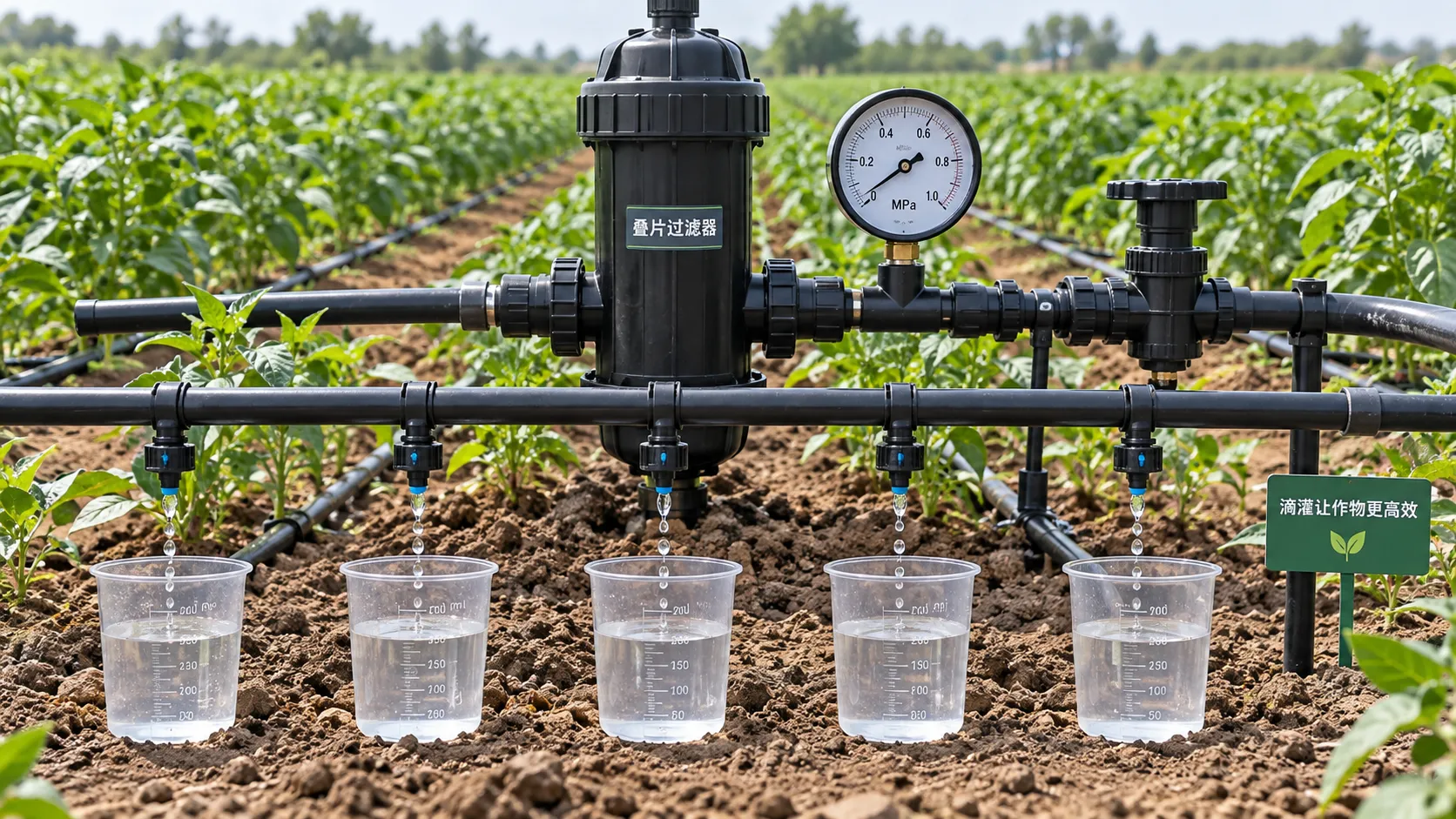
Low-Pressure Drip Irrigation: How to Fix Uneven Watering Without Raising Pressure
Optimize low pressure water-saving irrigation systems: discover how to fix uneven watering, clear blockages, and reduce hydraulic losses without raising supply pressure.
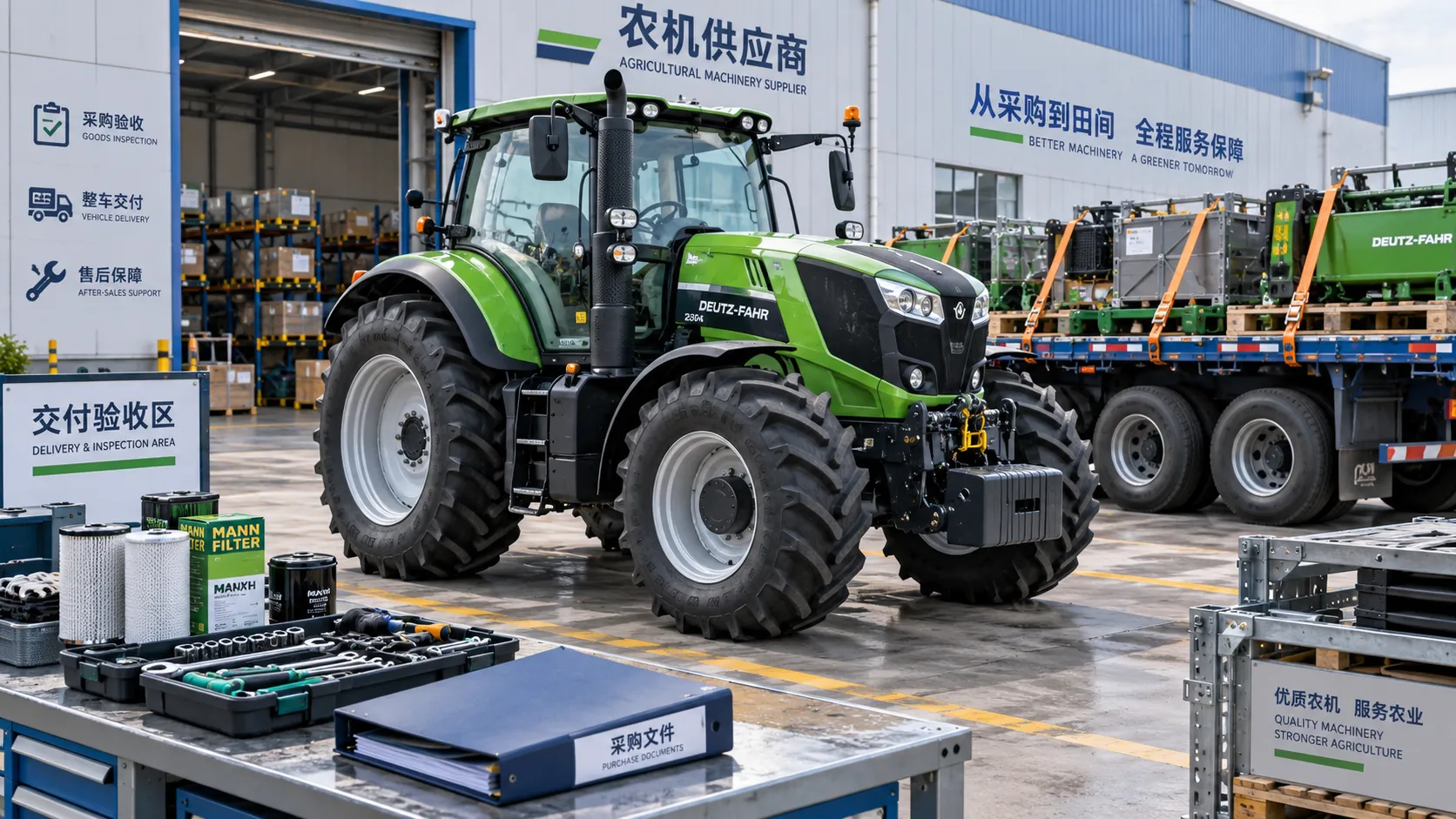
Comparing Farm Equipment Supplier Quotes: Price, Freight, and Warranty
Simplify supplier comparison for farm equipment price: assess freight, field-ready costs, and warranty coverage. Learn how to avoid hidden charges and choose a reliable supplier.
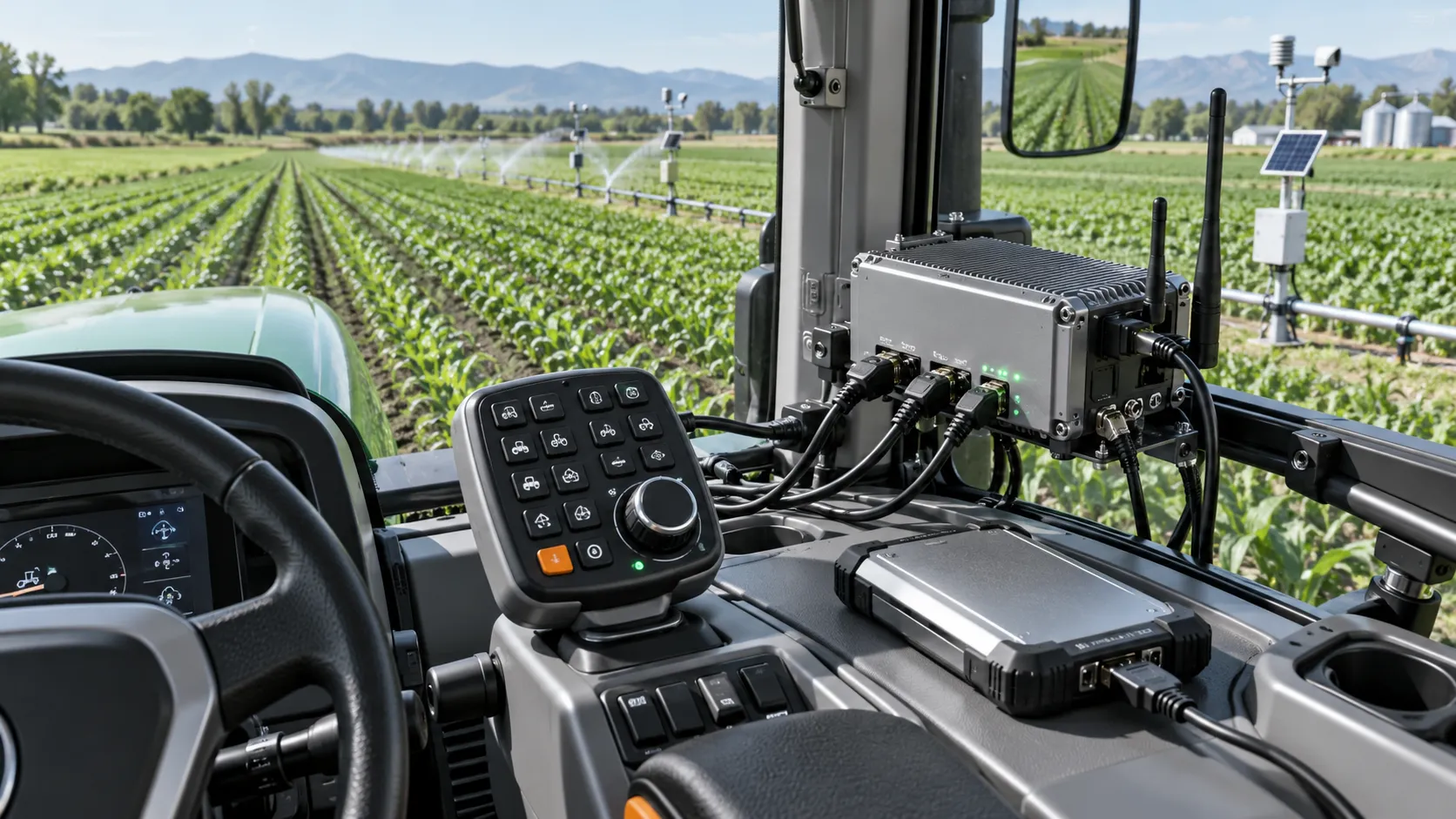
Choosing a Digital Farming Platform Provider: Compatibility and Data Ownership
Compare digital farming platforms providers on equipment compatibility, data ownership, and export rights. Discover practical checks to avoid lock-in and choose with confidence.
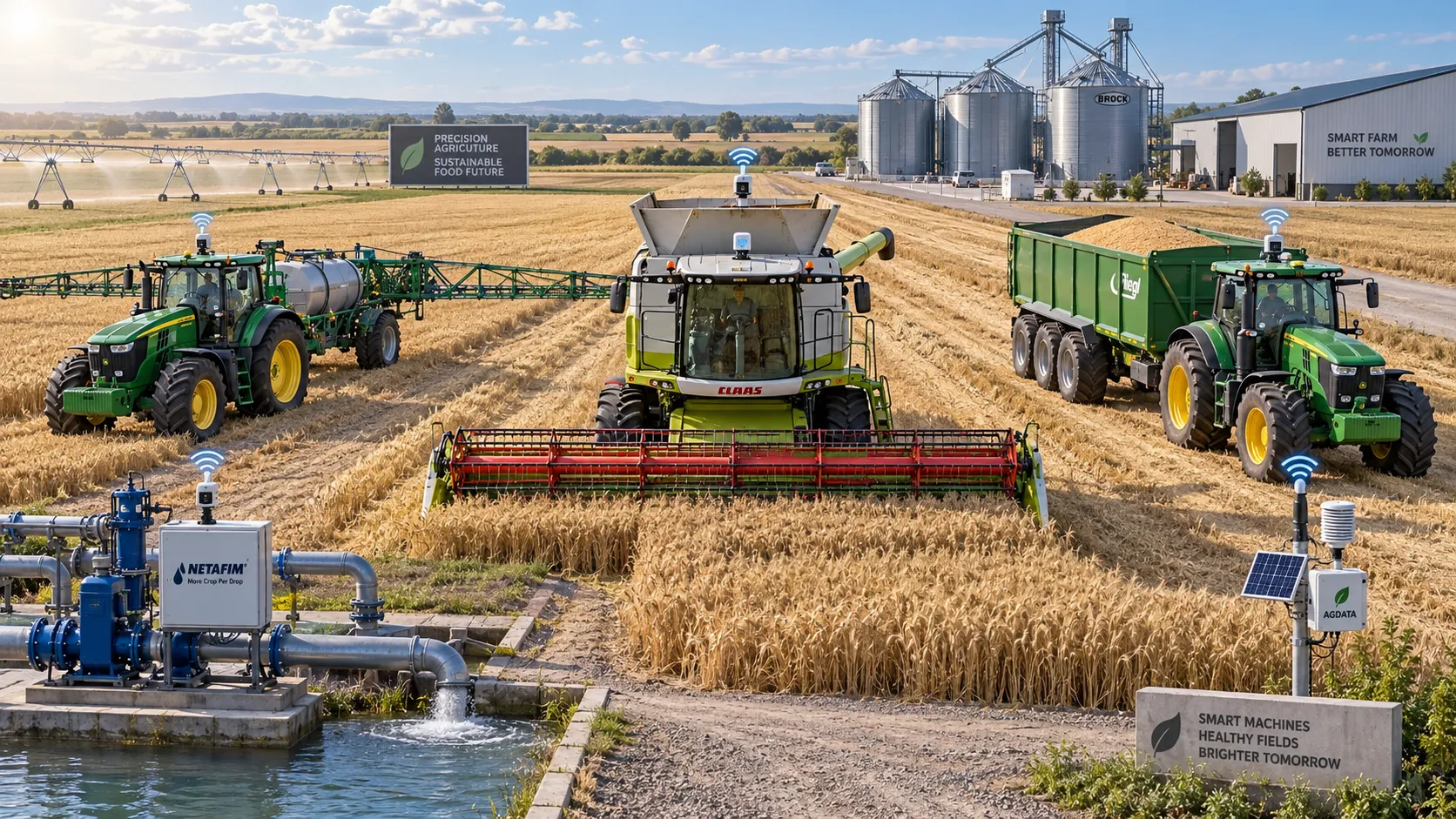
How Large-Scale Farm Telematics Cuts Downtime Across Mixed Fleets
Large-scale farm equipment telematics cuts mixed-fleet downtime with real-time alerts, smarter maintenance, and stronger operational control. Learn how to protect critical farm workflows.
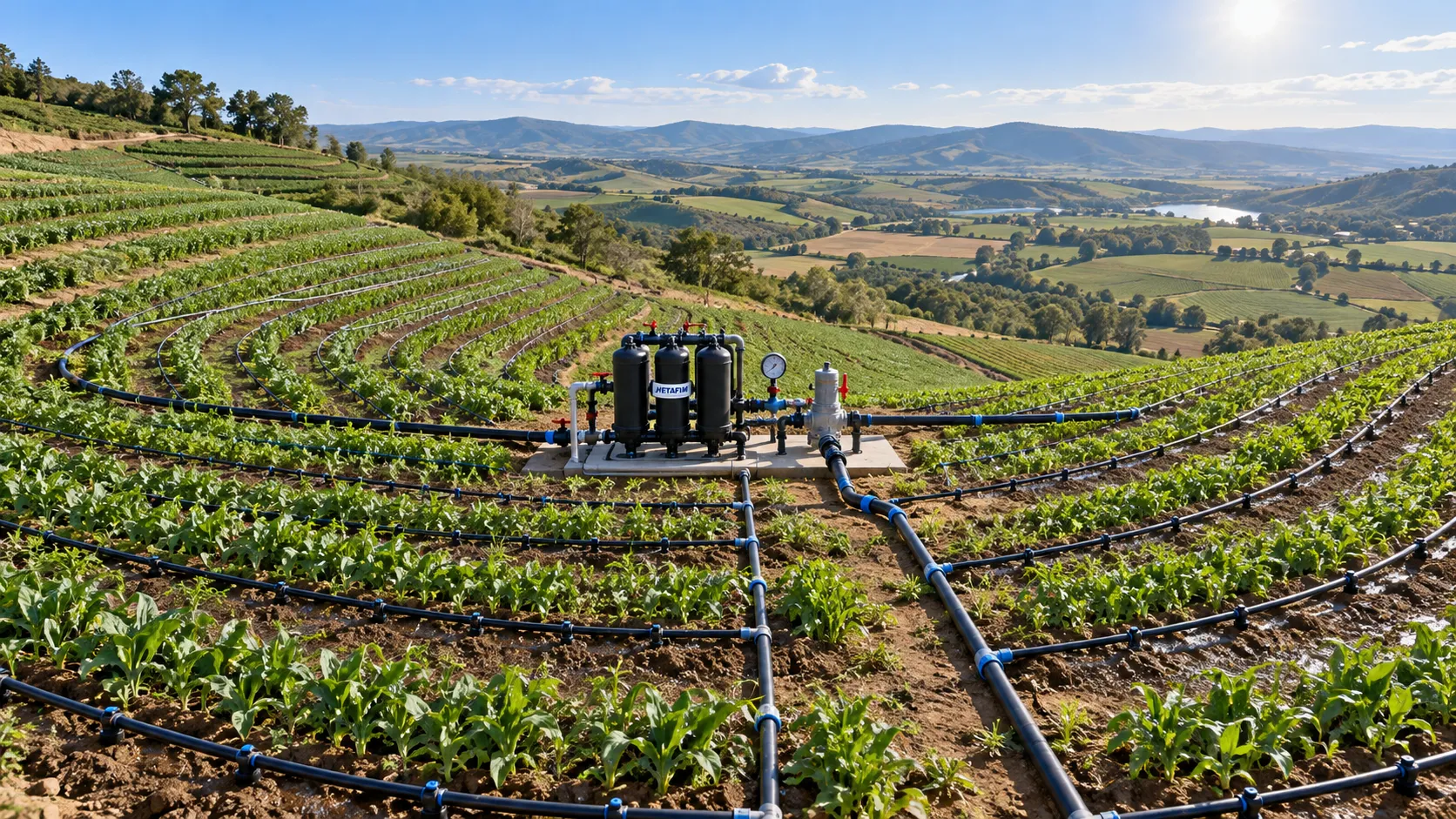
How to Size Low-Pressure Water-Saving Irrigation Systems for Uneven Fields
Low pressure water-saving irrigation systems for uneven fields: learn zoning, pressure mapping, pipe sizing, and pump selection to improve uniformity and reduce water waste.
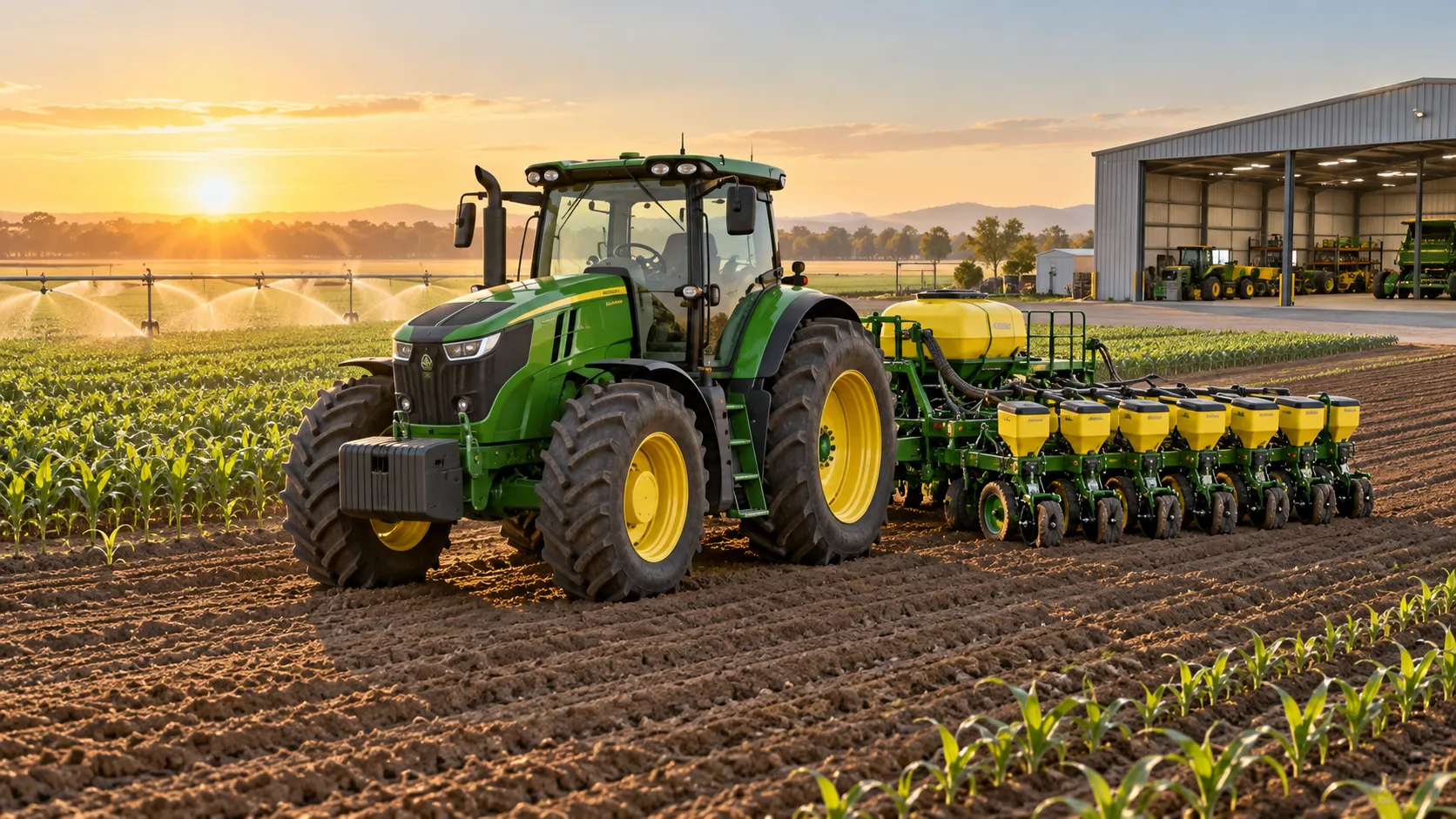
Farm Machinery Sourcing: How to Vet Suppliers, Specs, and Lifecycle Costs
Farm machinery information for sourcing: learn to vet suppliers, compare specifications, control lifecycle costs, and secure reliable uptime for smarter equipment purchases.
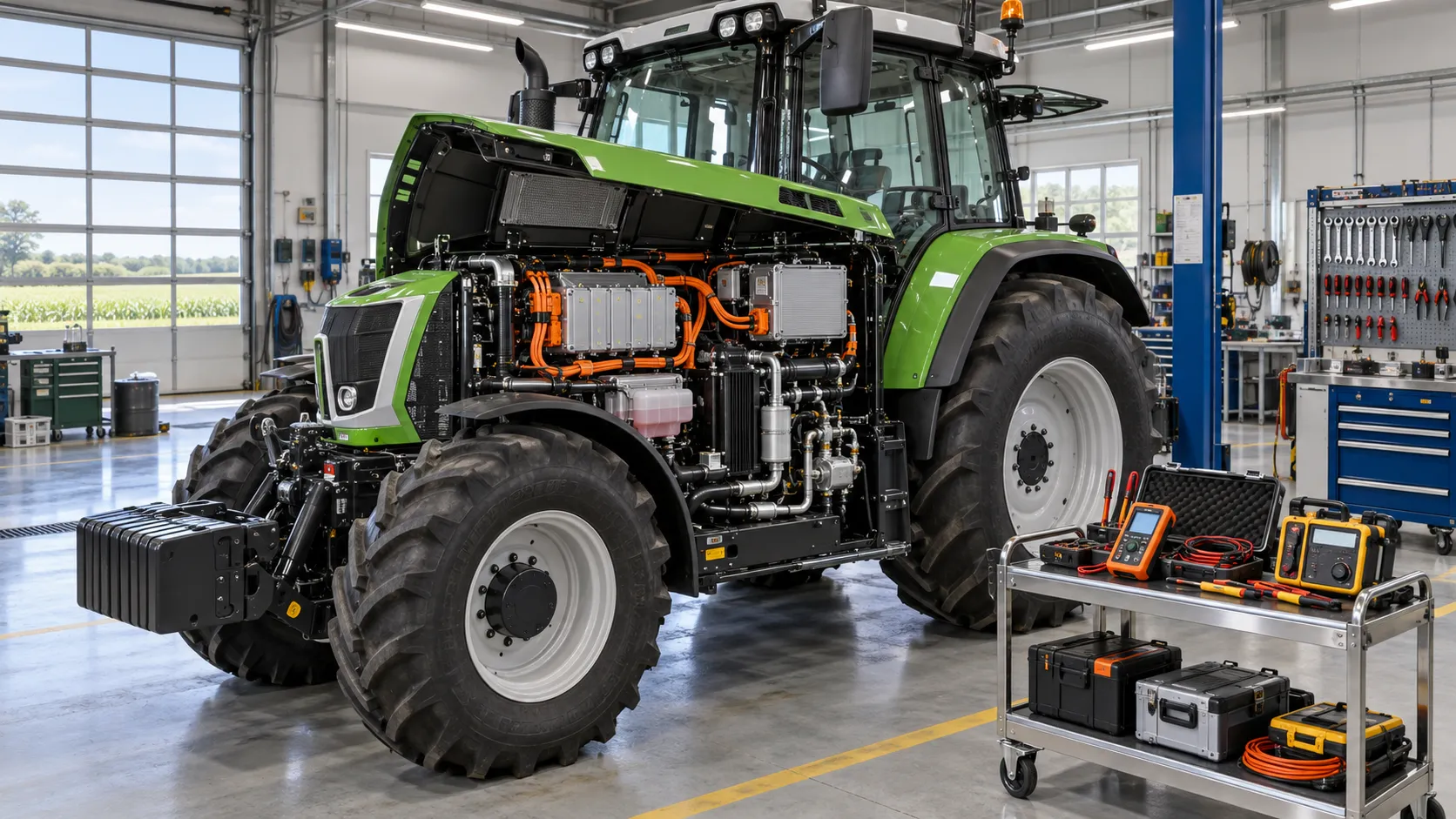
What maintenance challenges come with hybrid agricultural machines?
Hybrid agricultural machines demand smarter maintenance. Discover key challenges in high-voltage safety, batteries, software diagnostics, cooling, and parts planning.
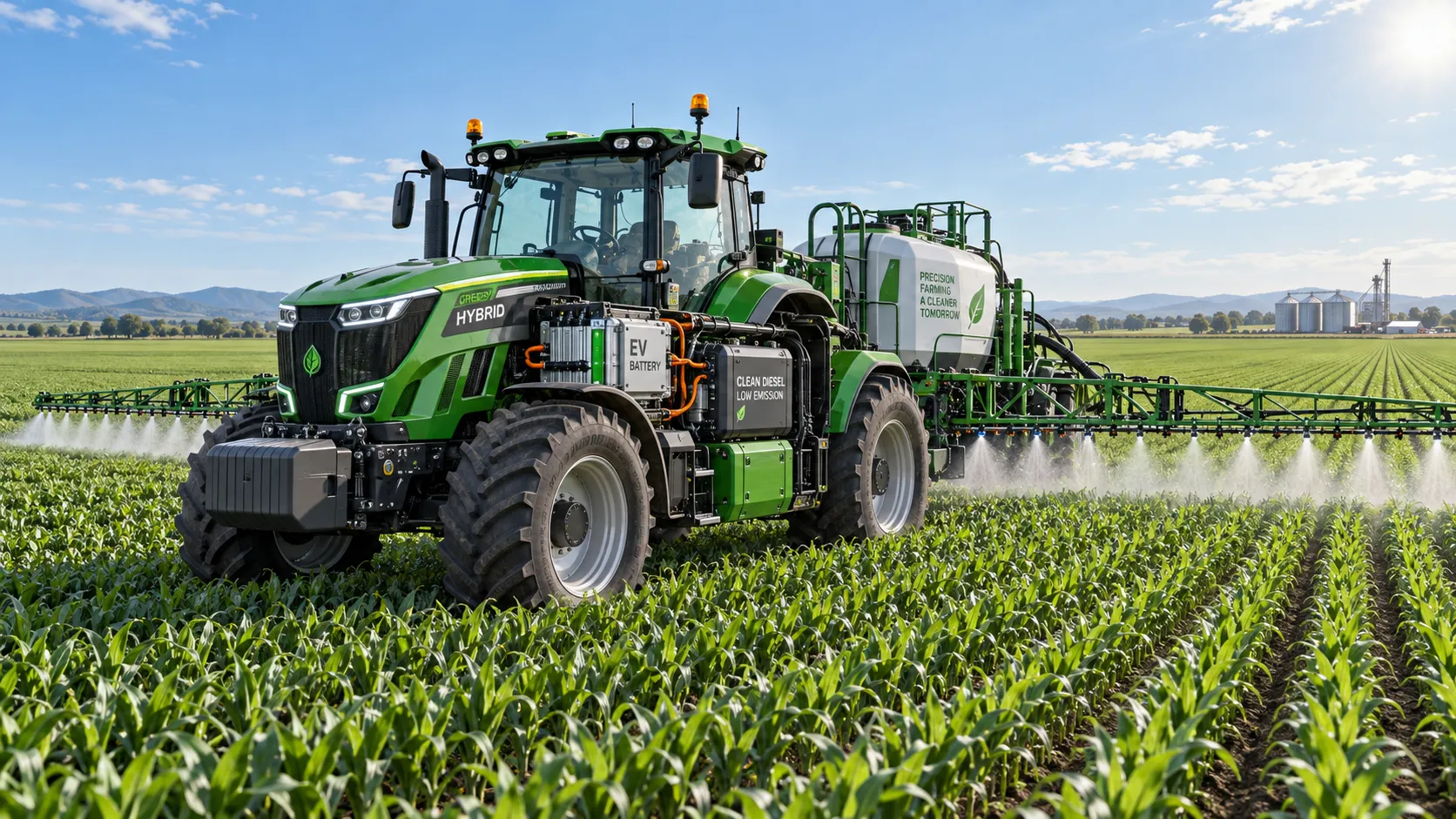
Can hybrid propulsion systems reduce fuel use in farm machinery?
Hybrid propulsion systems for agricultural machinery can cut fuel use and boost productivity. Explore savings potential, key trade-offs, and smart investment factors.
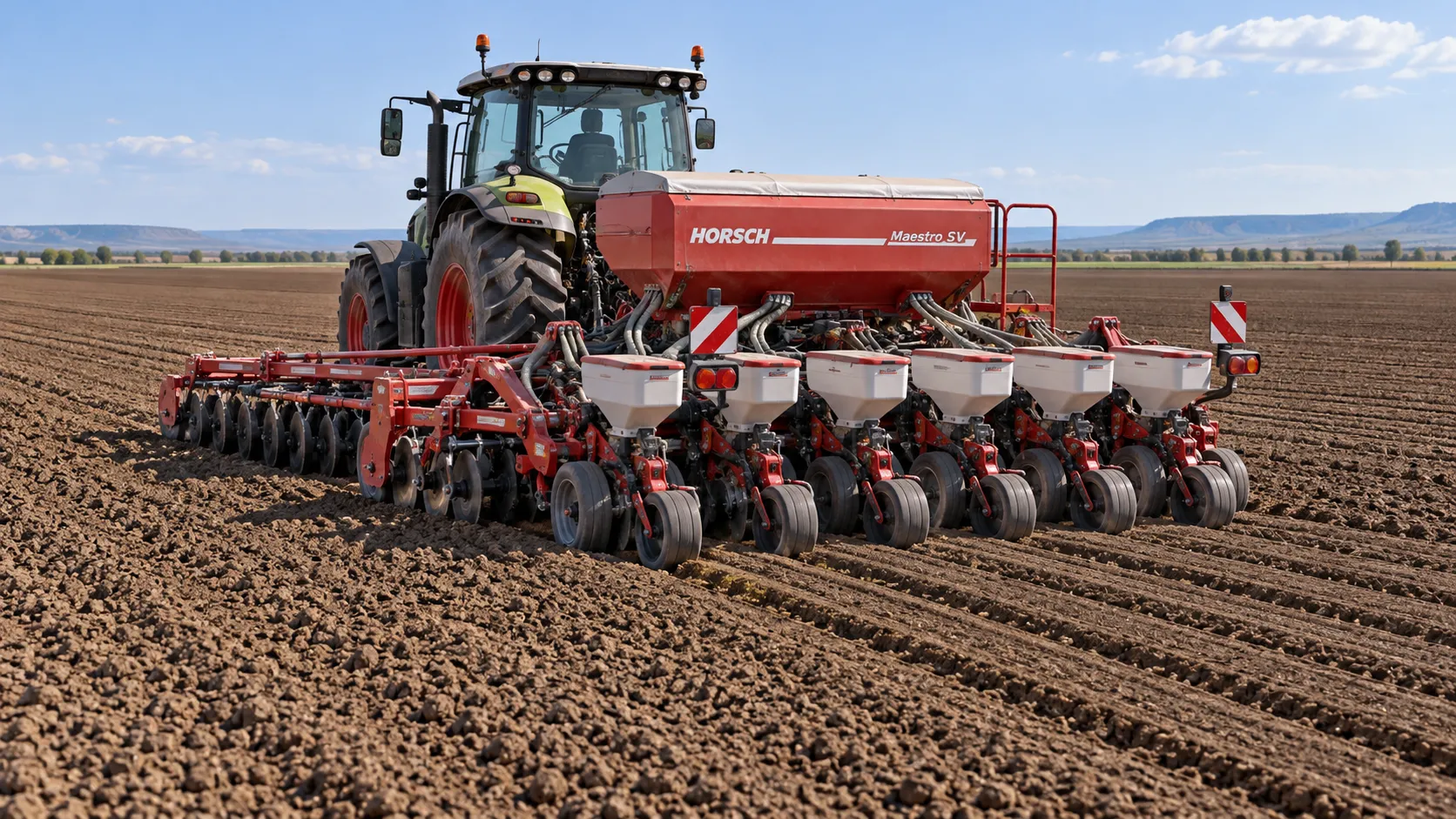
What to compare in integrated seeding combinations for heavy soils
Compare integrated seeding combinations for heavy soils: depth control, residue flow, consolidation, traction, and field capacity for more uniform crop establishment.
Related News
- 00
0000-00
Comparing Farm Equipment Supplier Quotes: Price, Freight, and Warranty - 00
0000-00
Choosing a Digital Farming Platform Provider: Compatibility and Data Ownership - 00
0000-00
How Large-Scale Farm Telematics Cuts Downtime Across Mixed Fleets - 00
0000-00
Farm Machinery Sourcing: How to Vet Suppliers, Specs, and Lifecycle Costs - 00
0000-00
Which costs matter most when calculating precision agriculture ROI?
Popular Tags
Ms. Elena Rodriguez
Weekly Insights
Stay ahead with our curated technology reports delivered every Monday.